The Short Version
A 12-pound Chihuahua can become a 120-mph projectile in 0.3 seconds during a 60-mph collision. That's not a cute car companion; that's an unguided missile with fur. Nobody thinks about the physics of unsecured cargo until it's too late, and your 'precious cargo' is now a biohazard on the dashboard. My first extraction protocol for a small dog on a long trip involved a hastily deployed laundry basket and a bungee cord. It worked, mostly. But it was not tactical.
Autoroamer gets it.
Driving with a small dog isn't about 'enriching experiences'; it's about containment and survival. You have 15 minutes to secure that animal before it decides your gear shift is a chew toy or, worse, tries to co-pilot. This isn't a leisurely Sunday drive; it's a mission. And every mission needs a load-out.
Car and Driver even consulted the Center for Pet Safety on this.
My sanity-saver for a 3-hour run to the vet: a properly secured dog car seat. This isn't just about keeping them from bouncing around. It's about preventing a 5-pound furball from becoming a distraction that causes a 50-car pileup. The cost of a good seat, typically $40-$150, is a fraction of an emergency vet bill or, worse, a totaled vehicle.
That is not a purchase; that is a strategic investment in logistic survival. Wonder Clinic highlights the versatility for different vehicles.
I learned the hard way that 'lap dog' means 'unrestrained object' when you hit the brakes at 40 mph. My initial setup was a bath towel and a prayer, which provided precisely zero G-force protection. That specific incident cost me 2 hours of debriefing with a very confused vet. Never again.
This YouTube review channel emphasizes the crash-test aspect for a reason.
Top Picks
Choosing the right containment system is about understanding load paths and material failure. You want something that integrates with the vehicle's existing restraint structure - the seatbelt. Anything less is just a plush projectile holder. Here are my top picks, based on design integrity and the painful lessons learned from cheap plastic cracking.
Sleepypod Mobile Pet Bed (~$225)
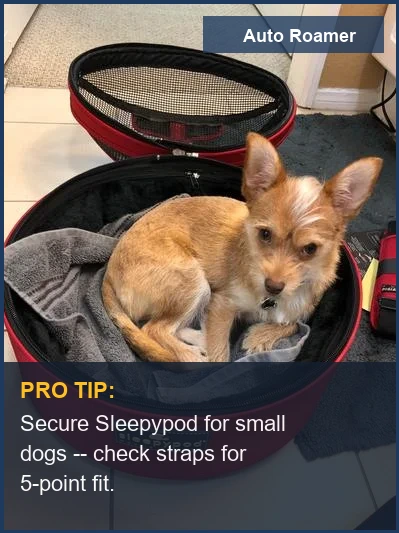
This thing is basically a small, spherical bunker. It's a carrier and a car seat, built with a dense foam core. The Center for Pet Safety has certified it for crashworthiness, which means it won't disintegrate into shrapnel during a sudden deceleration. The shell is rigid, distributing impact forces over a larger area.
- Capacity: Up to 15 pounds.
- Pros: Excellent impact absorption, versatile as a carrier, good thermal regulation.
- Cons: High cost, bulky for very small cars.
- Best-for: Road trips where consistent restraint is paramount.
Diggs Travel Carrier (~$185)
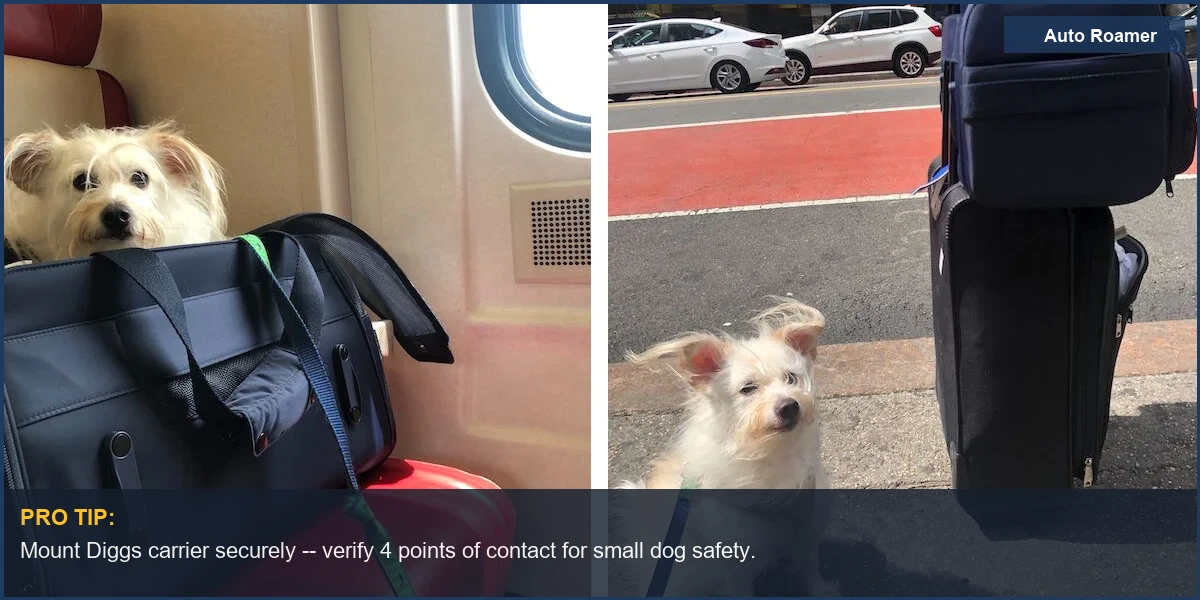
Another dual-purpose unit. The Diggs carrier latches into the seatbelt system directly, minimizing dynamic load shifts. It's designed to prevent compression injuries from vehicle occupants or other cargo. The structural integrity comes from its reinforced plastic shell and steel mesh door, preventing shear failure at stress points. The Spruce Pets rates it highly for overall safety.
- Capacity: Up to 18 pounds.
- Pros: Crash-tested, collapsible for storage, good ventilation.
- Cons: Assembly can be fiddly, not as plush for comfort.
- Best-for: Daily commutes or short trips where quick deployment is key.
Tavo Maeve Pet Protection System (~$350)
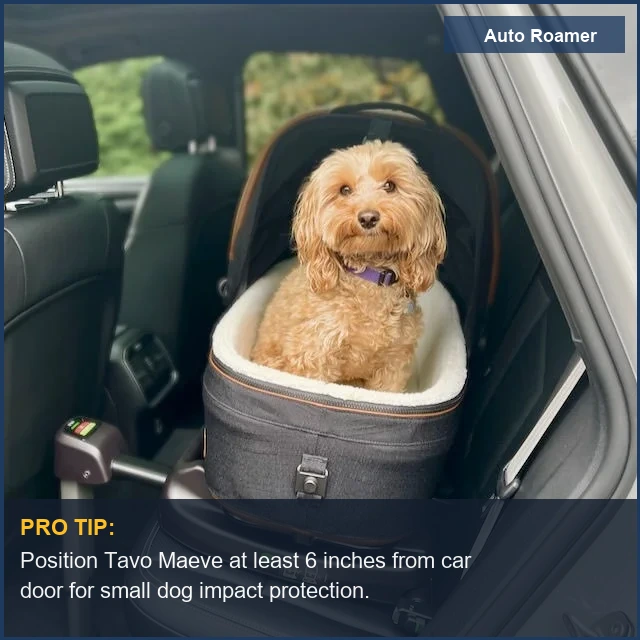
This is an investment-grade system, not some flimsy fabric hammock. It uses ISOFIX latches, which are usually reserved for child safety seats, giving it a direct, rigid connection to the chassis. This eliminates play and significantly reduces kinetic energy during an impact. The EPP foam and TailorTech memory foam are designed to absorb and dissipate energy, not just cushion it. Wunderpets recommends it for multi-modal travel.
- Capacity: Up to 20 pounds.
- Pros: Ultimate safety with ISOFIX, multi-functional (carrier, stroller), superior impact protection.
- Cons: Very expensive, heavy.
- Best-for: Owners who demand the absolute highest level of safety and have the budget for it.
JOEJOY Deluxe Dog Booster Seat (~$55)
This is a more budget-friendly booster, but it still has a solid internal frame and integrates with the seatbelt. The elevation is key for reducing anxiety-induced movement, which can lead to distracted driving. While not crash-tested to the same rigorous standards as the Sleepypod, its primary function is containment and elevation, which it does well. Texas Diamond Garage calls it a smart choice.
- Capacity: Up to 25 pounds.
- Pros: Affordable, elevates dog for visibility, easy to install.
- Cons: Less robust impact protection, fabric attachment points are weaker.
- Best-for: Casual drives where basic containment and visibility are the main concerns.
Petsfit Dog Car Seat (~$70)
This unit is surprisingly robust for its price point. It's designed to accommodate either a single medium-small dog or two very small dogs. The internal structure uses a metal frame, resisting deformation under moderate stress. It buckles directly into the vehicle's seatbelt, providing a decent anchor. Smart Bark notes its value for larger small dogs or two companions.
- Capacity: Up to 45 pounds (total).
- Pros: Good value, fits multiple small dogs, decent structural rigidity.
- Cons: Bulkier than single-dog options, less padding.
- Best-for: Owners with two small dogs or one slightly larger small dog, seeking a cost-effective solution.
View on Amazon — Sleepypod Mobile Pet Bed
View on Amazon — Diggs Travel Carrier
View on Amazon — Tavo Maeve Pet Protection System

Quick Verdict
Look, I've seen enough mangled vehicle interiors and emergency vet bills to know that 'cute' doesn't cut it when you're talking about occupant safety. Your small dog is a 5-pound missile at 60 mph. Period. Autoroamer sums it up pretty well.
Here's the breakdown for getting your furry co-pilot secured:
- For Uncompromising Safety: If you want the gold standard, the Tavo Maeve Pet Protection System (~$350) is your move. ISOFIX anchors, EPP foam, and rigorous testing mean it's engineered to manage kinetic energy during a collision. It's expensive, but so is a trip to the emergency room.
- Balanced Performance and Cost: The Sleepypod Mobile Pet Bed (~$225) or Diggs Travel Carrier (~$185) hit a sweet spot. They're crash-tested, provide good containment, and are versatile enough for daily use and travel. They'll survive more than one thermal cycle in the back of your rig. CNN Underscored reviewed several options and found similar results.
- Budget-Conscious Containment: If your wallet is tighter than a lug nut after an impact wrench, the JOEJOY Deluxe Dog Booster Seat (~$55) or Petsfit Dog Car Seat (~$70) will get the job done for basic restraint. They'll keep the animal from becoming a floor mat, but don't expect aerospace-grade impact absorption. This YouTube guide offers some good insights on these types.
- Don't Cheap Out on the Harness: Whatever seat you pick, ensure the dog's harness (not collar) attaches securely to the seat or vehicle's seatbelt. A flimsy attachment point is a failure mode waiting to happen. Wunderpets emphasizes the importance of secure attachment systems.
Your dog's safety isn't some 'experience' to optimize. It's a mechanical problem. Solve it right the first time.
View on Amazon — Tavo Maeve Pet Protection System
View on Amazon — Sleepypod Mobile Pet Bed
View on Amazon — Diggs Travel Carrier