
What Essential Items Should Be in a Pet Travel Emergency Kit?
A pet emergency kit isn't some fancy, expensive add-on; it's the difference between a mild inconvenience and a full-blown disaster when you're on the road. Think of it like your own roadside assistance, but for your furry co-pilot. I learned this the hard way after a blown tire in rural Montana left my dog, Gus, panting in 90-degree heat with zero water.
A pet emergency kit isn't some fancy, expensive add-on; it's the difference between a mild inconvenience and a full-blown disaster when you're on the road. Think of it like your own roadside assistance, but for your furry co-pilot. I learned this the hard way after a blown tire in rural Montana left my dog, Gus, panting in 90-degree heat with zero water. That was a rookie mistake I won't repeat.
CDC recommendations emphasize having a plan, and that plan starts with a kit. It's about being proactive so you're not scrambling when game-time decisions need to be made. This isn't about hoarding gear; it's about having the essentials so your pet stays safe and comfortable, no matter what.
The Core Answer
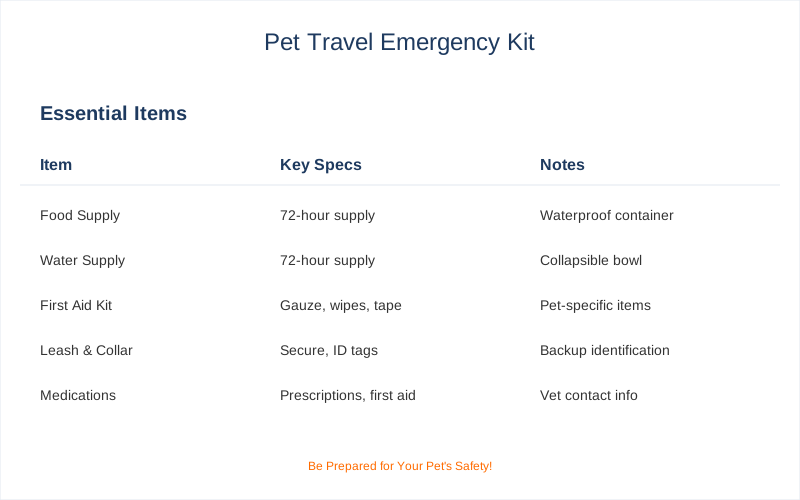
Alright, let's talk about what actually needs to go into that pet emergency kit. Forget the fancy, designer travel bowls for a second. We're talking about survival essentials here. First off, food and water are non-negotiable. You need at least a 72-hour supply of your pet's regular food, stored in a waterproof container. I learned this when my dog refused to touch some gourmet 'travel blend' I bought for a weekend camping trip. Stick to what they know. SPCAi outlines a 72-hour supply as a minimum. Don't forget a collapsible food and water bowl; fumbling with a giant ceramic one isn't practical on the side of the road. Next up, medical stuff. This isn't just for major emergencies. Think basic first aid. Gauze, antiseptic wipes, medical tape, and even a small tube of antibiotic ointment are crucial. I once had to patch up Gus's paw after he stepped on something sharp at a rest stop. A human first-aid kit works, but pet-specific items are better. Veterinary resources always stress having wound care supplies. A digital thermometer is also a good idea, though you might need a human one and some lubricant. The CDC also mentions keeping medication records handy, which is smart. Identification is paramount. Make sure your pet has a collar with an ID tag that has your current phone number. If they get lost during an emergency, that tag is their best shot at finding their way back. Microchip information should also be readily accessible. I keep a printed copy of Gus's microchip details in a waterproof bag in the kit. Best Friends Animal Society hammers this point home. A recent photo of your pet is also a must; it sounds obvious, but in a panic, you might forget what they even look like. For cats, a portable litter box and a supply of litter are essential. Nobody wants a stressed-out cat who's holding it in. For dogs, plenty of waste bags are a given. Also, include a leash and a harness, even if your dog is usually off-leash. You need control in an unfamiliar or chaotic situation. A favorite toy or comfort item can also go a long way in reducing stress. My Gus absolutely freaks without his squeaky hedgehog. SPCAi mentions comfort items, and they are right. Finally, don't forget documentation. Keep copies of vaccination records, medical history, and any prescription information in a waterproof bag. This is vital if your pet needs veterinary care while you're on the road. The honest version: you might never need half of this stuff, but when you do, you'll be incredibly grateful you packed it. CDC guidelines list these documents as critical.
Why This Matters for Your Setup
Why bother with all this? Because the real move isn't hoping for the best; it's preparing for the worst. I once saw a guy stranded on I-80 with his dog in the back of a sweltering SUV because he didn't have enough water. His dog was lethargic and clearly in distress. That's not a situation anyone wants to be in. All Critters Vet mentions the importance of being ready for unexpected situations. Think about it: a flat tire miles from anywhere, a sudden storm, or even just a longer-than-expected drive. Without the right supplies, your pet can quickly become dehydrated, overheated, or injured. Having a dedicated kit means you can grab it and go without thinking. SPCAi calls this the 'Grab and Go' concept for a reason - speed matters. Here's the breakdown for making your setup work:

Making the Right Choice
Putting together a pet emergency kit isn't about buying the most expensive gear; it's about smart, practical preparation. My $50 version of a kit has saved me more headaches than I can count. The key is to focus on what your pet *needs* to survive and stay comfortable in a pinch. Fear Free Happy Homes stresses the essential items. Think about your specific pet. Does your cat get anxious without a familiar blanket? Does your dog have any specific medical needs? Tailor the kit to them. It's better to have a few crucial items than a trunk full of stuff you'll never use. Online communities often share great, practical advice for this. Here's the final checklist to get you rolling: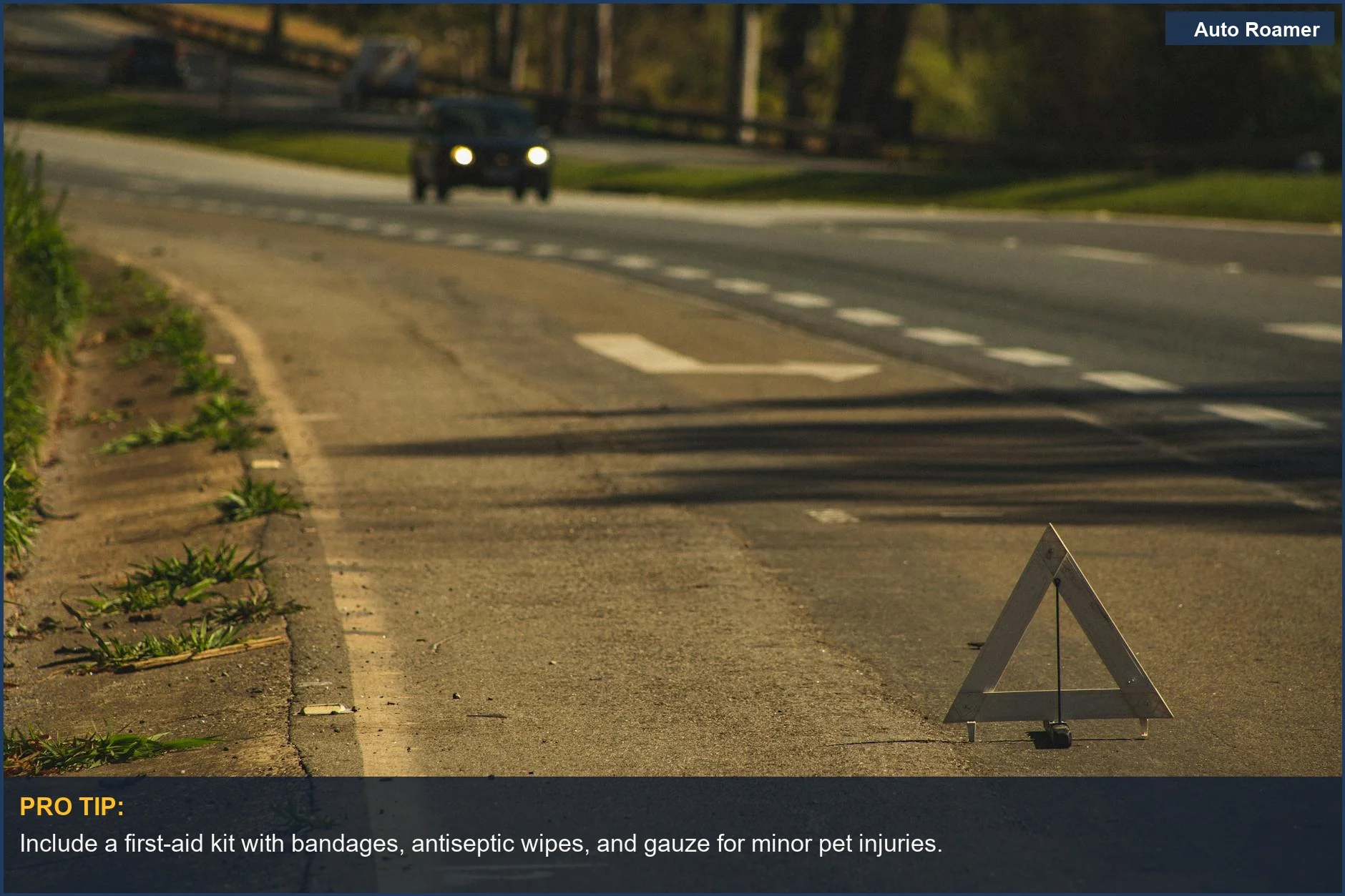
Frequently Asked Questions
I saw some fancy pet travel carriers that cost over $200. Is it worth spending that much, or can I just use a cheap plastic one from the pet store for like $30?
Do I really need a special pet thermometer? My regular human one should be fine, right?
What if my dog eats something weird and starts acting sick when I'm out in the middle of nowhere and have no cell service?
Can leaving pet food in a plastic bin in my trunk for months actually make the food go bad or toxic?
I heard you don't really need to pack that much water for your pet because they can just drink from streams or puddles if you're camping.
🏅 Looking for Gear Recommendations?
Check out our tested gear guides for products that work with this setup:
Sources
- What to Pack in Your Pet's Emergency Kit: A Complete Checklist
- What should be included in an emergency kit for dogs? - Facebook
- Pet Emergency Kit Checklist and Plan | Best Friends Animal Society
- Build a Pet Disaster Preparedness Kit - CDC
- Pet Emergency Preparedness: 10 Most Essential Items for Traveling ...
- Grab and Go Disaster Kit Essentials for Companion Animals