Pet Travel

Understanding Airline Pet Policies: Cabin vs. Cargo

Casey - The Weekend Warrior
4 min read
Includes Video

Flying with your pet isn't like packing your own carry-on; it's a whole different ballgame with rules that can trip you up faster than a rogue luggage cart. You've got two main ways your furry friend can hitch a ride: nestled under the seat in front of you, or chilling in the plane's belly.

Flying with your pet isn't like packing your own carry-on; it's a whole different ballgame with rules that can trip you up faster than a rogue luggage cart. You've got two main ways your furry friend can hitch a ride: nestled under the seat in front of you, or chilling in the plane's belly. This isn't a one-size-fits-all deal, and understanding the difference can save you a world of headache, and your pet a lot of stress.

It boils down to size, breed, and which airline you're flying, but mostly, it's about what fits within their specific rules. PetRelocation breaks it down, and honestly, it's more complicated than assembling IKEA furniture.

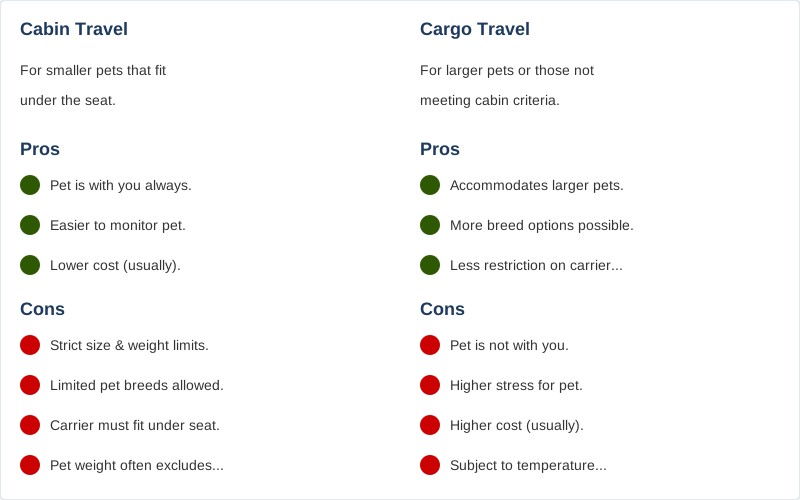
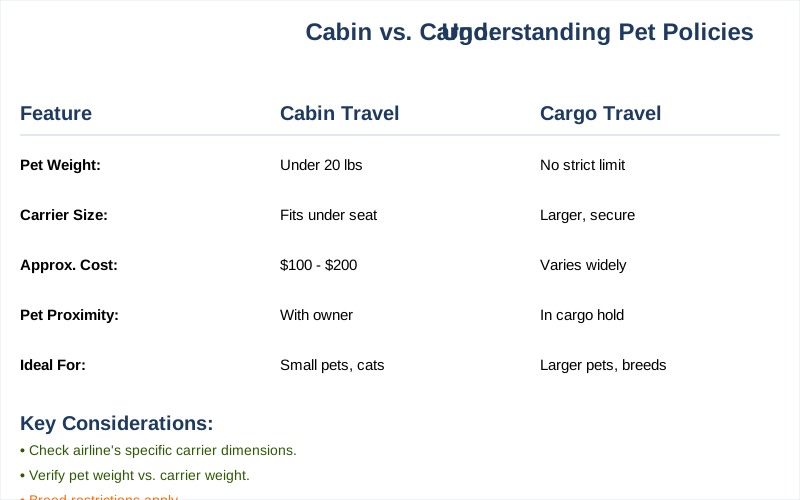
Understanding Airline Pet Policies: Cabin vs. Cargo — Key Specifications Compared
Key specifications for Understanding Airline Pet Policies: Cabin vs. Cargo

The Core Answer

So, the big question: cabin or cargo? Think of it like this: cabin travel is for the smaller critters, the ones who can realistically fit into a carrier that slides under the seat in front of you. We're talking dogs under 20 pounds, maybe a chunky cat. It's like bringing your buddy along for the ride, right there where you can see them. The ZooLogistics folks say this is the 'hand luggage' option. You pay a fee, usually somewhere between $100 and $200 each way, and boom, they're with you. My first time, I crammed my terrier mix, who's definitely pushing 18 pounds, into a carrier that was just a hair too big for under the seat on a budget airline. Let's just say the gate agent wasn't impressed, and I ended up having to rebook him as cargo last minute. Rookie mistake, for sure. Reddit is full of stories like mine, where people assume 'under 8kg' means the pet plus the carrier, but it's often just the pet's weight. Always check the exact carrier dimensions and weight limits. Pets in Transit spells it out: no two airlines are the same. It's like trying to pack for a camping trip where every campground has different rules for tent size. Cargo, on the other hand, is for the bigger dogs or pets that just don't fit the cabin requirements. This is where your dog gets their own ticket, so to speak. Facebook groups often discuss this, and it means they travel in a pressurized, temperature-controlled part of the plane's belly. It's not the same as the luggage hold where your suitcases go. OC Goldens explains that this area is designed for live animals, with airflow and security. The cost for cargo can be higher, often starting around $200 and going up significantly depending on the airline and route. And here's the kicker: some airlines, like American Airlines, only accept checked pets for active-duty U.S. military personnel. So, if you're not military, your bigger dog might have to fly as manifest cargo, which is basically a dedicated pet shipping service. This is where things get really specialized, and you'll definitely need a pet relocation company. Pet Adventures mentions this is often the route for international moves.
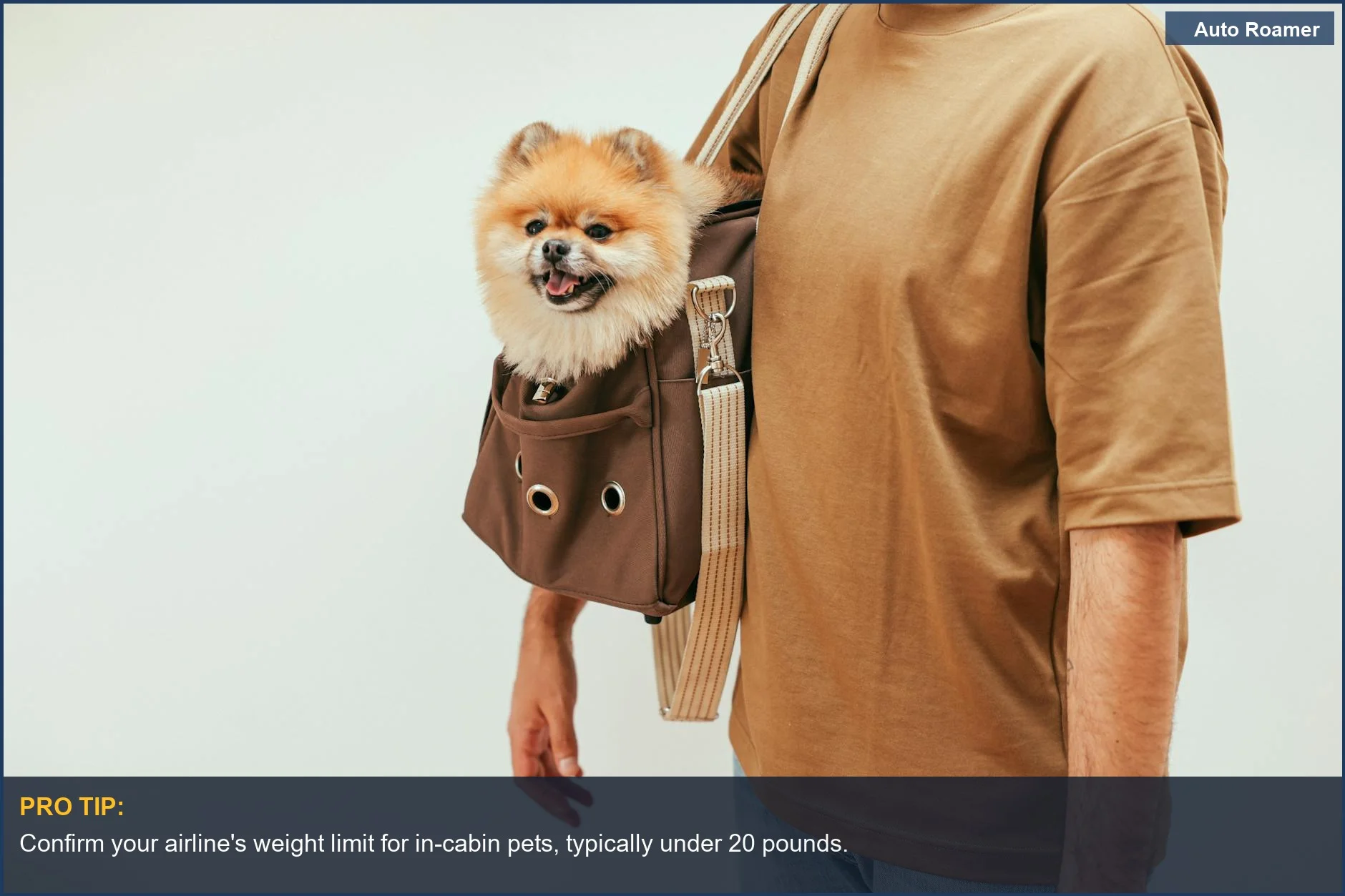
To ensure your pet travels comfortably, it's essential to understand the specifics of in-cabin carriers.
Confirm your airline's weight limit for in-cabin pets, typically under 20 pounds.
This adorable Pomeranian is all set for in-cabin travel! Most airlines allow pets under 20 pounds to fly with you, making pet cabin travel a breeze. | Photo by Cup of Couple

Why This Matters for Your Setup

Why does this matter for your setup? Because you can't just wing it. I learned this the hard way trying to sneak my 25-pound bulldog onto a flight. He barely fit into the carrier I bought, which looked more like a small refrigerator than a pet carrier. The airline agent gave me the 'absolutely not' look, and I swear my bulldog could feel my panic. The real move is to check the airline's website BEFORE you even think about booking your own ticket. They'll list the exact dimensions for in-cabin carriers, usually around 17x12x8 inches, and the maximum weight, typically 20 pounds including the carrier. Cargo has its own set of rules, often with breed restrictions, especially for snub-nosed dogs like my bulldog, who are at higher risk in temperature extremes. Every airline has its own policy, and they're not shy about enforcing them. You don't want to be that person at the gate, tears streaming, trying to convince them your pet is an emotional support animal because you forgot to check the rules. It's a $50 version of a full-blown travel disaster.
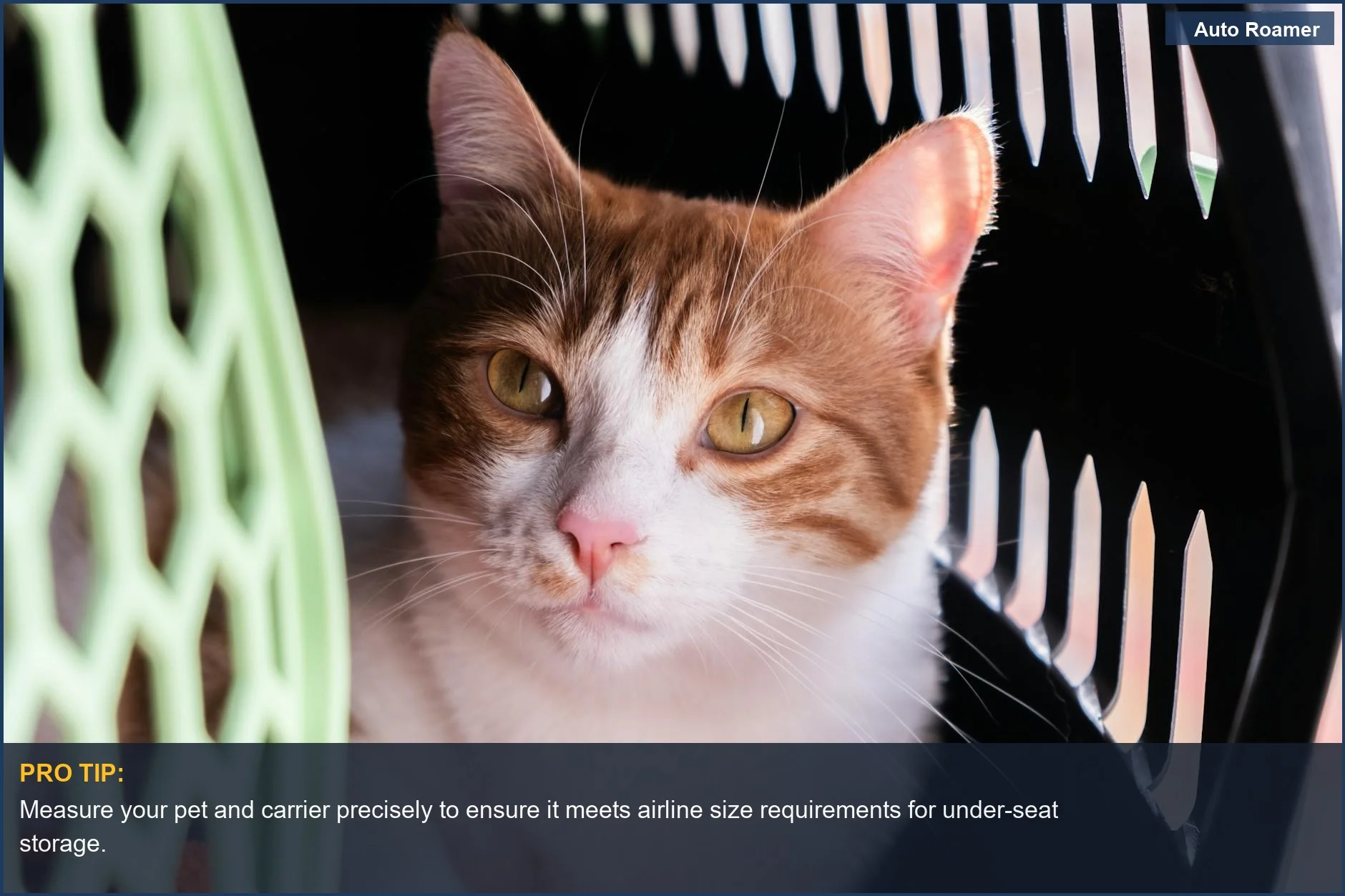
To ensure a smooth journey, it's essential to know what airlines allow pets in the cabin.
Measure your pet and carrier precisely to ensure it meets airline size requirements for under-seat storage.
Never underestimate airline pet restrictions! This alert cat reminds us to check carrier dimensions carefully, as oversized carriers can lead to denied boarding. | Photo by Batuhan Küçükdemir

Making the Right Choice

So, when you're planning your pet's flight, remember it's a carefully choreographed dance.
  • In-cabin is your best bet for smaller pets, but double-check the carrier size and weight limits. My dog, a hefty 20-pounder, barely squeaked by on one airline, but was a definite no-go on another.
  • Cargo is for larger pets or when in-cabin isn't an option. It's more regulated and often requires specialized handling.
  • Always, always, *always* read the specific airline's pet policy. What works for one might be a hard no for another.
  • American Airlines, for instance, has specific restrictions for who can even use their checked pet service. Booking without checking is a recipe for disaster, and trust me, you don't want your pet to be the star of a 'travel fail' story.
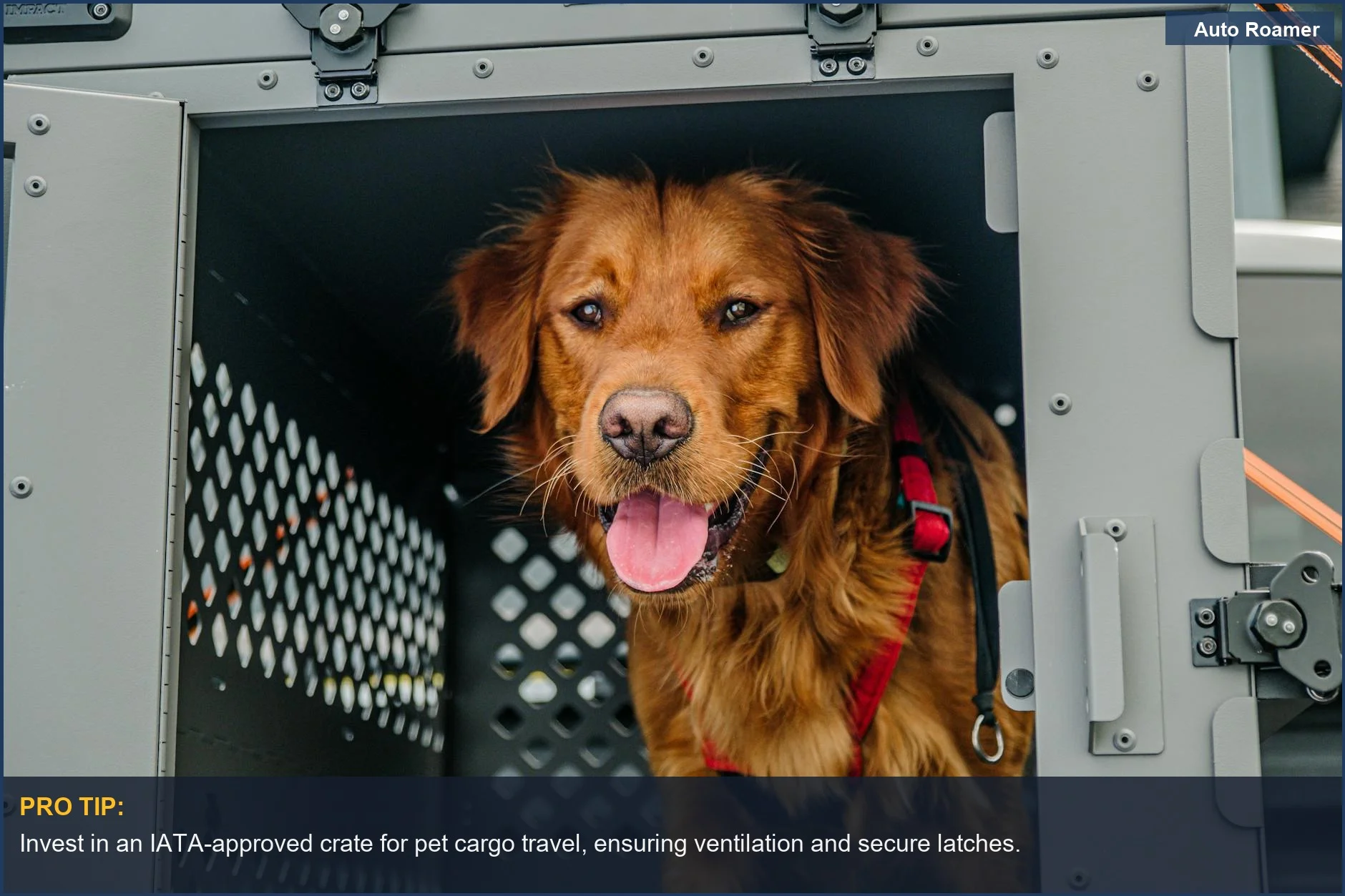
    To ensure a smooth journey, it's important to know if pet travel carriers with wheels are permitted on your flight.
    Invest in an IATA-approved crate for pet cargo travel, ensuring ventilation and secure latches.
    This Golden Retriever is safely crated for travel. For pets flying in cargo, a secure, well-ventilated crate is essential for their well-being and airline compliance. | Photo by Impact Dog Crates

    Frequently Asked Questions

    Okay, so I can buy a cheap airline-approved carrier online for like $30, but the airline wants $150 for their 'approved' one. Is it worth paying the extra $120?
    Honestly, the $30 carrier is usually fine, as long as it meets the airline's dimensions and construction requirements. The airline's 'approved' carrier is often just a rebranded version of what you can get elsewhere. My trusty $35 carrier from Amazon has flown with me countless times without a single complaint. The real move is to measure your carrier and compare it to the airline's specs, not just buy whatever they're pushing.
    Do I need one of those fancy temperature-controlled crates for my dog if I'm flying cargo?
    Most airlines already ensure the cargo hold is temperature-controlled and pressurized for live animals. They have to meet certain standards for airflow and temperature. Unless you're flying an extremely exotic animal or to a location with extreme conditions, the standard airline-provided environment is usually sufficient. The real cost comes in with specialized pet relocation services for international flights, not standard domestic cargo.
    What if my pet has a panic attack and starts barking like crazy in the cargo hold? Will they kick them off the plane?
    The airline won't kick your pet off mid-flight. They are in a separate, pressurized compartment. However, if your pet is extremely anxious, it might be worth considering a sedative prescribed by your vet, but always discuss this first. My friend's poodle had a meltdown on a 3-hour flight, and the flight attendants just noted it but couldn't do anything mid-air. The real move is to train your pet to be comfortable in their carrier *before* the flight, even if it's just for short periods at home.
    Can my pet's travel crate permanently damage the plane's cargo hold if it shifts around?
    No, that's highly unlikely. The cargo holds are designed to handle significant weight and movement. Pet crates are secured with netting and straps to prevent shifting during turbulence. They're positioned to ensure adequate airflow and are separate from other cargo. Your pet's carrier isn't going to cause structural damage.
    I heard that pets in cargo get treated like regular luggage and freeze to death. Is that true?
    That's a common misconception, and frankly, a bit dramatic. While it's true pets travel in the cargo hold, it's a specifically designed, pressurized, and temperature-controlled environment for live animals. The air in the cargo holds is the same as in the cabin, and airlines won't accept pets that have fouled their carriers for that reason. Reputable airlines prioritize pet welfare in their cargo handling procedures.

    🏅 Looking for Gear Recommendations?

    Check out our tested gear guides for products that work with this setup:

    C

    Casey - The Weekend Warrior

    Weekend car camper and road trip enthusiast. Focuses on practical, budget-friendly solutions for families and first-time campers.

    Sources

    Related Articles