First, the Basics
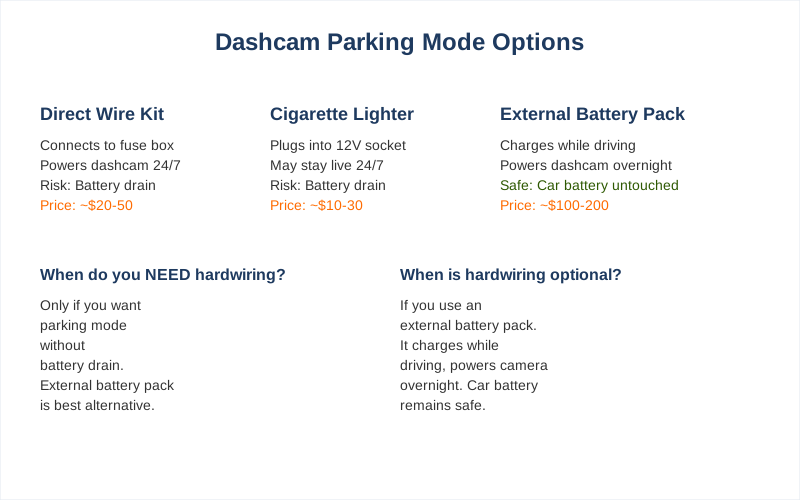
Hardwiring a dashcam for parking mode sounds complicated, but it's really about keeping your car battery from dying overnight. You've got two main paths: the direct-wire route that taps into your car's electrical system, or using an external battery pack. Both aim to give your dashcam power when the engine's off, so it can record bumps or break-ins. The real question is whether you need to permanently connect it to your car's guts to get that feature.
It's like asking if you need to become a mechanic just to listen to the radio. Dashcams and Parking Mode
The Core Answer
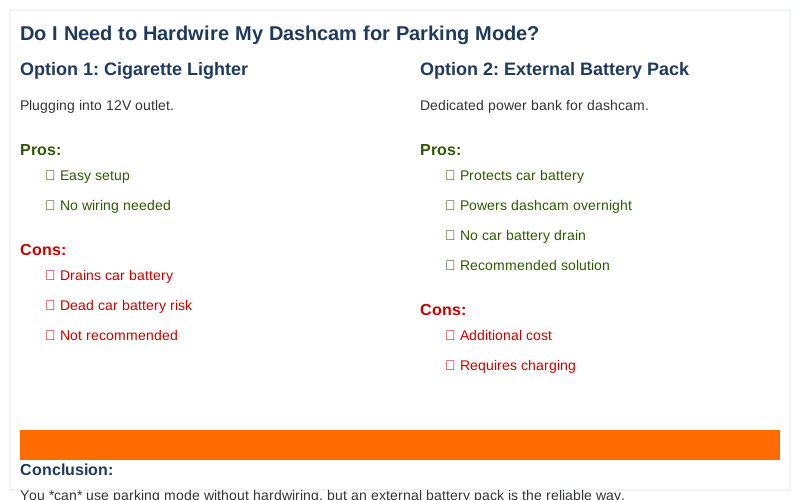
The core answer is: you can use parking mode without permanently hardwiring your dashcam to your car's fuse box or battery. But let me tell you, the $50 version of this setup often means dealing with a dead car battery come morning. My first attempt involved plugging my dashcam into the cigarette lighter socket, thinking, 'easy peasy.' That was a rookie mistake. Two days later, my Honda Civic wouldn't start. Better to hardwire.
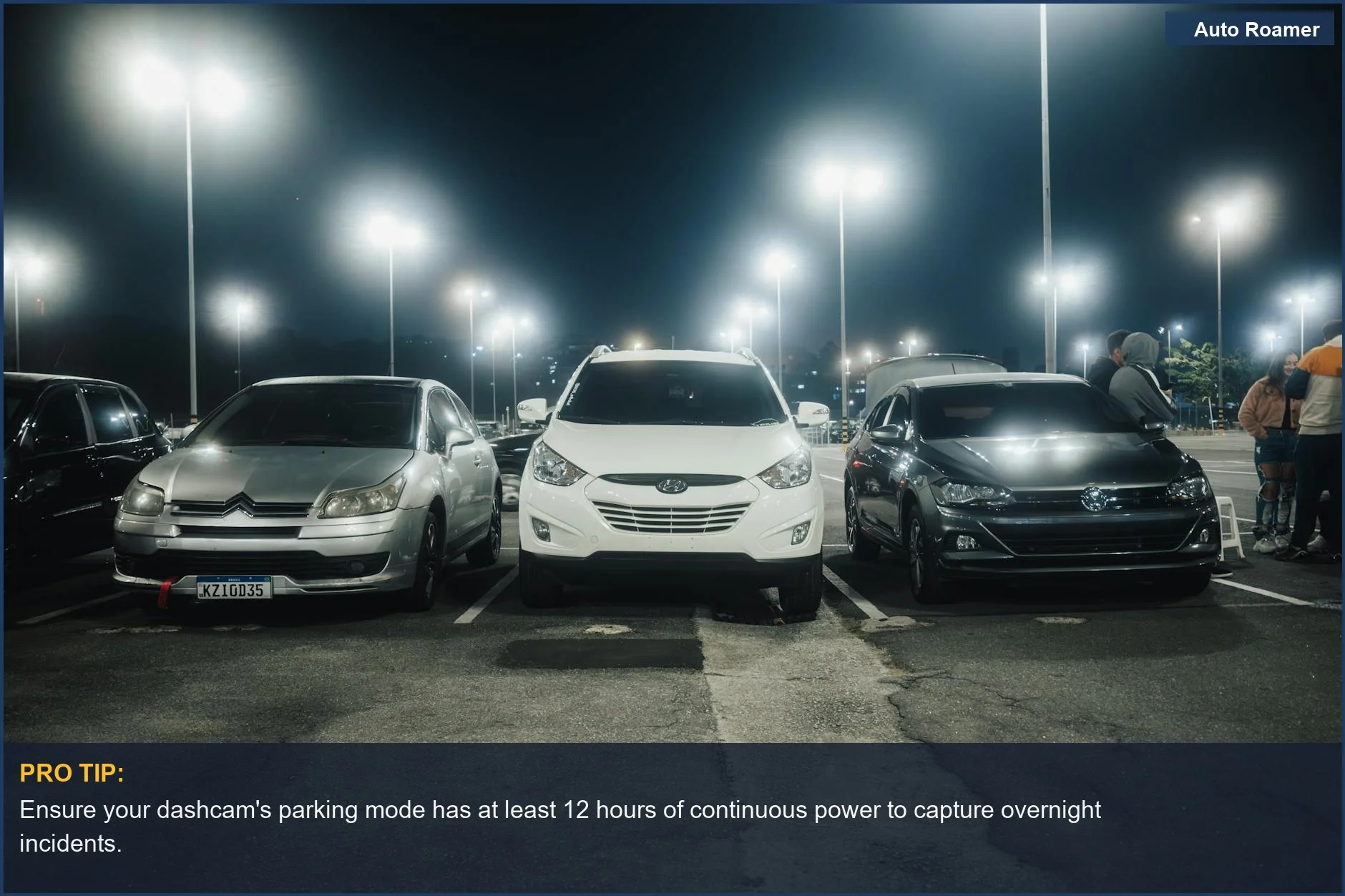
What nobody tells beginners is that parking mode is power-hungry. It's constantly monitoring for motion or impact. If it's plugged into a socket that's live 24/7, like most 12V outlets, it's just draining your car's main battery. Eventually, you'll be calling for a jump start, which is way less fun than camping.
The real move for parking mode without a permanent wire job is an external battery pack specifically designed for dashcams. Think of it as a power bank for your camera. It charges while you drive and then powers the dashcam overnight. This way, your car's battery stays untouched. Park Mode without Hardwire.
Some people suggest using a portable jump starter battery, but that's usually overkill and more complicated than it needs to be. You're not trying to power your house, just a small camera.
Another option, and this is what the forums sometimes debate, is using a hardwire kit but not connecting it to the car's fuse box. Instead, you'd connect it to a separate, dedicated power source, like a dashcam battery pack. It's still a 'hardwire kit' in terms of wiring, but it bypasses your car's critical systems. large 12V battery.
So, the honest version: you absolutely can get parking mode without a permanent connection. You just need a smarter power source than the 12V socket that's always on. Otherwise, you're asking for trouble, and nobody wants to deal with that on a Tuesday morning.
Why This Matters for Your Setup
Why does this even matter? Because the goal is to catch that fender bender in the grocery store parking lot, not to drain your car battery until it's as useful as a screen door on a submarine. The hardwire kit is necessary.
- Battery Drain Risk: Plugging into a constant 12V outlet will eventually kill your car battery. My buddy Dave learned this the hard way in his F-150; he came out after work to a dead truck. He ended up buying a battery pack. kill your car battery overnight.
- Convenience Factor: A battery pack charges while you drive. You just plug it in, and it's ready to go.
No need to mess with fuses or worry about voiding warranties on a leased car. PARK MODE without Hardwire.
- Installation Simplicity: For many, the idea of messing with car fuses is intimidating. I get it. I felt the same way before my first attempt. Using a battery pack avoids that altogether.
It's usually just a matter of plugging the dashcam into the pack and the pack into the 12V socket (to charge).
- Protecting Your Investment: If you've got a new car, especially one you lease, messing with the wiring can be a big no-no. A battery pack is a non-invasive solution. Parking mode for dash cam hardwire kit installed.
Making the Right Choice
Making the right choice for your dashcam's parking mode power source comes down to your comfort level and your car. Here's the rundown:
- For the DIY-Averse: If you're not comfortable poking around your car's fuse box, an external battery pack is your best bet. It's the simplest way to get parking mode without potentially frying something. No. If you want parking mode you have to be wired.
- For Peace of Mind: Battery packs isolate the dashcam's power draw from your car's main battery. This means fewer headaches and no dead-car mornings.
- Consider Your Vehicle: If you have a leased vehicle or a car with a complex electrical system, a non-invasive solution like a battery pack is usually the way to go. It avoids any potential issues with warranty or factory settings.
- What is Parking Mode? It's a feature that allows your dashcam to record when your car is parked and turned off, usually triggered by motion or impact.