
Signs Your Car Needs an Oil Change Sooner Than Expected
Your car's engine oil is basically its lifeblood, and ignoring it is a rookie mistake that can cost you big time. My first car, a beat-up Honda Accord, started making this weird ticking noise that sounded like a tiny woodpecker was living in the engine bay.
Your car's engine oil is basically its lifeblood, and ignoring it is a rookie mistake that can cost you big time. My first car, a beat-up Honda Accord, started making this weird ticking noise that sounded like a tiny woodpecker was living in the engine bay. Turns out, it was a classic sign of low oil, and the fix was way cheaper than a new engine.
These signs are your car's way of waving a red flag before things get ugly. Ignoring them is like going camping with a leaky tent and no sleeping bag - you're asking for trouble. Don't be that person. Learn the signals, save yourself some headaches, and keep your ride running smooth. It's not rocket science; it's just paying attention.
The Core Answer
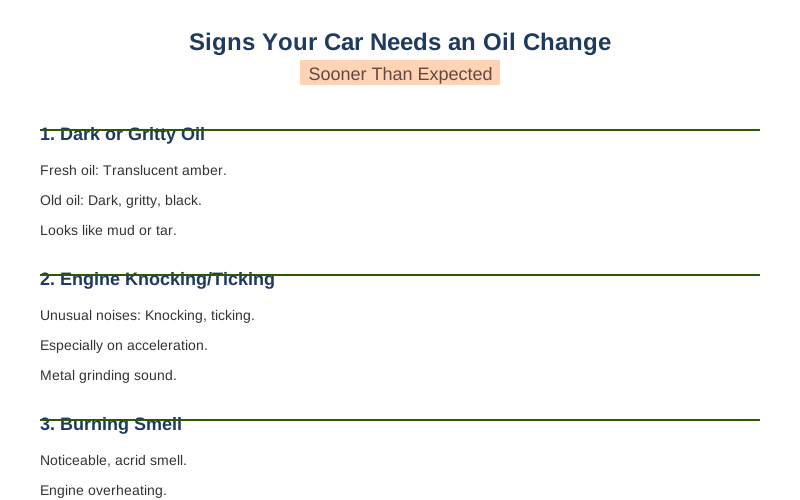
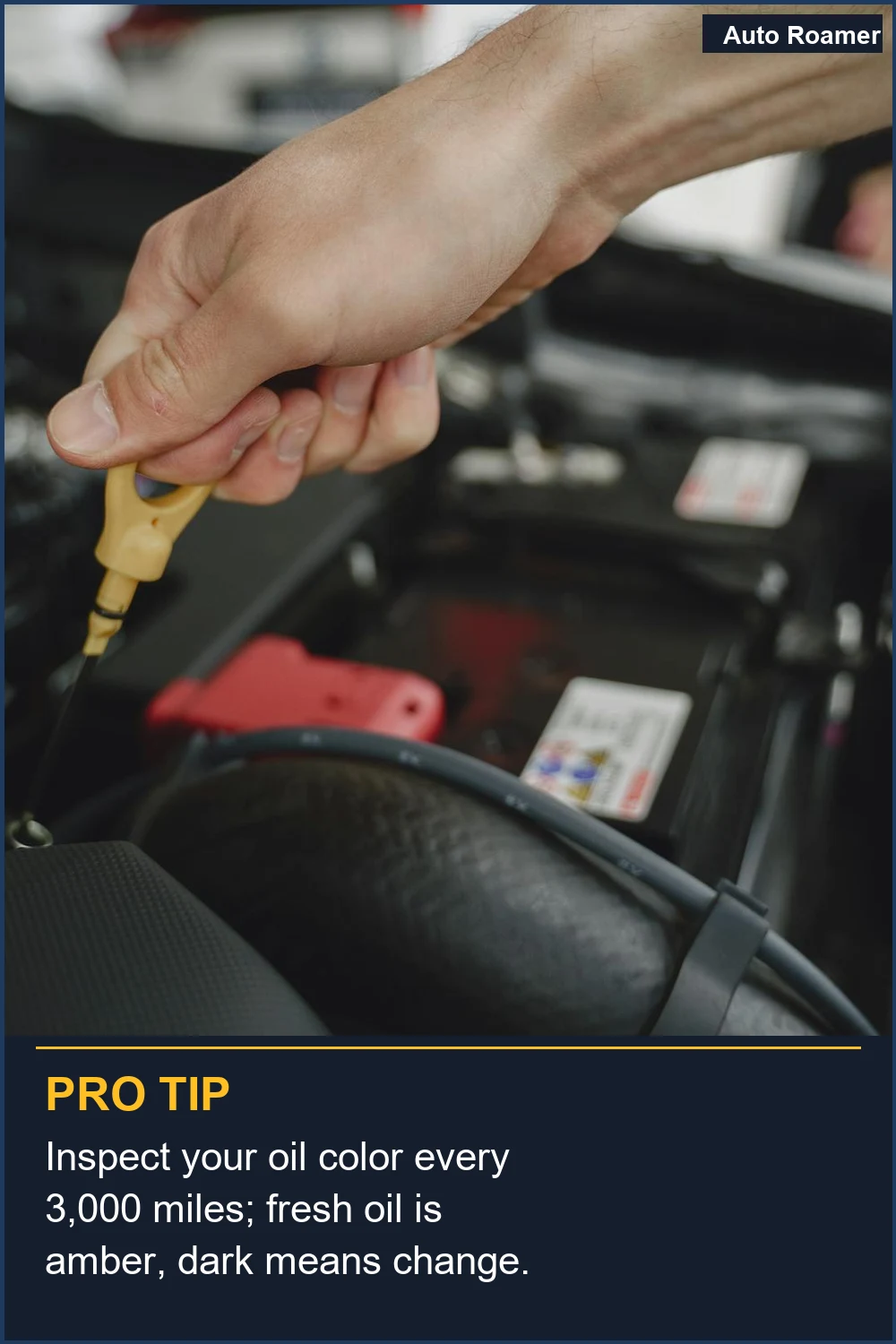
The most obvious indicator that your oil is past its prime is its appearance. Fresh oil is usually a translucent amber color. When it's time for a change, it'll likely be dark and gritty, almost black. Check the dipstick; if it looks like mud, that's your cue. I remember one time in the Rockies, I checked my oil after a long day of driving and it looked like tar. Game over for that oil. Listen to your engine. If you start hearing knocking or ticking sounds that weren't there before, especially when you accelerate, it's a major red flag. That's the sound of metal parts grinding against each other because there's not enough lubrication. My old Subaru Outback started making a faint grinding noise on a steep mountain pass; I pulled over immediately and sure enough, the oil was practically gone. That was a close one. Another classic sign is a burning smell coming from under the hood. This isn't just a faint whiff; it's a noticeable, acrid smell. It usually means your engine is overheating because the oil isn't doing its job of keeping things cool. It can also indicate an oil leak, which is a whole other can of worms. Don't just roll down the windows and hope it goes away. Your dashboard is also trying to tell you something. That little oil can icon is not just for decoration. If it lights up, especially the oil pressure warning light, pull over as soon as it's safe. Seriously, don't keep driving. That light means low oil pressure, and that's an emergency for your engine. My friend's Jeep had that light come on, and he drove for another 10 miles. The repair bill was astronomical. Pay attention to your exhaust. If you're seeing smoke, especially dark or bluish smoke, coming from your tailpipe, that's a bad sign. It often means oil is burning up inside the engine or leaking into the combustion chamber. Excessive exhaust smoke is your engine coughing its lungs out. Fuel efficiency can also take a hit. If you notice you're suddenly getting worse gas mileage than usual, and you haven't changed your driving habits, it could be your oil. Old, dirty oil makes the engine work harder, and that burns more fuel. It's like trying to run a marathon with molasses in your veins. Finally, sometimes you can just feel it. Your car might feel sluggish, less responsive, or vibrate more than usual. These are all symptoms of an engine struggling because it's not properly lubricated. These subtle changes are your car's way of saying it needs some TLC.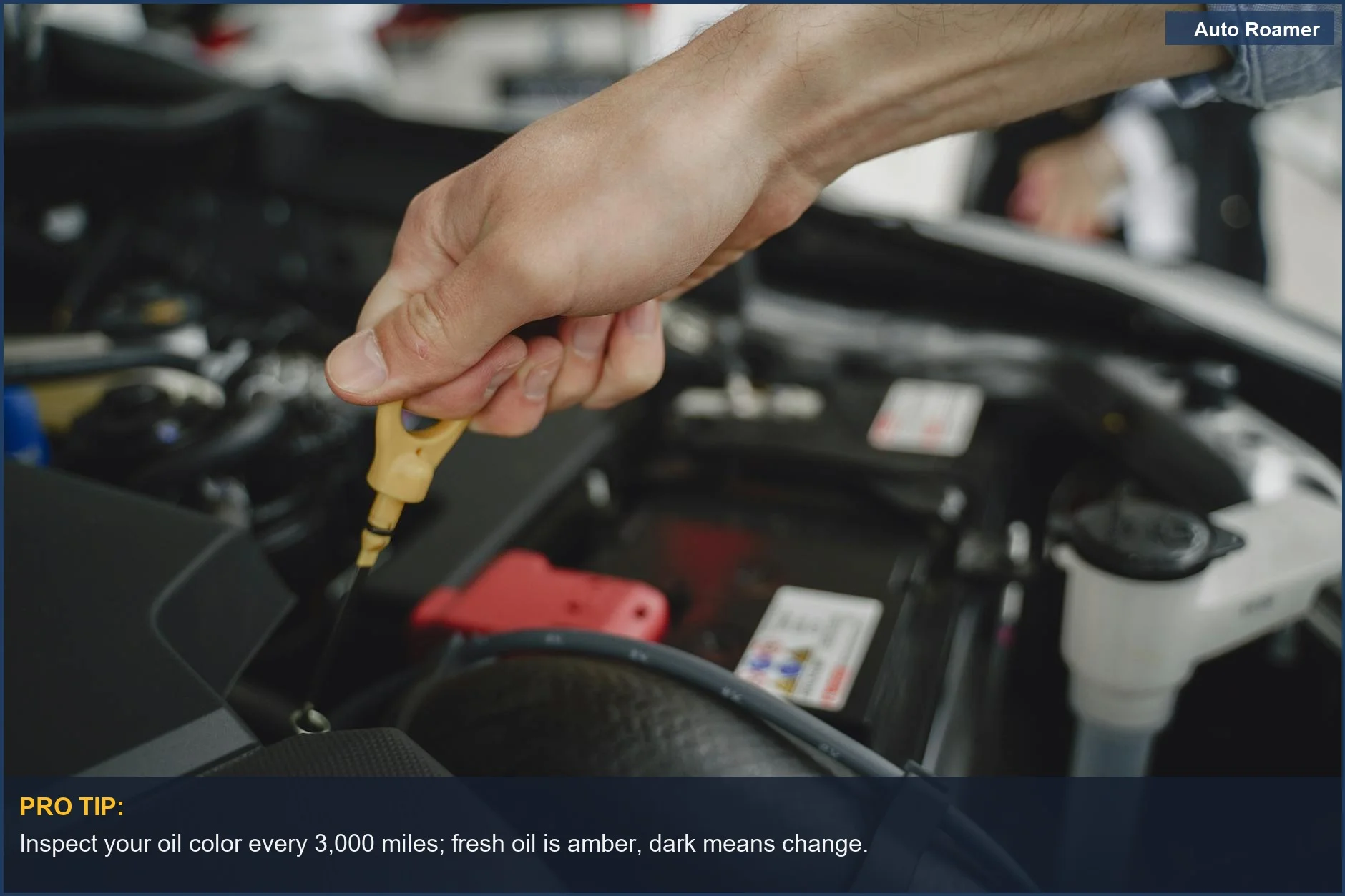
Why This Matters for Your Setup
{'heading': 'Why This Matters for Your Setup', 'items': ['Engine Longevity: This is the big one. Old oil loses its lubricating properties. That means metal parts inside your engine rub together more, causing wear and tear. Over time, this can lead to premature engine failure, which is basically the ultimate camping trip killer for your car. Oil is the lifeblood, and you don\'t want it turning into sludge.', 'Fuel Economy: When your engine is struggling with old, dirty oil, it has to work harder. This translates directly to worse gas mileage. For me, that means fewer miles to the campsite on a tank, or more frequent, annoying stops at gas stations that probably smell like stale coffee and regret. Bad gas mileage is a subtle but real indicator.', 'Performance: A car that\'s due for an oil change will feel sluggish. It won\'t accelerate as quickly, and it might feel rougher to drive. You want your vehicle to be ready for those winding mountain roads, not feeling like it\'s trudging through mud. Increased engine noise is a sign of this struggle.', 'Preventing Costly Repairs: The cost of a regular oil change is usually around $50-$100 at a shop. The cost of replacing a damaged engine can be thousands, sometimes more than the car is even worth. It's a classic case of spending a little now to save a lot later. Don\'t overlook this essential maintenance.', 'Avoiding Breakdown Emergencies: Imagine being hours from anywhere, on a dirt road, with your car sputtering to a halt because you ignored the signs. That\'s a prime example of what can happen. Knocking or ticking noises are your engine screaming for help.']}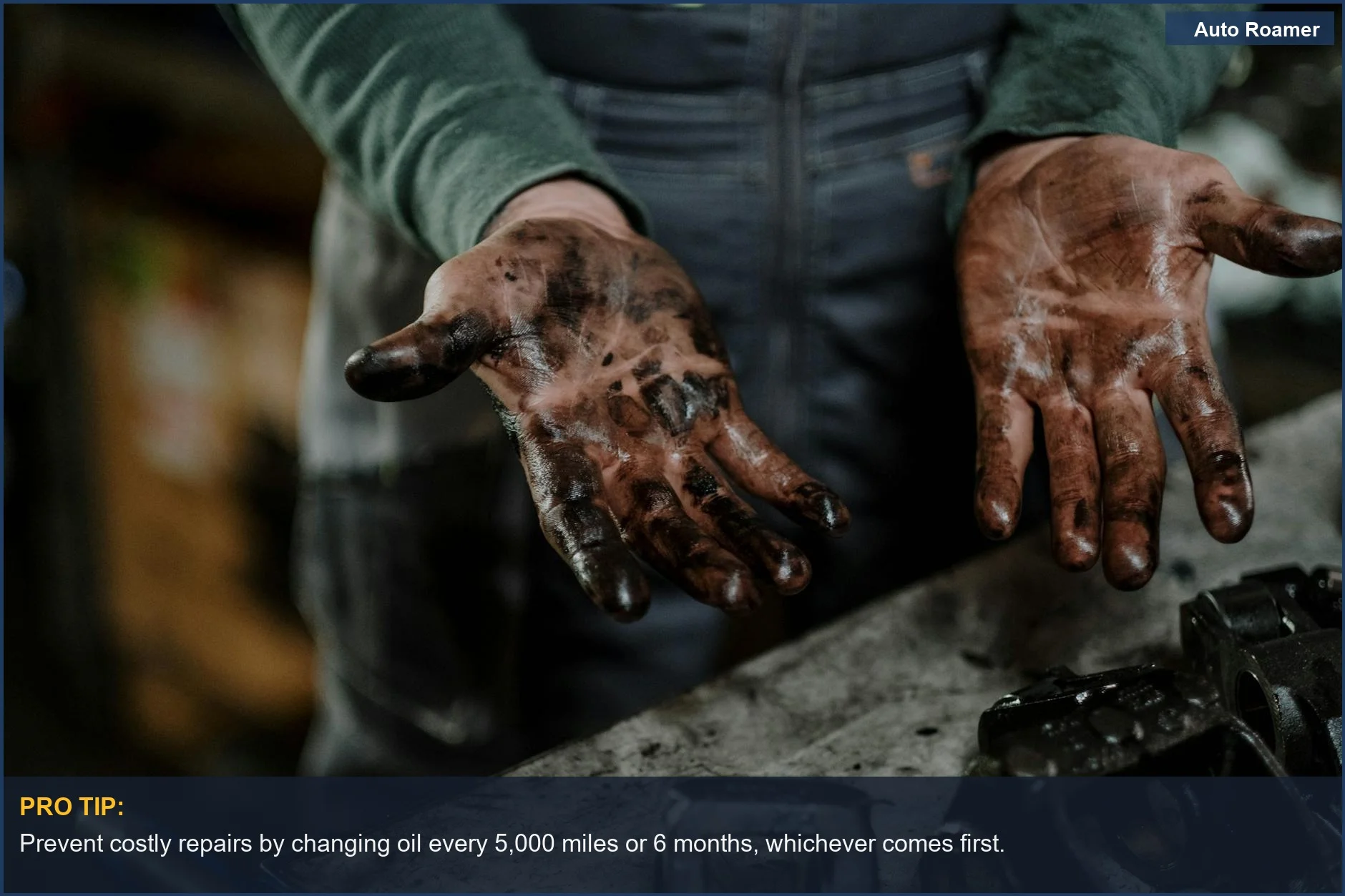
Making the Right Choice
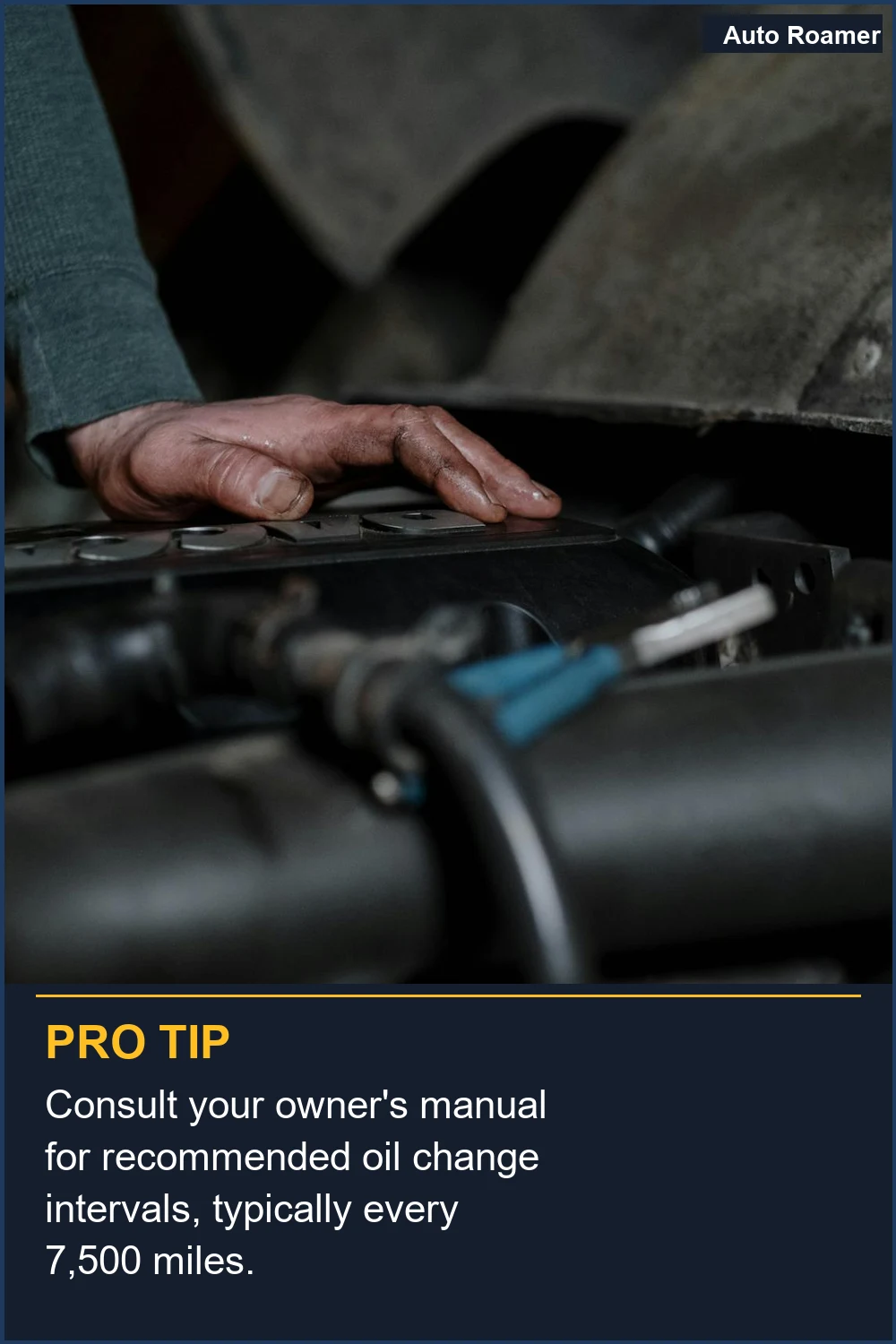
{'heading': 'Making the Right Choice', 'items': ['Know Your Car\'s Schedule: Your owner\'s manual is your best friend here. It\'ll tell you the recommended oil change interval based on mileage and time. Don\'t just guess; consult the manual. Consulting your owner\'s manual is the most reliable way.', 'Don\'t Ignore the Warning Signs: The dashboard lights, the noises, the smells - they aren\'t suggestions. They\'re direct commands from your car. My first camping trip where my radiator hose burst because I ignored a temperature gauge was a harsh lesson. Heed the visual and auditory cues.', 'Regular Checks Are Key: Make it a habit to check your oil level and appearance at least once a month, maybe before a big weekend trip. It takes literally 5 minutes. Paying attention to the oil\'s consistency is crucial.', 'Choose Your Service Wisely: Whether you DIY or go to a shop, make sure they use the right type of oil for your vehicle. Using the wrong oil is like trying to cook with salt instead of sugar - it\'s not going to end well. Dark, dirty, or stinky oil needs replacement.']}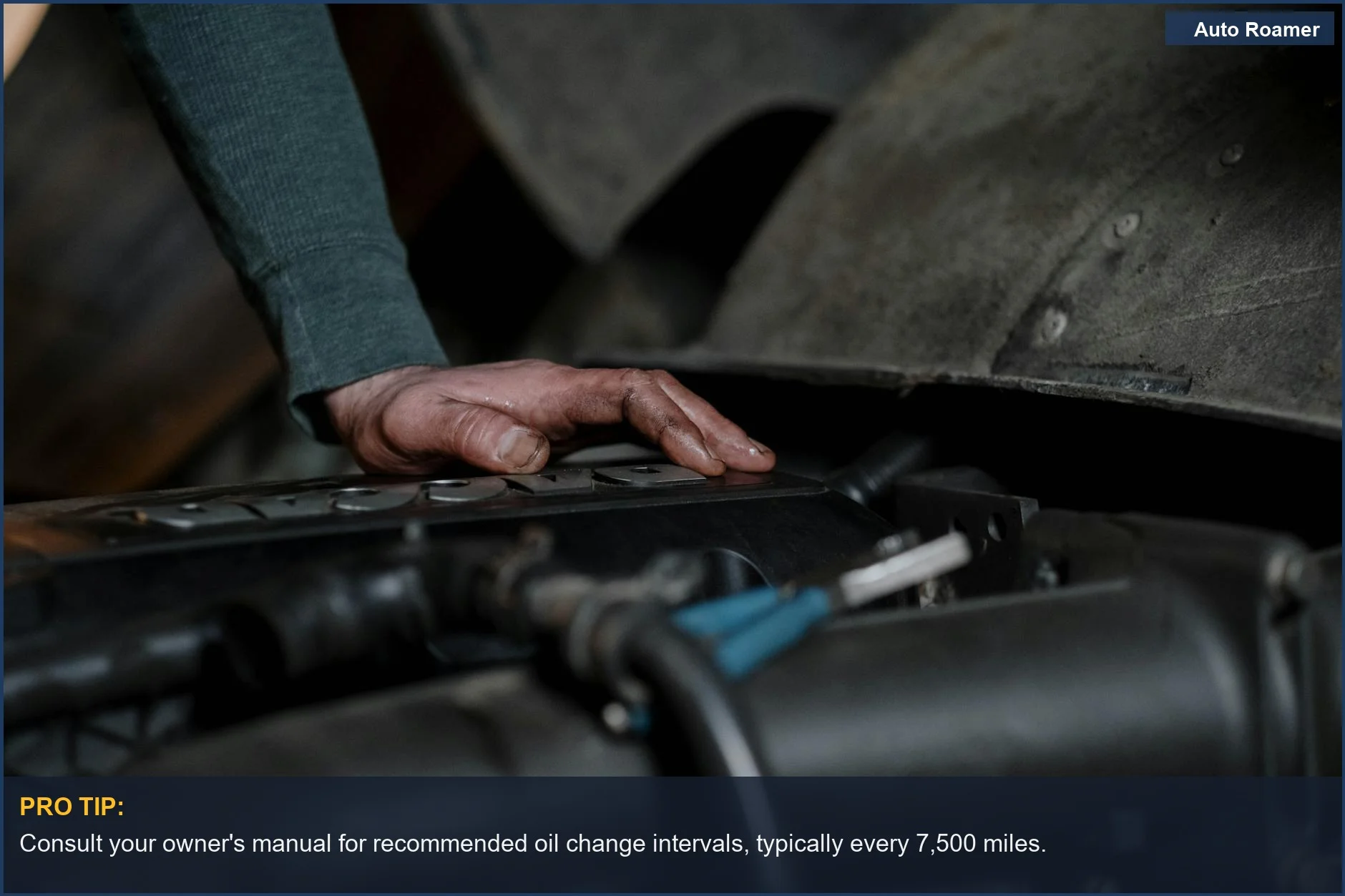
Frequently Asked Questions
Okay, so a shop wants $80 for an oil change. I saw oil and a filter online for like $40. Is it really worth paying the extra $40 to have someone else do it?
Do I actually need one of those fancy oil filter wrenches, or can I just use pliers?
What if I accidentally put in too much oil? Will that hurt my engine?
Can skipping oil changes permanently damage my engine, like, forever?
I heard that modern synthetic oils mean you don't need to change your oil as often. Is that true?
🏅 Looking for Gear Recommendations?
Check out our tested gear guides for products that work with this setup: