Car Maintenance

How Often Should You Really Change Your Oil: Understanding the Best Practices for Your Vehicle

Auto Roamer
9 min read
Prices verified February 2026
Includes Video

Forget the old 3,000-mile oil change mantra. For car campers and road trippers, understanding your vehicle's actual oil change needs is crucial for reliable journeys. Modern engines and advanced oil formulations mean you're likely over-servicing your car if you stick to that outdated rule, potentially wasting money and time .

Forget the old 3,000-mile oil change mantra. For car campers and road trippers, understanding your vehicle's actual oil change needs is crucial for reliable journeys. Modern engines and advanced oil formulations mean you're likely over-servicing your car if you stick to that outdated rule, potentially wasting money and time. The truth is, how often you really should change your oil depends on several factors, including the type of oil you use and your driving habits. We'll break down the science and practical advice so you can keep your rig running smoothly, whether you're hitting the highway or exploring remote backcountry. We'll cover the differences between conventional and synthetic oils, decipher your owner's manual recommendations, and highlight the signs your engine is telling you it's time for a change. Generally, most experts recommend oil changes somewhere between 5,000 and 7,500 miles for modern vehicles, but we'll explore how to fine-tune that for your specific needs.
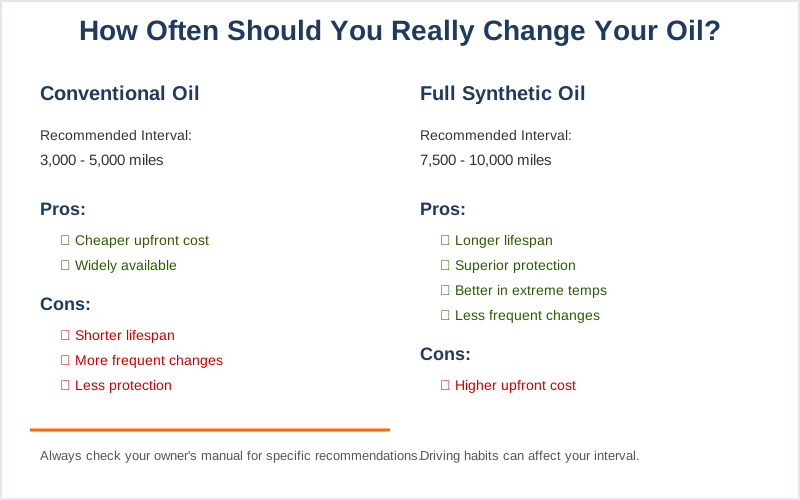
Infographic: Oil change frequency comparison chart.
Key specifications for How Often Should You Really Change Your Oil

Key Features to Consider

When deciding how often to change your oil, forget the old 3,000-mile mantra. That rule is a relic of the 1970s when cars and oils were vastly different. Modern engines and advanced oil formulations mean you can go much longer. The real answer depends on your vehicle, the type of oil you use, and your driving habits.

Here's what matters:


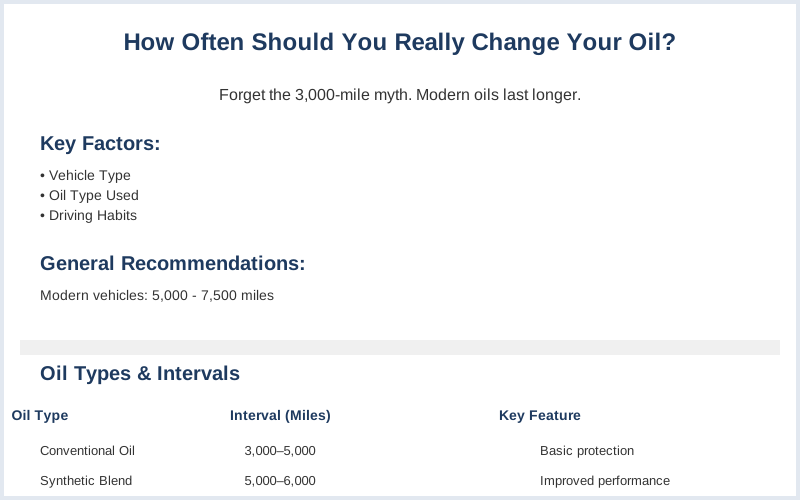
Oil Type Conventional oil typically needs changing every 3,000-5,000 miles. Synthetic blends offer a bit more leeway, usually between 5,000-6,000 miles. Full synthetic oils are the champions here, often lasting 7,500-10,000 miles before needing replacement.
Driving Conditions If you primarily drive short distances, sit in heavy stop-and-go traffic, tow loads, or drive aggressively, you'll be closer to the lower end of those mileage recommendations. These conditions put more stress on the oil.
Owner's Manual Your vehicle's owner's manual is the ultimate guide. It specifies the correct oil type and the manufacturer's recommended service intervals, which are tailored to your specific engine and designed for optimal performance.

Don't just blindly follow a quick-lube shop's advice; they may perpetuate outdated recommendations for profit even when technology has advanced. Pay attention to your car's signals. An engine that sounds louder or rougher, a dark or gritty oil appearance, or the oil change light illuminating are all signs you're overdue. Ignoring these can lead to slow, costly engine wear over time. We've found that sticking to the manufacturer's guidelines and considering your driving habits is the smartest approach to how often should you really change your oil.

To enhance your oil change strategy, consider the benefits of using synthetic oil, which you can read about here.
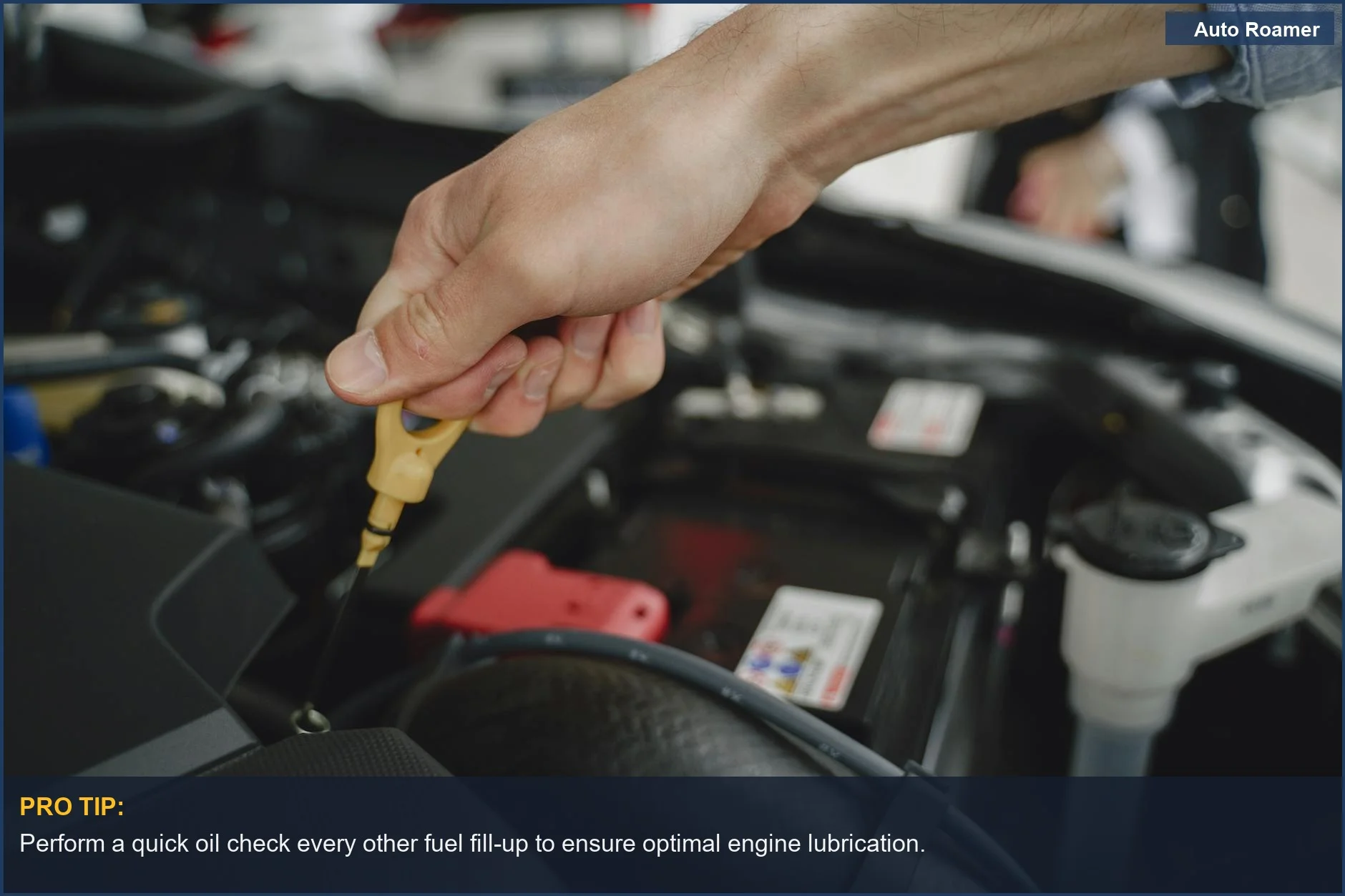
Inspect your dipstick monthly to monitor oil level and color, indicating engine health and potential issues.
Forget the outdated 3,000-mile oil change mantra. Modern engines and oils, like those used by this mechanic, allow for significantly longer intervals, often up to 7,500 miles. | Photo by Artem Podrez

Our Top Picks

  • Conventional Oil: Best for Budget-Conscious Drivers on Shorter Intervals. This is your go-to if you're looking for the most economical option and drive under normal conditions. Expect to change it every 3,000-5,000 miles. While it's cheaper upfront, the more frequent changes can add up. It breaks down faster than synthetics, so sticking to the lower end of the mileage range is wise How Often Should You Change Your Oil? | AAA Automotive.

    Pros: Lowest upfront cost.
    Cons: Requires most frequent changes, less protective in extreme conditions.
    Best for: Older vehicles, drivers with short commutes, those prioritizing immediate cost savings.
  • Synthetic Blend Oil: A Balanced Approach for Everyday Driving. This offers a good compromise between conventional and full synthetic oils. You're generally looking at intervals of 5,000-6,000 miles. It provides better protection and longevity than conventional oil without the full cost of a synthetic. It's a solid choice for most modern vehicles and mixed driving conditions How Often Should You Really Change Your Oil? (And Why It Matters ....

    Pros: Better performance and protection than conventional, more affordable than full synthetic.
    Cons: Shorter intervals than full synthetic.
    Best for: Daily commuters, drivers who experience moderate driving conditions.
  • Full Synthetic Oil: Peak Performance and Extended Intervals. For those who want the best protection and the longest possible intervals between changes, full synthetic is the way to go. We're talking 7,500-10,000 miles, sometimes even more depending on your specific vehicle and driving habits How Often Do You Need to Change Your Oil? - Bull Valley Ford Blog. It resists breakdown and heat degradation exceptionally well, keeping your engine cleaner and better protected. While the initial cost is higher, the extended intervals and superior protection can offer long-term value.

    Pros: Superior engine protection, longest change intervals, performs well in extreme temperatures.
    Cons: Highest upfront cost.
    Best for: High-performance vehicles, drivers in extreme climates, those prioritizing maximum engine longevity and convenience.
  • Your Owner's Manual: The Ultimate Authority. While general guidelines exist, your vehicle's manufacturer knows best. Always defer to your owner's manual for specific recommendations on oil type and change intervals How Often Should You Change Your Oil? | AAA Automotive. Modern engines and oils have made the old 3,000-mile rule largely obsolete for many vehicles Oil Change Intervals: How Often Do You Really Need One in 2025?.
Maintaining your vehicle's fluids is crucial, so understanding the risks of neglecting them, like skipping a transmission fluid change, is essential; learn more about it in transmission fluid changes.
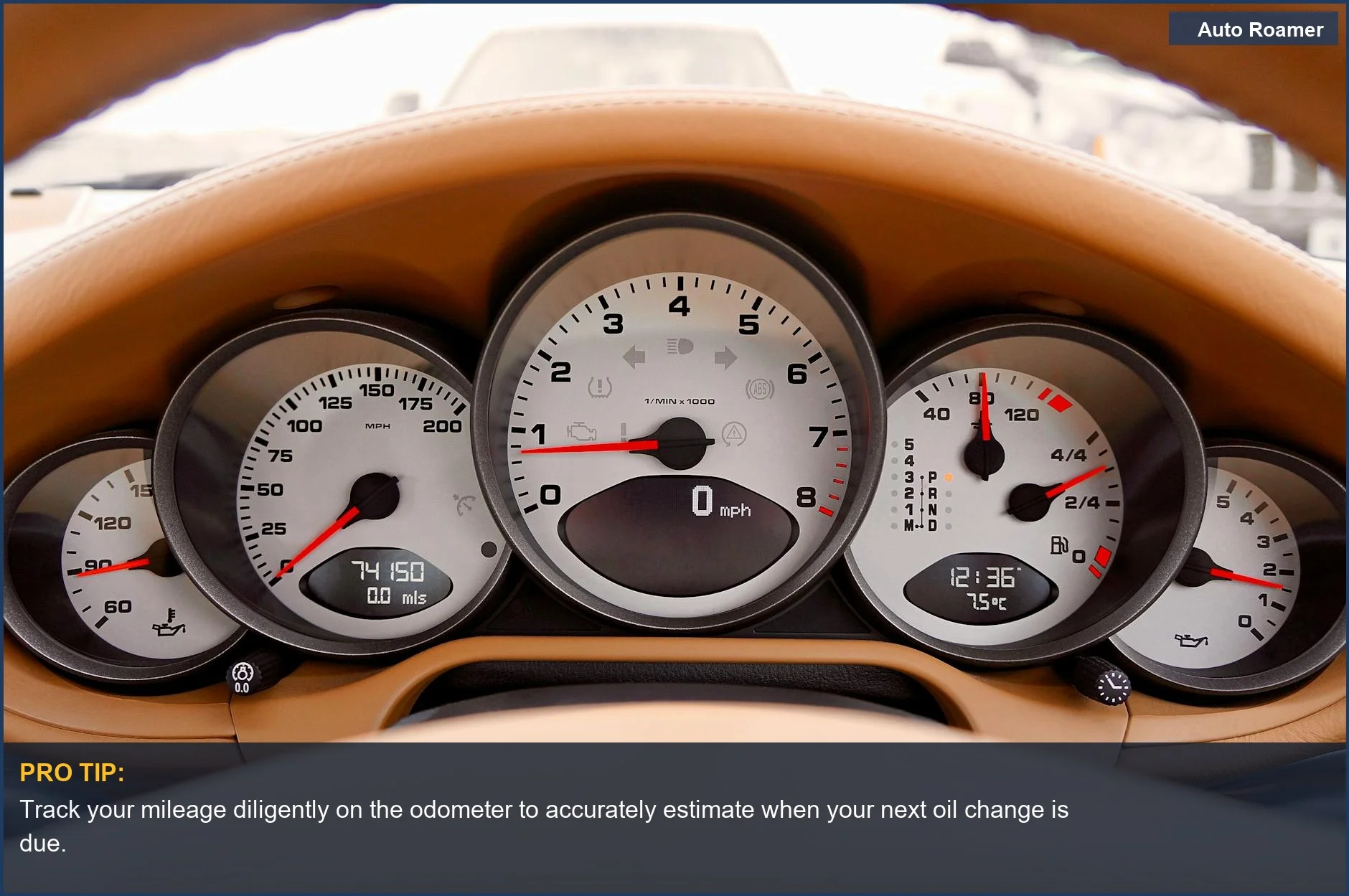
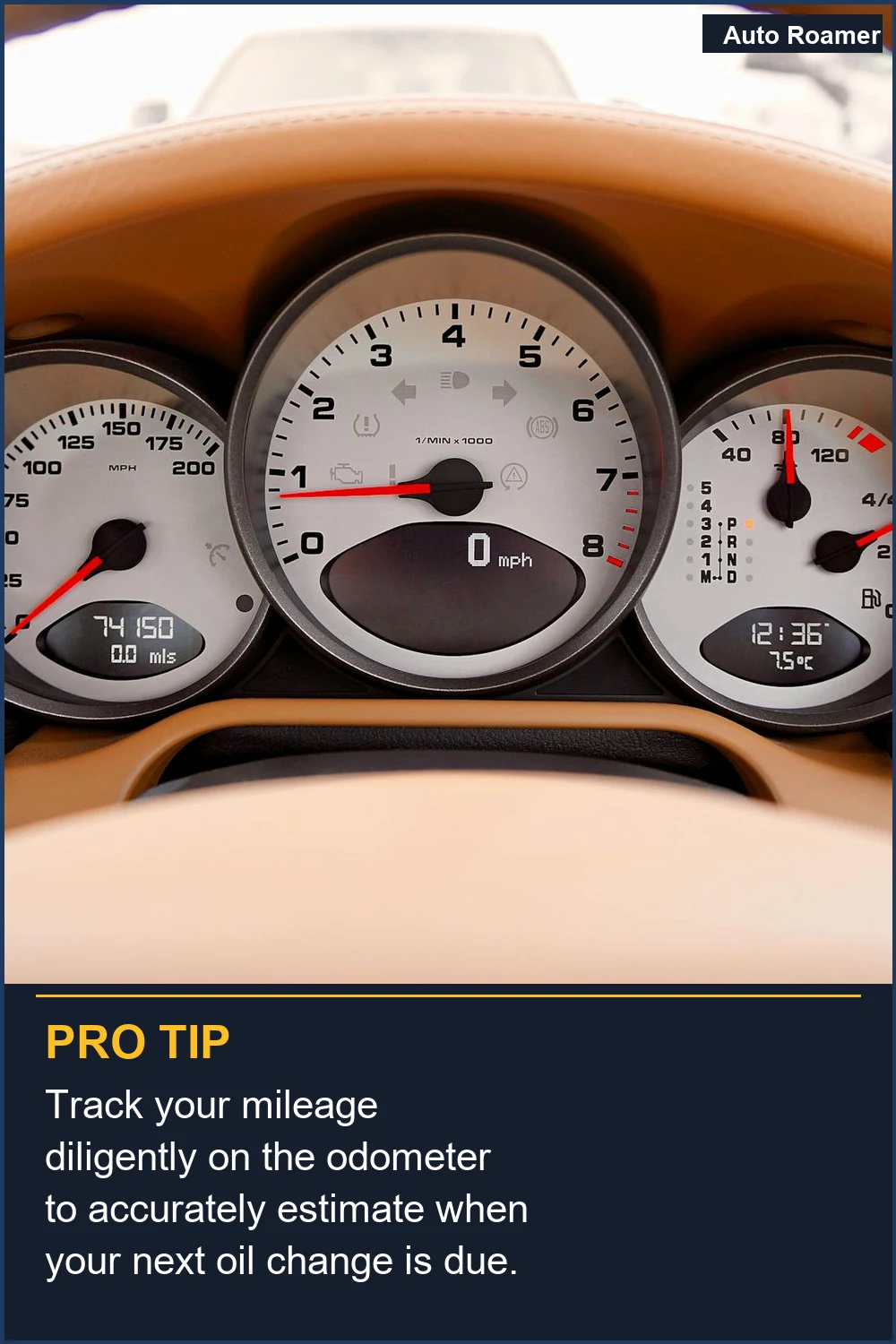
Track your mileage diligently on the odometer to accurately estimate when your next oil change is due.
Your car's dashboard gauges, especially the odometer, are key to determining when to change your oil. Conventional oil typically needs changing every 3,000-5,000 miles. | Photo by Mike Bird

Budget vs Premium Options

When it comes to how often should you really change your oil, the choice between budget and premium options hinges on your vehicle, driving habits, and tolerance for risk.

Budget Option: Conventional Oil Expect to change your oil every 3,000-5,000 miles How Often Should You Really Change Your Oil? (And Why It Matters .... This is the most basic and cheapest motor oil How Often Should You Change Your Oil? | AAA Automotive. It breaks down faster, requiring more frequent changes, especially under harsh conditions. You sacrifice extended protection and potentially longer engine life for immediate cost savings. This is best for older vehicles with less demanding engines or drivers who primarily take short, low-stress trips and don't mind more frequent shop visits.
Mid-Range Option: Synthetic Blend These oils typically require changes every 5,000-6,000 miles How Often Should You Really Change Your Oil? (And Why It Matters .... They offer a good balance of performance and cost, blending conventional and synthetic base oils. You get better protection and longevity than conventional oil without the full premium price tag. This is a solid choice for the average driver who wants more interval flexibility than conventional oil provides.
Premium Option: Full Synthetic Oil With full synthetic, you can often go 7,500-10,000 miles between changes How Often Should You Really Change Your Oil? (And Why It Matters .... This engineered oil offers superior resistance to breakdown, extreme temperatures, and wear. While the upfront cost is higher, the extended intervals and enhanced engine protection can offer better long-term value, especially for modern, high-performance engines or vehicles subjected to heavy use like towing or frequent stop-and-go traffic How Often Do You Need to Change Your Oil? - Bull Valley Ford Blog. It's best for those who prioritize engine health and want fewer maintenance interruptions.
To ensure you're making the most of your oil choice, it’s essential to know how to check your oil effectively.
Consult your owner's manual for the specific oil viscosity and type recommended for your vehicle's engine.
Understanding how often to change your oil involves considering engine specifics. Premium synthetic oils can extend intervals significantly, offering better protection and performance. | Photo by Andrea Piacquadio

Setup and Installation Tips

1
Forget the 3,000-mile rule - that's ancient history. Modern engines and advanced oils mean you can go much further. The old advice, popular in the 1960s and 70s, is simply outdated and costs drivers unnecessary money Oil Change Intervals: How Often Do You Really Need One in 2025?.
2
Consult your owner's manual first. It's the definitive guide for your specific vehicle's needs. For most modern cars, you're looking at intervals between 5,000 and 7,500 miles How Often Should You Change Your Oil? | AAA Automotive.
3
Consider your oil type and driving habits. Conventional oil typically needs changing around 3,000-5,000 miles, while synthetic blends can last 5,000-6,000 miles. Full synthetic oil is designed for longer intervals, often 7,500-10,000 miles How Often Should You Really Change Your Oil? (And Why It Matters ....
4
Severe driving means shorter intervals. If you frequently make short trips, idle in traffic, tow heavy loads, or drive aggressively, you need to be on the lower end of those mileage recommendations. These conditions put more stress on your oil, causing it to break down faster How Often Do You Need to Change Your Oil? - Bull Valley Ford Blog.
5
Don't ignore warning signs. A louder engine, dark or gritty oil, or the oil change light illuminating are clear indicators that you're overdue. Ignoring these signs can lead to premature engine wear and costly repairs How Often Should You Really Change Your Oil? (And Why It Matters ....
Understanding oil change practices can also help you manage your budget, so consider how it fits into the overall cost of car ownership.
Perform a quick oil check every other fuel fill-up to ensure optimal engine lubrication.
Regularly checking your oil dipstick, as shown here, is crucial for maintenance. Don't rely on old rules; many modern cars can go 5,000-7,500 miles or more between changes. | Photo by Gustavo Fring

Care and Maintenance Tips

1
Forget the 3,000-mile myth. That advice is decades old, stemming from when engines and oils were far less advanced . Today's engines and lubricants can handle much longer intervals. Sticking to the old rule means you're likely wasting money and potentially over-servicing your vehicle.
2
Consult your owner's manual. This is the ultimate authority for your specific vehicle's needs. Generally, expect intervals between 5,000 to 7,500 miles for most modern cars using conventional oil . If you use full synthetic oil, you can often push this to 7,500 to 10,000 miles .
3
Consider your driving conditions. Severe driving - think frequent short trips, heavy stop-and-go traffic, towing, or aggressive driving - means your oil works harder and gets dirtier faster. For these conditions, you'll want to lean towards the lower end of the recommended mileage range . Clean oil is crucial for engine longevity.
4
Watch for warning signs. Even if you're within your mileage interval, pay attention to your car. If the engine sounds louder or rougher, your oil looks dark and gritty, or the oil change light illuminates, it's time for a change regardless of the calendar . Ignoring these can lead to costly engine damage.
Maintaining your vehicle can help you avoid the hidden costs associated with trading in your car.
Pros/cons infographic: oil change frequency comparison.
Product comparison for How Often Should You Really Change Your Oil

Final Recommendations

  • Forget the 3,000-mile myth; it's a relic of the past. Modern engines and oils are far more robust. For most drivers using conventional oil, aim for every 5,000 miles AAA Automotive. If you're running synthetic oil, you can safely push this to 7,500 to 10,000 miles Your Buddy Steve's, depending on your driving conditions.
  • Severe driving conditions-like frequent short trips, heavy stop-and-go traffic, or towing-mean you should lean towards the lower end of these intervals. Your car's owner's manual remains the ultimate authority; always defer to its specific recommendations for your make and model AAA Automotive.
  • For the budget-conscious, sticking to the 5,000-mile mark with conventional oil is a solid, cost-effective choice. If you're investing in full synthetic, the extended intervals mean fewer trips to the shop, saving you both time and money over the long haul, often stretching to 7,500 to 10,000 miles Bull Valley Ford Blog.
  • Ultimately, changing your oil too often is a waste of money, but neglecting it can lead to costly engine damage. Regularly check your oil level and condition, and trust your vehicle's manufacturer recommendations for how often you should really change your oil.
To mitigate those hidden costs, it's crucial to know how to identify when you're being overcharged by your mechanic, so check out essential tips for savvy car owners.

Frequently Asked Questions

What things should I think about when figuring out how often to get my oil changed?
When we're deciding on oil change intervals, we look at a few key things. Your car's owner's manual is the absolute best starting point, as it's tailored to your specific engine. We also factor in the type of oil you're using - conventional versus synthetic - and how you typically drive your vehicle. For most cars, the general recommendation these days is between 5,000 and 7,500 miles, a big jump from the old 3,000-mile rule AAA Automotive.
Is splurging on synthetic oil worth it if I want to go longer between changes?
From our experience, synthetic oils are definitely worth the extra cost if you want longer intervals. We've found they hold up much better under stress and don't break down as quickly as conventional oils. This often means you can safely push your oil changes out to 7,500 to 10,000 miles, which can actually save money in the long run Bull Valley Ford Blog.
How does the way I drive affect how often I should be changing my oil?
Driving conditions make a huge difference. If you do a lot of short trips where the engine doesn't fully warm up, sit in heavy stop-and-go traffic, or frequently tow heavy loads, your oil is working harder and getting dirtier faster. In these 'severe' driving conditions, we'd recommend sticking closer to the lower end of the recommended mileage range, or even changing it a bit sooner than the manual suggests Your Buddy Steve's.
What are the red flags that tell me my oil needs changing sooner than I thought?
We always keep an ear out for the engine sounding louder or rougher than usual, which can be a sign of poor lubrication. If the oil itself looks really dark and gritty when you check the dipstick, or if you notice a burning oil smell, those are definite signs it's time for a change. Plus, that little oil change reminder light on your dash is there for a reason!
Can using a high-mileage oil help an older engine run better for longer?
Yes, we've seen good results with high-mileage oils on older engines. These formulations often have special additives to help condition seals and reduce leaks, which can be common in higher-mileage vehicles. While it won't magically make an old engine new, it can help maintain its performance and potentially extend its life by addressing some age-related wear and tear.

Sources

Related Articles