
What Type of Motor Oil Does My Car Need?
Picking the right motor oil for your car feels like deciphering ancient hieroglyphics, and frankly, it's more confusing than assembling IKEA furniture in the dark. Most of us just grab whatever's on sale, which is a rookie mistake that can cost you down the road.
Picking the right motor oil for your car feels like deciphering ancient hieroglyphics, and frankly, it's more confusing than assembling IKEA furniture in the dark. Most of us just grab whatever's on sale, which is a rookie mistake that can cost you down the road. The real move is understanding what those numbers and letters actually mean. It's not just about keeping your engine from seizing up; it's about making sure your ride runs smooth when you're miles from anywhere.
AutoZone tells you it's common, but common doesn't mean correct for your specific engine. I learned this the hard way when my old Civic started making weird noises after I ignored the manual. That's a $500 lesson I don't want you to repeat.
The Core Answer
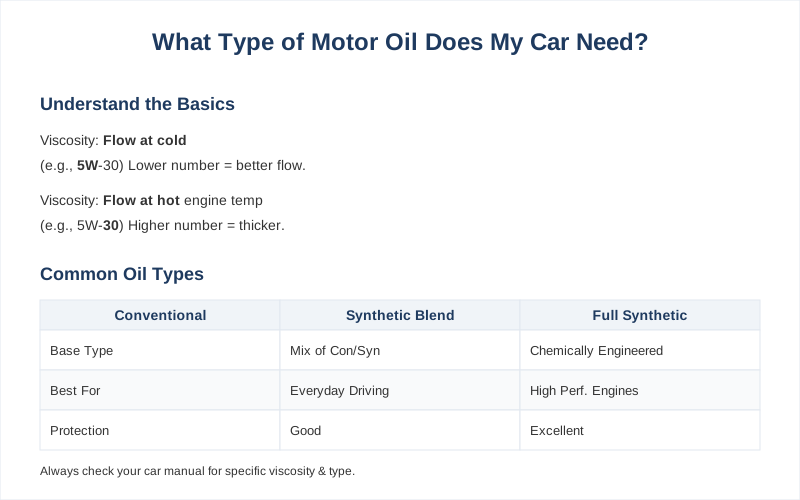
The core of figuring out your car's oil needs boils down to two things: viscosity and type. Viscosity is basically how thick the oil is, and it's represented by those numbers like 5W-30. The first number, followed by a 'W' for Winter, tells you how well the oil flows when it's cold. A lower number means it flows better, which is crucial for getting your engine lubricated right when you crank it on a frosty morning. Think of it like syrup - cold syrup is thick and slow, warm syrup flows easy. Castrol explains this clearly. The second number is how thick the oil is when your engine is hot and running. Your car's manufacturer specifies what viscosity range is best for its engine design and the temperatures it's expected to operate in. My first car, a beat-up Honda Accord, specifically called for 5W-30. Trying to use 10W-40 because it was cheaper? Big mistake. The engine sounded like it was gargling rocks. Reddit mechanics will tell you the same thing: stick to the manual. Then there are the types: conventional, synthetic blend, and full synthetic. Conventional oil is the most basic, refined crude oil. Synthetic blends are a mix, offering a bit more protection. Full synthetic is the high-tech stuff, engineered for extreme temperatures and longer life. Full synthetic usually costs more, sometimes $10-$15 a gallon more, but it can offer better protection and longer intervals between changes. It's like the difference between a basic tent and a four-season yurt for camping. Pennzoil has a tool that can help you find what your car needs. Don't guess; check your owner's manual or the oil filler cap itself. Often, the exact viscosity grade is printed right there. Walser Automotive Group confirms this is a common spot for the info. The honest version? Your owner's manual is your best friend here. It's not about brand loyalty; it's about meeting your engine's specific hunger. Mobil lists common viscosities, but your car might be picky.

Why This Matters for Your Setup
Why does any of this matter when you're just trying to get to the trailhead? Because the wrong oil is like bringing a kiddie pool to a whitewater rafting trip. Your engine needs the right viscosity to create a protective film between moving parts. If it's too thin when hot, metal grinds on metal. If it's too thick when cold, it won't flow fast enough to lubricate, and you're essentially running your engine dry for those crucial first few minutes. That's how you turn a perfectly good engine into a very expensive paperweight. LIQUI MOLY even has an oil guide to help you sort it out. I remember one time in Moab, Utah, during a scorching summer heatwave, my car started making a ticking noise. I'd been putting off an oil change and had used a slightly lower viscosity than recommended. The heat was just too much for the oil film. It was a $300 tow truck ride and a stern talking-to from the mechanic. Walser Automotive Group points out that the oil cap is often labeled, which is the easiest visual cue. Don't rely on just the color of the bottle. It's the numbers and the type that count. The real move is to check your manual once and then set a reminder to get the right stuff. Your car will thank you with miles of reliable adventuring.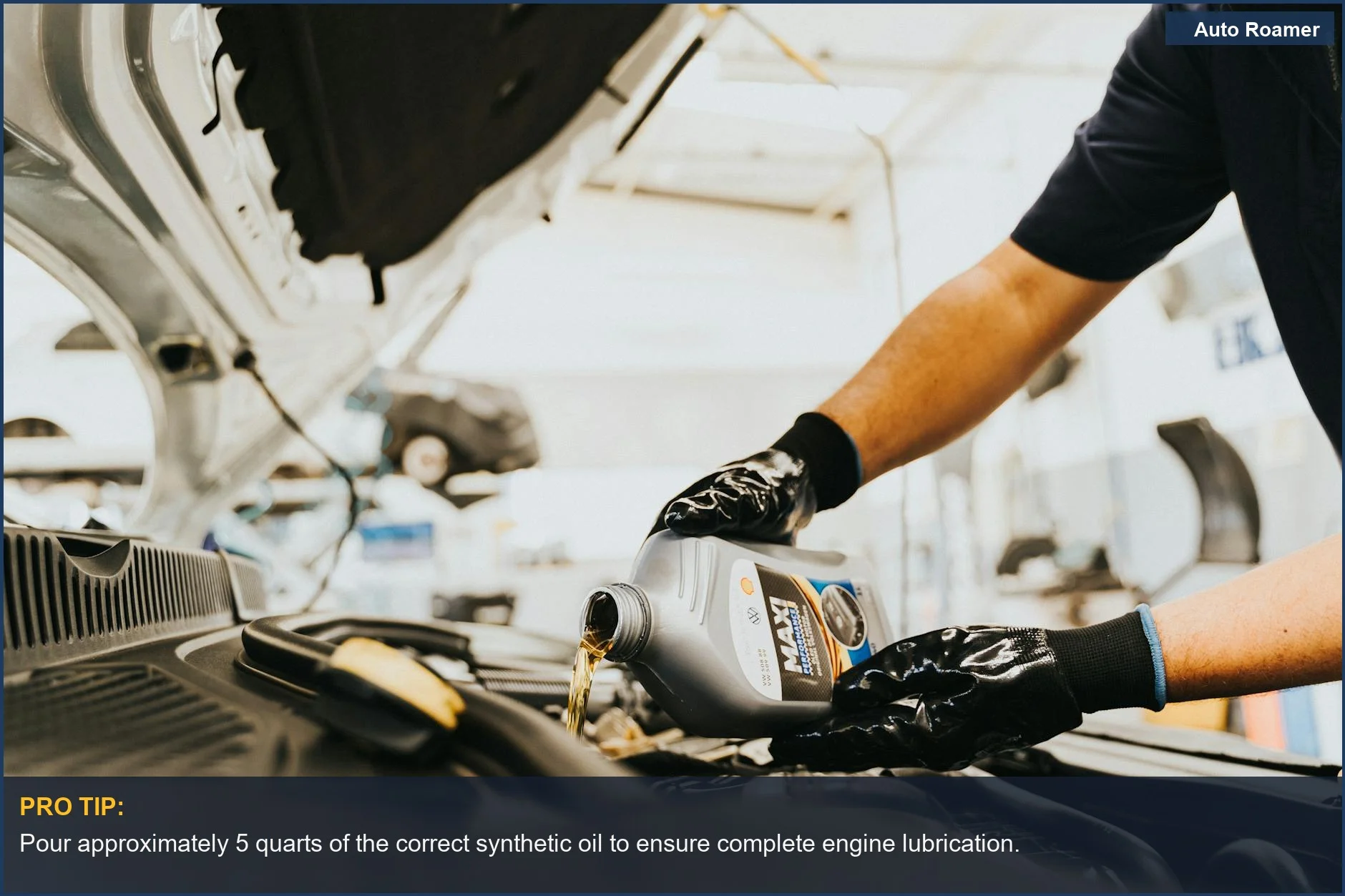
Making the Right Choice
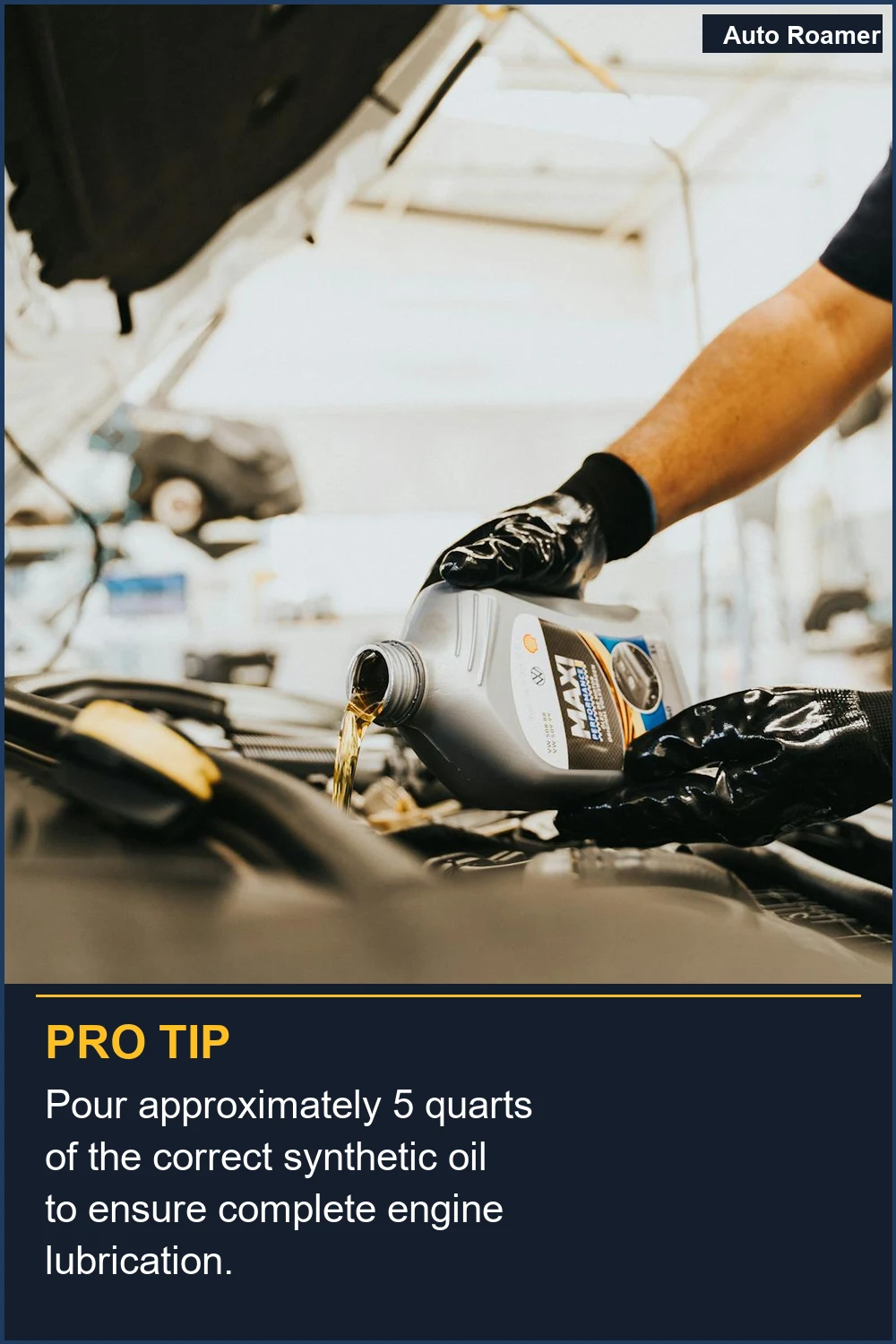
So, what's the takeaway from this oil-soaked saga? First, always, always check your owner's manual. It's the definitive source for what your car's engine craves. AAA agrees, calling the manual the easiest way to figure this out. Second, understand viscosity. Those numbers, like 5W-30, aren't random; they dictate flow at different temperatures. The 'W' means winter, and the second number is for warmer temps. Castrol breaks down the viscosity ratings. Finally, consider the type: conventional, blend, or full synthetic. Full synthetic offers the best protection, especially in extreme conditions, but costs more. I'd rather spend an extra $10 on a good synthetic than risk a $3,000 engine repair. It's a small investment for peace of mind on those long drives to see the stars. Pennzoil's oil selector is a good digital tool if you can't find your manual. The honest version: get it right the first time, and your car will be your trusty adventure companion for years to come.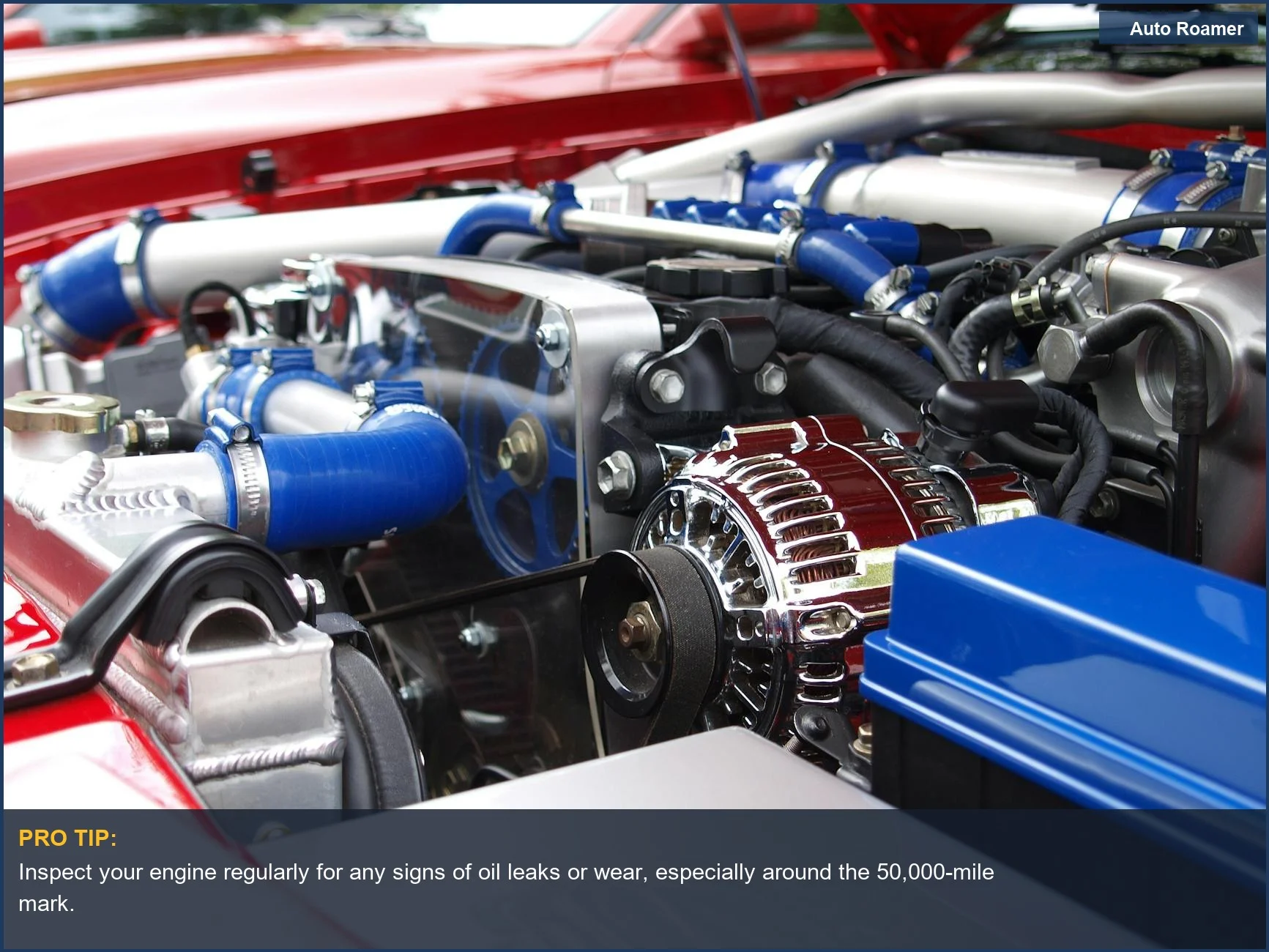
Frequently Asked Questions
If I take my car to a shop, they'll use the right oil, right? Is it worth paying them extra to avoid the hassle?
Do I really need a special tool to check my oil level or can I just eyeball it?
What if I accidentally put in the wrong viscosity oil, like 10W-40 instead of 5W-30, and drive for 500 miles? Is my engine toast?
Can using the wrong motor oil permanently damage my car's engine?
Is it true that synthetic oil cleans your engine better and you don't need to change it as often as conventional oil?
🏅 Looking for Gear Recommendations?
Check out our tested gear guides for products that work with this setup:
Sources
- castrol.com
- Oil Selector- Find Recommended Oil For Your Engine | Pennzoil®
- What Oil Type Does My Car Need? - Walser Automotive Group
- What Oil Does My Car Take? - AutoZone
- HOW TO KNOW WHAT OIL YOUR CAR NEEDS | AAA Club Alliance
- Oil guide | LIQUI MOLY
- What type of oil and oil filter for my car? - Mobil
- How do I choose the right engine oil for my car? - Reddit