
Is Synthetic Oil Necessary for Older Cars?
The whole synthetic vs. conventional oil debate for older cars is messier than a dropped oil filter. It's not a simple 'yes' or 'no,' and the internet is full of guys who think they know everything but actually just read the back of a bottle once.
The whole synthetic vs. conventional oil debate for older cars is messier than a dropped oil filter. It's not a simple 'yes' or 'no,' and the internet is full of guys who think they know everything but actually just read the back of a bottle once. My first rig, a '98 Toyota Camry with 200,000 miles, ran on whatever was cheapest, and I figured that was the smart move.
Then I started hearing stories about synthetic oil causing catastrophic leaks in older engines. Sounded like a rookie mistake waiting to happen, so I dug in.Reddit thread talking about seals and gaskets shrinking, and classic car experts weighing in. It's a lot to sift through when you just want your engine to stop sounding like a bag of angry marbles.
The Core Answer
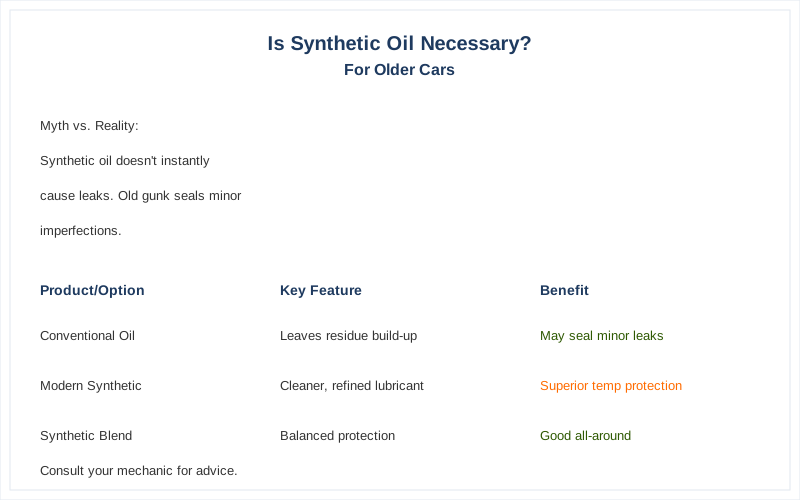
The idea that synthetic oil will instantly blow out the seals on your older car is mostly a myth, but there's a tiny grain of truth to it that people blow out of proportion. Think of it this way: over decades, conventional oil can leave a sort of gunk and residue that actually helps 'seal' up minor imperfections and worn-out rubber seals in your engine. When you switch to a full synthetic, which is a much cleaner and more refined lubricant, it can sometimes wash away that buildup, potentially revealing small leaks you never knew you had. It's not the synthetic oil itself being 'too harsh'; it's the absence of the old gunk.conventional oils can leave behind that residue.However, modern synthetic oils are designed to be better for your engine overall. They offer superior protection at extreme temperatures, both hot and cold, and they can help reduce friction more effectively than conventional oils.reduce friction. This improved lubrication can actually help prevent further wear and tear on an older engine. It's the real move for long-term engine health, provided your engine isn't already actively leaking like a sieve.
The 'leak' issue is more about the *condition* of your engine's seals and gaskets than the oil itself. If your engine is already old and has questionable seals, a switch to synthetic might make existing, tiny leaks more noticeable. But that doesn't mean the synthetic oil *caused* the damage; it just highlighted a problem that was already there. Most mechanics will tell you that sticking with the manufacturer's recommended oil weight is the most important thing, regardless of whether it's conventional or synthetic.OEM recommendations are key.
So, the honest version? For most older cars that aren't actively seeping oil from every gasket, switching to a full synthetic is probably fine and potentially beneficial. If you have a classic car that sits for years or a high-mileage beater that's already dripping, you might want to stick with conventional or a synthetic blend just to be safe, or at least be prepared to address any minor leaks that pop up.synthetic oils causing leaks on older cars is a myth, but it's a persistent one.


Why This Matters for Your Setup
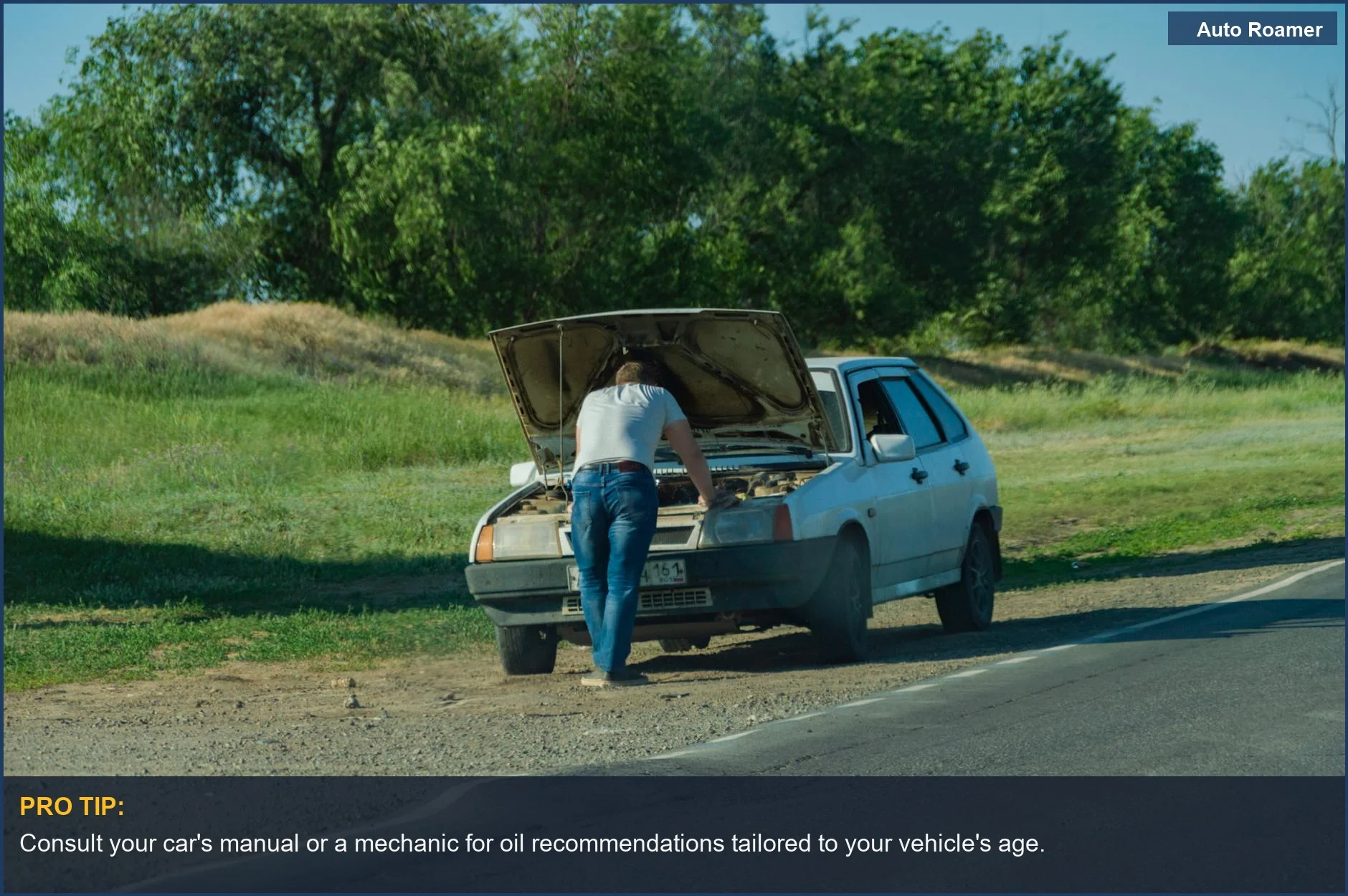
Why does this even matter for your weekend warrior setup? Because your car is your chariot to freedom, and if it's making weird noises or leaking fluids, that freedom can turn into a roadside breakdown. I learned this the hard way when my '05 Subaru Outback started making a knocking sound on a trip to the Adirondacks. Turns out, the cheap conventional oil I'd been using was probably not cutting it anymore for that engine's mileage.Here's the breakdown on why this oil stuff is worth a thought:
- Engine Wear: Older engines, especially those with hundreds of thousands of miles, have more internal wear. Synthetic oils provide a more robust protective film, reducing friction and wear, which is crucial when you're not running a brand-new mill.
- Temperature Extremes: Car camping often means dealing with weather. Whether it's a scorching summer day at a desert campsite or a chilly fall night in the mountains, synthetic oils maintain their viscosity better across a wider temperature range than conventional oils.
- Seal Condition: This is the sticky part. If your engine's seals are already degraded from years of use and heat cycles, a very aggressive synthetic *might* highlight existing minor leaks. It's not usually a catastrophic event, but something to be aware of.
- Oil Change Intervals: While you might not be changing oil every 3,000 miles on a daily driver, synthetic oils generally last longer between changes. This means fewer trips to the auto parts store and more time spent planning your next adventure.


Making the Right Choice
So, should you ditch the conventional oil in your trusty older car? For most people, the answer is a cautious yes, especially if your car is your reliable transport to the trailhead or campsite. The fear of synthetic oil causing leaks is largely overblown, and the benefits of better protection and temperature stability are significant for an aging engine.My advice, based on field notes from countless road trips and more than a few questionable engine noises:
- If your car is running fine and not leaking, a high-quality full synthetic is likely a good upgrade. Just be prepared to potentially top it off more frequently if you notice a slight increase in consumption.
- If you're dealing with a classic car that sits for extended periods, consider changing the oil annually regardless of mileage, and synthetic can offer better protection during those long storage months.
- Don't be afraid to ask your mechanic. They've seen it all and can give you advice tailored to your specific vehicle. They might even suggest a synthetic blend as a middle-ground option.

Frequently Asked Questions
If I switch to synthetic and my car starts leaking, how much would it cost to fix?
Do I need any special tools to check my oil level after switching to synthetic?
What if I switch to synthetic, and it *still* uses oil? Did I waste my money?
Can using synthetic oil permanently damage my older car's engine if it's not meant for it?
I heard synthetic oil makes your engine run hotter. Is that true?
🏅 Looking for Gear Recommendations?
Check out our tested gear guides for products that work with this setup:
Sources
- Setting the record straight on motor oil for classic cars | Articles
- Is synthetic oil better than conventional oil in older cars
- Why Older Vehicles Need Synthetic Oil - LifeTimeOil.com
- don't use synthetic oil in older cars? : r/AskMechanics - Reddit
- Benefits to Sticking with Conventional Motor Oil | Car Maintenance