

Why lantern fuel type matters
A camping lantern looks like a simple buy until you realize the fuel it runs on changes almost everything — where you can safely use it, how bright it gets, how long it lasts, what it costs to run, and how much fuss it takes to operate. The lantern that lights your tent from the inside is a completely different tool from the one that floods your campsite with warm light, and the difference is the fuel.
For car campers the stakes are higher than for backpackers, because you are often lighting the inside of a vehicle or a closed tent — exactly where the wrong fuel type can be dangerous. There are three main fuel types: rechargeable and battery LED, canister gas (propane or butane), and liquid fuel (white gas or kerosene), and each solves a different lighting problem with its own safety profile.
This guide walks through all three, explaining how each works, what it is good and bad at, the safety rules that are not optional, the running cost, and how to pick the right type for your trips. By the end you will know which fuel — or which combination — matches where you camp and how you use light. The thread running through all of it is one rule: only flameless LED is safe inside an enclosed space.
Type 1: Rechargeable and battery LED lanterns
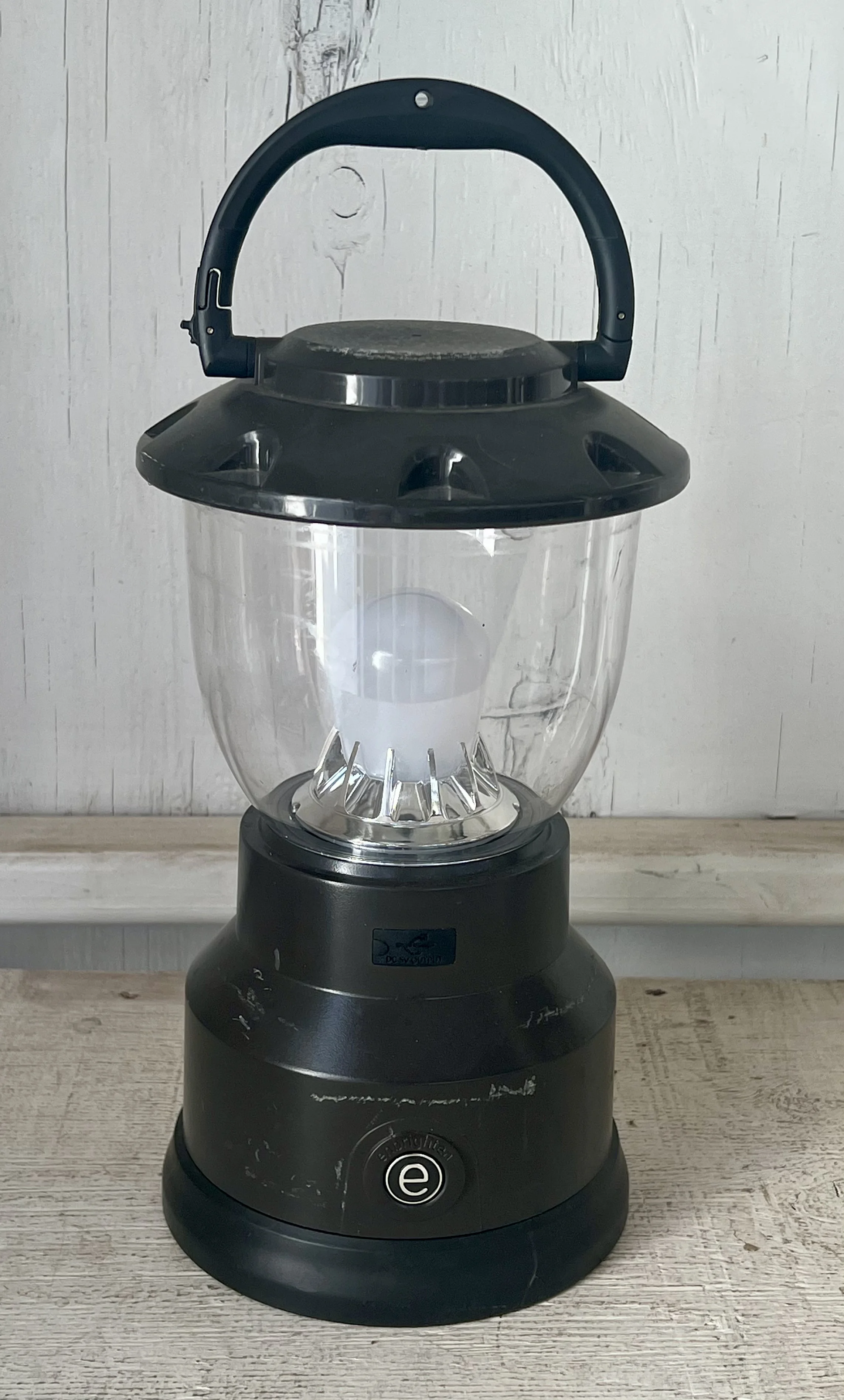
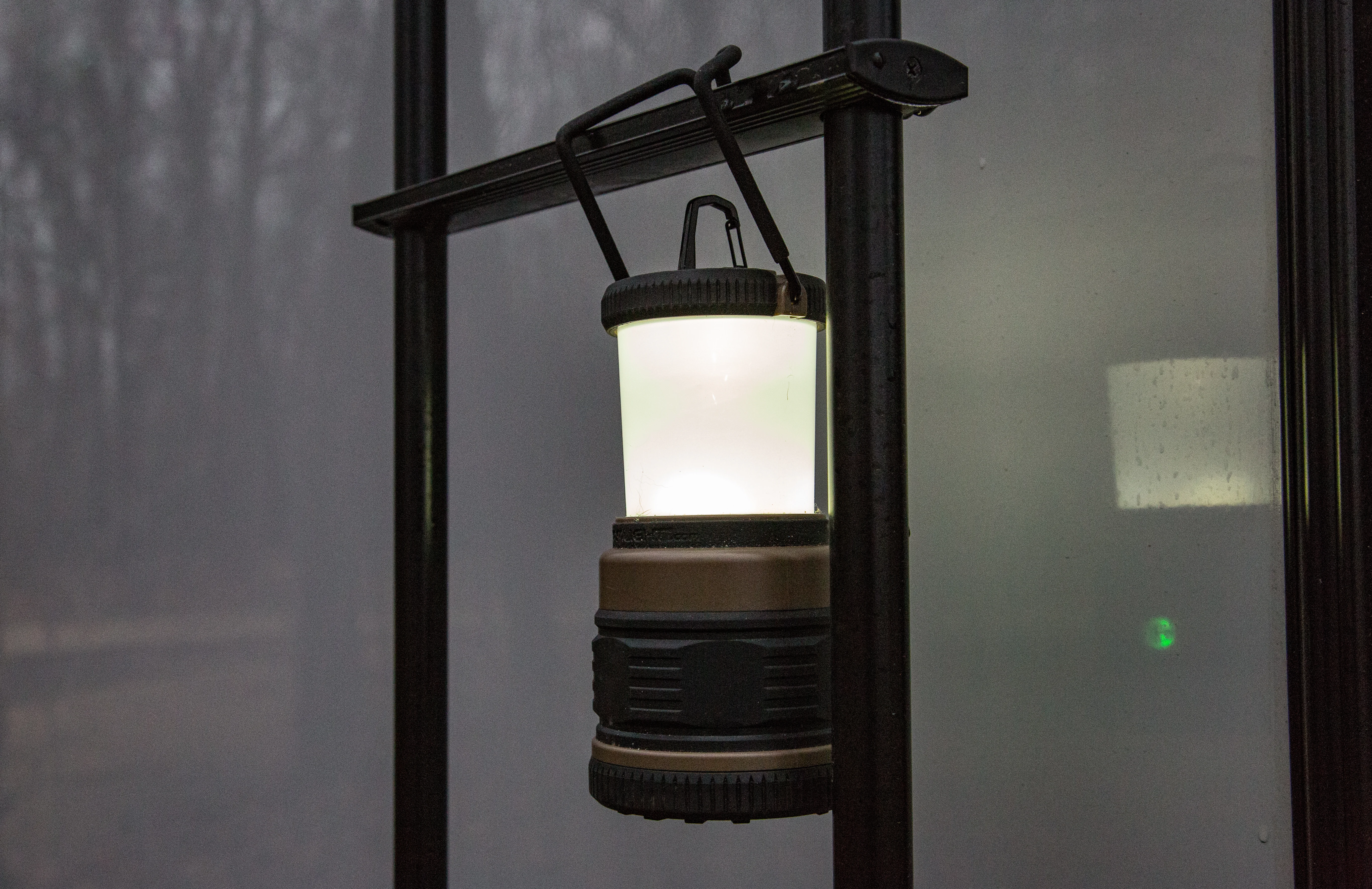
LED lanterns run on electricity from a rechargeable internal battery or replaceable cells, and they have become the default for most car campers for one overriding reason: they produce no flame. That means no carbon monoxide, no fire risk and very little heat, so an LED lantern is the only type you can safely use inside your vehicle or a closed tent.
Beyond safety, LEDs are convenient and flexible. They are instant on, dimmable, often have multiple brightness modes and color temperatures, and many double as a power bank to charge your phone. A rechargeable model tops up from the car or a power station, so you rarely buy fuel at all. The trade-offs are honest: LED light tends to be cooler and flatter than the warm glow of a burning mantle, the battery eventually degrades over years, and very bright output drains the battery faster. For interior lighting, reading and everyday camp tasks, the LED lantern is the practical, safe workhorse.
Best for: interior tent or vehicle lighting, everyday camp tasks, safety-first use. The only fuel type safe to use in an enclosed space.
Type 2: Canister gas lanterns (propane and butane)
Canister gas lanterns burn propane or butane (often an isobutane blend) from a screw-on or push-on cartridge, heating a fragile mantle that glows with a bright, warm light. They bridge the gap between the convenience of LED and the brightness of liquid fuel, and they are popular for lighting an outdoor campsite or a picnic table with an ambient glow.
The two gases differ in important ways. Propane is widely available in the familiar green one-pound canisters, works well in cold weather, but is bulky. Butane and isobutane blends come in compact, light cartridges and burn clean, but pure butane performs poorly in the cold because it struggles to vaporize. Gas lanterns light quickly with no liquid to handle, but the mantles are delicate, the canisters add up in cost and bulk, and — critically — they burn a flame, so they must be used outdoors with ventilation, never inside a tent or vehicle.
- Propane: available, cold-tolerant, but bulky canisters
- Butane / isobutane: compact and clean, but poor in the cold
- Both: bright warm light, outdoor use only — they burn a flame
Type 3: Liquid-fuel lanterns (white gas and kerosene)
Liquid-fuel lanterns are the traditional, heavy-duty option. You fill a pressurized tank with white gas (refined naphtha sold as camp fuel), kerosene, or a multi-fuel some models accept, pump it to pressure, prime it, and the vaporized fuel heats a mantle into a brilliant glow. These are the lanterns that flood a campsite with light.
The strengths are real: liquid-fuel lanterns are very bright, run a long time per fill, perform reliably in cold weather where canisters falter, and the fuel is cheap by volume, so they shine for long trips and serious off-grid lighting. The costs are equally real. They are the most involved to operate — pumping, priming, the occasional mantle replacement and maintenance — and they demand careful fuel handling and storage. Like all combustion lanterns, they are strictly for outdoor, ventilated use. They suit campers who want maximum brightness, long unattended run time and cold-weather dependability and do not mind the hands-on ritual.
Best for: maximum outdoor brightness, long run time per fill, cold-weather reliability and cheap bulk fuel. Not for: anyone who wants fuss-free, or any enclosed space.
The safety divide: combustion vs no combustion
If you remember one thing from this guide, make it this: the most important line between lantern fuel types is whether they burn a flame. LED lanterns do not — no flame, no carbon monoxide, minimal heat — which is exactly why they are the only type safe to use inside a vehicle or a closed tent.
Every combustion lantern — propane, butane, white gas or kerosene — consumes oxygen and produces carbon monoxide, an odorless gas that can be fatal in an enclosed space, plus a real fire risk from the flame and hot mantle. Using any of them inside a tent or car is dangerous, full stop. The rule is simple and non-negotiable: light the inside of your tent or vehicle with an LED lantern only, and use gas or liquid-fuel lanterns outdoors in open air. When you camp in a vehicle, a battery-powered carbon monoxide detector is cheap insurance. No amount of brightness or ambiance is worth carbon monoxide poisoning.
- LED: flameless, safe inside a tent or vehicle
- All gas + liquid fuel: outdoor, ventilated use ONLY
- Vehicle camping: add a battery CO detector as a backup
Brightness, light quality and run time compared
Each fuel type produces a different kind and amount of light. Liquid-fuel lanterns are typically the brightest and cast a warm, ambient glow that many campers love for outdoor atmosphere, with the longest run time per fill. Gas lanterns also give a warm, bright mantle light, a step below liquid fuel in raw output but quicker to light.
LED lanterns vary widely — some are very bright — but the light is usually cooler and flatter, though many now offer warm-white and adjustable modes that close the gap. Run time is where they diverge most: an LED's per-charge time stretches for days on low and is renewable from the car; gas runs hours per canister; liquid fuel runs long per fill and lets you carry cheap bulk fuel. The practical read: for bright outdoor ambiance, combustion still wins on light quality and peak output, but for renewable, controllable, safe interior light, LED is hard to beat. Match the light quality you want to where you will use it.
Cost, availability and convenience over time
The lantern's purchase price is only part of the story; the fuel and the ongoing convenience matter as much. LED lanterns cost almost nothing to run if you recharge from the car or a power station, and there is no fuel to buy, carry or store — the cheapest and most convenient over time, with the only long-term cost being eventual battery degradation.
Canister gas is convenient to use but the canisters add up in cost and create disposal and storage considerations, and you must keep spares on hand. Liquid fuel is the cheapest per hour of burn for heavy users because bulk camp fuel is inexpensive, but it demands careful storage and the most hands-on operation. Availability favors propane and white gas, which are easy to find; specialized blends less so. The honest summary: for occasional weekend car camping, LED's no-fuel convenience usually wins; for frequent, light-heavy or long off-grid use, liquid fuel's low running cost and endurance start to pay off.
Matching the fuel type to how you camp
Putting it together, the right lantern fuel follows from where and how you use light. If you mostly need light inside your vehicle or tent — reading, dressing, finding gear — an LED lantern is the safe, convenient default and the only safe interior choice. If you want bright, warm ambient light at an outdoor campsite and value quick setup, a canister gas lantern delivers.
If you want maximum brightness, long run time and cold-weather reliability for serious or long outdoor use and do not mind the operation, liquid fuel is the workhorse. Many car campers end up with two: an LED lantern for inside the tent or vehicle and either a gas or liquid-fuel lantern for outdoor ambiance and bright tasks. There is no single best fuel type, only the best one for a given use — so identify your primary lighting need first, respect the combustion-indoors rule absolutely, and choose the fuel that fits.
- Inside the tent/vehicle: rechargeable LED (only safe option)
- Outdoor ambiance, quick setup: canister gas (propane/butane)
- Max brightness + cold + long trips: liquid fuel, outdoors
Hybrid and rechargeable trends: how the choice is shifting
The lantern market has shifted hard toward LED in recent years, and it is worth understanding why and what it means for your choice. Battery and LED technology have improved enough that a modern rechargeable lantern is bright, long-lasting and genuinely useful in ways the dim LED lanterns of a decade ago were not, which is why they have become the default for car campers who used to reach for gas.
Two trends are worth knowing. First, many LED lanterns now double as power banks and integrate with portable power stations, so the same setup that runs your fridge or charges your phone keeps your lights going — a real convenience for vehicle-based camping where you already carry 12V power. Second, warm-white and adjustable-color LEDs have closed much of the gap in light quality that once pushed people toward the glow of a burning mantle.
The combustion lanterns have not gone away — they still win on peak brightness, cold-weather reliability and that warm ambiance for outdoor sites — but the practical center of gravity for car camping has moved to rechargeable LED for everyday use, with gas or liquid fuel as the specialist outdoor tool. Knowing where the technology is heading helps you avoid over-investing in a fuel system you may not need.
Common mistakes choosing a lantern fuel type
The recurring errors come from ignoring the differences between fuel types. The most dangerous is using a combustion lantern inside a tent or vehicle — propane, butane and liquid fuel all produce carbon monoxide and must stay outdoors; only LED is safe inside. The second is buying butane for cold-weather trips and finding it barely works because the fuel will not vaporize in the cold; choose propane or a cold-rated blend instead.
The third is over-buying a complex liquid-fuel lantern for casual weekend camping when an LED would be simpler, safer and fuel-free, or conversely expecting a small LED to flood a whole campsite like a liquid-fuel lantern. The fourth is forgetting fuel logistics — running out of canisters, storing fuel unsafely, or having no way to recharge an LED. Avoid all four by matching the fuel type to where you use the light and how bright you need it, respecting the indoor-LED-only rule, and planning your fuel or charging before the trip.
The bottom line
Camping lanterns come in three fuel types — rechargeable/battery LED, canister gas (propane or butane), and liquid fuel (white gas or kerosene) — and the right choice is the one that matches where you use the light and how bright you need it. The most important distinction is combustion versus no combustion: only flameless LED is safe inside a vehicle or a closed tent, while all fuel-burning lanterns belong outdoors in ventilated air.
For most car campers a rechargeable LED lantern is the practical, safe default, with canister gas for quick outdoor ambiance and liquid fuel reserved for those who want maximum brightness, long run time and cold-weather reliability. Identify your primary lighting need, respect the safety rule absolutely, and choose the fuel that fits — and a lantern quietly makes every night at camp easier and safer.