
How to Choose the Right Dashcam for Your Car's Needs
My first dash cam cost me $75 and was a tiny black box that barely saw anything past my hood ornament. It was a total rookie mistake, thinking the cheapest option would be fine. I bought it after some knucklehead in a pickup truck cut me off and drove away in Phoenix, Arizona.
My first dash cam cost me $75 and was a tiny black box that barely saw anything past my hood ornament. It was a total rookie mistake, thinking the cheapest option would be fine. I bought it after some knucklehead in a pickup truck cut me off and drove away in Phoenix, Arizona. The footage was so grainy, it looked like it was filmed on a potato.
Turns out, you actually need to see license plates and faces, especially if you're dealing with insurance or, worse, the cops. It's not just about looking cool; it's about having actual evidence when things go sideways on the road.
This isn't some fancy camping gear you can mess up and live. This is about protecting yourself.
I learned the hard way that not all dash cams are created equal, and you definitely get what you pay for. After that $75 disaster, I spent another $200 on a decent one, and it was worth every penny. Car and Driver's testing confirms that some models are just junk.
The Core Answer
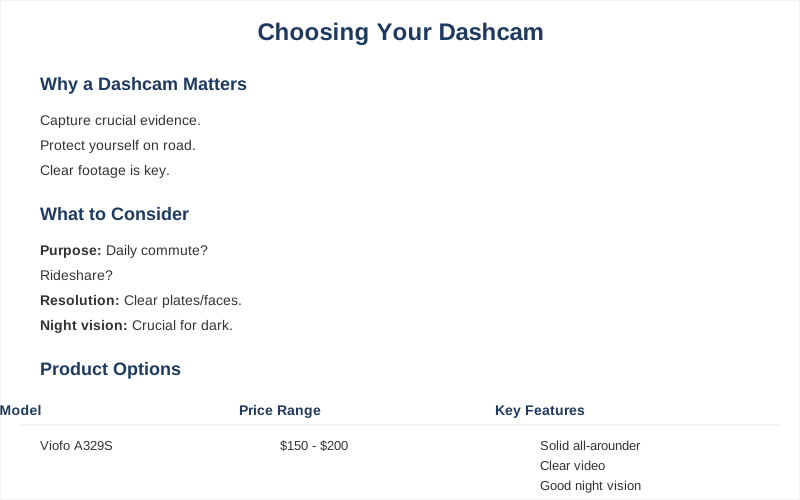
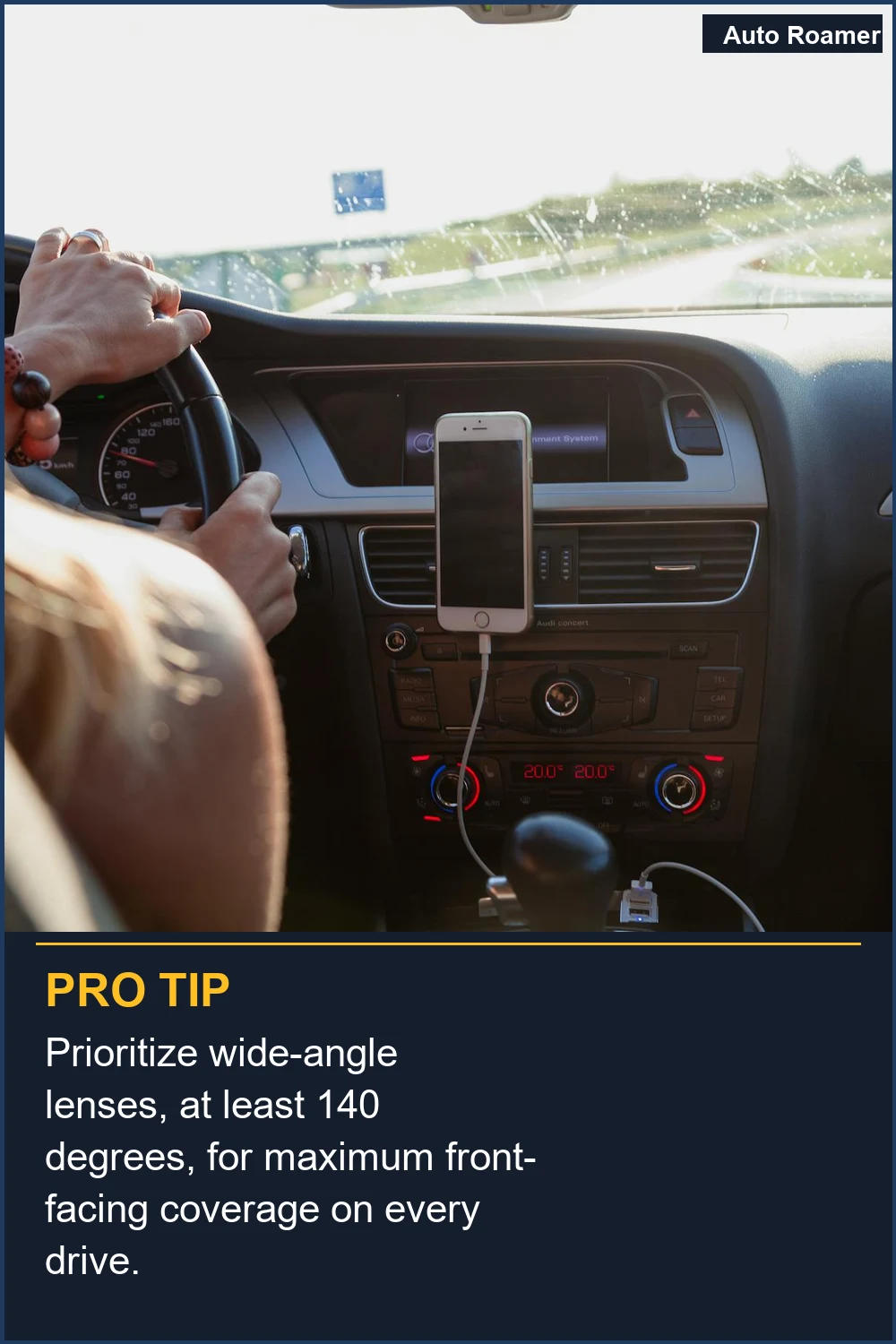
When you're looking for a dash cam, the first thing you need to figure out is what you actually need it for. Are you just trying to catch that one guy who swerved into your lane, or are you a rideshare driver who needs to cover the cabin too? For most people, a simple front-facing camera is the game-time move. I started with a $75 unit that was basically useless because the resolution was garbage. The real move is something that can actually record clear video, especially at night. Wirecutter recommends models that can capture legible license plates in the dark, and that's exactly what you need. The Viofo A329S is a solid all-arounder that Car and Driver tested and liked. It's not the cheapest, but it's not bank-breaking either. Think in the $150-$200 range for a decent front-facing one. If you're a rideshare driver, you absolutely need a cabin-view camera. My buddy drives for Uber and got a dual-channel system for like $250. It records the road and the inside, which is smart for dealing with weird passengers or potential liability. Nexar breaks down the different types, and cabin view is crucial for that gig. What about parking mode? This is where things get a little more advanced. If you want your camera to record when your car is off, you need a dash cam that supports parking mode. This usually means it needs to be hardwired into your car's electrical system, which can be a bit of a pain. I tried to wire one myself using a cheap kit I found online, and let's just say it didn't end well. Sparks flew. Seriously. The honest version is, if you're not comfortable with car electronics, pay an auto shop $50-$100 to do it for you. It's way cheaper than a new car. Then there's field of view. You want the widest view possible. Nexar says the wider, the better, and they're right. A 140-degree field of view is pretty standard and usually enough. Don't settle for anything less than 120 degrees. Finally, consider storage. Most dash cams use microSD cards. You'll want at least a 128GB card for continuous recording, especially if you have a higher resolution camera. Make sure it's a high-endurance card, or it'll die faster than my motivation on a Monday morning. My first card crapped out after 6 months because I cheaped out. Briliant engineering. Reddit's dashcam community is full of people who've learned this lesson. A good card costs about $30.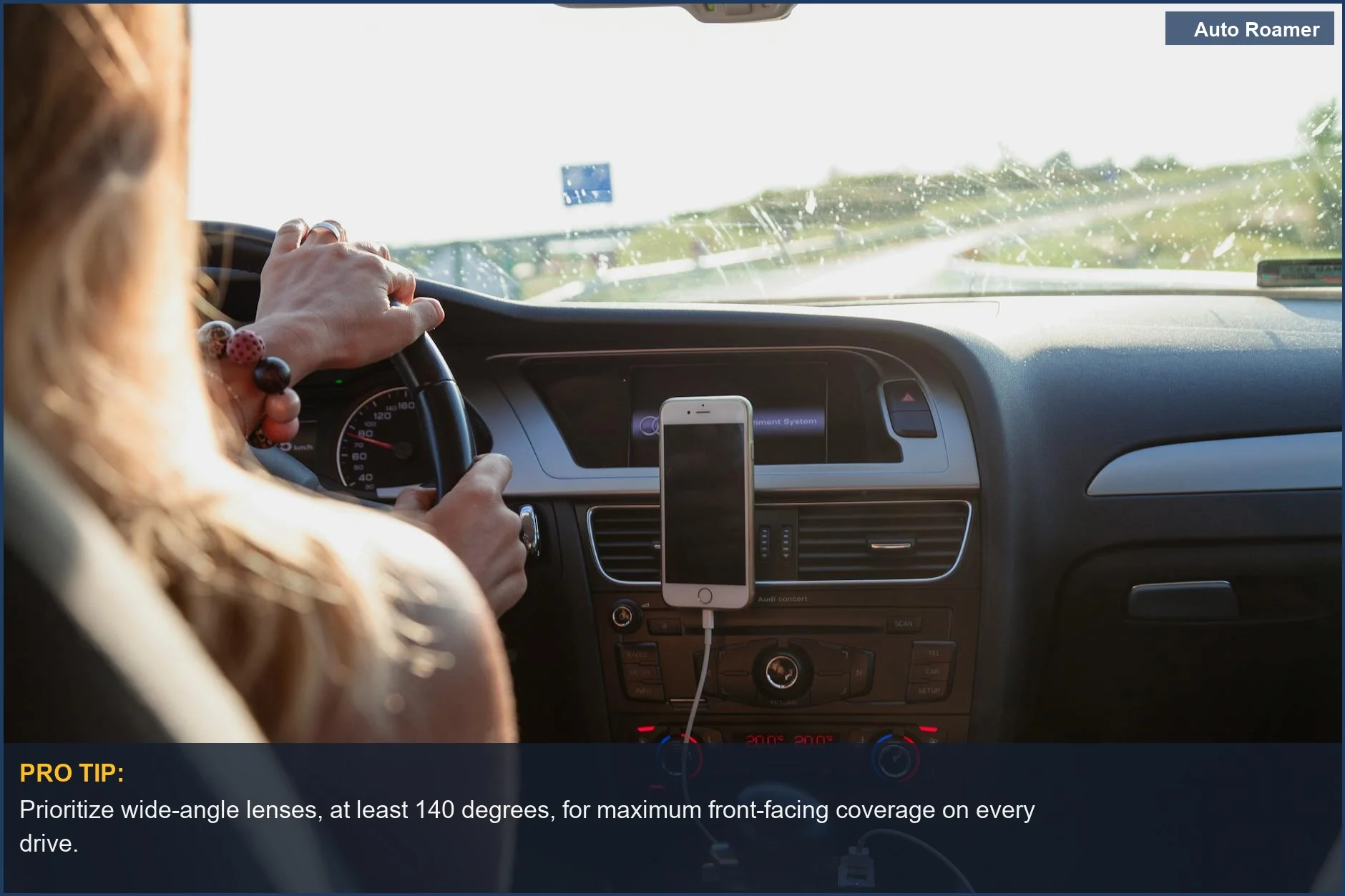
Why This Matters for Your Setup
So, why does all this matter for your actual car setup?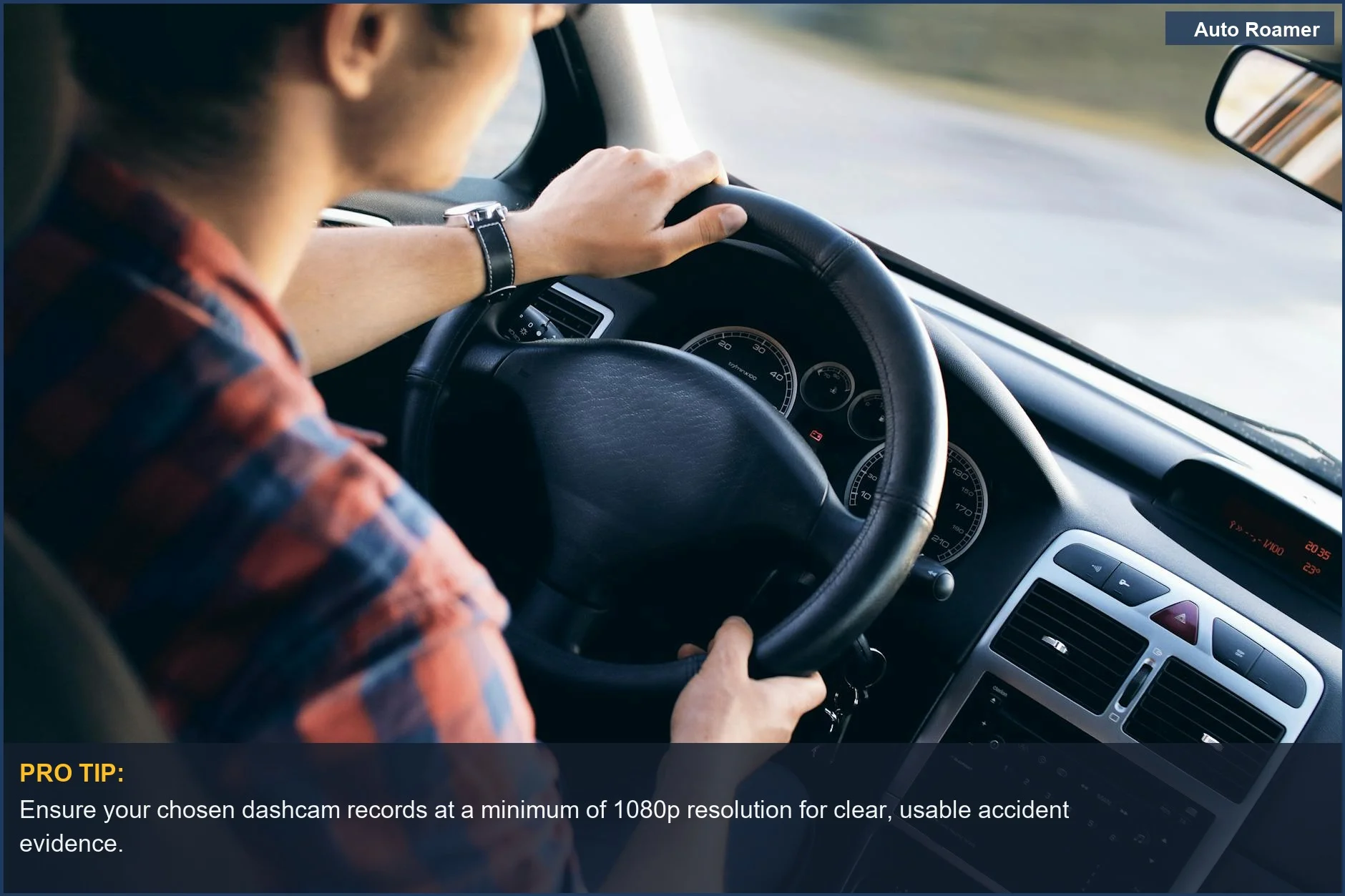
Making the Right Choice
Choosing the right dash cam isn't rocket science, but it does require a little thought. Don't just grab the first $30 thing you see online. Think about what you actually need it for. A basic front-facing camera is fine for most daily commuters. Car and Driver has some solid recommendations for overall best value. If you drive for work or have a high-risk parking situation, consider a dual-channel or parking mode setup. This usually bumps the price up, but the peace of mind is worth it. Reddit users often debate the necessity of these features, but I've seen too many issues to skip them. Remember, a good dash cam isn't just a gadget; it's an investment in your safety and protection on the road. Mine paid for itself the first time I had a minor collision and the other driver tried to lie about it. Nexar's guide is a good starting point if you're still feeling overwhelmed.
Frequently Asked Questions
My mechanic quoted me $300 to install a dash cam with parking mode. Can I just buy a $50 kit online and do it myself to save money?
Do I really need a specific 'high-endurance' microSD card, or will any old 128GB card work?
What if my dash cam footage is still too blurry to make out license plates, even though I bought a 1080p model?
Can having a dash cam plugged in all the time drain my car battery and permanently damage it?
I heard some dash cams record your speed. Is that legal to use as evidence in court?
🏅 Looking for Gear Recommendations?
Check out our tested gear guides for products that work with this setup:
Sources
- How To Choose (The Best) Dash Cam: 2026 Buying Guide - Nexar
- The 2 Best Dash Cams of 2026 | Reviews by Wirecutter
- How to Choose the Best 360 Dash Cam for Your Car? - Insta360
- Best Dash Cams 2026: Buyer's Guide - YouTube
- momentocam.com
- Best Dash Cams for 2026, Tested and Reviewed - Car and Driver
- rearviewsafety.com
- Choosing a Dash Cam 101: A Helpful Guide : r/Dashcam - Reddit