
What Features Should You Prioritize in a Dashcam?
My first dashcam was a $50 Amazon special that died after 6 months. It was supposed to record everything, but mostly it just recorded static and frustration. I learned the hard way that not all dashcams are created equal, and "features" can mean anything from "actually records video" to "blinks menacingly".
My first dashcam was a $50 Amazon special that died after 6 months. It was supposed to record everything, but mostly it just recorded static and frustration. I learned the hard way that not all dashcams are created equal, and "features" can mean anything from "actually records video" to "blinks menacingly". This isn't about buying the fanciest gadget; it's about getting what you actually need to avoid headaches later.
Think of it like packing for camping. You don't need a titanium spork and a solar-powered espresso maker for your first trip. You need a way to see what happened if someone clips your bumper in a parking lot. That's it. Future car buyers agree, a dashcam is becoming a must-have, and for good reason.
The Core Answer
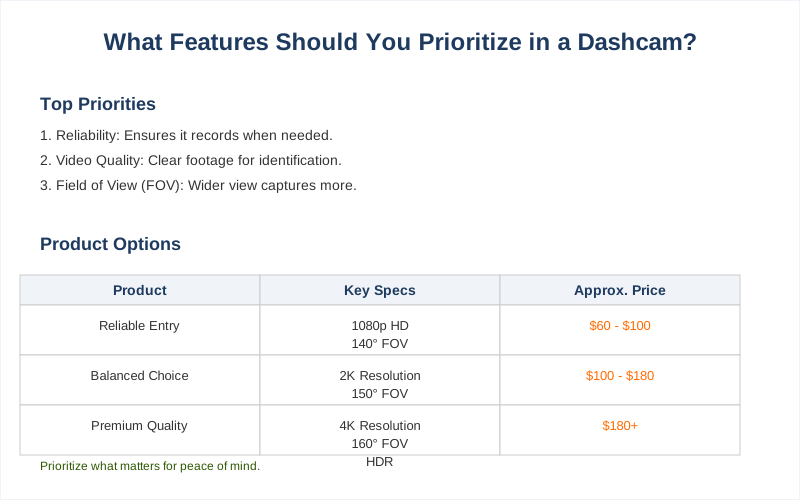
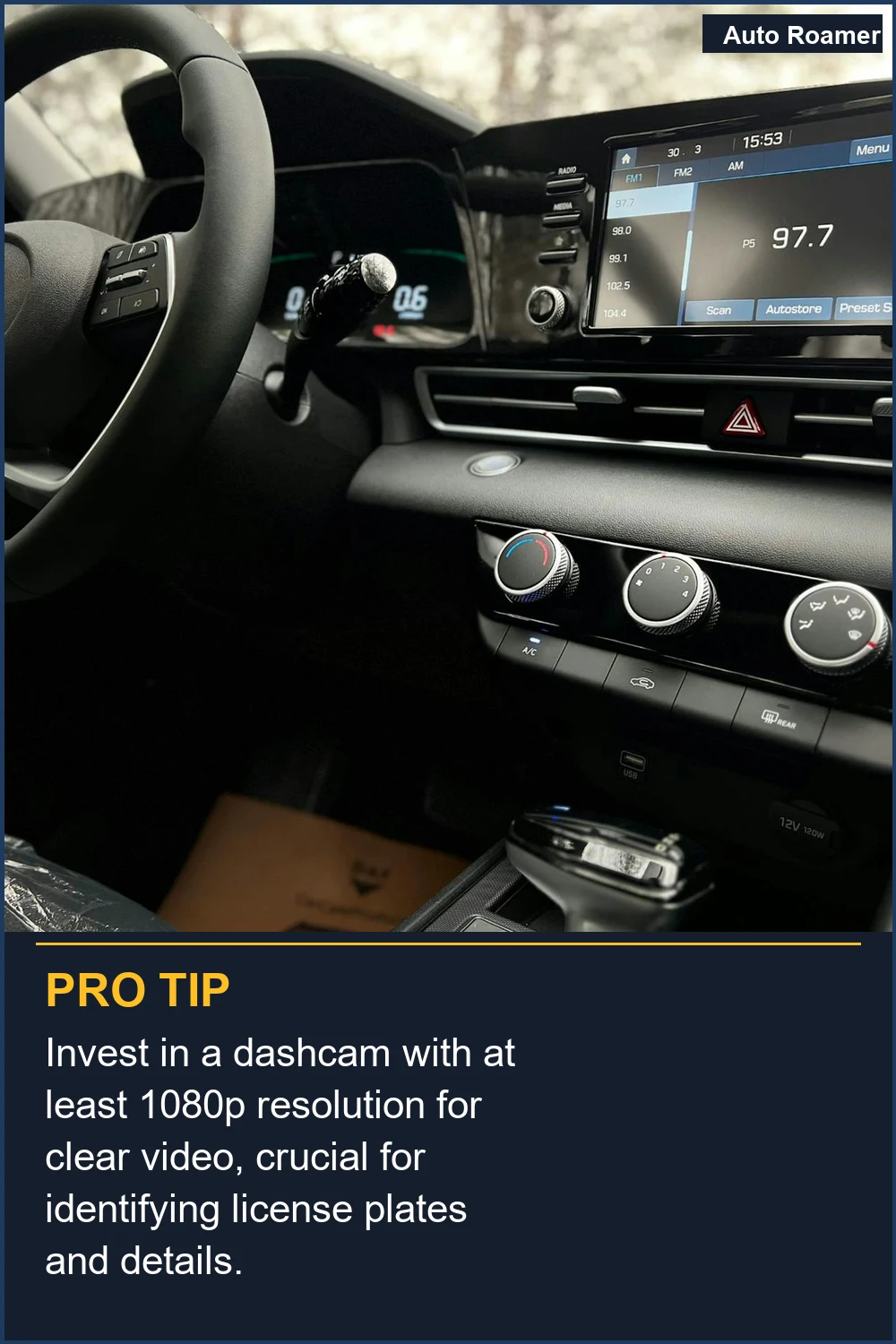
Look, the biggest rookie mistake is thinking all dashcams are the same. They're not. The real move is to prioritize reliability and video quality first. Everything else is gravy. Reliability means the darn thing actually turns on and records when you need it to. I had a cheap one that would just randomly shut off. No beeps, no warning lights, just dead. You find that out when you actually need the footage. Reliability should be #1, period. Video quality is next. What's the point of a recording if you can't make out a license plate or the color of the car that just cut you off? Aim for at least 1080p (Full HD), but 2K or even 4K is better if your budget allows. Higher resolution captures more detail, like street signs and, yes, license plates. Field of View (FOV) is also crucial. Think of it like your peripheral vision. A wider FOV, say 140 degrees or more, means it sees more of the road and sides of your car. This is important for catching those sneaky lane-changers. A wider view means better road safety. What about night vision? Most dashcams claim it, but the real move is looking for one with a good sensor and a large aperture lens. This lets in more light. Your dashcam is a chemical reaction in a box, and darkness turns that reaction into a lazy pile of garbage. A larger sensor helps in low light. Parking mode is nice, but often overhyped for beginners. It means the camera records if it detects motion or impact when your car is off. It's useful, but can drain your battery if not wired correctly. For your first dashcam, focus on the core recording function. Some users prioritize cloud features, but that's getting fancy. GPS is also a secondary feature for most people. It logs your speed and location, which can be useful, but again, not essential for the first-timer. The honest version: you need a camera that records clear video reliably. Everything else is a bonus you can figure out on trip number two. Don't get bogged down in too many features.
Why This Matters for Your Setup
So, what does this mean for your actual car?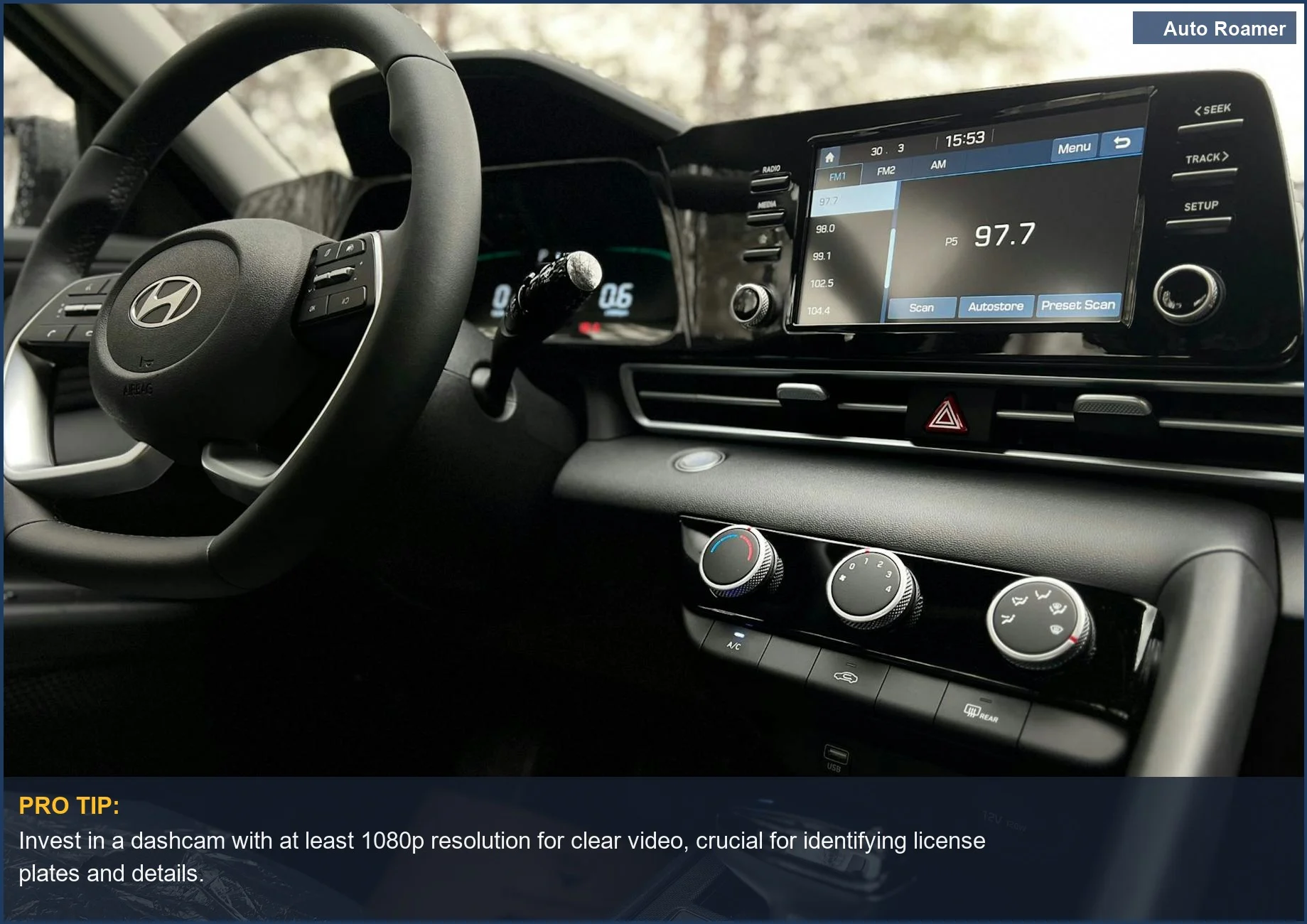
Making the Right Choice
The real move here is to keep it simple. Don't get overwhelmed by all the bells and whistles. Prioritize reliability and clear video. That's your foundation. Think of it like getting good sleeping bags before you worry about camp chairs. Reliability and image quality are paramount. If your budget allows, bump up the resolution and FOV. But don't break the bank on features you won't use. Resolution is important for capturing detail. This isn't rocket science, folks. It's about having a witness in your car. Start with the basics, and you'll be covered. Focus on what you actually need.
Frequently Asked Questions
I saw a dashcam for $30 online. Is that the $50 version I should avoid, or is that the $50 version I should avoid?
Do I really need to hardwire it for parking mode, or can I just plug it into the cigarette lighter?
What if my dashcam records the incident, but the footage is all blurry and useless?
Can leaving a dashcam plugged in all the time mess up my car's electrical system?
I heard that dashcams can interfere with police radar guns. Is that true?
🏅 Looking for Gear Recommendations?
Check out our tested gear guides for products that work with this setup:
Sources
- New to dash cams, what does each feature do and how essential ...
- 11 Features You Must Look For in a Dashcam - Clue Insights
- What Features Do You Look For In A Good Dashcam
- dashcamtalk.com
- Dash Camera Tops List of Features Wanted by Future Vehicle Buyers
- Before You Buy A Dash Cam In 2026 – Watch This First - YouTube
- How to Choose a Dash Cam for Your Car - Consumer Reports