What ADAS in a Dash Cam Actually Is
Your car's factory collision warning fuses a radar behind the badge with a camera behind the mirror. A dash cam has one lens and a 30 fps video stream, and that is the whole sensor suite. Every lane-departure and forward-collision feature on the market runs on that single monocular image, which is a real capability and a real limit at the same time.
This page is about the mechanism rather than the shopping list. Once you know how the two warnings are computed, you can predict exactly which roads and which lighting will set them off wrongly, and which sensor spec buys back the accuracy. Almost nobody explains it, so buyers judge ADAS on whether the box says 'ADAS'.
Short version: aftermarket dash cam ADAS is a nag that occasionally saves you, not a safety system you should lean on. It has no radar, so it cannot measure distance — it infers it.
How Lane Departure Warning Reads the Road
Lane departure warning is an edge-detection problem. The processor looks for high-contrast near-straight lines in the lower half of the frame, fits them into a pair of lane boundaries converging on a vanishing point, and tracks where your bonnet centre sits between them. When that centre crosses a boundary without an indicator on, it beeps.
The consequences follow directly from the method:
- No paint, no warning. Faded markings, fresh tarmac, snow cover or a rural road with only a centre line and a gravel edge give the detector nothing to fit.
- Tar snakes and shadows cause false lines. A crack sealed with black bitumen is a high-contrast near-straight line, which is precisely what the detector is looking for.
- It needs speed. Most units suppress the warning below roughly 40 mph, because at low speed lane position changes constantly and the alert would be useless.
- Rain kills it twice. Water film reduces marker contrast, and a wet road reflects headlights into the same region the detector is scanning.
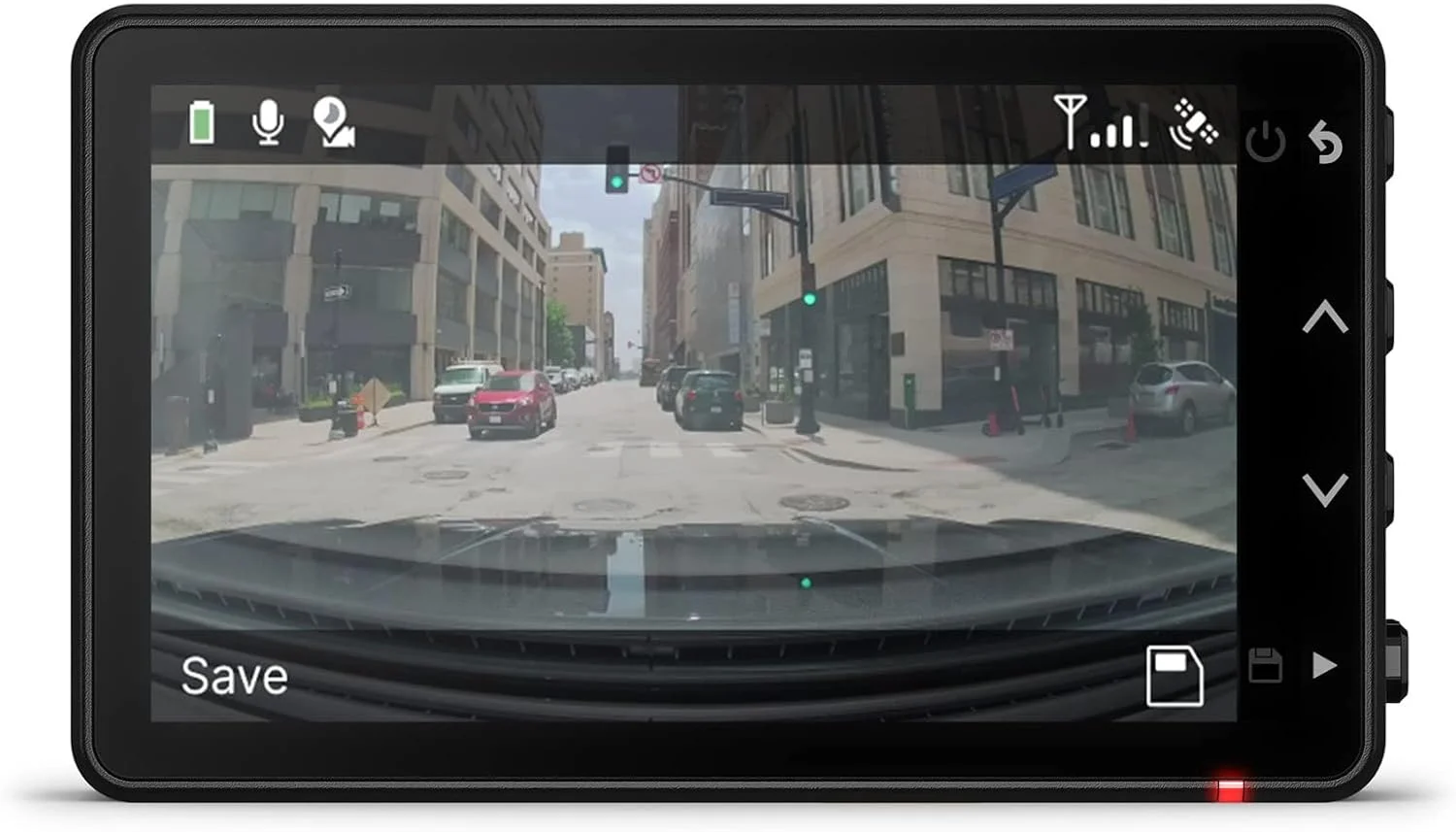
Why Forward Collision Warning Degrades After Dark
This is the part worth understanding, because it is where the marketing and the physics separate. A single camera cannot measure distance. What it can measure is optical expansion: if the car ahead occupies 40 pixels of frame width now and 44 pixels a third of a second later, it is growing, and the rate of growth gives a time-to-collision without ever knowing how far away it is.
That estimate depends completely on being able to resolve the outline of the vehicle ahead. In daylight that outline is obvious. At night it is not there. What the sensor sees is two red tail lights against black, so the width the algorithm tracks becomes the gap between the lamps rather than the width of the car — and lamp spacing varies from a compact hatchback to a flat-bed truck. The estimator is now measuring a quantity that does not correspond to what it thinks it is measuring.
Two consequences you can verify on any night drive. Warnings arrive later than they do in daylight for the same closing speed, because the target has to grow more before the change clears the noise floor. And motorcycles — one lamp, no width to expand — are frequently not tracked at all. Neither is a fault in the specific camera you bought; it is what a monocular system does.
There is a sampling floor underneath all of it. At 30 fps a frame arrives every 33 ms, and the time-to-collision estimate needs several frames to separate real expansion from noise. At 70 mph you cover about 1 metre per frame, so a handful of frames of confirmation is already several metres of road before the beep even starts.
The Sensor Specs That Decide Alert Accuracy
Given the mechanism, only three numbers on the spec sheet change how well ADAS performs, and the headline one is not among them.
Low-light sensor generation, not resolution
Detection needs a frame with enough signal to find edges in. That is why two cameras with identical 4K resolution behave completely differently at dusk. Ask which sensor, not how many pixels.
The stream ADAS actually runs on
Here is the trap in buying 4K for ADAS: most units run the detector on a downscaled stream, often 720p or 1080p, because real-time analysis of a 4K frame costs more silicon than a dash cam carries. Your recording is 4K; the thing making the decision may not be. A 4K sensor still helps because it feeds a cleaner downscale, but the resolution number is not doing what the box implies.
Frame rate, because time-to-collision is a derivative
Expansion rate is a change measured between frames, so the sampling interval sets the floor on how quickly a warning can be justified. 30 fps is the norm; a camera that drops to 24 fps in low light — some do, to hold exposure — has lengthened its own reaction time exactly when conditions are worst.
Mounting Geometry: The Variable Nobody Lists
ADAS has to know where the horizon is and where your bonnet ends, and it cannot see either reliably on its own. That is why setup asks for mounting height and makes you drag a horizon line onto a live image. Get it wrong and the failure is specific and repeatable:
| Calibration error | What you experience |
|---|---|
| Horizon line set too low | Collision warnings fire at overhead signs and overpasses |
| Horizon line set too high | Warnings arrive late or not at all — the detector is looking above the traffic |
| Camera mounted off-centre | Lane warnings bias to one side; you drift right and hear nothing |
| Mounting height entered wrong | Distance inference is scaled wrongly throughout |
Mount it centrally, high behind the mirror, with an unobstructed view of the road surface close to the car, and redo the calibration if you move it. A camera in the wrong place is a bigger accuracy difference than any sensor upgrade on this page.
Which Cameras Carry Which ADAS Functions
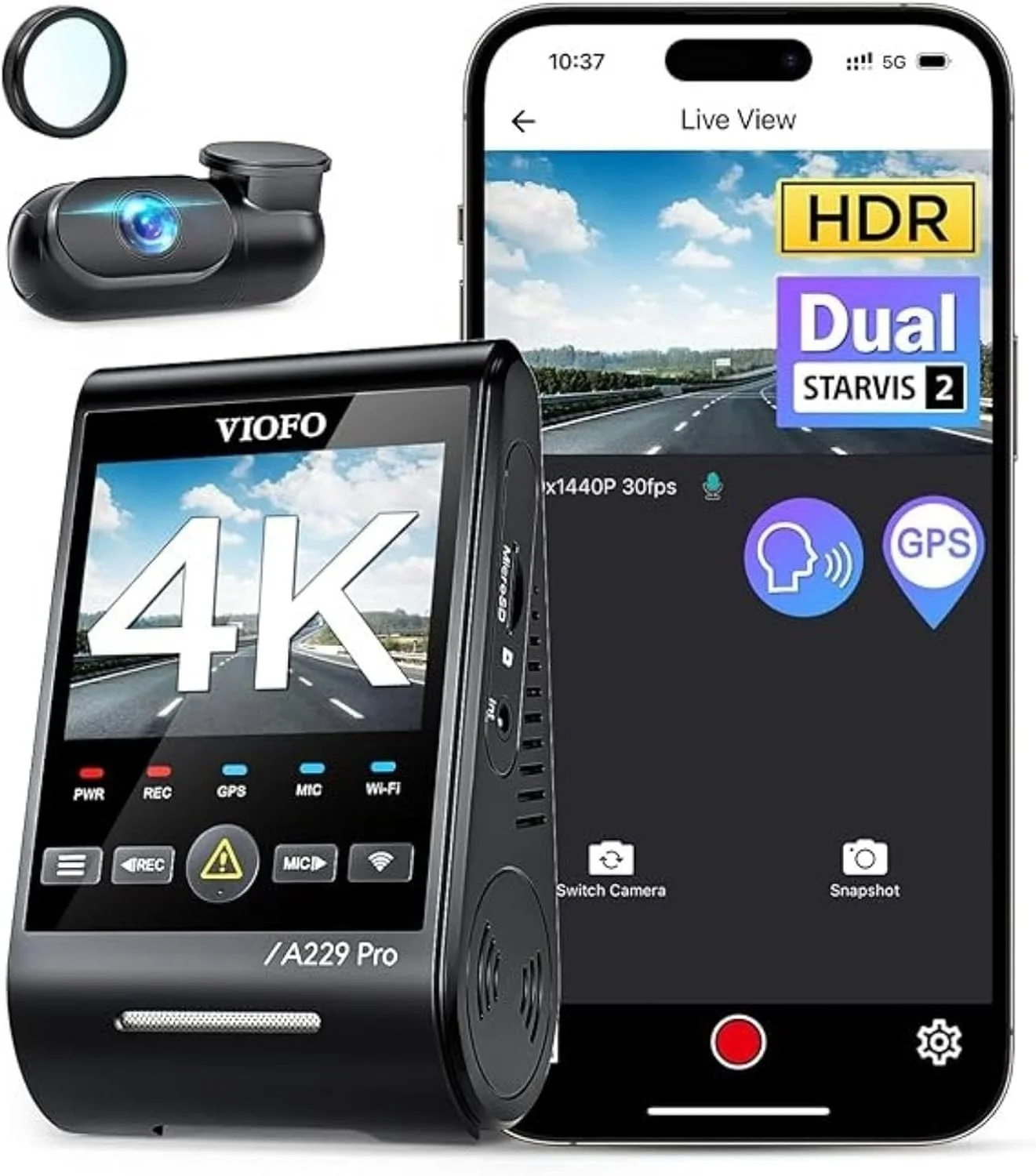
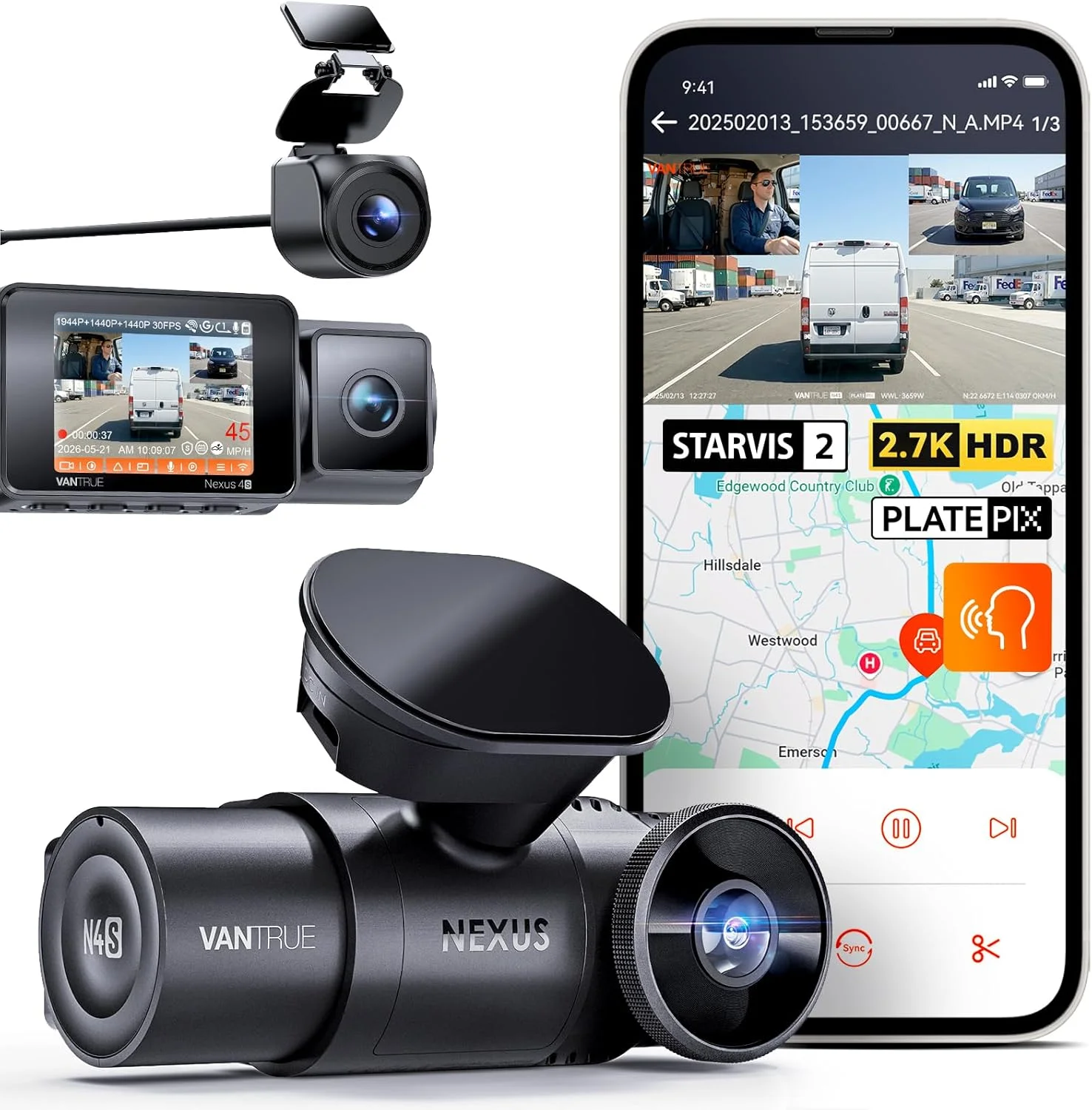
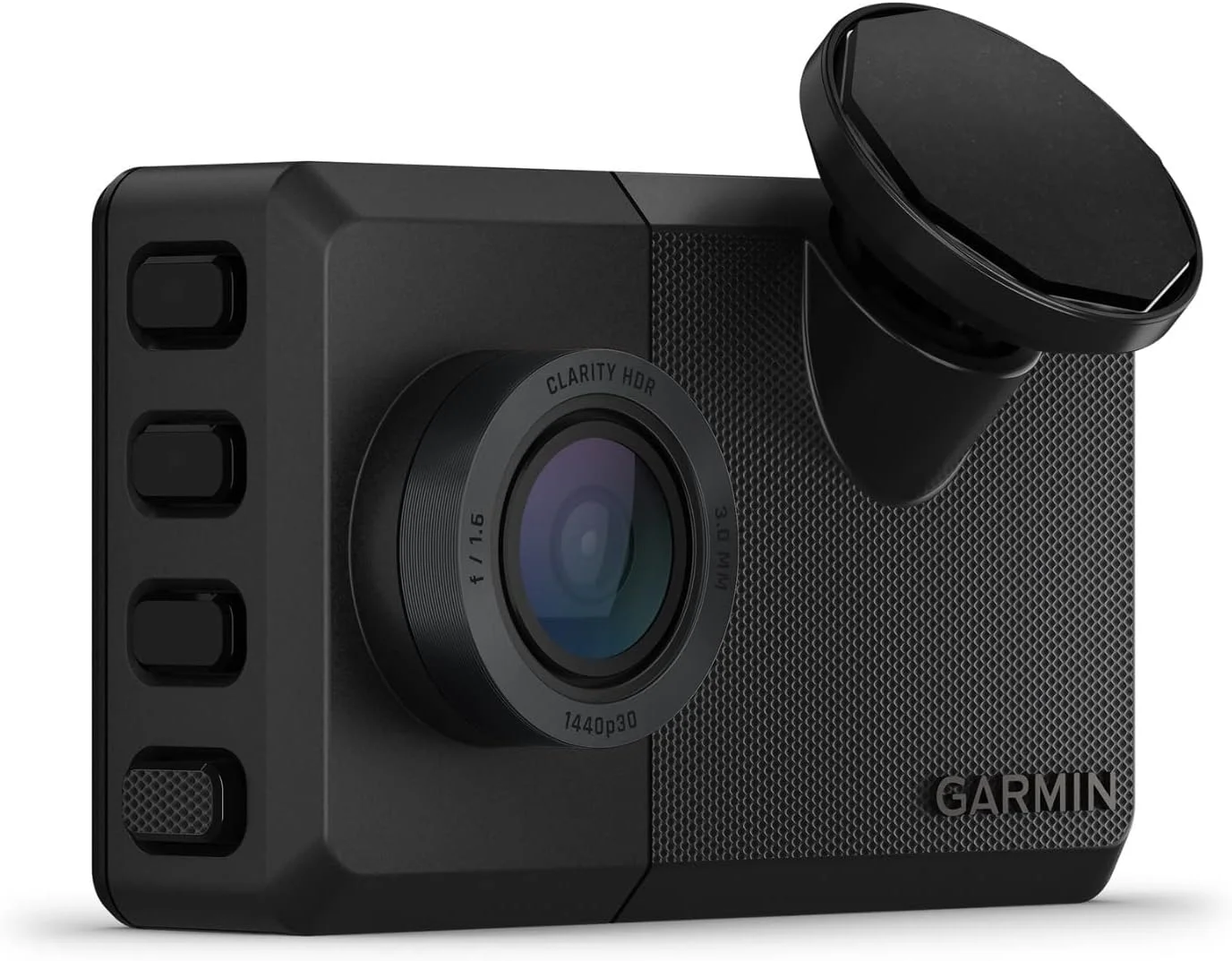
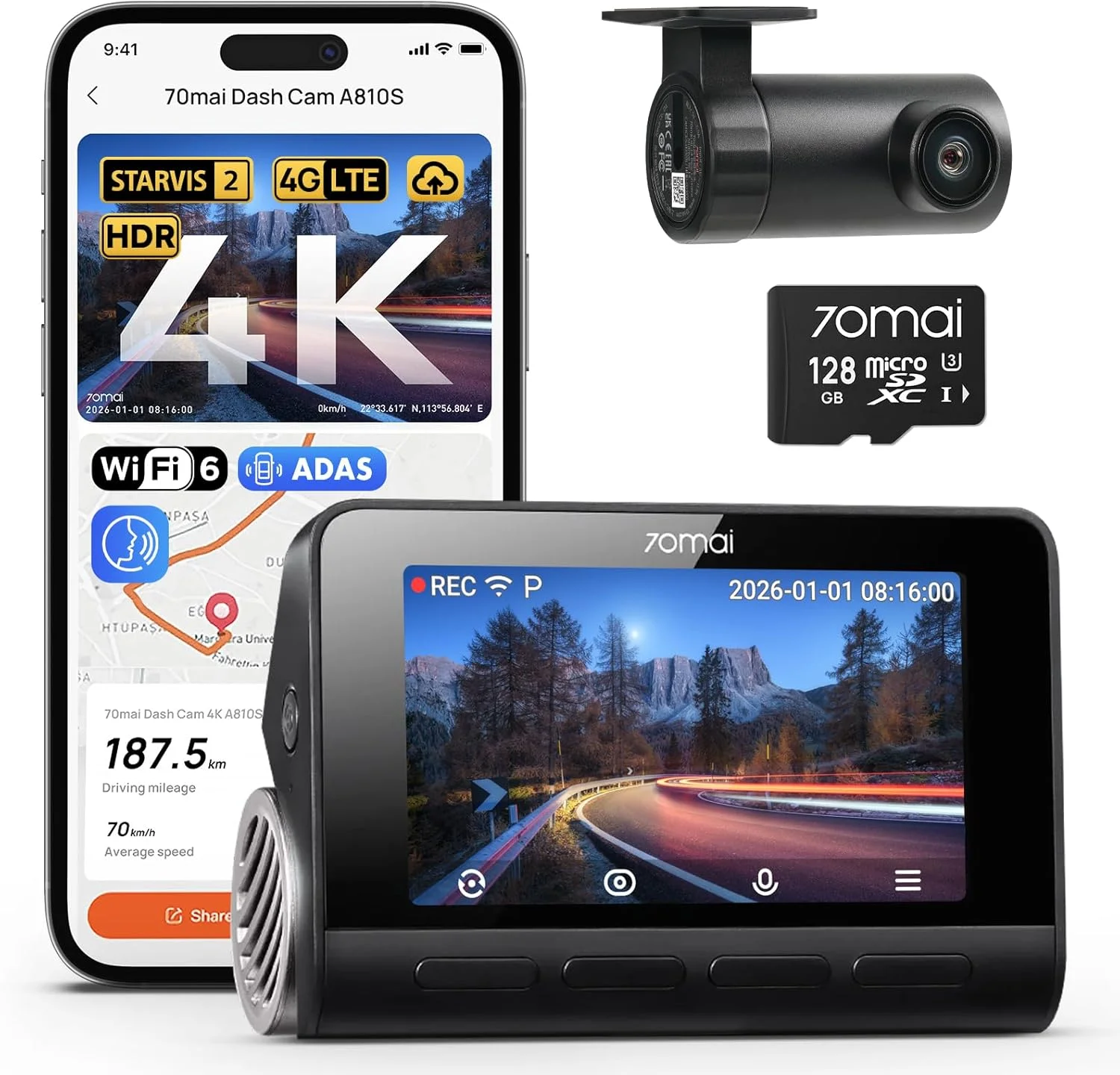
With the mechanism understood, the buying question narrows to: which sensor, and does the unit expose calibration you can actually adjust. These five all publish a STARVIS-class sensor and ship lane and collision warnings.
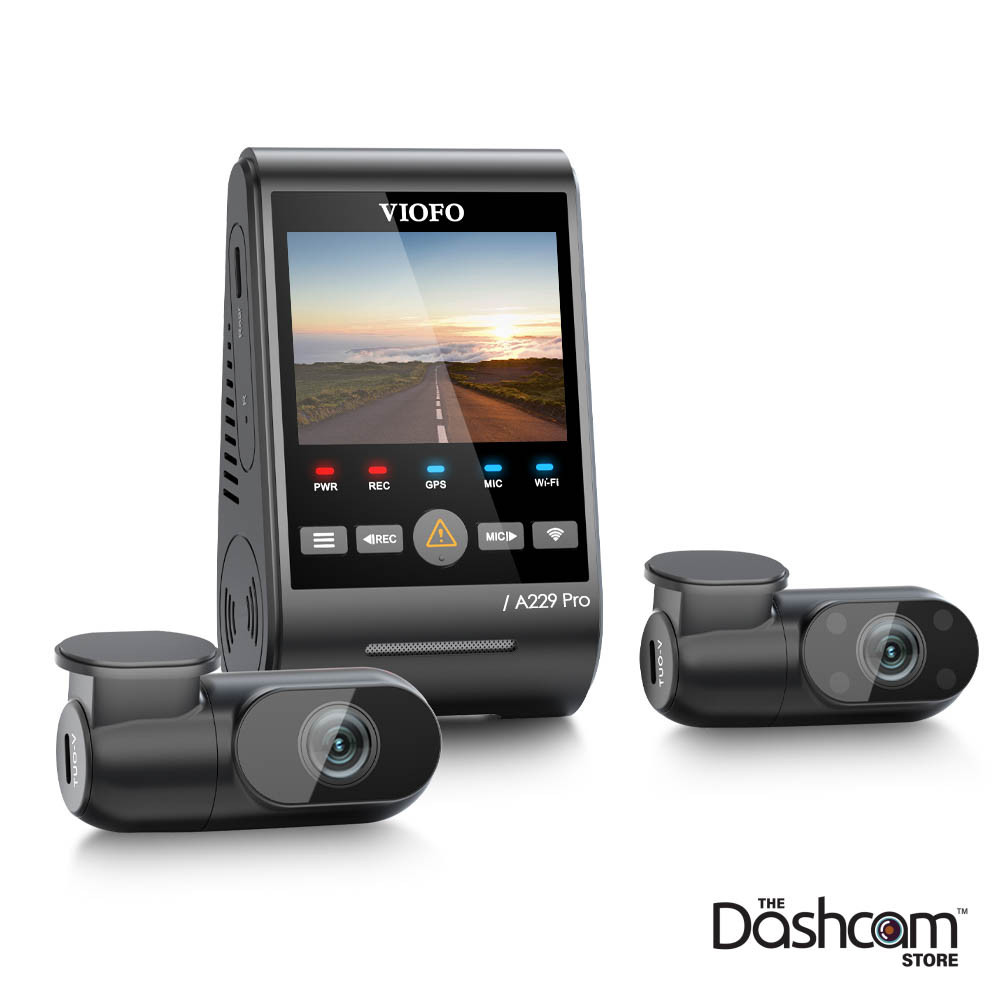
- VIOFO A229 Pro 4K HDR Dash Cam Front and Rear — dual STARVIS 2 sensors front and rear. The rear channel is irrelevant to ADAS but the front sensor is the strongest low-light part in this group, which is the spec that matters here.
- If false positives from tar snakes drive you mad, this is the one that lets you turn them down.
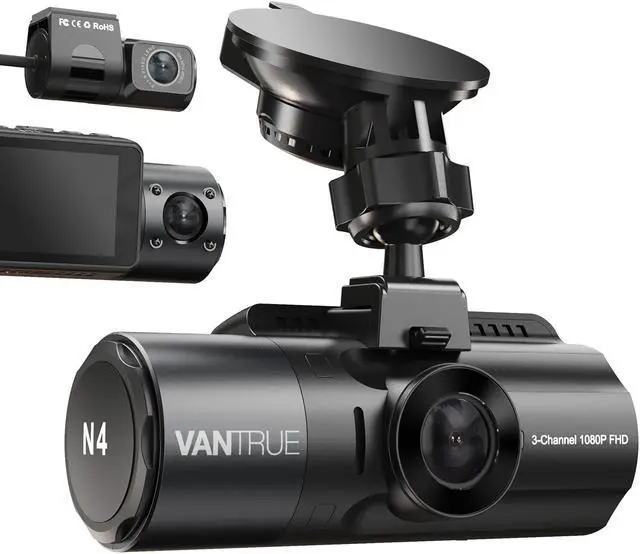
- Vantrue N4S 3 Channel Dash Cam — three channels including a cabin camera with infrared. ADAS runs on the forward channel only; the value here is coverage, not detection.
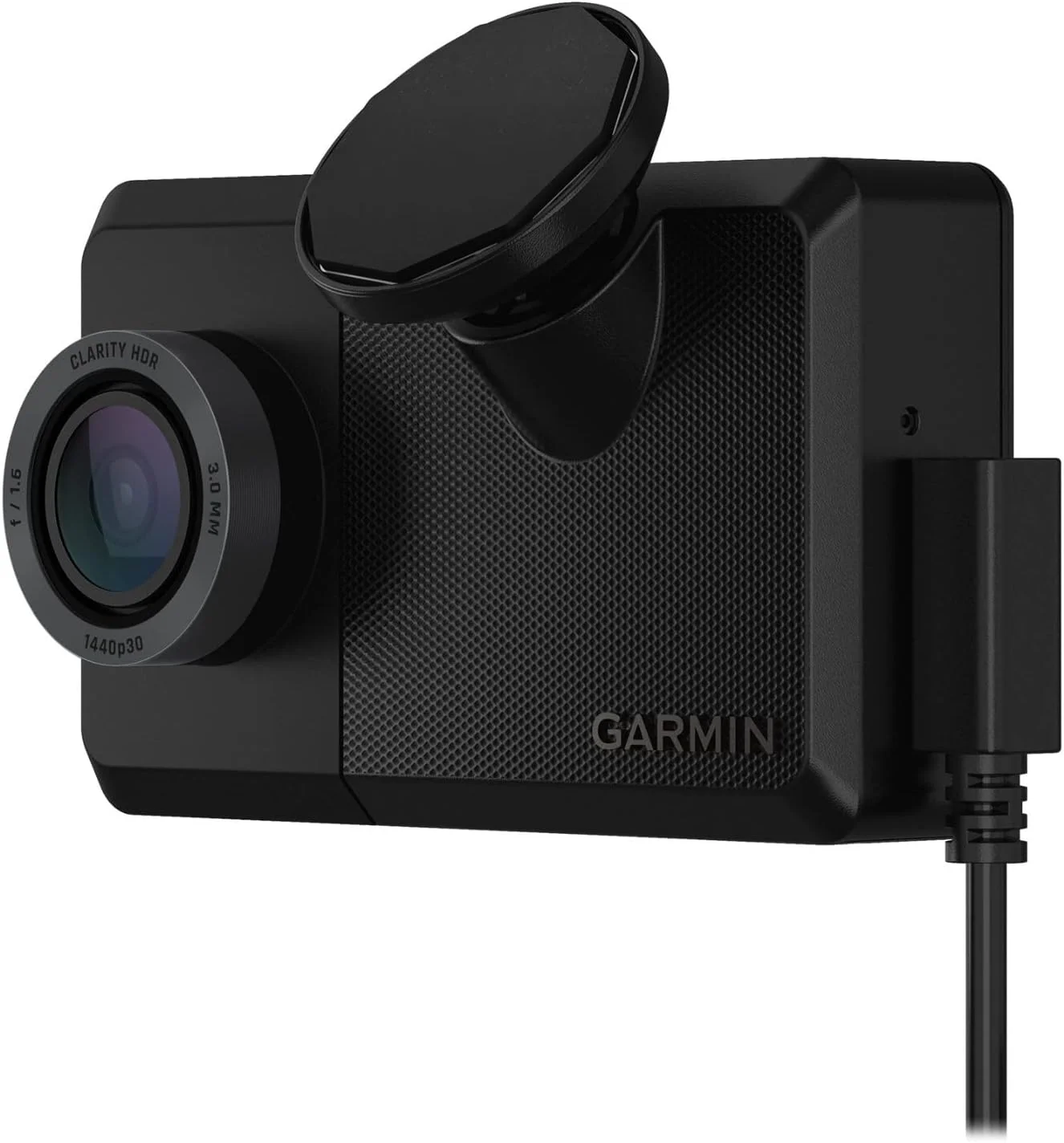
- Garmin Dash Cam Live — a connected single-channel unit with LTE. The compact option when you want the warnings and the remote view rather than maximum resolution.
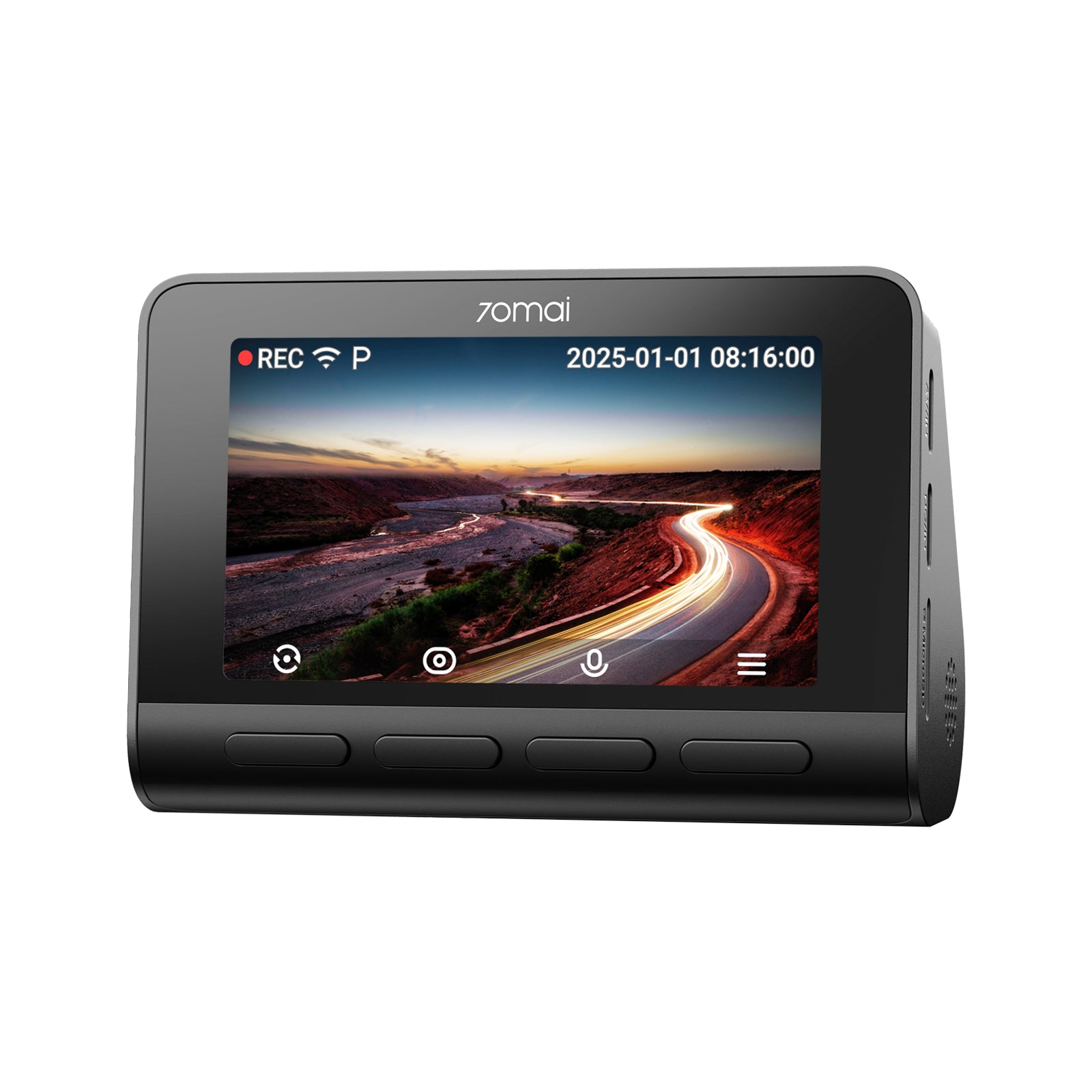
- 70mai 4K Dash Cam Front and Rear — dual STARVIS 2 at the lowest price in the group. The ADAS implementation is the least adjustable, so you live with its default sensitivity.
None of these turns a dash cam into a driver-assist system. What they do is warn you often enough to be worth having, and wrongly often enough that you must not train yourself to trust the beep. If parking coverage matters as much as driving alerts, the trade-offs are laid out in our parking-mode camera picks.