First, the Basics
The dealer wanted $180 for a dashcam install on a new Ford F-150, claiming 'complex wiring.' This is for a device that mounts with adhesive and plugs into a 12V socket. It's a 15-minute job, assuming you're fumbling with zip ties and routing cable through trim panels like a chimpanzee according to Auto Roamer. The real issue? Most people just buy whatever the salesperson pushes. That's a mistake.
VIOFO isn't some fly-by-night operation. They've been cranking out solid dashcams for years. Wirecutter, the review arm of The New York Times, named a VIOFO model their top pick for 2026. Vortex Radar, a reviewer who actually tests this gear, independently reached the same conclusion across 13 models tested head-to-head. These aren't just opinions; they're based on rigorous testing of sensor quality and heat reliability.
They use Sony STARVIS 2 sensors across their entire lineup, even the entry-level models. That's not marketing fluff; it's a 2.5x wider dynamic range per VIOFO's own specs. You want to read license plates through headlight glare at 3 AM? This is how you do it.
And no lithium batteries. Good. Those things swell and leak when they sit in 140 degrees F direct sunlight, which is every car in July. VIOFO uses supercapacitors, which laugh at thermal cycling. It's a deliberate choice prioritizing long-term reliability over some marginal cost savings as noted on their blog. Brilliant engineering.
Most dashcams only record after an impact. VIOFO buffers 15 seconds before the hit. That context - who approached, from what angle, at what speed - is often the difference between a successful insurance claim and getting screwed. So yeah, I'm a fan.
Top Picks
Choosing a dashcam isn't about 'features.' It's about data integrity under mechanical stress and thermal load. If it doesn't record when it matters, it's a paperweight. Here's what I'd actually consider strapping to my windshield in 2026.
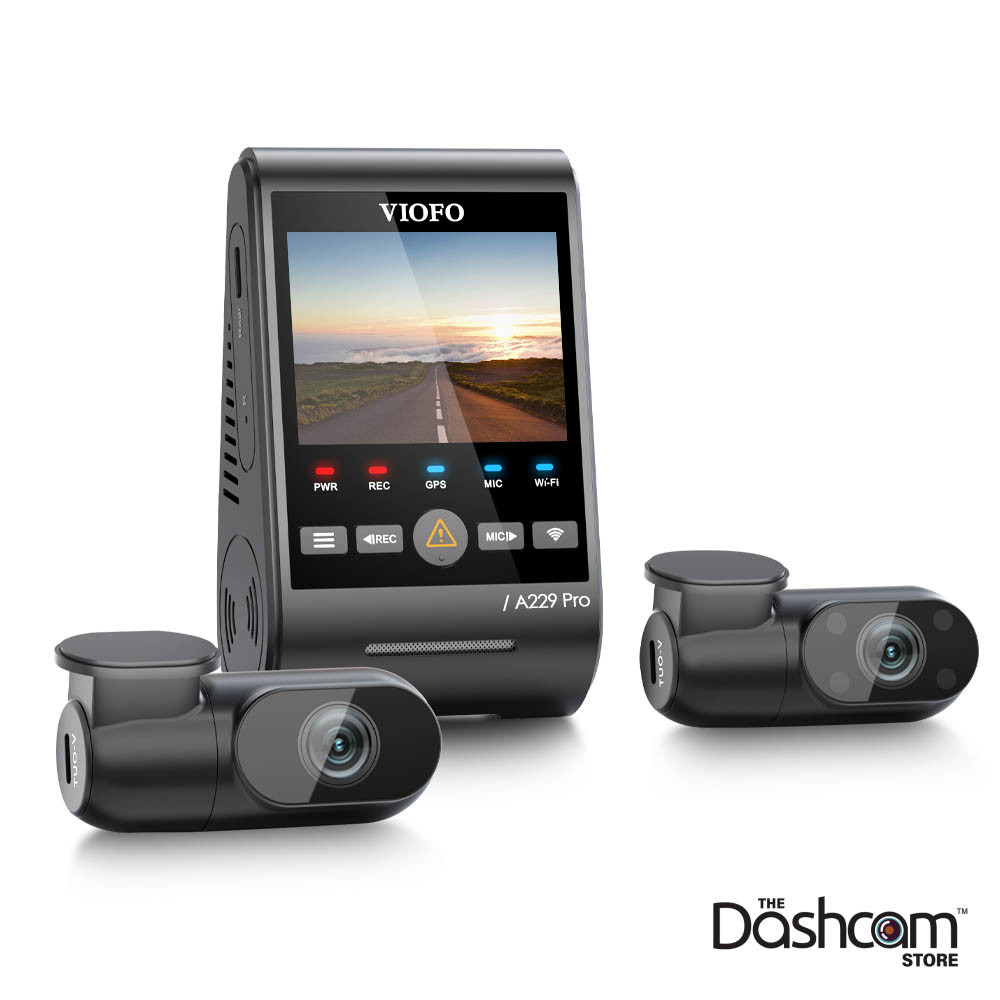
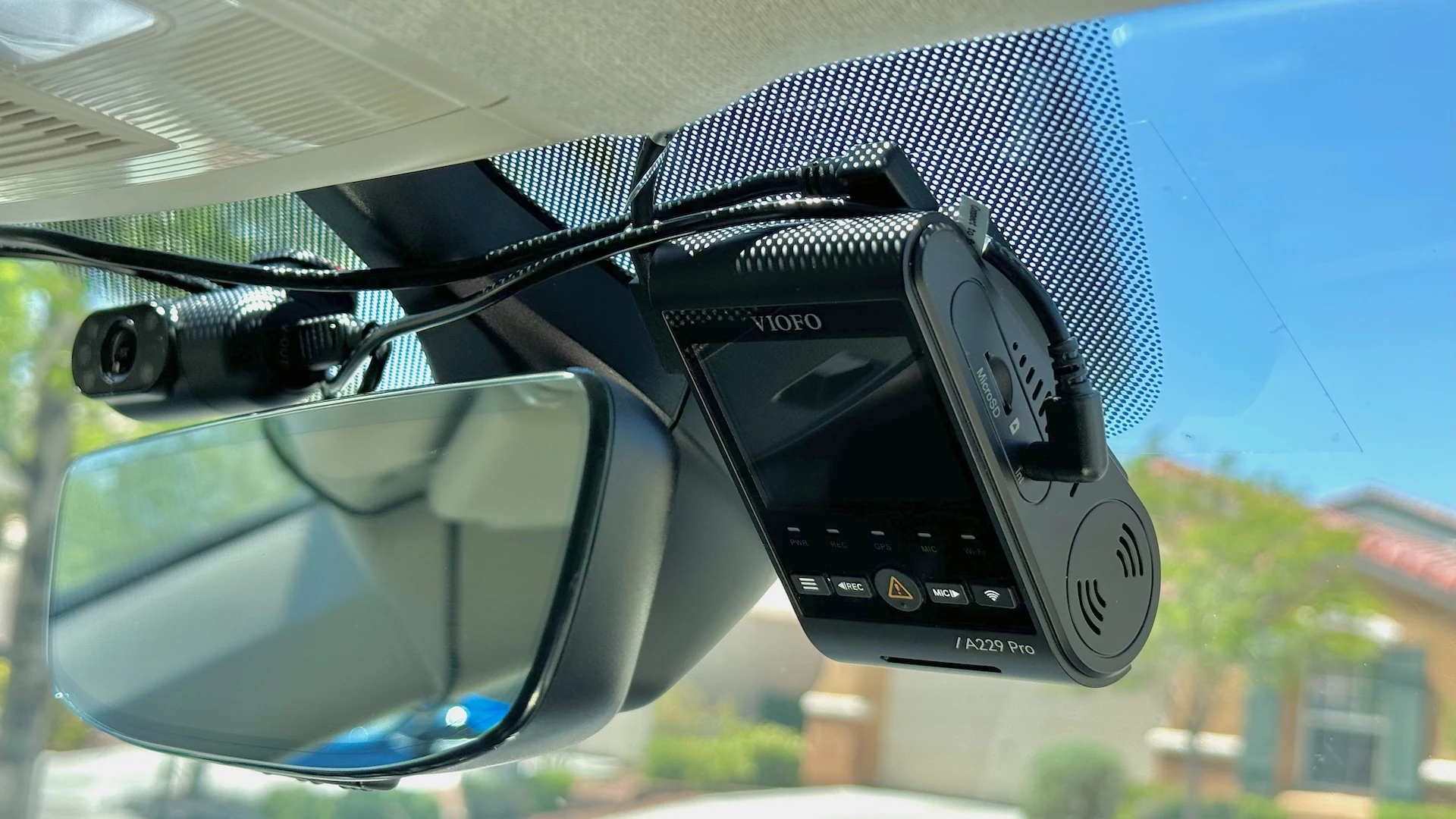
VIOFO A229 Pro (~$260)
4K front, 2K rear, optional 2K interior. This is Wirecutter's top pick for a reason. It's got the Sony STARVIS 2 sensors for both front and rear, which means legible plates even in low light. The supercapacitor design handles extreme internal cabin temperatures up to 140 degrees F without premature failure. It's a reliable witness. Pros: Excellent video quality, reliable supercapacitor, 24-hour buffered parking mode. Supports up to three channels, which is overkill for most but useful for ride-share. Cons: Price point is higher than basic models. The 2K interior camera is a separate purchase. Best for: Anyone wanting top-tier video evidence and maximum coverage without worrying about thermal degradation of internal components.
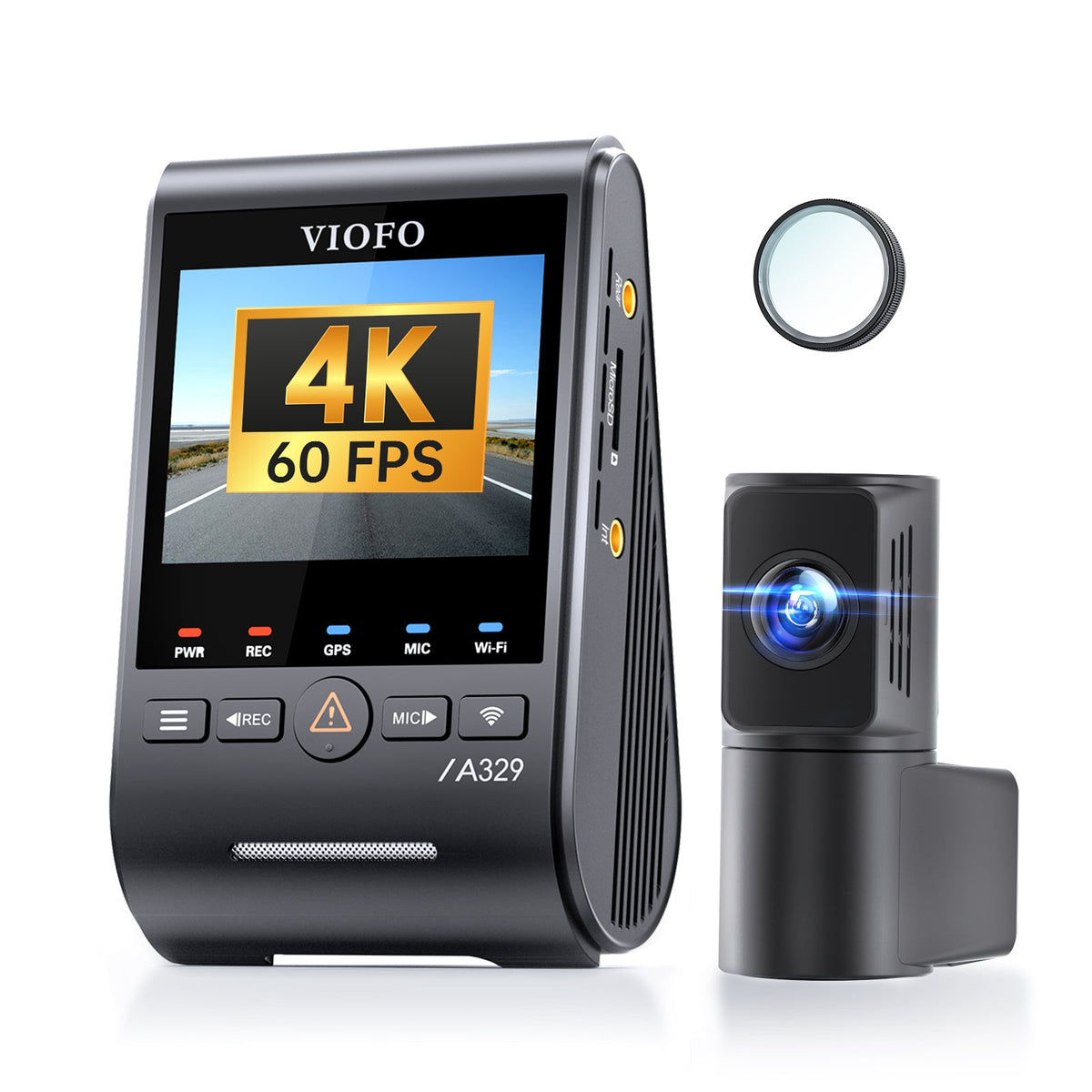
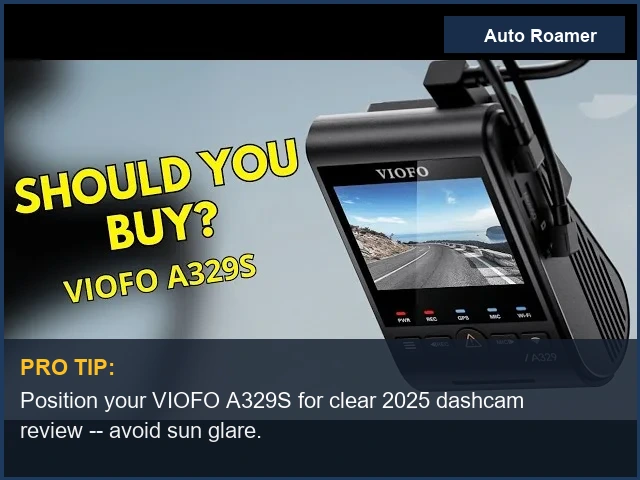
VIOFO A329S (~$230)
4K front, 2.7K rear. This is the two-channel version of the A329 series, which Techradar highly recommended in 2025. It uses high-quality Sony STARVIS 2 sensors for both cameras. The image clarity and stability are what you'd expect from VIOFO. It's built for purpose, not for marketing bullet points. Pros: Exceptional video quality, robust thermal management. Dual-channel 4K/2.7K is solid for incident capture. Great for pure video quality and reliability per Julian23 on DashcamTalk. Cons: No interior camera option. Wi-Fi can be finicky on some units, requiring a firmware update. Best for: Drivers who prioritize sharp, detailed video from front and rear without needing an interior view or cloud connectivity.
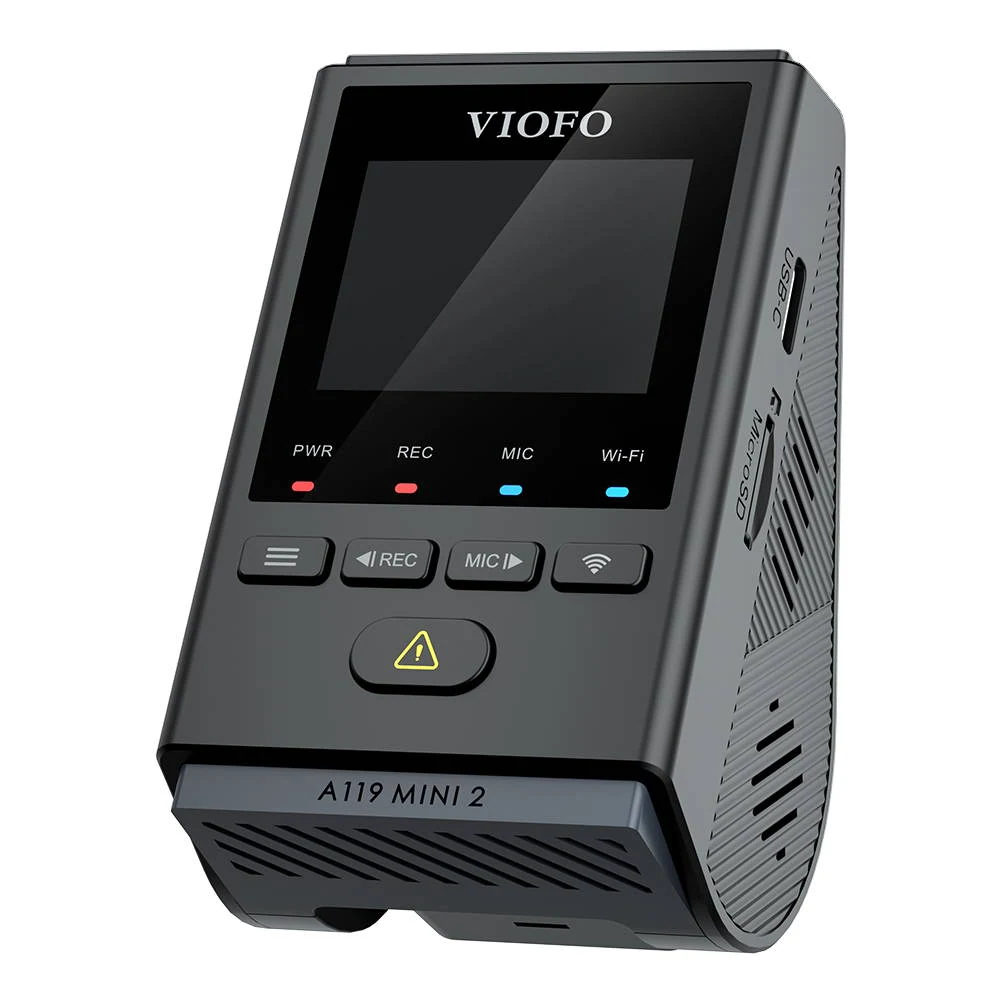
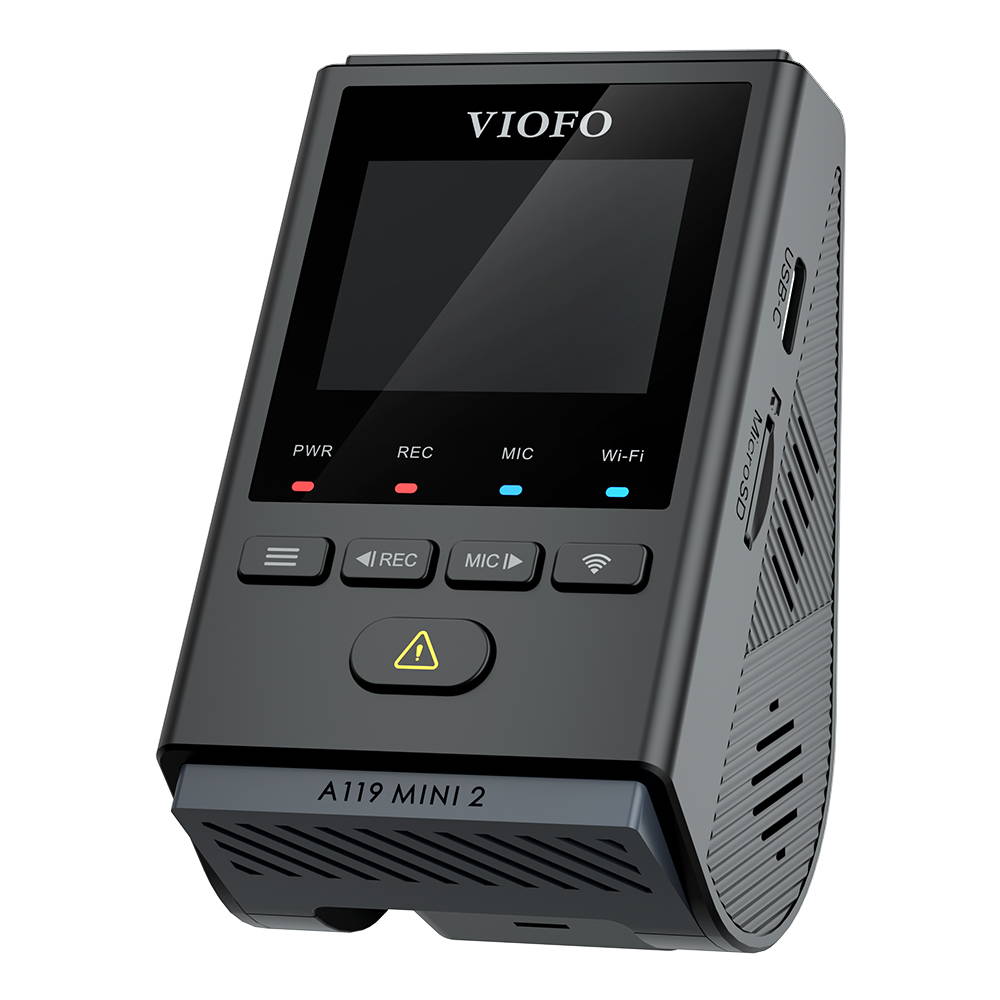
VIOFO A119 Mini 2 (~$120)
2K Quad HD+ 1600P front-only. Don't let the 'Mini' fool you. This thing still packs a Sony STARVIS 2 sensor. It's a single-channel workhorse. If you only care about what's happening ahead of you, this is a solid, budget-conscious choice that doesn't compromise on sensor quality. BlackboxMyCar praised the A119 V3, and this is its improved successor. Pros: Compact size, excellent 2K video for the price, STARVIS 2 sensor. Easy to install due to smaller footprint and simpler wiring. Cons: No rear or interior camera option. Wi-Fi is 2.4GHz only, which is slower for footage transfer. Best for: Minimalists who need a reliable front-facing camera that handles thermal cycling and delivers clear evidence without a hefty price tag.
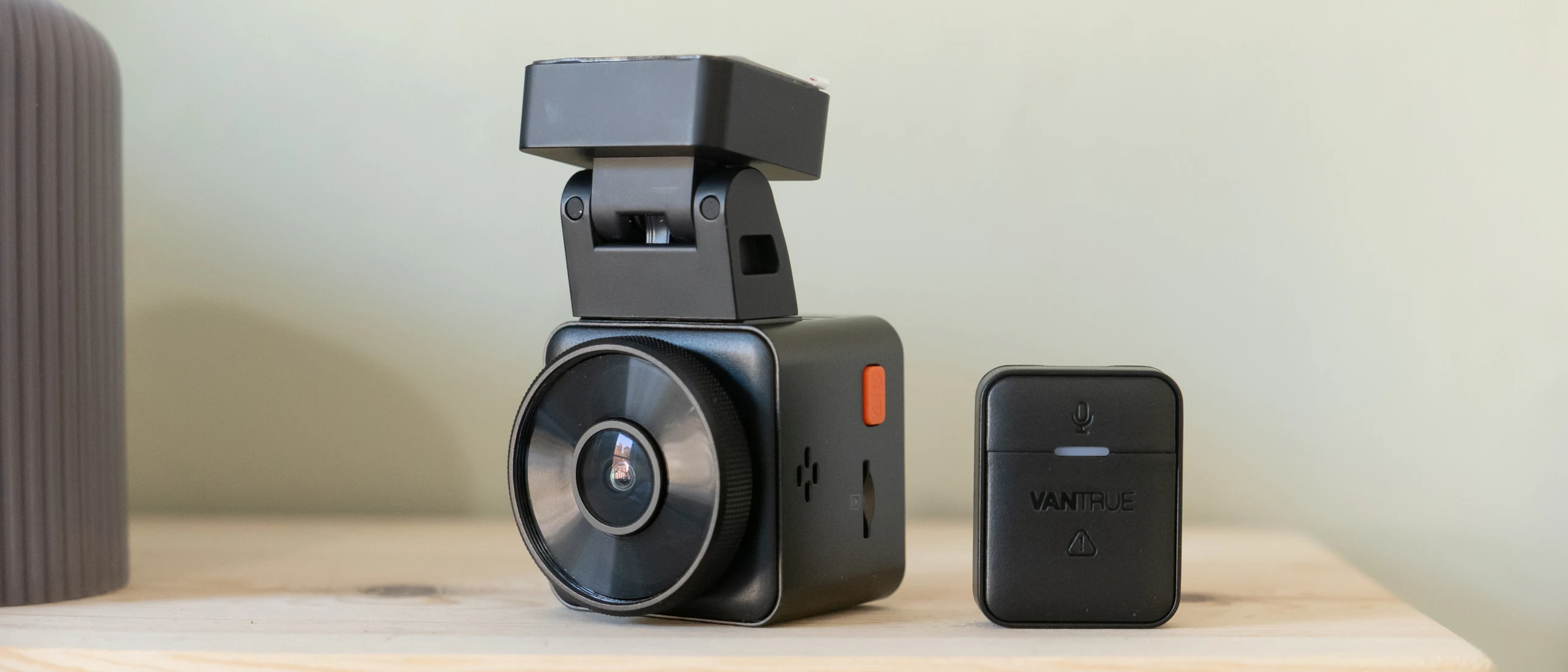
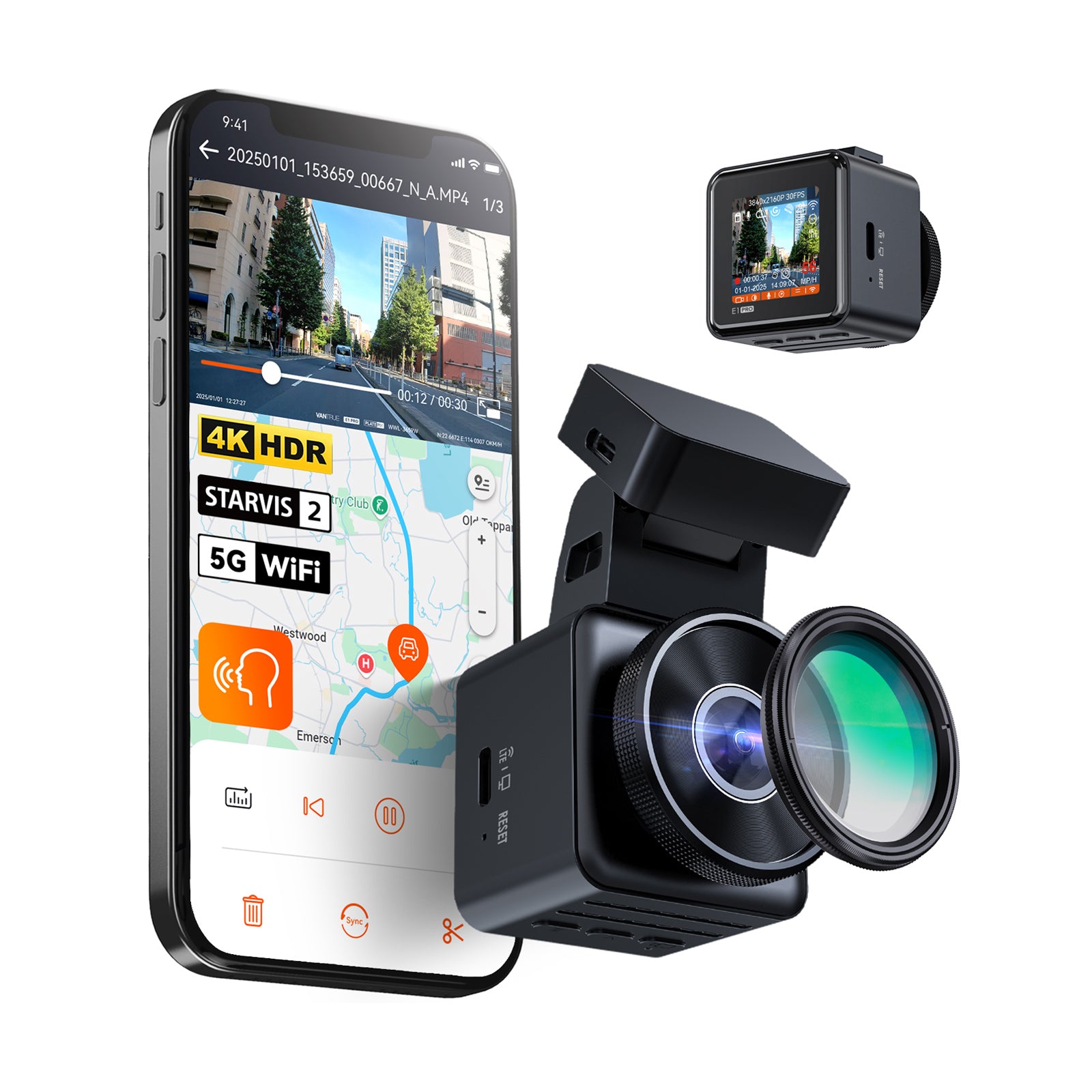
Vantrue E1 Pro (~$160)
4K front. This isn't VIOFO, but it earns a spot because it's a strong single-channel contender. It uses the Sony STARVIS 2 IMX678 sensor and delivers excellent footage, especially at night according to DashcamTalk forums. It's compact and has 5GHz Wi-Fi. Sometimes you have to look outside the usual suspects. Pros: Top-tier 4K sensor, compact form factor, optional LTE support. Good value for a single-channel 4K camera. Cons: Not a supercapacitor design, so heat reliability might be a concern in extreme climates compared to VIOFO. Cloud features require a subscription. Best for: Users who want a premium single-channel 4K camera and don't mind a slightly different thermal management approach.
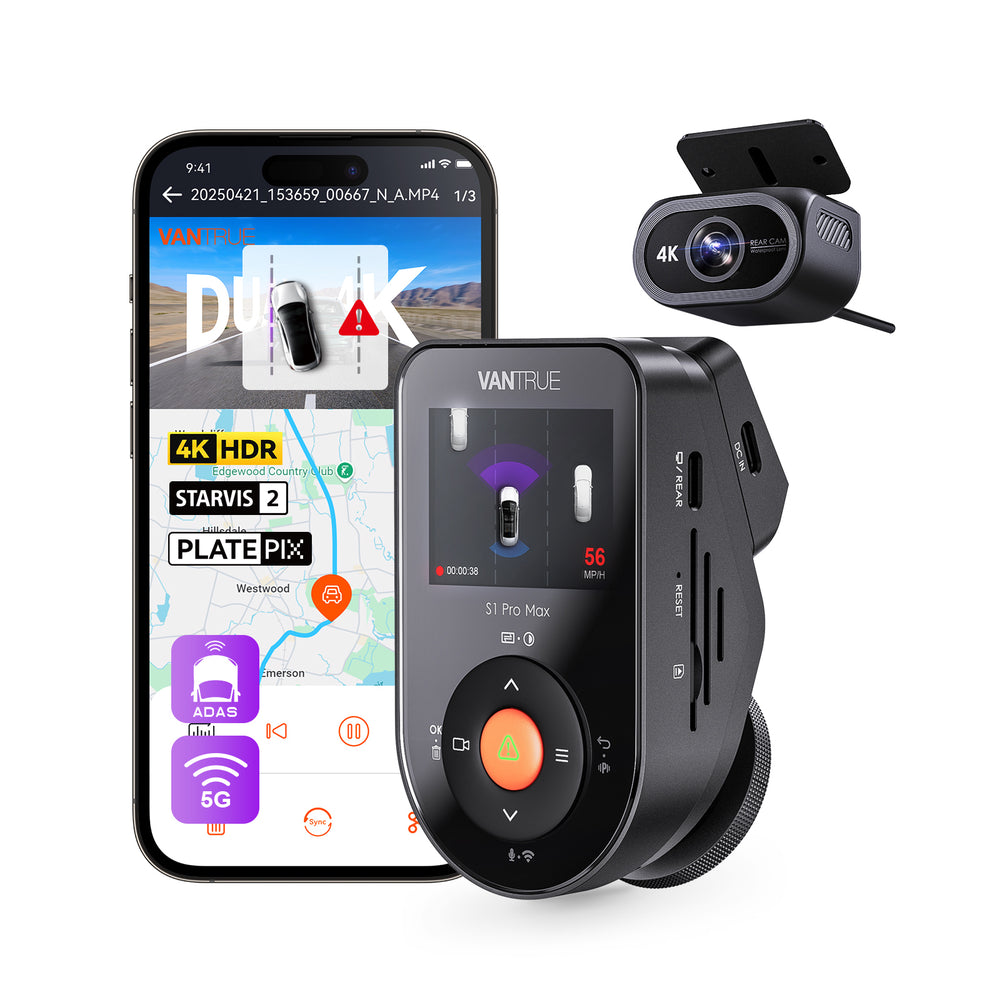
Vantrue S1 Pro Max (~$300)
4K front, 4K rear. This one is for the data hoarders. A 4K rear camera is overkill for most, but if you want to read a license plate on a tailgater at 60 MPH, this might be your huckleberry. It's a step up in resolution for the rear compared to most dual-channel setups. Auto Roamer lists it in their 2026 comparison. Pros: Dual 4K recording is rare and provides exceptional detail. Good for capturing high-speed rear incidents. Includes GPS and parking monitoring. Cons: Significantly more expensive. Dual 4K recording generates massive files, requiring larger SD cards and longer transfer times. Still not a supercapacitor. Best for: Drivers who absolutely need the highest possible resolution from both front and rear cameras, and have the storage to back it up.
Quick Verdict
VIOFO dashcams reliably capture critical data under diverse operating conditions. This isn't about 'features' or 'user experience' - it's about the probability of a legible license plate when you need it.
- Thermal Reliability: The shift to supercapacitors across the entire VIOFO lineup is a critical engineering decision. Lithium batteries degrade rapidly above 140 degrees F, swelling and losing capacity due to electrolyte breakdown. Supercapacitors maintain electrical integrity across a much wider thermal range, extending operational lifespan as VIOFO states.
- Image Sensor Quality: Sony STARVIS 2 sensors are not a gimmick. They provide a 2.5x wider dynamic range over previous generations, directly translating to superior low-light performance and glare reduction. This is a physics-based improvement in photon capture, essential for license plate recognition in adverse conditions per Wirecutter's findings.
- Parking Mode Buffering: The 15-second pre-roll parking mode is crucial. Most systems only activate after impact, missing critical context. VIOFO's continuous buffering ensures the incident's initiation is captured, providing a more complete data set for insurance claims according to VIOFO.
- Cost-Effectiveness: While not the absolute cheapest, the failure-rate reduction from robust components like supercapacitors makes VIOFO a better long-term investment. You're paying for sustained circuit integrity, not just a spec sheet. A $120 dashcam that works for 5 years is cheaper than a $80 unit that fails after one summer.
- Installation Simplicity: Most VIOFO units are designed for straightforward installation. Hardwiring kits are available, but many can be powered via a 12V socket. This minimizes the risk of improper electrical connections, which could lead to parasitic draw or blown fuses if done incorrectly as reviewed by Auto Roamer.
Overall, VIOFO prioritizes core functionality and component reliability over flashy, failure-prone features. My kind of engineering.
For a head-to-head, see Cobra SC 250R vs Viofo.