What Nextbase is really selling
Nextbase is one of the most recognizable names in dashcams, and for good reason: the brand built its reputation not on chasing the highest megapixel count but on making a dashcam genuinely pleasant and safe to live with. The Click&Go Pro magnetic mount, Emergency SOS crash alerting and a modular ecosystem of add-on cameras are the features people actually remember.
But the lineup can confuse buyers. There is the classic modular line — the 322GW, 522GW and 622GW — that shares the Click&Go mount and accepts rear and cabin add-ons, and then the newer iQ, a connected, smart-home-style camera built around cloud connectivity and live remote awareness. Buying the wrong one means either paying for connected features you never enable or missing the expandability you wanted.
This review walks through what Nextbase does well, where it falls short, how the key models differ, and which one suits which driver, with a head-to-head and honest trade-offs. It is written for someone deciding whether Nextbase is right for them and, if so, which model — without the marketing gloss. Once you understand the signature features and the tiers, the choice gets simple.
How we judge a dashcam: the criteria
Image quality comes first — resolution, low-light performance and stabilization decide whether footage is usable as evidence, especially for reading plates at night. Mounting and daily convenience are next, where Nextbase's Click&Go Pro shines. Parking mode and power follow: how well it watches the parked car and whether it protects your battery.
Safety and connected features round it out — Emergency SOS and, on the iQ, cloud and remote alerts — alongside value for money. We weighted image quality, convenience and the genuinely useful safety features most heavily, because those are where Nextbase earns its place against cheaper rivals, and where overpaying for unused connectivity is the easiest mistake to make.
- Image quality: resolution, low light, stabilization
- Convenience: the Click&Go Pro magnetic mount and app
- Parking mode + power: Intelligent Parking Mode and the hardwire kit
- Safety + connectivity: Emergency SOS, cloud/live view, value
The Nextbase lineup at a glance
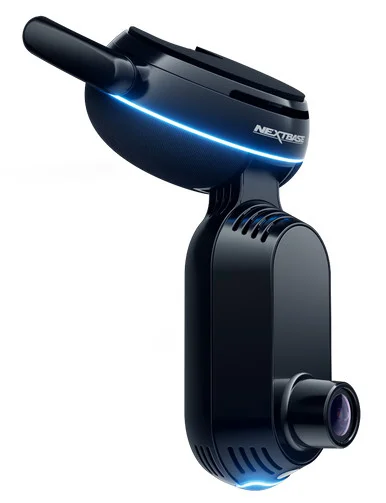
Nextbase's range splits into two families. The classic modular line — the Nextbase 322GW, Nextbase 522GW and Nextbase 622GW — shares the Click&Go Pro mount and accepts add-on rear-view, rear-window and cabin modules, so you build the system you need. The 622GW sits at the top with the best resolution and image stabilization; the 522GW is the strong mid-tier with Alexa and Emergency SOS; the 322GW is the affordable front recorder.
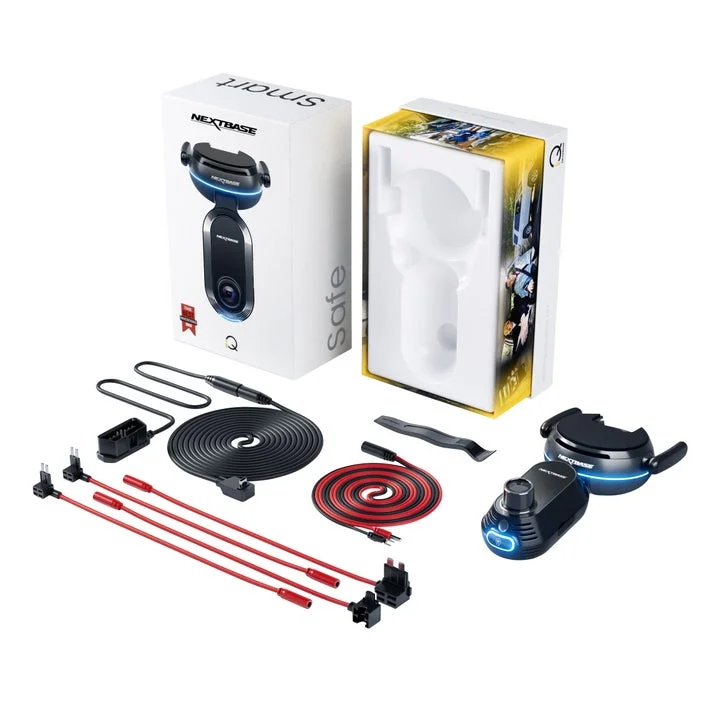
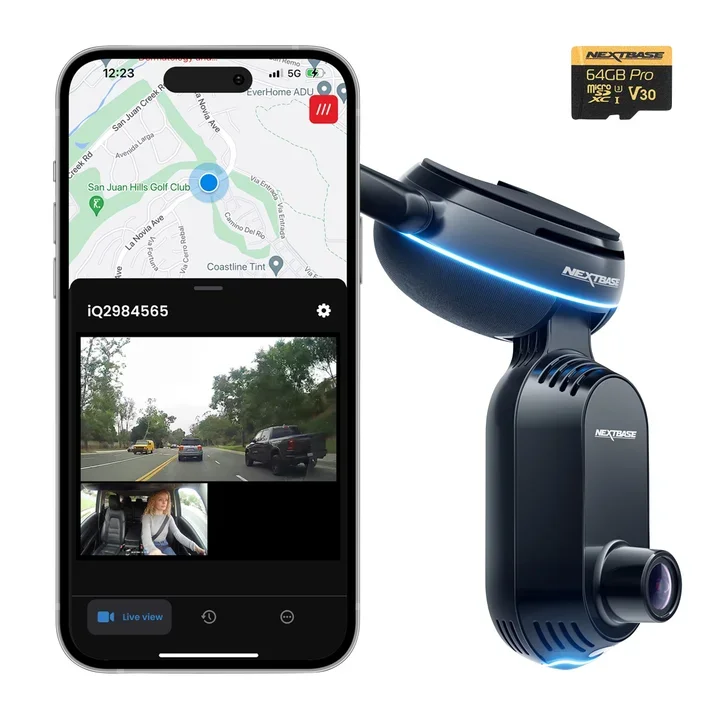
Separate from those is the Nextbase iQ, a newer connected camera designed around cloud connectivity, live view and an expanded Emergency SOS — closer in spirit to a connected security camera for your car than to the traditional modular recorders. The practical takeaway: if you want add-on cameras and the proven Click&Go ecosystem without subscriptions, look at the modular line; if you want always-connected remote awareness, look at the iQ. They solve different problems under one brand.
Head-to-head: which Nextbase for which driver
The Nextbase iQ is the connected pick: cloud, live view and remote alerts for drivers who want to check on the car from anywhere and want the fullest Emergency SOS, accepting a data plan and a higher price. The Nextbase 622GW is the capability champion — top resolution, image stabilization and the modular Click&Go ecosystem, best for someone who wants the finest traditional footage and plans to add a rear camera.
The Nextbase 522GW is the value-meets-features pick, carrying Emergency SOS, Alexa and the Click&Go mount at a friendlier price, ideal for most buyers who want the signature features without the 622GW's cost. The Nextbase 322GW is the budget entry — solid front recording and the Click&Go convenience for someone who just wants a dependable Nextbase without extras. There is no single best; match the model to whether you want connectivity, outright capability, balanced value, or a simple front recorder.
Image quality across the range
Image quality is where a dashcam proves its worth, and Nextbase scales it across the line. The Nextbase 622GW leads with high resolution, image stabilization that smooths out road vibration, and features aimed at clear footage in poor conditions — the model to choose if reading a license plate at night is a priority.
Stepping down, the Nextbase 522GW still delivers sharp, dependable footage that handles everyday incidents well, and the Nextbase 322GW covers solid daytime and reasonable night recording for basic protection. The Nextbase iQ brings strong resolution paired with its connected smarts. The honest guidance: if evidence-grade night footage and the smoothest image matter most, the 622GW is worth the step up; if you mainly want a clear daytime record and occasional night use, the mid and entry models are plenty. Match the resolution tier to how critical fine detail like plates and faces is for your situation.
Click&Go Pro and everyday convenience
If there is one feature that defines the Nextbase experience, it is the Click&Go Pro magnetic mount. The mount stays fixed to the windshield while the camera snaps on and off magnetically, with power passing through the mount, so removing the camera to take it inside — away from summer heat and out of a thief's sight — takes a second, and refitting is just as fast.
Why it matters: a dashcam you can remove in a second is one you will actually take inside on a hot day or in a sketchy lot — which is exactly when leaving it baking or visible would cost you.
Beyond the mount, the Nextbase app handles footage review and sharing, and the modular line's shared accessories mean an add-on rear camera clicks into the same ecosystem. This everyday usability — not a spec-sheet number — is a big part of why people who buy a Nextbase 522GW or Nextbase 622GW tend to keep using it rather than letting it gather dust. Convenience is what turns a dashcam from a gadget into a habit.
Safety features: Emergency SOS and connected awareness
Nextbase's standout safety feature is Emergency SOS, available on models like the Nextbase 522GW, Nextbase 622GW and Nextbase iQ. Using a connected phone and your stored medical and contact details, it can alert emergency services with your location if you are in a serious crash and become unresponsive — a genuine safety net, especially for solo drivers.
The Nextbase iQ extends the connected idea further with cloud connectivity and live view, so you can check on your car remotely and receive alerts while you are away, behaving more like a connected security camera. These features typically require registration and may involve a subscription or data plan, which is the honest trade-off. For drivers who value the safety net and remote awareness, they are a real reason to choose Nextbase; for those who just want footage stored locally, the simpler models without connectivity costs are the better fit. Decide whether you will actually use the connected features before paying for them.
Parking mode, power and the hardwire kit
Like any dashcam, a Nextbase only protects your parked car if it has constant power. Nextbase offers Intelligent Parking Mode, which wakes the camera to record when its sensors detect motion or an impact near the parked car. To run it without draining your battery, you pair the camera with the Nextbase Hardwire Kit, which powers it from the fuse box with the model's low-voltage protection.
In practice, the parking mode on the Nextbase 622GW and its siblings is capable for catching the common lot ding-and-run or an overnight disturbance. Enthusiasts who want advanced buffered recording (saving the seconds before an impact) or radar-based detection sometimes prefer specialist brands, but for most owners the combination of Nextbase Intelligent Parking Mode and the hardwire kit covers everyday parked-car scenarios well. The key, as always, is supplying constant power safely — never expect parking mode to work off the cigarette socket alone, and set up the hardwire kit so it protects your starting battery.
The modular ecosystem: rear cameras, cabin view and the app
A big part of the Nextbase pitch is that you are not buying a fixed camera but the start of a system. On the modular line — the Nextbase 522GW and Nextbase 622GW in particular — you can add a rear-view module that records out the back window, a cabin-view module that captures the interior (useful for rideshare drivers), or a rear-facing camera that clips into the same Click&Go mount. That flexibility lets the camera grow with your needs instead of forcing a second full purchase.
The Nextbase app ties it together: it handles reviewing, trimming and sharing footage over a wireless connection to your phone, so pulling a clip for an insurer or the police does not mean fishing the SD card out of the mount.
The honest caveat is that each add-on module is a real extra cost, so the modular promise is best realized by buyers who actually intend to expand — if you only ever want a front camera, you are paying for an ecosystem you will not use, and a simpler model or a non-modular brand may serve you better. But for someone who wants front now and a rear camera later, the shared mount and app make Nextbase genuinely convenient to grow into.
- Rear-window module: records out the back for rear hits
- Cabin-view module: interior recording for rideshare drivers
- Shared Click&Go mount + app: add-ons clip in, footage pulls wirelessly
Where Nextbase falls short — and the rivals to cross-shop
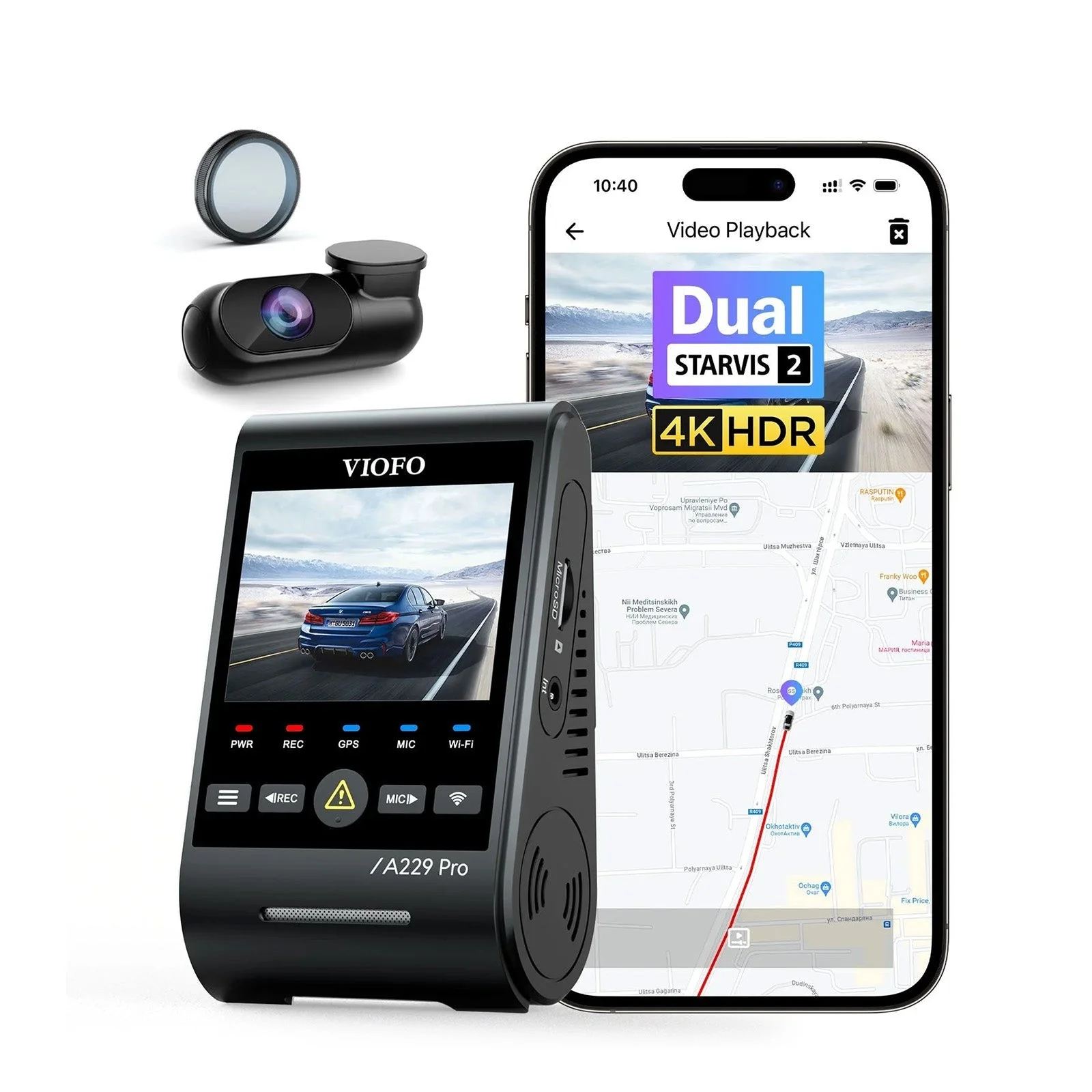
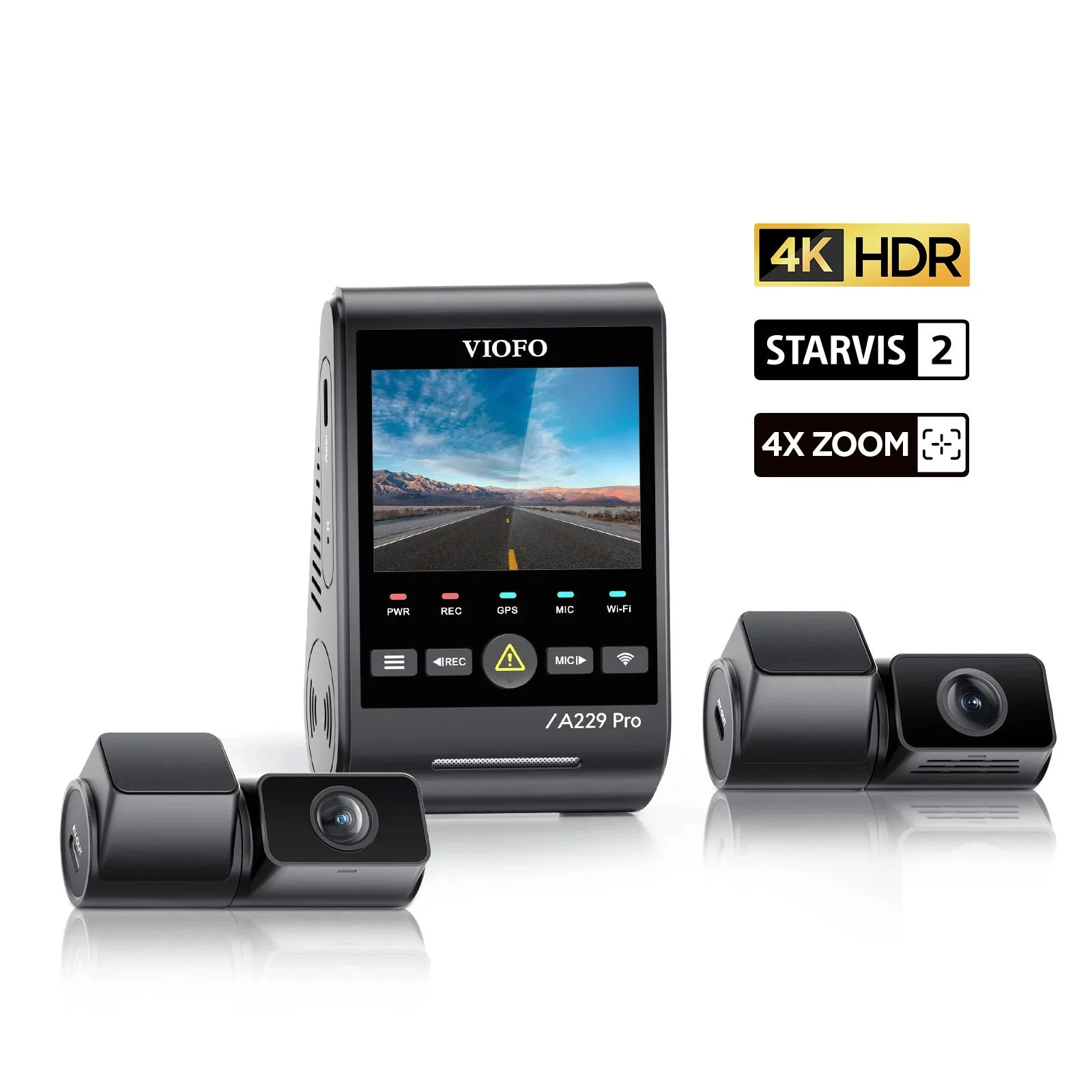
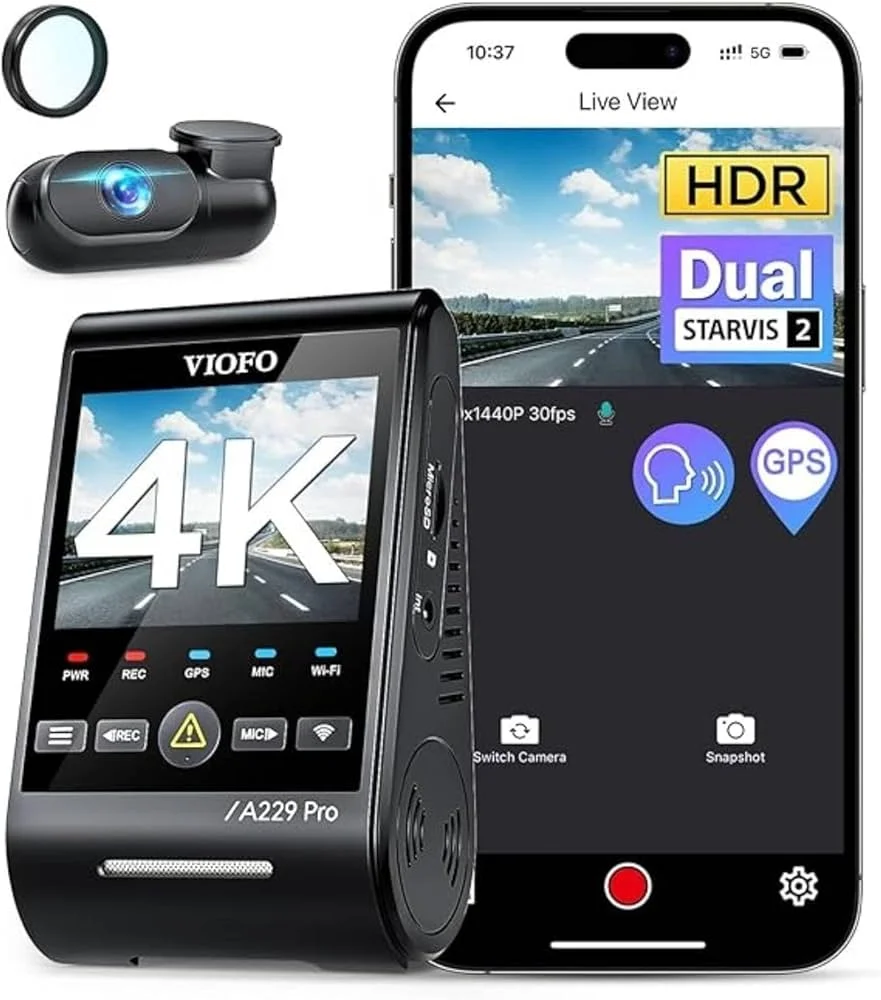
An honest review names the limits and the alternatives. Nextbase cameras are not the cheapest for the raw specs you get, and three distinct-brand rivals are worth weighing against the Nextbase iQ Dash Cam before you buy. The Viofo A229 Pro is the enthusiast value pick: a capacitor camera with buffered parking mode and sharp resolution that often matches Nextbase's image quality for less money, the choice if spec-per-dollar matters more than Click&Go convenience.
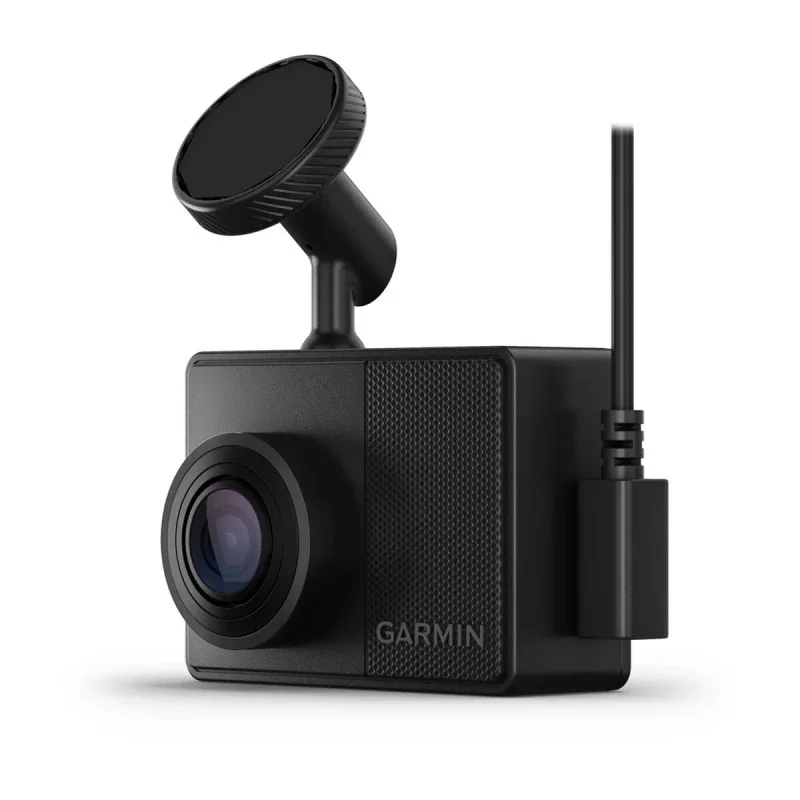
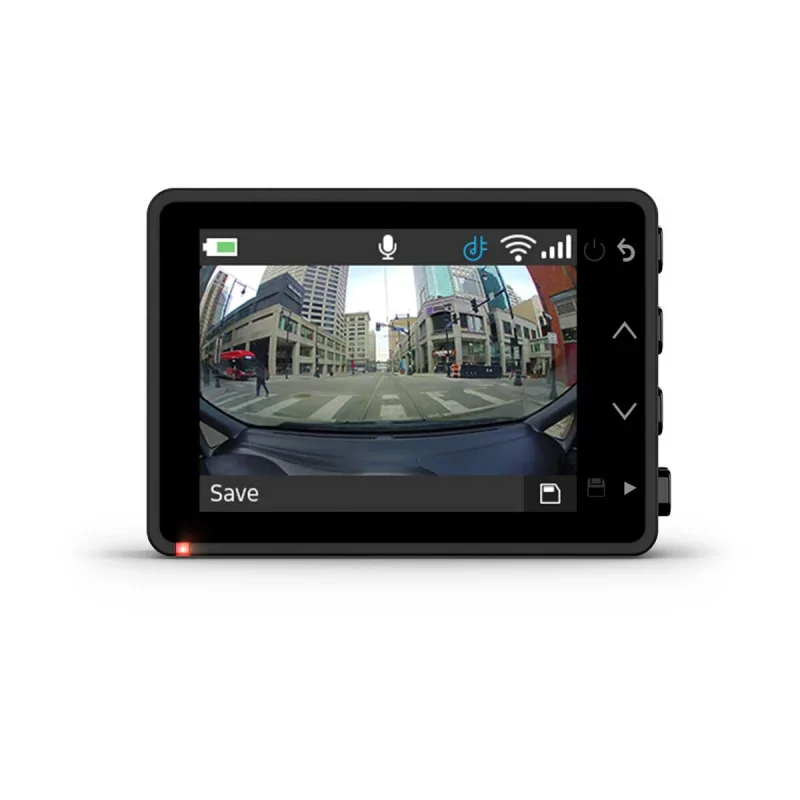
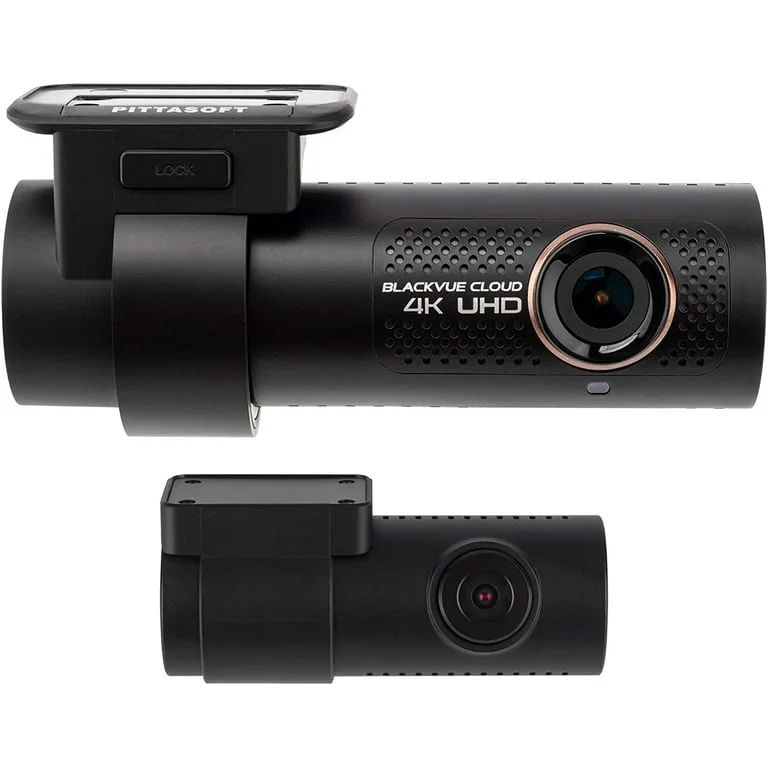
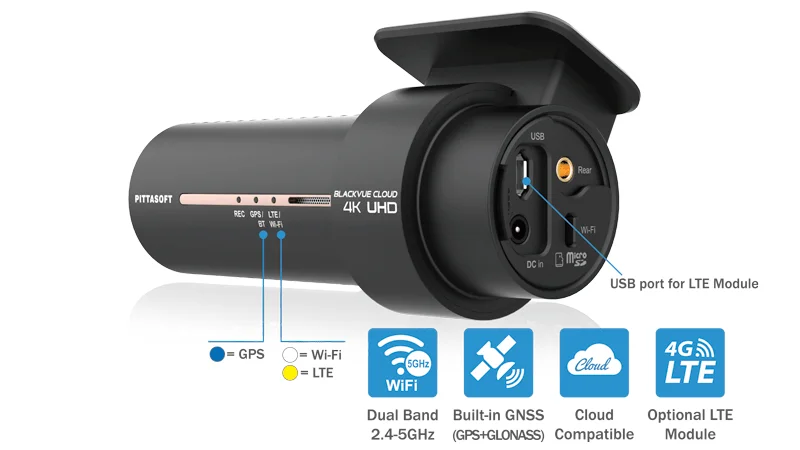
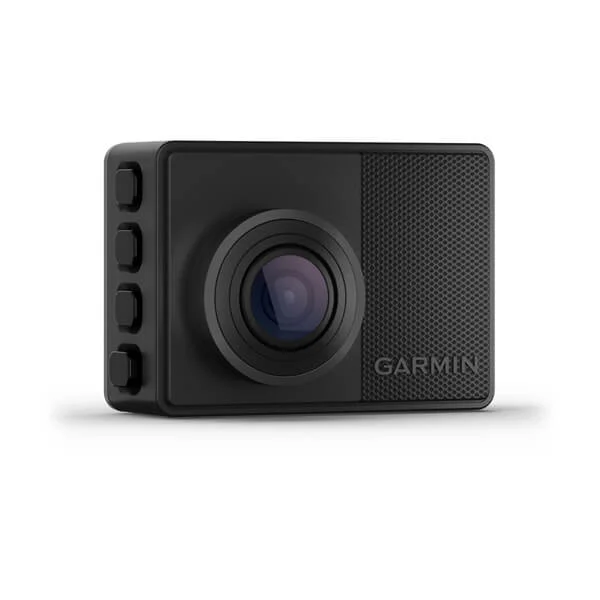
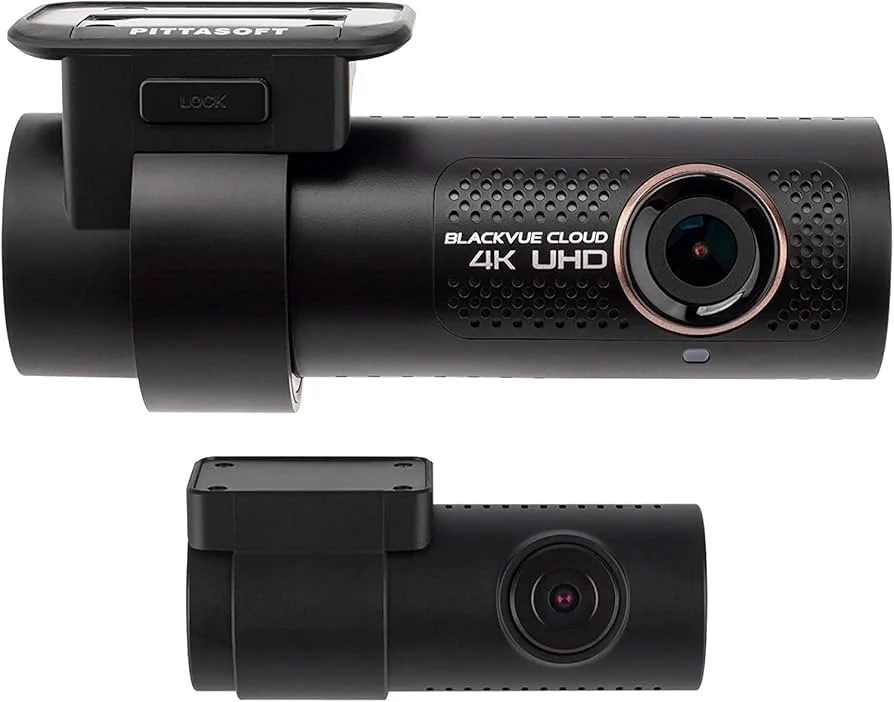
The Garmin Dash Cam 67W is the alternative for drivers who want something tiny and fuss-free — a compact camera with a wide field of view and dependable recording, trading the modular ecosystem and Emergency SOS for an unobtrusive install. The BlackVue DR900X Plus is the rival for connected-camera shoppers: premium 4K with cloud alerts and remote viewing, a direct competitor to the iQ's connectivity at a similarly high price.
The honest read: if your priority is the lowest price for the most capability, the Viofo A229 Pro wins; if it is the smallest, simplest camera, the Garmin Dash Cam 67W; if it is connected features without Nextbase, the BlackVue DR900X Plus. Nextbase earns its premium on ease of use, Click&Go convenience and Emergency SOS — not on raw value.
- Viofo A229 Pro: the spec-per-dollar value rival
- Garmin Dash Cam 67W: the compact, simple alternative
- BlackVue DR900X Plus: the connected-camera competitor to the iQ
Verdict: which Nextbase should you buy?
Nextbase earns its reputation on convenience and safety rather than raw specs, and the right model depends entirely on how you will use it. The Nextbase iQ is the pick for drivers who want connected, smart features, live view and the fullest Emergency SOS; the Nextbase 622GW is the best traditional camera in the range, with top resolution, stabilization and the modular Click&Go ecosystem.
The Nextbase 522GW is the sweet spot for most buyers — Emergency SOS, Alexa and the signature mount at a friendlier price — and the Nextbase 322GW is the dependable budget entry. Decide whether you value connectivity, outright capability, balanced value, or simple front recording, and buy that tier. Choose by how you actually use a dashcam and Nextbase is a polished, safe, easy-to-live-with choice; buy on the box's feature list and you may pay for cloud and modules you never touch.