Road Trip Gear

Best Portable Power Station for Car Camping (2026 Complete Guide)

Jake - The Dirtbag Engineer
13 min read
Includes Video

Forget the fluffy marketing about 'peace of mind' and 'unlimited adventure.' I care about Amp-hours and thermal runaway. A portable power station is just a big lithium battery in a fancy box, and you're buying it because your vehicle's 12V system isn't cutting it for a 43-hour boondock trip.

As an Amazon Associate I earn from qualifying purchases.

Forget the fluffy marketing about 'peace of mind' and 'unlimited adventure.' I care about Amp-hours and thermal runaway. A portable power station is just a big lithium battery in a fancy box, and you're buying it because your vehicle's 12V system isn't cutting it for a 43-hour boondock trip. Or maybe you're just tired of your phone dying. GearLab tested 12 top models, and I've seen enough of these things fail in the field to know what matters.

Your car's alternator is designed for transient loads, not continuous draw. Pulling 100W for a mini-fridge and charging laptops off your starter battery for days is a recipe for a dead battery and a tow truck bill. That 60Ah lead-acid battery in your engine bay has about 30Ah of usable capacity before you can't crank the starter anymore.

These portable units, however, are built for deep cycles. They're basically glorified UPS systems for your cooler and drone. They won't emit lethal carbon monoxide fumes like a gas generator, which is a plus, I guess. You can also recharge them with solar panels, if you like waiting all day.

I've seen plenty of cheap power packs melt their DC-DC converters trying to power a 150W coffee maker. This isn't just about the 'experience' of camping; it's about not being stranded with dead electronics because you skimped on the power delivery system. We're talking about reliable current, stable voltage, and thermal management, not Instagram aesthetics.

My primary concern is always the discharge rate and the cell chemistry. LiFePO4 (lithium iron phosphate) is the only way to go for longevity and safety, despite the slightly higher initial cost. You get more charge cycles and less thermal expansion risk. The alternative is a ticking time bomb of unstable nickel-manganese-cobalt cells. No thanks.

Best Portable Power Station for Car Camping (2026 Complete Guide) — Key Specifications Compared
Key specifications for best portable power station for car camping

Key Features to Consider

Getting Down to Brass Tacks: What Matters

When you're shelling out $400 for a battery in a box, you need to understand what you're actually paying for. It's not the flashy LCD screen, it's the internal components and the thermal envelope. I'm looking at capacity, output, and the battery chemistry. Outdoor Life's tests confirm these metrics are critical.
Feature Why It Matters (Dirtbag Engineer's View)
Capacity (Wh/Ah) This is your fuel tank. A 1000Wh unit will run a 50W mini-fridge for 20 hours. Simple math. Don't buy a 300Wh unit expecting to power a full campsite for a weekend. You'll be disappointed.
Output (Watts) The maximum power you can draw simultaneously. A 1500W inverter handles a coffee maker (1200W) and a laptop (60W). If your output is too low, the internal breaker trips, or the inverter burns out.
Battery Chemistry LiFePO4 (Lithium Iron Phosphate) offers 3,000+ charge cycles to 80% capacity and superior thermal stability. The EcoFlow Delta 2 uses LiFePO4. Old-school Li-ion (NMC) cells are cheaper but degrade faster and have a higher thermal runaway risk.
Recharge Rate How fast it fills up. A 1000W AC input charges a 1000Wh battery in about an hour. Solar input is usually slower, like 200W, meaning 5 hours for the same charge. This impacts your uptime significantly.
Portability/Weight A 25-pound unit is fine for car camping. A 50-pound unit is a pain in the ass to move. Consider the mechanical stress on your back. The Jackery Explorer 1000 v2 is 23.8 lbs, a decent compromise.
AC Outlets Number and type of 120V outlets. Some cheap units only have one or two. You need enough to plug in your gear without a tangle of power strips, which introduce their own failure points.
Ignoring these specs is how you end up with a dead brick in the woods. The marketing department will call it 'compact' and 'versatile,' but I'll call it 'underpowered' and 'prone to thermal cycling failure.' Pay attention to the actual numbers, not the pretty pictures. A 100W USB-C PD port is a nice touch for fast charging laptops, though.
To find budget-friendly options, explore our insights on the best portable power stations under $500.
Check capacity (Wh) and output (W) to ensure it meets your device needs for extended trips.
A smart car parked near a tent in a wooded campsite sets the scene for adventure. Choosing the best portable power station for car camping means prioritizing capacity and output. | Photo by Photo Collections

Our Top Picks

The Contenders: My Top Picks

I don't care about brand loyalty; I care about performance data. I've seen these units in the field, and I've heard the complaints. These are the ones that generally hold up, based on published specs and actual stress tests. Some YouTube channels do decent teardowns.
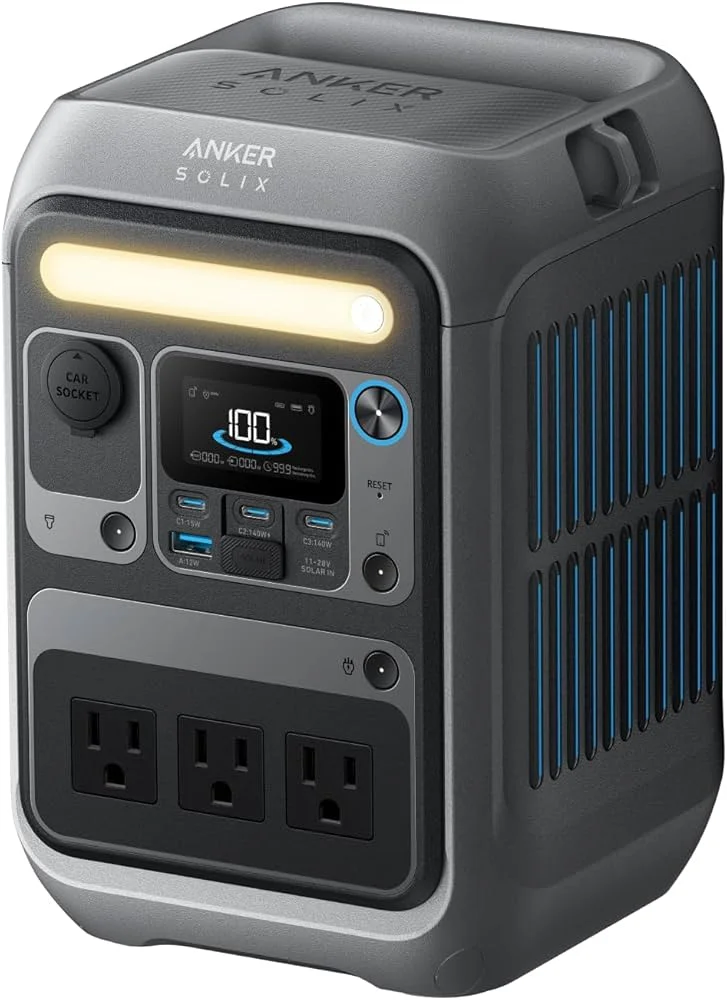
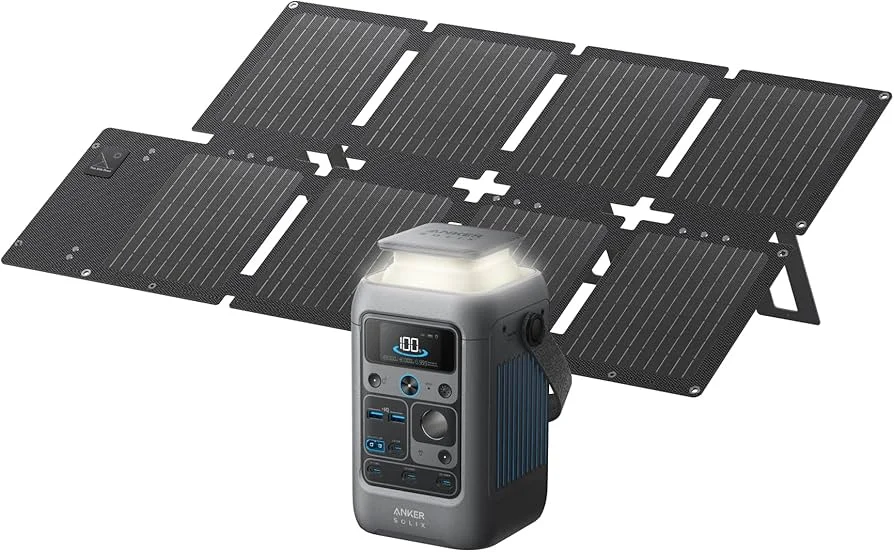
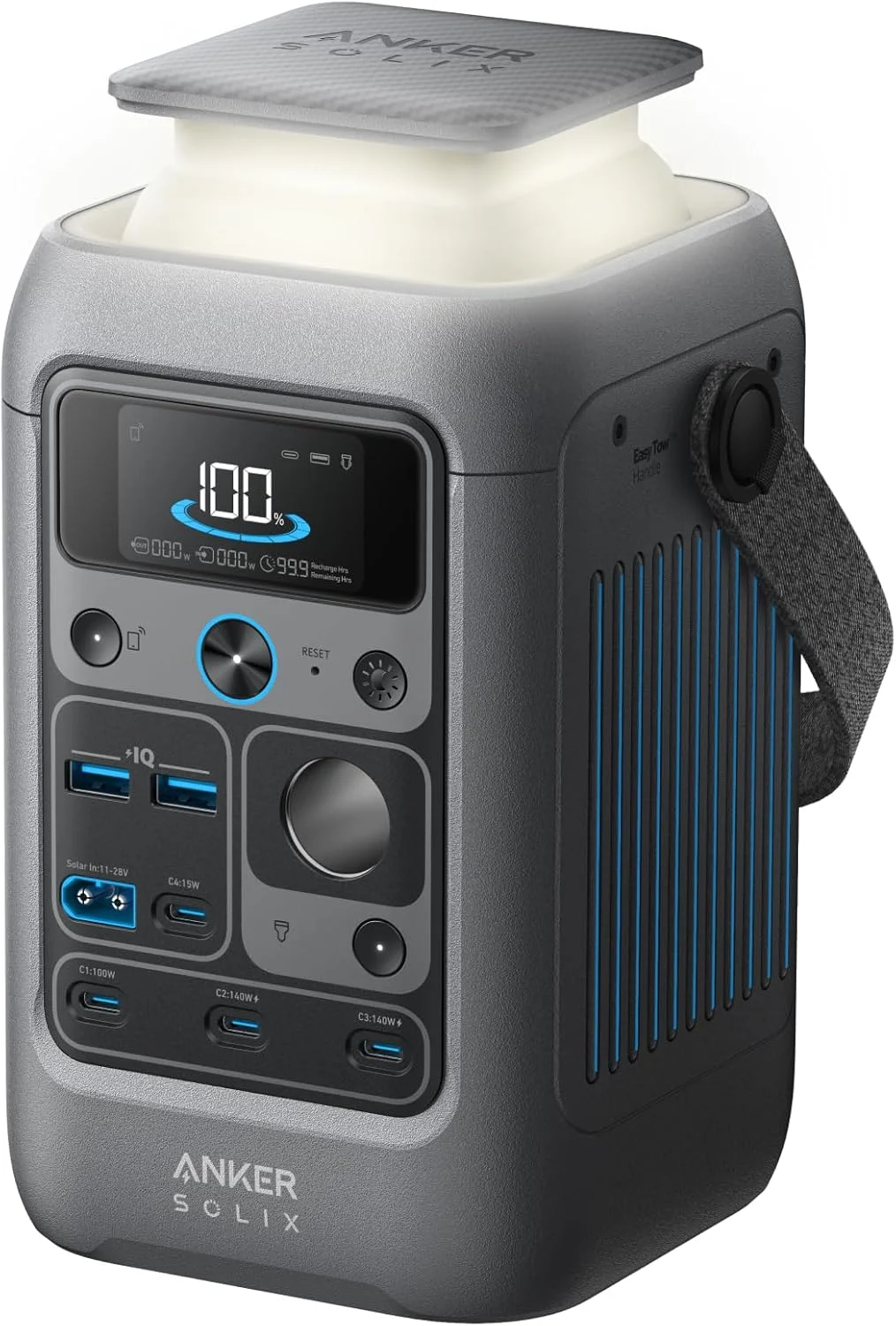
  • Anker SOLIX C1000 Gen 2: Best Overall Value
    • Capacity: 1056Wh
    • Output: 1800W continuous, 2400W surge
    • Battery Chemistry: LiFePO4
    • Recharge Time: 58 minutes (AC), 2.5 hours (solar 600W)
    • Weight: 28.2 lbs
    • Why: This unit is a solid workhorse. GearLab rated it as the best for most people. The 1800W output can run most small appliances. The LiFePO4 cells mean it'll last you 3,000 cycles, not just a few hundred. Plus, the price point of under $400 is hard to beat for this capacity.
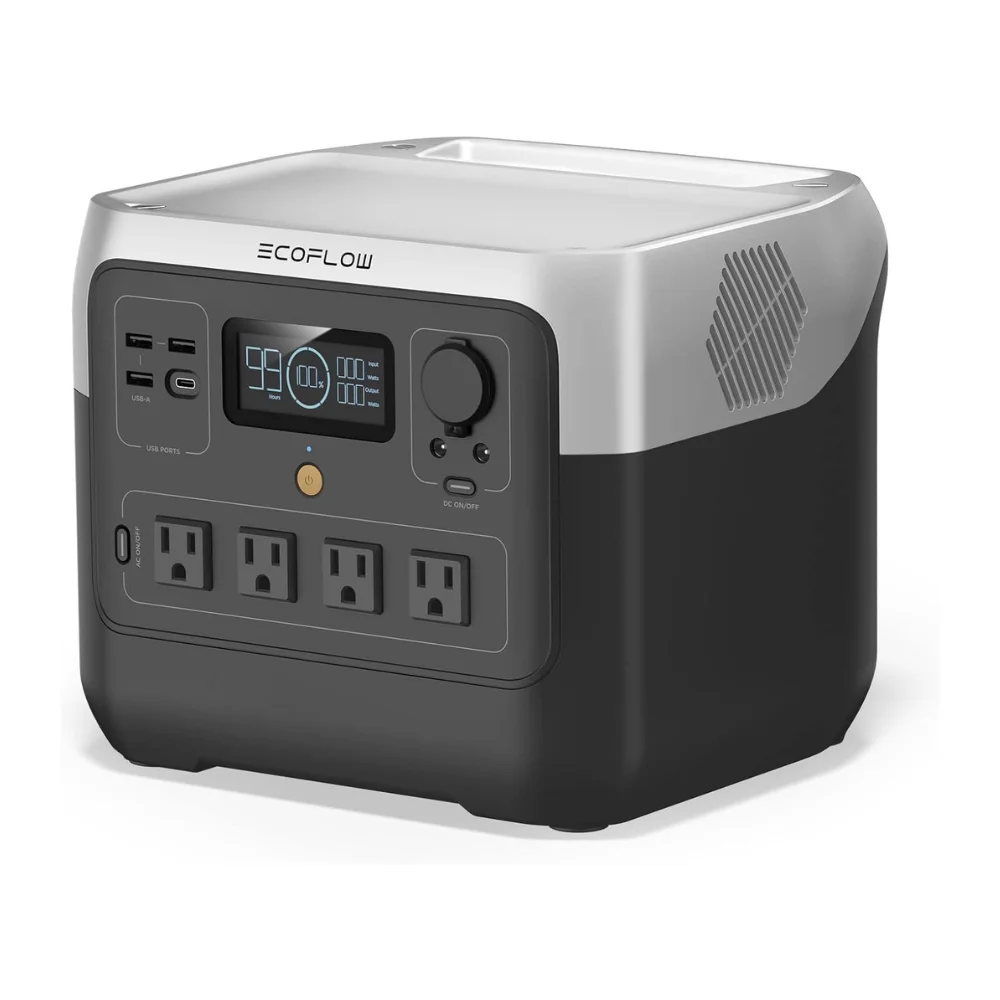
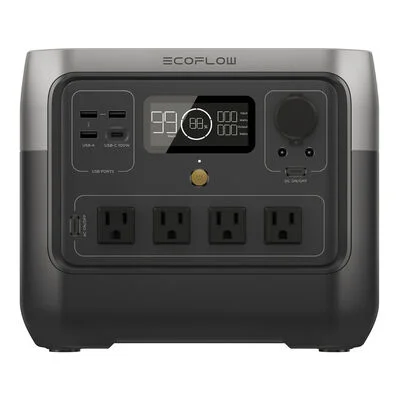
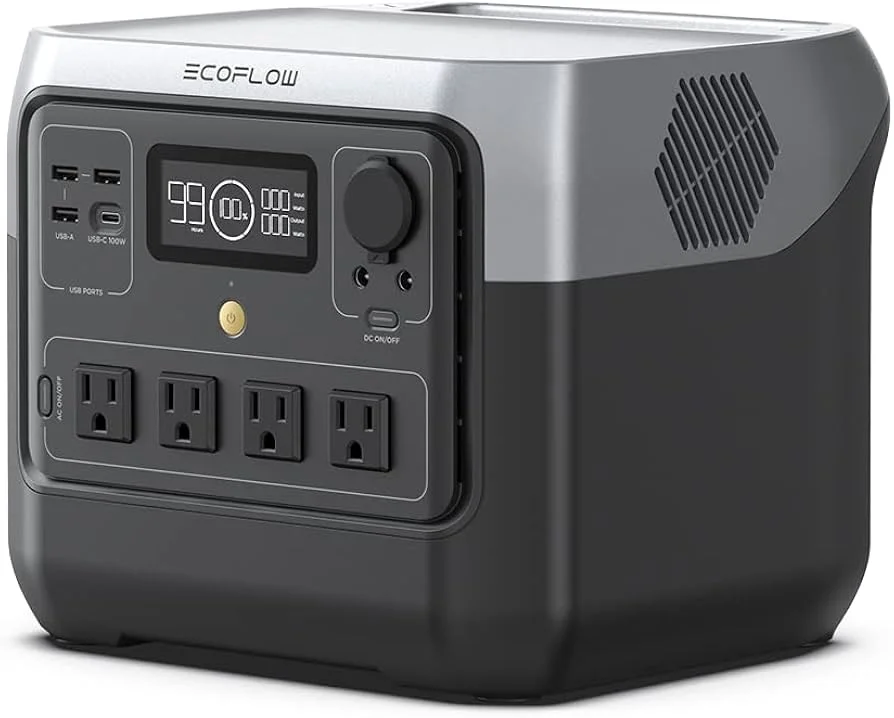
  • EcoFlow Delta 2: Best for Expandability
    • Capacity: 1024Wh (expandable to 3040Wh with extra battery)
    • Output: 1800W continuous, 2700W surge
    • Battery Chemistry: LiFePO4
    • Recharge Time: 1 hour, 15 minutes (AC)
    • Weight: 27 lbs
    • Why: If you need more juice down the road, the Delta 2 offers modular expansion. Outdoor Life rated it highly for overall performance and value. The quick recharge time is critical when you're on a tight schedule.
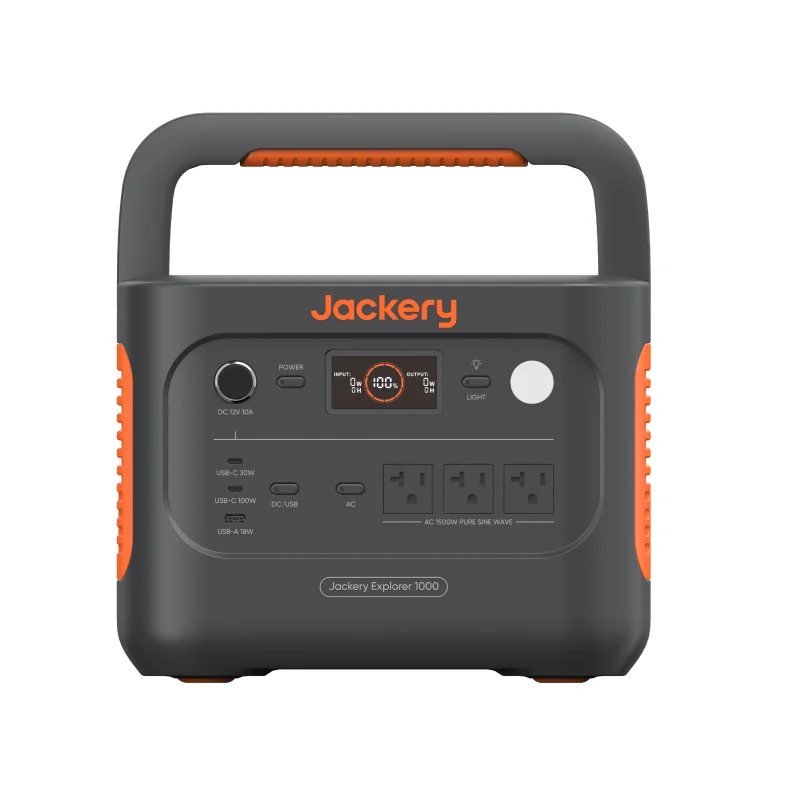
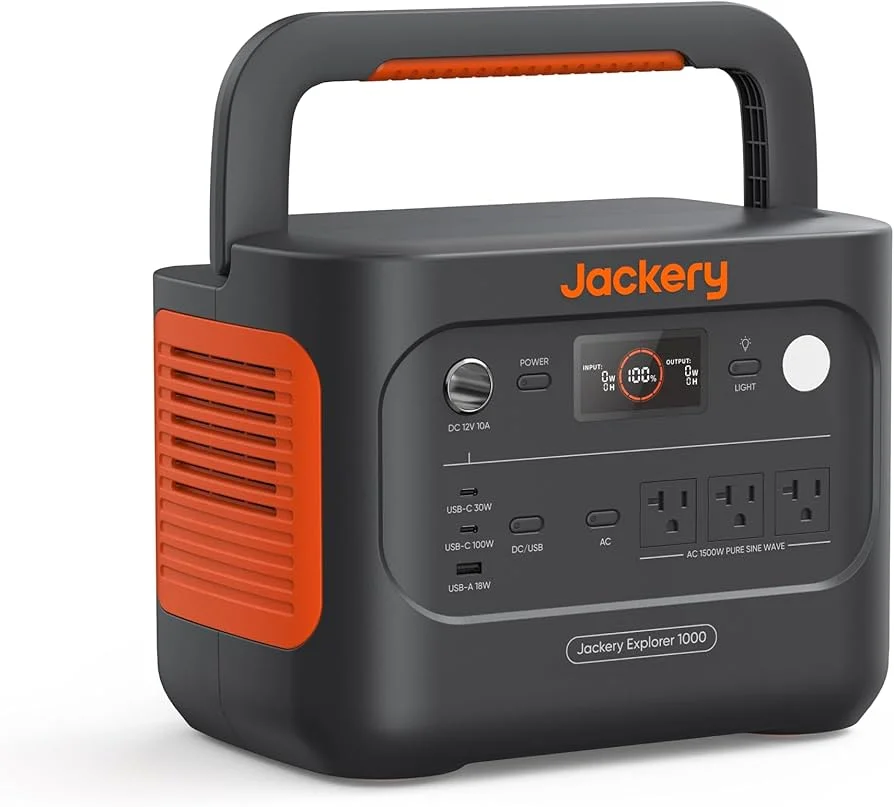
  • Jackery Explorer 1000 v2: Best for Portability
    • Capacity: 1070Wh
    • Output: 1500W continuous
    • Battery Chemistry: LiFePO4
    • Recharge Time: 1.7 hours (AC)
    • Weight: 23.8 lbs
    • Why: At 23.8 pounds, it's lighter than many competitors in the 1kWh range. Outdoor Tech Lab calls it perfect for car camping. The trade-off is slightly lower continuous output compared to the Anker, but 1500W is still plenty for most camping gear.
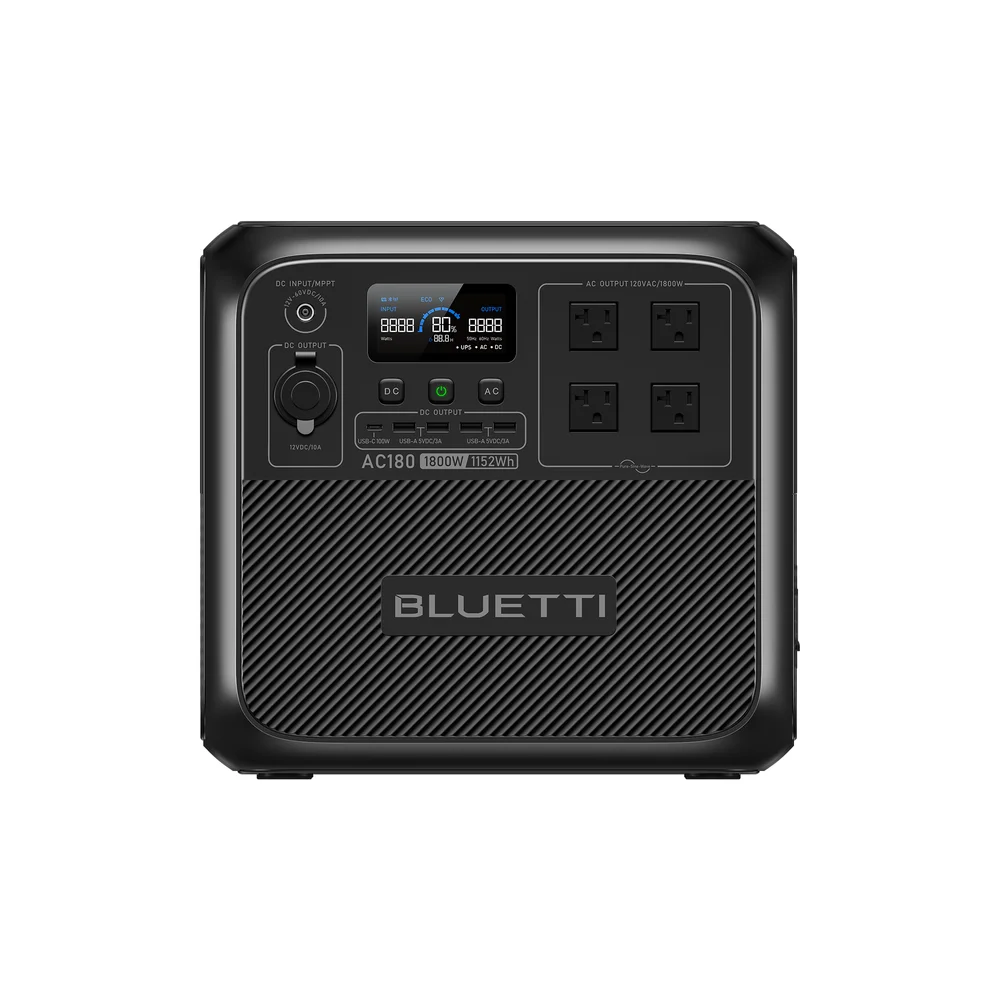
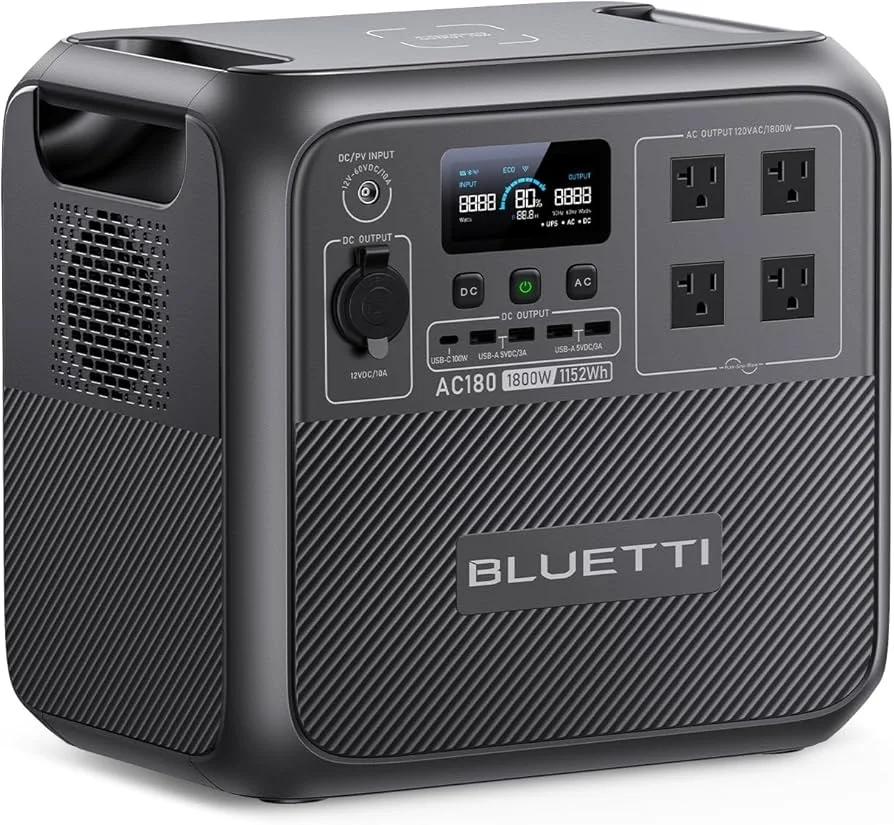
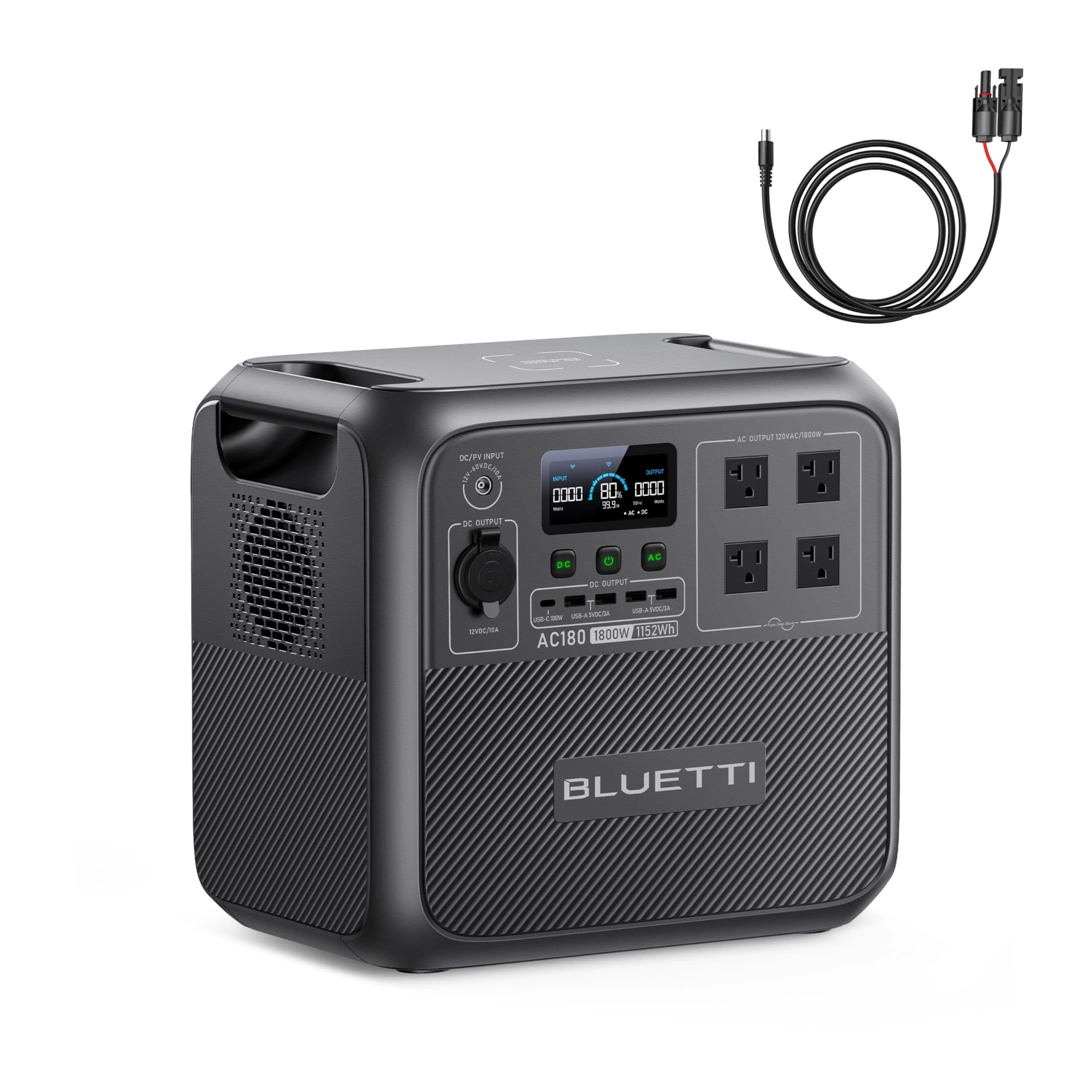
  • BLUETTI AC180: Best for Raw Power
    • Capacity: 1152Wh
    • Output: 1800W continuous, 2700W surge
    • Battery Chemistry: LiFePO4
    • Recharge Time: 1.5 hours (AC)
    • Weight: 35.2 lbs
    • Why: This thing is a beast. It runs a mini-fridge all weekend. The 1800W continuous output means you're less likely to trip the internal breaker. It's heavier, but if you need the muscle, this is it.
These units represent a balance of capacity, output, and cell longevity. Don't fall for the 'bargain' units with obscure cell manufacturers and no thermal management. You'll regret it when it decides to go into thermal runaway.
To enhance your outdoor experience, consider exploring our insights on portable power stations for camping.
Maximize charging efficiency by placing solar panels at a 30-degree angle towards the sun.
This mobile solar unit harnesses clean energy in an open field. When considering the best portable power station for car camping, look for efficient solar recharging capabilities. | Photo by Kindel Media

Budget vs Premium Options

The Price Tag: Budget vs. Premium Options

There's a reason a $200 unit costs less than a $1000 unit, and it's not just the brand name. It's the cell quality, the inverter efficiency, and the thermal management system. You're paying for reliability and a lower failure rate, not just extra Watts. Reddit threads are full of folks asking about running fridges and lights, and the budget units often fall short.
Category Budget Options (e.g., Jackery Explorer 300) Premium Options (e.g., EcoFlow Delta 2, Anker C1000)
Price Range $200 - $400 $600 - $1200+
Capacity (Wh) 200-500Wh. Fine for charging phones and small lights for a night or two. The Jackery Explorer 300 is 293Wh, good for weekenders. 1000Wh+. Designed for multi-day use, running mini-fridges, CPAP machines. The Goal Zero Yeti 700 is 677Wh effective capacity, a good benchmark.
Battery Chemistry Often older Li-ion (NMC) cells with shorter lifespans (500-800 cycles to 80%). Higher internal resistance, more heat generated. Almost always LiFePO4. 2500-3500+ cycles to 80%. Superior thermal stability and overall longevity. Less degradation under thermal cycling.
Output (Watts) Typically 300-500W. Struggles with anything over 100W for extended periods. You'll trip the overload circuit trying to run a hair dryer (1500W). 1500W+. Handles higher surge loads and continuous draws. The inverters are more robust, with better cooling. A 300W unit is barely enough for basic needs.
Build Quality Thinner plastic housings, basic internal wiring, lower-grade components. More susceptible to mechanical stress from drops or vibrations. Robust casings, better ingress protection, over-engineered internal bracing. Designed to handle the abuse of outdoor use. Less vibration-induced fatigue.
Warranty 1-2 years, often with caveats. 3-5 years, often comprehensive. The EcoFlow Delta 2 has a 5-year warranty. They trust their product.
If your camping consists of charging a phone once, a budget unit might work. If you're running a fridge and lights for days, the budget option will inevitably fail or leave you without power. You get what you pay for in terms of cell integrity and inverter robustness. Don't expect premium performance from a $200 unit. That's just physics.
To enhance your power options, consider pairing a portable power station with a top-rated portable solar panel.
Invest in a unit with advanced battery management for over 1000 charge cycles and consistent performance.
A serene night camping scene with illuminated tents and a car. A premium portable power station for car camping ensures reliability and longevity with high-quality internal components. | Photo by Matheus Bertelli

Setup and Installation Tips

Getting Your Power Station Ready: No Rocket Science Here

Setting up a portable power station isn't complicated, but there are a few steps to avoid frying your gear or shortening the battery's lifespan. Most of it comes down to understanding current flow and thermal management. CNET covers the basics, but I'll give you the dirtbag version.
  1. Initial Charge:
    • Action: Plug it into a wall outlet (AC) until 100%.
    • Why: The Battery Management System (BMS) needs a full charge to properly calibrate the cell voltage readings. This ensures accurate capacity reporting and balanced cell charge. Without it, your '100%' might only be 90%, leading to premature low-voltage cutoffs.
  2. Location, Location, Location:
    • Action: Place it in a shaded, well-ventilated area.
    • Why: Lithium batteries are sensitive to temperature. Operating above 100 degrees F or below 32 degrees F significantly impacts performance and longevity. High temps accelerate cell degradation and increase thermal runaway risk. Good airflow prevents heat buildup around the inverter and battery cells.
  3. Connecting Devices:
    • Action: Plug in your high-wattage devices first, then lower-wattage ones. Avoid overloading.
    • Why: This helps you monitor the total draw on the LCD display. Most units have a maximum continuous output. Exceeding it triggers an overload shutdown, which is annoying but prevents damage. Know your device wattage. Don't try to run a 1500W coffee maker off a 500W unit.
  4. Solar Charging (Optional):
    • Action: Connect solar panels to the DC input, facing direct sunlight.
    • Why: Ensure the panel's voltage and current match the power station's input specs. Mismatched panels can damage the charge controller or simply not charge efficiently. Check the open-circuit voltage (Voc) and short-circuit current (Isc) on your panel's spec sheet against the power station's input range.
This isn't just 'best practice'; it's about understanding the electrical and thermal loads. Ignore it at your peril. You'll either have a dead battery or a fried inverter.
For extended journeys, consider the benefits of using a top-rated portable power station for overlanding.
Monitor your power station's inverter efficiency to ensure minimal energy loss during conversion.
An EV dashboard shows power metrics, similar to understanding your power station. Getting the best portable power station for car camping involves grasping concepts like current flow and thermal management. | Photo by Tom Fisk

Care and Maintenance Tips

Keeping Your Power Pack Alive: Don't Be an Idiot

These aren't maintenance-free magic boxes. They're complex electronic devices with specific operating parameters. Ignore them, and you'll prematurely kill the battery or the inverter. This isn't about 'good habits'; it's about preserving the electrochemical integrity of the cells. Outdoor Tech Lab's tests show significant capacity loss in cold temps, for instance.
  1. Temperature Management:
    • Action: Store and operate between 32 degrees F and 95 degrees F.
    • Why: Extreme cold (below 32 degrees F) significantly reduces usable capacity by increasing internal resistance and slowing electrochemical reactions. Extreme heat (above 100 degrees F) accelerates cell degradation and increases the risk of thermal runaway. All units lose 30-40% capacity at freezing temps. Keep it out of direct sun and away from cold concrete.
  2. Charge Level for Storage:
    • Action: Store at 50-80% charge, not 0% or 100%.
    • Why: Storing at 100% for extended periods puts mechanical stress on the cell chemistry, accelerating degradation. Storing at 0% risks over-discharge, which can permanently damage the cells, making them unable to accept a charge. The BMS tries to prevent this, but don't push it.
  3. Regular Cycling:
    • Action: Use it and recharge it every 3-6 months, even if you don't need it.
    • Why: This keeps the electrons moving and helps the BMS maintain cell balance. Lithium cells can drift in voltage over time, leading to imbalance. A full cycle helps the BMS re-calibrate and ensure all cells are working efficiently.
  4. Keep it Dry and Clean:
    • Action: Avoid moisture and wipe down dust.
    • Why: Water ingress can short out the internal electronics, leading to circuit failure. Dust acts as an insulator, hindering heat dissipation and potentially causing static discharge issues. Basic mechanical protection for the circuit boards.
This isn't just about 'extending life'; it's about preventing premature electrochemical and circuit failure. Treat it like the expensive piece of equipment it is. Otherwise, you'll be buying another one in two years.
To maximize your camping experience, consider pairing your solar setup with the best power station under 500.
Best Portable Power Station for Car Camping (2026 Complete Guide) — Pros and Cons Breakdown
Comparison overview for best portable power station for car camping

Final Recommendations

The Final Verdict: Powering Your Off-Grid Life

Look, a portable power station is a tool. Like any tool, choose the right one for the job, or it'll fail you when you need it most. Forget the marketing hype about 'freedom' and 'adventure.' I'm looking at Amp-hours, inverter efficiency, and cell chemistry. That's where the rubber meets the road. Many of these units can charge from a 12V vehicle outlet, which is a nice feature. Here's the lowdown:
  • Capacity is King: Don't underbuy. Calculate your actual power needs in Watt-hours. A 1000Wh unit is a good starting point for multi-day car camping if you're running a fridge. If you only need to charge a phone, get a cheap power bank. No need to over-engineer.
  • LiFePO4 Cells are Non-Negotiable: For longevity, safety, and cycle life, this is the only acceptable battery chemistry.
  • It handles thermal cycling better and has a lower probability of thermal runaway compared to NMC cells. Your investment will last longer.
  • Match Output to Load: Ensure the continuous Watt output of the inverter can handle your highest-draw appliance.
  • Tripping the overload circuit constantly is a sign you bought an underpowered unit, or you're pushing it too hard.
  • Consider Recharge Speed: If you're on the move, a unit that charges from 0% to 100% in under 2 hours via AC is a huge advantage. Solar charging is nice, but it's slow and dependent on weather.
  • Mechanical Integrity: Look for robust casings and good port covers. These things get bounced around.
  • A flimsy plastic housing is a failure point waiting to happen. The internal components need to be protected from mechanical stress. Pick a unit that meets these core engineering requirements, and you won't be left in the dark. Anything less is just buying a future headache.
    To ensure a comfortable experience, consider bringing along a dependable solar generator for your car camping trips.

    Frequently Asked Questions

    My power station isn't charging from my car's 12V cigarette lighter. Do I need a special adapter, or is it broken?
    You're likely hitting a current limit. Most car cigarette lighter sockets are fused for 10A or 15A. At 12V, that's only 120W or 180W. Your power station might be trying to pull 200W-300W, tripping the car's fuse. Check your car's fuse box for a blown 15A fuse, which costs $3 at any auto parts store. The dealer will charge you $150 to 'diagnose' and replace it.
    Do I really need a power station with a pure sine wave inverter, or is modified sine wave good enough?
    If you're powering anything with a motor, sensitive electronics, or anything with an AC adapter that isn't a simple resistor, you need pure sine wave. Modified sine wave inverters produce a choppy waveform that generates more heat in motors (reducing efficiency and lifespan) and can cause humming or damage to delicate circuit boards. It's a circuit integrity issue.
    What if my power station consistently shows less capacity than advertised, even after a full charge?
    If it's new, the Battery Management System (BMS) might need a few full discharge/charge cycles to calibrate its State of Charge (SoC) algorithm. If it's an older unit, you're experiencing cell degradation. All lithium batteries lose capacity over time due to thermal cycling and electrochemical reactions. The advertised capacity is for new cells, not after 1000 cycles.
    Can storing my power station in a hot car permanently damage the battery?
    Absolutely. Sustained temperatures above 100 degrees F cause accelerated calendar aging and capacity fade in lithium cells. The electrolyte degrades, and internal resistance increases. This isn't just a temporary performance dip; it's permanent damage to the cell chemistry. You'll lose 20% of your capacity much faster than if stored properly.
    My buddy told me I can just jump-start my car with my power station. Is that true?
    No, your buddy is an idiot. Most portable power stations are designed for continuous lower-current loads, not the 200-800 Amps a starter motor pulls. Trying to jump-start a car will instantly overload the inverter and likely trip the internal breaker or, worse, damage the internal components. You need a dedicated jump pack with a high-current output. This is a fundamental misunderstanding of current delivery.

    🏅 Looking for Gear Recommendations?

    Check out our tested gear guides for products that work with this setup:

    J

    Jake - The Dirtbag Engineer

    Mechanical engineer turned car camper. Specializes in power systems, dashcam technology, and DIY vehicle modifications.

    Sources

    Related Articles