Which Type of Portable Cooler Fits Your Trip
"Portable car cooler" covers three very different machines, and picking the wrong category is the most common camping-gear mistake. The honest first decision is not which brand to buy, but which technology matches how you travel.
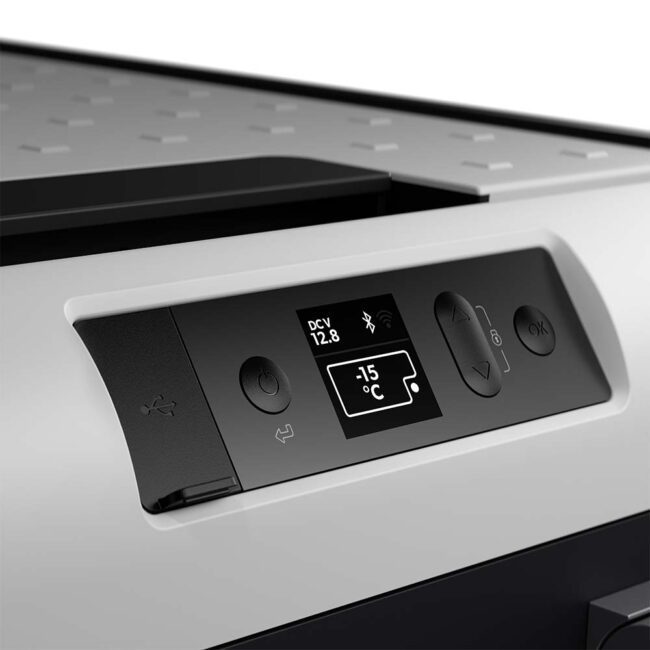
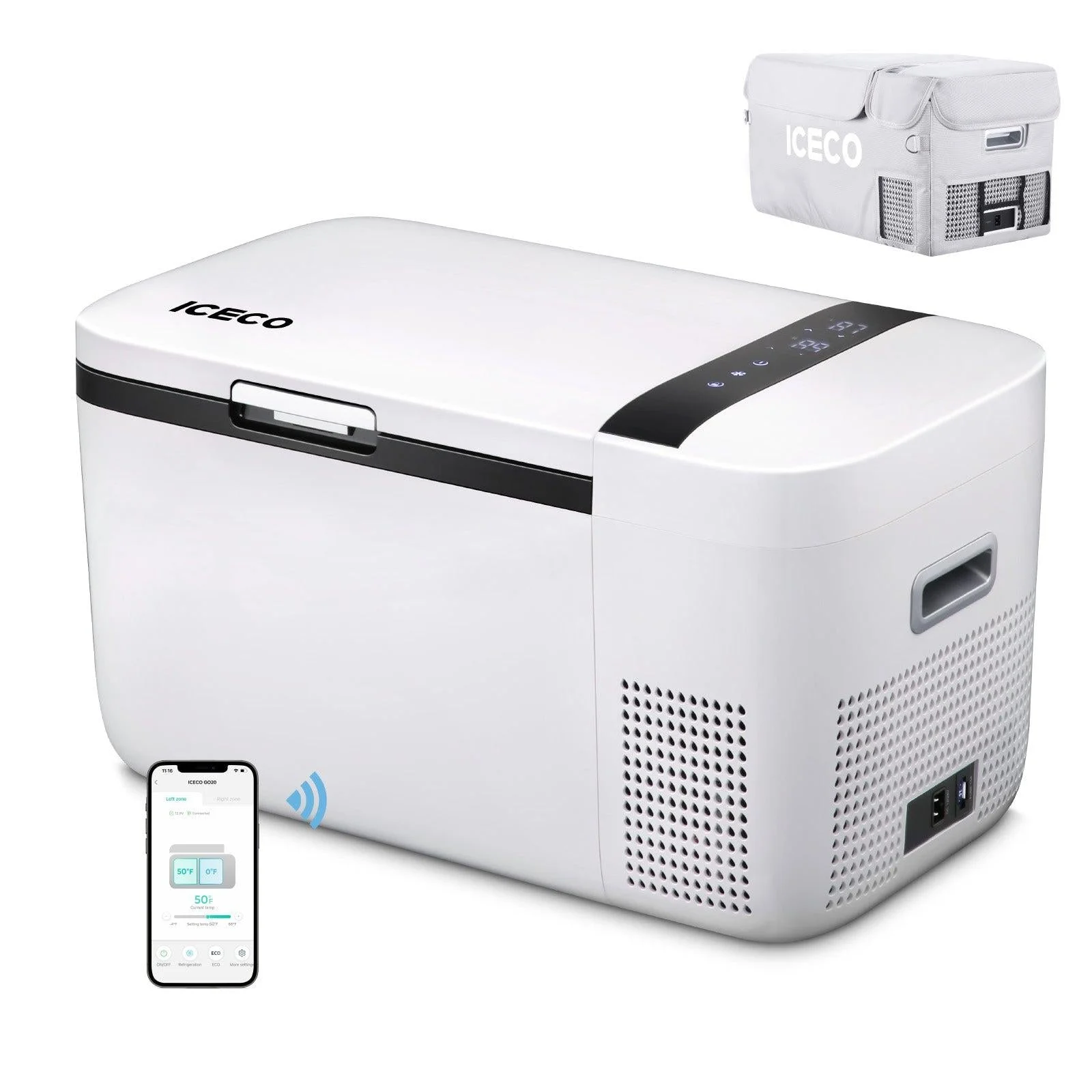
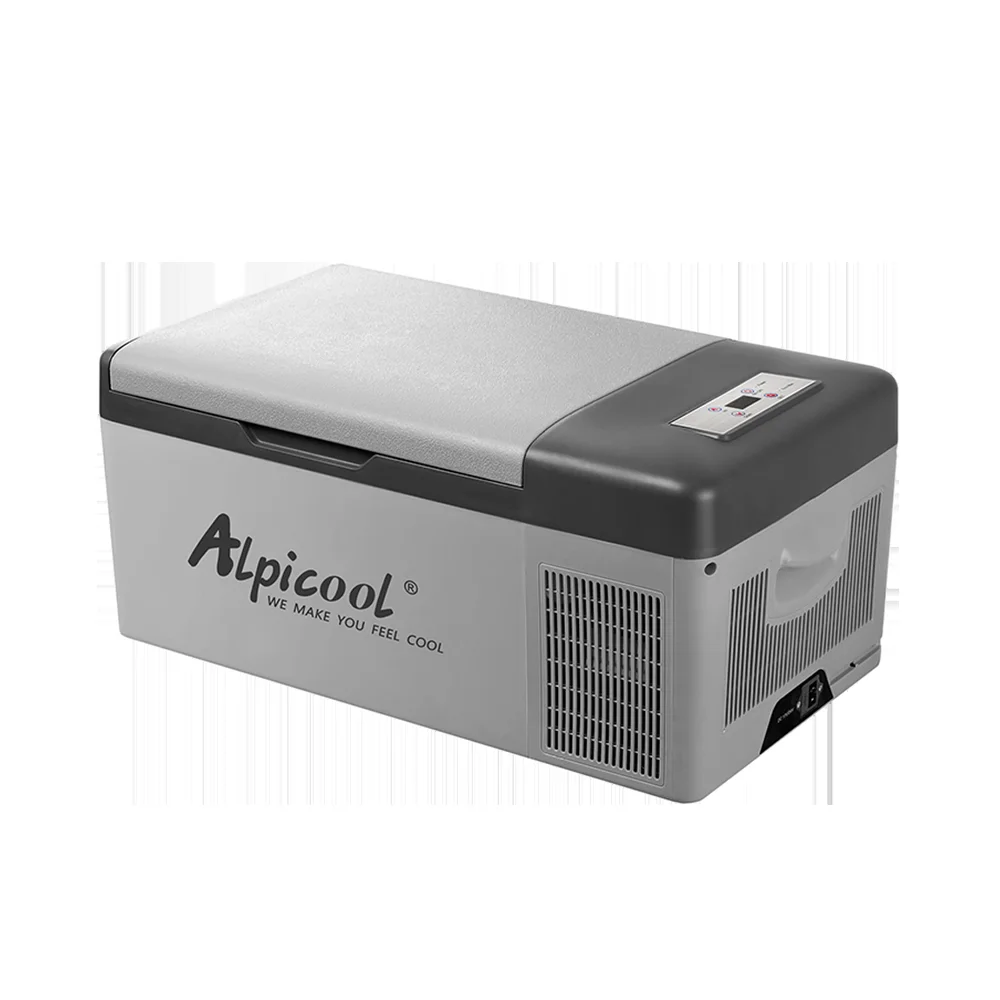
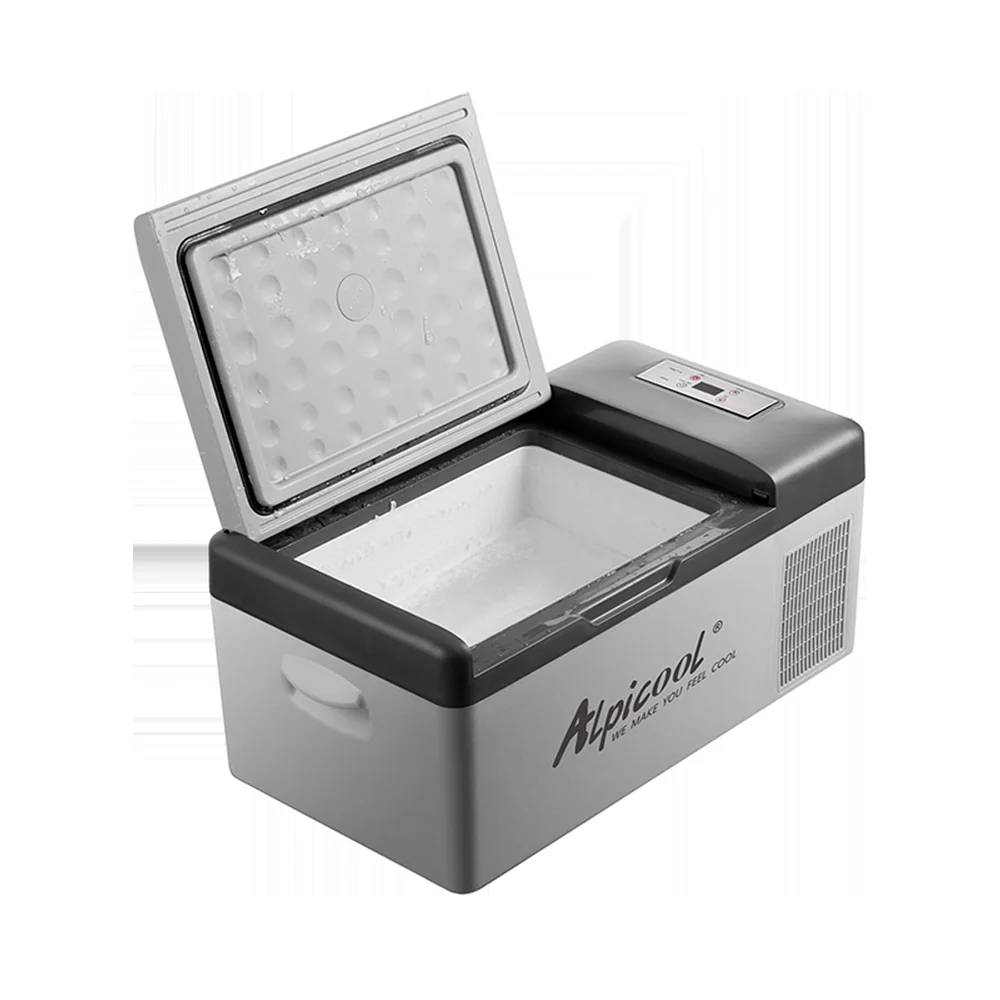
- Compressor (electric) fridge-freezers like the Alpicool C15, Dometic CFX3 35, and ICECO GO20 run a real refrigeration cycle off 12V/24V DC or household AC. They hold a set temperature for days without ice, and most can freeze.
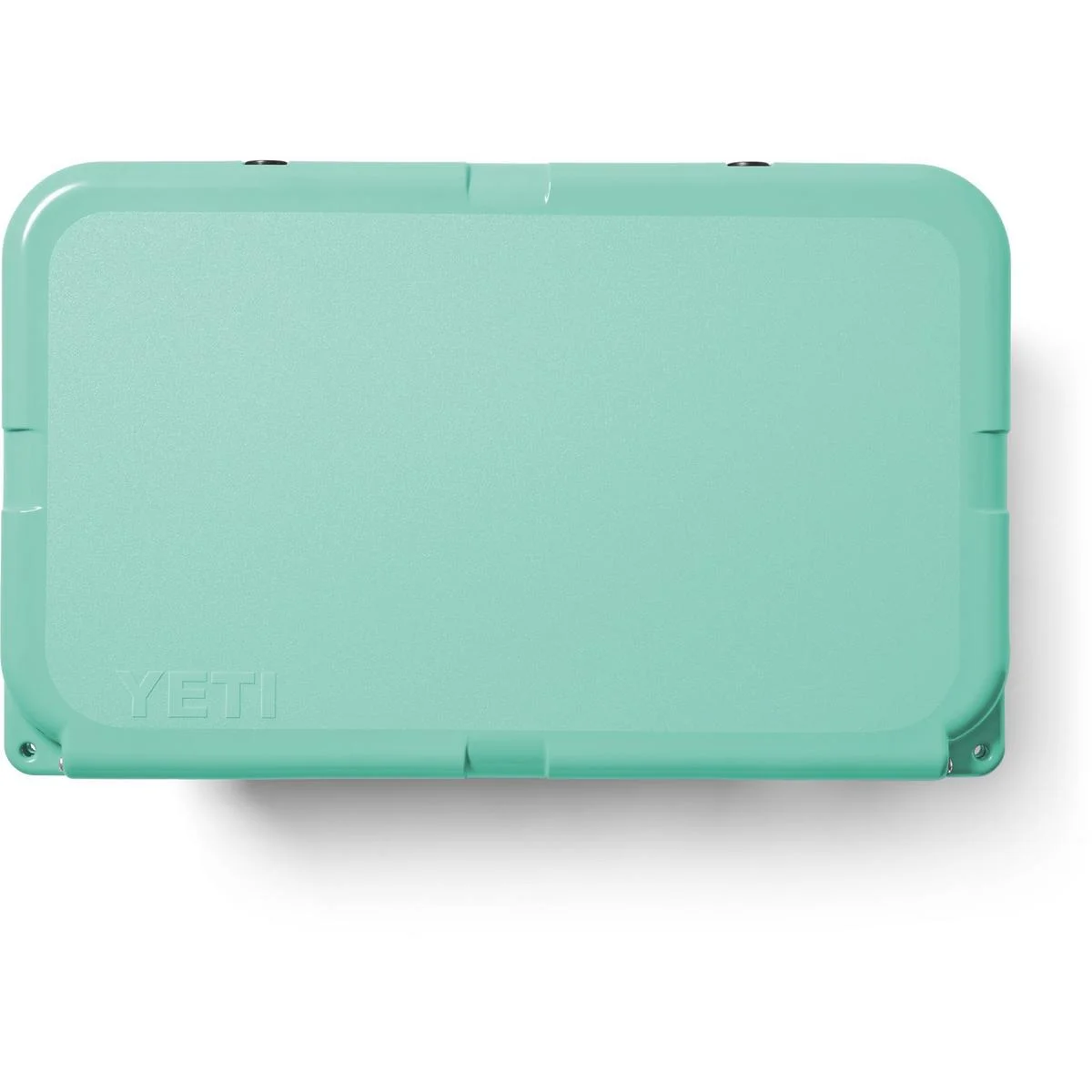
- Premium ice coolers like the YETI Tundra 45 and Coleman 70-Quart Xtreme use no power at all. They are insulated boxes that keep ice frozen longer; their performance is measured in days of ice retention, not degrees.
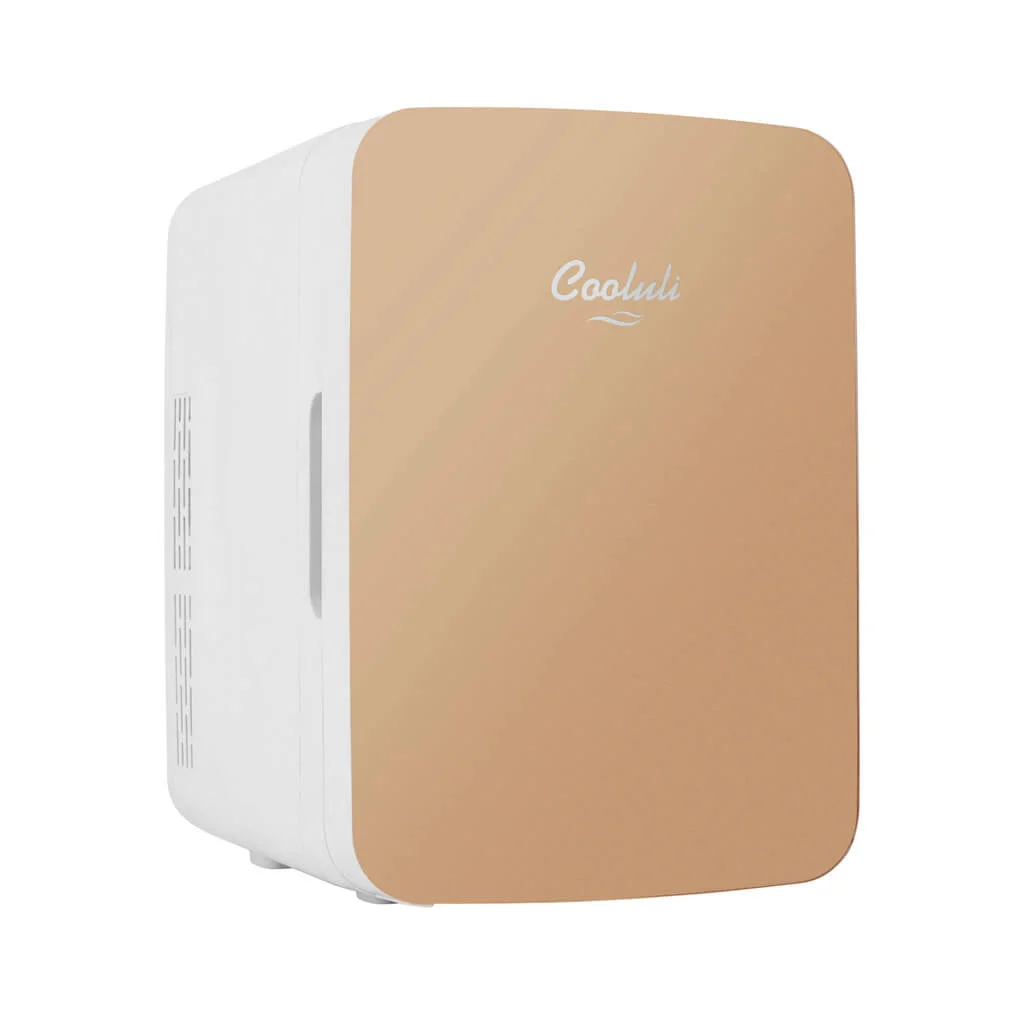
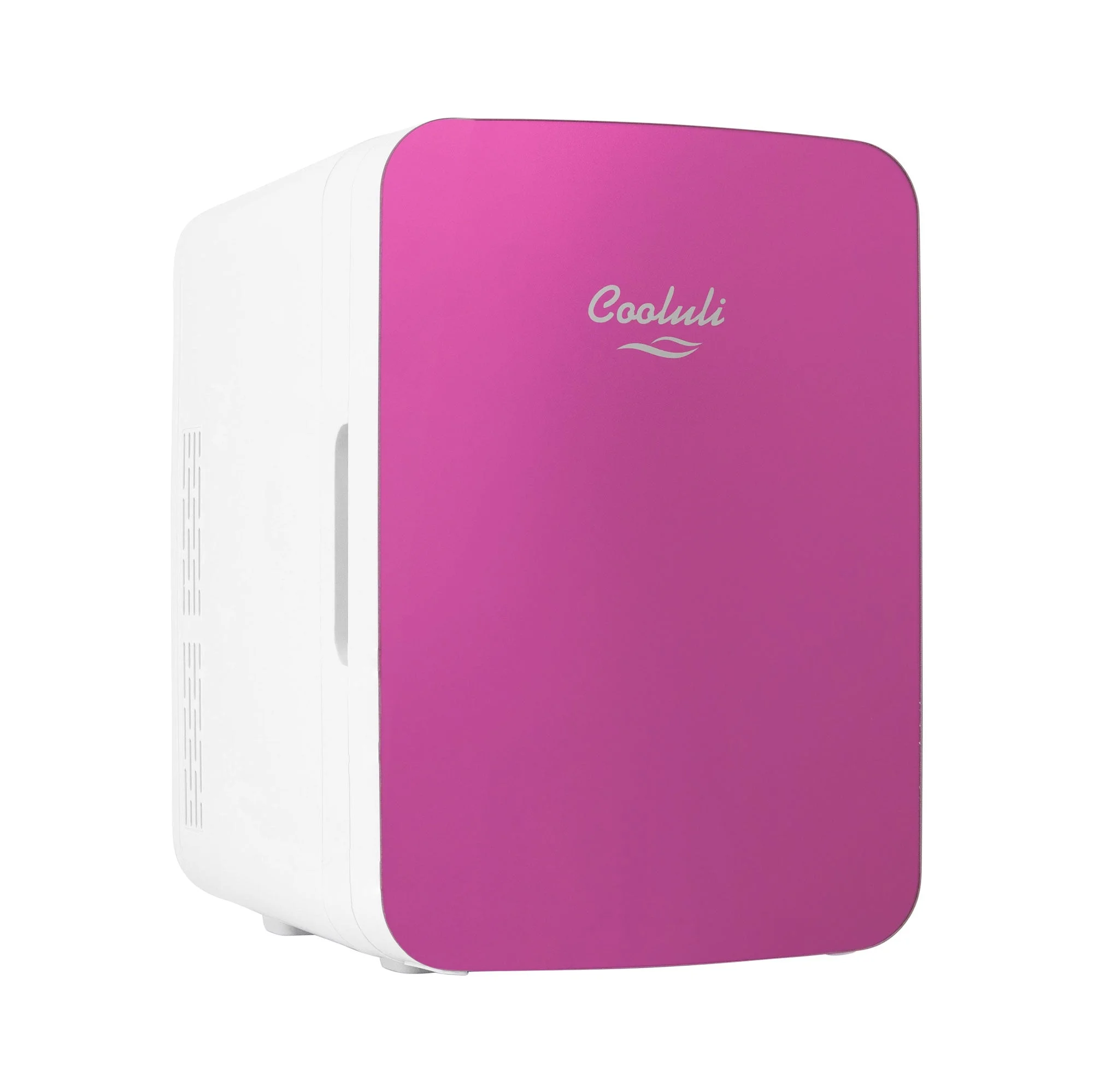
- Thermoelectric coolers like the Cooluli Infinity 10L use a Peltier chip. They are compact and can both cool and warm, but they only pull temperature a fixed amount below ambient rather than holding a target.
If you want set-and-forget cold for multi-day trips and have 12V power, an electric fridge wins. If you camp off-grid with no power budget, a high-end ice cooler is more dependable. For a desk, a dorm, or short drives, a thermoelectric unit is the cheap, light answer. This guide covers all three so you can match the tool to the trip. If your focus is specifically a powered car cooler, see also our dedicated guide to the best 12V car coolers for road trips.
How Electric (Compressor) Coolers Actually Work
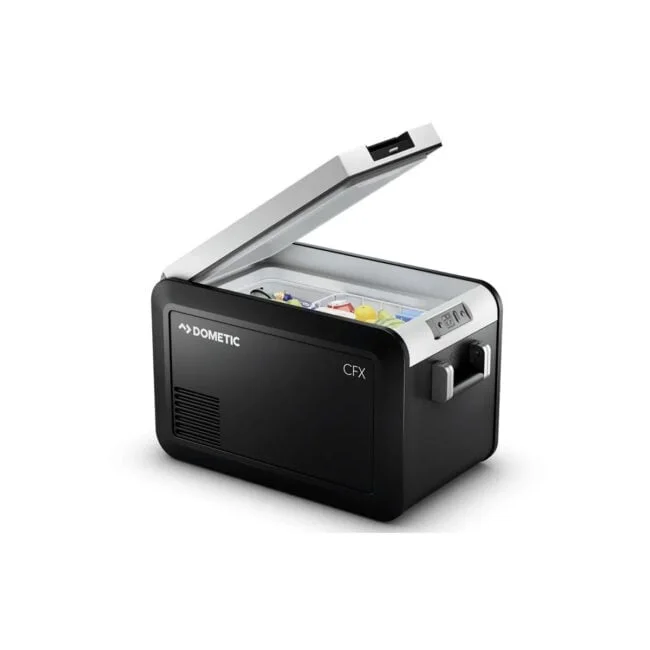
Compressor coolers are small versions of the refrigerator in your kitchen. A compressor circulates refrigerant to actively pump heat out of the box, which is why they can sit at 35°F in a hot car or drop below freezing regardless of the outside temperature. That is a genuine advantage over ice: the cold is generated continuously, not borrowed from a melting block.
The trade-off is power and price. These units draw current, so you need to understand the load on your vehicle's electrical system before relying on one. Manufacturer specs, not marketing copy, are the honest source here, and the numbers below come from those published ratings rather than any first-hand bench test we ran.
The rule of thumb: a compressor cooler is the right call when you have a power source (a running engine, a dual-battery setup, or a portable power station) and want days of reliable refrigeration without buying ice.
One practical detail worth knowing: compressor coolers cool down fast. Where a loaded ice cooler starts warm and slowly equalizes, a fridge can pull a box of room-temperature drinks down to refrigerator temperature within an hour or two, then coast on short compressor cycles. That makes them forgiving if you forget to pre-chill, and it means you are not hauling melting ice water around for the whole trip. The Alpicool C15, ICECO GO20, and Dometic CFX3 35 all share this behavior because they all run real compressors rather than the cooling chips found in cheaper electric coolers.
12V Power Draw: What the Specs Tell You
The single most important number for an electric cooler is how hard it pulls on your battery. A compressor only runs intermittently once it reaches the set temperature, so the average draw is far lower than the peak. Still, leaving one running on a parked car with the engine off can flatten a starter battery overnight, which is why good units include low-voltage cutoff protection.
- Alpicool C15 — rated around 45W at 12V on its compressor cycle, the entry point for a true fridge. Its built-in three-level battery protection is the feature that keeps it from draining your car.
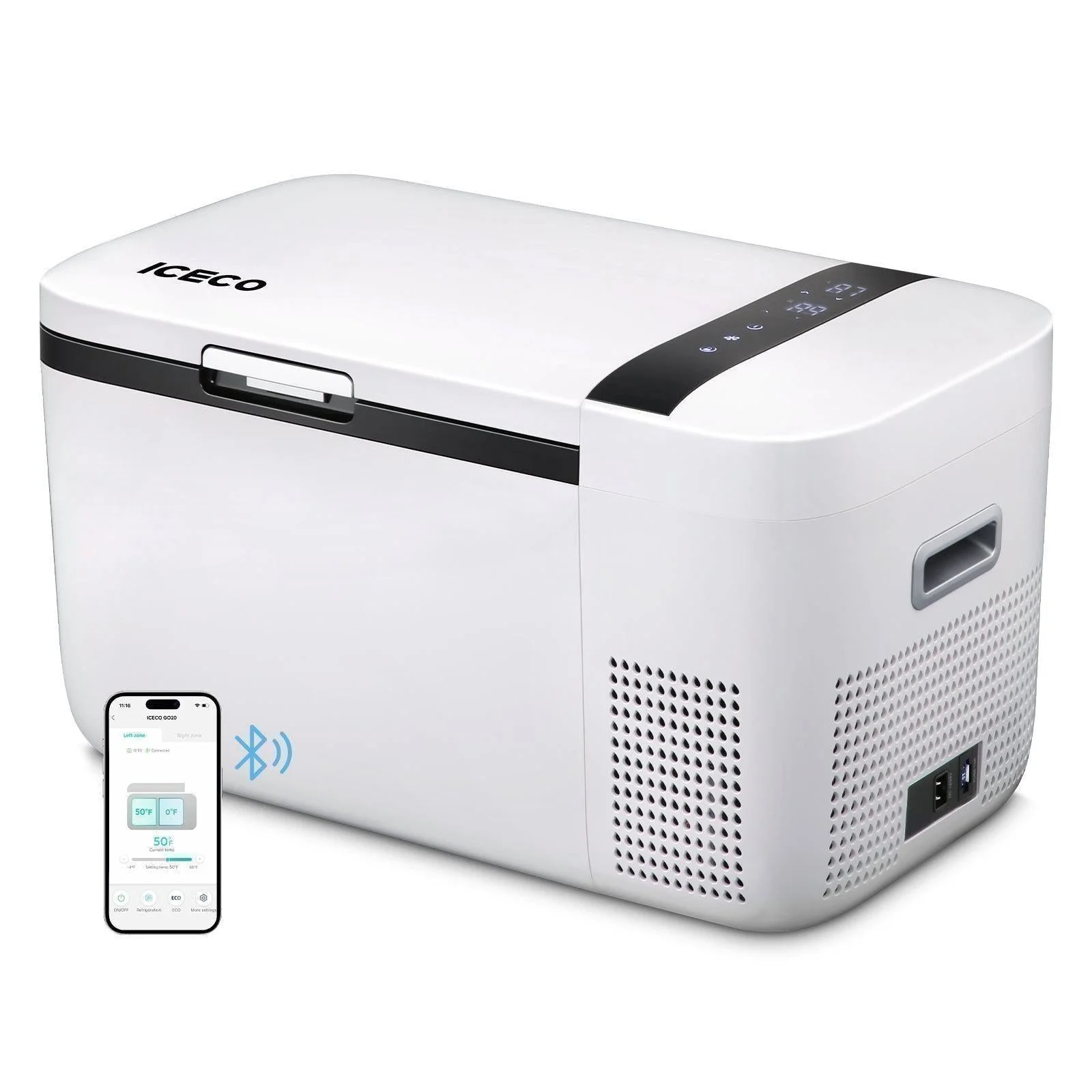
- ICECO GO20 — a dual-zone 21-quart unit built around a Secop (Danfoss) compressor, the same class of compressor found in far more expensive units. Independent fridge and freezer zones mean one box can hold drinks cold and food frozen at once.
- Dometic CFX3 35 — the premium option, with app control, a brushless compressor, and the lowest published energy draw of the group, which is what justifies its price for full-time overlanders.
For a deeper breakdown of running times and battery math on powered units, our companion our dedicated guide to the best 12V car coolers for road trips works through the amp-hours.
Ice Retention: Why Premium Coolers Cost More
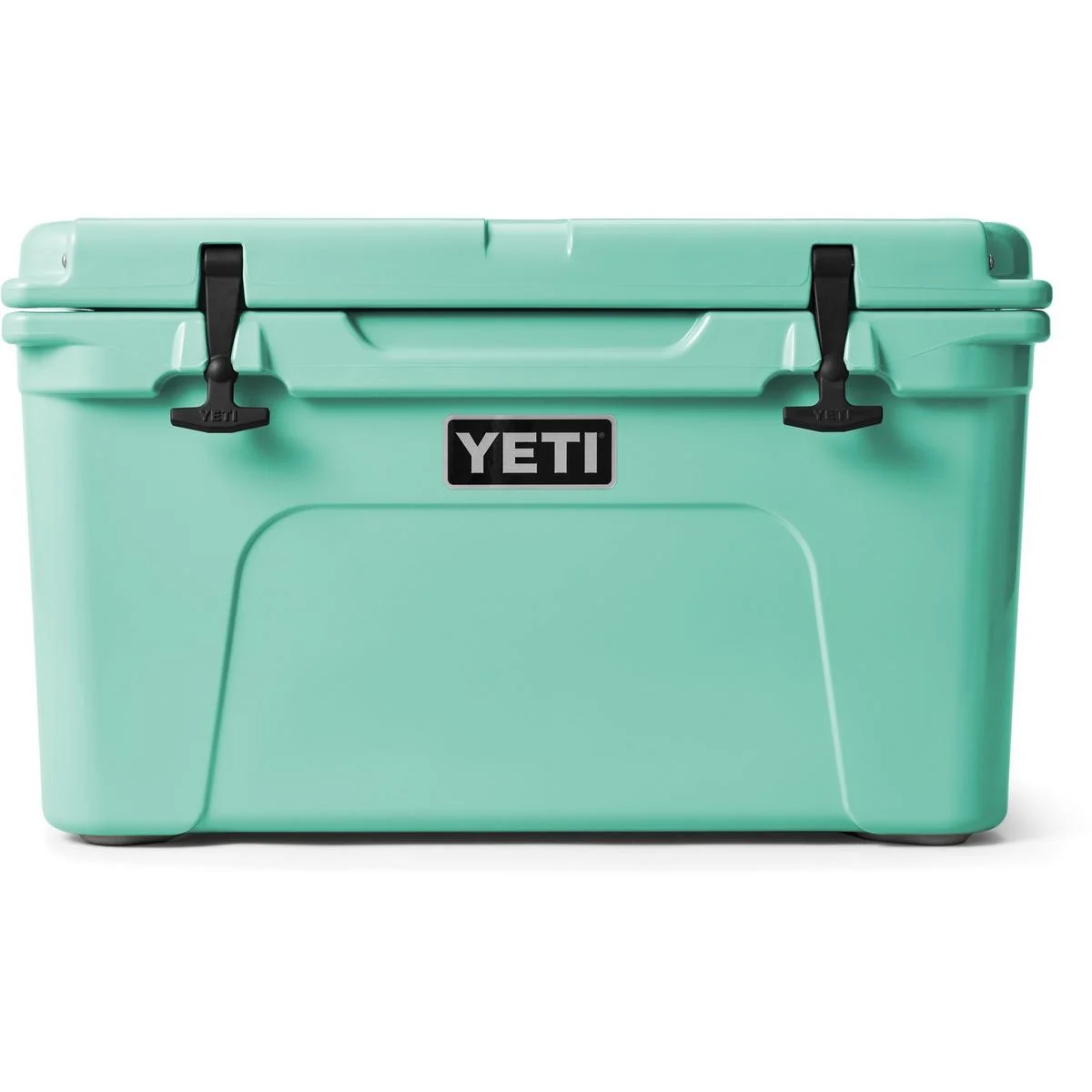
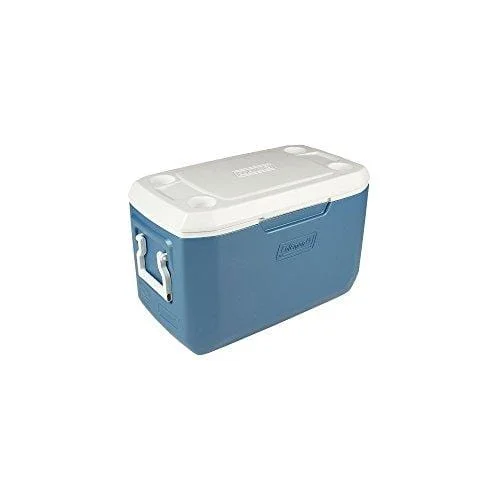
A high-end ice cooler has no moving parts and no power draw. What you pay for is insulation and a sealing lid. Rotomolded coolers like the YETI Tundra 45 use thick, foam-filled walls and a freezer-style gasket; the manufacturer rates multi-day ice retention, and real-world results depend heavily on pre-chilling, ice-to-contents ratio, and how often you open the lid.
The Coleman 70-Quart Xtreme represents the value end of the same idea: thicker insulation than a basic cooler at a fraction of a rotomolded unit's price, with a Coleman-rated five days of ice in conditions up to 90°F. It is larger and lighter on the wallet, while the YETI is heavier-duty, bear-resistant certified, and far more expensive.
Neither needs electricity, which is the whole point. If your campsite has no power and you do not want to manage a battery, an ice cooler is the simpler, more rugged choice. Just remember the honest catch: every cooler eventually warms to ambient, so ice coolers are about delaying the warm-up, not preventing it.
A few habits make a premium ice cooler dramatically more effective, and they cost nothing. Pre-chill the empty cooler with a sacrificial bag of ice the night before. Use block ice or frozen jugs rather than cubes, since larger masses melt slower. Pack it full, because empty air space warms faster than densely packed contents. And keep it in the shade with the lid closed. Done right, the gap between a budget cooler and a YETI Tundra 45 becomes obvious on day three, when the cheap box has turned to lukewarm water and the rotomolded unit still has solid ice. The Coleman 70-Quart Xtreme lands between the two: clearly better than a basic cooler, not quite rotomolded, but a strong value.
Capacity and Sizing for Your Vehicle
Capacity is where buyers most often overspend or underbuy. The numbers cut across both technologies, so compare honestly:
- Cooluli Infinity 10L — roughly a six-pack plus snacks. Ideal for a single traveler, a road-trip lunch, or temperature-sensitive items, and it doubles as a warmer.
- Alpicool C15 (16 qt) / ICECO GO20 (21 qt) — weekend-for-two electric fridges that still fit in a trunk or behind a seat.
- Dometic CFX3 35 (36 L) — a genuine multi-day-for-a-family fridge, the size most overland builds settle on.
- YETI Tundra 45 / Coleman 70-Quart Xtreme — big ice chests for group trips, tailgates, and long off-grid stays where you load up on ice and food at once.
Measure your cargo area before buying. A 70-quart Coleman is enormous; a 36L Dometic is dense and heavy when full. The biggest cooler that still leaves room for the rest of your gear is usually the right one.
Electric vs. Ice: An Honest Comparison
There is no single winner, only the right tool for your trip. Electric compressor coolers (Alpicool, Dometic, ICECO) give you set-temperature, ice-free cold for as long as you can feed them power, and they can freeze. The cost is a higher price, electrical draw, and the need to think about your battery.
Premium ice coolers (YETI, Coleman) give you bombproof, power-free cold that is limited only by how long the ice lasts. They are heavier when loaded, you have to buy and manage ice, and they cannot freeze, but they never fail and never drain a battery.
Thermoelectric units (Cooluli) are the budget bridge: light, cheap, dual cool-or-warm, but they only reach a fixed offset below ambient, so they are best for short hauls and mild weather rather than a 100°F desert.
Buy electric if you have power and want zero ice runs. Buy a premium ice cooler if you camp off-grid and value simplicity. Buy thermoelectric if you want something small, cheap, and versatile for everyday drives.
How to Choose Your Portable Car Cooler
Work through four honest questions before you buy. First, do you have reliable 12V power on the trip? If yes, an electric fridge like the Alpicool, ICECO, or Dometic is in play. If no, lean toward a YETI or Coleman ice cooler.
Second, how long are you out? One overnight is fine for any of these; a week off-grid favors a large ice cooler or a low-draw Dometic paired with a power station. Third, do you need to freeze food? Only the compressor units can. Fourth, what is your budget? The Coleman and Cooluli are entry-priced, the Alpicool and ICECO sit in the middle, and the Dometic and YETI are premium.
Prices shift constantly, so treat the figures here as approximate and confirm the current number on the product page before you buy. Whatever you choose, match the cooler to how you actually travel, not to the largest spec sheet. And if you have settled on a powered unit specifically, our dedicated guide to the best 12V car coolers for road trips digs into the model-by-model details.
The complete lineup also includes Alpicool C15 Portable Car Refrigerator (~$160, check current), ICECO GO20 Dual-Zone 12V Refrigerator (~$400, check current) — each compared on the same specs and reviewer consensus.