
Best Portable Solar Panel for Camping Power Station (2026 Complete Guide)
The dealer wanted $300 for a portable generator rental on my last camping trip. Meanwhile, a 200W portable solar panel and a decent power station could have kept my fridge running for days. This isn't about roughing it; it's about not getting ripped off for basic power when you're off-grid.
The dealer wanted $300 for a portable generator rental on my last camping trip. Meanwhile, a 200W portable solar panel and a decent power station could have kept my fridge running for days. This isn't about roughing it; it's about not getting ripped off for basic power when you're off-grid. Outdoor Gear Lab says power stations are a compelling alternative to loud, smelly generators, and they're right.
Key Features to Consider
The Specs That Matter
Forget the marketing fluff. When I'm looking at portable solar panels, I'm checking the spec sheet for raw numbers. You need to know what you're actually buying, not what some brochure claims. Nedes.us points out that in 2026, panels are lighter, faster, and smarter, but the underlying physics hasn't changed.
| Feature | Why it Matters (Dirtbag Engineer's Take) |
|---|---|
| Output Wattage (W) | This is raw power. A 100W panel might charge your phone, but you'll want 200W or 300W to keep a fridge going. My 12V fridge pulls 60W when the compressor kicks on. Do the math. |
| Efficiency (%) | How much sunlight gets converted to electricity. Old panels were 18%. New ones hit 25%. More efficiency means a smaller panel for the same power. Less surface area, less mechanical stress on the frame. Nedes.us notes new coatings and flexible materials have improved this. |
| Panel Type (Monocrystalline/Polycrystalline) | Monocrystalline is generally more efficient, better in low light. Polycrystalline is cheaper. It's a cost-per-watt calculation. Don't pay premium prices for poly unless the frame is significantly more robust. |
| Open Circuit Voltage (Voc) | Higher voltage can mean better performance with longer cable runs due to less voltage drop. It also needs to be compatible with your power station's MPPT controller input range. Over-volt it, and you fry the controller. |
| Short Circuit Current (Isc) | This is the max current the panel can produce. Essential for sizing fuses and wiring. Undersized wire means thermal cycling, resistance, and eventual insulation failure. |
| Weight (lbs) & Foldability | Mechanical stress on the hinges and frame. A heavier panel is usually built with thicker aluminum, but it's a pain to lug. Foldable panels introduce more failure points. Check the hinge tolerance. |
| Durability/IP Rating | How much water and dust it can handle. IP65 means dust tight and protected against low-pressure water jets. Anything less is just asking for corrosion on your electrical contacts. Amazon listings mention ETFE material for UV resistance, which is good. |
| Connectors (MC4, Anderson, DC) | Standardization is key. MC4 is robust and common. Proprietary connectors mean you're locked into one brand's overpriced cables. Check the contact resistance on cheap connectors; they'll outgas under load. |
View on Amazon — Efficiency (%)
View on Amazon — Panel Type (Monocrystalline/Polycrystalline)
View on Amazon — Open Circuit Voltage (Voc)
View on Amazon — Short Circuit Current (Isc)
Our Top Picks
Panels That Won't Leave You Stranded
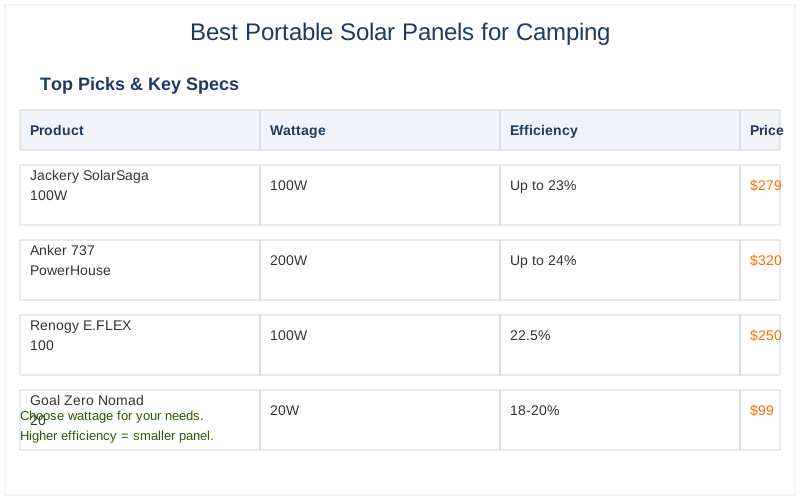
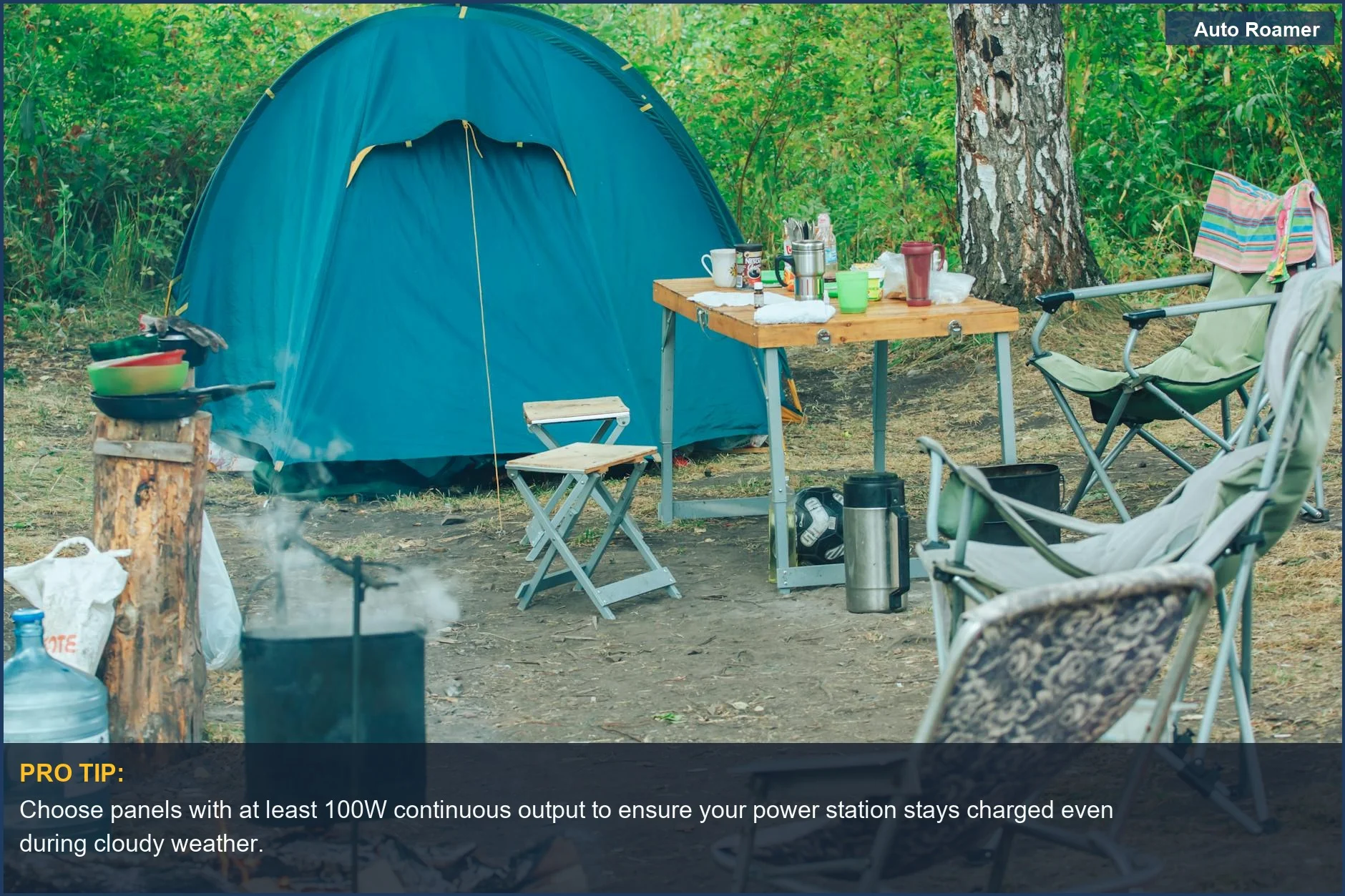
I've seen enough cheap gear disintegrate after a season to know what to recommend. These are the panels that actually hold up, based on real-world use and not just glossy photos. Outdoor Life tested a bunch, and my picks align with what actually performs.
EcoFlow 220W Bifacial Solar Panel
- Output: 220W (front), 155W (rear)
- Efficiency: Up to 23%
- Weight: 20.9 lbs
This thing is clever. Bifacial means it pulls power from both sides, if you can get light on the back. That's a 155W bonus if you set it up right. The Nedes.us review mentions that for pure power, Bluetti PV350 or EcoFlow 220W are top choices. The ETFE coating means UV degradation is less of an issue, improving lifespan.
Jackery SolarSaga 200W
- Output: 200W
- Efficiency: Up to 23.7%
- Weight: 17.9 lbs
Jackery makes reliable stuff. The SolarSaga 200W is a solid workhorse, easy to deploy. Outdoor Tech Lab calls the 100W version the standard, and the 200W just doubles down on that. Good thermal cycling resistance due to its robust frame. The folding mechanism has decent tolerance, so no excessive play that leads to early failure.
Renogy 200W Eclipse
- Output: 200W
- Efficiency: Up to 22%
- Weight: 19.9 lbs
Renogy consistently offers good value without cutting corners on core components. The SolarReviews site gives the RPP200EF-SE-US high marks for value. The junction box is typically well-sealed, which means better circuit integrity against moisture ingress. It's not flashy, but it works.
Bluetti PV350
- Output: 350W
- Efficiency: Up to 23.4%
- Weight: 30.6 lbs
If you need serious juice, the PV350 delivers. This is for running bigger loads, like a small freezer or charging multiple devices simultaneously. It's heavier, so consider the mechanical stress on your back. The increased surface area means more solar cells, which means higher potential output, but also more points for potential micro-cracks from impact.
Budget vs Premium Options
Cheap vs. Solid: Where Your Money Really Goes
Don't fall for the 'premium' label when it just means a shinier sticker. I've seen $100 panels that last longer than $400 ones because the cheap one used decent wiring. It's all about material properties and manufacturing tolerances. Wirecutter's reviews often highlight the balance of power and durability.
| Feature | Budget Options (Typical Failure Modes) | Premium Options (Engineering Advantages) |
|---|---|---|
| Panel Frame | Thin aluminum, high shear stress concentration at corners. Rivets instead of bolts. Prone to bending and cracking with minimal impact. | Thicker anodized aluminum, reinforced corners. Stainless steel hardware. Better resistance to fatigue from thermal cycling and transport vibration. |
| Solar Cells | Lower efficiency polycrystalline. Micro-cracks from poor handling during assembly. Rapid degradation under UV exposure if cheap PET coating. | High-efficiency monocrystalline. Robust encapsulation, often ETFE film for superior UV and abrasion resistance. Consistent output over years. |
| Junction Box | Flimsy plastic, poor seal. Connectors often have high contact resistance, leading to localized heating and outgassing of plasticizers. Circuit integrity compromised by moisture. | IP67 rated, robust housing. High-quality diodes with low forward voltage drop. Proper strain relief on cable entries. Maintains circuit integrity in harsh conditions. |
| Cables & Connectors | Thin gauge wire, PVC insulation with low temperature rating. Loose-fitting MC4 knock-offs with high contact resistance. Voltage drop under load. | UV-resistant, thicker gauge copper wire. Genuine MC4 connectors with low contact resistance (sub-0.5 milliohms). Minimal power loss. |
| Kickstands | Flimsy plastic or thin metal, small pivot points. Prone to bending or snapping in wind, leading to panel damage. High failure-rate. | Sturdy, adjustable aluminum legs with wide footprint. Secure locking mechanisms. Designed for repeated deployment and wind loads. |
| Charge Controller (if integrated) | PWM (Pulse Width Modulation) instead of MPPT. Less efficient power conversion. Can't handle wide voltage swings. | MPPT (Maximum Power Point Tracking) for up to 20% better efficiency. Handles variable light conditions, maximizing power transfer to the battery. TechRadar highlights efficient power delivery. |
You're paying for engineering, not just wattage. Better materials mean less thermal cycling fatigue and better resistance to mechanical stress. It's a simple physics equation.
Setup and Installation Tips
Get It Working: No-Fuss Setup
Setting up a solar panel isn't rocket science, but there are definitely ways to do it wrong. I've seen panels aimed at the ground and people wondering why their battery isn't charging. It's about maximizing photon capture and minimizing resistive losses. Outdoor Tech Lab talks about field-tested gear, and getting it set up right is half the battle.
-
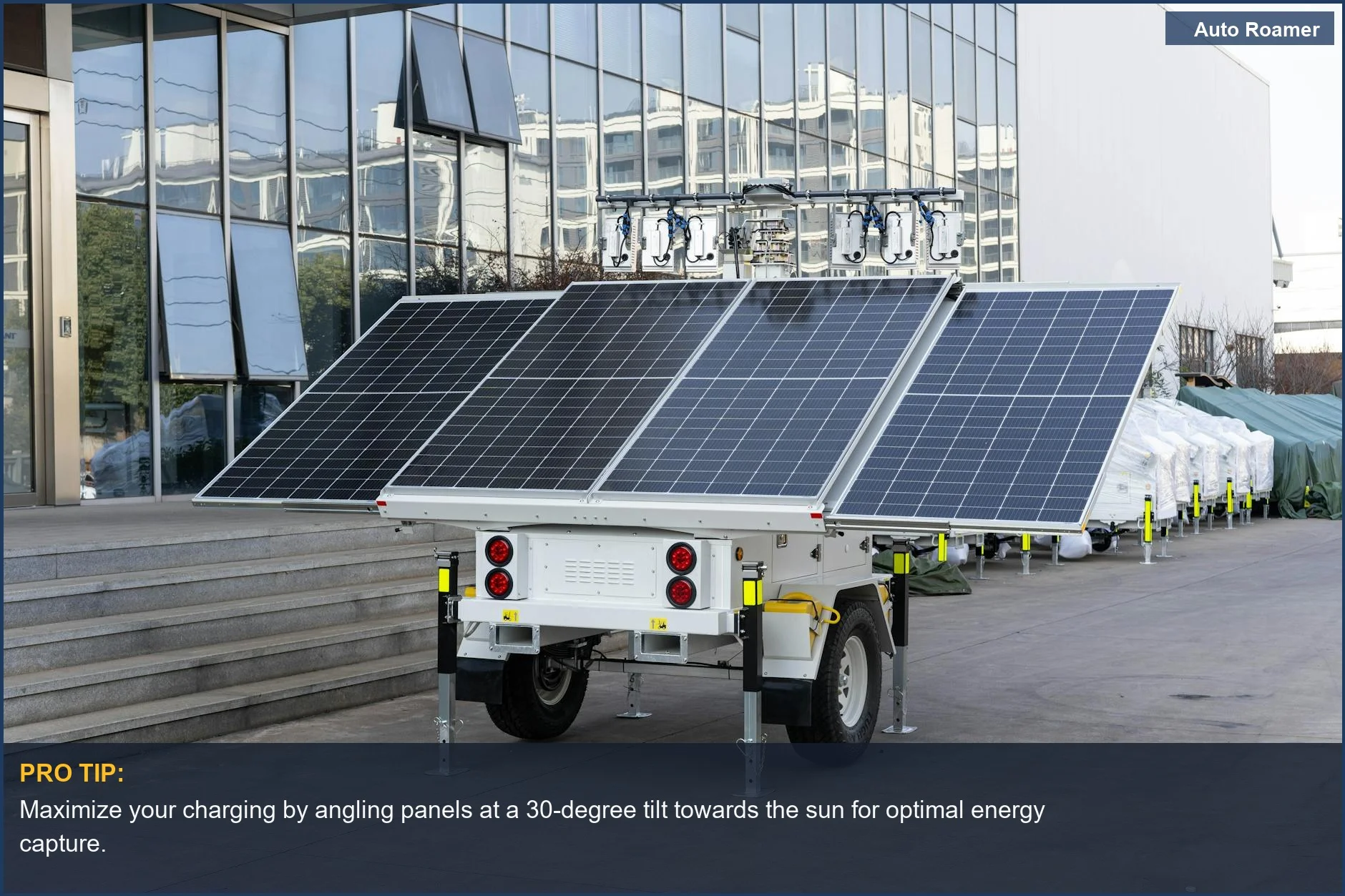
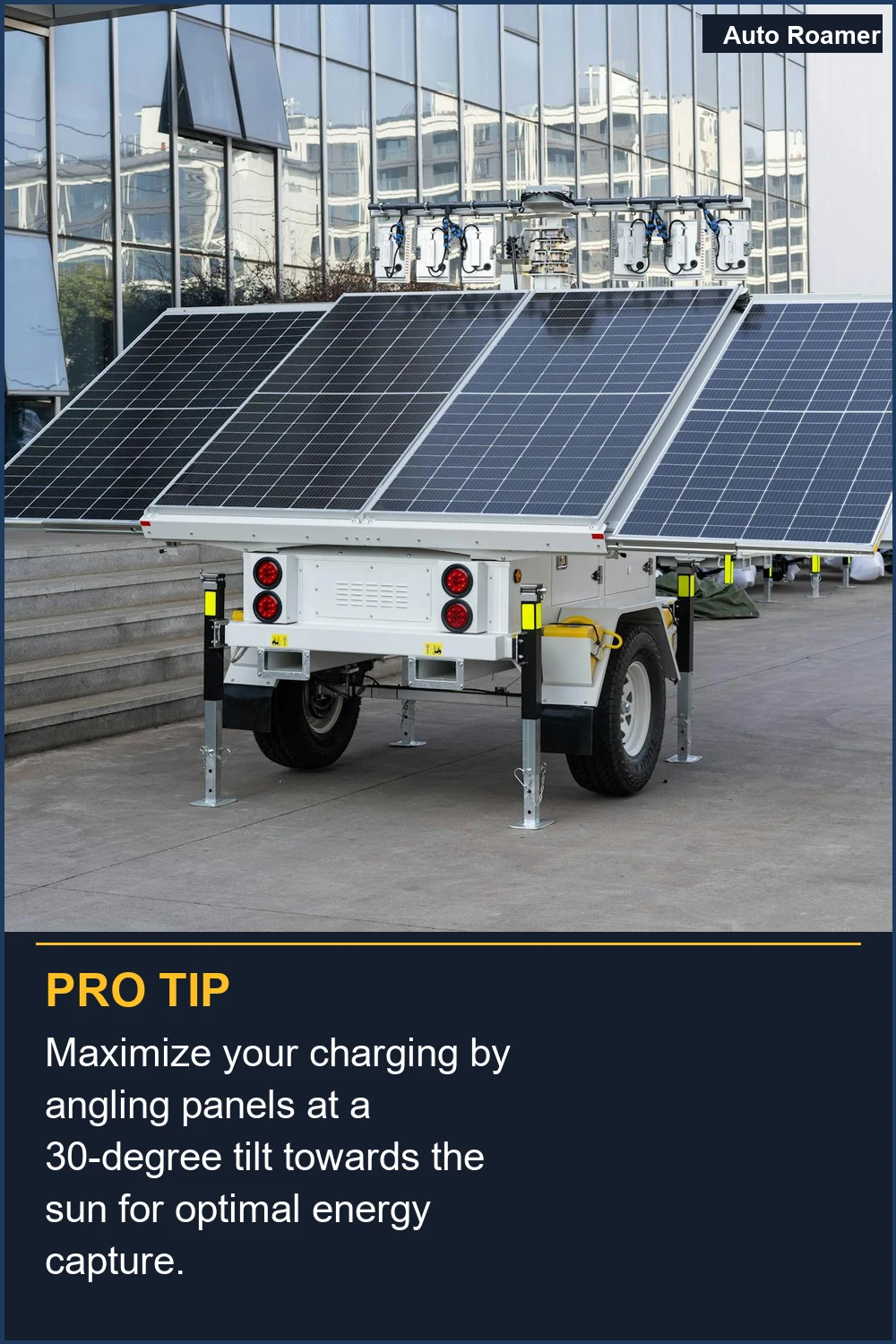
Unfold and Position: Lay the panel flat, then deploy the kickstands. Aim it directly at the sun. Ninety degrees to the incident light. Every degree off is lost wattage. Adjust for the sun's path every couple of hours if you want maximum efficiency. This isn't set-and-forget unless you like minimal output.
-
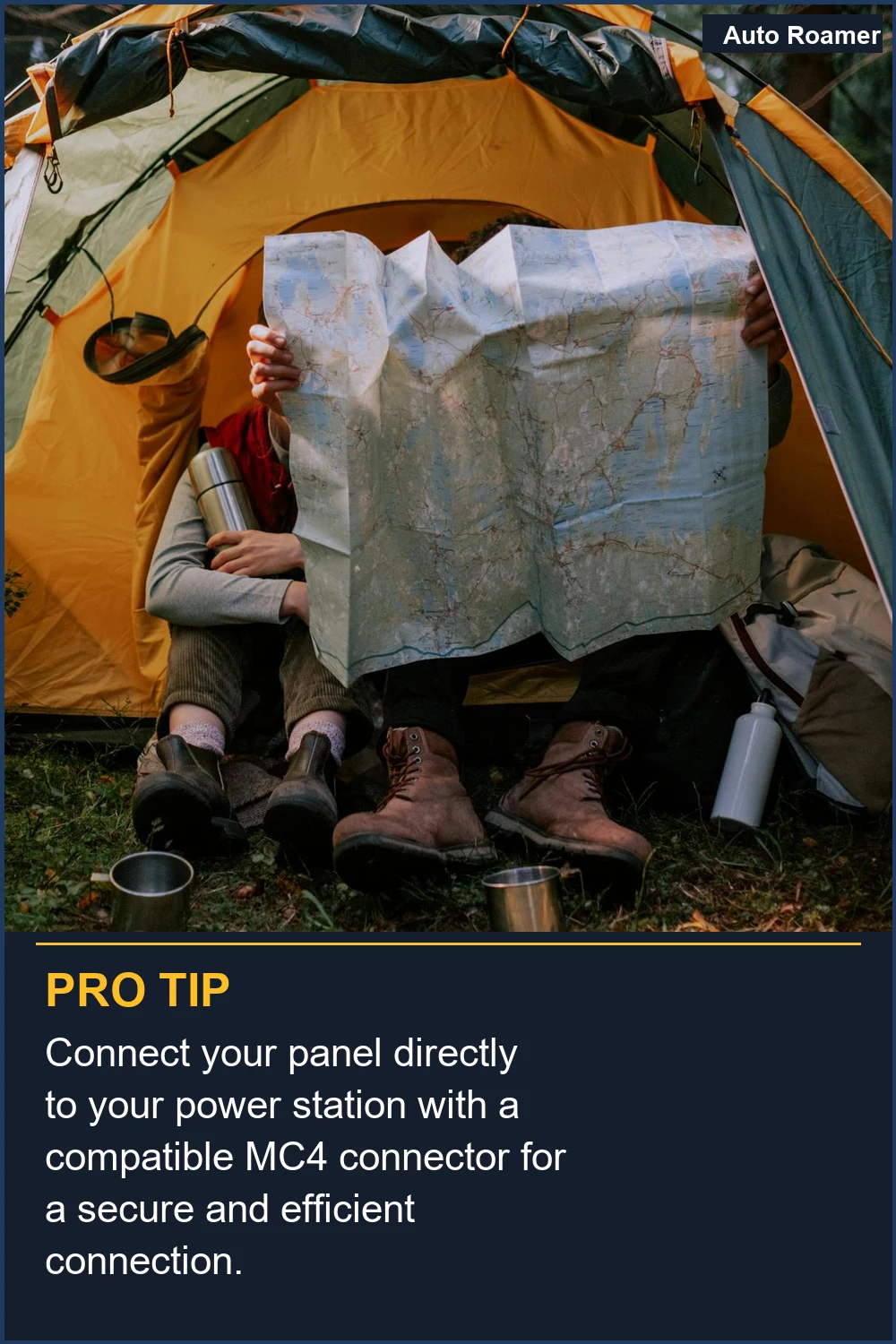
Connect to Power Station: Plug the panel's output cable (usually MC4) into your power station's solar input. Make sure the polarity is correct if you're using adapter cables. Reversing it won't necessarily blow a fuse immediately, but you'll get zero charge and potentially damage internal rectifier diodes over time. Check the voltage on the panel with a multimeter before connecting if you're unsure.
-
Check Power Station Display: Your power station should show an input wattage. If it's zero, recheck connections. If it's low, adjust the panel's angle. Wind can cause micro-vibrations, leading to intermittent contact if your connectors have too much play. Shim them if you have to.
-
Secure Against Wind: Use guy lines or weights if it's breezy. A 200W panel has a surface area of about 1.5 square meters. A 20 mph wind generates significant lift and shear force on the kickstands. I've seen panels get airborne and shatter. Zip-tie to something solid if you have to. Flexible panels are less susceptible to wind but still need securing.
Care and Maintenance Tips
Keep It Running: Simple Care, Long Life
Portable solar panels aren't delicate flowers, but they aren't bricks either. Ignore basic maintenance and you'll see a drop in efficiency, then a drop in output, then a completely dead panel. It's all about preventing degradation of the active components and connections. Reddit threads are full of people asking why their panel died early.
-
Clean the Surface: Dust, pollen, bird droppings - anything opaque on the panel surface reduces solar cell efficiency. Use a soft, damp cloth. Don't use abrasive cleaners; they'll scratch the ETFE or glass coating, increasing light scattering and reducing photon capture. A 10% reduction in light transmission means a 10% loss of power.
-
Inspect Cables and Connectors: Look for cracked insulation, bent pins, or corrosion. UV exposure degrades plastic over time, making it brittle. High resistance at a connection point causes localized heating, accelerating degradation. Replace compromised cables immediately; a short circuit is a bad day.
-
Check for Physical Damage: Look for dings, dents, or cracks in the frame or panel surface. Even tiny micro-cracks in the cells can reduce output over time due to increased internal resistance. Pay attention to the hinges on folding panels - they're high-stress points.
-
Proper Storage: Store in a dry, cool place away from direct sunlight when not in use. High temperatures accelerate material degradation. Avoid stacking heavy objects on top; mechanical stress from uneven loads can cause cell damage. Keep it in its original carrying case if it came with one; that's usually designed to protect it.
Final Recommendations
The Verdict: Power When You Need It
Don't overthink it, but don't under-spec it either. A portable solar panel and power station combo is about reliable, silent power when the grid isn't an option. It beats a noisy, gas-guzzling generator on every metric except raw peak power. Popular Mechanics agrees these systems are crucial for outages and outings.
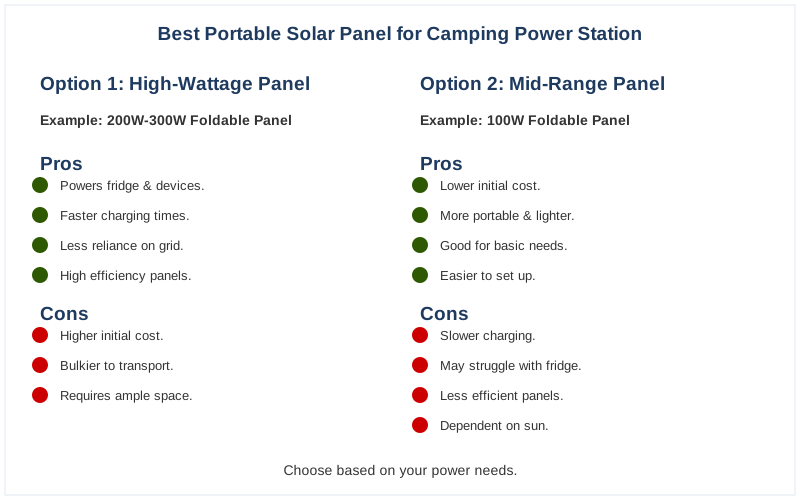
- For Light Use (Phones, Laptops): A 100W panel like the Jackery SolarSaga 100W is sufficient. It's lightweight, easy to deploy, and will keep your small electronics topped off.
- For Moderate Use (Fridge, Lights): A 200W panel, like the EcoFlow 220W or Renogy 200W Eclipse, is the sweet spot. It balances portability with enough output to run a small fridge for extended periods. This is my go-to for typical camping trips.
- For Heavy Use (Multiple Appliances, Extended Trips): Go for a 300W or 350W panel, like the Bluetti PV350. You'll need the extra wattage to keep up with higher power demands, especially if you're running an AC appliance via the inverter. Just remember the added weight and mechanical stress on the frame.
- Always Match Your Panel to Your Power Station: Check the input voltage and current limits of your power station. Over-volting will fry the MPPT controller. Undersized panels mean you're just not getting the juice you paid for.
My final recommendation: buy the most efficient panel you can afford within your wattage needs. Higher efficiency means less physical size for the same output, which translates to easier transport and less mechanical stress on the components. It's a simple optimization.
Frequently Asked Questions
Can I just use any old car battery and a cheap inverter instead of a dedicated power station? It's like $100 vs $500.
Do I really need a fancy MPPT charge controller, or is a basic PWM controller fine for my portable panel?
What if my panel isn't charging my power station, even though the sun is out?
Can leaving my portable solar panel out in the rain permanently damage it?
My buddy told me to just point the panel generally towards the sun. Is aiming it perfectly really that big of a deal?
🏅 Looking for Gear Recommendations?
Check out our tested gear guides for products that work with this setup:
Sources
- 200W Portable Solar Panel for Power Station Generator, 12V/24V ...
- Best portable power stations: Reliable off-grid power & backup
- The 8 Best Portable Power Stations for Outages and Outings
- Best Portable Solar Panels for Camping & RVs (2026 Guide)
- The 5 Best Portable Power Stations of 2026, Tested and Reviewed
- Best Solar Camping Gear 2026: 7 Field-Tested Picks
- The Best Portable Solar Panels for 2025 – SolarReviews
- Looking for the best portable power station 2026 for actual multi-day ...
- The 3 Best Portable Power Stations of 2026 | Reviews by Wirecutter
- The Best Power Stations of 2026 - Outdoor Gear Lab