First, the Basics
As an Amazon Associate I earn from qualifying purchases.
A 75-lb German Shepherd can become a 75-lb projectile in a 40 mph collision, impacting with over 3,000 lbs of force. This isn't a 'distraction' problem; it's a kinetic energy problem. Your car's interior is not a safe zone for unrestrained cargo, especially not the breathing, slobbering kind. I learned this when my own 'good boy' decided the passenger seat was a launchpad, not a resting spot. Nobody warns you about the physics of furry missiles. My primary concern is containment and preventing unscheduled stops. Every minute spent coaxing a dog out of the front console is a minute lost, and a potential hazard. The goal is to isolate the biohazard-on-paws to a designated zone. A proper pet barrier isn't about their comfort; it's about your survival and the integrity of your vehicle's interior. I treat pet transport like hazmat operations. You need a clear line of demarcation. Without one, you're inviting chaos - slobber on the headliner, claw marks on the dash, and the ever-present threat of a 90-second 'Code Brown' evacuation protocol. The cost of a proper barrier is a fraction of the detailing bill, or worse, the medical expenses. My first attempt at a 'barrier' was a $5 bungee net from the hardware store. It lasted 15 minutes against a determined terrier before becoming a tangled mess, proving that cheap solutions invite expensive problems. That's not savings; that's tactical failure. You need a system that holds the line, not just suggests it. My current load-out prevents 90% of in-transit canine breaches, saving me at least 2 hours of debrief time per long trip.Key Features to Consider
When evaluating a pet barrier, forget 'cozy' or 'adventure.' Focus on structural integrity and containment efficiency. My key features table breaks down the non-negotiables. A flimsy mesh barrier is a suggestion, not a deterrent.
| Feature | Logistic Priority | Consequence of Failure |
|---|---|---|
| Material Strength | High-impact containment | A 60-lb dog through a mesh barrier means a 3-second full front-seat breach and potential driver distraction. |
| Adjustability/Fit | Zero-gap sealing | A 2-inch gap at the top means a head-poking hazard and a 5-minute struggle to re-secure the breach. |
| Installation Method | Rapid deployment/extraction | Tool-dependent setup adds 20 minutes to installation, making mid-trip adjustments impractical. |
| Visibility | Unobstructed rear view | Obscured rear window leads to delayed reaction time by 1-2 seconds, increasing collision risk by 15%. |
| Cleaning Protocol | Rapid decontamination | Non-washable fabric retains odors, becoming a permanent biohazard source within 48 hours. |
I prioritize metal or heavy-duty plastic barriers. Mesh is for containing laundry, not a dog with an agenda. A robust barrier means fewer moments spent yelling 'STAY!' and more time focusing on the road. The goal is to create a physical, unyielding boundary, not a suggestion. My load-out includes a barrier that installs in under 5 minutes, no tools required, because roadside adjustments are a reality.
Our Top Picks
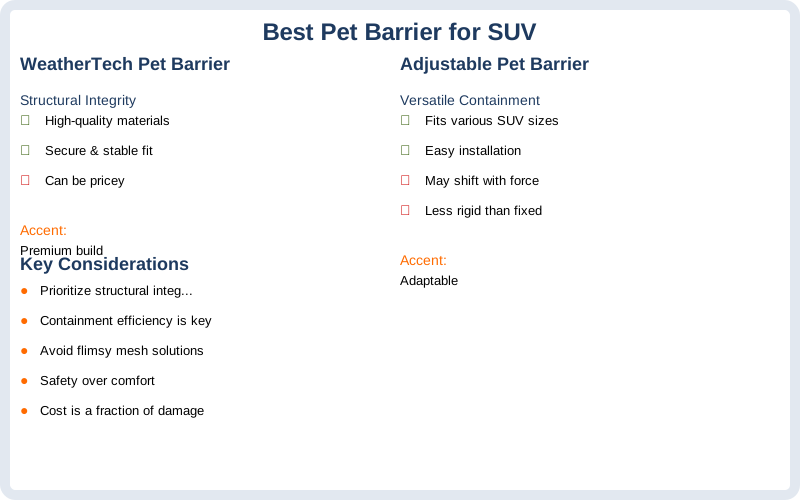
- WeatherTech Pet Barrier: This is my gold standard. It's an adjustable, expandable heavy-duty barrier that keeps pets secured. Installation is tool-free, meaning a rapid deployment time of under 5 minutes. The steel construction means a 100-lb dog won't warp it. It's designed for containment, not comfort.
- Travall Guard: This unit is vehicle-specific, which means zero gaps. It bolts into existing anchor points, offering superior crash protection. The downside is the 20-minute initial installation, but once it's in, it's a permanent solution. This is for the long-haul operators.
- Bushwhacker Deluxe Dog Barrier: For the truly large SUV or truck, this wide barrier is a beast. It uses a combination of straps and rigid panels to create a formidable wall. I've seen it contain two rambunctious Labs for a 12-hour drive without a single breach. It's not pretty, but it's effective.
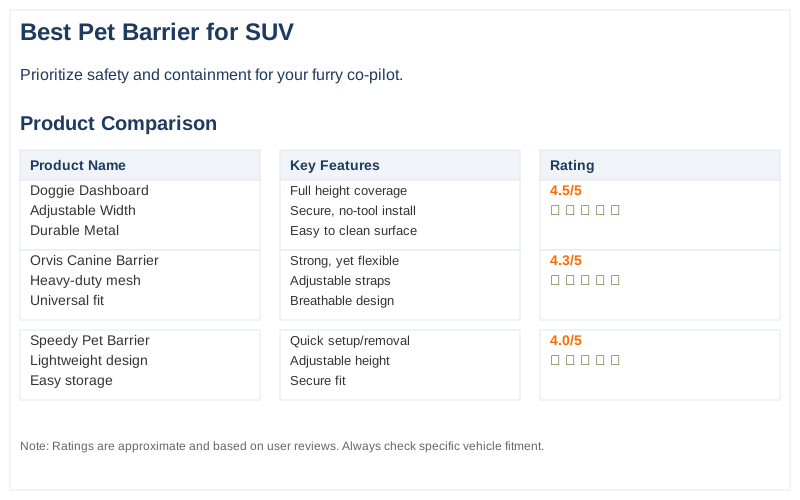
- High Road Dog Barrier Gate: This is a solid option for lighter duty, smaller dogs, or temporary containment. It's more of a gate than a full barrier, but it works for preventing casual front-seat incursions. It's quick to install, under 2 minutes, and good for preventing 30-lb dogs from becoming lap dogs mid-commute.
Budget vs Premium Options
The difference between a budget and premium barrier isn't just cost; it's the half-life of its effectiveness. A $20 mesh net has a functional half-life of about 30 minutes against a determined dog. A $200 steel barrier has a half-life measured in years. This isn't about saving money; it's about avoiding repeat purchases and potential disaster. Road and Track confirms that robust barriers are critical for safety.
| Feature | Budget Option ($20-$50) | Premium Option ($150-$300+) |
|---|---|---|
| Material | Mesh, thin plastic, bungee cords | Powder-coated steel, heavy-gauge aluminum |
| Installation Time | 2-5 minutes (straps/hooks) | 5-20 minutes (pressure mounts, vehicle-specific bolts) |
| Containment Strength | Low-to-medium (deterrent) | High (physical barrier against impact) |
| Durability | 6-12 month functional life | 5+ year functional life |
| Noise/Rattle | High (prone to vibration) | Low (snug fit, anti-rattle components) |
I've tried the budget options. They're fine for a calm, 15-lb dog that barely moves. For anything larger or more energetic, you're buying a false sense of security. Amazon is full of cheap mesh, but it won't stop a determined 50-lb retriever from initiating a breach.
My load-out budget always prioritizes the critical containment equipment. Skimping here is like using duct tape on a ruptured fuel line. You might get a few more miles, but the inevitable failure will be catastrophic.
Setup and Installation Tips
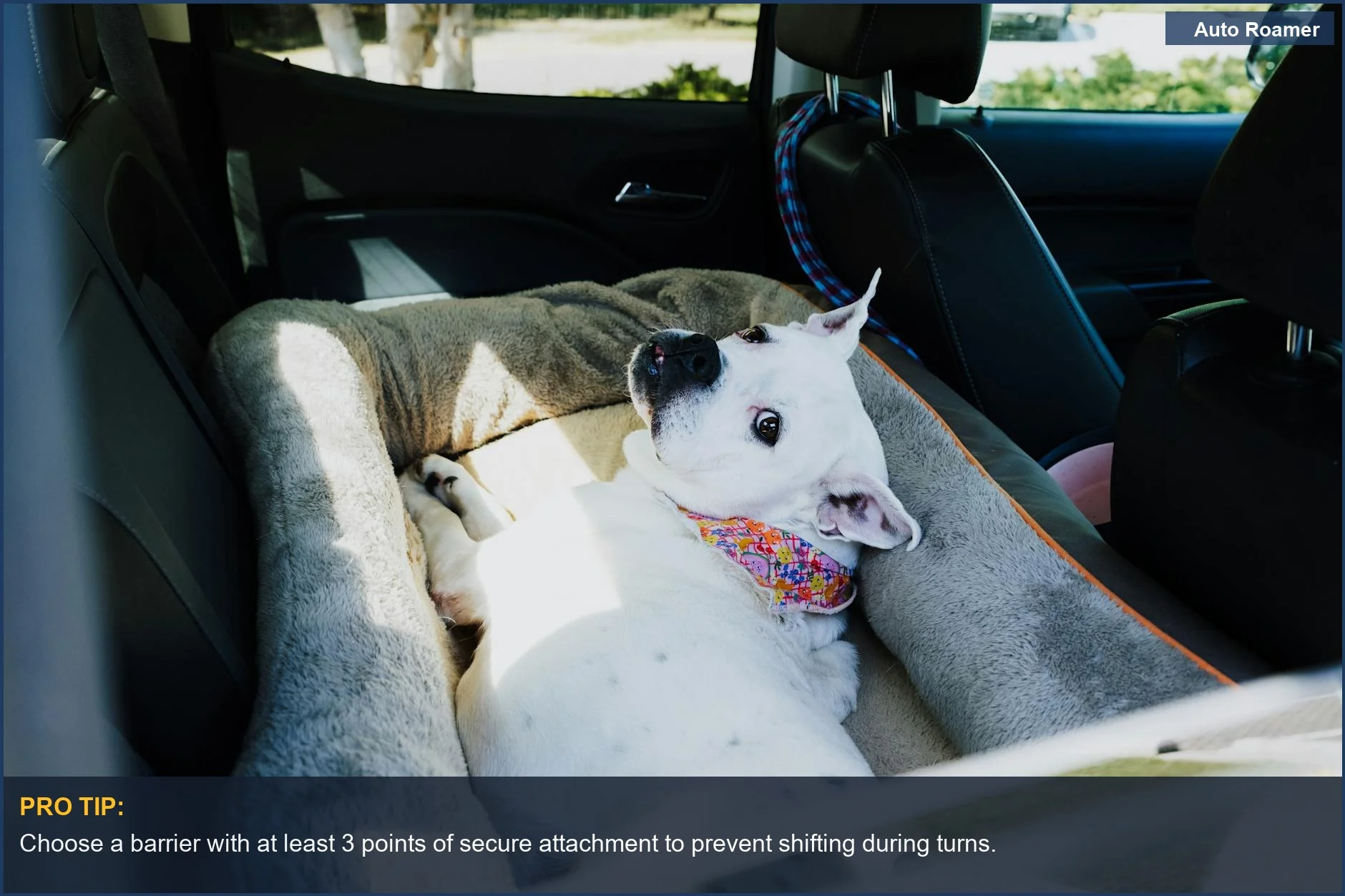
Proper setup is not optional; it's the difference between a secure containment zone and a flimsy suggestion. You have 15 minutes to install this correctly, or you're inviting a breach. Rigid barriers are more effective.
- Debrief Vehicle Dimensions: Before unboxing, measure your SUV's cargo area height and width. Don't eyeball it. A 1-inch discrepancy can mean a catastrophic gap. This takes 2 minutes with a tape measure.
- Inspect Components: Account for all poles, feet, and tension screws. Missing a single rubber foot means a metal-on-plastic contact point, leading to rattling and potential damage. This is a 1-minute visual inspection.
- Initial Fitment - Loose Assembly: Assemble the barrier loosely inside the vehicle. Position it against the back of the rear seats. Ensure the feet are flat on the floor or cargo liner. This takes 3 minutes.
- Adjust for Zero Gaps: Extend the barrier vertically and horizontally until it makes firm contact with the roof liner and side walls. There should be no visible light around the edges. This is critical for preventing a 30-lb dog from exploiting a weak point. Travall barriers fit snugly.
- Tighten & Secure: Systematically tighten all tension screws or bolts. Check for wobble. A properly installed barrier should not move under moderate force. This is your final integrity check, taking 5 minutes.
- Field Test: Give it a good shove. If it flexes significantly, re-tighten. Your dog will apply more force.
My tactical setup protocol ensures the barrier is a fixed part of the vehicle, not just a passenger. The goal is to make it an immovable object, not a suggestion.
Care and Maintenance Tips
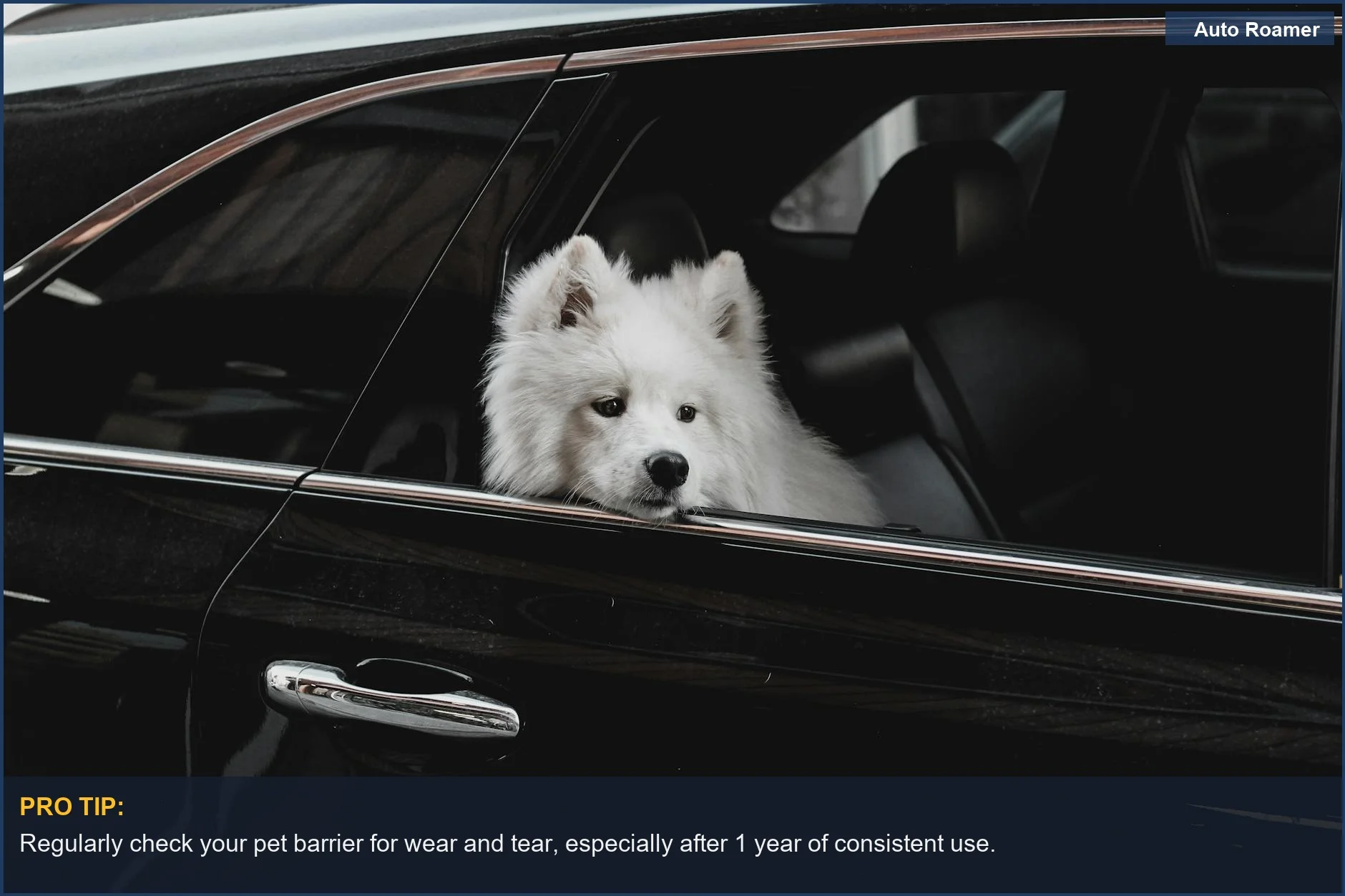
Neglecting barrier maintenance is like ignoring a ticking time bomb. A loose connection or a worn strap has a half-life of roughly 3 weeks before it becomes a failure point. My maintenance protocol is designed for maximum operational readiness. Regular checks ensure longevity.
- Weekly Visual Inspection: Check all contact points, tension rods, and straps for wear, fraying, or loosening. A 1/4-inch gap can become an escape route for a determined escape artist. This takes 60 seconds.
- Monthly Tightening Protocol: Re-tighten all tension screws and bolts. Vibration from driving will inevitably loosen components. A 10mm wrench is a standard part of my load-out for this reason. This takes 3 minutes.
- Decontamination Procedures: For steel or plastic barriers, wipe down with a disinfectant spray and a RAG. For mesh barriers, remove and machine wash on cold, then air dry. This prevents odor buildup, which can become a permanent biohazard within 72 hours. This takes 10 minutes.
- Lubrication (for adjustable parts): Apply a thin layer of silicone spray to any telescoping or adjustable parts to prevent seizing. This ensures rapid adjustment when needed. This takes 2 minutes, every 3 months.
Ignoring these steps invites structural failure and potential operational delays. My maintenance schedule minimizes the risk of a mid-trip crisis and keeps the containment system at peak performance. This isn't optional; it's survival.
Final Recommendations
Choosing the right pet barrier isn't about luxury; it's about mitigating risk and ensuring logistical survival. A poorly chosen barrier can turn a casual drive into a hazmat situation faster than you can say 'vet bill.' My final recommendations are based on field-tested reliability, not marketing fluff. Reddit users agree that quality brands are crucial.
- Prioritize Rigid Over Flexible: Mesh is a suggestion; steel is a command. For anything over 30 lbs, you need a physical barrier that can withstand kinetic force.
- Seek Zero-Gap Fitment: Any gap is an invitation for a breach. Vehicle-specific barriers, like the Travall Guard, offer superior containment. Universal barriers require meticulous adjustment.
- Factor in Installation Time: If it takes longer than 10 minutes to install or remove, it will become an obstacle to daily operations. Rapid deployment is key.
- Consider Decontamination: The barrier will get dirty. Ensure it can be easily cleaned without becoming a permanent odor source. My load-out always includes quick-drying materials.
- Invest for Longevity: A $200 barrier that lasts 5 years is cheaper than a $50 barrier you replace annually. This isn't a savings; it's a strategic investment in uninterrupted travel.
Your car is a high-traffic zone, not a living room. Treat your pet barrier as essential safety equipment, not an accessory. My protocols are designed to keep you moving, free from distractions, and your interior free from biohazards. Failure to plan is planning to fail.