First, the Basics
A portable jump starter is a compact power bank designed primarily to revive a dead car battery. These devices have become increasingly popular for their emergency capabilities, but many people wonder about their secondary functions. Specifically, can these automotive lifesavers also double as a charger for your everyday electronics, like your phone? It's a fair question when you're looking at packing gear for a trip or just want to consolidate your emergency kit.
The honest version is that most of them can, but it's not their main gig and there are things to know. Understanding the Basics of these units clarifies their dual potential.
The Core Answer
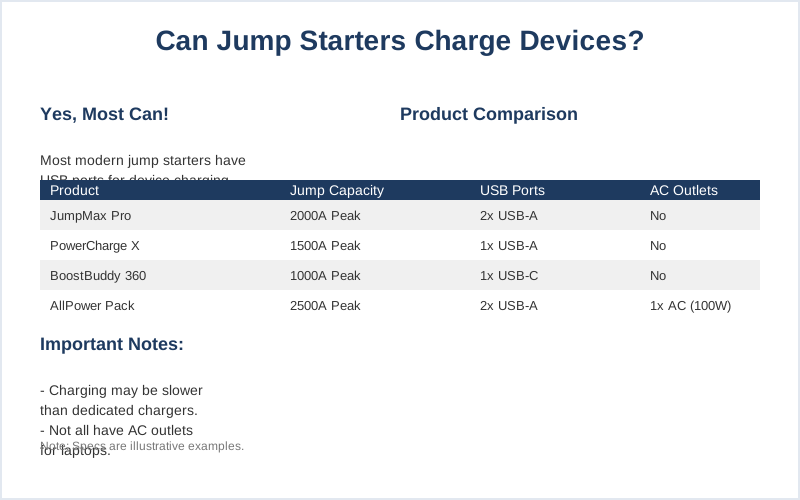
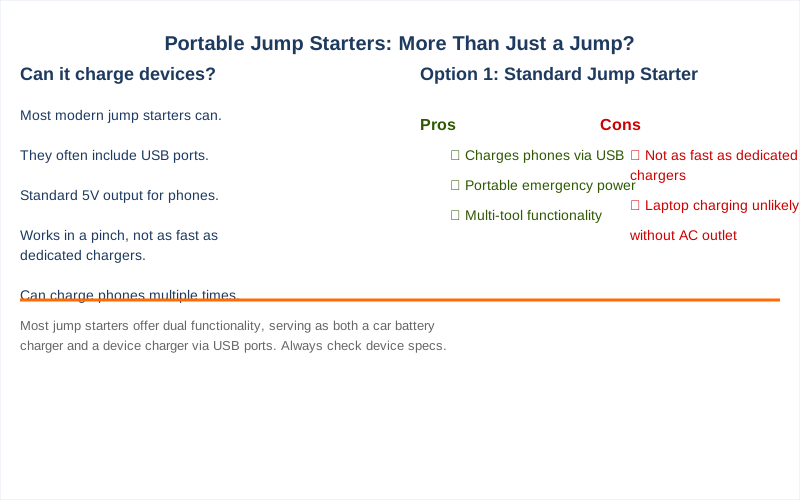
The core answer is a resounding 'yes, usually,' but with important caveats. Most modern portable jump starters have built-in USB ports, and that's the magic ticket for charging your phone or other gadgets. Think of it like this: the same battery that can surge enough power to crank your engine can also deliver a steady stream of juice to your phone. These USB ports typically output 5 volts, which is the standard for charging most mobile devices.
A jump starter can top off a phone's battery on a camping trip when you forget a power bank. It's not as fast as a dedicated wall charger, but it absolutely works in a pinch. My jump pack can charge my iPhone about six times before it needs a recharge itself. That's plenty for a weekend away.
The real move here is that you're not just buying a jump starter; you're often getting a multi-tool for your car. It's like finding out your tire iron can also open a beer bottle. Brilliant engineering, really. Just don't expect it to charge your laptop unless it has a specific AC outlet, which is a rarer feature. Those usually cost more and are a different beast entirely.
The basic USB-charging ones are more common and affordable, often in the $50 to $100 range. Practical tips often highlight this dual functionality. It's a rookie mistake to think it's only for jump-starting. It's a handy backup power source for your essential small electronics. This is why they're showing up in more car emergency kits. It's the $50 version of having a mini power grid in your trunk.
The crucial bit is to remember to charge the jump starter itself when you get home. A dead jump starter is about as useful as a screen door on a submarine. Charge it fully before you need it. The honest version: it's a good backup, not your primary charging station. The power output for charging devices is usually lower than a dedicated power bank. So, while it'll keep your phone alive, it might take longer to get to 100%.
Why This Matters for Your Setup
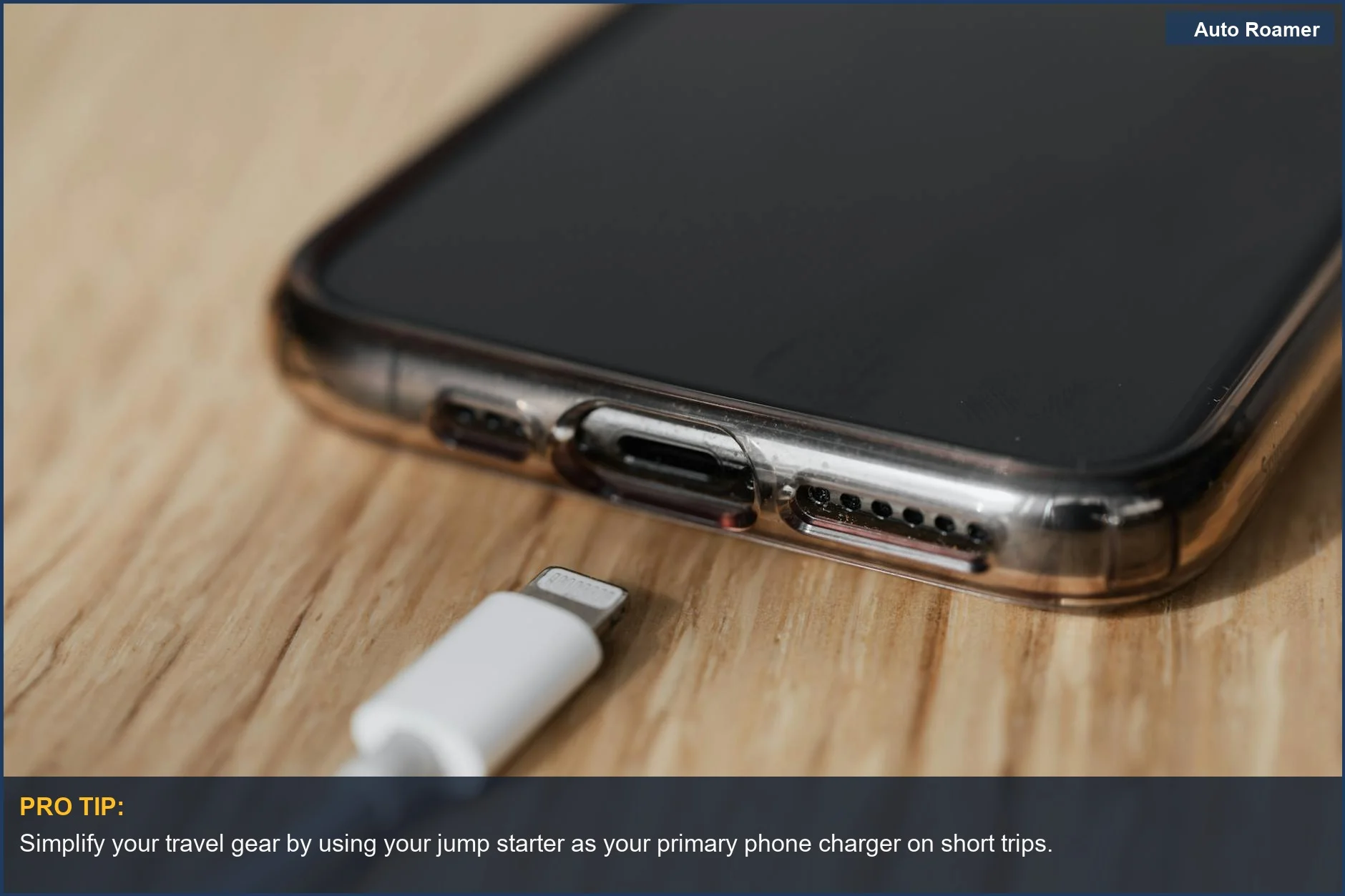
Why does this even matter for your setup? Because it can simplify what you pack. Instead of bringing a separate, dedicated power bank for your phone, your jump starter can potentially cover both bases. This is especially true for shorter trips or when you're car camping and don't need to power a lot of devices. A basic camping kit often includes a cooler, a camp stove, and a separate $40 power bank.
My second trip, I realized my jump starter already had USB ports. That saved me a bit of space and weight in the trunk. It's a small win, but those add up. Here's the rundown:
- Consolidation is Key: Fewer gadgets to pack means less to keep track of. Your jump starter can be your car battery defibrillator AND your phone's lifeline. It's a dual-purpose tool.
- Emergency Preparedness: Beyond just starting your car, having a charged jump starter means you can also keep your navigation device or communication tools powered if you're stranded. This is critical if you're relying on your phone for directions or to call for help.
Must-have gear for unexpected situations.
- Cost-Effectiveness: While a dedicated power bank is usually cheaper than a jump starter, if you're buying a jump starter anyway, getting one that also charges devices is a smart move. It's like getting two tools for the price of one, or at least, one primary tool with a useful secondary function. You save money by not buying a separate power bank if your jump starter meets your needs.
A power bank can't jump a car, but a jump starter often can charge your phone.
Making the Right Choice
Making the right choice for your portable power needs depends on your priorities. If your main concern is just jump-starting your car, any unit will do. However, if you want that extra layer of convenience and preparedness for your electronics, look for models with integrated USB ports. It's not always the fastest charging, but it's reliable backup power. Here's what to keep in mind:
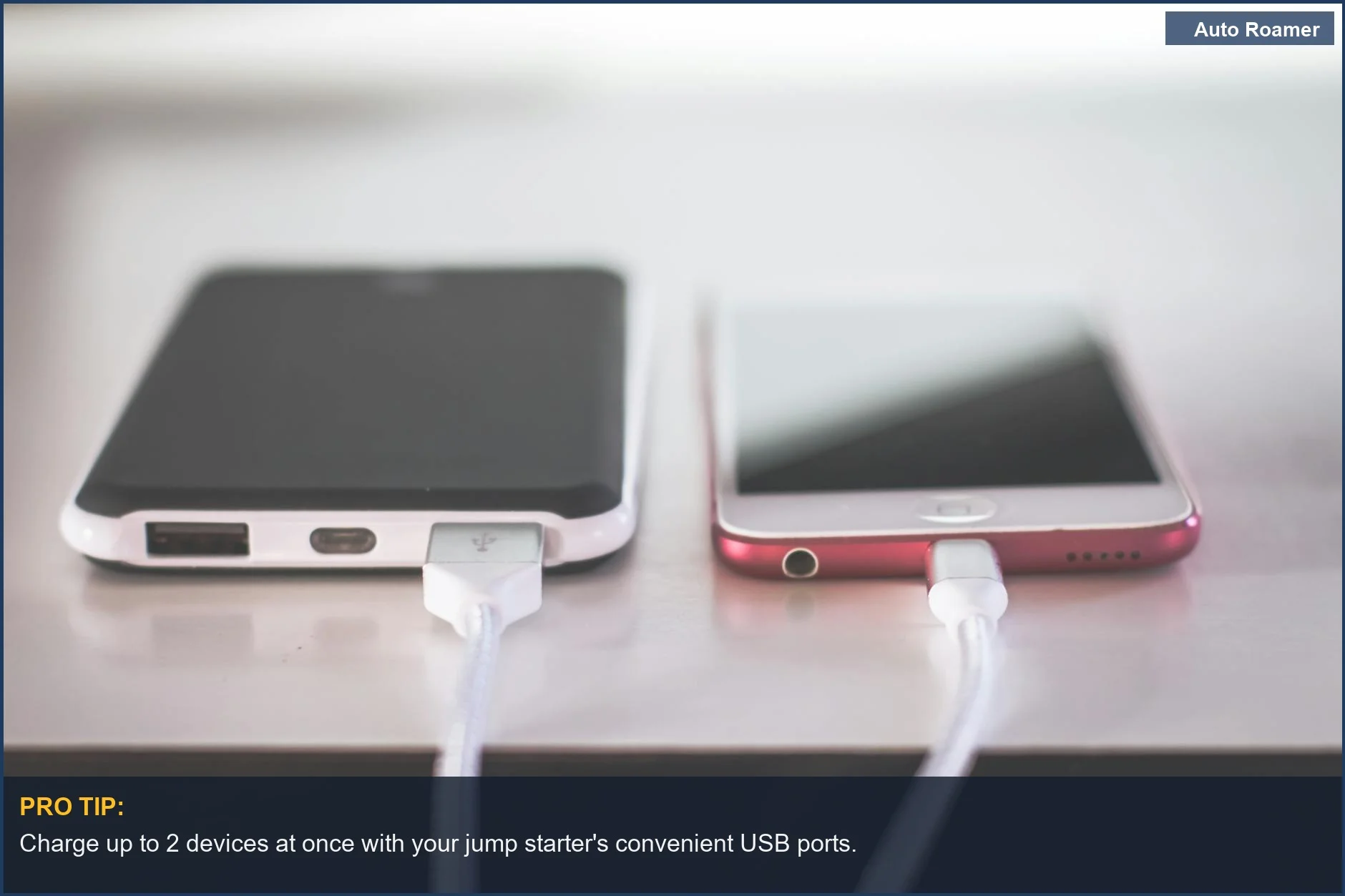
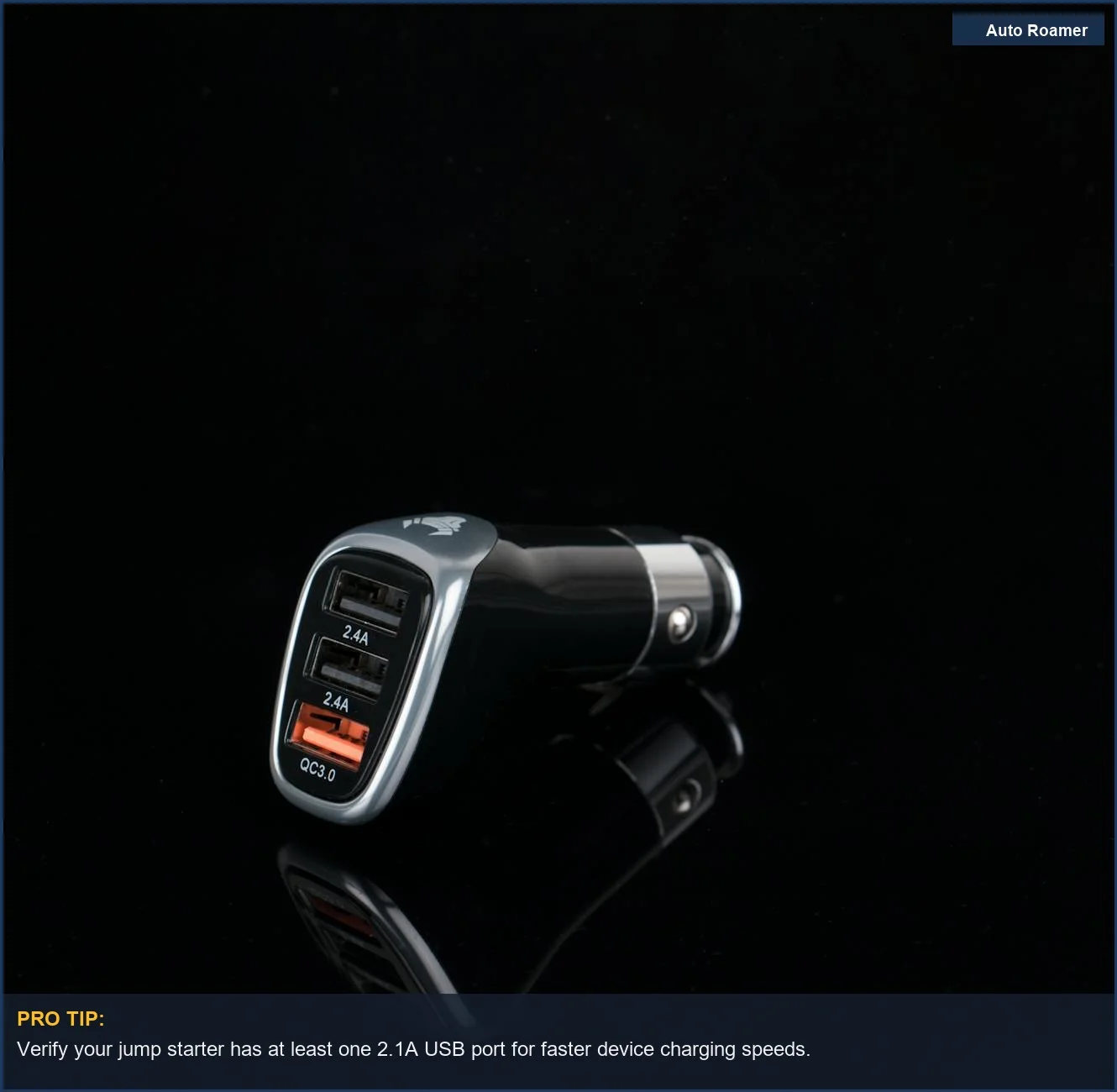
- Check for USB Ports: This is the most obvious feature to look for. Most jump starters designed for cars will have at least one standard USB-A port, and many now include USB-C as well. Verify it has the ports you need.
- Capacity Matters: While jump starters are built for high surge current, their ability to charge devices depends on their internal battery capacity. A larger capacity unit will give you more charges for your phone.
More charges means more peace of mind.
- It's Not a Charger, It's a Jumper First: Remember, these are primarily jump starters. They aren't designed to be the fastest or most efficient chargers for your devices. It's not a substitute for a dedicated power bank if you need to charge multiple devices rapidly. It's the emergency backup, the last resort, the thing you're thrilled you have when your phone is at 2% and you're miles from anywhere.