What You Need to Know
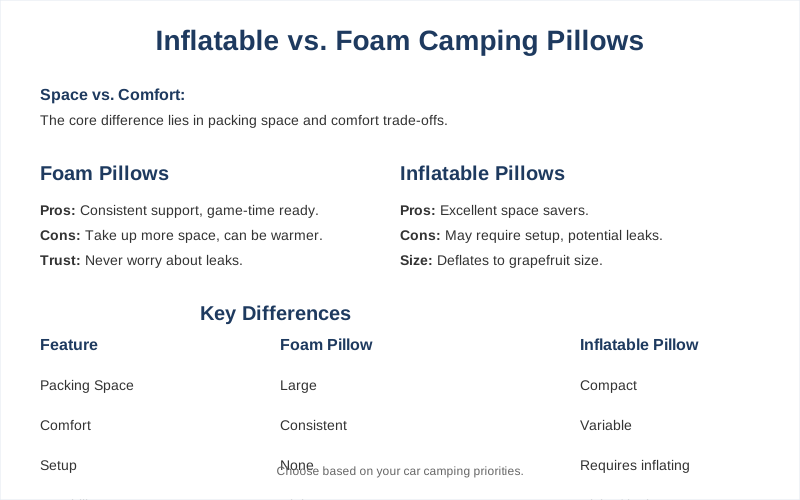
The debate between inflatable and foam camping pillows boils down to how much space you have and how much comfort you're willing to trade for it. One packs down to the size of a rolled-up sock, while the other might take up half your trunk. It's a classic car camping dilemma, and frankly, I've learned more about my neck's needs from these two types than I ever thought possible.
My first attempt at a 'camping pillow' was just a bundled-up fleece jacket from Reddit, and let me tell you, my neck paid the price for that genius idea. This isn't about fancy materials; it's about waking up without feeling like you slept on a bag of rocks.
The Core Answer
Look, the whole point of a camping pillow is to not wake up with your head at a weird angle. I learned this the hard way on a trip to the Adirondacks where I thought my puffy jacket would suffice. Rookie mistake. My neck was stiff for three days. Foam pads are generally denser and offer a more consistent support, kind of like your pillow at home, just usually in a more compact form factor for camping.
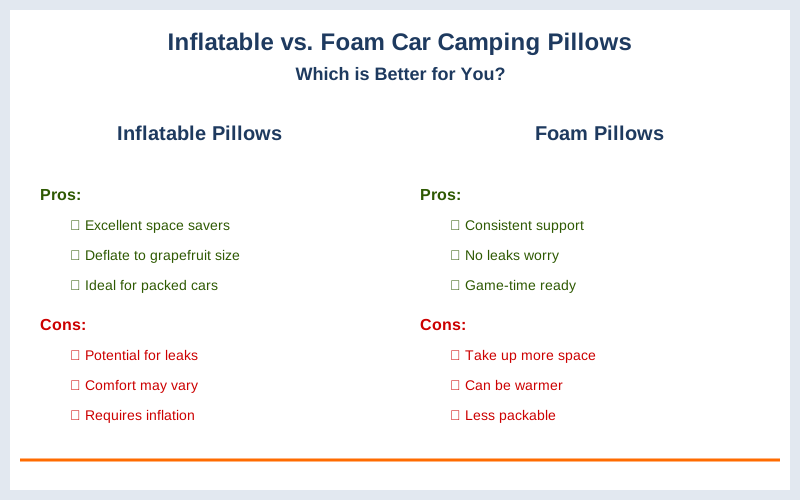
They don't require any effort to set up-you just unroll it or take it out of its stuff sack. It's game-time ready. The downside? They take up more space. I once tried to stuff a rectangular foam pillow into my duffel bag and it was a losing battle. It felt like trying to fit a Thanksgiving turkey into a shoebox. They also tend to be a bit warmer, which can be a pro or a con depending on the weather.
My field notes say foam is more trustworthy; you never have to worry about leaks.
Inflatable pillows, on the other hand, are the space savers. You can usually deflate them down to the size of a grapefruit. This is clutch when your car is already packed to the gills, which is usually my situation. I remember pulling into a campsite in New Hampshire, and my trunk looked like a Tetris game gone wrong. Pulling out a deflated pillow was a lifesaver.
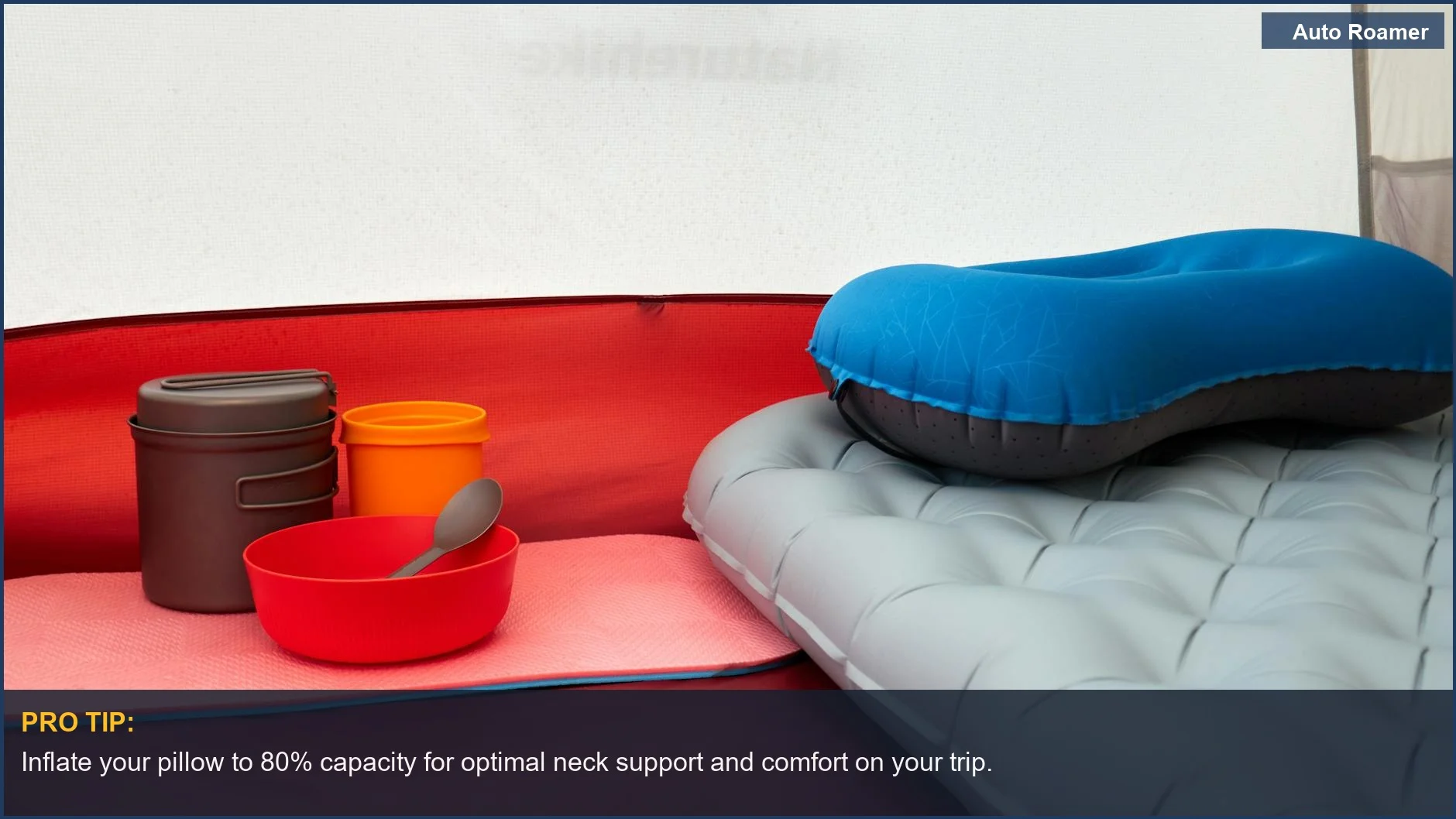
The real move with these is that you can adjust the firmness by adding or removing air. Too firm? Let a little out. Too soft? Blow a bit more in. It's like a personalized air mattress for your head. What nobody tells beginners is that they can feel a bit crinkly when you move, and you have to be careful not to pop them. I had one incident where a sharp rock under my tent caused a slow leak.
Waking up with my head on the tent floor isn't my idea of a great morning. Some people just use their extra clothes, but I find that never works for me. It's either a lumpy mess or slides away by midnight. The honest version is you need something that supports your neck, whether it's an inflatable you can fine-tune or a foam one that just works.
Why This Matters for Your Setup
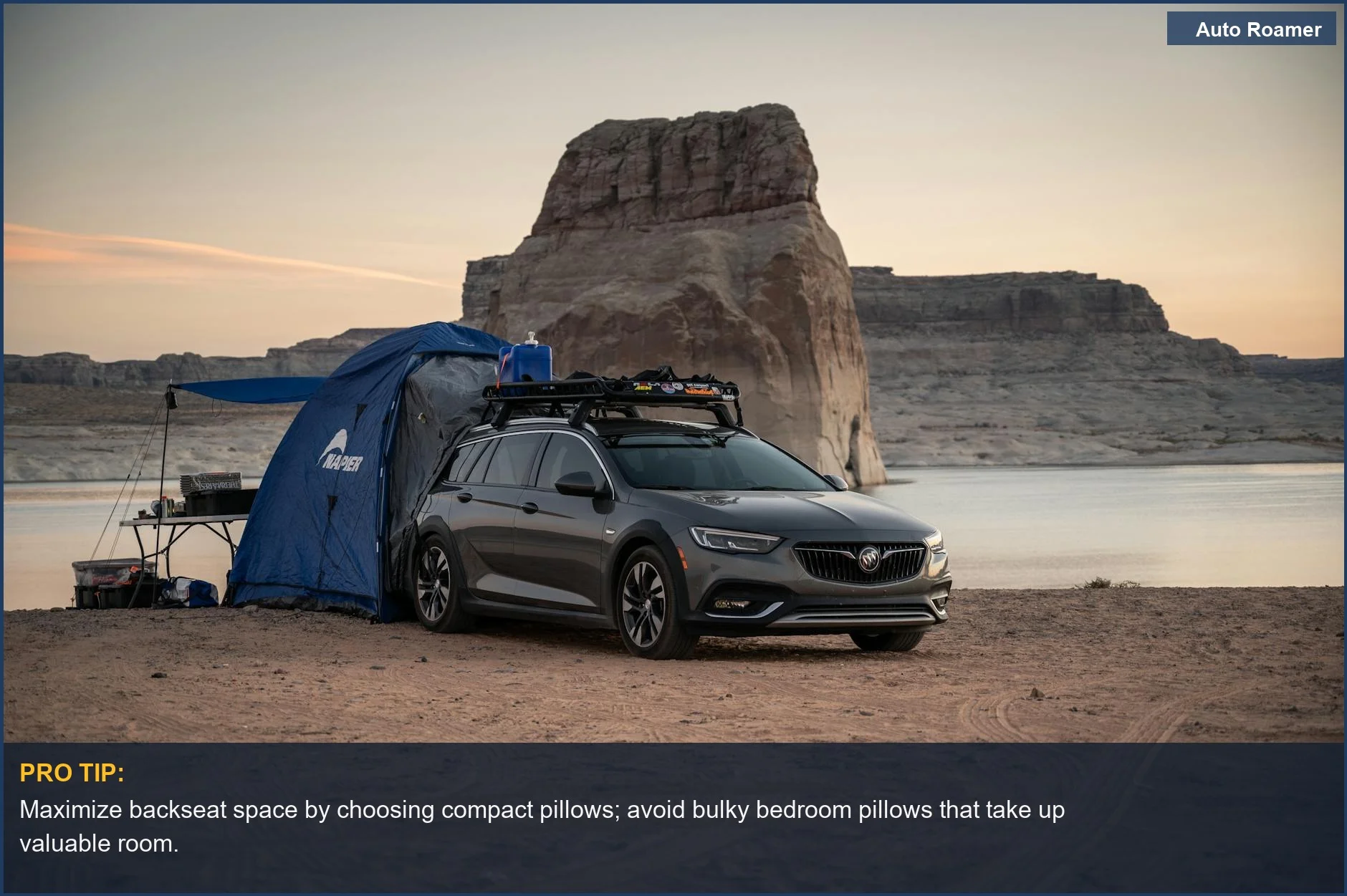
Why does any of this matter when you're just trying to get some sleep in your car? Because the wrong pillow can ruin your entire trip. I once went on a 3-day trip with my buddy, and he brought a giant, fluffy pillow from his bedroom. It took up half his backseat. By day two, he was complaining about how much space it wasted. That's the problem: you have to think about your whole setup.
- Space is King (or Queen): If your car is already packed tighter than a sardine can, an inflatable pillow is your best friend. It deflates down to practically nothing, fitting into a small corner or even a pocket in your backpack. I've seen people strap bulky foam pillows to the outside of their car, looking like they're moving houses.
- Comfort Customization: Inflatable pillows let you dial in your perfect firmness. Too much air and it's like sleeping on a balloon; too little and you're basically on the floor. You can adjust it on the fly. My first car camping pillow was a cheap inflatable that deflated by 3 AM. Not ideal.
- Durability vs. Risk: Foam pillows are generally more durable and less prone to failure. You don't have to worry about punctures. However, they are bulkier. Inflatables are lighter and pack smaller, but there's always that slight risk of a leak or puncture. I learned this lesson the hard way during a rainstorm in Vermont.

Making the Right Choice
So, how do you pick the right one for your next car camping adventure? It really comes down to your personal priorities and how much gear you're already hauling.
- Prioritize Space: If you're constantly battling for trunk space or have a smaller vehicle, an inflatable pillow is likely your best bet. It's the $50 version of waking up refreshed without sacrificing precious cargo room.
- Prioritize Simplicity and Comfort: If space isn't your primary concern and you want something straightforward that offers consistent support, a foam pillow is a solid choice. They're the no-fuss option for maximum comfort. I've seen people bring their favorite couch pillow, which is a bit much, but understandable. The goal is comfort, whatever form that takes.
- Consider Your Sleep Style: Side sleepers often prefer thicker, more supportive pillows, which both types can offer if chosen correctly. Back sleepers might be more flexible. My personal experience is that a pillow that's too thin is worse than no pillow at all.