
Car Camping Water Dispenser vs. Gravity Filter: Which is Best for You?
My first car camping trip involved a $47 Walmart foam pad and a sleeping bag rated to 40 degrees F. I learned fast that mountain nights in October get way colder than advertised. By 2 AM, I was wearing every layer I owned and still shivering.
My first car camping trip involved a $47 Walmart foam pad and a sleeping bag rated to 40 degrees F. I learned fast that mountain nights in October get way colder than advertised. By 2 AM, I was wearing every layer I owned and still shivering. The fix? A $12 fleece liner from Amazon that turned my 40F bag into a 25F bag. Three years later, I still use it. Now, let's talk about water.
You need a way to get clean drinking water, and for car camping, it usually boils down to a gravity filter or a portable dispenser. Forget fancy filters that cost a fortune; we're talking about what actually works when you're not aiming for Everest. Reddit and Glacier Fresh might try to sell you on complex systems, but the honest version is simpler.
The Core Answer
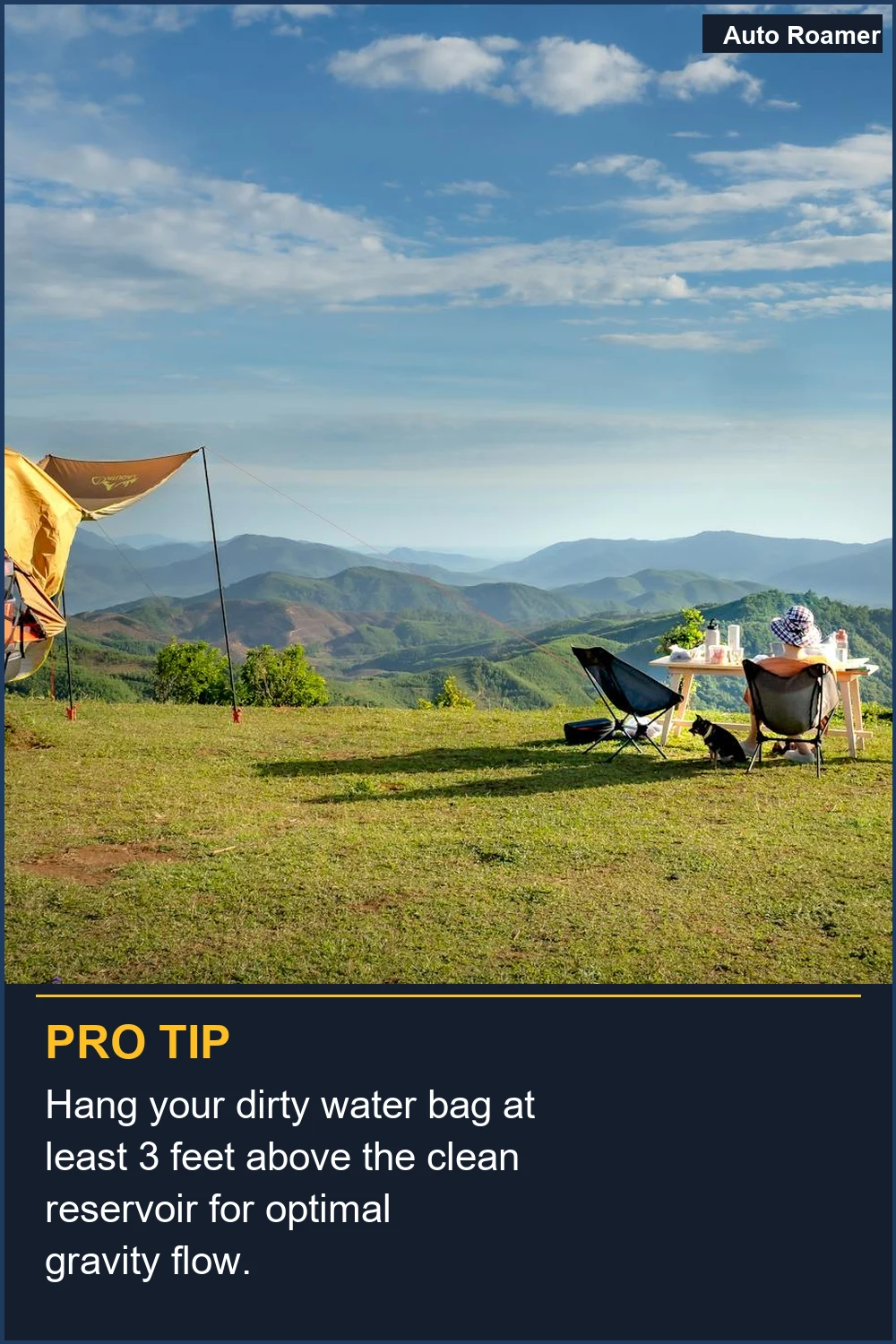
The real move for most car campers is a gravity water filter. Think of it like a giant, fancy water bottle that cleans itself as it empties. You fill up a dirty water bag, hang it up, and let gravity do the work. My Platypus GravityWorks 4L kit, for instance, pumps out a few gallons in about 30 minutes according to users. It's straightforward: fill one bag, connect it to the filter, and let it drip into your clean water bag. No pumping, no weird manual labor. I tried a portable water dispenser once, thinking it would be easier. It was basically a glorified water jug with a spigot. Great for keeping a big jug of pre-treated water handy, but it doesn't actually filter anything. You still need to treat the water *before* it goes in the dispenser. That's a rookie mistake I made on a trip to the Ozarks - I had a massive jug of water that I thought was good to go, only to realize I hadn't actually filtered it. Oops. Facebook groups confirm this, with people loving gravity-fed systems for speed. Gravity filters are amazing because they handle sediment and bacteria. The filter itself is usually a hollow fiber membrane, and you just need to backflush it occasionally to keep it flowing. My Platypus filter has lasted me years with minimal fuss, just a quick rinse in the sink after a trip. You can assemble your own gravity filter from components, but why bother when a kit like the Platypus is so convenient? Clearly Filtered offers filter components, but a full kit is easier for beginners. With a gravity filter, you can pull water from lakes, rivers, or even muddy puddles. The key is finding a water source you can dip the dirty bag into. If you're car camping at a designated campsite with a spigot, a simple water jug dispenser is fine. But if you're exploring or dispersed camping, a gravity filter is your best friend. I've used mine at Shenandoah and Big Bend, and it's never let me down. Gravity filters are generally faster and more convenient for larger volumes than pump filters. The filter element itself is usually the only part you'll need to replace over time. Mine is rated for thousands of gallons, so it's a long-term investment. A portable dispenser, on the other hand, is just a container. You're buying a fancy jug, not a water treatment solution. For the $50 version, a gravity filter wins hands down.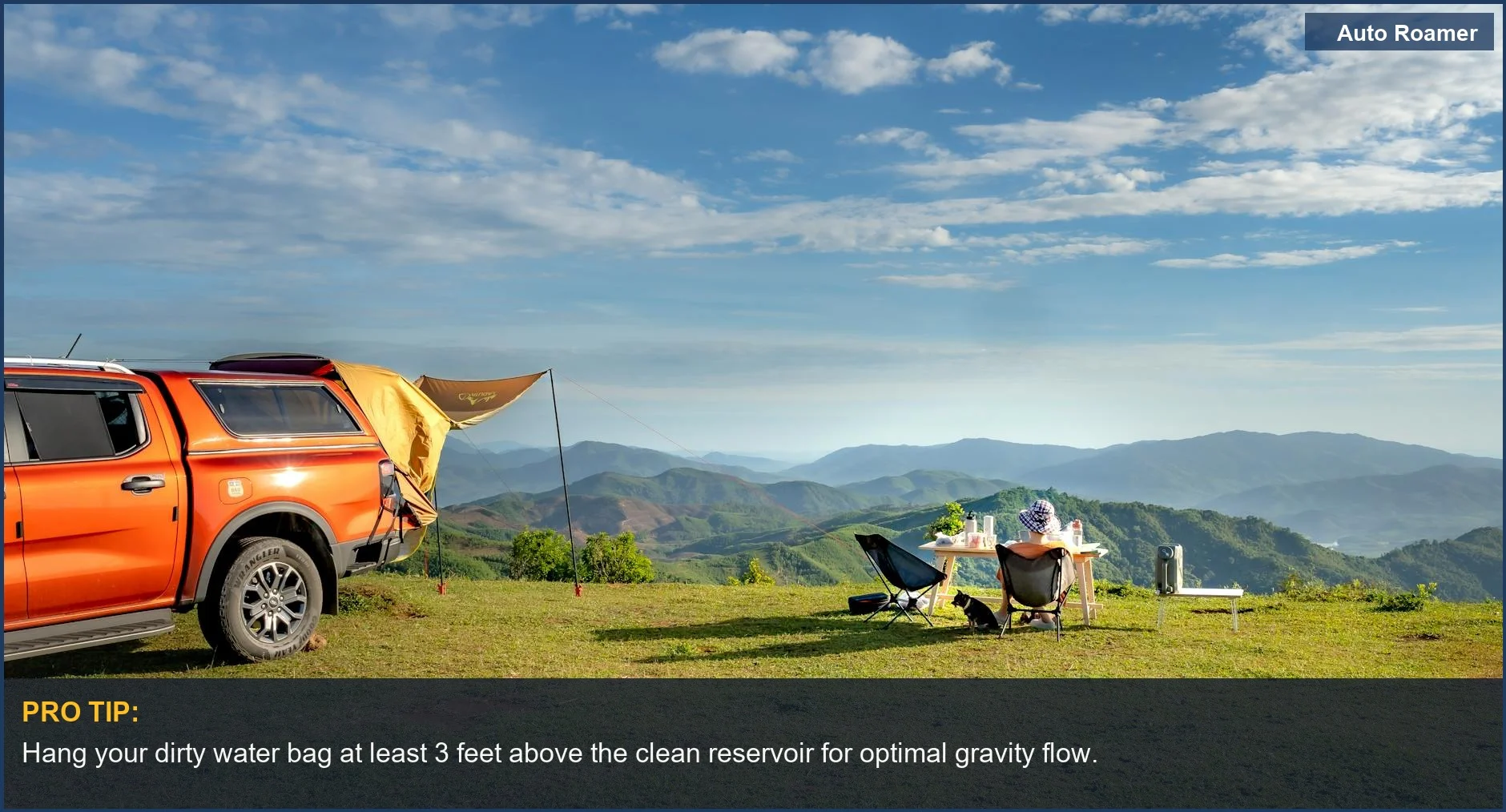
Why This Matters for Your Setup
Why does this matter for your setup? Because lugging gallons of water from home is heavy and takes up precious trunk space, especially if you can't see out your rear window like I did on my first trip. A gravity filter lets you tap into natural water sources, saving you space and hassle.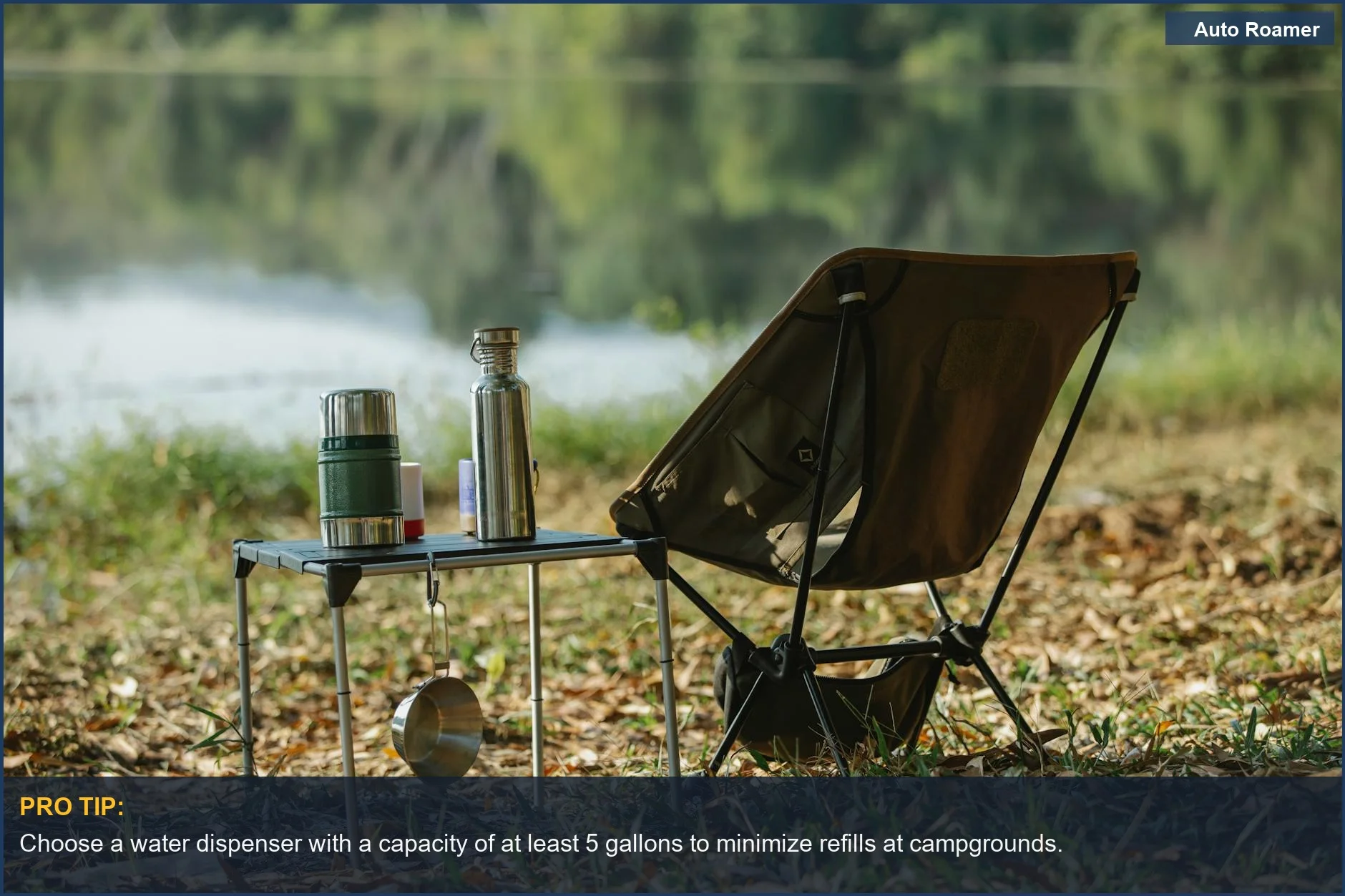
Making the Right Choice
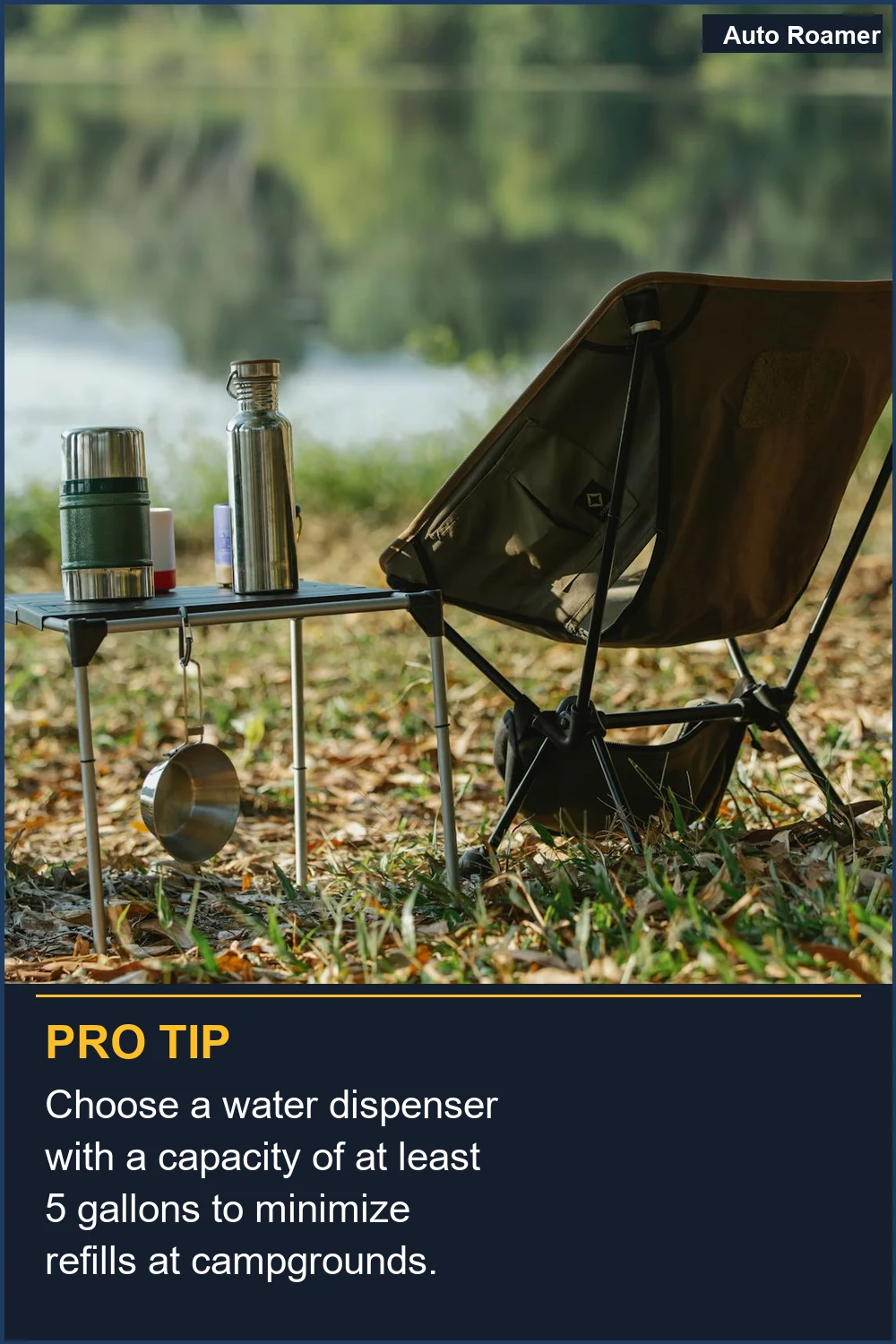
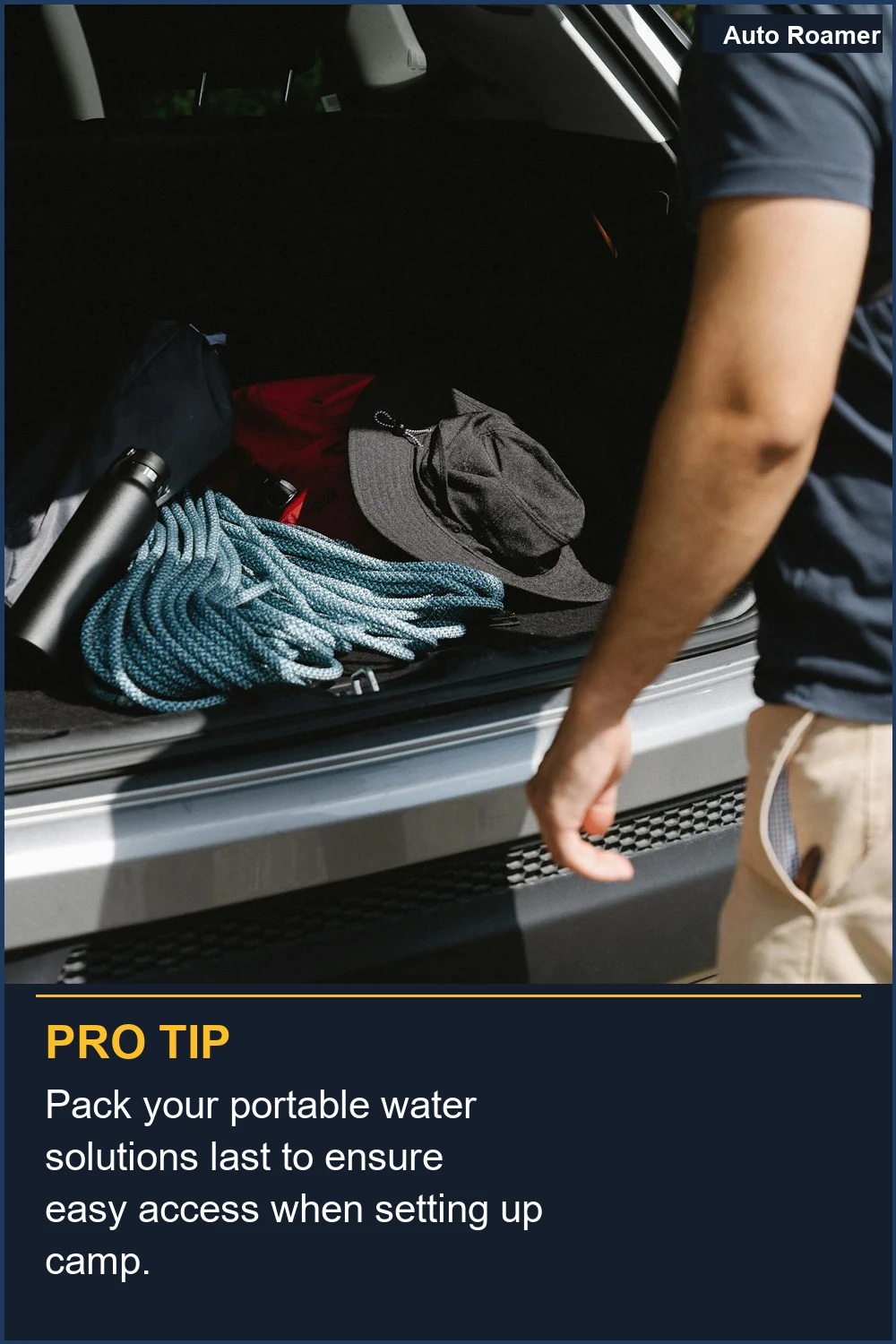
Making the right choice for your car camping water setup is all about your trip style. If you're car camping at a developed campground with potable water spigots, a simple water dispenser with a spigot is perfectly fine. It's like having a kitchen sink in your campsite. But if you plan on any dispersed camping, boondocking, or just want the peace of mind that you can get clean water from any natural source, a gravity filter is the way to go. Gravity filters are typically the fastest and most convenient for getting clean water in the backcountry.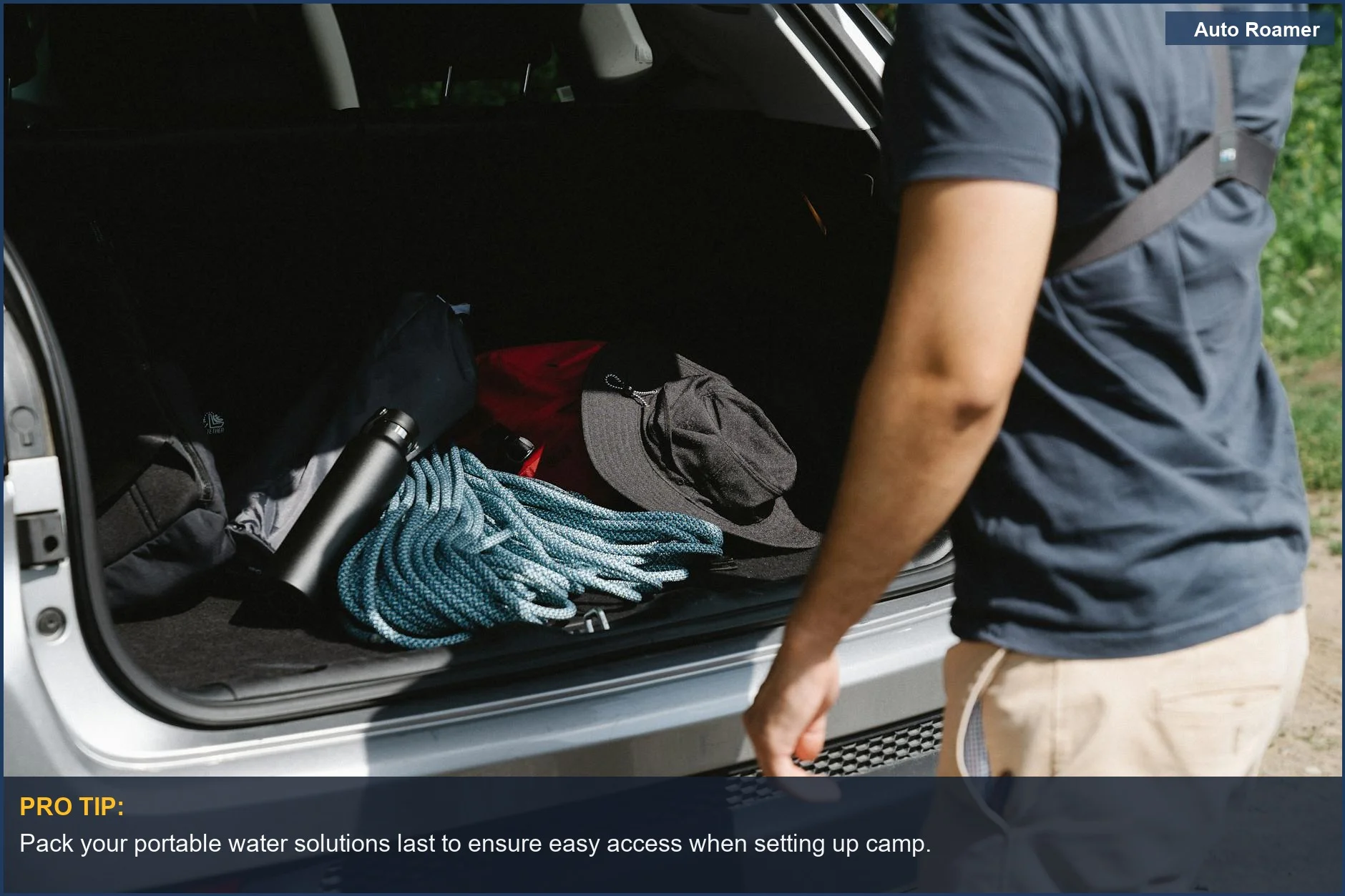
Frequently Asked Questions
I saw some fancy countertop water filter systems online for hotels. Can I just use one of those for car camping instead of a gravity filter?
Do I really need a special camping water filter, or can I just use a coffee filter to clean water from a creek?
What if my gravity filter clogs up completely and I have no clean water? I’m miles from anywhere.
Can using a gravity filter damage my water source, like killing off fish or something?
I heard that some water filters actually shed plastic particles into the water. Is that true?
🏅 Looking for Gear Recommendations?
Check out our tested gear guides for products that work with this setup:
Sources
- What water filtering system is best for family camping trips? - Facebook
- Gravity vs pump water filter for backpacking - Right Kind Of Lost
- Portable Water Filtration: Which System is Right for Your Van?
- backpackinglight.com
- Which is the better Water Filtration System for Backpacking and Car ...
- How to Choose a Water Filter for Backpacking | Switchback Travel
- Travel Water Tips: Portable Filters for Trips | Glacier Fresh