The Big Picture
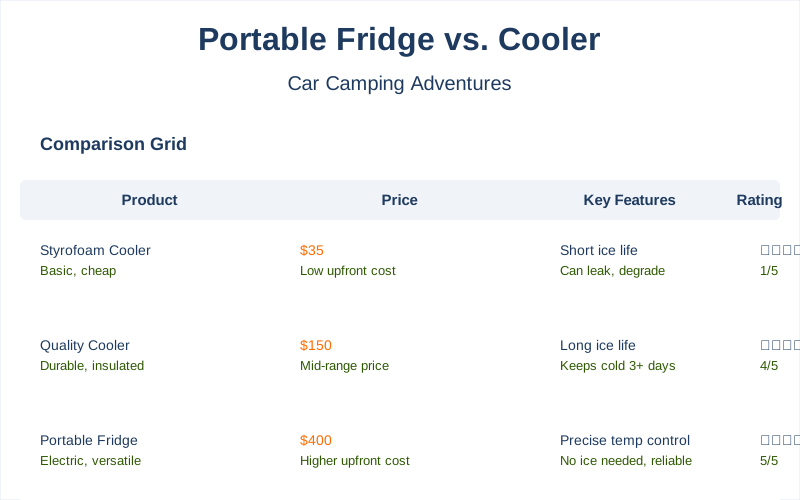
My first real car camping trip involved a $35 styrofoam cooler that leaked like a sieve in Zion National Park. It was August, 95 degrees F, and by the second day, my ham sandwiches were basically ham soup. I spent another $20 on ice every single morning. That's $75 and endless trips to the gas station for a weekend of lukewarm disappointment.
Three years later, I finally ditched that leaky monstrosity for something better, and it changed the game.
So, fridge or cooler? It's the question that haunts every beginner's packing list. Let me break down what actually matters from someone who's learned it the hard way, not from some fancy brochure.
The Core Answer
The honest version is this: for most weekend car camping trips, a good quality cooler is still your best bet. It's way cheaper upfront and doesn't require any power. My first decent cooler, a YETI Tundra 45 knockoff I snagged for $150, kept ice for a solid three days on a trip to Big Bend National Park.
That's three days of cold drinks and food without a single electrical hiccup.
A portable fridge, like the $400 Bodega 38-quart one I eventually bought, is where things get more complicated, but also way more convenient for longer trips. The real move here is precise temperature control. You can set it to 35 degrees F and know your stuff will stay that way, no matter what. No more soggy lettuce or worrying about the ice melting.
It's like having a mini-fridge in your trunk.
The biggest rookie mistake beginners make is thinking a cheap cooler is the same as a good one. That $35 styrofoam thing? It's basically a cardboard box with a thin plastic liner. It might keep things cool for a few hours, maybe half a day if you're lucky and the weather is mild. My first one was useless after 12 hours.
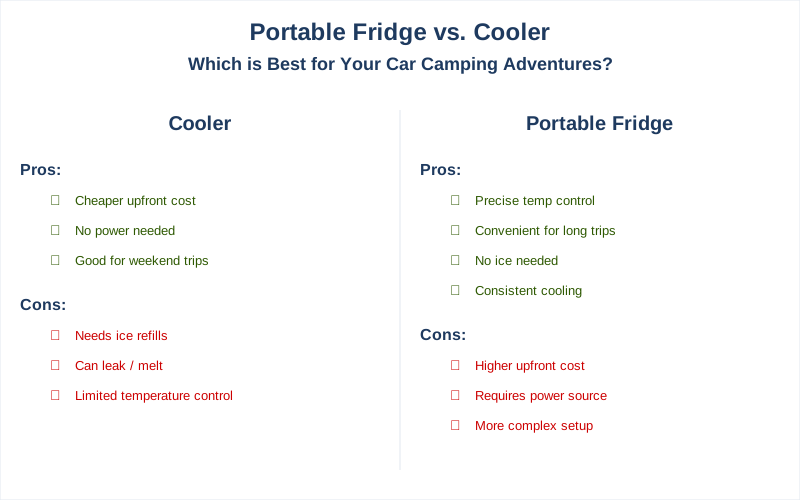
But here's the kicker: that fancy fridge needs power.
You'll need a portable power station, like the Anker Solix I use, which costs another $300-$600, or a dedicated battery system in your car. That's a significant jump from the initial $150 for a solid cooler. This is the part nobody tells you when they're raving about their car fridge.
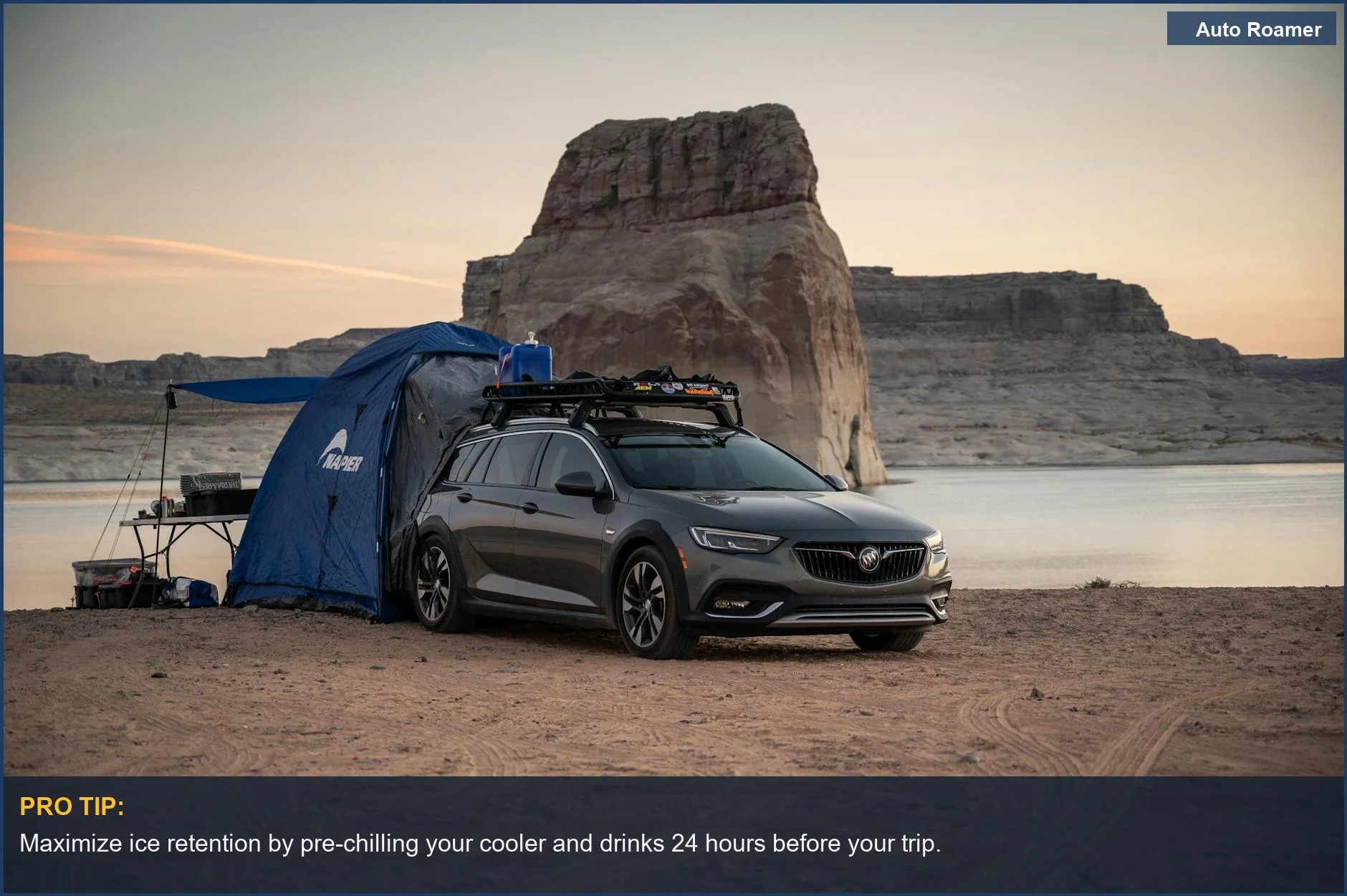
For a 3-day weekend trip, I can pack my cooler with block ice and still have ice on Sunday afternoon.
It requires planning, sure, like freezing water bottles to use as ice packs, but it's way simpler and cheaper. The fridge is pure luxury for trips longer than 4 days, or if you're going somewhere extremely hot and plan on opening your food storage constantly.
Why This Matters for Your Setup
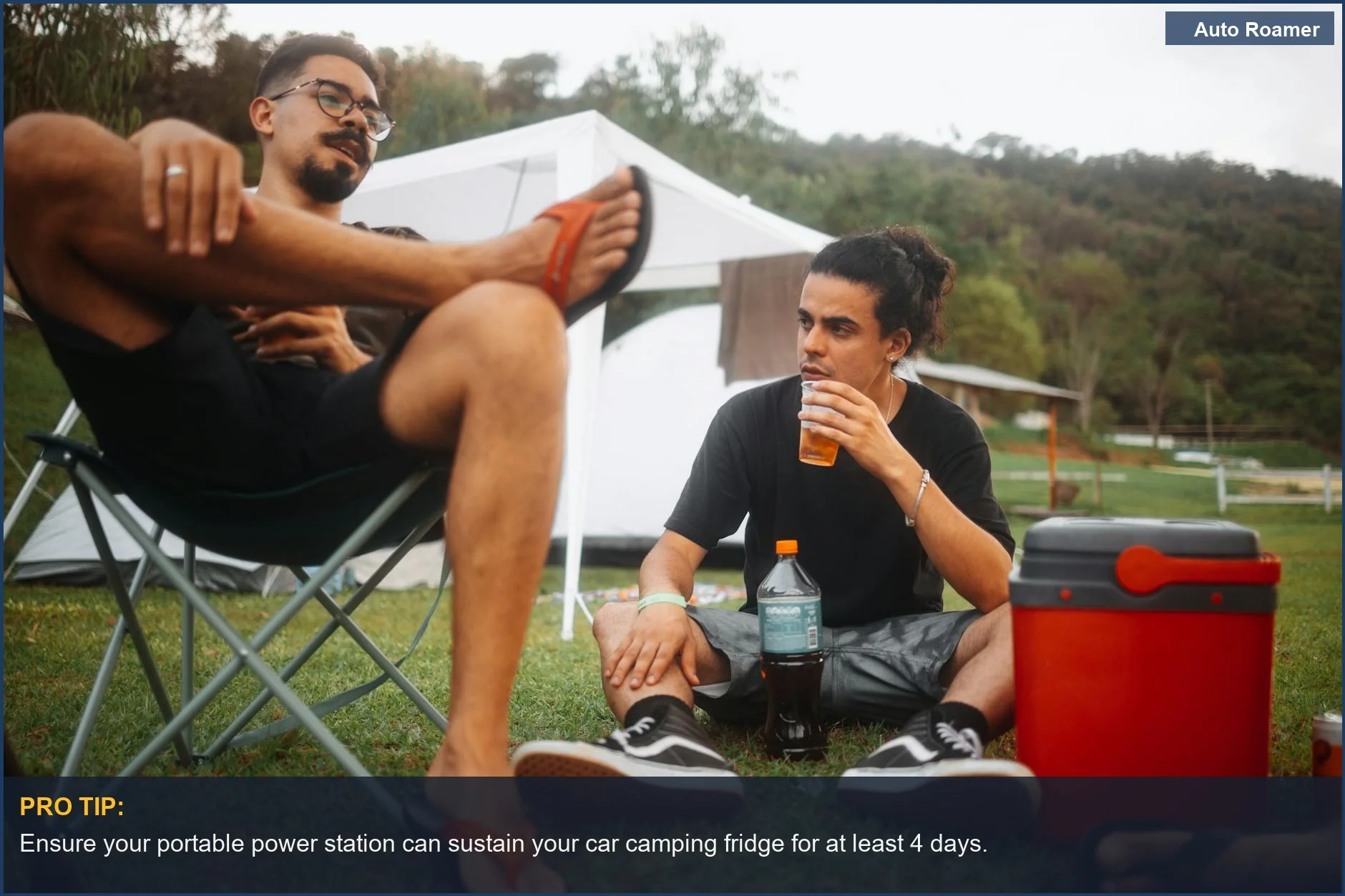
- Power Dependency is Real: If you go the fridge route, you must have a reliable power source. I learned this the hard way on a 4-day trip in Joshua Tree. My portable power station ran out of juice on day three because I forgot to factor in how much my fridge was drawing. Everything in it started to warm up by nightfall. That's a $400 fridge becoming a $400 useless box.
- Ice Management vs.
Battery Management: With a cooler, your main job is managing ice. With a fridge, it's managing your battery or power station. For a first-timer, wrestling with ice is way less intimidating than figuring out amp-hours and battery drain.
- Cost Creep: A high-quality cooler might run you $150-$300. A decent portable fridge is $300-$600, plus a power station that's another $300-$600. Suddenly, that weekend trip gear budget balloons.
- Durability and Simplicity: Coolers, especially rotomolded ones, are tanks.
They have no moving parts. My cooler has been dropped, kicked, and used as a step stool. It's fine. Fridges have compressors and electronics that can be sensitive to vibration and dust. Less to break means less to worry about on game-time.
Making the Right Choice
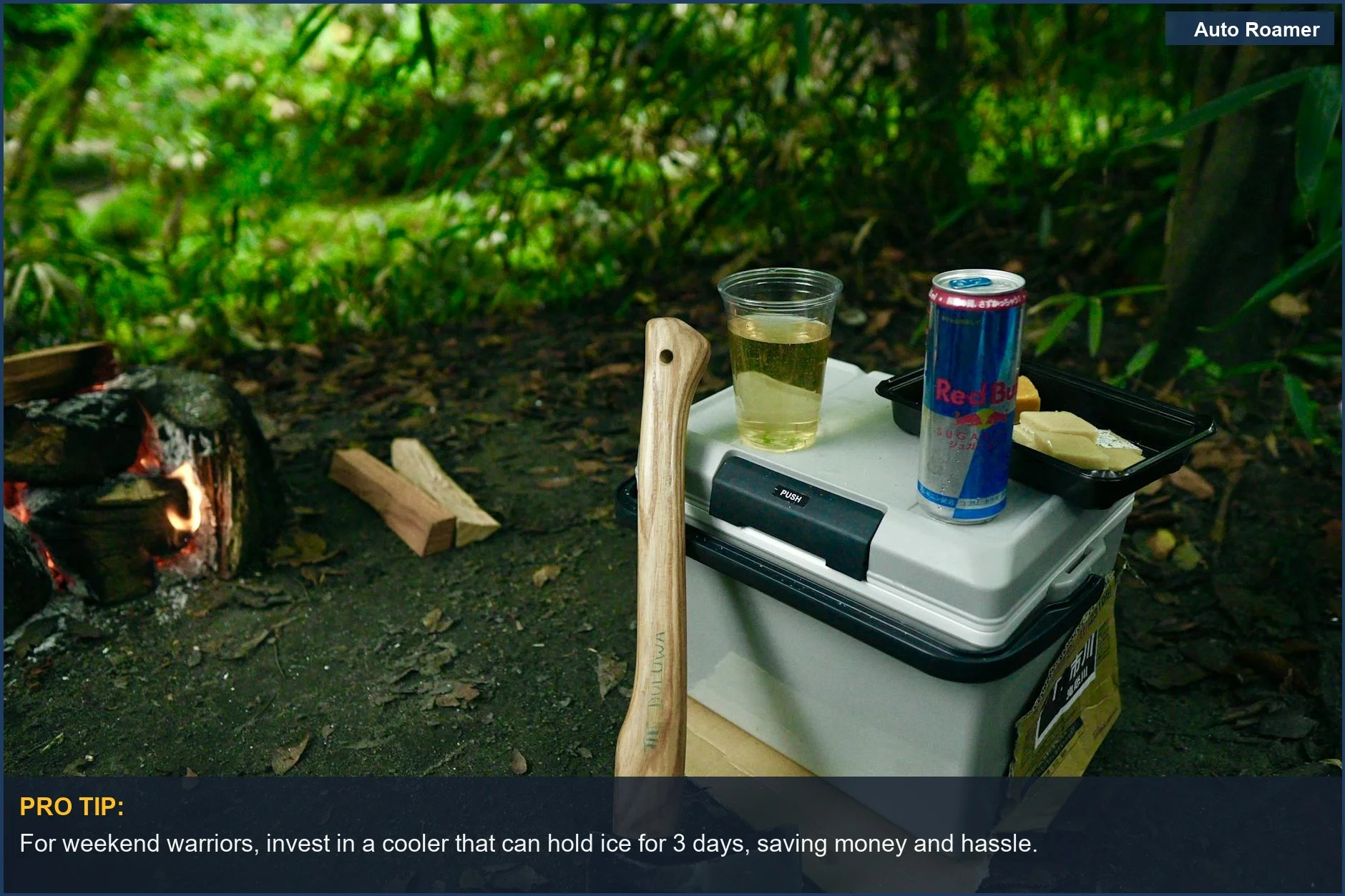
- For the Weekend Warrior (1-3 Days): Stick with a good cooler. My $150 knockoff cooler served me perfectly for years. You can buy a lot of ice for the price difference of a fridge. Plus, no dead batteries to worry about.
- For the Extended Explorer (4+ Days): If you're going for longer trips, especially in extreme heat, a portable fridge with a reliable power source is a serious upgrade.
It's the difference between eating well and eating questionable sandwiches for a week.
- The $50 Version: If you're on an absolute shoestring budget, a decent hard-sided cooler from Coleman or Igloo, maybe $50-$75, will get you started. Just know you'll be buying ice daily. It's not ideal, but it's doable for a first trip.
- Don't Overthink It: The goal is to get outside. Start simple. You can always upgrade later once you know what you actually need.