First, the Basics
My first long haul in my old pickup, I swear I felt every single pothole in a 500-mile radius. My back was screaming by mile 100. It turns out, the engineers who designed car seats were thinking about crash safety, not my tailbone after 8 hours on the highway. They're designed to tilt in ways that protect your spine in a fender bender, not necessarily keep you comfortable on a road trip through Nebraska.
That's where an ergonomic cushion comes in, and it's not just some fancy pillow. It's about supporting your body's natural curves so you don't end up feeling like you wrestled a bear after a few hours behind the wheel.
The Core Answer
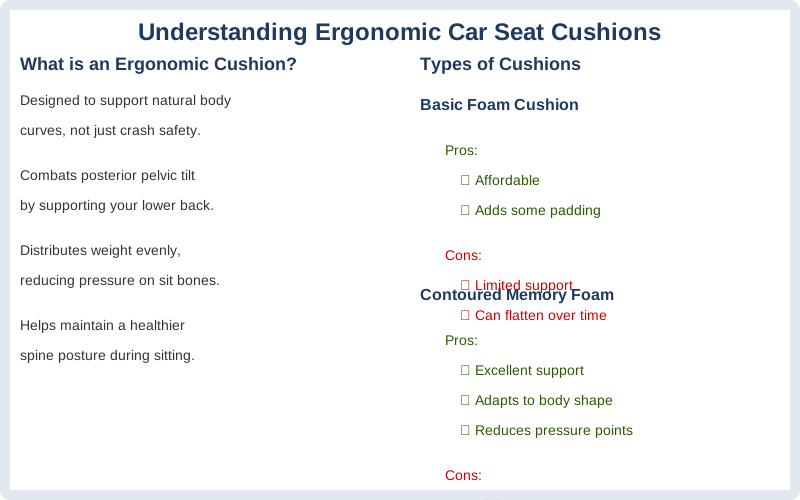
Here's the honest version: Your spine is built with a natural S-shape, which is great for standing and walking. But when you sit, especially for long stretches, that curve can flatten out, particularly in your lower back. This is called posterior pelvic tilt, and it puts a ton of extra stress on your spinal discs and the muscles trying to hold you up all day.
An ergonomic cushion is shaped to help counteract that. It's designed to distribute your weight more evenly, taking pressure off those main points like your sit bones. Think of it like spreading a heavy load over a bigger area instead of concentrating it all in one spot on your hips.
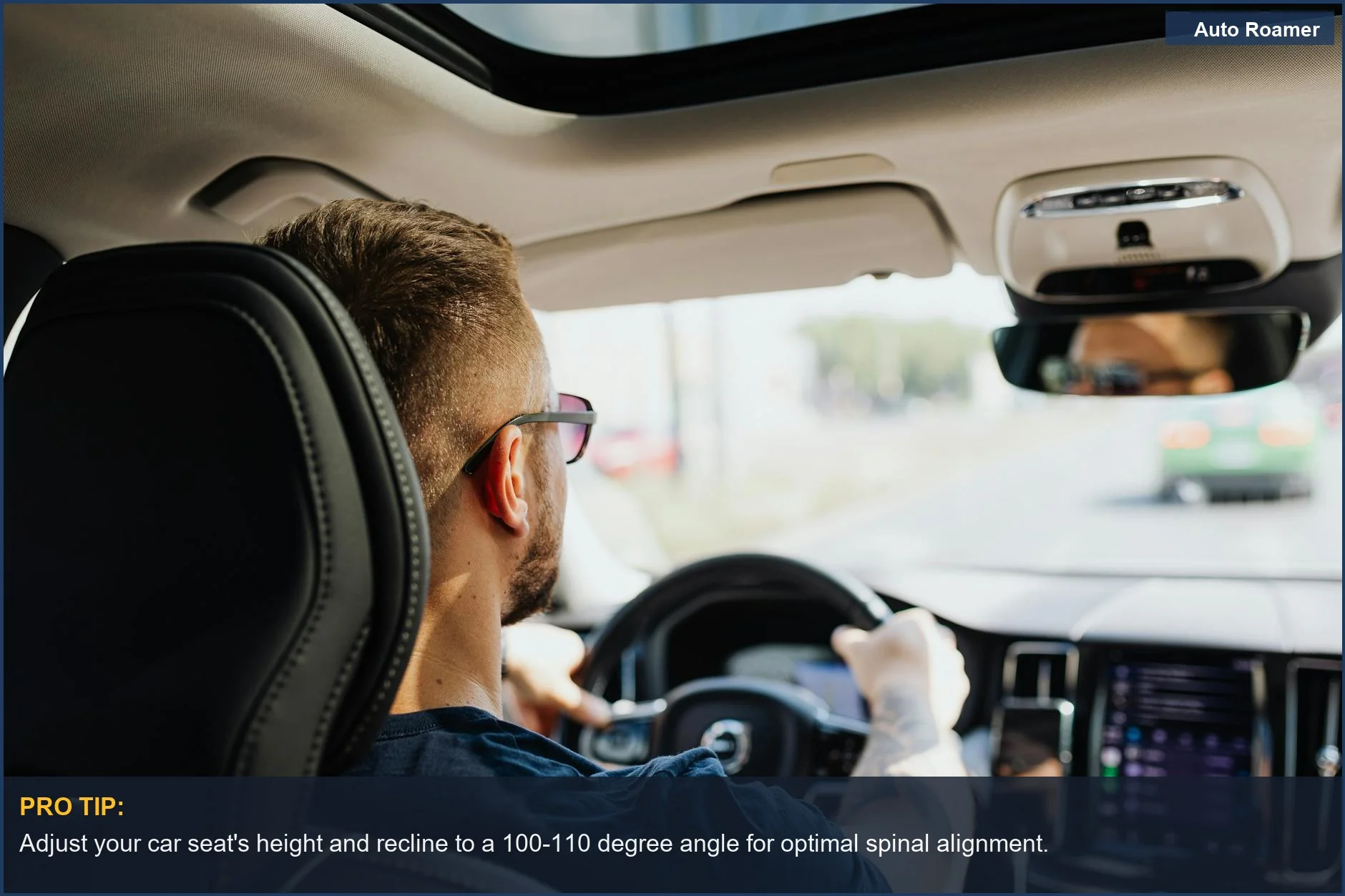
Many of these cushions have a contour that supports your lumbar region, which is that natural inward curve of your lower back. This helps maintain that S-shape, reducing the strain that leads to aches and pains. It's not rocket science, it's just physics applied to your butt and back.
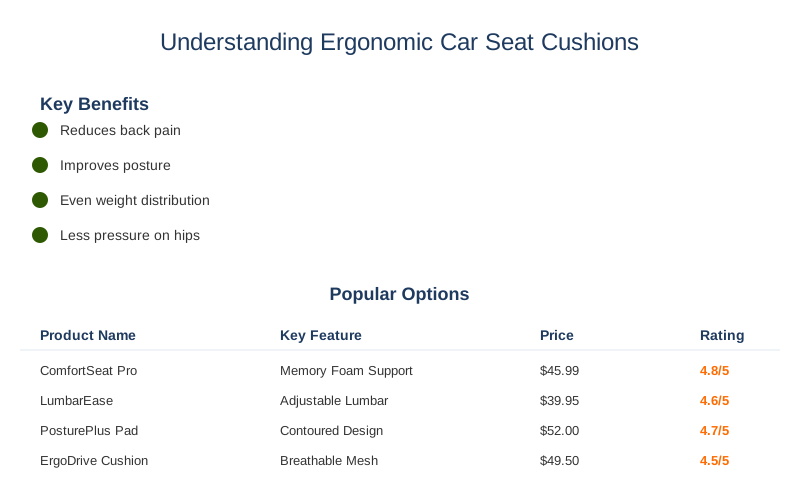
Some cushions are made with memory foam that molds to your body. This provides a custom fit and can help absorb vibrations from the road, which is a game-changer on bumpy routes. My old Civic definitely could have used something like that on my first trips.
Others have special designs to promote airflow. This is clutch for longer drives, especially in the summer, to prevent that sticky, sweaty feeling. Nobody wants to feel like they're baking their backside on the highway.
The real move is finding one that fits your specific needs and your vehicle's seat shape. What works for a truck driver might be overkill for a compact car, but the core principle of better support remains the same for everyone.
It's about making sure your body is positioned correctly, reducing fatigue and improving overall comfort. This isn't just about feeling good for a few hours; it can make a big difference in how your back feels after a long day of driving or even just sitting at your desk at work.
Ultimately, these cushions aim to turn any seat into a more supportive place to be. It's a simple addition that can have a surprisingly big impact on your well-being during those long hours spent in your vehicle or at your desk.
Why This Matters for Your Setup
Your car's seats are probably designed with a general shape in mind, but they don't account for your specific body. An ergonomic cushion is like a custom mold for your backside, helping to align your spine properly. I learned this the hard way after a 12-hour drive where my left leg went completely numb. Rookie mistake: assuming the car manufacturer knew my spine better than I did for comfort.
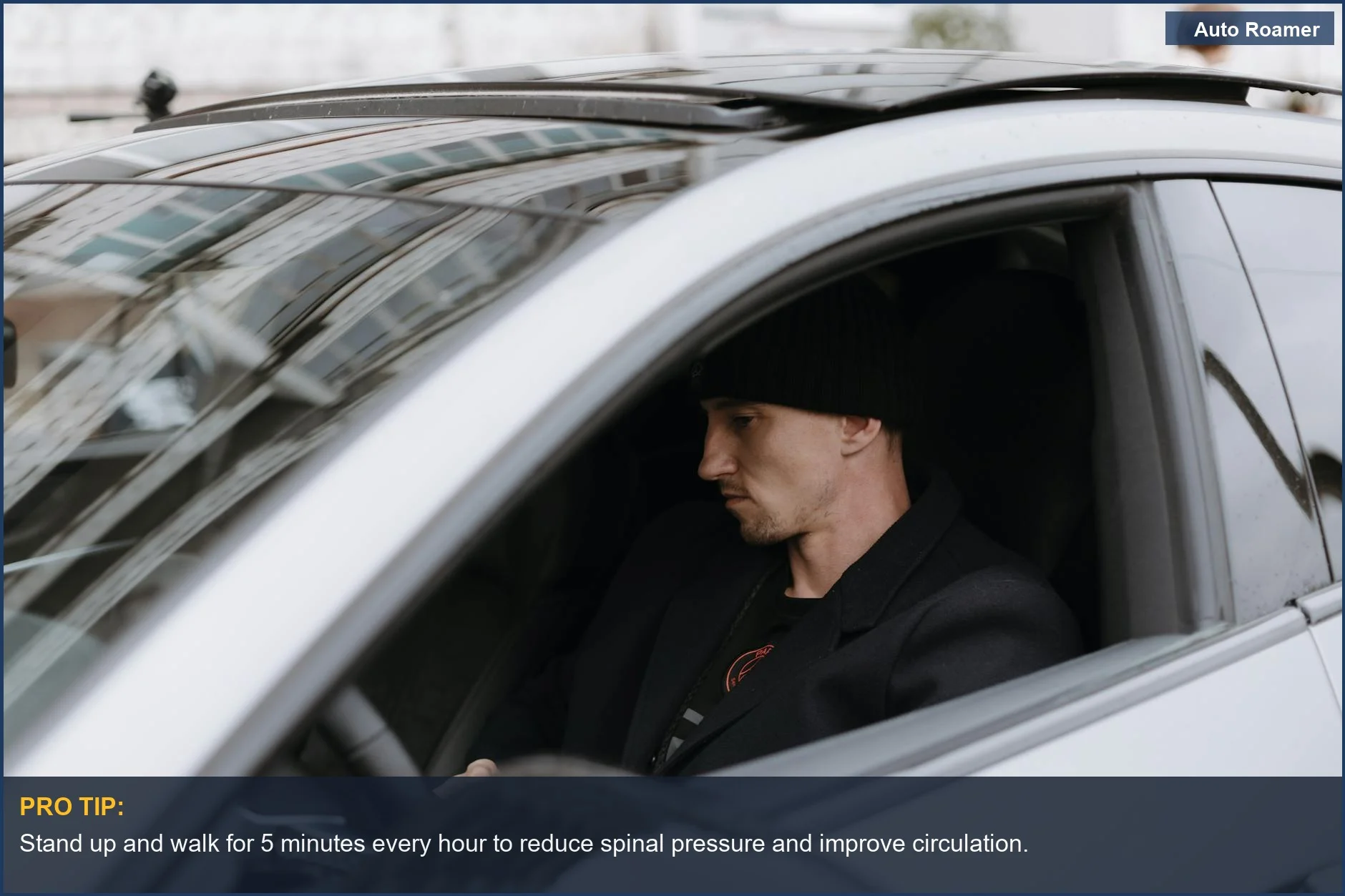
If you do a lot of driving, whether it's for work or just weekend adventures, your back takes a beating. A good cushion can significantly reduce that fatigue. Think of it as preventative maintenance for your spine. My buddy Dave, a long-haul trucker, swears by his. He says it's the difference between dreading his next trip and actually looking forward to the open road on the road.
Even if you don't drive for hours every day, sitting in a car can still be tough on your posture. That slight tilt forward from the seat, combined with how you naturally slump a bit, can lead to chronic issues. I've seen people use these cushions at their office desks too, which tells you something about how universal the need for better support is for sitting.
It's not just about comfort; it's about long-term health.
Constantly sitting in a poor position can lead to problems like back pain, neck strain, and even reduced blood flow. Investing in a cushion is a small step that can prevent bigger, more painful issues down the road in the future.

Making the Right Choice
Don't just grab the first fluffy thing you see. Look for cushions with a design that specifically addresses lumbar support and promotes good posture. It's not about how soft it is, it's about how it supports your body's natural curves while sitting.
Consider the material. Memory foam offers great contouring, while breathable fabrics can keep you cooler on long drives. My first attempt was a cheap foam one that flattened out in 2 weeks.
Brilliant engineering, that was.
Read reviews, but also think about your own body. What feels good to one person might not work for another. It's a personal thing, like finding the right sleeping bag rating. You gotta figure out what works for you on the road.
Ultimately, an ergonomic cushion is an investment in your comfort and health.
It's a relatively inexpensive way to make a big difference in how you feel, especially if you spend a lot of time in your car or at your desk.