First, the Basics
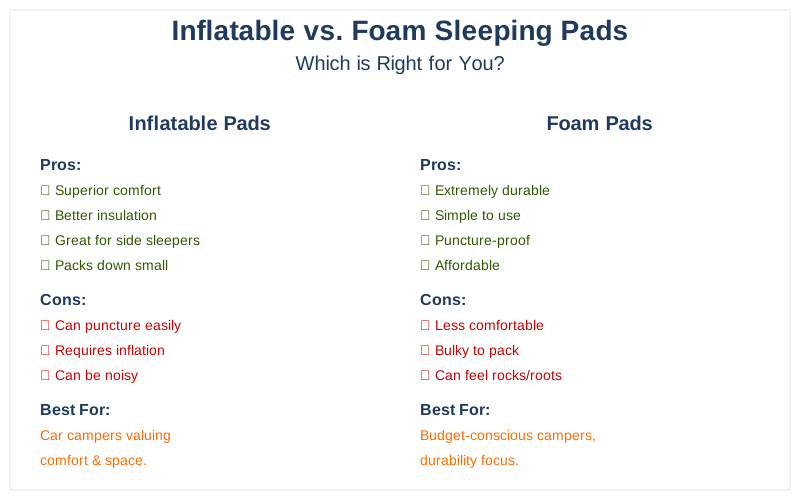
The debate between inflatable and foam sleeping pads for car camping boils down to a few key differences in comfort, durability, and how they pack. My first trip, I thought any pad was better than nothing, and I learned that lesson the hard way. Now, three years later, I've figured out what actually matters when you're not trying to shave ounces for a thru-hike. It's about what gets you a decent night's sleep without a ton of fuss.
The Inflate Debate is real, but for car camping, the stakes are different.
The Core Answer
When I first started car camping, I grabbed whatever looked remotely like a sleeping pad from the camping aisle. That meant a cheap foam one that felt like sleeping on a yoga mat that had seen better days. It was okay for a night, maybe two, but after that, every rock and root in the ground felt like it was trying to poke through my spine.
Outdoor Life mentions that foam pads are less comfortable, and my back wholeheartedly agrees.
Then I tried an inflatable. The first one I borrowed felt like a cloud. Seriously. I could actually sleep on my side without feeling like I was being slowly pressed into the dirt. The real move with inflatables is that they offer actual cushioning. You're not just lying on a slightly more dense layer of foam; you're floating on a cushion of air. This is especially clutch if you're a side sleeper or if your campsite isn't perfectly flat.
Reddit users often point out that inflatables insulate better too, which is a huge deal when the temperature drops.
Foam pads, on the other hand, are ridiculously simple. You unfold it, you lie on it. Done. No fiddling, no worrying about leaks. My buddy Dave, bless his heart, once spent 20 minutes trying to patch a slow leak on his inflatable with duct tape in the dark at Zion National Park. He was not happy. Foam pads are also generally cheaper.
You can grab a decent one for around $40-$50, while a good inflatable can easily set you back $100-$180. Section Hiker lays out those price differences clearly.
The honest version: foam is foolproof and rugged. Inflatable is comfort-king but carries a risk. For car camping, where weight and pack size aren't usually the biggest headaches, that extra comfort can be a game-changer for actual rest. I've learned that waking up refreshed beats saving a few inches of trunk space any day. HEST talks about how foam delivers the closest thing to your bed at home, and that's exactly what I want after a day of hiking.
My first inflatable pad had an R-value of 4.5, which meant it was way warmer than my old $15 foam mat that probably had an R-value of 1. That night, the temperature dropped to 30 degrees F, and I was actually warm. My old foam pad would have left me shivering, even with my puffy jacket on. The real move is to consider what temperatures you'll be camping in.
If you're just doing summer trips in mild weather, foam might be fine. But if you plan on venturing out in cooler seasons, an inflatable's insulation is worth its weight in gold.
Why This Matters for Your Setup
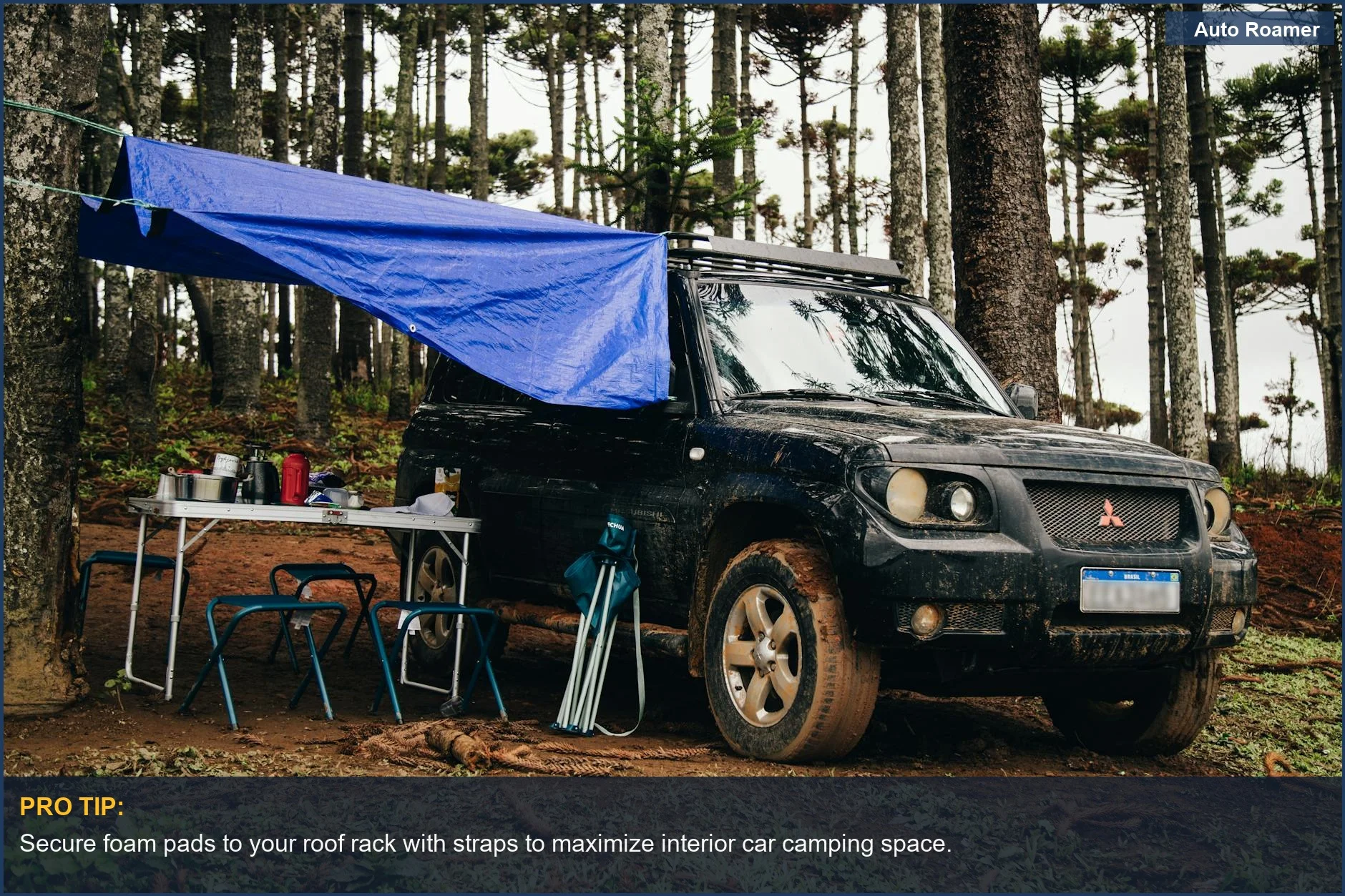
When you're packing the car for a weekend trip, space can disappear faster than free donuts at a ranger station. Foam pads are bulky. They're usually rolled up or folded, and they take up a significant chunk of real estate. My first car camping setup involved strapping one to the roof rack because it wouldn't fit inside.
Inflatable pads, on the other hand, pack down incredibly small. They roll up into a cylinder that can fit inside your sleeping bag or tuck into a side pocket of your duffel. This is where inflatables shine for car camping if you're already crammed for space. Reddit users frequently mention packability as a major win for inflatables.
Durability is another huge factor. I've seen friends pop inflatable pads on stray rocks or sharp sticks. It's a total bummer. Foam pads, while they might get scuffed up, are practically indestructible. You can drag them over gravel, toss them around, and they'll still be perfectly functional. Outdoor Life notes that foam pads won't fail, which is a massive peace of mind.
Setup time is also something to consider. Foam pads are instant. Unroll or unfold and you're good to go. Inflatables require blowing them up. Most modern ones come with a stuff sack that doubles as an air pump, but it still takes a few minutes. My first attempt at inflating one took about 5 minutes using the bag method. Hyperlite Mountain Gear mentions inflatables take about five minutes to inflate.
It's not the end of the world, but it's one more step.
Think about your typical trip. If you're just cruising to a designated campsite with plenty of room, the bulk of a foam pad might not matter. But if you're trying to squeeze gear into a small car or a rooftop tent, that compactibility of an inflatable becomes gold. It's all about what fits your specific car camping reality.

Making the Right Choice
So, which pad wins for car camping? Honestly, it depends on your priorities. If you want ultimate comfort and don't mind the slight risk of puncture or the few extra minutes to inflate, go inflatable. You'll likely sleep better and feel more rested. HEST emphasizes that inflatables win on space-saving for those with limited storage.
If you value bombproof durability, instant setup, and saving money, a foam pad is your best friend. It's the reliable workhorse that will never let you down, even if it's not as plush. REI points out that foam pads are generally more affordable.
My personal journey has led me to favor inflatables for car camping because I'm a side sleeper and waking up with a sore back ruins my next day. The added comfort is worth the minor trade-offs for me. But I still keep a cheap foam pad in the back of my Subaru for emergencies or if a friend needs a quick setup.
Consider your budget: a basic foam pad can be had for under $50, while a decent inflatable starts around $100. Think about the temperatures you'll be camping in: higher R-values on inflatables offer better warmth. And finally, be honest about how much space you actually have in your vehicle. That $150 inflatable pad that packs down to the size of a Nalgene bottle might be a lifesaver for your trunk.