
The Big Picture
The Hyundai Kona. A subcompact SUV that screams 'city parking champion,' not 'wilderness survival pod.' But here's the dirty truth: you can absolutely camp in one, even if the dealer looked at me like I suggested using a skateboard as a tow rig. It's about engineering around constraints, not pretending they don't exist.
Forget your Instagram-perfect Sprinter van; this is about getting it done with what you've got.
Most people think you need 80 cubic feet of cargo space to sleep comfortably. Nonsense. You need a flat surface and enough length to stretch out without your feet hitting the rear hatch. The Kona offers approximately 63.7 cubic feet of cargo space with the rear seats folded (2024 and newer models; earlier 2018-2023 Konas hold 45.8), which is tight, but workable for a solo traveler or a very cozy couple.
This isn't a luxury suite; it's a mobile shelter against wind and rain, which is all you really need.
The real challenge isn't space; it's thermal regulation and moisture control. You're sealing yourself in a metal box. Condensation will be your enemy, turning your sleeping bag into a damp, clammy mess if you don't manage airflow. That's why I prioritize proper ventilation and insulation over fancy gadgets.
A cheap fan beats an expensive heated blanket every time when it comes to long-term comfort and avoiding mold growth. Roadtrippers gets it, car camping is about making your vehicle work for you.
This isn't about buying a new rig; it's about optimizing the one you already own. We're talking about maximizing every square inch of available volume, managing parasitic electrical draw, and understanding the thermal dynamics of a small enclosed space. The goal isn't 'glamping'; it's reliable, low-cost shelter.
And honestly, the less you spend on gear, the less you have to worry about when it inevitably gets covered in mud or pine sap. Or when a loose bungee cord snaps your rearview mirror off. Been there.
Hyundai Kona Dimensions and Cargo Space
Let's talk numbers. The Hyundai Kona isn't winning any awards for cavernous interior space, but with the rear seats folded flat, you get a usable sleeping platform. The cargo area measures roughly 70-75 inches long and 45-50 inches wide according to Auto Roamer. That's enough for a full-size air mattress if you're sleeping solo, or a twin XL if you don't mind sacrificing some elbow room for gear.
However, the wheel wells are the real pain in the ass. They protrude about 6-8 inches into the cargo area, eating into that precious width. This means your mattress will need to be narrower at the rear, or you'll have to shim it up to create a flat plane. Ignoring this detail leads to lopsided sleeping and poor spinal alignment. Your back will hate you after one night.
Headroom is another constraint. At approximately 37-38 inches when lying flat, sitting upright is a neck-craning exercise. This isn't a problem for sleeping, but trying to change clothes or cook inside becomes an exercise in contortion. Plan accordingly; standing outside is often the better option. One YouTube user shows how even with these constraints, a setup is possible.
The roof load capacity is about 75 pounds. This is fine for a small cargo box or a couple of kayaks, but forget about a full-size roof-top tent. The dynamic loads from wind shear and vehicle movement would exceed the structural integrity of the factory roof rails, leading to stress fractures or worse. A cheap soft-shell cargo bag is a far more sensible option than trying to bolt a small apartment to your roof.
Best Sleeping Setups for the Hyundai Kona
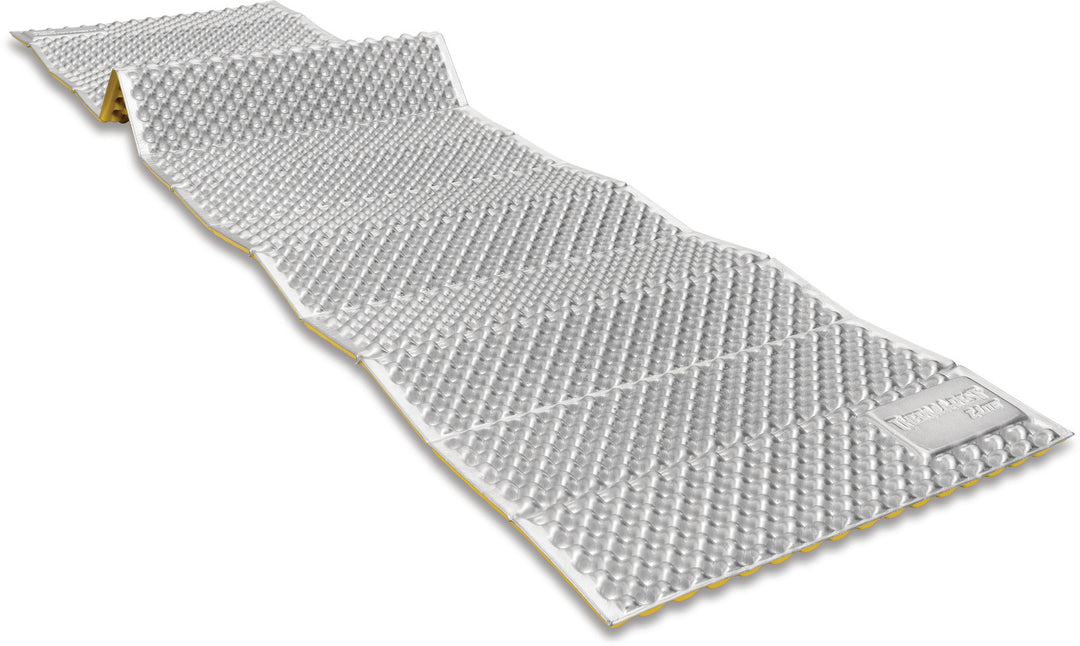
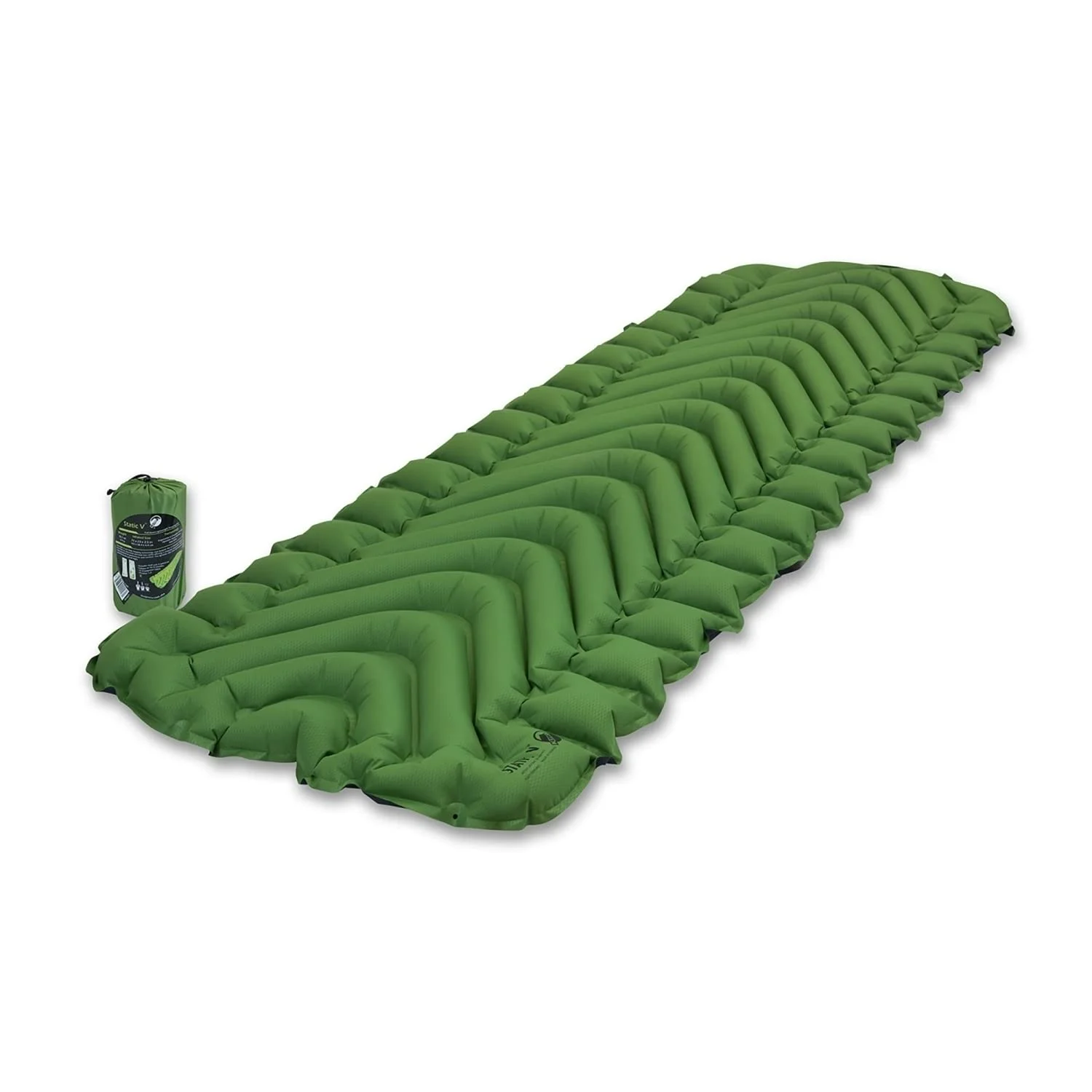
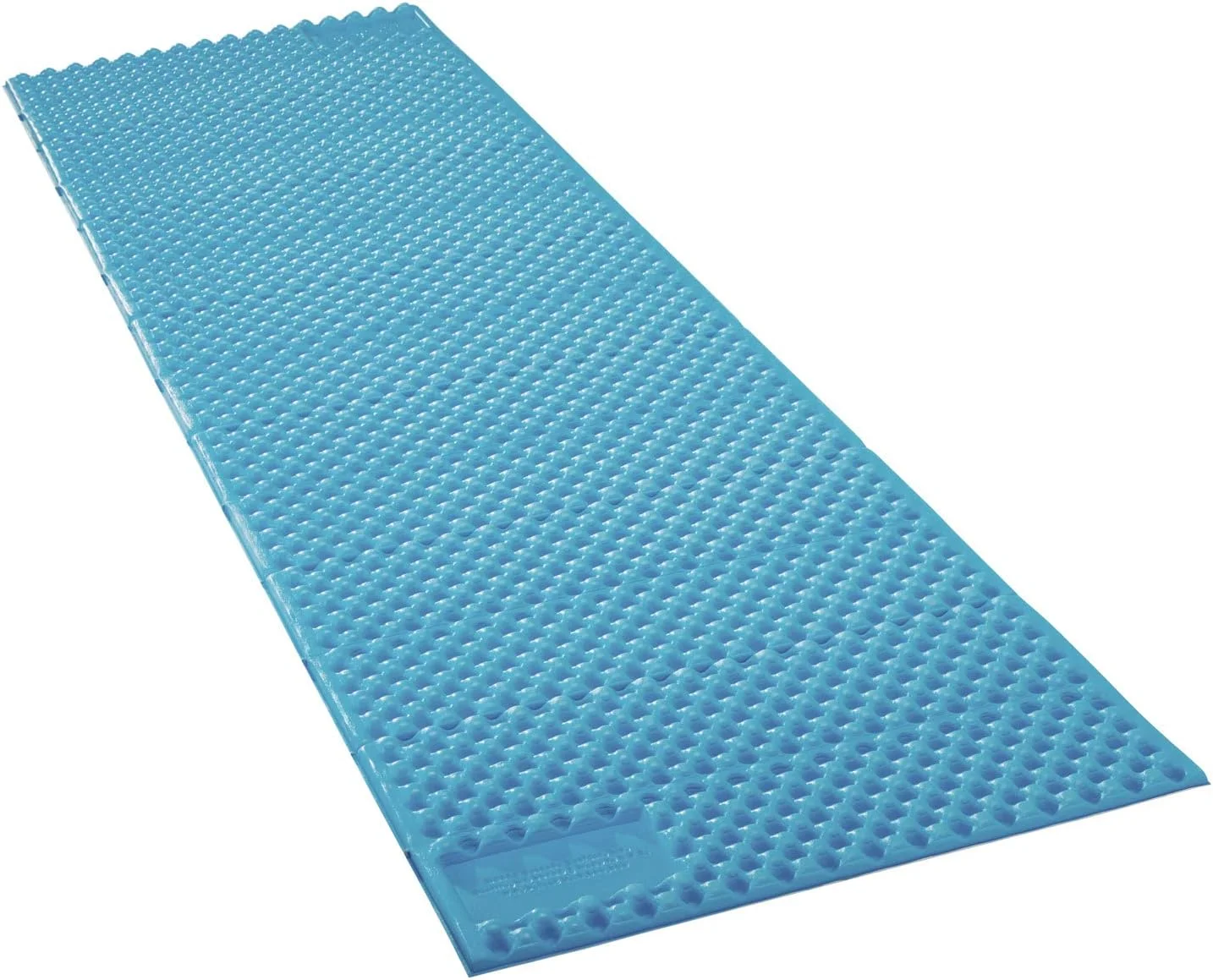
Sleeping in a Kona means getting creative with soft goods. A rigid foam platform is a non-starter; the compact space demands flexibility. Most campers opt for 4-6 inch thick air mattresses as noted by Auto Roamer, which can conform to the contours of the folded seats and wheel wells. Don't cheap out on the pad; a leaky valve or a puncture on night one will ruin your trip faster than a dead battery.
If you're squeezing two people in, forget a single large mattress. Two twin-sized camping pads arranged side-by-side work better. This allows for independent comfort adjustments and, crucially, independent failure modes. If one pops, you're not both sleeping on the cold, hard floor. Look at something like two Therm-a-Rest Z Lite Sol (~$50) pads, or even two Klymit Static V Lightweight Inflatable Sleeping Pad (~$47) for better packability. Recharged suggests prioritizing efficiency and safety with gear choices, and I agree.
You'll need to bridge the gap between the folded rear seats and the front seats. A simple plywood platform or even a stack of sturdy plastic bins can work. Measure the void carefully. You don't want a soft goods setup that sags into the footwell, creating a pressure point that will have you tossing and turning all night. The goal is a flat, continuous surface from the hatch to the front seatbacks. A slight incline towards the front is acceptable; a dip is not.
Window coverings are critical. Not just for privacy, but for thermal control. Reflectix cut to shape and held with velcro is dirt cheap and effective. It reflects solar radiation, keeping the interior cooler on hot days and trapping radiant heat on cold nights. Plus, it prevents condensation from forming directly on the glass, which would otherwise drip all over your sleeping bag. Nobody wants a damp sleeping bag. Nobody.
Practical Tips for Hyundai Kona Camping
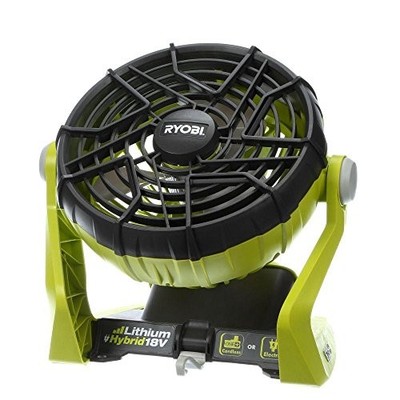
Ventilation is king. Seriously. You're exhaling moisture all night, and if it has nowhere to go, it condenses on every cold surface inside your Kona. We're talking 300-500ml of water vapor per night per person. Crack your windows 0.5 inches, even in the rain, and use a small, battery-powered fan. A Ryobi P3320 Hybrid Fan (~$50) can run off a 12V battery pack or a wall outlet, keeping air moving and preventing that clammy, wet-dog feeling. TikTok users demonstrate how crucial this is.
Organization is about mechanical stability. Everything needs a place, and everything needs to be secured. Use stackable plastic bins, cargo nets, and bungee cords. When you hit a pothole at 40 MPH, you don't want a loose cooler becoming a projectile. Think about the kinetic energy of a 20-pound cooler at that speed - it's enough to crack a windshield or give you a concussion. Keep heavy items low and secured against the rear seats. Facebook groups are full of clever storage hacks.
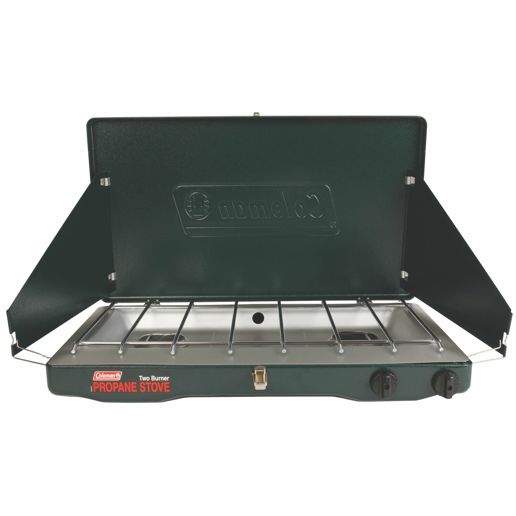
For cooking, keep it outside. A small propane stove like the Coleman Classic Propane Stove (~$60) is compact and efficient. Cooking inside a sealed vehicle is a carbon monoxide poisoning waiting to happen. Plus, food odors will permeate the upholstery, attracting critters and making your car smell like last night's dinner for weeks. No amount of Febreze will fix that.
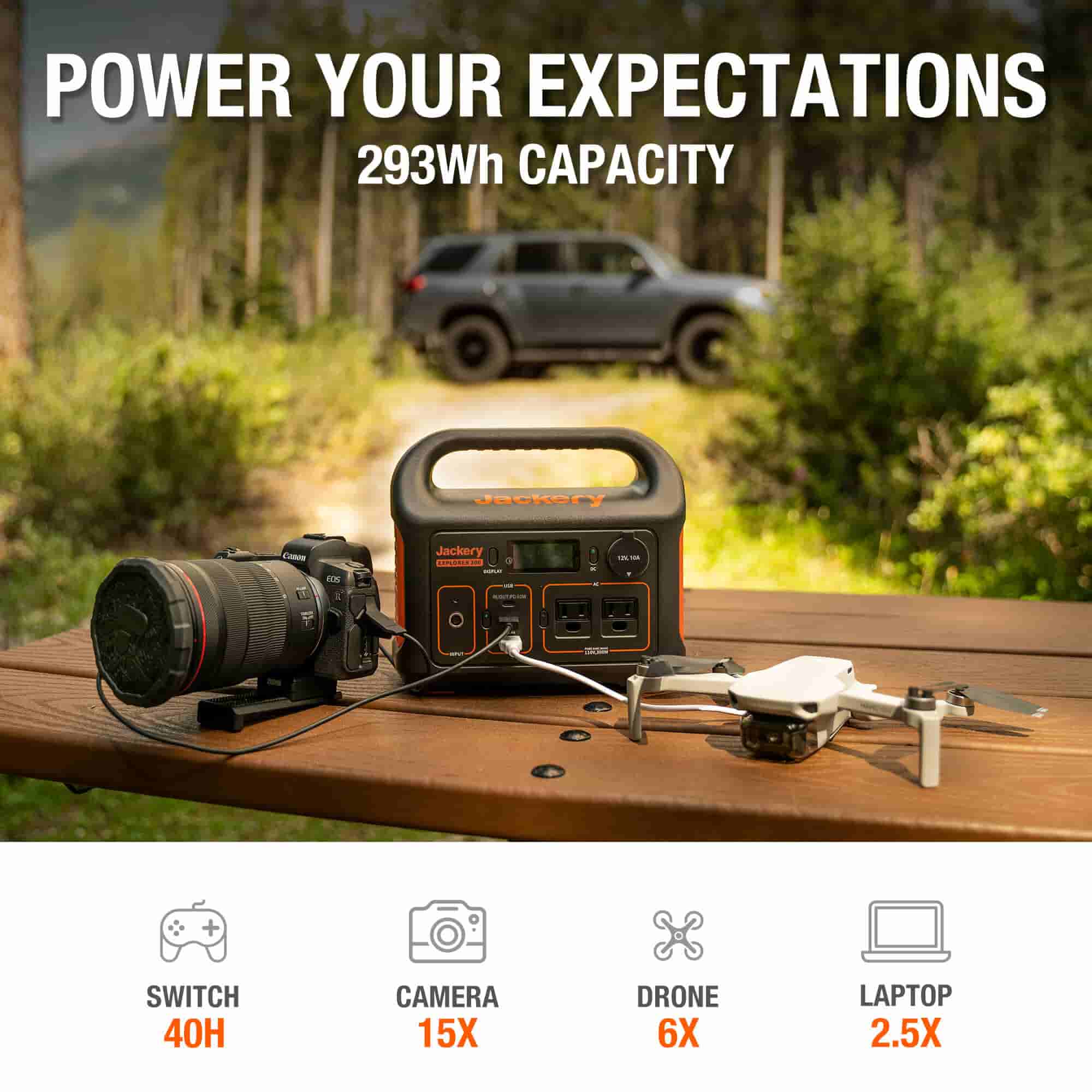
Power management is crucial, especially if you have an EV Kona. Your vehicle's 12V system isn't designed for sustained loads like charging phones, running fans, and powering lights all night. A portable power station, like a Jackery Explorer 300 (~$250) or a Goal Zero Yeti 200X (~$220), is an absolute must. It isolates your camping power needs from your starting battery, preventing you from waking up to a dead car in the middle of nowhere. Don't run your car's AC all night; the parasitic draw will kill your main battery faster than you can say 'tow truck.'
The Bottom Line
Car camping in a Hyundai Kona isn't about luxury; it's about efficient use of limited resources and understanding the physics of a small enclosure. You're not going to stand up and walk around, but you will have a dry, secure place to sleep. The key is meticulous planning and prioritizing essential gear that serves multiple functions. EV Central highlights the benefits, and the trade-offs, of using your car's battery for living.
The biggest failure point for new car campers is usually underestimating thermal cycling and moisture management. Without proper ventilation, you'll condense half a liter of water vapor inside your car overnight, turning your sleeping bag into a sponge. This isn't just uncomfortable; it's a breeding ground for mold and mildew, which will permanently degrade your interior fabrics and electronics.
Don't fall for the trap of buying expensive, specialized 'car camping' gear that promises to transform your Kona into an RV. Most of it is just overpriced versions of what you can find at any outdoor store. Focus on durable, compact, and multi-use items. Your Kona is a tool; learn how to wield it effectively for shelter, not luxury. It's not about the size of the rig, it's about the ingenuity of the engineer behind it. Even CarGurus agrees, planning is key.