EV9 Camping Mode: The Quick Answer First
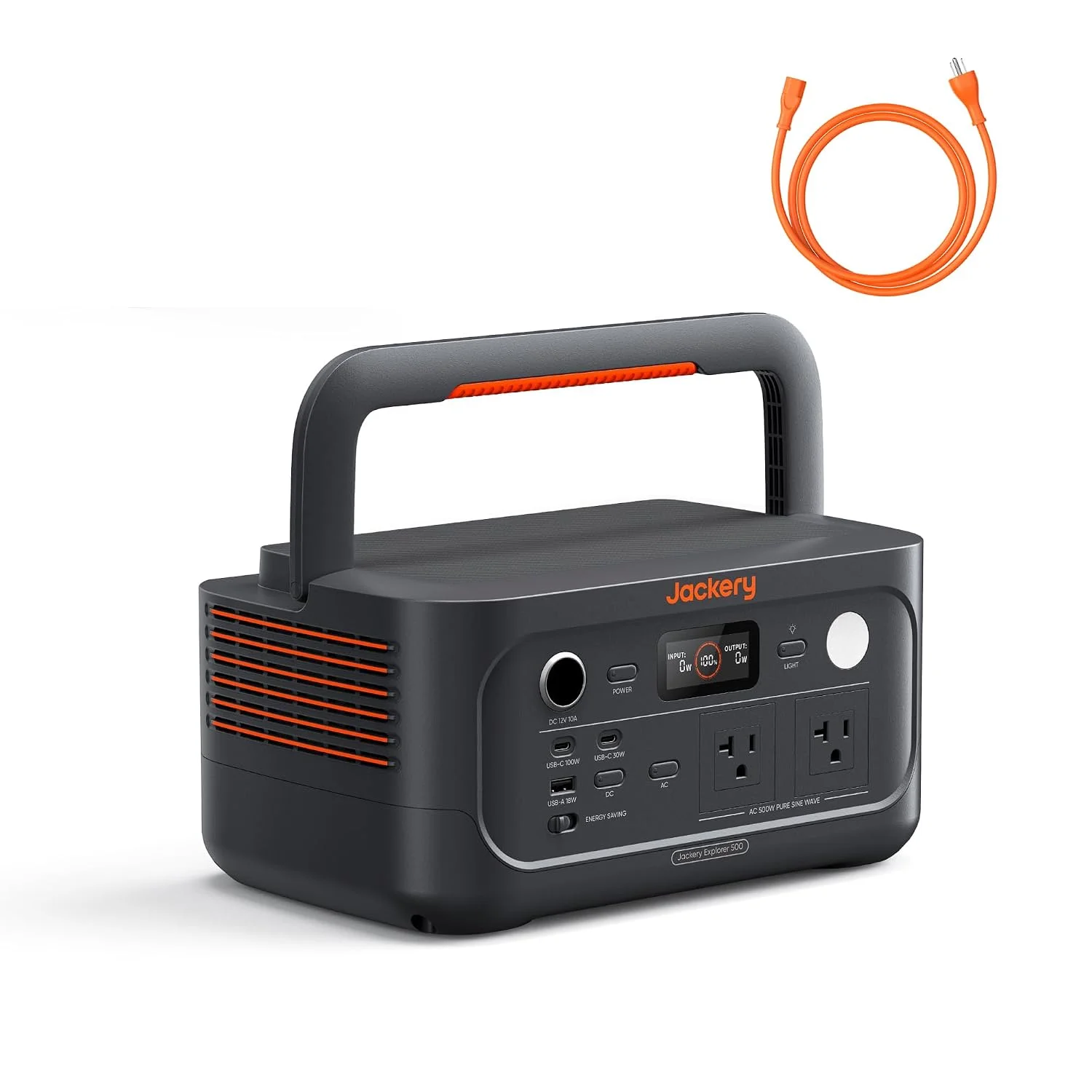
The Kia EV9's camping mode is Utility Mode. It hands cabin power from the small 12 V battery over to the 99.8 kWh drive battery, so the heater, A/C, lights and screens keep running for hours while you are parked without stranding you. Pair Utility Mode with the EV9's V2L outlets to run a fridge or string lights and you have a mobile basecamp — no generator, no idling engine.
The numbers that decide your night are up top; the full sleep-and-power guide follows. Sourced to Kia's EV9 owner's manual, Cars.com's hands-on V2L test, and Recharged's overnight figures.
| Camping mode | Kia EV9 answer |
|---|---|
| What it is | Utility Mode — the high-voltage battery (not the 12 V) runs audio, lights, A/C and heater for long parked stretches (Kia owner's manual) |
| Turn it on | Screen → EV → EV Setting → Utility mode → Activate utility mode. Vehicle in READY with gear in P; the parking brake sets itself (Kia owner's manual) |
| Overnight climate draw | About 5–10% of the pack over an 8-hour night with gentle HVAC in moderate weather; more in extreme heat or cold (Recharged) |
| V2L output | Around 1.9 kW total, shared across the interior household outlet and the exterior charge-port adapter combined (Cars.com) |
The Short Version
The Kia EV9, with its 99.8 kWh battery on Long Range models, isn't just another oversized grocery getter; it's a mobile power plant. Forget those flimsy 12V cigarette lighter outlets that barely run a phone charger. This thing has Vehicle-to-Load (V2L) tech, pushing 1.9kW of continuous 120V AC power through an external adapter. That's enough to run a small fridge, a induction cooktop, and keep your phone topped off without breaking a sweat.
Most gas rigs are stuck with a piddly 100W inverter, maybe 400W if you're lucky. The EV9's V2L is a proper 15A circuit. It's not some glorified USB port; it's a full-on wall socket on wheels. This means your high-draw appliances won't cause voltage sag or trip a cheap inverter's overload protection every time the compressor kicks on. The thermal management on that battery pack is engineered for continuous discharge.
This isn't just about charging your phone. We're talking about running an electric kettle for coffee, powering a legitimate cooler, or even a small space heater if you're not trying to freeze your ass off at 10 degrees F. One user on Facebook reported keeping the EV9's cabin at 82 degrees F overnight in freezing conditions while charging devices. Try that with a gas car without choking on exhaust fumes or running out of fuel in 4 hours.
That 99.8 kWh battery capacity is roughly equivalent to 25-30 kWh per day for a typical US home. You can run an average household for multiple days. Recharged calls it a "silent home generator." It's not just a vehicle; it's a massive, quiet battery pack that happens to have wheels and seats. That's the real advantage.
Now, don't get me wrong, it's still a 6,000-pound brick. But a brick that can power your entire campsite for 2-3 nights, easy. This guide isn't about the 'experience' of camping. It's about the amps, the watts, the cubic feet, and how to keep your gear from failing when you're 50 miles from the nearest auto parts store.
Kia EV9 Dimensions and Cargo Space
The Kia EV9 isn't a compact hatchback. It's a proper three-row SUV, and that means actual usable space for sleeping and gear. The total cargo volume with both the second and third rows folded flat is approximately 81.7 cubic feet. That's not just a number; it means you can actually stretch out. No bending your knees or sleeping diagonally.
When those seats are folded, you're looking at a flat platform roughly 7.5 feet long and over 5 feet wide. This isn't some marketing gimmick; the battery design allows for a truly flat floor, unlike gas SUVs where the driveshaft hump or exhaust components eat into your precious sleeping real estate. The interior height is around 40-42 inches, which means you can sit up without hitting your head. Minimal thermal expansion issues with a flat floor.
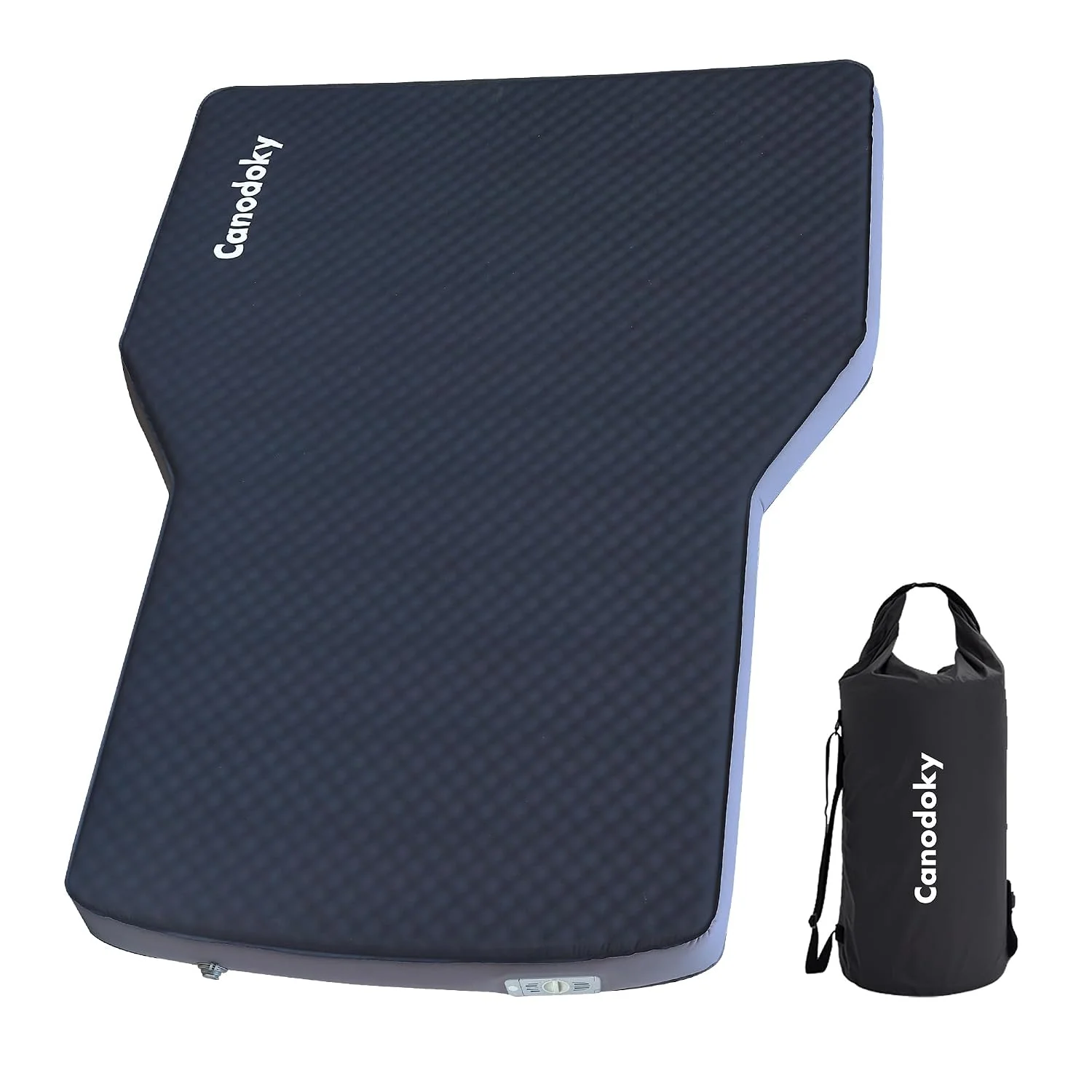
That flat floor is critical. It eliminates the wheel well intrusion you get in most combustion vehicles, which creates awkward gaps and uneven sleeping surfaces. With the EV9, you don't need to build a complex subfloor to level things out. Just drop your mattress in. This reduces the risk of pressure points that lead to material fatigue in your sleeping pad.
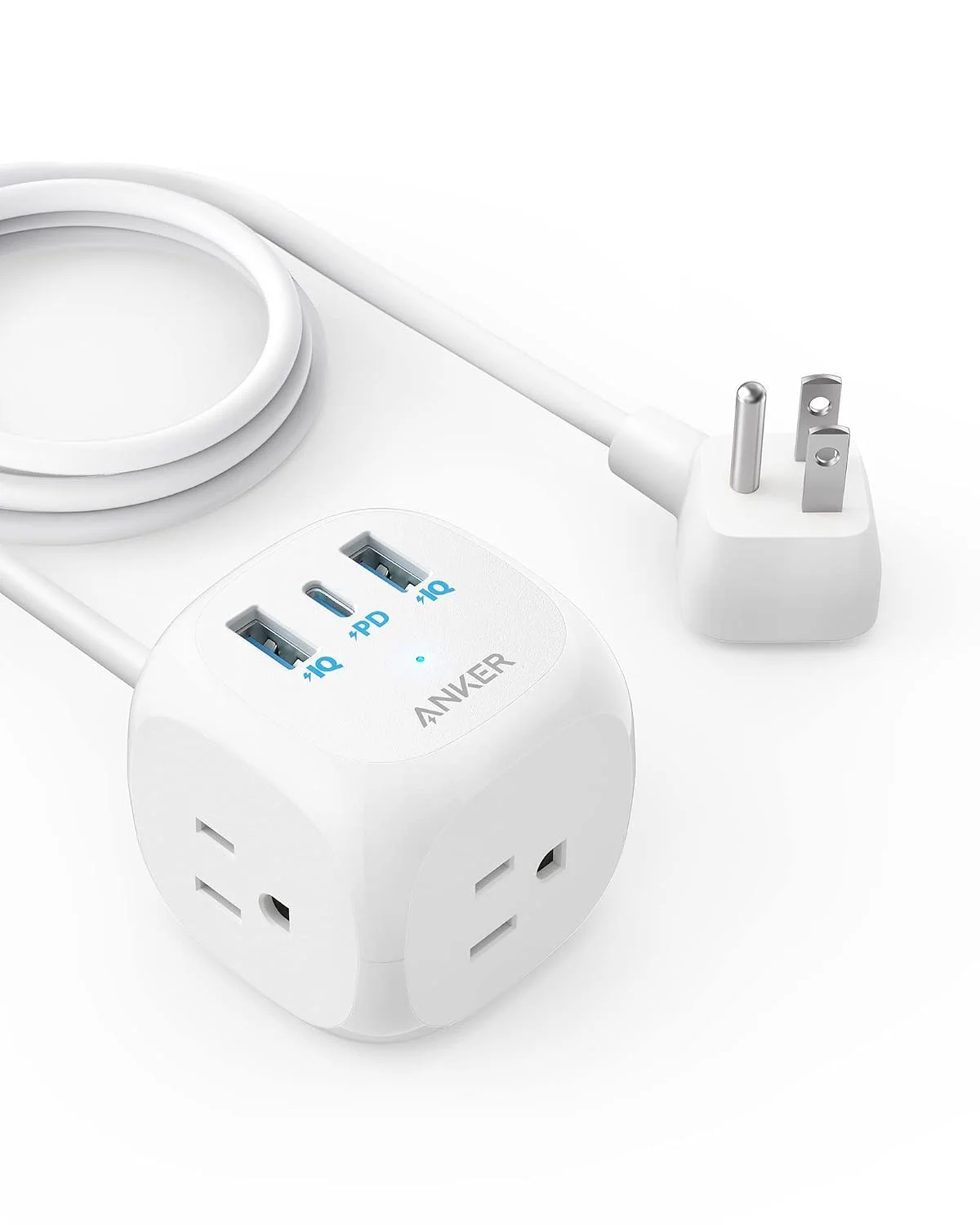
For power, the EV9's V2L system draws directly from the main traction battery. It's not some dinky auxiliary battery. The adapter plugs into the CCS charging port on the exterior, converting DC power from the main pack to 120V AC. This means you're getting robust, stable power, not some voltage-starved mess that trips a cheap circuit breaker. Kia's own documentation shows the V2L function.
To activate V2L, you need to enable Utility Mode. This isn't just 'accessory mode' like in a gas car. You power up the vehicle, then select Utility Mode. This keeps the climate control, infotainment, and V2L system active without engaging the drive system. It's a dedicated power delivery mode, not just a hack. Reddit users have confirmed this distinction. It's engineered to run for extended periods. If you're weighing trims, see how the Sportage compares to other Kia camping builds.
Sleeping Setups for the Kia EV9
How Long the Pack Really Lasts: An Overnight Energy Budget
Every number in this section is arithmetic on figures already sourced above — the 99.8 kWh pack, Recharged's measured overnight climate draw, and the 1.9 kW V2L ceiling Cars.com recorded. Nothing here is a manufacturer promise.
Start with the climate load, because it dwarfs everything else. Recharged puts a night of gentle HVAC in moderate weather at 5 to 10 percent of the pack over eight hours. On a 99.8 kWh battery that is 5.0 to 10.0 kWh, which works out to an average draw somewhere between 0.62 and 1.25 kW. That is the whole ballgame; the rest is rounding.
Computed: one night in the EV9, in kilowatt-hours. Climate is the sourced figure; the other two lines are ordinary duty-cycle draws for the gear this guide already recommends. Everything is expressed against the 99.8 kWh Long Range pack.
| Load | Average draw | Over an 8-hour night | Share of a 99.8 kWh pack |
|---|---|---|---|
| HVAC, gentle, moderate weather | 0.62–1.25 kW | 5.0–10.0 kWh | 5–10% |
| 12 V compressor fridge, cycling | ~45 W | ~0.4 kWh | ~0.4% |
| Phones, lights, a small fan | ~25 W | ~0.2 kWh | ~0.2% |
| A normal night, all in | — | ~5.6–10.6 kWh | ~6–11% |
Now run it forward. Arrive at 80 percent and keep 20 percent in reserve to drive out, and you have roughly 60 percent of the pack — about 60 kWh — to spend. At 6 to 11 percent a night that is five to ten nights of climate before the reserve is touched.
Which produces the finding that matters, and it is not the one people expect: the camping draw is almost never what strands you. Two or three nights of running the heater costs you well under a fifth of the battery. What sets your limit is the distance back to a charger, because that 20 percent reserve is only about 20 kWh — a modest number of miles in a three-row SUV that weighs what this one weighs.
So plan the drive out first and the campsite second. Decide the charger you are returning to, work backwards to the state of charge you need on the morning you leave, and treat everything above that line as your camping budget. Done in that order the answer is usually "stay another night." Done in the other order you end up rationing the heater at 2 a.m. for no reason.
The one hard ceiling is instantaneous, not cumulative. V2L tops out around 1.9 kW total, shared across the interior outlet and the exterior adapter — call it 15.8 amps at 120 volts. The 1,500 W kettle and the 1,200 W induction hob named later in this guide come to 2,700 W together, about 142 percent of that ceiling, which is why they trip it. Sequence high-draw appliances rather than running them side by side; the pack has the energy, the outlet just does not have the headroom.
Ventilation and Condensation: The One Thing an EV Doesn't Fix for You
Sleeping in an electric SUV removes the single worst hazard of sleeping in a petrol one. There is no combustion, so there is no carbon monoxide, and running the climate control all night is simply not the same category of decision it is in a car with an exhaust pipe. That is the genuine safety win, and it is the reason Utility Mode is usable in a way that idling an engine never was.
What it does not fix is water. Two adults breathing in a sealed cargo bay put moisture into the air all night, and the glass is the coldest surface in the vehicle, so that is where the moisture goes. By three in the morning the windows stream, by morning the foot of the bedding is damp, and by the third trip the whole setup smells faintly of a cellar. None of that is a fault in the car; it is what happens when you seal warm bodies into a cold box.
- Run the climate control on fresh air, not recirculate. This is the single highest-value change and it costs nothing. Recirculation takes the air you have already breathed and humidified and puts it back over the same cold glass; fresh air mode dumps that moisture outside and pulls in dry air to replace it. On a night when the outside air is cold it is also drier, which is exactly what you want.
- Crack two windows diagonally, not side by side. Two openings on the same flank give you a dead pocket; one at the front on one side and one at the rear on the other gives you cross-flow across the sleeping platform. A centimetre is enough. In a petrol car that trade costs you engine idle to stay warm; here it just means the climate control works slightly harder against a pack you have already budgeted for.
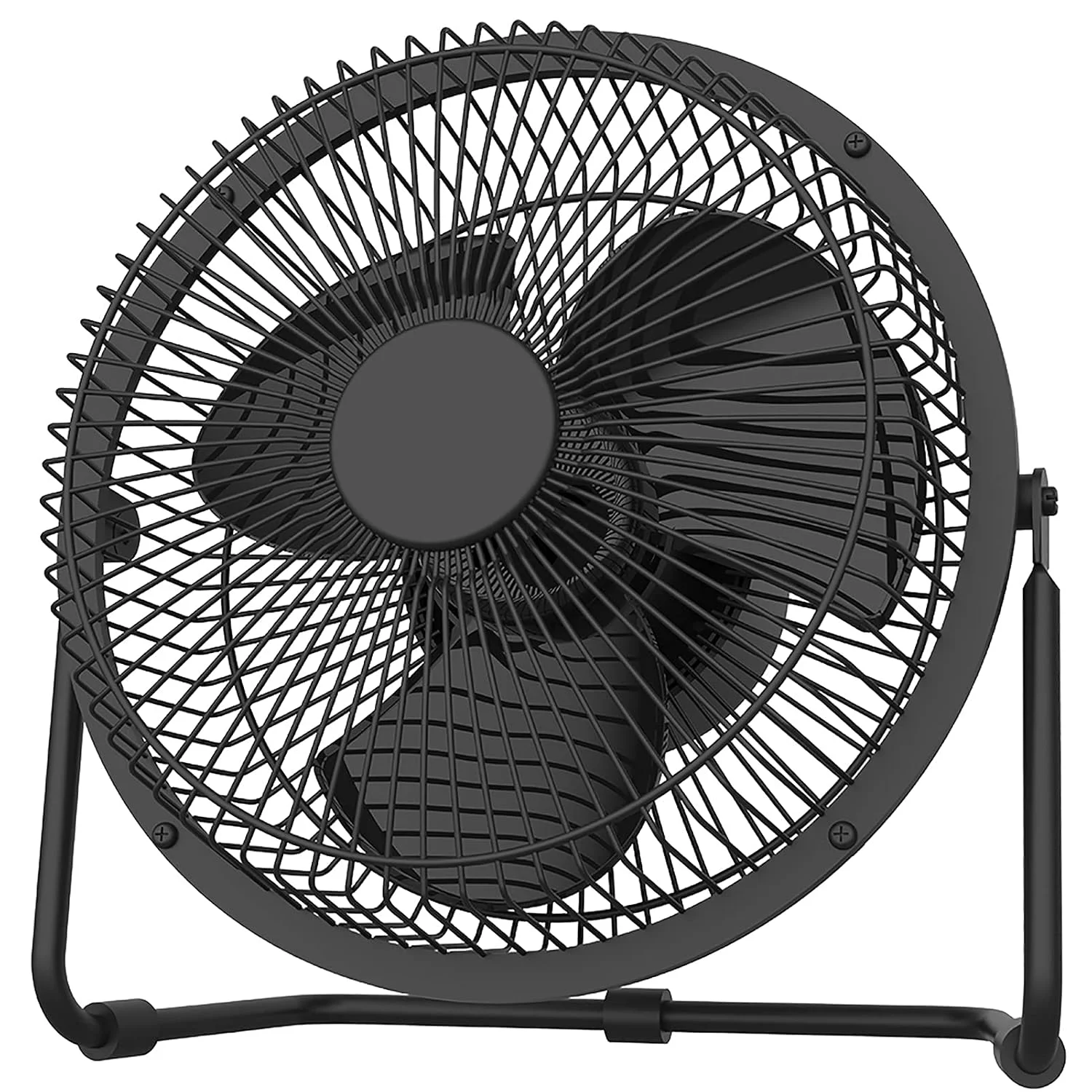
- Move the air inside, and aim it at the glass. A small battery fan — the one recommended later in this guide is the obvious candidate — does more good pointed at a window than pointed at you. Still air against cold glass is what lets vapour settle; keep that layer moving and most of it never condenses in the first place. Our notes on condensation in car-camping setups go through the same physics in more detail.
- Treat coverings and ventilation as two different jobs. Window coverings earn their keep on privacy and on heat: one that holds a still layer of air against the glass raises the surface temperature and gives vapour less cold surface to find. But a covering that seals damp air in against that glass makes the problem worse. Cover for warmth and privacy; ventilate for moisture. Doing one and calling it both is the mistake.
In the morning, wipe the glass down before you drive rather than letting it dry into streaks, and unroll the bedding somewhere with air rather than stuffing it away damp. Two minutes of that at the end of each night is the difference between a setup you keep using and one that quietly turns unpleasant over a season.
Practical Tips for Camping in the EV9
The Bottom Line
The Kia EV9 isn't just a vehicle for getting from point A to point B; it's a legitimate platform for off-grid camping. The combination of its massive 99.8 kWh battery and robust 1.9kW V2L system means you can power serious appliances without the noise and fumes of a gas generator. This isn't some flimsy accessory mode; it's engineered for sustained power delivery.
CleanTechnica noted they "didn't need a generator because the Kia EV9 has plenty of battery power and V2L."
The interior space, with 81.7 cubic feet of cargo volume and a 7.5-foot by 5-foot flat sleeping platform, is genuinely usable for two adults. You can actually stretch out. This isn't some cramped afterthought. The ability to run the HVAC system silently and efficiently overnight in Utility Mode is a game-changer for comfort and safety, especially in extreme temperatures like 10 degrees F. One user confirmed this.
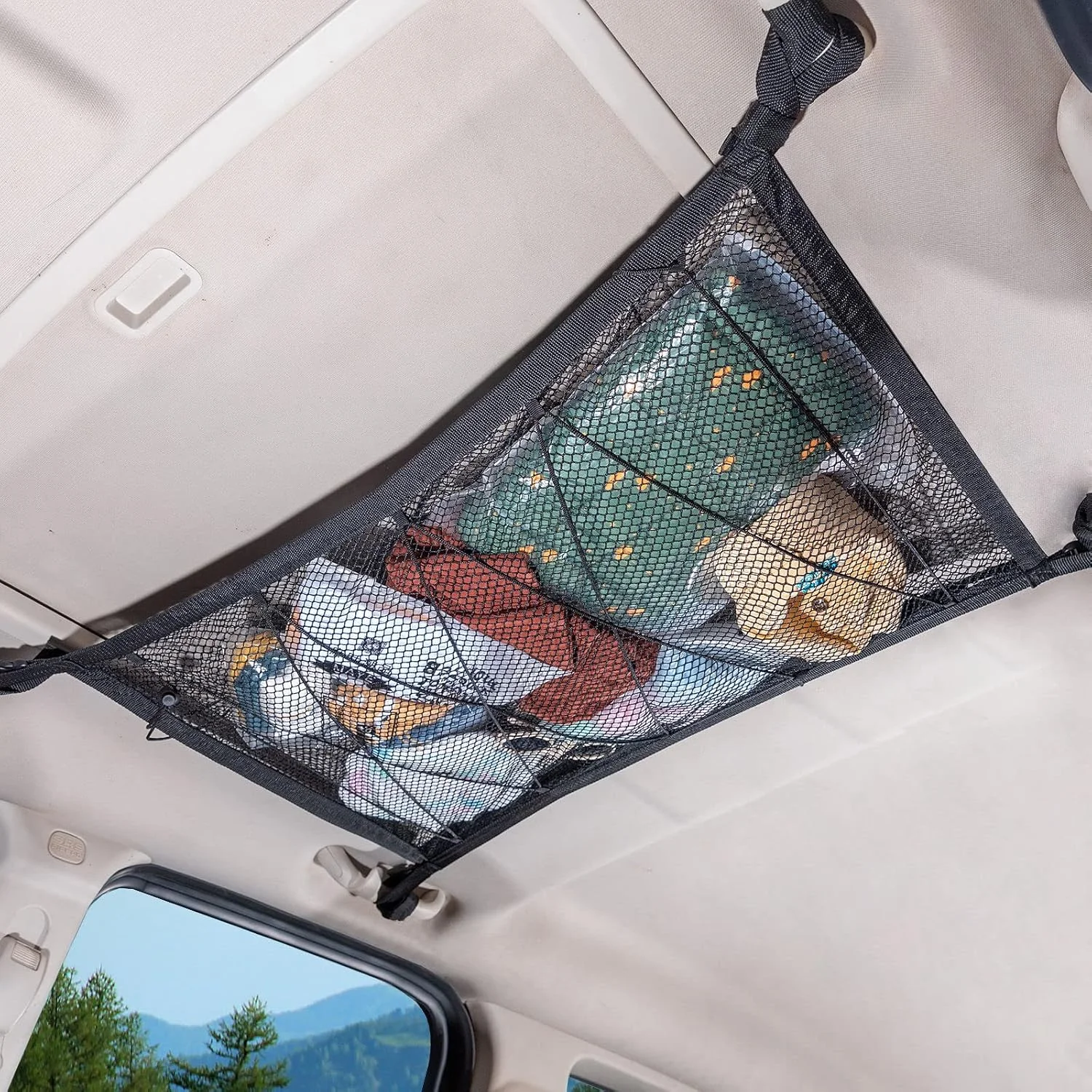
Yes, range anxiety is still a thing. Plan your charging stops. But for 2-3 nights off-grid, the EV9 provides a level of comfort and utility that traditional gas vehicles simply can't match without hauling a noisy, smelly generator. It's a proper mobile basecamp, not just a place to crash. Reddit users have already embraced the car camping lifestyle with the EV9, adding cargo nets and custom window coverings.
This is about leveraging the underlying physics of a large battery and efficient electric components. No combustion engine, no exhaust. Just clean, quiet power.