Hyundai Ioniq 5 Camping: Complete Guide to EV Car Camping
Introduction: The Ioniq 5 as an EV Camping Pioneer
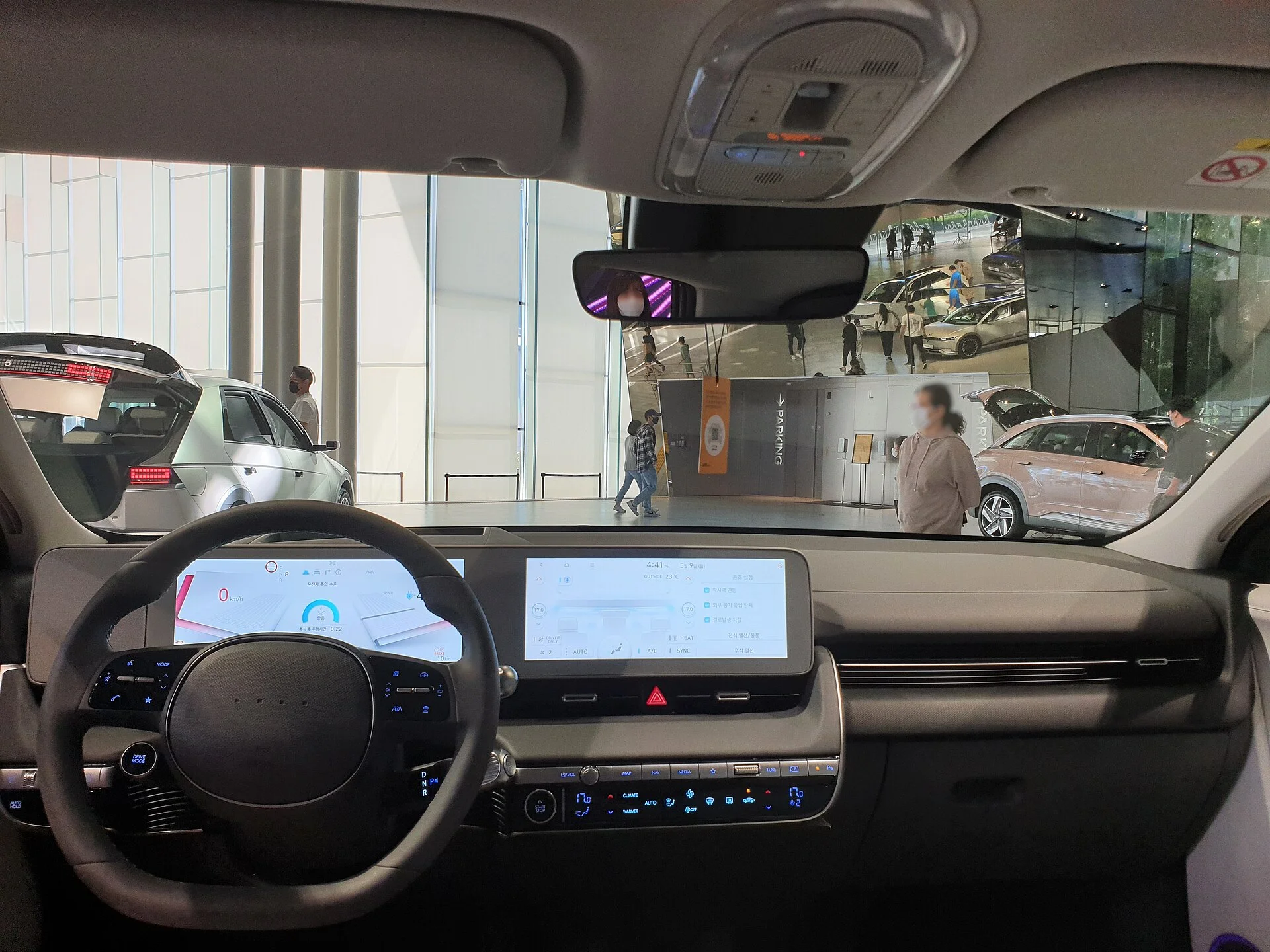
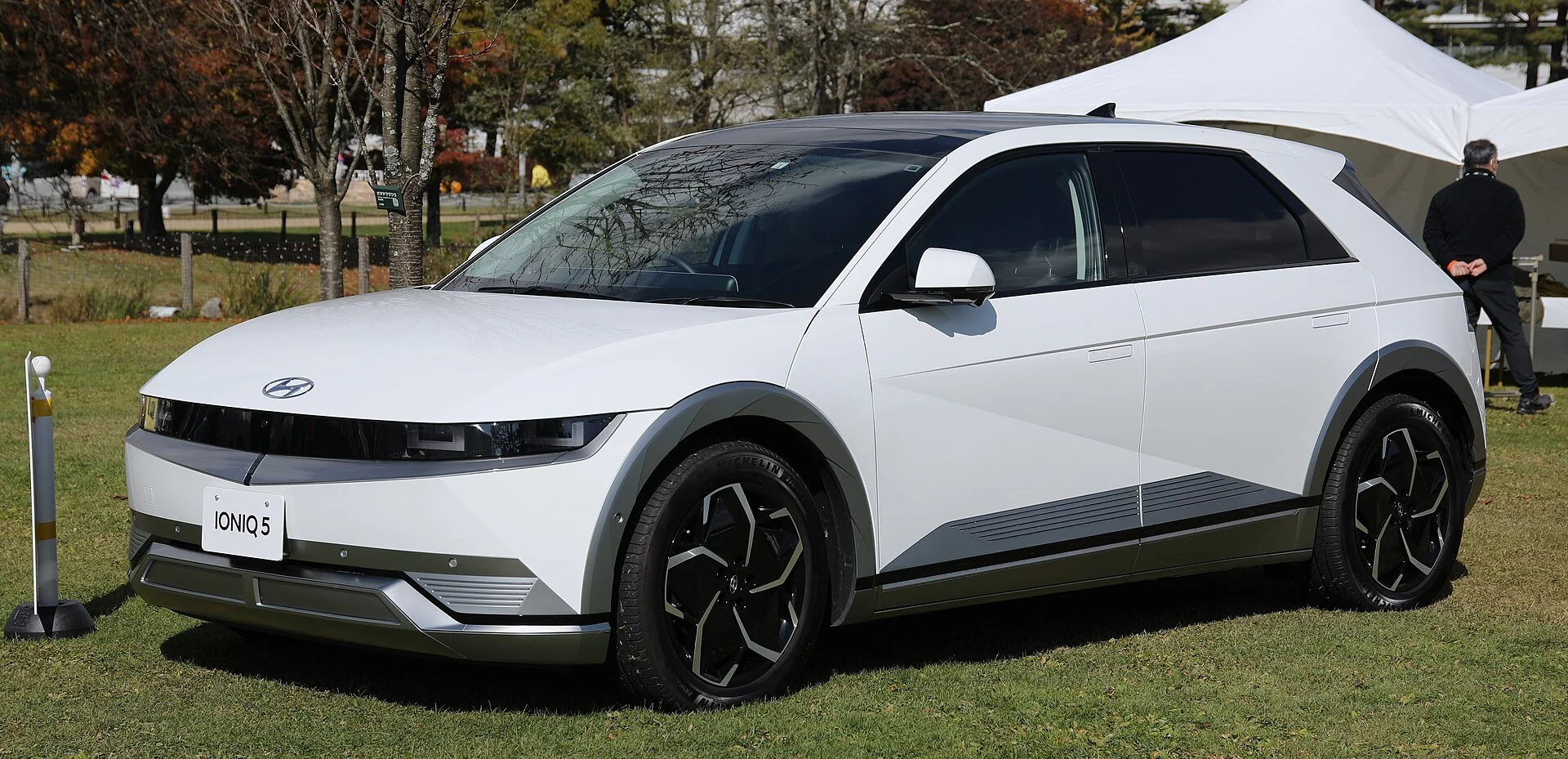
The Hyundai Ioniq 5 represents a new paradigm for car camping: an electric vehicle specifically designed with features that make overnight adventures not just possible, but genuinely practical. While many EVs can technically be used for camping, the Ioniq 5's Vehicle-to-Load (V2L) capability, flat-folding seats, and spacious interior make it one of the first EVs truly optimized for the camping use case. What sets the Ioniq 5 apart from other EVs for camping is its V2L feature, which allows you to use the vehicle's battery to power external devices—essentially turning your car into a mobile power station. Run a portable heater, power a mini-fridge, charge devices, or even run a CPAP machine overnight. Combined with the retro-futuristic design that creates a genuinely flat cargo floor, the Ioniq 5 offers a unique camping experience.
Of course, EV camping requires different planning than traditional vehicle camping. Range management, charging infrastructure access, and battery conservation become part of the adventure equation. But for campers willing to embrace these considerations, the Ioniq 5 offers silent operation, zero local emissions in pristine wilderness areas, and the innovative V2L capability that no gasoline vehicle can match.
This guide covers everything you need to know about camping in your Hyundai Ioniq 5, from cargo dimensions and mattress options to V2L usage, climate control strategies, and range planning for camping trips.
What You'll Learn
- Vehicle Specs & Dimensions
- Sleeping Setup Options
- Storage & Organization
- Power & Electrical
- Climate Control
- Pros and Cons
- Frequently Asked Questions
Hyundai Ioniq 5 Cargo Dimensions for Sleeping
Understanding the Ioniq 5's dimensions helps you plan your EV camping setup.
Cargo Area Dimensions
The Ioniq 5 offers competitive dimensions for a crossover:
- Cargo length (seats folded): 72-75 inches**
- Cargo width (between wheel wells): 42-44 inches**
- Cargo width (above wheel wells): 48-50 inches**
- Cargo height: 35-37 inches**
- Total cargo volume: 59.3 cubic feet with seats folded
The EV Advantage: Flat Floor
The Ioniq 5's EV architecture creates specific benefits:
- Skateboard platform: Battery beneath creates flat floor
- No transmission tunnel: Uninterrupted cargo area
- Low load height: Easy loading
- Front trunk (frunk): 0.9 cubic feet of additional storage
Seat Folding Characteristics
The 60/40 split-folding rear seats:
- Fold relatively flat (better than many competitors)
- Create mostly continuous surface with cargo floor
- Small step may exist at fold point
- Headrests should be removed for flattest surface
Who Fits Comfortably
Ioniq 5: - Under 5'10": Very comfortable sleeping straight - 5'10" to 6': Comfortable with minor positioning - 6' to 6'2": Workable with diagonal positioning - Over 6'2": Challenging; consider larger EV
The Ioniq 5's dimensions are comparable to compact SUVs, making it best suited for solo campers and shorter couples.
V2L: Your Portable Power Station
The Ioniq 5's Vehicle-to-Load capability transforms camping possibilities.
What is V2L?
V2L allows the Ioniq 5 to power external devices:
- Output: 120V AC power up to 1.9kW (15 amps)
- Locations: Interior outlet and exterior adapter (below charging port)
- Capacity: Full battery provides approximately 77 kWh of usable energy
- Interface: Standard household outlets
Camping Applications
High-value uses: - Electric blanket or small heater (cold weather) - Portable air conditioner or fan (hot weather) - CPAP or medical devices (overnight operation) - Mini-fridge or cooler - Laptop and device charging - Electric griddle for cooking - LED string lights
Power budget example (overnight): - CPAP machine (50W): ~0.4 kWh/night - Phone charging: ~0.05 kWh - LED lights: ~0.02 kWh/night - Electric blanket (low): ~0.5 kWh/night - Total: ~1 kWh = ~1.3% of battery
Managing V2L Power Usage
Best practices: - Monitor battery state of charge - Calculate power needs before camping - Leave adequate range buffer for departure - Higher draws (heaters, AC) consume battery faster - Consider overnight vs. trip total battery needs
Power consumption rates: - 100W device: ~3.3% battery per 24 hours - 500W device: ~16% battery per 24 hours - 1000W device: ~33% battery per 24 hours - 1500W device: ~50% battery per 24 hours
V2L Equipment Needed
- V2L exterior adapter (for outside outlets)
- Extension cords as needed
- Power strip for multiple devices
- The interior outlet works without adapter
Climate Control Strategy for Camping
Managing temperature is crucial for EV camping. The Ioniq 5 offers advantages here.
Using Vehicle Climate Control
The Ioniq 5 can run climate control while parked:
- Utility Mode: Enables climate without "driving" the car
- Pre-conditioning: Heat or cool before sleeping
- Battery impact: Significant—monitor carefully
Climate control power consumption: - AC: ~1.5-3 kW (hot weather) - Heat: ~2-5 kW (cold weather, heat pump helps) - Running overnight: Can use 20-50%+ of battery
Heat Pump Advantage
The Ioniq 5's heat pump is more efficient than resistive heating:
- Uses less energy to produce heat
- More effective in mild cold
- Still consumes significant power in extreme cold
- Major advantage over EVs without heat pumps
Alternative Climate Strategies
Cold weather (preferred methods): - Quality sleeping bag rated for conditions - V2L-powered electric blanket (much more efficient) - Insulated window covers - Brief vehicle heat for pre-bed warming - Layer clothing and bedding
Hot weather (preferred methods): - Ventilation with windows cracked - V2L-powered portable fan - Reflective window covers during day - Camp at higher elevations - Brief AC for pre-bed cooling
Why Not Run Climate All Night?
- Battery consumption: 20-50% overnight typical
- Range impact for departure
- Noise from climate system
- Often unnecessary with proper gear
- Better to use efficient alternatives (blankets, fans)
The V2L approach (electric blanket, fan) uses far less power than full climate control.
Range Planning for Camping Trips
EV camping requires thoughtful range planning. Here's how to approach it.
Ioniq 5 Range Basics
EPA ranges (vary by configuration): - Long Range RWD: 303 miles - Long Range AWD: 266 miles - Standard Range: ~220 miles
Real-world factors: - Temperature affects range (cold reduces, hot varies) - Highway speed reduces range more than city - Mountain driving and elevation changes impact range - V2L and climate usage reduce available range
Planning Charging Stops
Route planning tools: - ABRP (A Better Route Planner): Best for trip planning - Hyundai's built-in navigation with charging - PlugShare: Find chargers and read reviews - Google Maps: Shows nearby chargers
Camping trip approach: 1. Identify campsite location 2. Find nearest fast chargers along route 3. Plan to arrive at camp with adequate buffer 4. Identify charging options near campsite if needed 5. Account for return trip charging needs
Buffer Recommendations
Arrive at campsite with: - Minimum: 30% for departure + V2L usage - Recommended: 50%+ for flexibility - Ideal: 70%+ for peace of mind
The math: - Overnight V2L: ~5-10% typical use - Buffer for unexpected needs: 10-15% - Range to nearest charger: Calculate needed % - Add these together for arrival target
Campsite Charging Reality
Options vary widely: - Some campgrounds have RV hookups (Level 2 possible with adapter) - Remote dispersed camping typically has no charging - Nearby towns may have Level 2 or DC fast charging - Some state parks are adding EV charging
Pro tip: Scout charging infrastructure before booking remote campsites.
Ioniq 5 vs. Other EVs for Camping
How does the Ioniq 5 compare to other electric vehicles for camping?
Ioniq 5 vs. Tesla Model Y
Popular EV comparison:
- Cargo volume: Model Y larger (68 vs 59.3 cu ft)
- Sleeping length: Model Y longer
- V2L capability: Ioniq 5 yes; Model Y no (requires adapters)
- Camp Mode: Model Y has dedicated mode; Ioniq 5 uses Utility Mode
- Charging network: Tesla Supercharger more extensive
- Range: Similar (Model Y slightly better)
Choose Ioniq 5 for: V2L capability, non-Tesla charging flexibility Choose Model Y for: More space, Camp Mode, Supercharger network
Ioniq 5 vs. Kia EV6
Corporate cousins:
- Platform: Same E-GMP platform
- V2L: Both have V2L capability
- Cargo volume: EV6 slightly larger (59.3 vs 50.2 cu ft)
- Styling: EV6 sportier; Ioniq 5 more retro
- Interior: Ioniq 5 slightly more spacious feeling
Choose based on: Styling preference, dealer experience, available deals
Ioniq 5 vs. Ford Mustang Mach-E
Competing crossover EVs:
- Cargo volume: Mach-E larger (59.6 cu ft)
- V2L: Ioniq 5 yes; Mach-E no
- Range: Similar
- Charging: Ioniq 5 faster peak charging
- Frunk: Mach-E larger front trunk
Choose Ioniq 5 for: V2L capability, faster charging Choose Mach-E for: More cargo space, Ford dealer network
Ioniq 5 vs. Rivian R1S
Different categories:
- Size: R1S significantly larger
- Off-road capability: R1S far more capable
- V2L equivalent: R1S has Camp Mode and outlets
- Price: R1S substantially more expensive
- Cargo: R1S much more sleeping space
Choose Ioniq 5 for: Value, efficiency, city-friendly size Choose R1S for: Maximum capability, space, off-road access
Frequently Asked Questions
Can you camp in a Hyundai Ioniq 5?
Yes, the Ioniq 5 works well for EV camping. You get 72-75 inches** of sleeping length with seats folded, V2L power for accessories, and a flat cargo floor from the EV platform. Best suited for solo campers and shorter couples.
What is V2L and why does it matter for camping?
V2L (Vehicle-to-Load) lets you use the Ioniq 5's battery to power external devices via standard outlets. Run electric blankets, fans, CPAP machines, mini-fridges, or even small appliances. It's like having a massive portable power station.
How much battery does overnight camping use?
Light V2L usage (phone charging, LED lights, fan): 5-10% overnight. Heavy usage (electric blanket, running climate): 20-50% overnight. Plan arrival battery level accordingly.
Can you run the AC or heat overnight?
Yes, using Utility Mode. However, it consumes significant battery (20-50% overnight). Better to use V2L-powered electric blanket (cold) or fan (hot) which use far less energy.
What size mattress fits in an Ioniq 5?
A twin mattress (38" x 75") fits well. The 42-44 inch width between wheel wells limits larger sizes. Compact SUV-specific air mattresses work best.
Does the Ioniq 5 have Camp Mode like Tesla?
Not specifically named "Camp Mode," but Utility Mode allows climate control and accessories while parked. Combined with V2L, it provides similar functionality.
How do you plan charging for camping trips?
Use A Better Route Planner (ABRP) to map chargers along your route. Plan to arrive at camp with 50%+ battery. Identify nearest chargers for return trip. Account for V2L usage overnight.
Is the Ioniq 5 good for remote camping?
Depends on charging infrastructure. The Ioniq 5 handles paved forest roads fine but can't access truly remote locations without charging access nearby. Best for campgrounds or dispersed camping near civilization.
Ioniq 5 vs. Model Y for camping?
Model Y offers more space and Camp Mode. Ioniq 5 offers V2L capability and potentially faster charging. Tesla's Supercharger network is more extensive. Choose based on priorities.
Can you use V2L in the rain?
The exterior V2L outlet has some weather protection, but avoid heavy rain or puddle exposure. The interior outlet is fully protected. Use common electrical safety practices.
How much does V2L equipment cost?
The V2L adapter for exterior use costs ~$200-300 if not included. Standard extension cords and power strips work with the outlets. Interior outlet requires no additional equipment.
Does EV camping affect battery health?**
Minimal impact with normal use. Avoid repeatedly draining to very low levels or fast charging to 100%. Normal camping use (50-80% cycling) is fine for battery longevity.