Two E-GMP siblings, one better camper
The Hyundai Ioniq 5 and Kia EV6 share a skateboard. Both ride on Hyundai Motor Group's E-GMP platform, both run an 800-volt architecture, and both carry the same roughly 84-kWh long-range battery and the same 3.6-kW vehicle-to-load hardware. On a spec sheet they read like twins wearing different jackets.
For a car camper, though, the differences that matter are not the ones the brochure highlights. What decides a build is the shape of the box you sleep in, the length of flat floor you can actually stretch out on, and how honestly the range holds up when you are running a fridge overnight. We treat this the way you would size any system: start from the load, work back to the capability, and refuse to pay for capability you will not use.
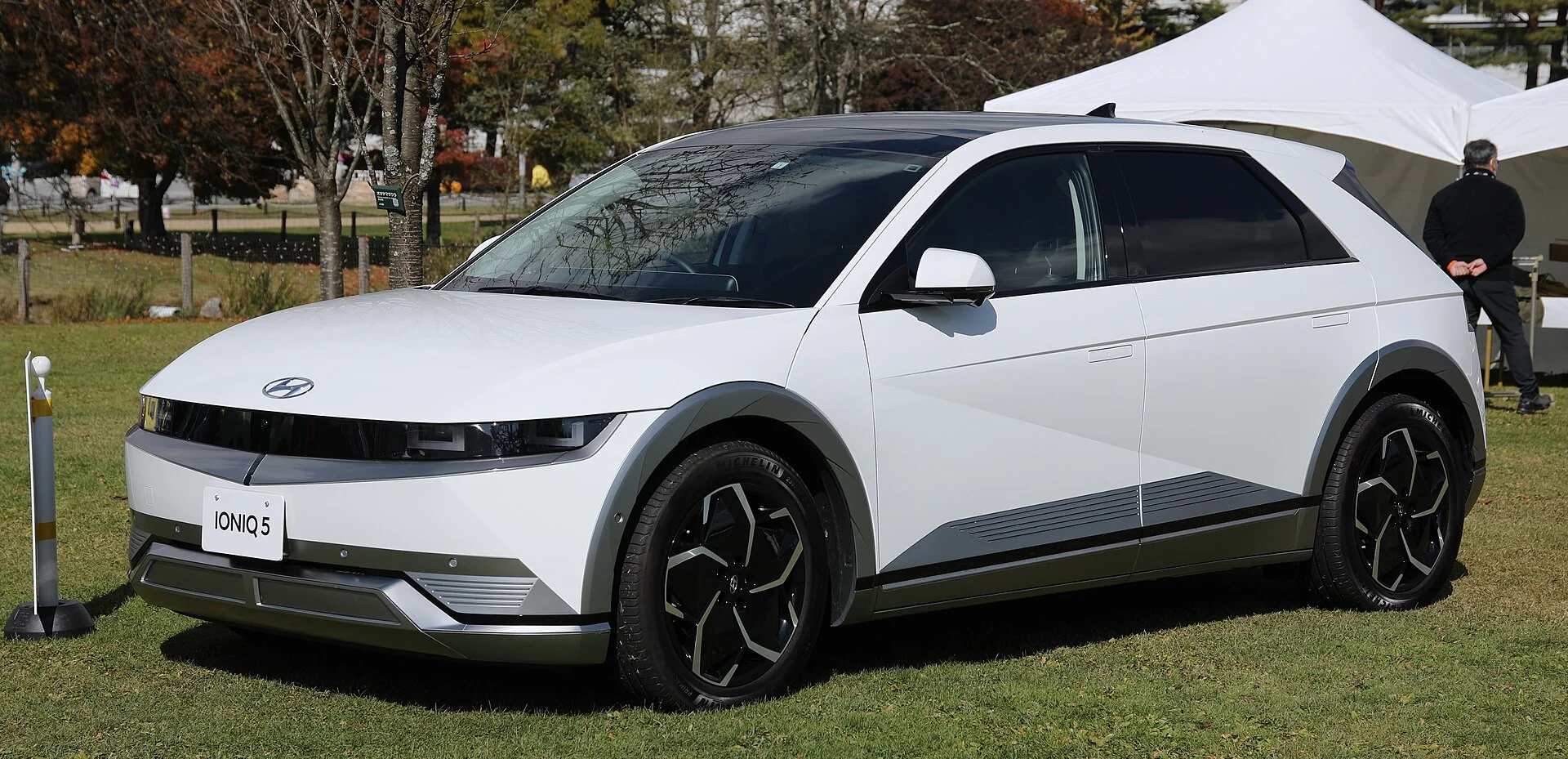
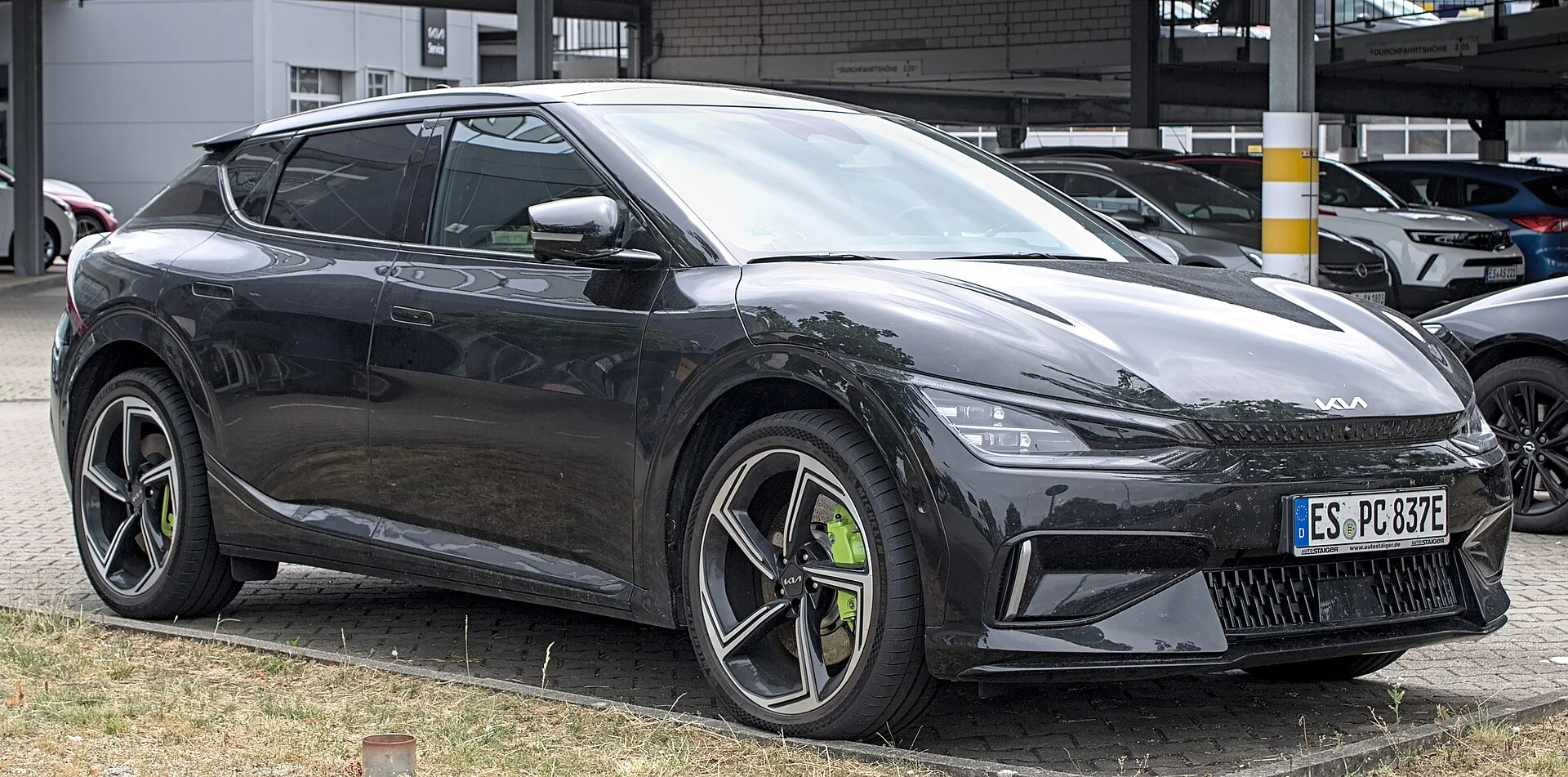
The Ioniq 5 wears a boxy, upright body and hides a trick most rivals lack, a sliding second row. The EV6 wraps the same bones in a fastback that looks quicker and, as we will see, sleeps shorter. Neither is wrong. They are tuned for different trips. This comparison works the trade-offs from published specs, tiers every number by source, and lands on a pick based on how you actually camp, not on which badge photographs better in a trailhead parking lot.
Cargo shape and the flat-floor advantage
Both cars start with the same structural gift: a dedicated EV platform means no transmission tunnel and no driveshaft hump running down the middle. The battery lives under the floor, so the load floor sits low and flat, and long rectangular loads lie down without fighting a bump. That is the foundation any sleeping platform wants, and it is why either sibling beats most gas crossovers of similar footprint.
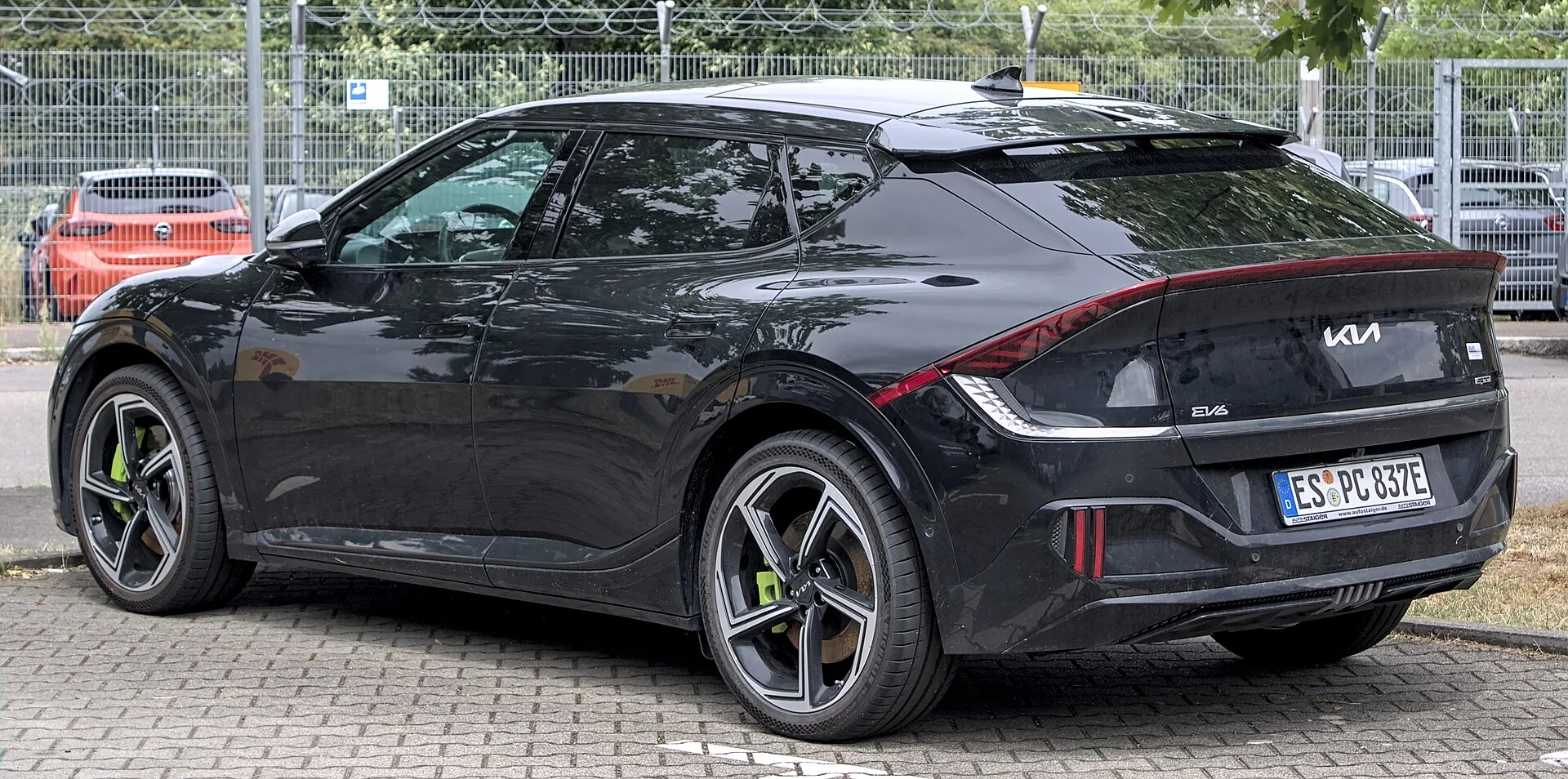
From there the shapes diverge. The Ioniq 5 is the boxier, more upright body, and with the seats folded it opens up close to 59 cubic feet of cargo volume. The EV6 is the fastback of the pair; its rear roofline slopes harder toward the tailgate, and it lists about 50 cubic feet with the seats down. That sloped glass is the catch. It steals headroom over your feet and turns the back of the cargo bay into a wedge rather than a true box.
- Ioniq 5: boxy, upright body, close to 59 cubic feet with the seats folded.
- EV6: fastback roofline, about 50 cubic feet with the seats down and a wedge over your feet.
Raw cubic-feet numbers flatter both cars, though. A luggage tester at Edmunds found the EV6 swallowed bags better in practice despite its lower spec, because volume is not the same as a usable rectangle. For sleeping, what you care about is not total volume at all, but the flat length between the tailgate and the front seatbacks, which we measure next.
The sleeping platform: dimensions that decide it
Here is where the twins split for real. With the second row folded, the Ioniq 5 gives you roughly 72 to 75 inches of flat length, and that number is not fixed, because the Ioniq 5 offers a sliding second row that most rivals, the EV6 included, do not. Slide the rear bench forward and you extend the flat floor enough for a six-footer to lie out fully. The EV6's fold-down floor tops out around 65 inches of usable length, which means anyone near six feet sleeps with feet in the footwell or angled across the diagonal.
Slide the Ioniq 5's rear bench forward and its flat floor stretches to roughly 72-75 inches; the EV6 tops out near 65. That single dimension decides more camping nights than any other spec on the sheet.
Width is closer, in the 43-inch range for both across the wheel arches, tight for two adults but workable for one plus gear. Every other headline number is effectively a tie, which is the whole point of comparing siblings.
| Spec | Ioniq 5 | Kia EV6 |
|---|---|---|
| Cargo length, seats down | ~72-75 in (sliding row) | ~65 in |
| Cargo width (arches) | ~43 in | ~43 in |
| V2L output | 3.6 kW | 3.6 kW |
| Battery (long range) | 84 kWh | 84 kWh |
| EPA range (RWD LR) | 318 mi | 319 mi |
Sources here are tiered official for battery and range, and owner and luggage-test measured for the flat-floor lengths, so treat the inch figures as the field reality rather than a Hyundai or Kia printed spec.
V2L power: the shared superpower, measured
This is the feature that makes either car a genuine basecamp rather than just a place to sleep. Vehicle-to-load turns the traction battery into a power station. Both siblings output up to 3.6 kW, which is enough to run a 12-volt fridge, charge laptops and phones, power a small induction burner, or drive a portable heater or fan through the night without a separate power bank.
- Run a 12-volt fridge continuously overnight.
- Charge laptops and phones without a separate power bank.
- Power a small induction burner for camp cooking.
- Drive a portable heater or fan in shoulder-season weather.
The mechanics are identical because the hardware is. There is a 110-to-120-volt outlet inside the cabin, typically under the rear seat, and a second, higher-capacity feed at the charge port when you plug in the supplied V2L adapter. Per Hyundai's own documentation, appliances should stay under 16 amps, and the system stops discharging once the battery falls to roughly 20 percent so you are never stranded by your campsite draw. Kia's implementation follows the same logic.
Run the math like an engineer. An 84-kWh pack, discharging only the top 80 percent V2L allows, leaves you around 67 kWh of usable house power. A typical 12-volt fridge pulling 40 to 60 watts averaged over a day sips maybe 1 kWh. Even with a heater cycling, you have days of off-grid margin, not hours. On this axis the two cars are dead even, so V2L should not swing your decision either way.
Range and how far each gets you off-grid
Range is another near tie that marketing tries to make into a fight. The long-range rear-drive Ioniq 5 is EPA-rated at 318 miles; the equivalent single-motor EV6 lands at 319. That one-mile gap is statistical noise, not a reason to choose. Both use the same 84-kWh pack, so their real-world efficiency tracks together within a rounding error.
Where the numbers actually move is trim and drivetrain, and this is identical across the pair. Step down to a standard-range battery and you drop to the mid-200s, 245 miles for the base Ioniq 5 and 237 for the base EV6. Add a second motor for all-wheel drive and you trade roughly 30 to 50 miles of range for traction, landing near 270 to 295 depending on wheels. For camping, the decision is the same on either badge: the long-range RWD trim is the efficiency sweet spot unless your trailheads demand AWD.
Remember that the rated range is your travel budget, not your camping budget. V2L draws from the same battery, so a night of heavy heater use might quietly cost you 10 to 20 miles of next-day range. Plan your last charge with that overnight tax in mind, and neither car will surprise you. You can cross-check the official figures at Hyundai.
Climate control overnight: camp mode compared
Sleeping in an EV has one comfort trick a gas camper cannot match: you can hold cabin climate overnight without idling an engine or breathing exhaust. Both siblings support a utility or camp-style climate hold that keeps heating or cooling running while parked, drawing from the same battery that moves the car.
Hyundai calls its version Utility Mode, which keeps accessories and climate alive with the car in park and the driver away from the seat. Kia's EV6 offers a comparable parked-climate function. In practice they behave the same, because they are solving the same problem with the same pack. The engineering honesty here is that climate is the single biggest overnight load you will place on the battery, far larger than a fridge or lights, and it scales with how cold or hot the night is.
Climate is the single biggest overnight load you will place on the battery. Insulation and window covers first, cabin climate as the backup rather than the plan.
A rough sizing rule: sustained heating can pull 1 to 2 kW, so a full night of running heat might cost 8 to 15 kWh, call it 30 to 55 miles of range. Cooling is gentler. That is survivable on an 84-kWh pack but not free, so on shoulder-season trips we lean on insulation, window covers, and a good bag first, and treat cabin climate as the backup rather than the plan. Both cars reward that discipline equally.
Charging on a road trip
The 800-volt architecture is the headline both siblings share, and for a road-tripping camper it is a real advantage over 400-volt rivals. On a sufficiently powerful DC fast charger, both cars can move from 10 to 80 percent in roughly 18 minutes under good conditions. That is a coffee-and-restroom stop, not a lunch break, which changes how you plan a long haul between campsites.
Because the hardware is common, the charging experience is functionally identical. You get the same peak rates, the same battery preconditioning behavior when you route to a charger, and the same sensitivity to cold, which slows charging until the pack warms. Newer model years have moved toward the North American Charging Standard connector, so confirm which port your specific build carries and pack the right adapter for the networks you will actually use.
- 10 to 80 percent in roughly 18 minutes on a strong DC fast charger.
- Identical peak rates and preconditioning behavior, because the hardware is common.
- Both slow in the cold until the pack warms.
- Newer builds may carry a North American Charging Standard port, so pack the matching adapter.
For camping logistics, the practical takeaway is that neither car punishes you for arriving at a remote area with a low battery, provided a fast charger sits within your range budget. Plan the trip around charger locations the way you would plan a gas trip around fuel, and the 800-volt speed means charging stops rarely dominate your day. On this axis, again, the Ioniq 5 and EV6 are interchangeable; pick on sleeping length, not on charging.
Comfort, noise, and living in it for a weekend
Living in a car for a weekend exposes things a test drive never does. Both siblings start strong: the electric drivetrain means a silent, vibration-free basecamp, and the flat E-GMP floor gives you an honest, level surface once you bridge the small step between folded seatbacks and the cargo deck with a cushion or platform.
The Ioniq 5's upright greenhouse pays off here. More vertical glass and a taller roof translate to more sitting-up room inside, which matters when a storm pins you in the car and you want to read or cook rather than lie flat for twelve hours. The sliding rear seat again earns its keep, letting you tune the balance between sleeping length and front-seat legroom for the driver. The EV6's swept roof looks better on the road but closes in over your feet and shoulders when you are horizontal.
Both cabins are quiet, well isolated, and comfortable enough that the deciding factors come down to your body and your gear. If you are tall or camp with a partner, the Ioniq 5's extra length and headroom are the difference between a good night and a compromised one. If you camp solo and value a sportier daily driver, the EV6's tighter sleeping box is a fair trade. For deeper build notes, see our Ioniq 5 camping guide and EV6 camping guide.
What does each cost to camp in?
Budget honesty matters, because the sticker is only the first line of the spreadsheet. Both cars open in the low-to-mid $40,000 range for the trims a camper actually wants, the long-range rear-drive versions, and climb from there with AWD and higher trims. Treat that as dealer-tier approximate rather than a fixed number, because EV pricing and incentives move quarter to quarter, and confirm the current figure before you buy.
The camping-specific cost is the build on top of the car, and here the two are nearly identical because the interiors are so close. Budget for a sleeping platform or a firm mattress cut to fit, reflective window covers for privacy and insulation, and a 12-volt fridge if you want the V2L to earn its keep. That kit runs a few hundred dollars either way and transfers between siblings without change.
Where the Ioniq 5 can save you money is by needing less compromise. Its longer flat floor means a simpler, flatter platform and fewer custom cuts to work around a sloped roof; the EV6 sometimes needs a shorter or tapered build to fit its wedge. Neither is expensive to outfit. The honest conclusion is that total cost to camp is roughly a wash, so let the sleeping dimensions, not the price tag, break the tie.
Accessories that make either work
Because the platform is shared, the same short accessory list turns either sibling into a capable camper, and most of it moves between the two without modification. Start with the sleeping surface. A folding foam platform or a mattress cut to your measured flat length is the single highest-value item, and it is the one place the Ioniq 5's extra inches let you buy a longer pad.
Next, get the V2L working for you. The in-cabin outlet handles small loads directly, but the charge-port adapter unlocks the full 3.6 kW for a fridge, a kettle, or a heater, so that adapter is not optional if power is why you chose an EV. Pair it with a 12-volt fridge sized to your trip length; the battery math we ran earlier means you rarely need to worry about draining the pack.
- A folding foam platform or a mattress cut to your measured flat length.
- The charge-port V2L adapter to unlock the full 3.6 kW.
- A 12-volt fridge sized to your trip length.
- Reflective window covers cut to each glass panel for privacy and insulation.
Round it out with reflective window covers cut to each glass panel, which do double duty for privacy and overnight insulation and cut your climate load meaningfully. Add a small rechargeable lantern, a collapsible table for outside the tailgate, and non-slip matting so your platform does not creep on the flat floor. None of this is exotic or car-specific. The gear list is the same for both siblings, which reinforces that the car choice comes down to fit, not accessories.
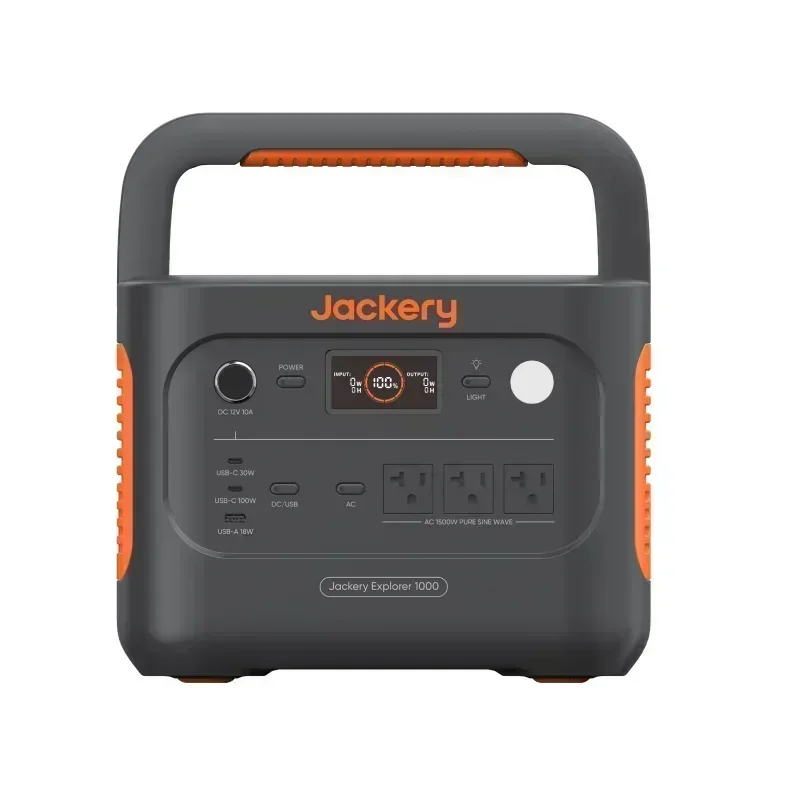
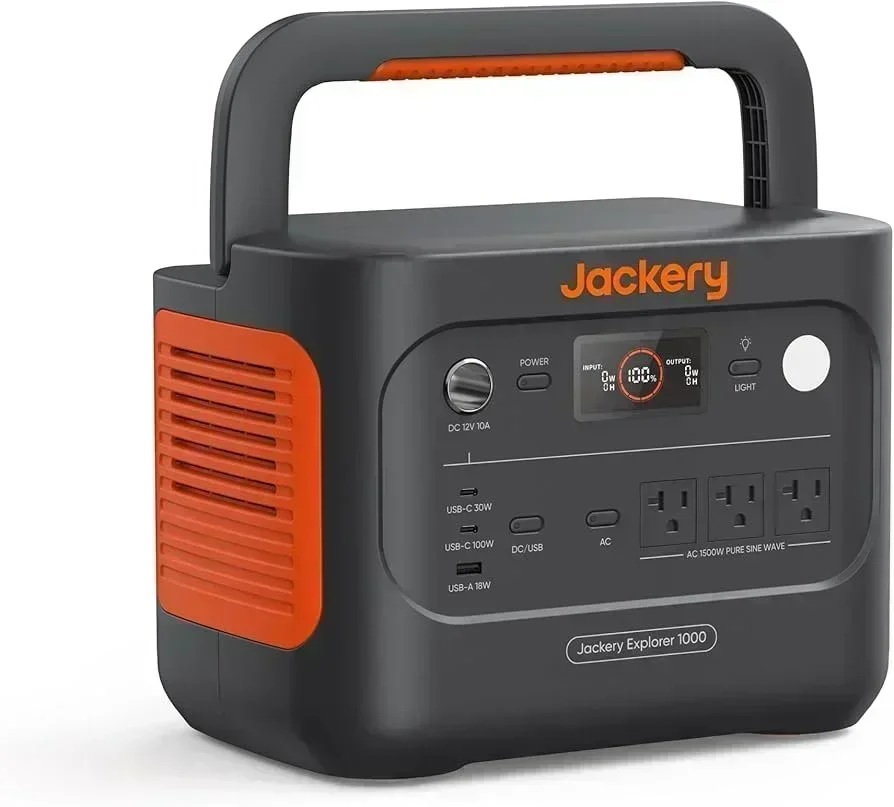
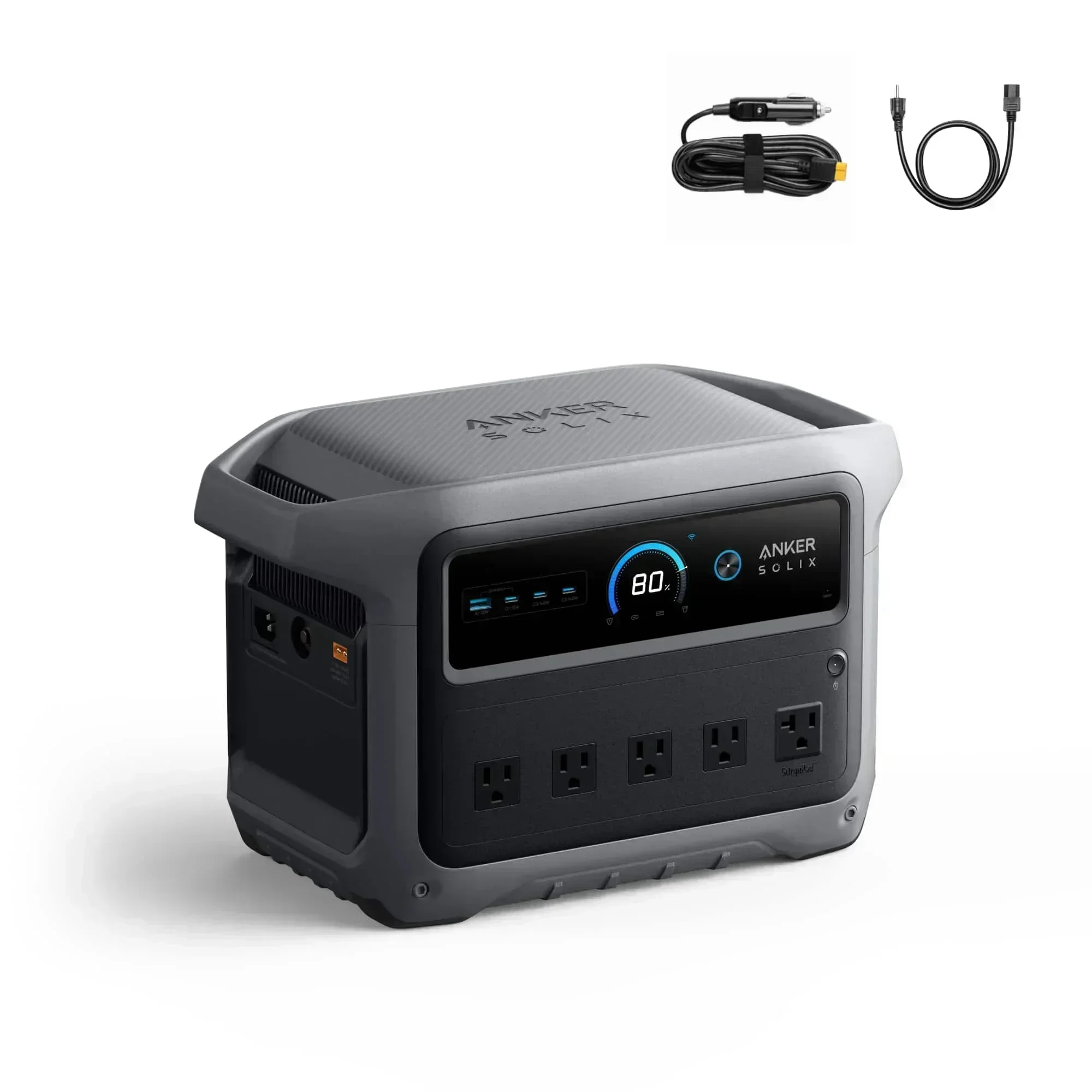
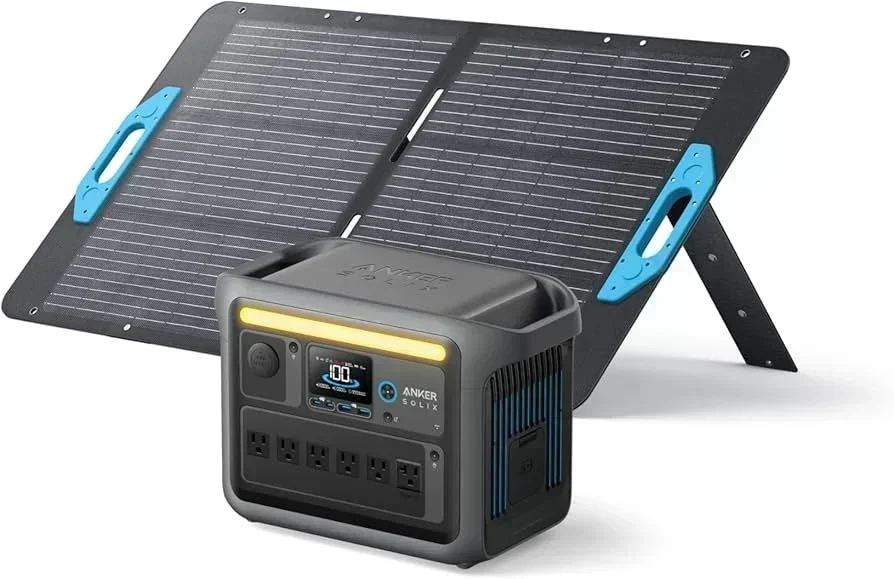
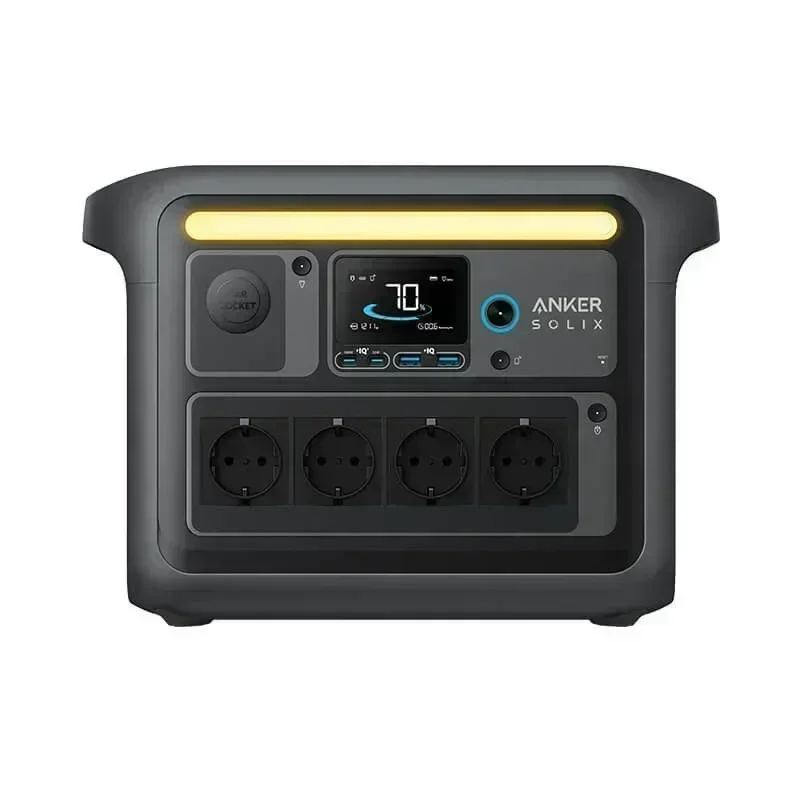
When the car itself is not the supply — parked away from the charge port, or saving range for the drive home — a portable station covers the same loads: the Jackery Explorer 1000 v2 Portable Power Station carries 1070Wh of LiFePO4, and the Anker Solix C1000 1056Wh rated for 1800W across six outlets with solar input, so either runs the fridge and the lights without touching the traction battery.
Engineer's pick: match the EV to your trips
Strip away the badges and these two are the same machine with one meaningful difference for a camper: the flat floor you sleep on. Battery, V2L, range, and charging are ties, engineered by the same team from the same parts. So the pick is not about which car is better in the abstract; it is about which one fits your body and your trips.
Take the Ioniq 5 if you are tall, camp with a partner, or want maximum flexibility. Its sliding second row stretches the flat floor to roughly 72 to 75 inches, and its upright roof gives you real sitting-up room when the weather turns. That combination makes it the more forgiving camper, and for most people planning to actually sleep in the car, it is the sensible default. The extra length costs you nothing in range or power.
Take the EV6 if you camp solo, prioritize a sportier daily driver, and can live with about 65 inches of sleeping length, sleeping diagonally if you are tall. You give up flat-floor length for a shape you may simply prefer on the road, and everything else stays equal. Our engineer's pick for the broadest range of campers is the Ioniq 5, on sleeping dimensions alone. Match the EV to your trips, not to the brochure, and either sibling will serve you well.