
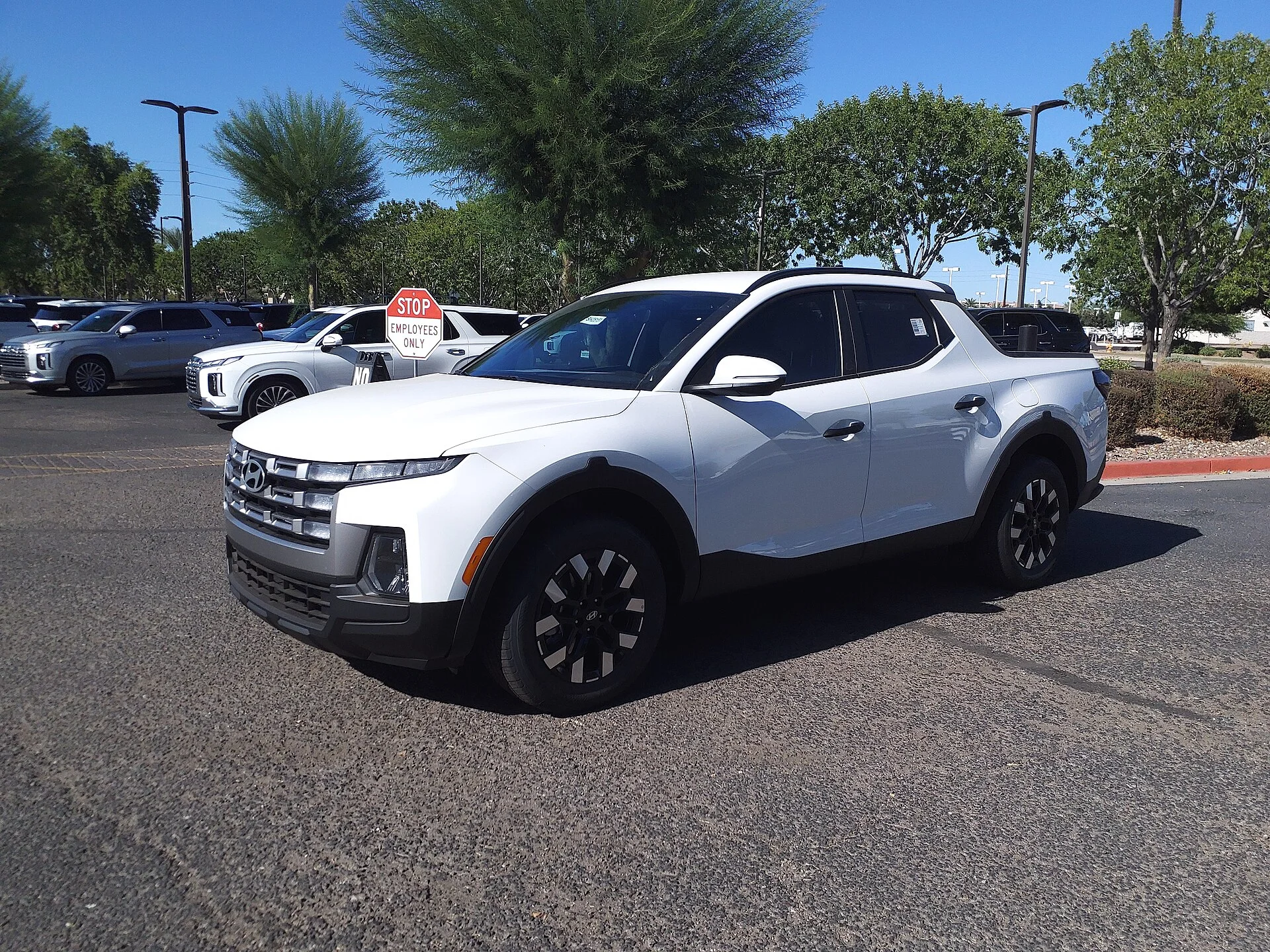
Hyundai Santa Cruz Camping Guide: The Unibody Truck Revolution
The Hyundai Santa Cruz represents a genuinely innovative approach to vehicle design. It combines the truck bed utility of pickup trucks with the passenger comfort and weather protection of a sedan or SUV. For car camping, this hybrid positioning creates unique advantages and different challenges compared to traditional truck bed camping or crossover sleeping. The Santa Cruz's unibody construction (integrated truck bed with passenger cabin, rather than a separate chassis and bed) provides superior weatherproofing, better handling dynamics, and more refined interior comfort than traditional pickup trucks. Yet it retains genuine truck bed functionality with approximately 52 cubic feet of cargo space. This makes the Santa Cruz an excellent choice for adventurers who want truck capability without the rougher aesthetic and handling of traditional pickups.What You'll Learn
Understanding the Santa Cruz's Truck Bed Configuration
The Hyundai Santa Cruz's bed measures approximately 54 inches in width and 52.1 inches in length—significantly smaller than full-size truck beds (typically 77 inches wide, 96 inches long) but larger than many compact truck options. The bed is integrated with the passenger cabin through a rear window and pass-through design on some trim levels, creating an unusual hybrid configuration.
Cargo capacity is typically rated around 1,500-1,800 pounds, similar to Ford Maverick and other compact trucks. What distinguishes the Santa Cruz is the unibody construction: the truck bed connects to the passenger cabin without a frame gap, creating superior structural rigidity and better road behavior compared to traditional truck designs.
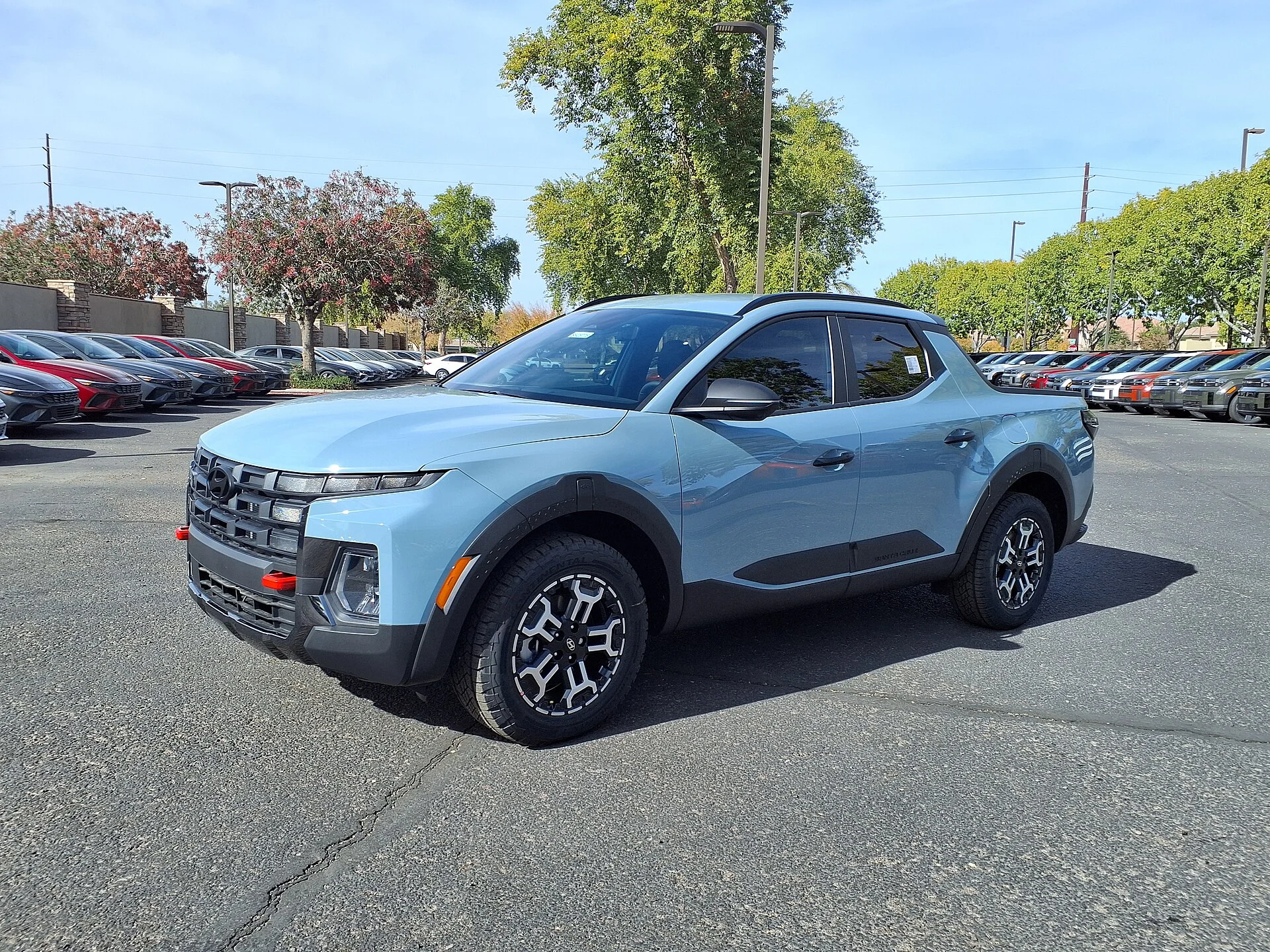
The Santa Cruz's bed depth is approximately 20 inches (lower than full-size trucks), and the rear window can sometimes be lowered or removed on certain configurations, allowing gear to extend slightly into the passenger compartment. This unusual design creates both opportunities (pass-through storage) and constraints (you may not want to sleep fully outside the weather protection of the cabin cover). Wheel wells intrude into the bed space slightly more than some competitors, so plan your sleeping platform layout accordingly. The floor is relatively flat, making platform construction straightforward, but you'll want to accommodate the slightly reduced usable width in the wheel well areas.
Building a Santa Cruz Sleeping Platform
A Santa Cruz sleeping platform should span the full bed width (approximately 50-52 inches usable, accounting for wheel well intrusions) and work with the roughly 52-inch bed floor (drop the tailgate or open the cab pass-through to gain sleeping length). Many Santa Cruz campers build platforms 10-14 inches above the truck bed floor, allowing storage boxes underneath for sleeping gear and supplies.
The platform construction follows traditional truck bed methods: 2x4 lumber frame with cross-supports every 16-18 inches, topped with 3/4-inch plywood and a camping mattress. Two-inch rigid foam insulation beneath the plywood adds comfort and R-value. The key distinction for Santa Cruz is that you'll likely position your sleeping area to extend slightly into the covered tonneau area for better weather protection, compared to open-bed camping.
Most Santa Cruz campers use a custom-sized foam pad rather than standard mattresses. A 48-50 inch wide, 70-72 inch long foam pad (3-4 inches thick) fits a Santa Cruz platform once you fold the tailgate down for the extra length, without excessive gaps. This custom sizing is more economical than purchasing oversized mattresses and cutting them to fit.
Consider a platform design that allows partially removing center sections for cargo access on supply runs. Some owners build fold-up side platforms with a permanent center sleeping area, maximizing flexibility. The Santa Cruz's passenger compartment access (through the rear window or via side doors) means you have multiple entry/exit options, unlike traditional truck beds.
Alternatively, some Santa Cruz owners skip platforms entirely and use rooftop tents. The Santa Cruz's unibody construction and integrated frame provide excellent structural support for roof-mounted equipment, and this configuration eliminates dealing with truck bed dimensions entirely.
Gear Organization and Maximizing Compact Space
The Santa Cruz's 27 cubic feet of total bed space (accounting for the truck bed depth and passenger cabin pass-through capabilities) requires strategic organization. Divide your cargo into zones: sleeping system, cooking/food, clothing/personal items, and tools/emergency gear. Weatherproof storage boxes with handles work well for organizing smaller items and protecting them from weather.
Under-platform storage is ideal for items you don't access daily during camping. Sleeping bags, extra clothing, and cooking supplies fit neatly in rectangular storage boxes positioned lengthwise along the bed. Draw-style storage systems that slide out from beneath the platform maximize accessibility and minimize the need to disassemble your setup to retrieve gear.
The Santa Cruz's unique pass-through capability (rear window that can lower or open) allows extending some gear slightly into the climate-controlled cabin area. Store items that benefit from temperature control (electronics, batteries, water in cold weather) in this transitional space. Some owners extend a portion of their storage system through this opening for convenience.
Vertical storage on the side walls of the bed is often overlooked. Mounting shallow shelving or cable systems along the interior truck bed sides allows organizing items without consuming valuable floor space. Tools, cooking utensils, and frequently accessed gear benefit from wall-mounted organization.
The tonneau cover (available or aftermarket) provides weather protection and security. Unlike open truck bed camping where everything is exposed, the Santa Cruz's covered bed keeps gear dry and protects it from casual theft. This allows you to leave gear organized and accessible rather than packing everything into lockable boxes.
Climate Control and Comfort Management
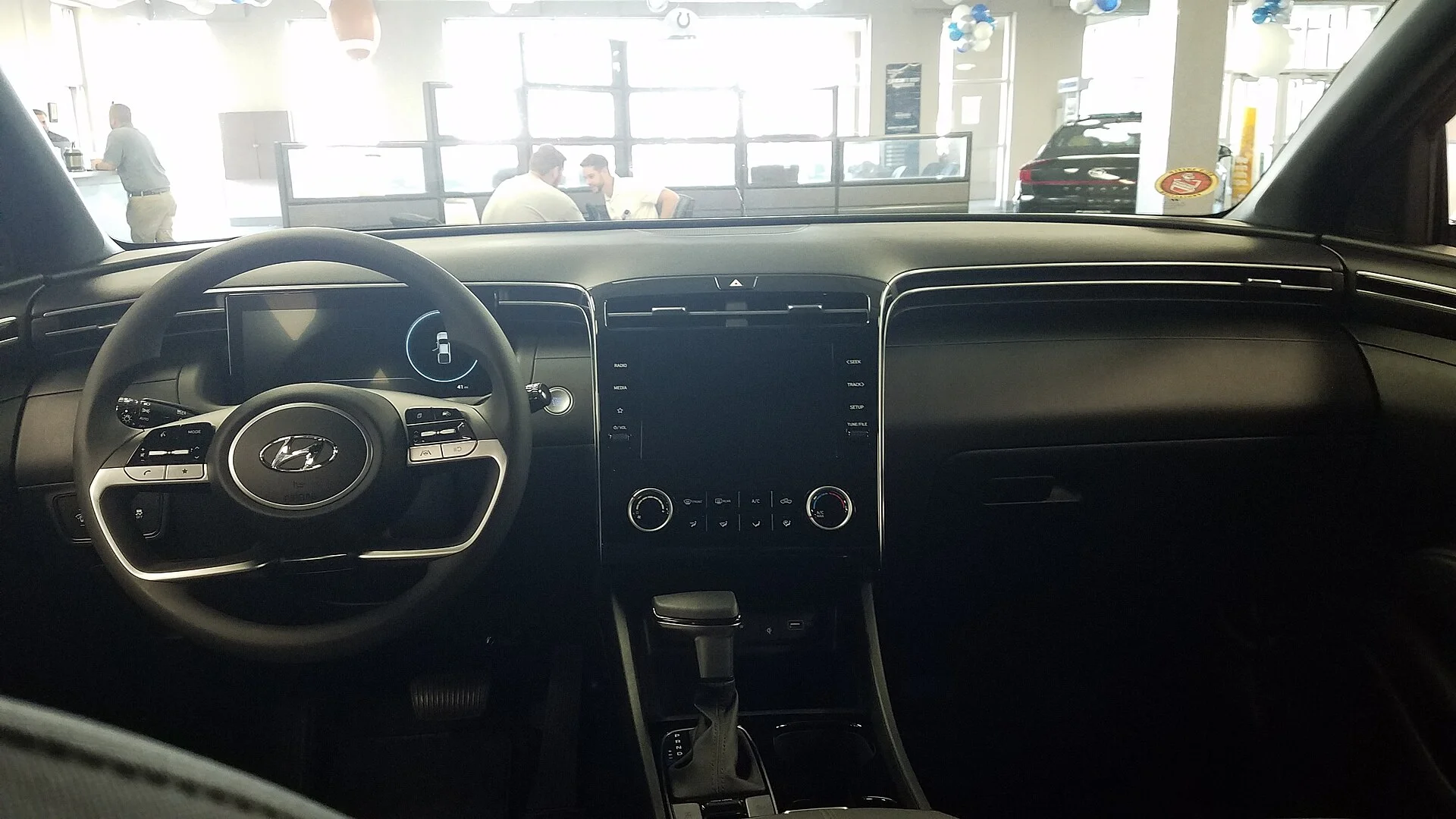
The Santa Cruz offers comfort advantages over traditional truck bed camping due to its integrated cabin design. The rear window and possible pass-through connections allow conditioning air from the main cabin to circulate into the truck bed area. Running the vehicle's climate system for 15-20 minutes before sleeping can bring the entire truck to a comfortable baseline temperature.
Ventilation is critical in any enclosed sleeping space. Cracking the rear window slightly, combined with the main cabin windows, creates airflow that prevents condensation buildup. Many Santa Cruz campers install a small 12V fan to encourage circulation if condensation becomes problematic. Some owners add removable window vent panels to the rear window for controlled ventilation.
Heating in the Santa Cruz is more accessible than truck bed camping. You can run the vehicle's climate system efficiently to maintain warmth, or use a small portable heater for extended cold-weather camping. The unibody construction provides better insulation than traditional truck beds because heat loss is reduced through the integrated cabin structure.
For power management, a 1000-1500W portable power station with 100W solar panel runs interior lights, charges devices, and powers small fans for multi-day trips. The Santa Cruz's cabin electrical systems provide 12V outlets; some owners integrate secondary battery systems for autonomous power without running the engine. The integrated design means you can conveniently run power cords from the cabin through the pass-through window to cargo area systems.
Santa Cruz's Unique Advantages and Considerations
The Santa Cruz's unibody truck design creates several advantages for camping that deserve emphasis. First, the integrated structure provides superior weatherproofing compared to traditional trucks. You can camp comfortably in light rain or snow without worrying about water infiltration through frame gaps or chassis seams. The sealed cabin-to-bed connection means weather is less of a concern than in open truck beds.
Second, the Santa Cruz drives and handles like an SUV or sedan despite its truck bed. This means comfortable multi-hour drives to remote camping locations without the fatigue that comes from traditional pickup truck highway driving. Road noise is lower, ride quality is better, and overall refinement exceeds what you'd experience in a typical Ford Ranger or Chevrolet Colorado.
Third, passenger comfort is substantially higher. The Santa Cruz provides genuinely comfortable seating for extended road trips, climate-controlled cabin space, and easier access to the truck bed area compared to traditional pickups where you must exit through the truck doors. This makes the Santa Cruz excellent for couples or small groups who want combined camping and road trip capability.
Fourth, fuel economy is respectable for a vehicle with truck bed capability. Many Santa Cruz models achieve 22-27 MPG on highway depending on configuration, significantly better than comparable full-size trucks. This economic advantage accumulates on long camping trips.
The main consideration is that the Santa Cruz bed is genuinely compact. It fits two people comfortably but feels tight for solo campers expecting expansive truck bed space. The integrated design limits traditional truck customizations (lift kits, complex aftermarket bed systems), though most camping-specific modifications work fine.
Frequently Asked Questions About Santa Cruz Camping
Q: Can you fit a full queen mattress in a Santa Cruz truck bed?
A: No, a queen won't fit. Most Santa Cruz campers use custom foam pads sized to approximately 48x72 inches, or assemble twin mattresses side by side. Some buy oversized mattresses and trim them to fit the bed contours.
Q: Is the Santa Cruz's bed weatherproof enough for overnight camping?
A: With a tonneau cover, yes. The integrated construction provides better weatherproofing than traditional trucks. Without a cover, expect weather exposure similar to open truck bed camping.
Q: What's the towing capacity for a Santa Cruz camping trailer?
A: The Santa Cruz typically offers 3,500-5,000 pounds towing capacity depending on configuration. This supports small teardrop trailers but isn't suitable for larger RV campers. Most owners carry gear in the truck bed rather than towing.
Q: Can you lower the rear window while camping to create ventilation?
A: Many models allow partial or full lowering of the rear window. This creates pass-through ventilation and allows extending supplies into the cabin area. Check your specific model year for window operation details.
Q: How much storage is actually usable in the Santa Cruz bed?
A: Roughly 20-25 cubic feet accounting for sleeping platform, wheel wells, and practical organization. This is 35-40% smaller than full-size trucks but comparable to compact truck alternatives like the Maverick.
Q: Is it more comfortable to sleep in a Santa Cruz than a traditional truck?
A: Yes, typically. The integrated construction provides better weatherproofing, insulation, and climate control access than traditional trucks. Many Santa Cruz campers report superior comfort compared to open truck bed camping.
Q: Can you cook in the Santa Cruz truck bed area?
A: Never cook with propane or charcoal inside the covered bed. Use external cooking equipment, or safely position a portable stove outside the vehicle. Carbon monoxide risks are serious in enclosed spaces.
Q: What's the fuel economy impact of camping gear?
A: Expect 10-15% reduction with full camping loads. A Santa Cruz achieving 25 MPG empty might achieve 21-23 MPG when fully loaded with 500+ pounds of gear, depending on driving style and configuration.
Q: Does the Santa Cruz have good all-terrain capability for remote campsite access?
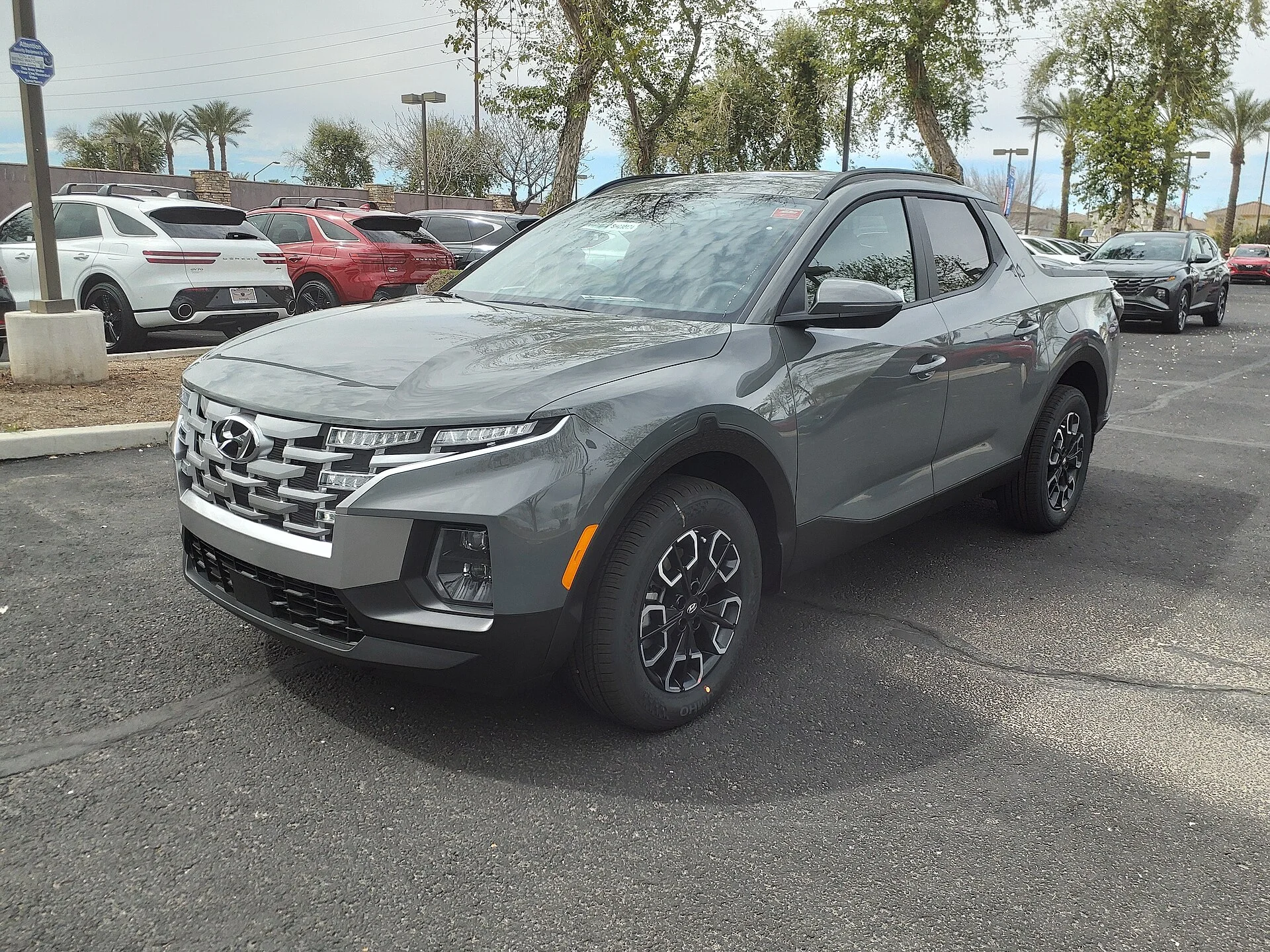
A: The Santa Cruz offers standard or available AWD with reasonable ground clearance (approximately 8.5 inches), suitable for forest service roads and rough fire roads. It's not designed for serious off-road capability but handles typical camping access well.
Q: How does the Santa Cruz compare to the Ford Maverick for camping?
A: Santa Cruz offers slightly better weather protection and more refined driving experience. Maverick provides slightly more cargo space and established truck camping community. Both are excellent compact truck options; choice depends on driving feel preference and budget.
Q: Is a roof tent a good alternative to a truck bed sleeping platform?
A: Many Santa Cruz owners prefer roof tents for advantages: better ventilation, stargazing capability, ground-level access to truck bed storage, and eliminating platform building. The trade-off is reduced interior space and additional vehicle weight.
Q: Can two people sleep comfortably in a Santa Cruz truck bed setup?
A: Yes, with a properly built platform and quality mattress. The 50-inch width is tight for a standard queen but comfortable for two people on a 48-50 inch custom foam pad. Some couples build slightly wider platforms that extend marginally over the truck bed walls.
Final Thoughts: Santa Cruz Offers Innovation in Truck Camping
The Hyundai Santa Cruz represents genuine innovation in vehicle design. It successfully bridges the gap between SUV comfort and truck utility in a way that previous vehicles haven't achieved. For car camping, this hybrid positioning creates a genuinely compelling option that deserves consideration alongside traditional SUVs and truck bed setups.
Your Santa Cruz camping setup improves with each trip as you refine storage organization and comfort systems. Start with a basic platform, add features incrementally, and learn which gear and systems work best in your specific vehicle. By the third or fourth camping trip, you'll have optimized your setup into a genuinely comfortable and functional basecamp.
The Santa Cruz camping community is still developing, which means fewer off-the-shelf solutions compared to established trucks like the Maverick or pickup trucks. This creates opportunity: you're part of an emerging group of adventurers refining the Santa Cruz camping experience. Share your discoveries online, learn from other owners, and contribute to the growing body of knowledge about how to best utilize this innovative vehicle for camping. Whether you're planning frequent weekend escapes or occasional extended camping trips, the Santa Cruz provides compelling advantages. The unibody design, comfortable driving experience, and integrated climate control elevate the camping experience beyond traditional truck bed camping, while maintaining the cargo space advantage of dedicated truck design. Start your Santa Cruz camping adventures with confidence—this vehicle is genuinely well-suited to outdoor lifestyle demands.