What You'll Learn
Imagine waking up to the scent of pine needles and the sound of birdsong, not the rumble of a hotel air conditioner. What if that freedom was already parked in your driveway, hiding within your Chrysler Pacifica? Forget expensive RVs and elaborate builds; we're unlocking the hidden adventure potential of your minivan, leveraging its genius Stow 'n Go system to create an instant, go-anywhere camper. Get ready to trade those booking fees for campfire stories.
Introduction: Pacifica's Unique Stow 'n Go Advantage
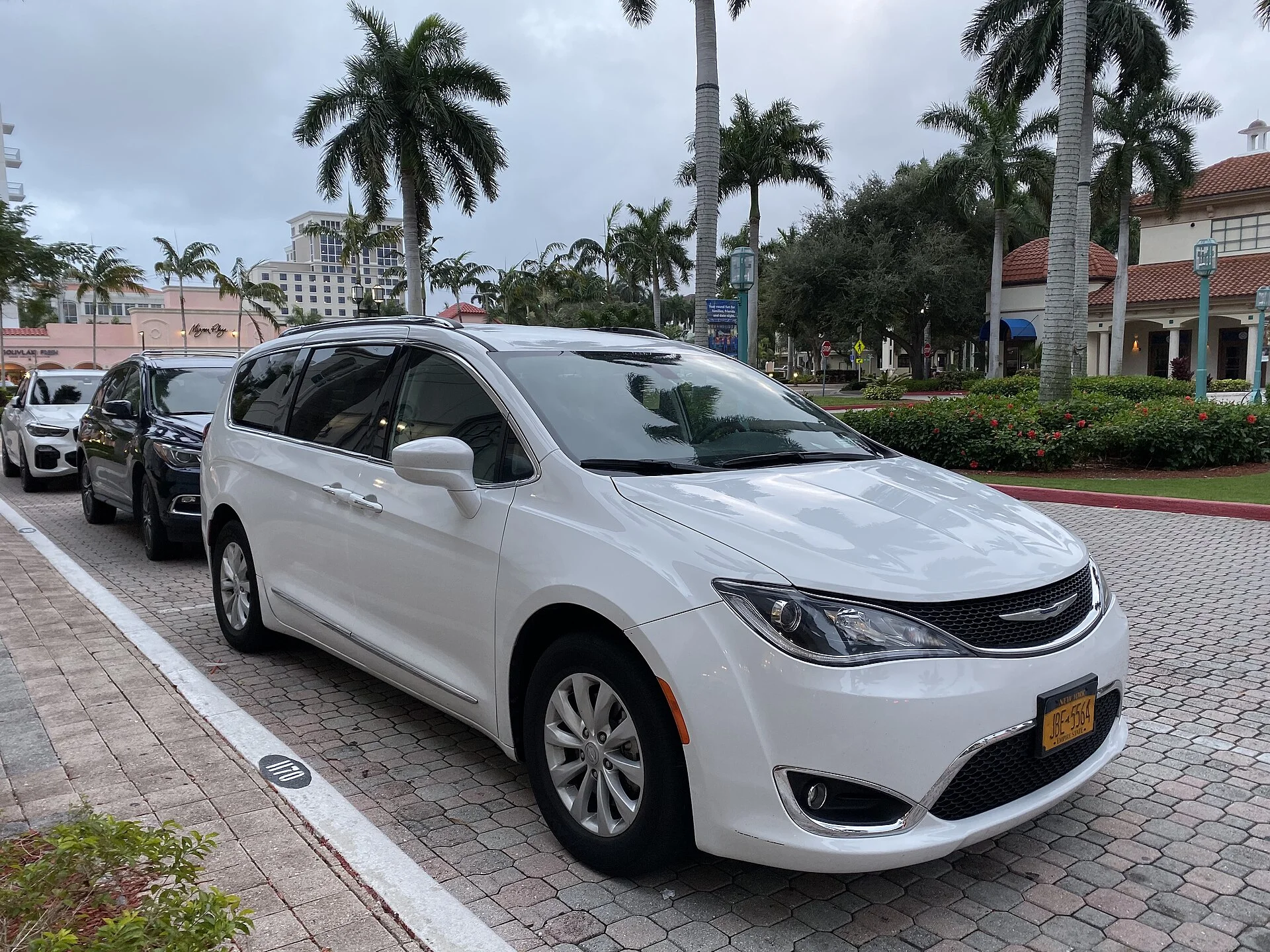
The Chrysler Pacifica offers a unique advantage for camper conversions: Stow 'n Go seating. Both second and third row seats fold completely into the floor, creating a flat cargo area without removing any seats. This transforms the Pacifica from family hauler to camper in minutes—and back again just as quickly. The engineering elegance of seats folding into the floor (rather than requiring manual removal) makes Pacifica ownership radically different from other minivans and SUVs. The Pacifica also offers a plug-in hybrid (PHEV) option, providing electric-only driving for commuting and efficient hybrid operation for road trips. For campers who also need a daily family vehicle, the Pacifica's dual-use capability is compelling. The PHEV delivers roughly 33 miles of electric-only range—sufficient for most urban commutes—then seamlessly transitions to hybrid operation for road trips, achieving 40+ mpg combined efficiency. The Pacifica's price point also matters. Used Pacificas (2017+) typically cost $15,000-$25,000 depending on mileage, making them accessible entry points for first-time camper converters. Financing a Pacifica for dual use—family transport and weekend camping—spreads the vehicle cost across both uses, improving the economic calculus compared to buying dedicated camper vehicles. The Pacifica's reliability record and extensive dealer network provide peace of mind for extended trips. Chrysler's 5-year/60,000-mile powertrain warranty (on many models) covers critical components through the early camping years.Why Pacifica for Camping
Minivans represent an underestimated camping platform. While traditionally associated with suburban family transport, the Pacifica's enormous interior, modern conveniences, and stability make it genuinely capable for camping. The Stow 'n Go seating addresses the major minivan camping limitation—seat removal complexity—making Pacifica conversion radically simpler than competing options. The smooth ride, excellent visibility, and comprehensive technology (WiFi hotspot, USB fast charging, touchscreen navigation) create a refined camping experience compared to more utilitarian vehicles.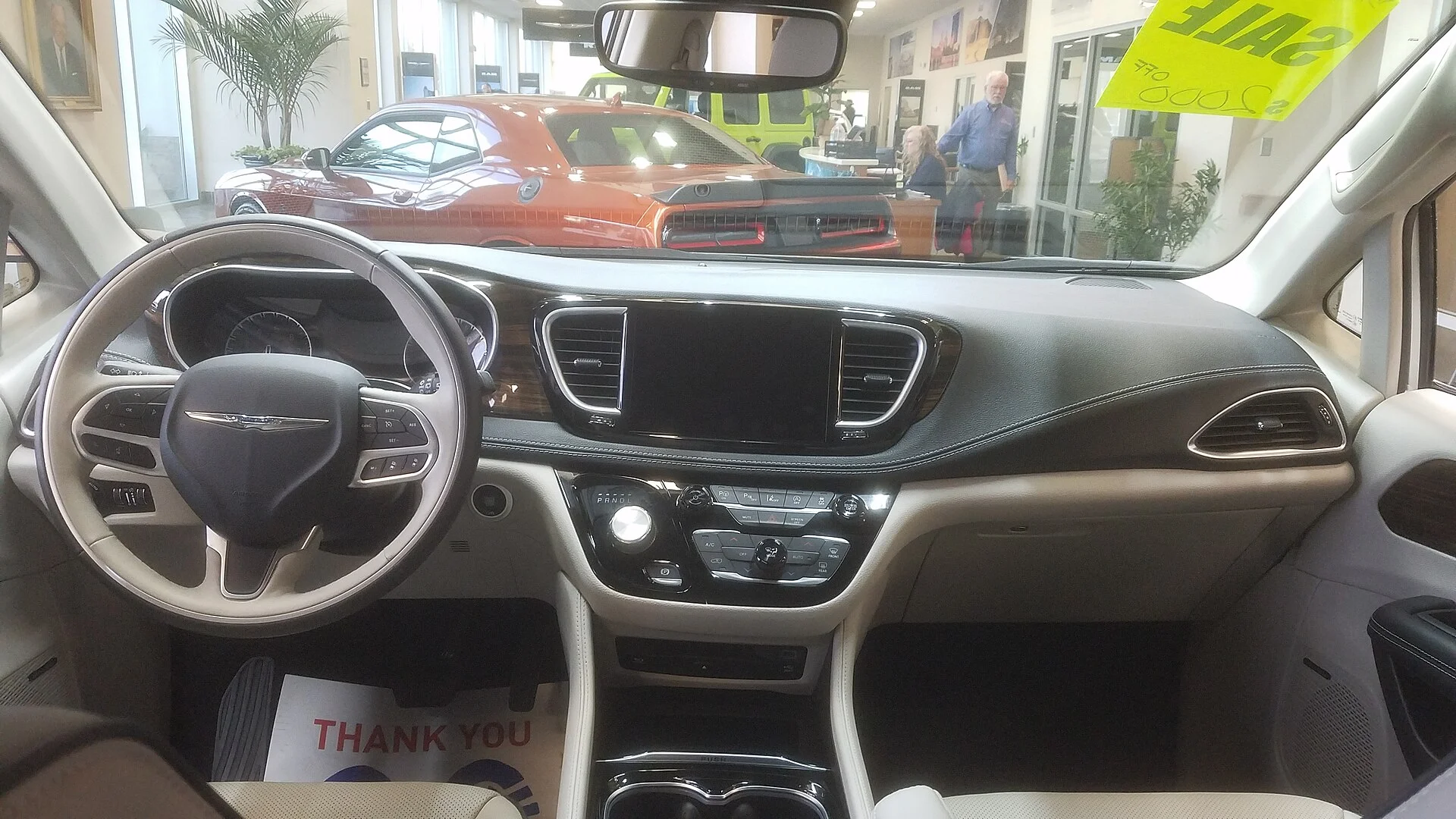
Pacifica Dimensions
Stow 'n Go Dimensions (Seats Stowed)
The Stow 'n Go Consideration & Solutions
Key Advantage: No seat removal needed—fold into floor in seconds, restoring family transport capability instantly Primary Challenge: Stow 'n Go wells in floor create uneven sleeping surface. Floor isn't perfectly flat like with removed seats, creating potential discomfort. Practical Solutions: 1. Fill wells with gear storage - Use waterproof bins or bags to occupy well space, creating nearly level surface 2. Build spanning platform - Construct simple plywood platform bridging wells, creating completely flat sleeping base with wells becoming underbed storage 3. Use thick, conforming mattress - 5-6" memory foam or high-quality air mattress adapts to slight unevenness 4. Accept mild unevenness - Some campers find the slight contour actually feels more secure (prevents rolling during sleep)PHEV-Specific Considerations
The hybrid battery in PHEV models slightly raises the floor height, reducing well depth but maintaining overall cargo volume. Hybrid models consume slightly more space for battery components, but most campers report minimal practical difference in camping capability.Pacifica Ventilation & Humidity Management
The Pacifica's enclosed passenger cabin creates humidity challenges during extended sleeping. Solution: crack windows 1-2 inches on opposite sides enabling cross-ventilation without security compromise. Install moisture-absorbing products—silica gel packs or activated charcoal containers—distributed throughout the cabin. Many Pacifica campers report that humidity becomes manageable with proper ventilation discipline. For premium humidity control, portable dehumidifiers (500-1000W) connected to 12V inverters actively reduce moisture. Battery-powered alternatives (smaller capacity) work well for weekend camping. Some campers install climate control by leaving 12V cooling fans running on low—consuming minimal power while providing adequate air circulation. The Pacifica's climate control system works exceptionally well during sleeping when set to maintain moderate temperature with minimal variation. Unlike truck cabs requiring constant cooling/heating adjustments, the Pacifica's larger cabin maintains stable temperatures more easily.Extended Pacifica Camping Operations
Multi-week camping in Pacifica PHEV models enables nightly charging at campgrounds with electrical hookups. This approach prevents battery depletion while maintaining quiet operation for sleeping. Gas-powered Pacificas can run climate control from stored fuel—plan fuel consumption carefully for extended trips. A full 18-gallon tank can sustain 8-10 hours of continuous idling at moderate speed. Packaging considerations for extended camping: designate specific cargo zones (sleeping area, clothing, cooking, tools) preventing gear from scattering. Utilize under-seat storage in front row for frequently accessed items. Keep emergency supplies (first aid, recovery gear, tools) in dedicated container easily accessible.Camping Setups
Quick Setup (Stow 'n Go Only) - No Tools Required
1. Activate Stow 'n Go button—seats fold into floor in 3-5 seconds 2. Fill well gaps with soft bags, pillows, or custom foam inserts (optional) 3. Lay mattress over entire floor area 4. Accept slight unevenness or use thick foam conforming to contours Best for: Occasional camping, dual-use vehicles, minimal setup/breakdown time Setup time: <2 minutes from family vehicle to sleeping configuration Breakdown time: <2 minutes restoring 7-passenger seating Weather Considerations: The Pacifica's factory windows provide reasonable thermal insulation. In cold weather, cracking windows 1-2 inches prevents condensation while maintaining heat retention. In hot climates, opening windows fully during setup, then using window shades or reflective barriers during sleep hours manages temperature effectively. The Pacifica's excellent sealing (designed for highway noise reduction) actually benefits camping by maintaining temperature stability once configured. Quality thermal blinds or custom-fitted window covers ($50-150) dramatically improve temperature management during extended camping trips.Platform Over Wells - Maximum Comfort
Build simple platform spanning Stow 'n Go wells:Pacifica Hybrid (PHEV) Considerations
Advantages: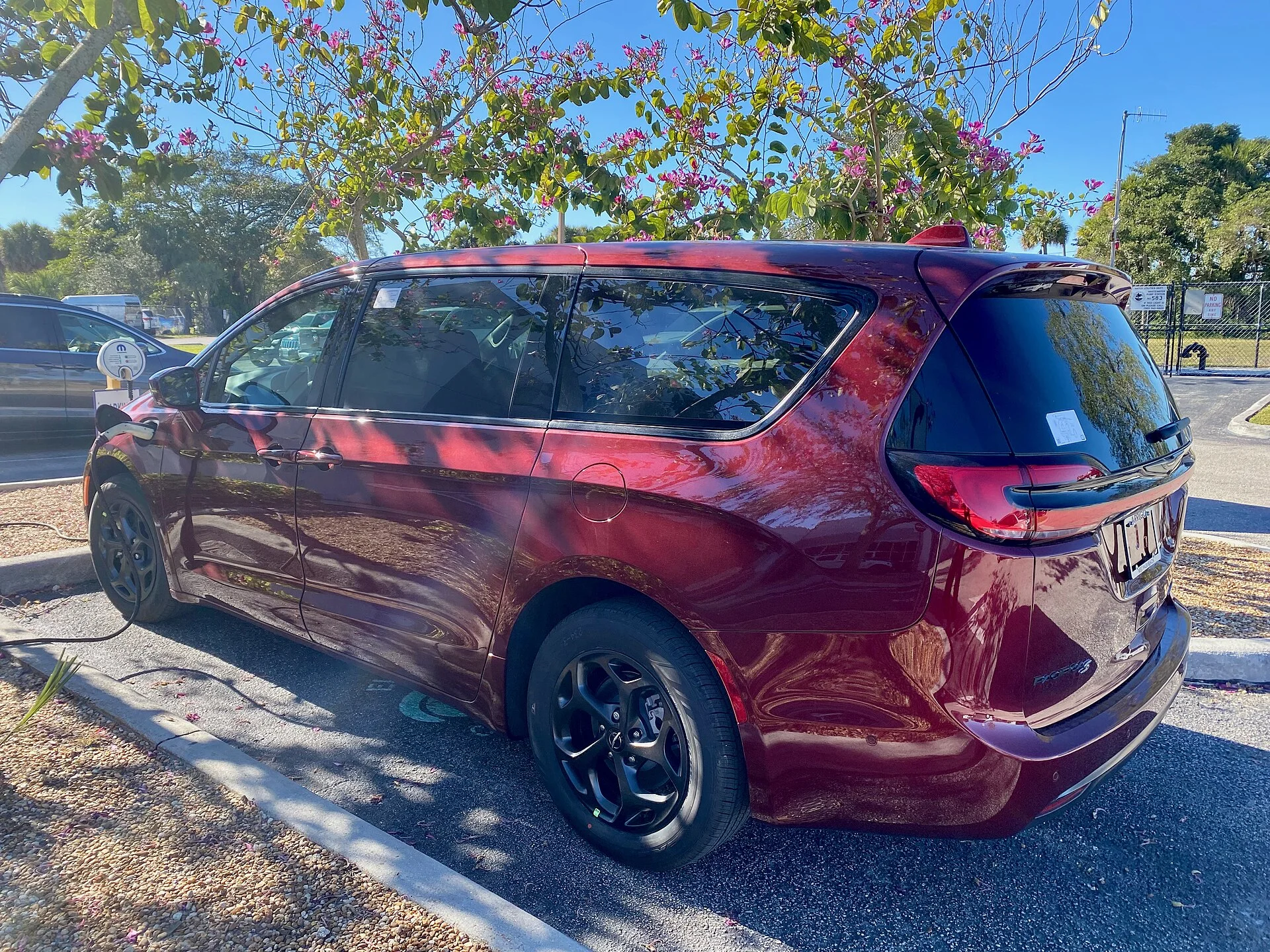
FAQ
Is the Pacifica good for camping?
Good, with caveats. Stow 'n Go makes conversion quick but creates floor wells. It's ideal for dual-use (family + occasional camping). Dedicated campers may prefer Sienna or Odyssey with fully flat floors.
Does Stow 'n Go create problems for sleeping?
The floor wells create an uneven surface. Solutions include filling wells with gear, building a platform, or using a thick mattress. It's workable but not as flat as seat-removal options.
Pacifica vs Pacifica Hybrid for camping?
The Hybrid offers better fuel economy and electric-only capability. Cargo space is slightly reduced. Choose Hybrid for efficiency priority, standard for maximum space.
What size mattress fits in a Pacifica?
Queen (60" × 80") fits. The 87" length accommodates anyone. Width of 50" between wheel wells fits queen with slight compression.
Can you camp with Stow 'n Go seats?
Yes—that's the Pacifica's advantage. Fold seats into floor in seconds, no removal needed. Quick conversion between family and camping use.
How much does Pacifica camper conversion cost?
Minimal cost approach: just Stow 'n Go + mattress = $500-800 for quality mattress. Platform build: add $100-500 in materials or $300-500 for professional construction. Accessories (fans, bedding, storage bins): $200-400. Total investment ranges from $500 to $2,000 depending on platform choice and accessory level. This cost advantage compared to RV purchase or truck camper conversion is substantial and appeals to budget-conscious campers.
Q1: Is the Pacifica tall enough for sleeping?
A: Interior height (approximately 47-50 inches) enables sleeping across the floor; standing inside isn't practical. Most campers position mattresses perpendicular to height—sleeping across width rather than end-to-end.
Q2: Can I remove Pacifica seating for more space?
A: Some rows are removable (configurations vary by model year). Check your specific vehicle and manufacturer guidance before removal.
Q3: Does the Pacifica's sliding door work for ventilation?
A: Partially—sliding doors open 4-6 inches, providing air exchange without full opening. Adequate for mild weather; aggressive ventilation requires opening windows.
Q4: What camping gear fits best in the Pacifica?
A: Think minimalist—the Pacifica suits weekend trips better than extended expeditions. Sleeping gear, cooking equipment, and modest clothing quantity work well. Full-scale camping operations benefit from larger vehicle platforms.