
Ford Maverick Camping Guide: Your Compact Truck Adventure Awaits
The Ford Maverick has redefined the truck camping experience. Unlike full-size pickup trucks that can feel oversized for solo travelers or couples, the Maverick offers a perfectly balanced platform for car camping adventures. Its compact footprint makes it ideal for navigating tight campsites and narrow forest roads, while the truck bed provides dedicated outdoor living space that sedans and crossovers simply can't match. Many enthusiasts choose the Maverick specifically because it combines truck capability with surprising comfort for overnight camping. Whether you're planning weekend trips to national forests or extended overlanding adventures, understanding how to optimize your Maverick's unique layout is essential for maximizing comfort and functionality.What You'll Learn
Understanding the Maverick's Cargo Space
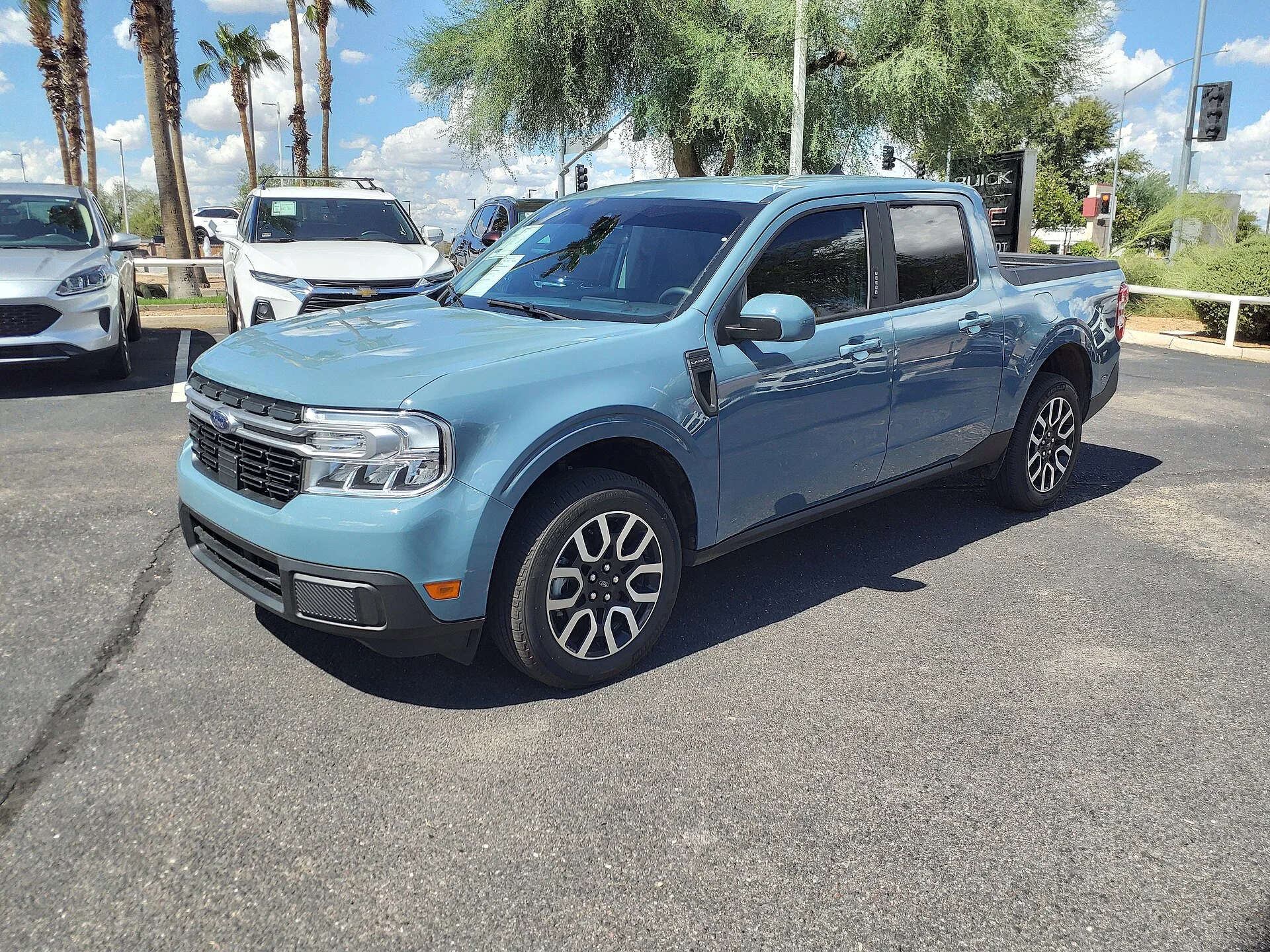
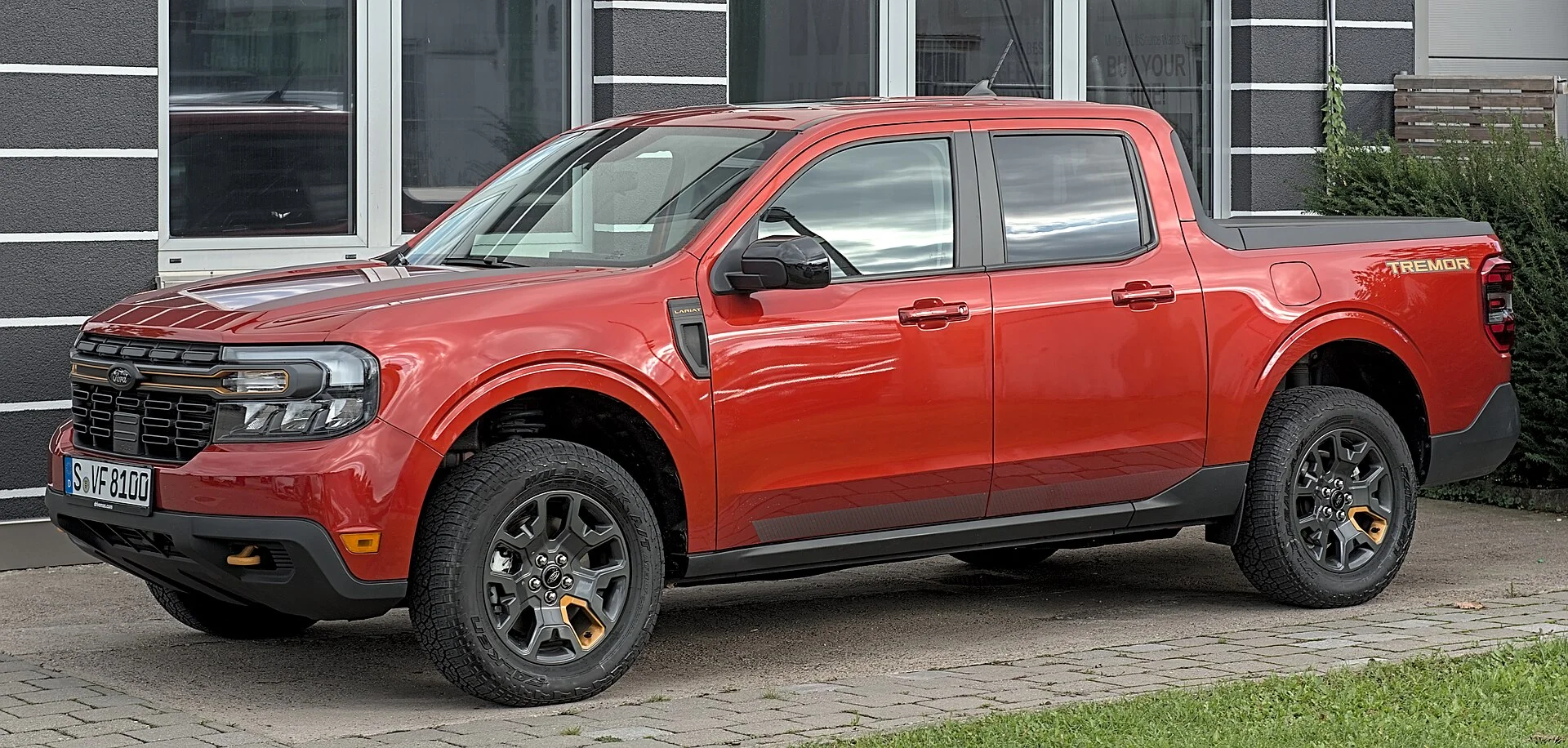
The Ford Maverick's bed measures approximately 54-66 inches in width (depending on configuration) and typically offers around 52 inches of interior width. This compact truck bed is significantly smaller than full-size trucks but substantially larger than sedan trunks. The trade-off is intentional: better fuel efficiency, easier parking, and lower cost compared to F-150 or Silverado models.
When shopping for camping gear, remember that your Maverick bed has dimensional limitations. A full queen-size mattress won't fit flat; most campers opt for twin, three-quarter, or custom-cut foam pads instead. The bed length of roughly 5 feet works well for compact sleeping platforms or for storing gear vertically.
Cargo capacity typically ranges from 1,300 to 1,500 pounds depending on your configuration. This is sufficient for a comfortable camping setup, but you'll need to be strategic about weight distribution. Heavy items belong toward the cab, while bulkier but lighter gear can extend toward the tailgate. Consider a tonneau cover to protect gear from weather and keep your camp setup secure at night.
Key Specifications for Camping
| Feature | Value | Benefit for Camping | |---|---|---| | Cargo/bed space | See specs section | Determines gear capacity | | Sleeping surface | 5-8 feet | Comfortable sleeping | | Headroom | 18-36 inches | Ventilation, movement | | Power outlet | 12V/USB | Device charging | | Climate control | Available | Temperature management | | Towing capacity | Varies | Trailer camping options | | Ground clearance | 8-11 inches | Remote campsite access |
Building Your Maverick Sleeping Platform
A properly designed sleeping platform is the cornerstone of Maverick truck camping. Many owners build DIY platforms using plywood and 2x4 lumber, creating a raised sleeping surface that provides storage underneath and a flat, level sleeping area. Your platform should span the bed width and sit approximately 12-18 inches above the truck bed floor to accommodate storage boxes beneath.
For a Maverick-specific build, plan for approximately 48-50 inches of usable sleeping width and 65-70 inches of length. Two-inch rigid foam insulation underneath helps with temperature regulation and adds comfort. A high-density foam camping mattress (typically 3-4 inches thick) on top of the plywood creates a sleep surface comparable to a home bed.
Many Maverick owners report that building the platform in sections—left and right halves with a removable center piece—allows flexible configurations. You can remove the center section for cargo access on supply runs, or reconfigure for passengers. Some campers add hinged access panels beneath the platform for storing sleeping bags, clothing, and camping gear without taking up precious truck bed space.
Alternative to building: Several aftermarket companies now offer Maverick-specific sleeping solutions, including fold-down platform systems and pre-fabricated bed frames. These solutions cost more but eliminate weekend-long building projects and may offer better quality control.
Organizing Gear in Your Compact Truck Bed
Effective organization transforms your Maverick from a pile of gear into a functioning basecamp. Unlike full-size trucks where you can simply stack boxes randomly, the Maverick's compact dimensions demand strategic planning. Start by categorizing gear into functional groups: sleep system, cooking equipment, shelter and shade, and miscellaneous supplies.
Under-platform storage is ideal for frequently accessed items like sleeping bags, extra clothing, and cooking supplies. Weatherproof plastic storage boxes with handles work well for organizing smaller items. Some campers use drawer systems mounted beneath the sleeping platform, similar to an expedition vehicle setup. This keeps everything accessible without reducing sleeping area or requiring gear to be stacked above bed level.
Vertical storage maximizes your compact bed space. Mounting a roof rack on your Maverick (many owners add a tonneau cover rail system) allows you to store bulky low-weight items like camping chairs, tents, and awnings above the truck bed. Some enthusiasts add a gear basket or side-mounted storage pods for additional capacity.
For longer trips, a small roof-top cargo carrier adds 15-20 cubic feet of storage without consuming bed space. This works well for storing extra water, propane, or seasonal gear. Just remember that roof-mounted weight affects fuel efficiency and handling, so keep the load reasonable.
Comfort Systems: Ventilation, Heating, and Power
Sleeping comfort in a Maverick requires attention to several systems. Ventilation is critical—even with windows cracked, condensation builds up quickly inside an enclosed truck bed. Many campers install small battery-powered fans or keep flexible ducting from a power station for air circulation. Some models allow installation of low-profile roof vent fans; check compatibility with your truck configuration.
For heating, a 12V heating pad under your sleeping area works well for mild conditions. In colder climates, many Maverick campers rely on layers, sleeping bags rated for the expected temperatures, and keeping the truck's engine running briefly for cabin heat before bedtime. Some adventurers add insulation to the truck bed walls to reduce temperature fluctuations.
Power management matters on extended trips. A portable power station (typically 1000-2000W capacity) can run lights, charge devices, and power fans throughout the night. Some Maverick owners install a secondary battery system with a solar panel on the tonneau cover, creating a semi-self-sufficient power setup. A typical power station with 100W solar can maintain modest electrical loads indefinitely on sunny days.
Lighting should include ambient interior lights (LED strips under the roof edge) and a focused reading light near your sleeping area. Battery-powered options eliminate noise and fuel consumption compared to running the truck engine for power. Many campers prefer warm-colored LED lights to avoid disturbing sleep cycles.
Practical Camping Considerations Unique to Truck Bed Camping
Truck bed camping presents challenges you won't encounter in SUVs or tents. The truck bed is open to elements from the sides and rear, requiring planning for wind and weather. A tonneau cover provides essential protection, though some campers prefer open-bed camping with a roof tent setup for stargazing.
Access is another consideration. Unlike a minivan or SUV where you can roll out of a side door, exiting your Maverick sleeping area requires either climbing over the tailgate or exiting through the cab. Many campers position their sleeping area toward the cab end and keep pathways clear for middle-of-the-night bathroom visits.
Temperature regulation in a compact truck bed differs from vehicles with larger interior volumes. The bed heats up faster in sun and cools faster at night. Reflective covers or light-colored tonneau covers help manage solar heat gain. For cold camping, consider the truck bed's proximity to the ground—draft barriers along the truck bed sides reduce cold air infiltration.
Security is simpler with a tonneau cover and locked cab doors. Your gear is visible through the tonneau (from an angle) but generally protected from casual theft. Some campers add cable locks through storage boxes for additional security at public campgrounds.
Note that Maverick trucks typically sit lower than full-size trucks, which can be advantageous for gear loading but makes accessing high-mounted gear slightly more difficult.
Frequently Asked Questions About Maverick Camping
Q: Can you fit a king-size air mattress in a Maverick bed?
A: No. A Maverick bed is too narrow for a king-size mattress. A queen-size is borderline (fits width-wise but extends from cab to tailgate). Most Maverick campers use twin, full, or custom three-quarter size mattresses, or build a platform with a 48-50 inch wide foam pad.
Q: Is the Maverick powerful enough to tow a camping trailer?
A: The Maverick's towing capacity typically ranges from 2,000-4,500 pounds depending on configuration and engine choice. It can pull small teardrop trailers or lightweight fifth-wheel campers, but is generally positioned as a truck that carries camp gear in the bed rather than towing elaborate rigs.
Q: How do you prevent condensation buildup while sleeping in a tonneau cover?
A: Ventilation is key. Keep windows cracked open, use a small battery fan, or consider a ventilated tonneau cover design that allows airflow while keeping rain out. Some campers crack open the cab windows and back windows slightly for cross-ventilation.
Q: What size power station should I bring for a Maverick camping trip?
A: A 1000W power station with 100W solar panel handles lighting, device charging, and fan operation for 2-3 days autonomously in sunny conditions. For longer trips or power-hungry devices, size up to 2000W.
Q: Can you shower in a Maverick truck bed setup?
A: Showering typically requires a portable shower enclosure tent alongside your truck, not within the truck bed itself. Some campers use baby wipes or bring water jugs for washing while standing beside the truck.
Q: Is the Maverick's bed too short for two people camping together?
A: Two people can fit in the Maverick bed, but you'll be cozy. Many couples position themselves diagonally or use twin mattresses side-by-side rather than expecting a shared large mattress. Some build slightly wider platforms that extend partially over the truck's fenders.
Q: What fuel economy should I expect while truck camping with a full load?
A: Expect 15-20% reduction in fuel economy compared to empty driving. A Maverick that achieves 21 MPG empty might get 17-18 MPG fully loaded with camping gear. The exact reduction depends on configuration, driving style, and load weight distribution.
Q: Can you cook safely inside a tonneau-covered truck bed?
A: Never cook inside an enclosed tonneau. Propane stoves and grills produce carbon monoxide and deplete oxygen. Cook outside the truck bed or in a nearby portable camping kitchen setup.
Q: What's the advantage of truck bed camping versus an SUV setup?
A: Truck bed camping offers dedicated outdoor living space, easier loading/unloading of bulky gear, and a platform designed for gear hauling. SUVs offer more passenger comfort and weatherproofing, but less space for large equipment or multiple camping chairs.
Q: How often should you maintain your Maverick for camping use?
A: Regular maintenance per Ford's schedule remains important. Check your truck bed for rust or damage annually, ensure your tonneau cover seals properly, and inspect tie-down points for wear. Added weight may require slightly more frequent brake inspections.
Q: Is it legal to sleep in a Maverick truck bed in national parks?
A: Yes, sleeping in a vehicle is typically allowed in designated campgrounds. Check individual park regulations; some parks require that you stay in designated campsites. Parking and sleeping in roadside rest areas or public lands varies by location and local regulations.
Final Thoughts: Maverick Camping Offers Real Adventure Value
The Ford Maverick represents an underrated platform for car camping adventures. Its combination of truck utility, fuel efficiency, and reasonable cost makes it accessible for many adventurers. While it requires more intentional design than a spacious SUV or minivan, the compact truck bed experience offers unique advantages: visible connection to your surroundings, dedicated cargo space, and a genuine outdoor feel that sleeping inside a crossover simply can't match.
Start with a basic platform, add comfort incrementally, and refine your setup over several trips. Your first Maverick camping experience might feel rustic or tight compared to sleeping in a house; by trip three, you'll have optimized it into a genuinely comfortable basecamp that serves as a jumping-off point for real adventure.
The Maverick camping community is growing rapidly, with owners sharing setups online and developing clever storage solutions. Don't hesitate to learn from other Maverick campers and adapt their ideas to your specific needs. The best truck bed camping setup is the one you'll actually use on weekend trips, not the perfect theoretical design that stays unfinished in the planning stage.