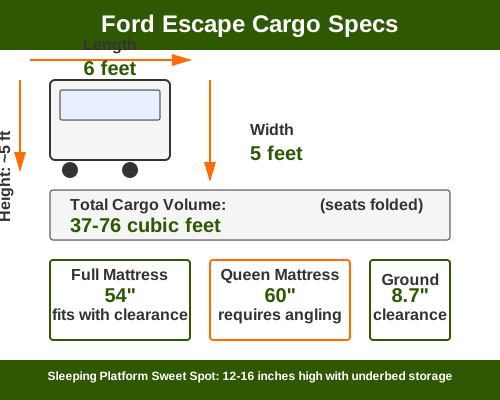
The Ford Escape occupies a sweet spot for car campers: sufficient cargo space for multi-day camping, comfortable highway maneuverability, and everyday drivability without the fuel consumption of larger SUVs. With cargo volume of approximately 37-76 cubic feet (depending on seat configuration), the Escape accommodates a sleeping platform, gear storage, and cooking equipment simultaneously.
Fuel economy of approximately 24-31 mpg combined makes extended trips economical compared to full-size SUVs and trucks. The Escape's 8.7-inch ground clearance handles rough forest roads confidently while maintaining car-like highway handling. Modern Escape models feature contemporary infotainment systems with smartphone integration, available navigation, and panoramic sunroofs creating an airy cabin atmosphere—significant for extended occupancy.
What distinguishes the Escape is its intelligent design: power outlets throughout the cabin, available wireless charging pads, one-touch rear seat folding creating flat cargo floors, and Ford's reputation for reliability. The Escape feels genuinely refined for outdoor adventures—responsive handling makes tight campground roads manageable, while the cabin provides excellent visibility and comfort.
Compared to sedans, the Escape offers dramatically more cargo flexibility; compared to full-size SUVs, it delivers superior efficiency and easier parking. Modern Escape generations (2020+) incorporate hybrid and EcoBoost options, pushing fuel economy toward 35 mpg in optimal conditions. For campers prioritizing accessibility, efficiency, and comfort, the Escape represents an exceptionally practical platform.
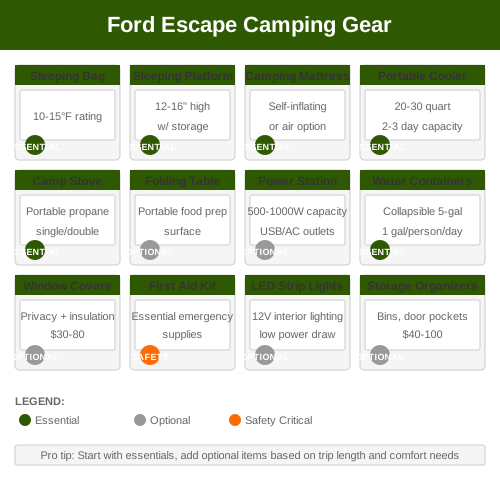
Ford Escape provides approximately 6 feet length × 5 feet width cargo space with rear seats folded. A full-size mattress (54 inches) fits comfortably; queen (60 inches) requires creative positioning. Elevated sleeping platforms (12-16 inches high) create essential underbed storage while maintaining comfortable sleeping height.Essential gear for Ford Escape camping includes sleeping bag (10-15°F rating), sleeping platform with storage, quality camping mattress, portable cooler (20-30 quart), camp stove, water containers (1 gallon per person daily), first aid kit, and storage organizers. Optional upgrades include portable power station, LED lighting, folding tables, and window covers for enhanced comfort and convenience.
For those interested in a different SUV, the Ford Edge camping guide offers similar insights for your adventures.
The Ford Escape's most significant camping advantage is its reconfigurable interior. With rear seats folded, the cargo floor becomes nearly flat—approximately 6 feet long by 5 feet wide at maximum dimensions. This natural platform accommodates mattresses without requiring custom platform construction, though many campers prefer elevated platforms for storage access.
A full-size mattress (54 inches wide) fits the Escape's cargo area with minimal lateral clearance, while a queen mattress (60 inches wide) requires angling or alternative positioning. Many successful Escape campers choose to install a platform approximately 12-16 inches high using steel or wood framing, creating valuable storage underneath while providing ergonomic sleeping height.
Alternatively, self-inflating foam mattresses (approximately $100-$250, weighing 8-12 pounds) work exceptionally well for Escape camping. These provide solid comfort, require no inflation, and stow easily in the cabin when not in use. For couples, two twin mattresses positioned side-by-side create comfortable sleeping arrangements and allow individual temperature control.
Mattress selection depends on camping frequency and comfort priorities. Memory foam (4-6 inches, $200-$400) provides excellent support for regular campers; air mattresses ($50-$150) offer budget-friendly alternatives with adjustable firmness; self-inflating foam provides ideal balance for Escape's compact sleeping area.
Insulation beneath the mattress is critical: 1-2 inches of closed-cell foam creates essential thermal barriers preventing ground cold from conducting upward. This is equally important in summer (preventing moisture) and winter (preserving warmth). Quality sleeping bags rated 10-15 degrees Fahrenheit below expected minimums provide reliable warmth across seasons.
Ventilation in the Escape is naturally superior to truck beds: crack windows slightly on opposite sides creating cross-ventilation, or crack the panoramic sunroof (if equipped) for moisture escape. Many Escape campers prefer leaving the rear cargo area door partially open during ventilation periods, rapidly reducing internal humidity without compromising security.
Some experienced Escape campers install removable window covers ($30-$80) providing privacy and insulation while maintaining emergency egress. These dramatically improve thermal comfort and security compared to uncovered windows.
Sleeping Configuration Options
| Option | Space | Height | Best For |
|---|---|---|---|
| Rear seats folded | Full cargo area | 16-18" | Comfort, couples |
| Air mattress | Full cargo area | 18-22" | 2 adults, comfort |
| Sleeping platform | Full cargo area | 8-12" | Storage, organization |
| Roof tent | Roof-mounted | Elevated | Extra capacity |
| Nearby tent | Ground | Flexible | Groups, families |
For those seeking a larger space, the Ford Expedition camping guide offers excellent options for sleeping comfortably.
The Ford Escape's interior presents unique storage challenges and advantages compared to trucks and larger SUVs. The key is vertical organization: storing gear efficiently upward rather than horizontally across the sleeping area.
The space above a platform mattress (typically 18-24 inches to the roof) accommodates plastic storage bins, gear bags, and sleeping bags stacked efficiently. Clear bins ($15-$30 each) allow identifying contents without opening; organize by category: cooking supplies, first aid, clothing, recreational equipment. Keep frequently-accessed items at the front of the stacking area for convenience.
Underneath the platform (if installed), utilize available space for larger items: water containers, coolers, emergency equipment, tools. This approach keeps the sleeping area clear of bulky gear while maintaining accessibility. For Escape campers without a platform, clever under-seat and side organizers maximize the compact space.
Door-mounted storage organizers ($40-$100) attach to rear cargo doors, providing quick-access pockets for headlamps, multi-tools, first aid supplies, and frequently-needed items. These keep essential gear accessible without accessing the sleeping area.
The Escape's front cabin provides protected storage for electronics, valuables, sensitive foods, and important documents. Backseat organizers ($30-$80) transform front passenger areas into gear stations with multiple compartments. Many successful Escape campers keep a "quick access" bag in the cab containing phone chargers, water bottles, snacks, and immediate-need items.
Cargo weight distribution is crucial for safety: place heavier items low and centered (underneath the mattress, toward the vehicle center), lighter items high. Most Escape configurations accommodate 150-250 pounds of additional gear while maintaining safety and handling. Verify your specific model's cargo capacity on the driver's door jamb.
Roof racks extend capacity by 100-150 pounds, accommodating duffel bags, cargo boxes, or additional gear. However, roof loading reduces fuel economy (approximately 2-3%) and impacts handling dynamics, so reserve roof space for lightweight items. Keeping cargo within the vehicle optimizes aerodynamics and stability.
Be ruthless about gear selection: the Escape rewards minimalist packing. Evaluate each item's necessity and multi-function value. Multi-tool utensils replace full kitchen sets; lightweight layers replace bulky jackets; digital maps eliminate paper guides. This approach improves comfort and accessibility significantly.
For those considering a larger vehicle for camping, the Ford Transit camping guide offers valuable insights on van conversions.
The modern Ford Escape includes 12V power outlets and available wireless charging pads—modern conveniences that distinguish it from traditional camping vehicles. However, extended camping still requires thoughtful power management.
Portable power stations revolutionize Escape camping. Mid-capacity units (500-1000W, $300-$600) weigh 20-30 pounds and provide 1-3 days of typical camping use. These charge via your vehicle's 12V outlet when parked, solar panels during daylight, or AC outlets at established campgrounds. These offer AC outlets (enabling small appliances), USB ports, and wireless charging.
For extended trips or couples camping, larger stations (1500-2000W, $600-$1200) extend duration dramatically and enable heated blankets, small refrigerators, or laptop charging. Capacity measured in watt-hours (Wh) indicates runtime: a 1000Wh station powering 200W equipment runs approximately 5 hours; at 500W, it runs 2 hours. Calculate your actual consumption patterns before purchasing.
Dual-battery systems represent the ultimate upgrade for frequent Escape campers. Secondary batteries (100Ah lithium or AGM, $1200-$1800) eliminate risk of draining the vehicle battery and provide genuine off-grid capability. Professional installation adds $1500-$2500. Lithium batteries offer superior cycle life and 30-40% weight savings; AGM batteries cost less ($800-$1200) but weigh 50-70 pounds.
Solar panels accelerate power replenishment effectively. A 200W portable solar array ($400-$600) recharges mid-capacity power stations in 4-6 hours of full sunlight. Many successful Escape campers pair 100-200W solar systems with power stations, enabling extended remote camping with adequate sun exposure.
Lighting significantly improves campsite experience while consuming minimal power. 12V LED strip lights mounted inside the Escape illuminate the sleeping/living area and consume approximately 0.5-1 amp per 10 feet, operating 20-40+ hours from typical power stations. Proper wiring and fuse protection are essential.
Calculate your actual requirements: phones charge approximately 10-20W, laptops 65-100W, heated blankets 60-100W. Add 20-30% contingency. Weekend campers typically need mid-range power stations; extended remote trips justify dual-battery systems. The Escape's compact size actually favors power solutions since weight is critical—lightweight lithium batteries fit perfectly with weight-conscious compact SUV camping.
For those seeking a more spacious setup, the Ford Transit camping guide offers excellent van conversion ideas.
Escape camping meals range from simple to ambitious, and the compact SUV accommodates various cooking approaches. The most practical option is a portable camp stove (single or double-burner, typically $40-$120) using propane canisters. These provide reliable cooking in virtually any weather condition.
Position your cooking area outside the Escape to maintain air quality and prevent food odors permeating the sleeping space. A small folding table ($30-$60) positioned near the rear creates a dedicated kitchen zone with convenient access to storage. Many experienced campers prefer preparing meals a few feet away from the vehicle, creating clear separation between living and cooking areas.
Food storage depends on trip duration. A 20-30 quart cooler ($30-$60) fits perfectly in an Escape cargo area, holding approximately 2-3 days of perishables depending on temperature and ice quality. Pre-chill coolers the night before packing; fill with cold packs or ice blocks (superior to bagged ice for duration). For extended trips, two smaller coolers—one for food, one for beverages—improve preservation and reduce opening frequency.
Dry goods organize efficiently in sealed containers within the cabin. Most successful camping meals utilize simple ingredients: rice, pasta, canned vegetables, proteins, cooking oils. Pre-preparation at home (washing and cutting vegetables, marinating proteins, pre-mixing dry ingredients) dramatically reduces campsite time and improves meal quality.
Water management is essential. Plan approximately 1 gallon per person daily for drinking and washing. Collapsible water containers (approximately $20-$40) occupy minimal space when empty—a single 5-gallon container supports one person for several days. Most established camping areas provide potable water; verify availability. Always bring purification options (boiling, filtering, chemical tablets) ensuring safety if water quality is uncertain.
The Escape's compact interior benefits from thoughtful food organization: keep dry goods in sealed containers, perishables in coolers, and clean water in labeled containers. This system-based approach prevents contamination, reduces waste, and simplifies camp life.
Gray water requires responsible management: strain food particles using fine mesh, use biodegradable soaps, and disperse water at least 200 feet from natural water sources. Pack out all food waste in sealed containers—never leave scraps attracting wildlife. Many Escape campers carry a small camp trash bag within the vehicle, consolidating waste for disposal at proper facilities.
If you're considering a different vehicle for your adventures, explore our insights on Ford Ranger car camping.
The Ford Escape performs admirably across seasons with appropriate preparation. Summer camping emphasizes ventilation: crack windows slightly on opposite sides creating cross-ventilation, or open the panoramic sunroof (if equipped) for rapid air circulation. Reflective window covers reduce solar heat absorption by approximately 15-20 degrees Fahrenheit compared to bare glass. Seek shaded campsite locations and park with nose pointing away from afternoon sun when possible.
Moisture management matters in humid climates: openings allowing cross-ventilation prevent condensation accumulation. During heavy humidity, keep windows open aggressively (while maintaining security) for moisture escape. Many campers use battery-powered portable fans circulating air, dramatically reducing internal humidity.
Winter camping in an Escape requires enhanced insulation and heating solutions. Foam padding beneath the mattress (minimum 1-2 inches) creates critical thermal barriers—typically reducing heat loss by 25-30%. Sleeping bags rated 10-20 degrees Fahrenheit below expected minimums provide safety margins. Many winter campers add heated blankets (powered by power stations) or chemical hand warmers within sleeping bags.
The Escape's all-wheel-drive option (available on most models) handles winter conditions better than standard front-wheel-drive, though winter-rated tires are essential regardless. Ground clearance of 8.7 inches handles moderate snow with appropriate tires; however, extreme conditions may exceed the Escape's capability.
Rain protection in the Escape is naturally superior to open trucks: seal all windows and doors securely, ensure ventilation doesn't allow water entry, and position the vehicle to prevent water pooling. The Escape's roof provides inherent weather protection; however, condensation can accumulate if internal ventilation is inadequate.
Spring and fall camping often involves unpredictable weather with 20-30 degree temperature swings within single days. Pack versatile clothing: moisture-wicking base layers, insulating mid-layers, weather-resistant outer shells. Have emergency supplies accessible within the cabin.
Thunder-prone areas require careful positioning: avoid tall, isolated trees and canyon bottoms prone to flash flooding. The Escape's enclosed cabin provides excellent shelter during electrical storms—a significant safety advantage over trucks or tents. Monitor weather forecasts meticulously and position strategically when severe weather threatens.
Seasonal gear rotation improves packing efficiency: maintain separate gear sets for different seasons rather than attempting to pack everything simultaneously. Many experienced Escape campers store season-specific items at home, retrieving them as conditions demand.
Q: What's the maximum sleeping space in this vehicle?
A: See the Sleeping Setup Options section for detailed dimensions and configuration options.
Q: How much cargo space does this vehicle provide for camping gear?
A: See the Storage & Organization section for complete cargo capacity and organization strategies.
Q: Can I use a rooftop tent on this vehicle?
A: This depends on the vehicle's roof load capacity. Check the manufacturer's specifications and ensure proper installation on rated crossbars.
Q: What power solutions work best for this vehicle?
A: See the Power & Electrical section for portable power stations, inverters, and dual battery system recommendations.
Q: How do I manage temperature control while sleeping?
A: See the Climate Control section for heating, ventilation, and window treatment strategies.
Q: Is this vehicle suitable for solo camping?
A: Yes, most vehicles provide excellent solo camping comfort. The cargo space accommodates a single sleeper's gear, and modern safety features enhance solo travel security.
Q: How reliable is this vehicle for extended camping trips?
A: Modern vehicles offer solid reliability with proper maintenance. Perform pre-trip maintenance checks (fluid levels, battery, tires, brakes) before extended expeditions.
Q: What modifications do most campers make to this vehicle?
A: Common upgrades include sleeping platforms with storage, portable power stations, window coverings for privacy, roof racks, and LED interior lighting.
Q: How can I improve ventilation in this vehicle while sleeping?
A: See the Climate Control section for window cracking techniques, fan recommendations, and privacy shade options that enable controlled ventilation.
Q: What's the best sleeping setup for this vehicle?
A: Most campers prefer a dedicated sleeping platform (either custom-built or aftermarket) with a quality camping mattress on top, providing comfort for extended trips.
If you're considering other vehicles for camping, the Ford Bronco Camping Guide offers great sleeping setup tips as well.
🏅 Looking for Gear Recommendations?
Check out our tested gear guides for products that work with this setup:
Experienced car camper and automotive enthusiast sharing practical advice.
Frequently Asked Questions
Is the Ford Escape a good car for camping?
Yes, the Ford Escape is considered a great option for car camping due to its balance of cargo space, comfortable driving, and fuel efficiency.
How much cargo space does a Ford Escape offer for camping gear?
The Ford Escape provides approximately 37-76 cubic feet of cargo space, depending on the seat configuration, which is enough for sleeping platforms, gear, and cooking equipment.
Is the Ford Escape fuel-efficient enough for camping trips?
With a combined fuel economy of about 24-31 mpg, the Ford Escape is economical for extended camping trips compared to larger SUVs.
A
Auto Roamer
Experienced car camper and automotive enthusiast sharing practical advice and tested gear recommendations.