Car Camping

Toyota Corolla Cross Camping Setup: Budget-Friendly Subcompact Crossover Guide

Auto Roamer
23 min read

Introduction: Corolla Cross as the Accessible Camping Platform

The Toyota Corolla Cross represents car camping democratized—a genuinely affordable entry point for budget-conscious adventurers, college students exploring weekend camping, and families testing car camping feasibility before investing in larger vehicles. Priced substantially below larger crossovers and SUVs, the Corolla Cross maintains Toyota's reliability reputation while delivering practical car camping capability for modest investments. The vehicle's positioning as an affordable subcompact crossover attracts campers prioritizing budget over space, seeking minimal entry barriers to car camping culture. With rear seats folded, the Corolla Cross provides approximately 68-70 inches of sleeping length and 40-42 inches of width—modest but functional dimensions that accommodate couples and solo adventurers perfectly.

What You'll Learn

The Corolla Cross's appeal lies in authentic budget-first design philosophy. The vehicle doesn't pretend to offer full-size SUV capabilities or premium features—it delivers reliable transportation and adequate cargo space at genuinely affordable pricing. This honest design approach appeals to practical campers valuing value over luxury, seeking reliable platforms for adventure without breaking budgets. The subcompact crossover market has expanded notably in recent years, with the Corolla Cross representing Toyota's entry into a category that didn't exist ten years ago. Its emergence reflects growing recognition that vehicle camping extends beyond wealthy early-adopters and affluent digital nomads to include students, young families, and budget-conscious professionals exploring nature without expensive infrastructure.

Successful Corolla Cross camping centers on intentional optimization within genuine constraints. Unlike full-size SUVs offering excess space for random gear accumulation, the Corolla Cross demands thoughtful packing and realistic assessment of camping requirements. This constraint-driven approach creates more satisfying camping experiences for some—the deliberate simplicity and minimalism align with outdoor ethics and reduce environmental impact. This comprehensive guide addresses Corolla Cross-specific dimensions, practical sleeping solutions optimized for subcompact space, budget-friendly gear recommendations, climate management strategies, organization techniques maximizing limited cargo space, and realistic assessment of vehicle capabilities. For camping newcomers or budget-conscious adventurers, the Corolla Cross offers a genuinely accessible pathway to car camping culture.

Diagram showing Toyota Corolla Cross cargo dimensions for car camping

Corolla Cross Cargo Dimensions and Realistic Assessment

Understanding the Corolla Cross's precise cargo dimensions enables honest assessment of sleeping feasibility and appropriate mattress selection. The subcompact crossover category represents genuine constraint—the vehicle prioritizes passenger comfort and daily utility over cargo supremacy. Unlike larger crossovers with spacious afterthoughts, the Corolla Cross integrates cargo area as secondary design priority. Realistic assessment prevents purchasing unsuitable mattresses or expecting SUV-level space accommodation.

Corolla Cross Dimensions and Specifications

With rear seats completely folded: - Length: ~68-70" (from driver seat area to tailgate) - Width: 40-42" (between wheel wells) - Maximum width: 47-49" (above wheel wells) - Height: 36-38" (floor to ceiling) - Cargo volume: 20.7 cu ft (seats folded) - Floor to ceiling clearance: 36-38"

The Corolla Cross's modest cargo dimensions reflect subcompact category realities. The 68-70 inch sleeping length accommodates most heights comfortably when properly positioned. The 40-42 inch width between wheel wells is genuinely tight—larger mattresses require overhang or custom sizing. The 20.7 cubic feet total cargo volume (compared to full-size SUVs' 120-160 cu ft) demands strategic packing and realistic gear limitations. This is not a vehicle for accumulating random equipment; it requires intentional minimalism.

Specific advantages for camping: - Lighter weight enables better fuel economy (achieves 28-32 mpg) - Minimal seat gap when fully folded - Cargo floor relatively flat without major obstructions - Lower cost ($25,000-30,000 new) reduces financial entry barrier - Small footprint eases parking and campground navigation - Minimal operational costs (reliable, inexpensive parts)

Sleeping Comfort by Height Analysis

Height Feasibility Notes
Under 5'4" Excellent Maximum comfort, ample length
5'4" - 5'8" Very Good Comfortable straight sleeping
5'8" - 5'11" Good Requires attentive positioning
5'11" - 6' Manageable Diagonal sleeping necessary
6' - 6'4" Challenging Tight fit, uncomfortable for many
Over 6'4" Not Recommended Corolla Cross not appropriate

Realistic Cargo Space Allocation

Available space breakdown: - Sleeping surface: 8-10 cu ft (full width, full length) - Daily-use gear and kitchen: 5-7 cu ft - Clothing and personal items: 3-4 cu ft - Emergency supplies and tools: 2-3 cu ft - Buffer for organization and accessibility: 1-2 cu ft

Total approximately 20.7 cu ft available—every cubic inch matters. Unlike larger vehicles where space is abundant, Corolla Cross camping requires accepting realistic limitations: modest clothing options, minimal redundancy, streamlined cooking setups, and compact emergency supplies.

Cargo Floor Assessment

Flatness and surface characteristics: When rear seats completely fold, they create a reasonably flat sleeping surface. Unlike earlier generation compact vehicles with pronounced seat-folding creases, the Corolla Cross demonstrates relatively smooth transitions. However, expect minor surface variation—not the perfect flatness of full-size SUVs. Supplemental padding (folded blankets, thin foam layers) addresses any remaining unevenness without excessive bulk.

Wheel well intrusions: Wheel wells protrude 5-7 inches into cargo area, creating visible protrusions. Mattress width (40-42 inches between wheels) avoids wheels, but limited clearance exists. Avoid wider mattresses that would contact wheel protrusions. Narrower sleeping solutions (twin-size or less) position comfortably away from wheel well intrusions.

Surface texture and finish: Cargo area features plastic/vinyl interior requiring regular cleaning to prevent odors and mildew. The somewhat-slippery finish means mattresses can slide slightly during driving—secure positioning prevents movement. Adding non-slip underlayment (inexpensive rubber mat or yoga mat) prevents sliding and protects vehicle interior.

Generation Considerations

Corolla Cross model years (2020-present): Toyota introduced the Corolla Cross in 2020 as Toyota's subcompact crossover entry. Minimal generation variations exist—all models feature essentially identical cargo dimensions and folding mechanisms. 2020-2022 models (first generation) offer proven reliability with minimal reported issues. 2023+ models feature modest refinements in seat folding and interior design but negligible dimension changes for camping purposes.

Used market and pricing: Corolla Cross holds Toyota's strong resale value reputation. Used 2020-2022 examples range $20,000-26,000 depending on mileage and condition. Even higher-mileage examples (100,000+ miles) demonstrate legendary Toyota durability with proper maintenance. The affordable used pricing represents significant entry point advantage—budget-conscious buyers can access proven vehicles at very low cost.

For those considering another versatile option, the Subaru Crosstrek camping guide offers great insights into compact AWD setups.

Practical Sleeping Solutions for Corolla Cross Dimensions

Corolla Cross sleeping solutions prioritize affordability and practical functionality over luxury. Budget constraints guide mattress selection toward proven solutions that deliver reasonable comfort without premium pricing. The subcompact dimensions require narrower mattress options compared to larger vehicles—a limitation that reduces mattress options but maintains adequate choices for successful sleeping configurations.

Twin-Size Foam Mattresses (Optimal Choice)

Twin Foam (39" × 75-80") - Fits Corolla Cross width perfectly - Multiple firmness options from soft to firm - 4-6 inch thickness provides meaningful cushioning - Affordable pricing ($80-150) - Cost: $100-150 - Best for: Budget-conscious campers, frequent users, solo travel

Twin-size foam represents the optimal mattress choice for Corolla Cross camping. The 39-inch width fits between wheel wells with 1-3 inch clearance—ideal spacing without gap concerns. The 75-80 inch length accommodates most heights comfortably. Foam density 3-3.5 lbs per cubic foot provides balanced support and comfort. Affordability enables budget-conscious investment. Durability withstands repeated camping use without degradation. This single mattress solution eliminates inflation/deflation hassles and puncture concerns. Budget sleeping requirement: under $150 for foam mattress.

Advantages: Perfect dimension fit, affordable, durable, no maintenance, reliable comfort, long lifespan

Disadvantages: Permanent cargo dedication (no removal between trips), absorbs moisture if exposed to water

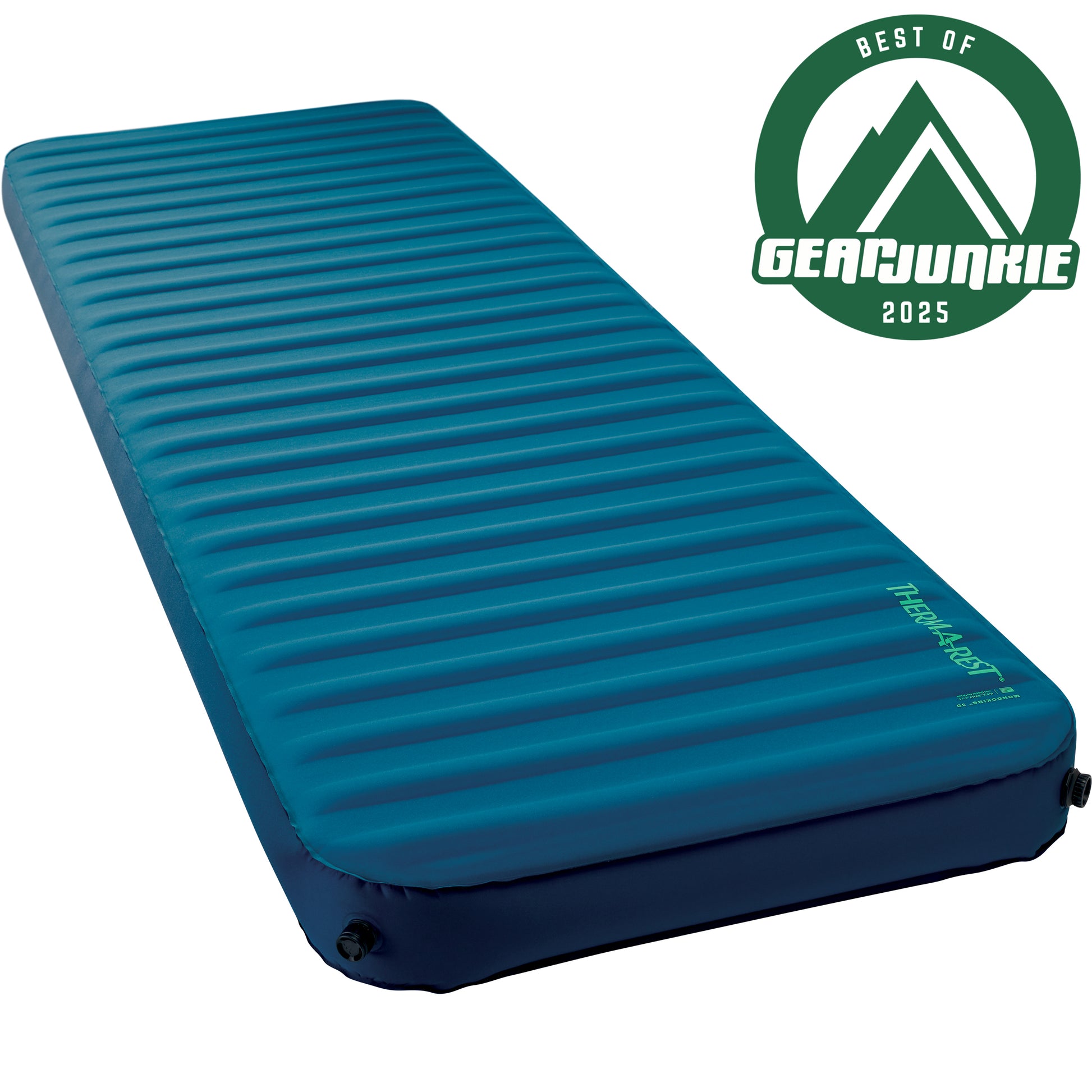
Twin-XL Air Mattresses (Budget Air Option)

Twin-XL Air (39" × 80") - Fits perfectly between wheel wells - 12V pump enables fast inflation - Manual pump backup costs $15-30 - Adjustable firmness through air pressure - Cost: $50-90 - Best for: Occasional campers, multi-purpose vehicle use, budget priority

Twin-XL air mattresses offer budget-friendly alternative to foam—providing portable solution removable for non-camping use. The 39-inch width fits Corolla Cross perfectly; 80-inch length accommodates taller sleepers (up to 5'10"). Multiple air chambers (typically 3) prevent complete deflation from minor punctures. Budget-level air mattresses (under $90) exist but with shorter lifespan (12-24 months typical)—premium models ($120-180) provide better durability if willing to spend more. For occasional camping, budget air mattresses offer entry-level solution.

Advantages: Portable, affordable, adjustable firmness, multi-purpose vehicle flexibility, compact storage

Disadvantages: Puncture risk despite multiple chambers, requires inflation each trip, limited lifespan, less comfortable than thick foam

Self-Inflating Pads (Balanced Option)

REI Camp Dreamer Compact (38" × 77" × 3.5") - Compact size fits Corolla Cross dimensions - Self-inflates when valve opened - Integrated foam provides cushioning - R-value ~4 adequate for three-season camping - Cost: $130-180 - Best for: Active campers, three-season use, balanced comfort/portability

Self-inflating pads represent middle-ground between air and foam—combining portability with integrated comfort. The 38-inch width fits snugly, 77-inch length accommodates most heights. Automatic inflation (open valve, pad expands in 5-10 minutes) simplifies setup. Manual air addition enables firmness adjustment. Moderate cost reflects quality construction. Durable materials withstand extended use. This option appeals to campers balancing comfort needs against vehicle multi-purpose use and portability preferences.

Advantages: Portable, moderate cost, integrated comfort, adjustable firmness, adequate insulation

Disadvantages: More expensive than air mattresses, heavier than air, larger packed volume, moderate insulation vs. thick foam

Narrow Sleeping Pad Options

Ultra-Compact Pad (35" × 75-80") - Narrowest option maximizes cargo space - Leaves 5-7 inches cargo space alongside - Suitable for solo camping or very close couples - Lighter weight than wider options - Cost: $60-120 - Best for: Space-conscious campers, solo travelers, flexible multi-purpose use

Ultra-narrow pads preserve cargo space alongside sleeping surface—enabling storage of pillows, sleeping bag, or gear without complete vehicle dedication to sleeping. The 35-inch width is tight for side-by-side sleeping but works for solo camping or couples comfortable with very close proximity. Reduced weight simplifies handling. Preserved cargo space enables multi-purpose vehicle use. Budget pricing varies widely by construction quality.

Budget-Friendly Alternatives

Foam mattress from big-box store ($40-80): - Non-specialized furniture foam, not vehicle-specific - Often lower firmness than camping-grade foam - Can work adequately for occasional camping - Heavy and difficult to move - Limited lifespan compared to higher-quality materials

Military surplus sleeping pad ($30-60): - Closed-cell foam, extremely durable - Very heavy but reliable - Adequate insulation for three-season camping - Minimalist comfort but functional - Often available at army surplus stores

DIY foam solution ($50-100): - Purchase camping-grade foam from retailers - Have custom cut to Corolla Cross dimensions - More affordable than pre-manufactured mattresses - Enables custom thickness selection - Requires some DIY effort but saves cost

Mattress Selection by Budget

Under $100: Twin air mattress or ultra-narrow pad—acknowledge comfort limitations

$100-150: Twin foam or mid-range self-inflating pad—balance comfort and cost

$150-200: Quality self-inflating pad or premium twin foam—invest in durability

$200+: Consider whether Corolla Cross constraints warrant premium investment (larger vehicle might be wiser)

Setup and Positioning

Seat folding procedure: 1. Remove all pocket items and seat storage items 2. Test fold mechanisms before commitment 3. Remove all headrests, store in front area 4. Push rear seats into completely flat position 5. Confirm fold is as flat as achievable 6. Remove front passenger seat if extended length desired

Mattress positioning: 1. Clean cargo area completely before placing mattress 2. Position mattress lengthwise, centered in cargo area 3. Ensure minimal overhang at tailgate 4. Confirm no contact with trim or sharp edges 5. Place non-slip underlayment if mattress tends to slide 6. Verify door opening not obstructed by mattress position

For those considering eco-friendly options, the Toyota Prius camping setup offers sustainable solutions for hybrid enthusiasts.

Budget Camping Gear and Minimalist Setup Strategy

Corolla Cross camping succeeds through intentional minimalism and smart budget-conscious gear selection. Unlike affluent campers purchasing premium equipment, successful budget camping requires thinking strategically about what camping actually demands versus nice-to-haves. This section details practical gear recommendations, multi-purpose equipment thinking, and strategies for creating comfortable camping experiences with modest financial investment. The goal is genuine camping comfort, not sacrificial deprivation—achieving satisfaction through smart choices rather than excessive spending.

Core Camping Gear Essentials

Sleeping system (priority 1): - Quality sleeping bag rated to expected temperature ($80-150) - Insulating pad (even budget options cost $60-100) - One pillow (stuffed with clothes if separate pillow not affordable) - Total: $140-250

Investing in proper sleeping gear ensures trip satisfaction. Cheap sleeping bags ($30-50) provide minimal warmth and comfort, creating unpleasant sleeping experiences. Mid-range bags ($100-150) offer genuine warmth and reasonable comfort. Insulating pads are non-negotiable—sleeping on vehicle floor without pad is genuinely uncomfortable. Prioritize sleeping comfort above all other equipment investments.

Cooking setup (priority 2): - Single aluminum camping pot with lid ($15-30) - Lightweight camping stove ($30-50) or propane burner - One pan (if cooking anything beyond water/soup) - Basic utensils (spoon, fork, knife) ($10-15) - Cooler ($30-60 used market) - Total: $85-155

Simple cooking setup accommodates 90% of camping meal prep. A single pot handles water boiling, pasta cooking, soup preparation. Single pan enables minimal cooking variety. Used coolers from garage sales cost fraction of new models while performing identically. Meal planning around single-pot cooking reduces equipment needs.

Emergency and safety gear (priority 3): - Basic first aid kit ($15-30) - Multi-tool or basic tool set ($15-40) - Flashlight/headlamp ($10-30) - Fire starter (matches or lighter) ($5-10) - Basic medications (pain relievers, antacids, etc.) ($15-20) - Emergency blanket/whistle ($5-15) - Total: $65-145

Basic emergency equipment provides safety margin without expensive redundancy. First aid kit needn't be comprehensive—basic bandages, pain relievers, and antihistamines address 95% of issues. Multi-tool serves numerous purposes. Headlamps ($15-25) work fine despite lower-cost positioning versus expensive brand-name options.

Multi-Purpose Gear Approach

Budget camping requires each item serving multiple functions:

Sleeping bag: Primary sleeping system, emergency blanket, ground cover for outside activity

Insulating pad: Sleeping comfort, ground barrier, emergency insulation, day-sitting surface

Cooking pot with lid: Food preparation, water heating, emergency washing, serving dishes

Large scarf or bandana: Head covering, neck warmth, washcloth, carrying bag, emergency bandage

Water bottles: Hydration, hot water bottle (freeze for cooling), emergency water supply

Headlamp: Nighttime visibility, reading light, hands-free working light

Fleece jacket: Warmth layer, emergency insulation, pillow stuffing, seat covering

Backpack: Gear transport, storage organization, hiking expeditions from camp

Budget Clothing Strategy

Minimize and rotate: - Two outfit changes (wash and dry one daily) - One thermal base layer set (if shoulder-season camping) - One jacket (fleece + rain layer if expecting variable weather) - Extra socks and underwear (critical comfort item) - One pair hiking/outdoor shoes - Total: 5-7 items occupying minimal space

Packing approach: - Compress clothing in vacuum-seal bags (saves 40% space) - Select versatile colors enabling mix-and-match combinations - Choose quick-dry fabrics enabling daily washing - Avoid unnecessary outfits—camping doesn't require fashion variety

Kitchen Organization on Budget

Minimal cookware approach: 1. Single aluminum pot with lid (2-3 liter capacity) 2. One non-stick pan (optional but useful) 3. Utensils (spoon, fork, knife—can share one set) 4. Two plates/bowls (share meals or eat sequentially) 5. Two cups or mugs 6. Basic cleaning: soap, sponge, towel

Food strategy minimizing cooler burden: - Shop fresh daily rather than stocking complete cooler - Prioritize shelf-stable items: canned goods, dried pasta, rice, beans - Purchase just-needed quantities avoiding excess - Campground stores often have basic supplies at reasonable prices - Focus on simple meals: pasta, rice dishes, grilled items, soups

Budget-conscious meal examples: - Pasta with canned sauce ($2-3 per meal for two people) - Rice and beans with vegetables ($2-4) - Canned soups and simple sandwiches ($2-3) - Egg-based breakfast with toast ($1-2) - Instant oatmeal and coffee for mornings ($1-2)

Cargo Organization Strategy

Zone allocation: - Sleeping area: full cargo area when sleeping, shifted when awake - Under/alongside mattress: emergency supplies, spare clothes in compression bags - Front passenger area: daily-use clothing, toiletries, cooking equipment - Backseat area: books, entertainment, daytime items - Roof rack (if available): cooler, fishing gear, bulky items

Storage containers: - Clear plastic bins ($3-5 each, bought used)—see contents without opening - Compression bags ($2-5)—reduce clothing volume 40% - Small cardboard boxes (free)—organize items before trip - Mesh bags ($3-10)—secure items, allow visibility

Total cargo organization budget: $20-40

Inexpensive organization dramatically improves camping satisfaction by enabling quick item location and systematic gear management.

Hygiene and Sanitation Budget

Essential sanitation items: - Biodegradable soap ($3-5) - Toilet paper and disposal bags (mandatory) - Wet wipes ($3-5 per supply for multi-day trips) - Hand sanitizer (inexpensive bottles, $2-3) - Deodorant and basic toiletries ($10-20) - Towel (one quick-dry microfiber towel, $5-10) - Total: $23-43

Budget hygiene planning involves biodegradable products respecting campground environments and portable solutions requiring minimal water. Wet wipes enable hand cleaning without water access. Microfiber towels dry quickly and occupy minimal space.

Shelter and Weather Protection

Weather protection on budget: - Quality rain jacket ($40-80 used market) - Rain pants (optional but useful, $30-50) - Tarp or lightweight tent (if camping beyond vehicle limits) - Emergency supplies: duct tape, safety pins, cord - Total: $40-80 for basic weather setup

Weather happens during camping—proper protection prevents miserable experiences. Used rain gear from thrift stores offers affordability. Emergency duct tape and cord solve numerous field problems cost-effectively.

For those seeking rugged adventures, the Toyota Land Cruiser camping guide offers insights on off-road setups.
Checklist of essential Toyota Corolla Cross camping gear

Climate Management and Ventilation for Compact Vehicles

Climate control in the Corolla Cross follows similar principles as other compact vehicles but with emphasis on budget-conscious solutions. The compact interior experiences rapid temperature changes—both advantageous (quick cooling) and problematic (difficulty maintaining stable temperature). Strategic ventilation and insulation enable comfort across diverse weather conditions without expensive equipment investments.

Summer Cooling Strategy

Parking location critical: Full shade is non-negotiable for hot-weather comfort. Direct sun creates 15-20°F temperature increase within 30 minutes in the compact Corolla Cross interior. Campsite selection must prioritize shade: under large trees, north side of rock formations, parking under structures if available. Missing adequate shade makes summer camping unpleasant despite climate control efforts.

Reflective window covers: Silver reflective covers reduce solar heat gain 50-60%. Purchase budget versions ($10-20) rather than premium models—basic reflective material provides equivalent heat reduction. Apply immediately after parking, before leaving vehicle. Focus on front and passenger windows capturing most solar energy. Rear window can remain uncovered for visibility.

Ventilation approach: - Open windows 2-3 inches in opposing directions creating cross-ventilation - Front window (driver or passenger side) in one direction - Rear window in opposite direction - Creates diagonal airflow through compact interior - Even limited air circulation cools small volume noticeably

Fan supplementation (budget approach): - Battery-powered fan ($15-25) positioned for airflow - USB fan powered from phone charger ($10-20) - Portable 12V fan ($20-30) if vehicle has auxiliary power - Multiple small fans more effective than single powerful fan in compact space

Evening arrival protocol: 1. Arrive at campsite during evening (5-7 PM) 2. Open all doors fully for 10-15 minutes for air exchange 3. Windows cracked as outside temperature drops 4. Natural evening temperature cooling supplements mechanical approaches 5. By established bedtime, outside temperature typically cool enough that artificial cooling unnecessary

Summer sleeping configuration: - Lightweight sleeping bag as cover only (not fully enclosed) - Cotton sheets for moisture absorption - Moisture-wicking mattress pad - Minimal clothing during sleep

Winter Heating Strategy

Insulation priority: Window insulation becomes essential in winter. Silver reflective covers applied with silver side inward reflect interior heat back into cabin. DIY insulation: hanging thermal curtains inside cabin creates air gap behind windows. These multi-layer approaches significantly reduce nighttime heat loss.

Engine-free heating alternatives: Unlike vehicles with hybrid Ready mode, the Corolla Cross (gasoline-only) requires engine operation for cabin heating. Strategy: Run engine for 20-30 minutes before bedtime, raising cabin temperature. Once warm, minimize engine operation. The vehicle's compact volume heats quickly but also cools quickly—balance comfort against fuel consumption and environmental impact.

Sleeping configuration for winter: - Sleeping bag rated 15-20°F below expected temperature - High-R-value insulating pad (R-value 3-4 minimum) - Multiple thermal blankets layering - Wear thermal base layer and insulating layers under sleeping bag - Hot water bottle in sleeping bag - Dry clothes available in sleeping bag for morning changes

Pre-sleep warmth generation: - Eat warm meal before sleeping (body generates heat digesting food) - Exercise before sleeping (raises body temperature) - Wear dry clothing to bed - Avoid sleeping on empty stomach

Moisture and Condensation Management

Condensation prevention: Compact vehicles accumulate condensation rapidly. Two sleeping people exhale approximately 1 liter moisture nightly. Prevention strategy:

  1. Continuous ventilation: Crack windows 2-3 inches continuously, allowing air exchange
  2. Morning defroster: Run defroster after waking to remove condensation
  3. Moisture absorption: Silica gel packets ($5-15 for season supply) placed in cargo area absorb excess humidity
  4. Bedtime routine: Wipe interior surfaces dry before sleeping
  5. Avoid cooking inside: Cook outside to prevent steam generation

Mildew prevention: Morning protocol: Open all doors fully for 15-20 minutes, allowing complete interior air exchange. Regular ventilation prevents mustiness development. If mustiness develops, activated charcoal or baking soda ($5-10) absorbs odors overnight.

Budget Climate Solutions

DIY reflective covers ($5-15): - Silver emergency blankets from dollar stores - Held in place with duct tape or velcro - Less durable than commercial options but functional and ultra-affordable

DIY insulation covers ($10-20): - Bubble wrap layer between thermal curtains - Cheap and effective at reducing heat transfer - Easy to install with removable adhesive or velcro

Free ventilation approaches: - Strategic window opening costs nothing - Night parking in cooler elevation or near water - Shade selection for daytime parking

Humidity management budget ($5-20): - Activated charcoal from fish stores ($3-5) - Baking soda ($1-2) - Coffee filters ($2-3) - Emergency blankets from dollar store can wrap around moisture absorbers

Campground Selection for Temperature Advantage

Higher elevation camping: Higher elevations run 3-5°F cooler per 1000 feet above sea level. Summer camping at 7,000-8,000 feet elevation significantly reduces cooling demands. Natural temperature advantage reduces mechanical cooling reliance.

Water-adjacent camping: Campsites near lakes or rivers benefit from evaporative cooling effects and water-moderated temperature swings. Water bodies cool daytime heat and moderate nighttime cold. Microclimate awareness aids campground selection.

Campground shade assessment: Arrive early enough to assess shade availability during prime sleeping hours. A shaded morning campsite may receive afternoon sun—confirm shade timing before committing to specific spot.

For those considering a different compact option, the Subaru car camping guide offers great insights on the Outback, Forester, and Crosstrek.

Frequently Asked Questions

Is the Toyota Corolla Cross suitable for car camping?

Yes, particularly for budget-conscious adventurers, camping newcomers, and solo campers. The 68-70 inch sleeping length and 40-42 inch width accommodate couples and solo travelers comfortably. The modest cargo space (20.7 cu ft) demands intentional minimalism and strategic packing but remains adequate for 2-3 day trips and weekend camping. The genuinely affordable pricing ($25,000-30,000 new, $15,000-20,000 used) enables budget-conscious entry into car camping culture. Realistic assessment of space constraints prevents disappointment.

How tall can you be and sleep comfortably in the Corolla Cross?

Individuals up to 5'8" sleep straight comfortably without positioning concerns. Those 5'8"-5'11" manage with attentive positioning and adequate mattress. Beyond 5'11", diagonal sleeping becomes necessary. Over 6 feet, the Corolla Cross becomes increasingly challenging. Height-based assessment should guide vehicle selection—taller individuals should consider mid-size crossovers (Venza) or full-size SUVs (Sequoia) offering additional sleeping length.

Can two people sleep in a Corolla Cross?

Yes, though with important caveats. The 40-42 inch width accommodates two people sleeping closely together—intimate proximity rather than comfortable spacing. Couples comfortable with physical contact during sleep enjoy functional comfort. Those preferring personal space find the Corolla Cross cramped. Honest assessment of comfort expectations is essential. Twin-size mattresses fit well; couples unwilling to sleep closely should consider larger vehicles.

What mattress is best for Corolla Cross camping?

Twin-size foam (39" × 75-80") represents the optimal choice—fits perfectly between wheel wells, affordable ($100-150), durable, and provides genuine comfort. Twin-XL air mattresses work but require inflation each trip. Self-inflating pads offer balanced portability and comfort. Budget-conscious campers can succeed with sub-$100 air mattresses, though expect limited lifespan. Avoid oversized mattresses requiring custom trimming—twin-size solutions work well.

Is the Corolla Cross really affordable for car camping?

Yes, substantially. The vehicle costs $10,000-15,000 less than mid-size crossovers and $20,000-30,000 less than full-size SUVs. Used 2020-2022 models range $15,000-20,000—genuinely accessible pricing. Fuel economy (28-32 mpg) is competitive with compact crossovers and superior to full-size vehicles. Operating costs remain low (reliable, inexpensive parts). Total ownership cost for Corolla Cross is notably less than larger vehicles, enabling budget-conscious camping investment.

What's the cargo space reality?

Honestly modest. With 20.7 cubic feet total capacity, space is constrained. Sleeping surface occupies 8-10 cu ft. Remaining 10-12 cu ft must accommodate cooking, clothing, emergency supplies, and organization. This demands intentional packing and realistic trip planning. Expect to wash clothing daily rather than packing multiple outfit changes. Cook simple meals rather than gourmet preparations. Store non-essential items at home rather than in vehicle. These constraints aren't deprivation—they're realistic space management.

Can you camp with kids in the Corolla Cross?

Challenging but possible for young children and short trips. Two adults plus one small child (under 8) fits when optimized. Two adults plus two children becomes very tight. Space constraints make family camping less comfortable than vehicles offering 40-50% more cargo space. Families should honestly consider mid-size crossovers (Venza, RAV4) or full-size SUVs (Highlander, Sequoia) offering greater space. The Corolla Cross suits couples and solo adventurers most comfortably.

Should I remove the passenger seat for more length?

Yes, if you're tall (over 5'10") or want maximum sleeping length. Removing the passenger seat adds 12-18 inches effective sleeping length. The modification is reversible (electrical disconnection only). Drawback: you lose passenger seating, affecting trip logistics if passengers need to ride. Solo camping benefits significantly from seat removal; couple camping might need passenger seating occasionally.

How is Corolla Cross fuel economy for camping?

Solid for a crossover. Real-world camping trip MPG: 28-32 mpg on highway and mixed driving. A 500-mile camping trip costs approximately $50-60 in fuel (500 miles ÷ 30 mpg = 16.7 gallons × $3.50). This represents solid fuel economy for a crossover and roughly competitive with compact cars. Full-size SUVs cost significantly more ($70-80 for equivalent distance). Corolla Cross doesn't achieve hybrid-level efficiency but provides reasonable economy without hybrid cost premium.

Is the Corolla Cross reliable enough for camping?

Excellent. Toyota reliability reputation extends fully to Corolla Cross—engines, transmissions, and systems demonstrate proven durability. No widespread reliability issues reported. Regular maintenance (oil changes, filter replacements) ensures long-term dependability. The vehicle's mechanical simplicity (compared to premium brands with complex systems) means fewer potential failure points. Many examples will surpass 200,000 miles with proper care. Reliability is genuine strength of Corolla Cross ownership.

How does Corolla Cross compare to Corolla sedan for camping?

Corolla Cross wins clearly. The crossover's cargo area (20.7 cu ft) far exceeds sedan's trunk (13 cu ft). Cargo opening and accessibility much better in crossover design. Higher seating position reduces spine stress when accessing cargo. Seat folding creates usable sleeping surface; sedan trunk cannot accommodate sleeping. The crossover's design philosophy embraces cargo utility while sedan prioritizes passenger comfort. If choosing between these two, crossover is far superior for camping.

Should I choose Corolla Cross or Prius for budget camping?

Choose Corolla Cross if: higher ground clearance appealed, unpaved road camping planned, need more cargo space, prefer traditional controls without hybrid complexity. Choose Prius if: fuel economy is highest priority (50+ mpg vs. 28-32 mpg), Ready mode heating/cooling appealed, compact size preferred, hybridization aligns with values. Both vehicles work for budget camping. Corolla Cross offers more practicality; Prius offers superior efficiency. Vehicle preference and priority weighting should guide choice.

For those considering a larger option, the Toyota Venza camping guide offers insights into mid-size hybrid crossovers.

Related Articles