Setting the Scene
A car dashboard camera, often called a dash cam, is a small video recorder that sits on your vehicle's dashboard or windshield. Its primary purpose is to record footage of your drives. This footage can be incredibly useful, whether you're documenting a scenic road trip or, more importantly, capturing evidence after an accident or incident.
Think of it as your car's personal security guard, always on duty when you are.
But the real magic happens when you're not even in the car. Many dash cams offer 'parking mode,' turning them into a constant surveillance system for your vehicle. This feature is what makes them a surprisingly effective tool against theft and vandalism, turning your car into a less attractive target and providing undeniable proof if something does happen. It's the $50 version of having eyes everywhere.
The Core Answer
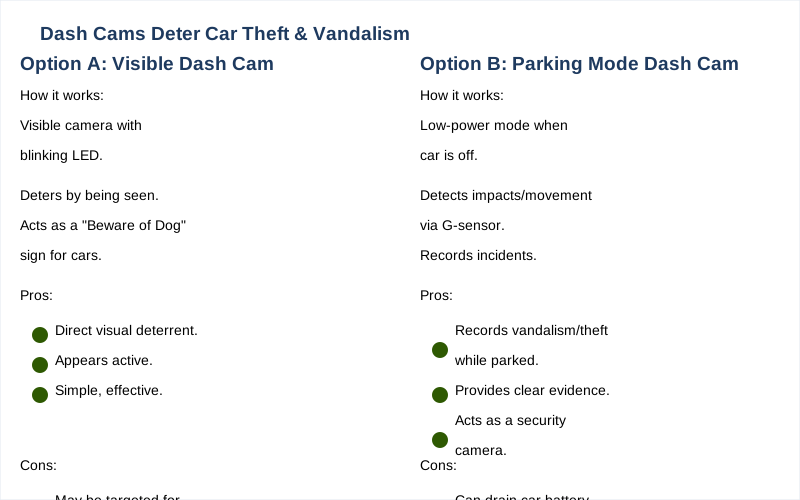
Okay, so how exactly does a little camera on your dash stop a thief? It's not rocket science, but it's smarter than you'd think. The biggest deterrent is simply being seen.
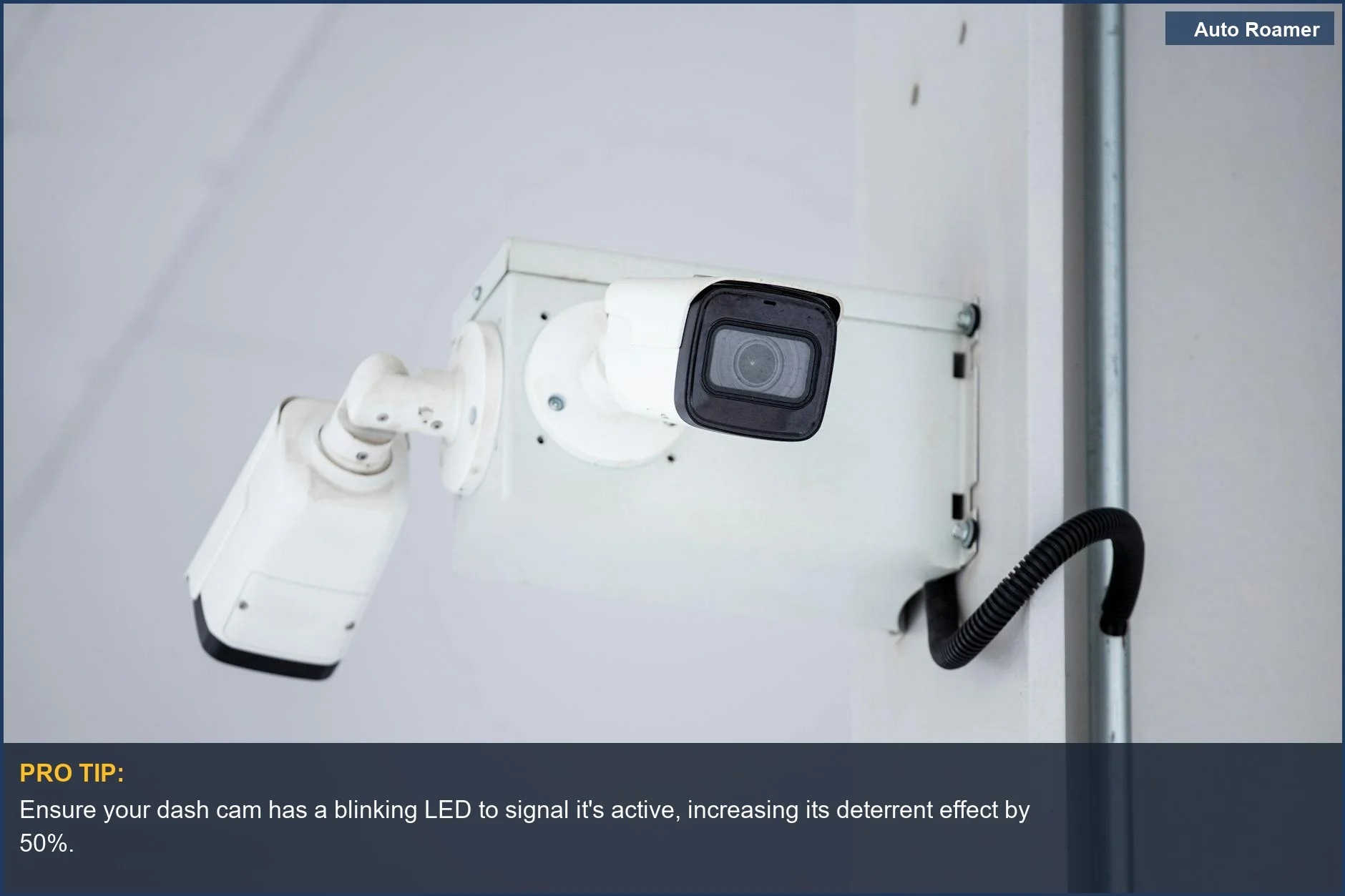
A visible dash cam, especially one with a little blinking LED to show it's active, tells potential criminals that they're being recorded. Most car thieves or vandals are looking for easy targets, the ones where they can smash and grab without anyone noticing.
If they see that little eye staring at them, they're more likely to move on to the next car, the one that looks like a softer mark. It's like putting a 'Beware of Dog' sign on your door, but way more effective because it's actually true.
Then there's the parking mode. This is where the real game-time action is. When your car is off, the dash cam doesn't just go to sleep.
It enters a low-power state and waits for something to happen. Most have a G-sensor, which detects impacts or sudden movements. If someone bumps your car, tries to open a door, or even just walks too close and kicks your tire, the dash cam wakes up and starts recording.
This footage is gold. It's not just a blurry picture; it's often clear video of the perpetrator's face, their vehicle, or at least their actions. This is invaluable evidence for the police.
I remember a buddy of mine in Chicago had his side mirror smashed off overnight. He had a dash cam with parking mode, and it captured the whole thing-a couple of teenagers messing around. The police actually caught them because of that footage. Rookie mistake for them, smart move for him.
Beyond direct recording, the mere presence of a dash cam can make thieves think twice about the car itself.
If someone is looking to steal a specific part, like catalytic converters (a real pain in the neck, believe me), they might scout the area. Seeing a dash cam might make them think the car is also equipped with other anti-theft devices, or that the owner is more security-conscious. It's a psychological barrier, plain and simple.
Some dash cams even have cloud connectivity.
While this is a bit more advanced and might require a subscription, it means the footage can be uploaded automatically. So, even if they manage to steal the dash cam itself (which is a whole other conversation), the evidence is safe elsewhere. The honest version is, it's not foolproof, but it dramatically increases your odds of catching someone or scaring them off entirely. It's about making your car a harder, riskier target.
Why This Matters for Your Setup
So, why does this matter to you, the person who just wants to park their car without worrying about finding a broken window? It's all about making your car less appealing for trouble.
- Visible Deterrent: A dash cam prominently mounted on your windshield acts as a constant reminder that actions are being recorded. This alone can make a thief or vandal think twice before approaching your vehicle, especially in busy parking lots or dimly lit streets.
It's the $75 version of a guard dog.
- Evidence Collection: When parking mode is engaged, the dash cam becomes a vigilant sentinel. It can capture motion, impacts, or even direct vandalism. This footage is critical for insurance claims and police investigations, providing undeniable proof of what occurred. I learned this the hard way after a hit-and-run in a grocery store parking lot.
If only I'd had parking mode active then.
- Reduced Risk of Targeted Vandalism: If your car is in an area known for petty vandalism, a dash cam can deter those looking to cause damage for no reason. They might see the camera and assume the owner is more likely to report any incidents or has other security measures in place.
- Peace of Mind: Knowing your car is being monitored, even when you're miles away, offers a significant level of reassurance.
It's not just about catching criminals; it's about feeling more secure about your property.
Making the Right Choice
When you're thinking about security for your vehicle, a dash cam is more than just a gadget for accident footage. It's a proactive step towards deterring crime.
The key is choosing a dash cam with reliable parking mode and a G-sensor. These features ensure that your camera is actively protecting your vehicle even when you're not. It's about making your car look like a bad investment for anyone with ill intentions.
Don't get me wrong, no system is perfect.
Thieves can be determined. But a visible dash cam, especially one with clear recording capabilities, drastically reduces the odds of your car becoming a victim. It's about making your vehicle a harder target, and providing yourself with the best possible evidence if the worst happens. That's the real move for protecting your ride.