
What is a Dash Cam and Why Do You Need One?
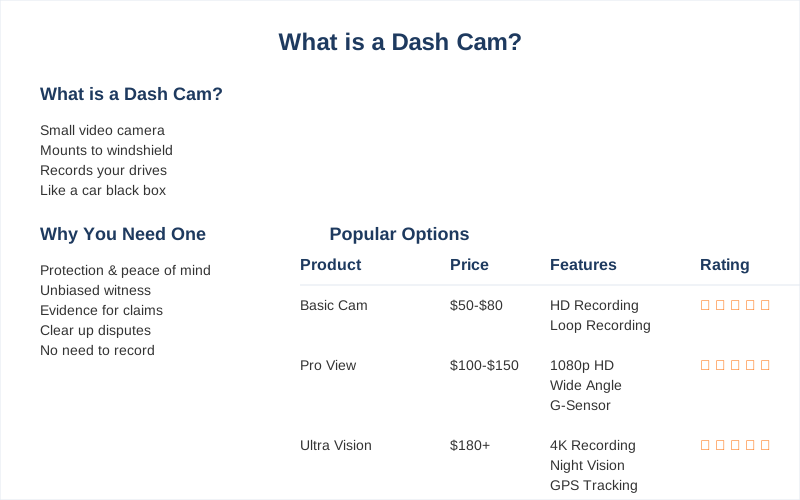
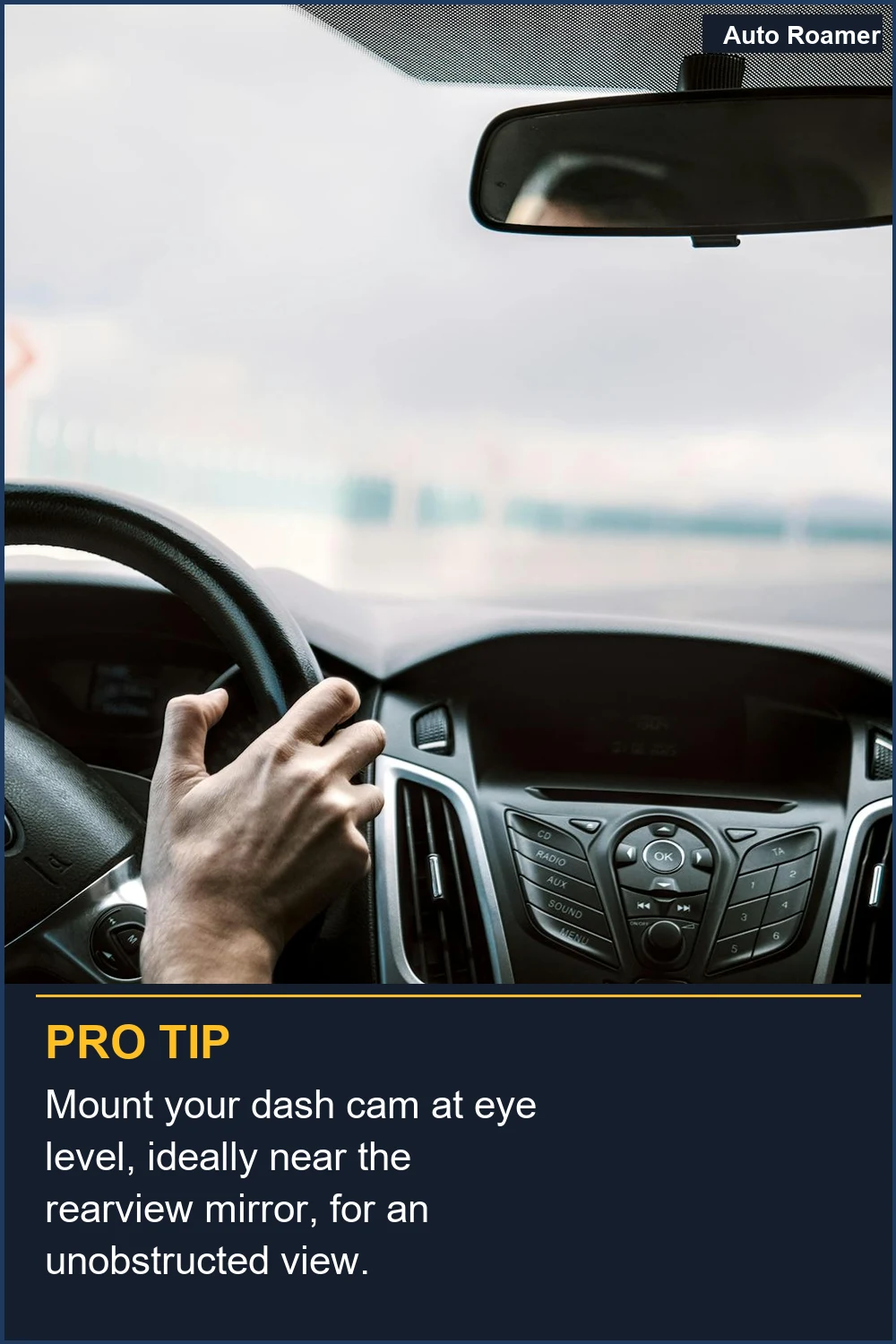
A dash cam is essentially a small video camera you mount to your car's windshield or dashboard to record your drives. Think of it as a black box for your car, but instead of flight recorders, it's for your daily commute.
A dash cam is essentially a small video camera you mount to your car's windshield or dashboard to record your drives. Think of it as a black box for your car, but instead of flight recorders, it's for your daily commute. My first thought was, 'Why would I need another gadget?' But after seeing a friend get blamed for a fender bender that wasn't their fault, I realized this wasn't just about adding tech; it was about protection.
It's a simple concept, but the implications for your insurance and peace of mind are huge. It captures real-time footage, and honestly, that's the most straightforward benefit.
The Core Answer
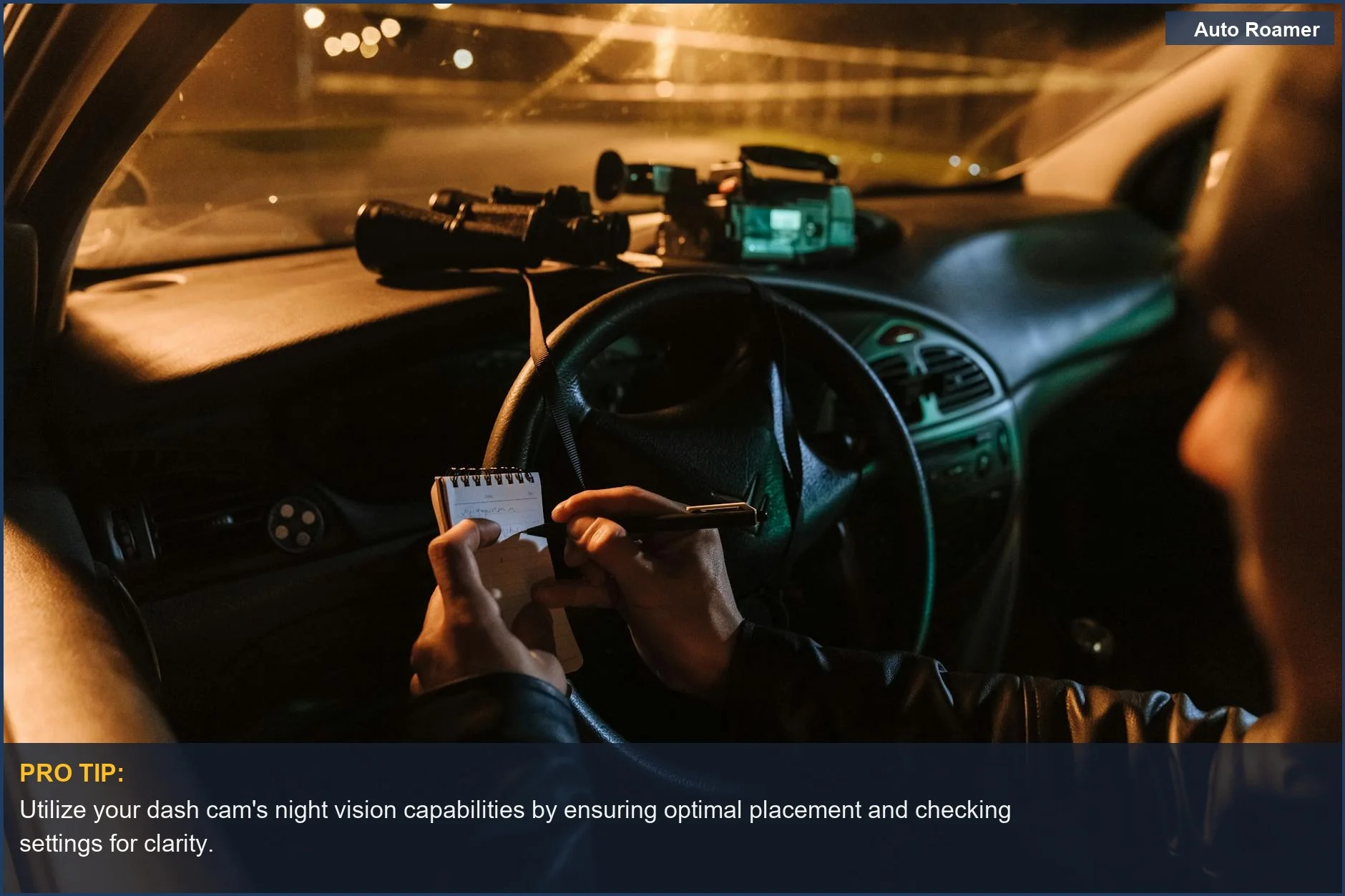
The core idea behind a dash cam is evidence. If you're in an accident, that little camera becomes your unbiased witness. It records what actually happened, before, during, and after the incident without any spin. This footage can be a lifesaver for insurance claims, helping to prove you weren't at fault and potentially saving you from huge deductibles or premium hikes. I saw a Reddit thread where someone got rear-ended by a guy who then tried to claim they ran a red light. The dash cam footage proved he was lying, and the insurance company sided with the dash cam owner. Brilliant engineering. It helps clear up insurance issues. This can also be crucial for police reports, cutting through conflicting stories and getting to the facts. Without it, you're often left relying on the word of others, which, let's be honest, can be dicey. Dashcams work by continuously recording, usually looping over older footage when the storage is full. This means you don't have to remember to hit 'record' when something happens. The camera is always on the job. This continuous recording is key because accidents rarely give you a heads-up. They plug into your car's power, so they're active whenever the ignition is on. Some also have parking mode, which can record impacts or motion even when your car is off. That's a game-changer if someone keys your car or taps it in a parking lot. My neighbor got his car dented in a parking garage, and the security cameras were useless. A dash cam would have caught the culprit. It provides unbiased evidence. The real move is to have that objective record. It's not just about accidents, either. Some people use them to document good driving or even catch bad behavior from other drivers. Basically, it's your car's independent observer.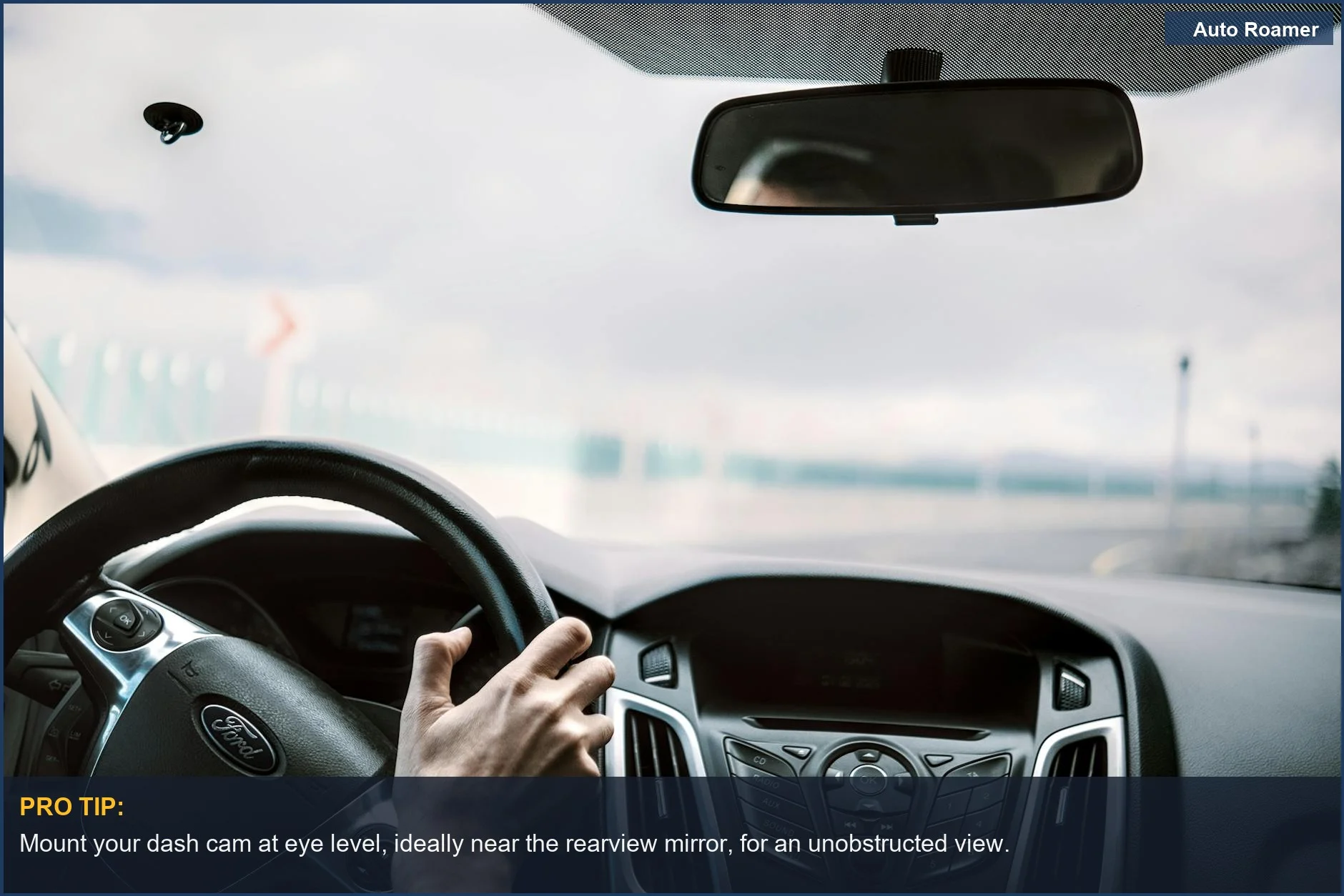
Why This Matters for Your Setup
- Accident Evidence: This is the big one. If you're in a collision, the footage is your best friend for insurance claims and police reports. It's the objective truth on video. Dashcams offer solid non-biased evidence.
- Parking Security: Many dash cams have a parking mode that activates with motion or impact. This is invaluable for catching hit-and-run drivers in parking lots or documenting vandalism. I once had someone scrape my bumper while I was shopping and drive off. If only I'd had that feature then. Keeping watch over your vehicle when parked can prove invaluable.
- Fighting Tickets: While not always foolproof, dash cam footage can sometimes help you contest a traffic ticket if you can clearly prove you didn't run that stop sign or were in the correct lane. It's your word against theirs, but now you have video.
- Proof of Driving: For professional drivers or those in ride-sharing services, dash cams provide a record of their driving behavior, which can be useful for disputes or performance reviews. It's also good for simply documenting your own driving habits.
Making the Right Choice
So, why should you bother with a dash cam? It boils down to protection and peace of mind. The upfront cost, which can range from a $50 basic model to a $300+ advanced unit, is often a fraction of what you might pay in insurance deductibles or repair costs down the line. Dash cam is it worth it? Think of it as a small investment for significant potential returns. It's not about expecting the worst, but being prepared for it. My own experiences, and stories I've heard from others, show that the unexpected can happen in seconds. Having that recorded evidence can make all the difference. A dash cam serves as a crucial tool for capturing incidents. It's the $50 version of having a lawyer on standby, but for your car.
Frequently Asked Questions
If I get into a minor fender bender, can I just show the footage to the other driver and call it a day, or do I still need to involve insurance?
Do I need a fancy multimeter to figure out how to wire a dash cam into my car, or can I just plug it into the cigarette lighter?
What if my dash cam stops recording halfway through a trip because the SD card filled up, and then I get into an accident?
Can leaving a dash cam plugged in constantly drain my car battery when the engine is off?
I heard dash cams can overheat and stop working in hot weather. Is that true?
🏅 Looking for Gear Recommendations?
Check out our tested gear guides for products that work with this setup:
Sources
- riverrunlaw.com
- How Dash Cams Work: Simple Explanation | BlackboxMyCar
- Should I Get A Dashcam? - Cars US News
- What Benefits Have You Had By Installing a Dashcam? - Reddit
- What Is a Dash Camera and Why Cars Need Them - Linxup
- Why It's Important to Have a Dash Cam in Your Car - Best Buy
- Dashcam for Cars: Is It Worth It? - Kelley Blue Book