The Short Version
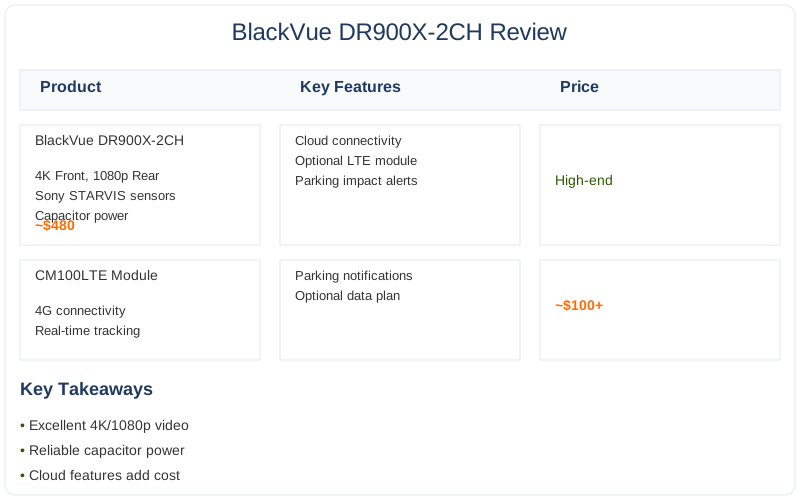
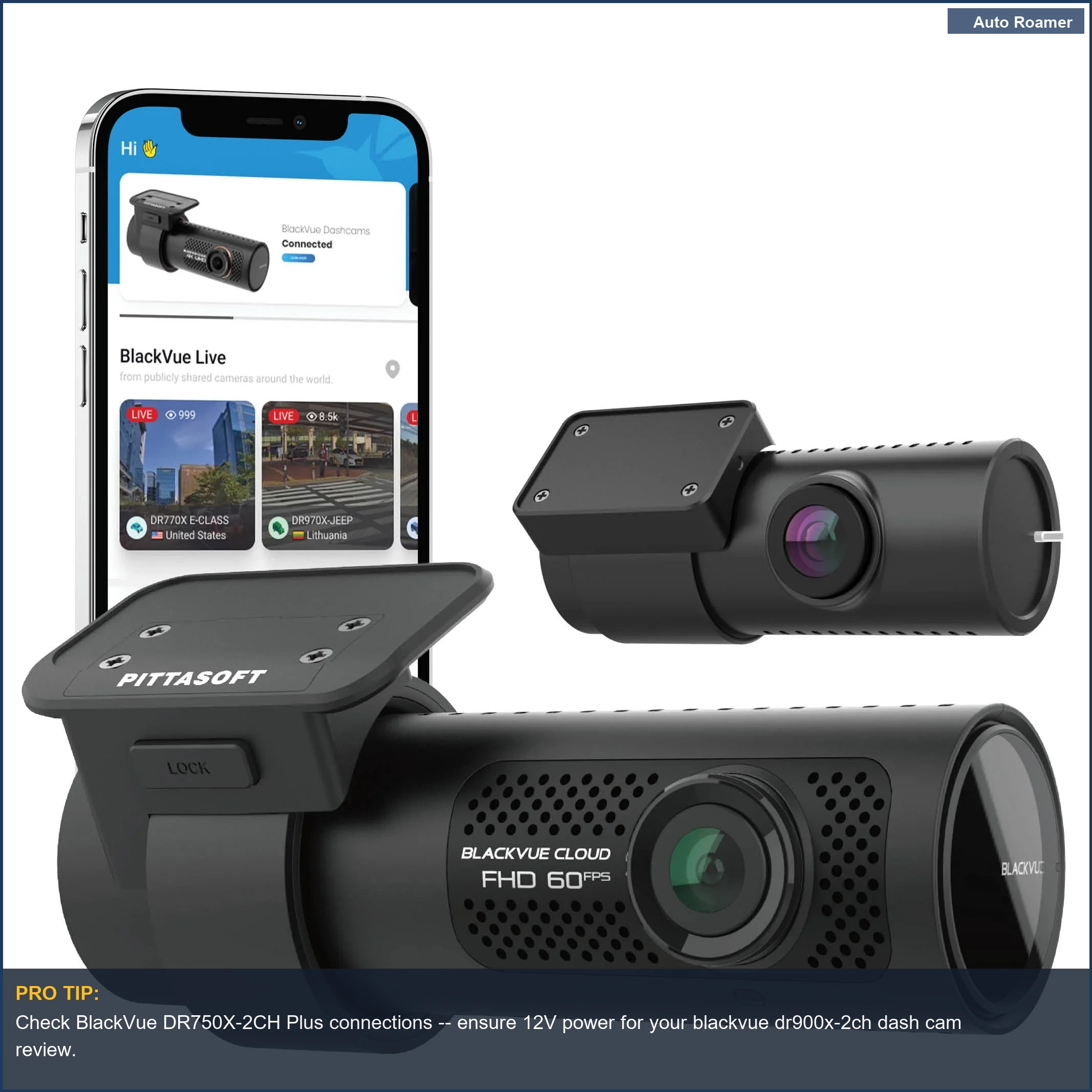
The BlackVue DR900X-2CH is pitched as a top-tier dash cam, boasting 4K resolution and cloud connectivity. You're looking at a unit that typically runs around $480, not including the LTE module or professional install. For that kind of coin, I expect something built to survive the thermal cycling of a car interior, not just spit out pretty pixels. The Dashcam Store notes BlackVue's history of improving reliability, which is critical when you're baking electronics behind a windshield.
Quick Verdict
- 4K Front, 1080p Rear: The front camera uses an 8-megapixel CMOS sensor for 4K UHD at 30 frames per second. The rear camera is 1080p at 30FPS. Some claim it's the best 4K dash cam, but I'm looking at sensor performance, not marketing fluff.
- Sony STARVIS: Both cameras reportedly use Sony STARVIS sensors, which are good for low-light sensitivity.
This helps with night vision, so you can actually read a license plate when some idiot T-bones you after dark, not just see vague shapes.
- Cloud Connectivity: Optional CM100LTE module adds 4G connectivity. This means real-time tracking and parking impact notifications. Handy, if you want to pay another $100+ for the module and a monthly data plan.
- Capacitor-Based Power: Uses a supercapacitor instead of a lithium battery. This is a critical design choice for longevity.
Lithium batteries swell and fail under the extreme thermal cycling inside a car, leading to premature failure and potential fire hazards. BlackboxMyCar highlights this as a key reliability factor.
- Parking Mode: Buffered parking mode with motion and impact detection requires hardwiring. If you just plug it into the cigarette lighter, you lose this functionality. It's a 30-minute wiring job, but most people skip it.
Then they complain when their car gets dinged and there's no footage.
- H.265 (HEVC) Codec: Efficient video compression to save space on the microSD card. This means you get more recording time before overwriting old footage. Critical for data retention.
- No Screen: Relies on WiFi and a smartphone app for setup and viewing. This reduces the footprint but means less tactile feedback. If the app glitches, you're flying blind.
What to Look For
When I'm checking out a dash cam, I'm not just looking at the spec sheet. I'm looking at failure modes. Here's what actually matters:
| Feature | Why it matters (Dirtbag Engineer's take) |
|---|---|
| Video Resolution & Sensor | 4K UHD sounds great, but a cheap 4K sensor is worse than a good 1080p. The Sony STARVIS sensor in the DR900X-2CH is decent for light sensitivity, meaning less noise in low-light conditions. BlackboxMyCar confirms the 8MP sensor. If you can't read a license plate at 10 feet, what's the point? |
| Power Source (Capacitor vs. Battery) | This is non-negotiable. Lithium-ion batteries in hot car interiors (up to 180 degrees F) will swell, lose capacity, and eventually fail. Supercapacitors handle thermal cycling like a champ, providing reliable power for parking mode without the risk of outgassing or spontaneous combustion. BlackVue uses capacitors, which is a win for longevity. |
| Mounting Mechanism | A flimsy suction cup mount is going to vibrate, blurring footage and eventually falling off. The DR900X-2CH uses a sticky pad mount. Make sure the adhesive is rated for automotive temps. Mechanical stress is real; every gram of camera mass acts like a hammer on that bond during road vibrations. |
| Wiring & Power Draw | Hardwiring for parking mode is essential. The DR900X-2CH needs a constant 12V supply. Check your vehicle's parasitic draw after installation. This review emphasizes proper wiring. A cheap hardwire kit with undersized wire can introduce voltage drop, leading to erratic operation or even frying the camera's power regulation circuit. |
| Operating Temperature Range | If a dash cam isn't rated for 160 degrees F, it's not going to last through a summer. Cheap electronics use components with tighter thermal tolerances, leading to premature failure of solder joints or ICs. BlackVue generally has a wider operating range, which is why they survive better. |
| Storage (MicroSD Card) | Dash cams write constantly, which wears out standard microSD cards fast. You need a high-endurance card. The camera itself is only as good as its storage medium. A corrupted card means no footage when you need it most. |
Our Top Picks for Reliable Performance
You want reliable footage, not just a fancy box. Here are some units that actually hold up to the abuse of daily driving, not just look good on paper.
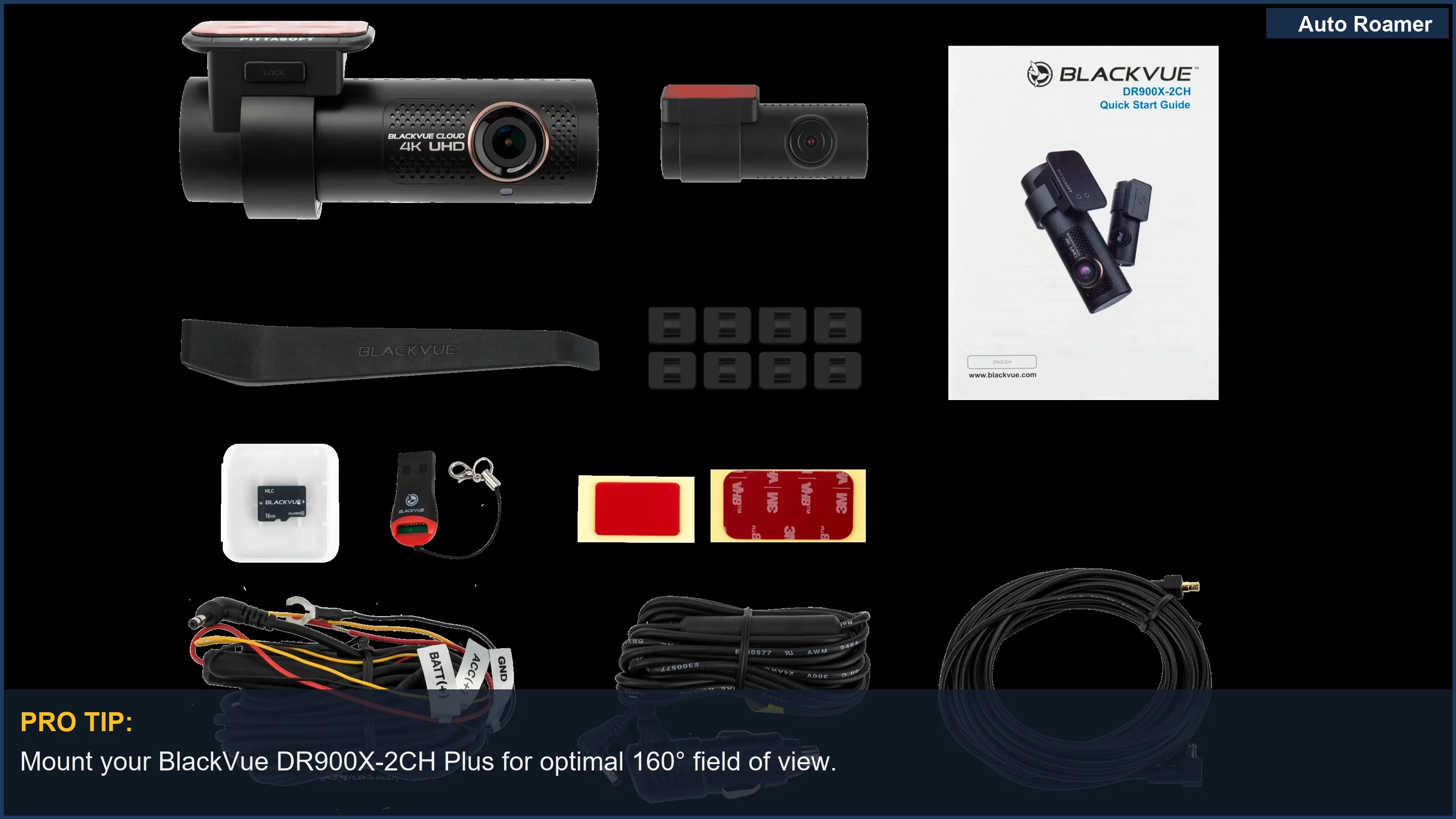
BlackVue DR900X-2CH Plus (~$480)
- Specs: Front 4K UHD @ 30FPS, Rear 1080p FHD @ 30FPS, Sony STARVIS sensors, WiFi, GPS, optional LTE module.
- Pros: Excellent video quality in various light conditions. Capacitor power source for durability in thermal extremes. Good parking mode features with hardwire. The DR900X Plus improves on previous models with better low-light performance.
- Cons: Expensive, especially with the LTE module. No built-in screen, relies on app.
- Best for: Drivers who prioritize top-tier image quality and cloud features, and don't mind the premium price tag or fiddling with an app.
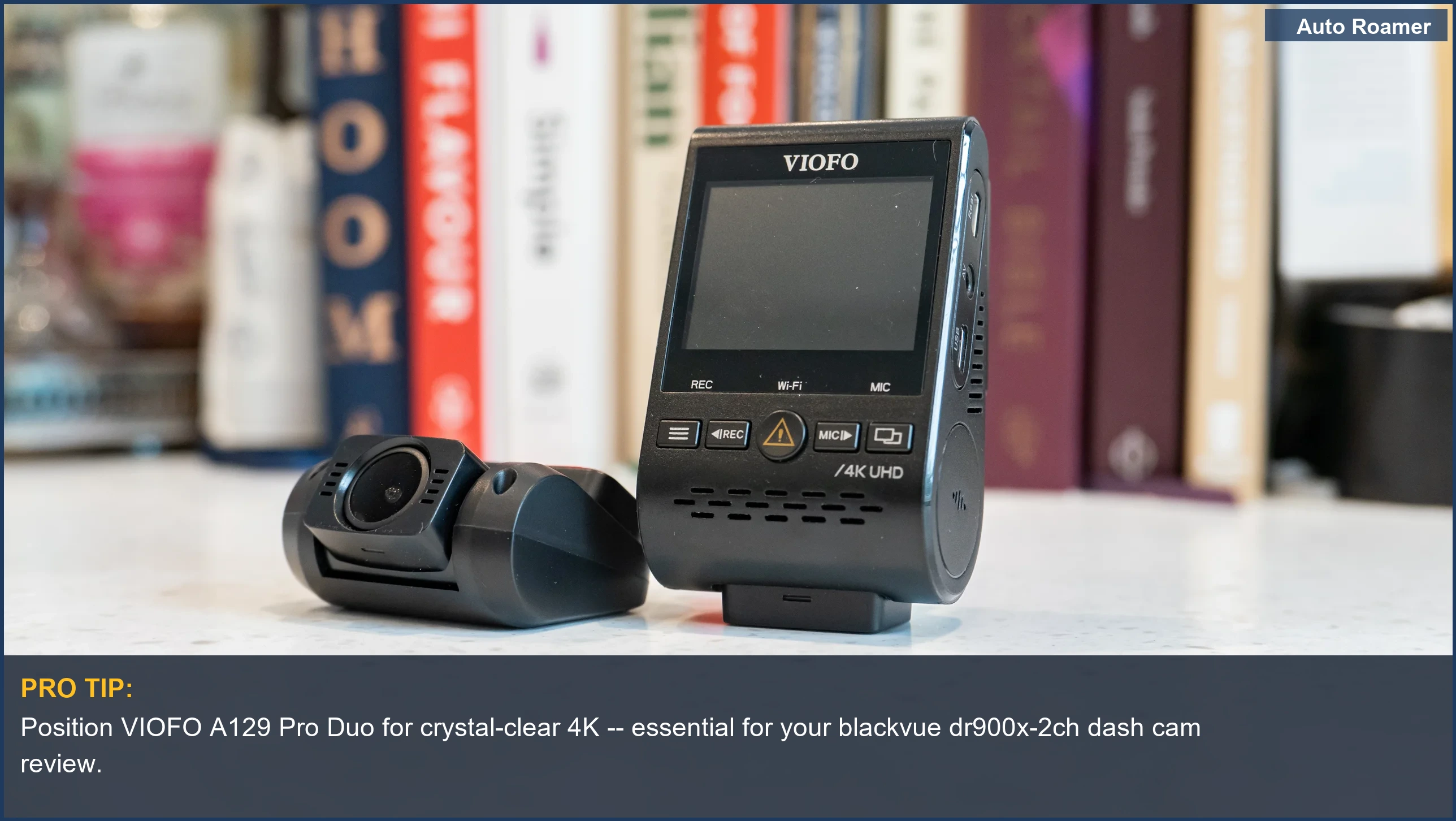
VIOFO A129 Pro Duo (~$250)
- Specs: Front 4K UHD @ 30FPS, Rear 1080p FHD @ 30FPS, Sony STARVIS sensors, WiFi, GPS.
- Pros: Great value for 4K front and 1080p rear. Capacitor power. Has a small screen for basic setup.
- Cons: Cloud features are not as robust as BlackVue. User interface can be clunky.
- Best for: Budget-conscious drivers who still demand high-resolution footage and capacitor reliability without the cloud bells and whistles.
Thinkware U1000 (~$400)
- Specs: Front 4K UHD @ 30FPS, Rear 2K QHD @ 30FPS, Sony STARVIS sensors, WiFi, GPS, optional LTE module.
- Pros: Excellent parking mode features, including super low power consumption. Good build quality for thermal resilience.
- Cons: High price point. Rear camera is 2K, not 4K.
- Best for: Users who need robust parking surveillance and don't mind a slightly lower rear camera resolution for better parking mode efficiency.
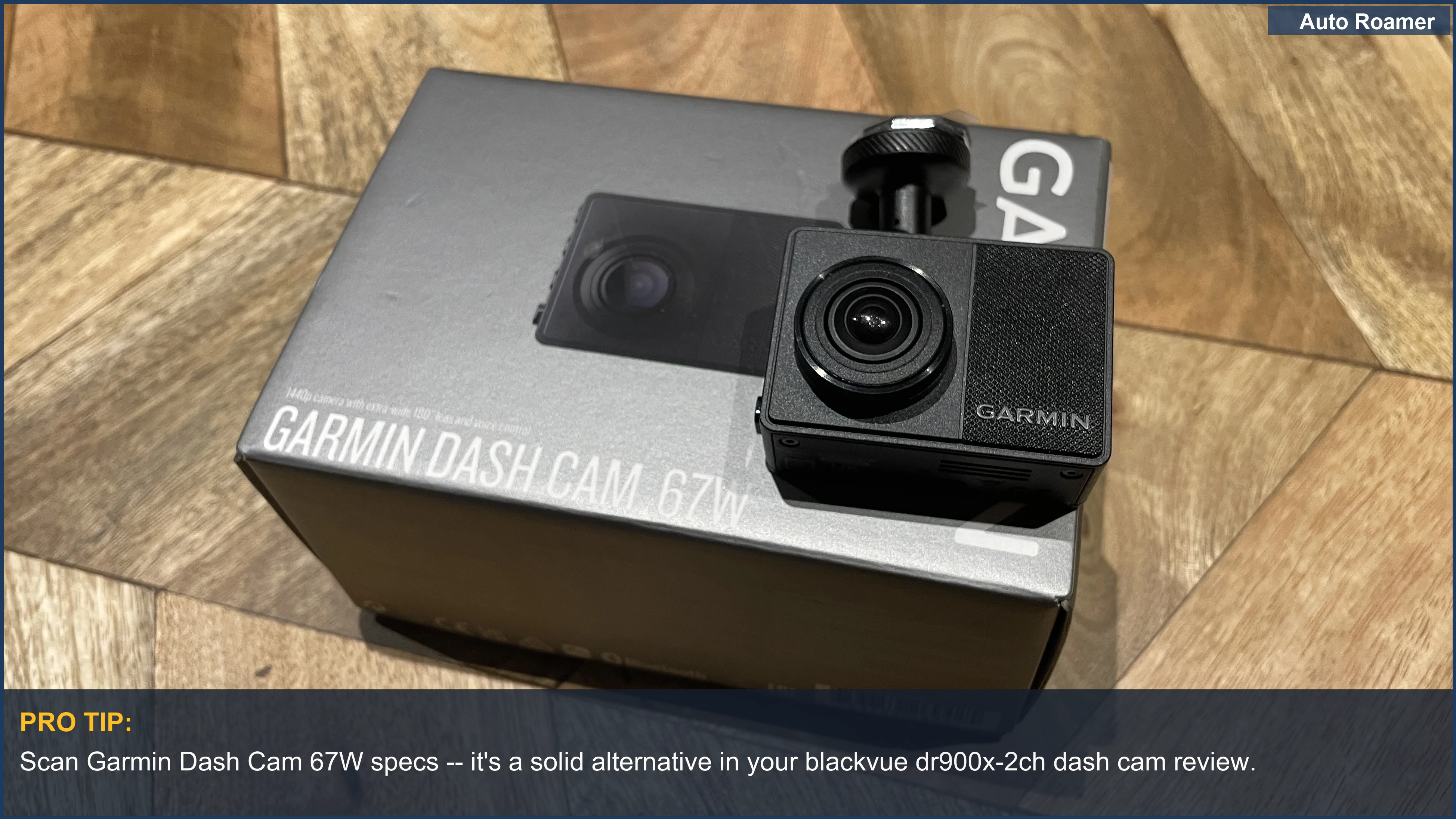
Garmin Dash Cam 67W (~$200)
- Specs: 1440p QHD @ 30FPS, 180-degree field of view, GPS, voice control, cloud storage (subscription).
- Pros: Compact size, easy to install. Good wide-angle coverage. Reliable brand.
- Cons: Single channel only (no rear cam). Not 4K. Cloud features require subscription.
- Best for: Minimalist setups where a single, reliable front-facing camera is sufficient, and extreme resolution isn't the primary concern.
BlackVue DR750X-2CH Plus (~$350)
- Specs: Front 1080p FHD @ 60FPS, Rear 1080p FHD @ 30FPS, Sony STARVIS sensors, WiFi, GPS, optional LTE module.
- Pros: 60FPS on the front camera means smoother video and better motion clarity, crucial for capturing fast-moving objects like license plates. Users find BlackVue generally user-friendly.
- Cons: Not 4K. Still a premium price for 1080p.
- Best for: Drivers who prioritize frame rate for motion clarity over raw pixel count, especially in high-speed scenarios.
Head-to-Head Comparison
Let's strip away the marketing and look at the actual engineering differences between the DR900X and some common alternatives. Pixels are cheap; reliability isn't.
| Feature | BlackVue DR900X-2CH Plus | VIOFO A129 Pro Duo | Thinkware U1000 |
|---|---|---|---|
| Front Camera Resolution | 4K UHD (8MP) @ 30FPS | 4K UHD (8MP) @ 30FPS | 4K UHD (8MP) @ 30FPS |
| Rear Camera Resolution | 1080p FHD @ 30FPS | 1080p FHD @ 30FPS | 2K QHD @ 30FPS |
| Image Sensor | Sony STARVIS | Sony STARVIS | Sony STARVIS |
| Power Source | Supercapacitor | Supercapacitor | Supercapacitor |
| Cloud Connectivity | Optional LTE module (CM100LTE) | None | Optional LTE module |
| Parking Mode | Buffered, motion/impact detection (hardwire required) | Buffered, motion/impact detection (hardwire required) | Buffered, motion/impact, energy-saving mode |
| Pricing (Approx.) | ~$480 (without LTE) | ~$250 | ~$400 (without LTE) |
| Thermal Durability | Excellent. Capacitor design handles high temps. | Good. Capacitor design. | Excellent. Capacitor design. |
| Wiring Complexity | Moderate, requires hardwire for full features. | Moderate, hardwire recommended for parking. | Moderate, hardwire recommended. |
| Software/App Reliability | Generally good, but app-dependent. BlackVue's software is robust for cloud features. | Functional, but can be less polished. | Good, with dedicated parking mode settings. |
The BlackVue and Thinkware go for the full-suite cloud experience, which means more complex wiring and more potential points of failure if the network connection drops. The VIOFO is a no-frills workhorse. Some users find 2K video a sweet spot for better daytime quality without the massive file sizes of 4K.
Budget vs Premium: Where Your Money Actually Goes
You want to know where your extra $200-$300 goes when you jump from a budget dash cam to something like the DR900X-2CH. It's not just about the name. It's about fundamental engineering choices that affect longevity and function.
| Feature | Budget Dash Cam (~$100-150) | Premium Dash Cam (BlackVue DR900X-2CH Plus) (~$480) |
|---|---|---|
| Image Sensor | Generic CMOS, often lower resolution or older generation. Poor low-light. | Sony STARVIS (8MP front), better low-light sensitivity, wider dynamic range. Stance Auto Magazine highlights the STARVIS sensor for superior night vision. |
| Power Source | Lithium-ion battery. Will swell and fail in 1-2 years due to thermal cycling. | Supercapacitor. Rated for extreme temperatures, significantly longer lifespan (5+ years). This is a non-negotiable for me. |
| Video Codec | H.264. Less efficient, larger file sizes, fills up microSD card faster. | H.265 (HEVC). More efficient compression, smaller files, more recording time. |
| Build Materials | Cheaper plastics, less robust adhesive, lower grade internal components. | Higher-grade plastics, better thermal management, more durable adhesive. Reduced vibration-induced failure rates. |
| Connectivity | Basic WiFi, often unreliable. No cloud. | Dual-band WiFi, optional LTE module for robust cloud features (live view, parking notifications). |
| Parking Mode | Basic impact detection, often misses events, draws more power. | Buffered recording, motion & impact detection, configurable settings, lower parasitic draw. |
| Software Support | Barebones app, infrequent updates, poor UI/UX. | Regular updates, polished app, advanced features (GPS logging, speed overlays). |
| Reliability | High failure rate due to battery degradation, component heat stress, poor mechanical bonds. | Significantly lower failure rate due to capacitor power, robust design, better thermal engineering. |
You're paying for materials and design that tolerate the brutal environment of a car interior. The price difference isn't just for 'premium' branding; it's for engineering that prevents premature thermal or mechanical failure. Apparently premium means the same garbage with a nicer label, but in this case, it actually means better guts.
The Bottom Line
The BlackVue DR900X-2CH Plus is a solid piece of kit if you're willing to pay for it and set it up correctly. It's not a magic bullet, but it's engineered with some critical advantages over cheaper alternatives.
- Thermal Resilience: The supercapacitor design is the biggest win. It'll survive the summer heat and winter cold cycles that would kill a battery-powered unit in a year. This means less electrical resistance and more consistent power delivery over time.
- Image Quality: 4K front footage with a Sony STARVIS sensor is good, especially for daytime. The 1080p rear camera is adequate. It's about capturing enough detail to be useful, not just bragging rights. This review breaks down the 4K capabilities.
- Cloud Features (Optional): If you need real-time monitoring and parking notifications, the LTE module is there. Just remember that's another $100+ for the hardware and a recurring data plan. Nothing is free.
- Installation Matters: Hardwiring is essential for parking mode. If you're not comfortable tapping into your fuse box, pay someone who knows what they're doing. A hack job will lead to intermittent power, blown fuses, or worse, damage to your vehicle's electrical system.
- Cost vs. Longevity: Yes, it's expensive. But you're paying for a lower failure rate and components that won't cook themselves in 140 degrees F cabin temperatures. My experience says buying cheap means buying twice.