Setting the Scene
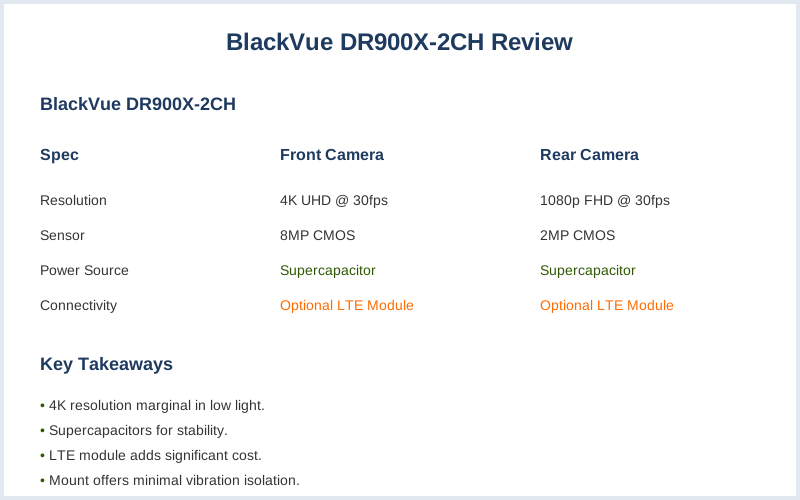
The BlackVue DR900X-2CH, an 8-megapixel CMOS sensor dash cam, promises 4K Ultra High Definition video at 30 frames per second for the front camera and 1080p Full HD for the rear according to BlackboxMyCar. That's a lot of pixels for something that's mostly going to record someone else's fender bender. You're paying for resolution, but is it actually delivering usable data when it matters? Or just bigger files?
Quick Verdict
- Resolution vs. Real-World Clarity: The 4K front camera sounds impressive, but the real benefit is often marginal in dynamic, low-light situations. A 1440p sensor with better dynamic range can often capture more usable detail, especially at night. Don't fall for the 4K marketing hype if the sensor itself isn't top-tier as some forum users have noted.
- Thermal Stability: BlackVue often uses supercapacitors instead of lithium batteries, which is a solid engineering choice.
Lithium batteries degrade rapidly under thermal cycling, especially sitting in a sun-baked car cabin at 150 degrees F. Supercapacitors handle those temperature swings with far less internal resistance degradation.
- Connectivity Module Cost: The optional CM100 LTE module for cloud connectivity is a separate purchase, adding another ~$120 to the already premium price. Then you need a data plan.
So, you're looking at a significant recurring cost for remote access, which is often overkill for personal use.
- Mounting & Vibration Isolation: The mounting bracket is a simple slide-in design. While functional, it's not truly isolating the camera from chassis vibration. This can lead to minor image blur or artifacting from high-frequency mechanical stress, especially on rough roads.
It's a minor detail, but crucial for absolute image integrity.
- Power Draw: Hardwiring for parking mode is essential, and the DR900X-2CH draws around 300mA in parking mode with both cameras active based on typical BlackVue specs. This means a 60Ah battery will be drained to 50% in roughly 8 days. If you only drive short distances, expect battery strain.
- Software Interface: The BlackVue app is generally robust, but like all complex software, it has its quirks.
Firmware updates are critical for maintaining stability and patching vulnerabilities. Neglecting updates can leave you with a bricked device or compromised data.
- SD Card Longevity: These cameras chew through microSD cards. Constant write cycles at 4K resolution induce wear-leveling failures. Expect to replace even 'high endurance' cards every 12-18 months. Buy a spare now.
What to Look For
When you're shelling out cash for a dash cam, you're buying a data recorder that needs to survive constant thermal cycling and mechanical vibration. Here's what actually matters, not just the marketing fluff as noted by The Dashcam Store.
| Feature | Why it Matters (Engineering Perspective) | Dirtbag Engineer's Take |
|---|---|---|
| Capacitor vs. Battery | Lithium-ion batteries degrade under high thermal loads, leading to electrolyte breakdown and capacity loss. Capacitors tolerate wider temperature ranges (up to 200 degrees F) with minimal degradation, preventing sudden power loss. | If it's got a battery, it's a ticking time bomb in summer. Capacitors are the only choice for sustained operation. |
| Video Resolution (4K, 1440p, 1080p) | Higher resolution means more pixels, but also larger file sizes and increased thermal load on the processor. A good 1440p sensor with superior low-light performance often provides more usable data than a mediocre 4K sensor, especially at night. | 4K is marketing. Usable detail in the dark beats pixel count any day. What's the point of 4K if you can't read the license plate due to noise? |
| Frame Rate (FPS) | Higher frame rates (60FPS vs. 30FPS) reduce motion blur in high-speed impacts, providing clearer images of dynamic events. This is critical for capturing license plates or facial features in motion. | 30FPS is fine for parked cars. If you're moving, 60FPS gives you twice the data points to catch that plate number. |
| Viewing Angle (140-170 degrees) | An ultra-wide lens (160+ degrees) captures a broader field of view, reducing blind spots. However, extreme wide angles introduce barrel distortion, which can warp image geometry and make distant objects harder to discern. | Too wide and everything looks like a fish-eye lens. Find the sweet spot where you cover the lanes without making everything look like a funhouse mirror. |
| Parking Mode (Buffered vs. Motion) | Buffered parking mode records continuously but only saves clips around detected events, preserving crucial pre-impact footage. Motion detection alone can miss the initial moments of an incident. | Buffered is non-negotiable. You want to see the idiot backing into you *before* they hit, not just the impact itself. |
| Wi-Fi / Cloud Connectivity | Dual-band Wi-Fi (2.4GHz and 5GHz) provides faster data transfer for reviewing footage locally. Cloud connectivity (via optional LTE module) allows remote access, but relies on stable cellular reception and introduces recurring data costs. | Wi-Fi is for pulling files quickly. Cloud is for checking if your car's still there after you forgot where you parked it. And paying a monthly fee for the privilege. |
| GPS / Speed Logging | Integrated GPS provides location and speed data, which is crucial for accident reconstruction and insurance claims. It adds a layer of verifiable telemetry to your video evidence. | If it didn't happen on the map, it didn't happen. GPS data is your unshakeable alibi for speed and position. |
| Mounting Mechanism | A secure mounting system minimizes vibration transfer to the camera, reducing image blur and mechanical stress on internal components. Adhesive mounts generally offer better vibration damping than suction cups. | Suction cups are for novelty toys. Adhesive mounts keep the camera from rattling itself to death. Simple mechanical integrity. |
Our Top Picks for Reliable Performance
Forget the fluff. Here are the dash cams that actually deliver, balancing sensor quality, thermal resilience, and mechanical integrity. I'm not going to tell you to buy a specific one, but these are the ones that don't make me want to throw them into a dumpster like some of the junk out there.
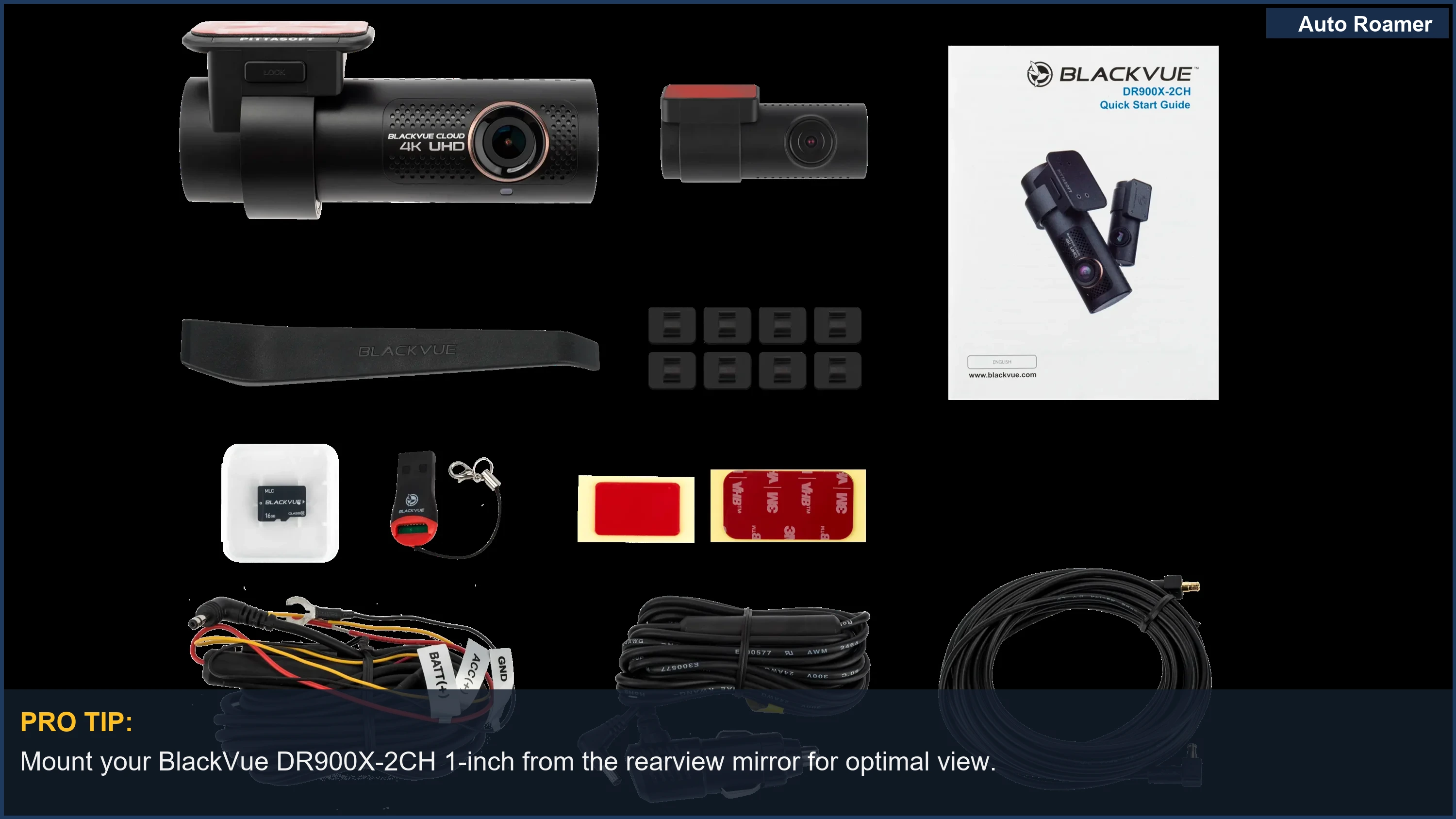
BlackVue DR900X-2CH (~$470)
Capacity/Key Specs: Front 4K UHD 30FPS, Rear 1080p 30FPS, Sony STARVIS sensor, Supercapacitor, Wi-Fi, Optional LTE module.
Pros: Excellent thermal stability from the supercapacitor.
Solid build quality, minimal rattles. Good software interface.
Cons: 4K front resolution doesn't always translate to superior usable detail over 1440p in low light. LTE module is an extra ~$120. Pricey.
Best-for Use Case: Users who prioritize brand reputation and have a budget for the full ecosystem, including cloud services.
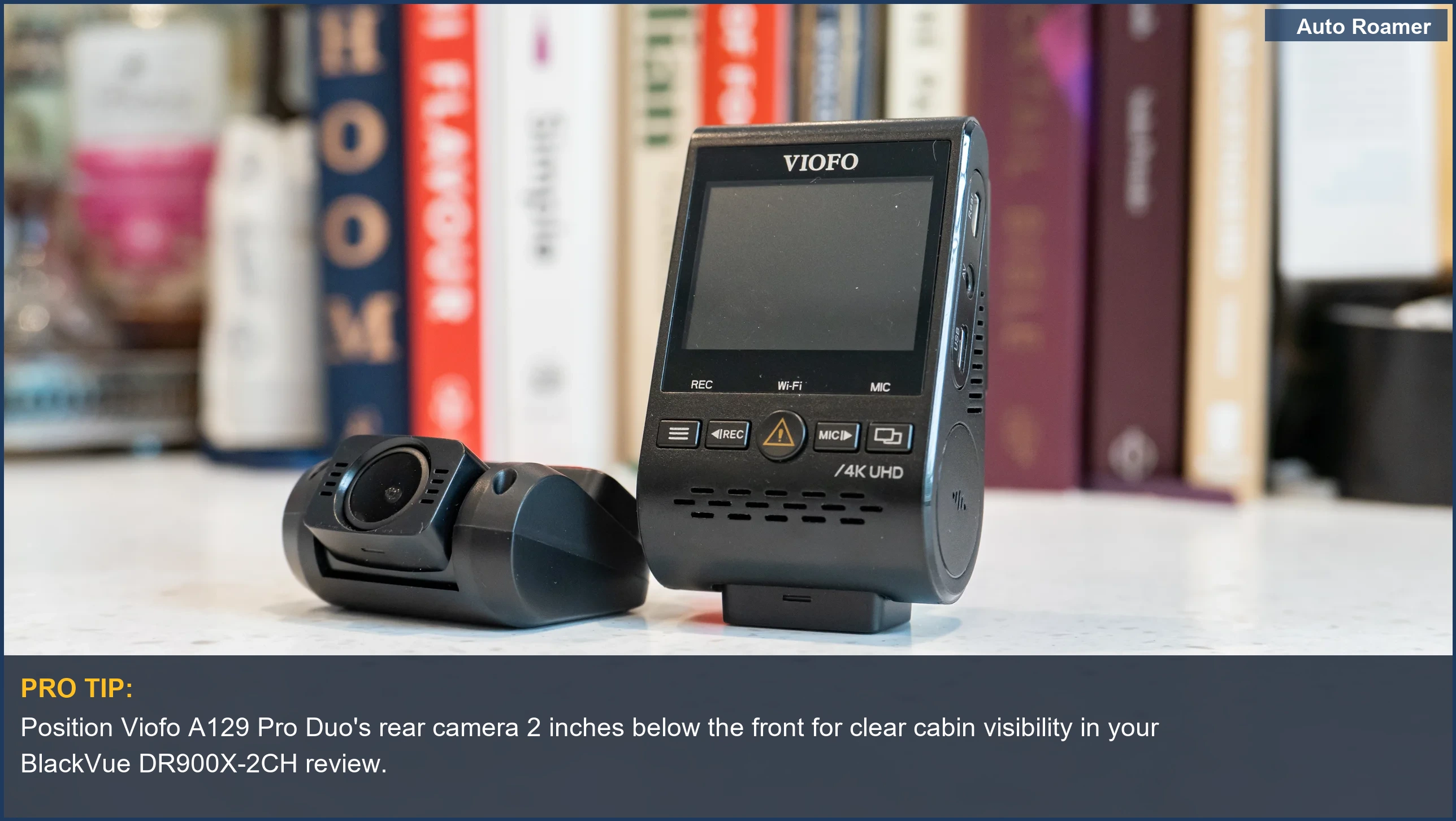
Viofo A129 Pro Duo (~$250)
Capacity/Key Specs: Front 4K UHD 30FPS, Rear 1080p 30FPS, Sony STARVIS, Supercapacitor, GPS, Wi-Fi.
Pros: Significantly cheaper than BlackVue for similar 4K specs. Good thermal performance.
External GPS module for better signal acquisition.
Cons: Interface can be clunky. Less sleek design than BlackVue. No native cloud integration.
Best-for Use Case: Budget-conscious users who want 4K front footage and strong parking mode features without the cloud subscription.
Thinkware U1000 (~$400)
Capacity/Key Specs: Front 4K UHD 30FPS (or 2K 60FPS), Rear 2K QHD 30FPS, Sony STARVIS, Supercapacitor, Wi-Fi, Cloud via hotspot.
Pros: Offers 2K at 60FPS option for smoother motion capture. Excellent parking mode features with radar sensor option.
Robust build.
Cons: Price is comparable to BlackVue. Cloud features require an external hotspot or separate LTE module.
Best-for Use Case: Drivers who need flexible recording options (4K/30 or 2K/60) and advanced parking surveillance with minimal false triggers.
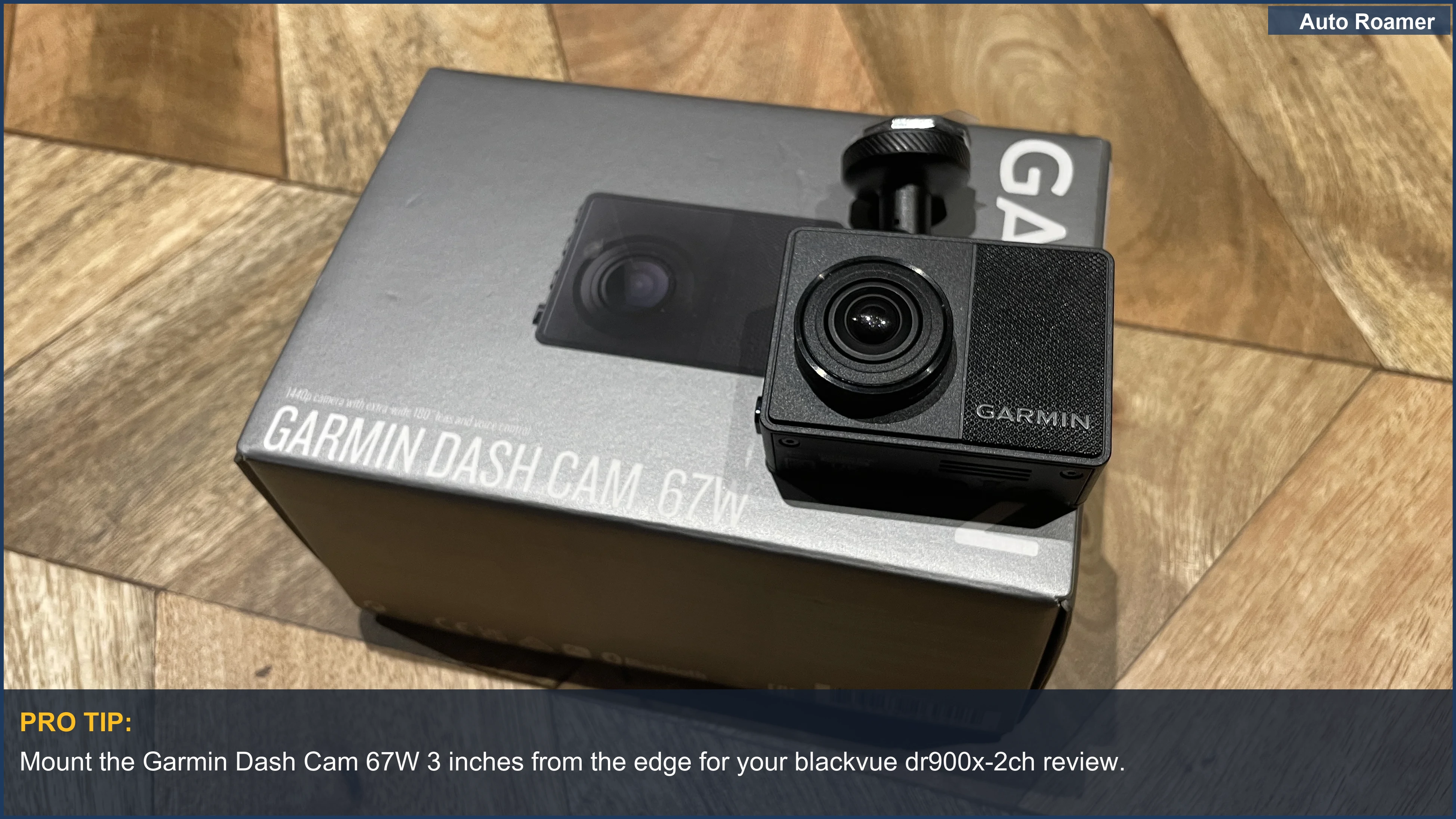
Garmin Dash Cam 67W (~$200)
Capacity/Key Specs: 1440p 60FPS, 180-degree FOV, GPS, Voice Control, Parking Guard.
Pros: Excellent 1440p 60FPS footage for clarity. Compact form factor. Intuitive voice control for hands-free operation.
Cons: Single-channel only (no rear camera). Smaller field of view can miss side impacts.
Battery instead of capacitor, so thermal cycling is a concern.
Best-for Use Case: Users prioritizing compact size and high-quality front-only footage, willing to accept battery degradation.
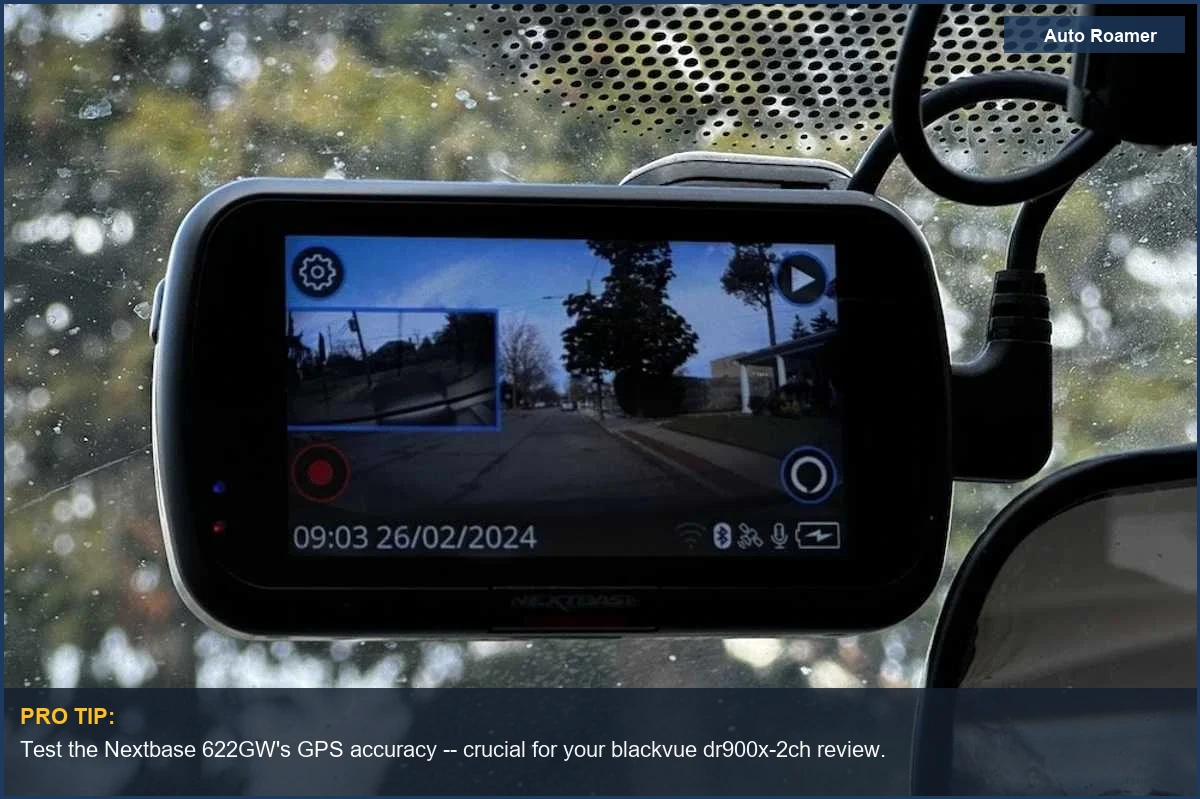
Nextbase 622GW (~$300)
Capacity/Key Specs: 4K 30FPS, 140-degree FOV, Image Stabilization, Alexa Built-in, Emergency SOS.
Pros: Digital Image Stabilization reduces vibration blur. Unique Emergency SOS feature. Good low-light performance.
Cons: Uses a battery, not a capacitor, increasing thermal failure rates. Software can be buggy.
Larger form factor.
Best-for Use Case: Drivers seeking advanced safety features and image stabilization, but understand the inherent thermal limitations of a battery-powered unit.
BlackVue DR770X-2CH (~$370)
Capacity/Key Specs: Front 1440p 60FPS, Rear 1080p 30FPS, Sony STARVIS, Supercapacitor, Wi-Fi, Optional LTE.
Pros: 1440p 60FPS is often more useful than 4K 30FPS for capturing detail in motion. Same reliable BlackVue build and thermal management. A solid workhorse as many reviewers appreciate.
Cons: Not 4K, which some people mistakenly think is a downgrade.
Still requires separate LTE module.
Best-for Use Case: Pragmatic users who want superior motion clarity and proven BlackVue reliability without paying for marginal 4K benefits.
Head-to-Head Comparison
Let's strip away the marketing. Here's how the BlackVue DR900X-2CH stacks up against other top-tier options when you actually look at the engineering and functional tradeoffs as analyzed by Stance Auto Magazine.
| Feature | BlackVue DR900X-2CH | Viofo A129 Pro Duo | Thinkware U1000 |
|---|---|---|---|
| Front Resolution/FPS | 4K 30FPS | 4K 30FPS | 4K 30FPS / 2K 60FPS |
| Rear Resolution/FPS | 1080p 30FPS | 1080p 30FPS | 2K 30FPS |
| Image Sensor | Sony STARVIS (8MP) | Sony STARVIS (8MP front) | Sony STARVIS (8MP front, 5MP rear) |
| Power Source | Supercapacitor | Supercapacitor | Supercapacitor |
| Native Cloud | Yes (with optional CM100 LTE module) | No | Yes (with external hotspot or LTE module) |
| Wi-Fi | Dual-band (2.4/5GHz) | Dual-band (2.4/5GHz) | Dual-band (2.4/5GHz) |
| GPS | Built-in | External module | Built-in |
| Parking Mode | Buffered w/ impact/motion | Buffered w/ impact/motion | Buffered w/ impact/motion (optional radar) |
| Form Factor | Cylindrical, discreet | Rectangular, less discreet | Rectangular, discreet |
| Price (Approx.) | ~$470 | ~$250 | ~$400 |
| Dirtbag Take | Solid thermally. 4K is okay, but the real benefit is the robust ecosystem if you pay for it. | Best bang for your buck if you can live without native cloud and a slightly less refined interface. | Flexible resolution and powerful parking mode. Good for fleets or heavy parking surveillance. |
The BlackVue is a premium package, but you really pay for that integrated cloud experience and sleek design. The Viofo gives you the core resolution at half the price, but you're DIYing the cloud solution. Thinkware offers a nice middle ground with flexible video options as discussed on DashcamTalk forums.
Budget vs Premium: Where Your Money Actually Goes
You're not just buying a camera; you're buying engineering. The price difference between a $100 dash cam and a $470 BlackVue DR900X-2CH isn't just about a brand name; it's about the bill of materials, the design tolerances, and the expected failure rate as seen in their component choices.
| Feature | Budget Dash Cam (<$150) | Premium Dash Cam (BlackVue DR900X-2CH) |
|---|---|---|
| Image Sensor | Generic CMOS, often lower resolution or older generation. Poor low-light performance due to smaller pixel size. | Sony STARVIS (8MP front, 2.1MP rear), larger pixels for better light gathering and dynamic range. More accurate color rendition. |
| Power Source | Lithium-ion battery. Prone to thermal degradation, swelling, and reduced lifespan in hot climates (above 100 degrees F). Can cause sudden shutdowns. | Supercapacitor. Tolerates extreme temperatures (-4 degrees F to 176 degrees F) with minimal capacity loss. Superior longevity and reliability. |
| Processor | Lower-end CPU, struggles with high bit-rate 4K encoding, leading to dropped frames or increased thermal load. Less efficient H.264 codec. | Optimized chipset (e.g., Ambarella, Novatek equivalent). Efficient H.265 (HEVC) codec for smaller file sizes and less thermal stress. Consistent frame rates. |
| Lens Quality | Plastic lens elements. Prone to thermal expansion, distortion, and scratching. Lower optical clarity, especially at edges. | Multi-element glass lens. Stable optical properties across temperature ranges. Superior light transmission and reduced chromatic aberration. |
| Wi-Fi / Connectivity | Often 2.4GHz only, slower transfer speeds. Basic app functionality, prone to connection drops. No cloud support. | Dual-band (2.4/5GHz) Wi-Fi for faster downloads. Robust app with advanced settings, stable cloud connection (with module). |
| Build Materials | Cheaper plastics, less precise fit and finish. Higher potential for vibration-induced rattling or mechanical fatigue. | High-grade, UV-resistant plastics. Tight tolerances, reduced play in moving parts. Designed for sustained vibration. |
| Storage (SD Card) | Often sensitive to non-proprietary cards. Higher failure rates with generic cards due to poor wear-leveling algorithms. | Optimized for high-endurance microSD cards, often includes one. Better wear-leveling algorithms for extended card life. |
| Thermal Management | Minimal heat sinking. Higher internal temperatures lead to component stress and premature failure. | Internal heat sinks and optimized PCB layout to dissipate thermal load, maintaining operational stability. |
The budget stuff might record for a few months, but the thermal cycling will kill the battery, the plastic lens will warp, and the cheap processor will drop frames when you need them most. You're paying for a higher mean time between failures (MTBF) with premium gear. It's not magic, it's just better engineering.
The Bottom Line
The BlackVue DR900X-2CH is a well-engineered piece of kit, especially if you prioritize thermal stability with its supercapacitor and want the full cloud ecosystem. The 4K front camera, while high-resolution, doesn't always translate to a significant real-world advantage over a high-quality 1440p sensor in all lighting conditions as observed by users.