What You Need to Know
Forget the shiny marketing and the 'lifestyle' shots. When I look at a dash cam, I'm thinking about two things: thermal cycling and data integrity. Your car's interior can hit 140 degrees F in direct sunlight, and cheap electronics outgas plasticizers, fogging lenses and frying circuits within months. A dash cam isn't a toy; it's a critical piece of evidence. That 15-second pre-roll buffer can be the difference between a denied claim and a payout. VIOFO understands this.
Quick Verdict
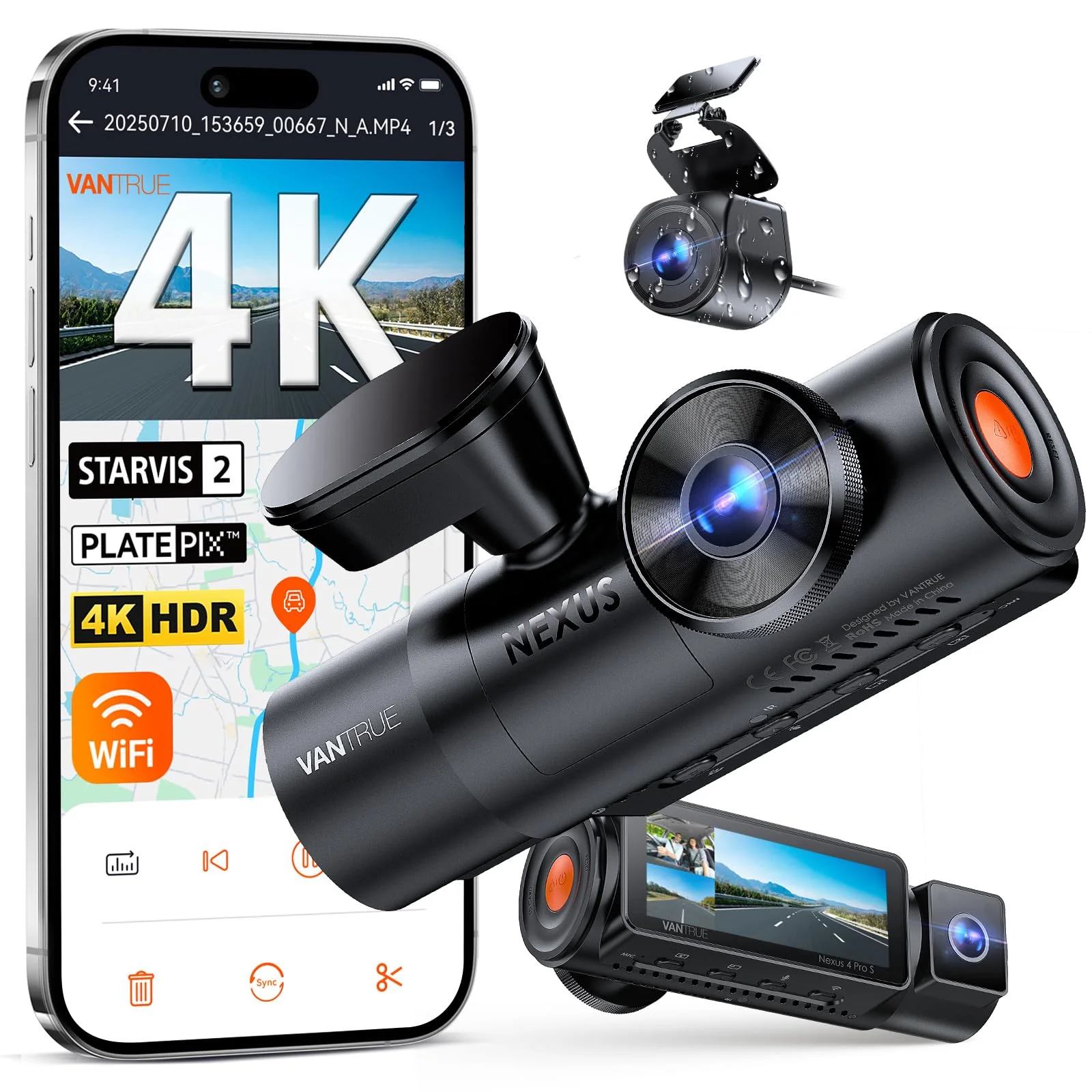
Quick Verdict: Don't Skimp on Evidence
- VIOFO cameras consistently use supercapacitors instead of lithium batteries. This isn't some 'premium feature' - it's a basic requirement for reliability in a car that sits in 140 degrees F heat. Lithium cells swell, leak electrolyte, and fail with thermal cycling, leading to circuit board corrosion. Supercapacitors just don't care. Smart engineering, not marketing fluff.
- The Sony STARVIS 2 sensors are not just a number on a spec sheet.
- Buffered parking mode, like VIOFO's 15-second pre-roll, is essential. Most cheap cameras only start recording after an impact. That means you miss the approach, the intent, the context.
- Vortex Radar and Wirecutter both named VIOFO models as top picks for 2026. This isn't a coincidence. They prioritize the same things I do: sensor quality, heat reliability, and capturing actionable footage. They actually test them in real cars, not just on a bench.
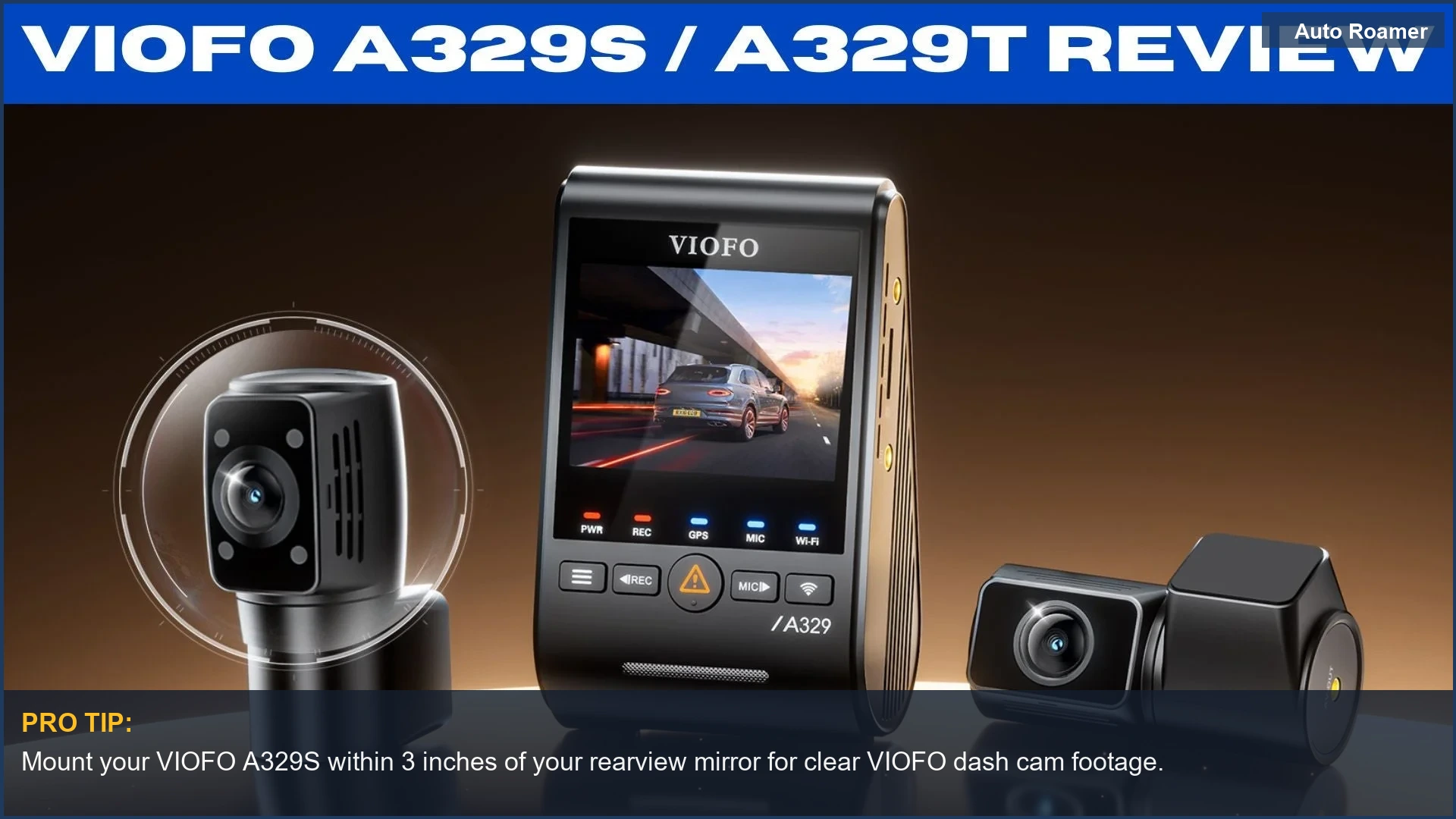
- My current pick, after running it for months, is the VIOFO A329S.
They offer 2.5x wider dynamic range than older models. This means you can actually read a license plate at night, even with headlight glare. Most '4K' dash cams with older sensors are just pixel-pushing garbage in low light. Actual usable data, imagine that.
That 15 seconds of footage shows who was at fault, not just the aftermath. Crucial for insurance adjusters.
It's got the dual-channel STARVIS 2 sensors, solid build quality, and hasn't glitched out once in 100-degree F Texas summer heat. That's what counts.
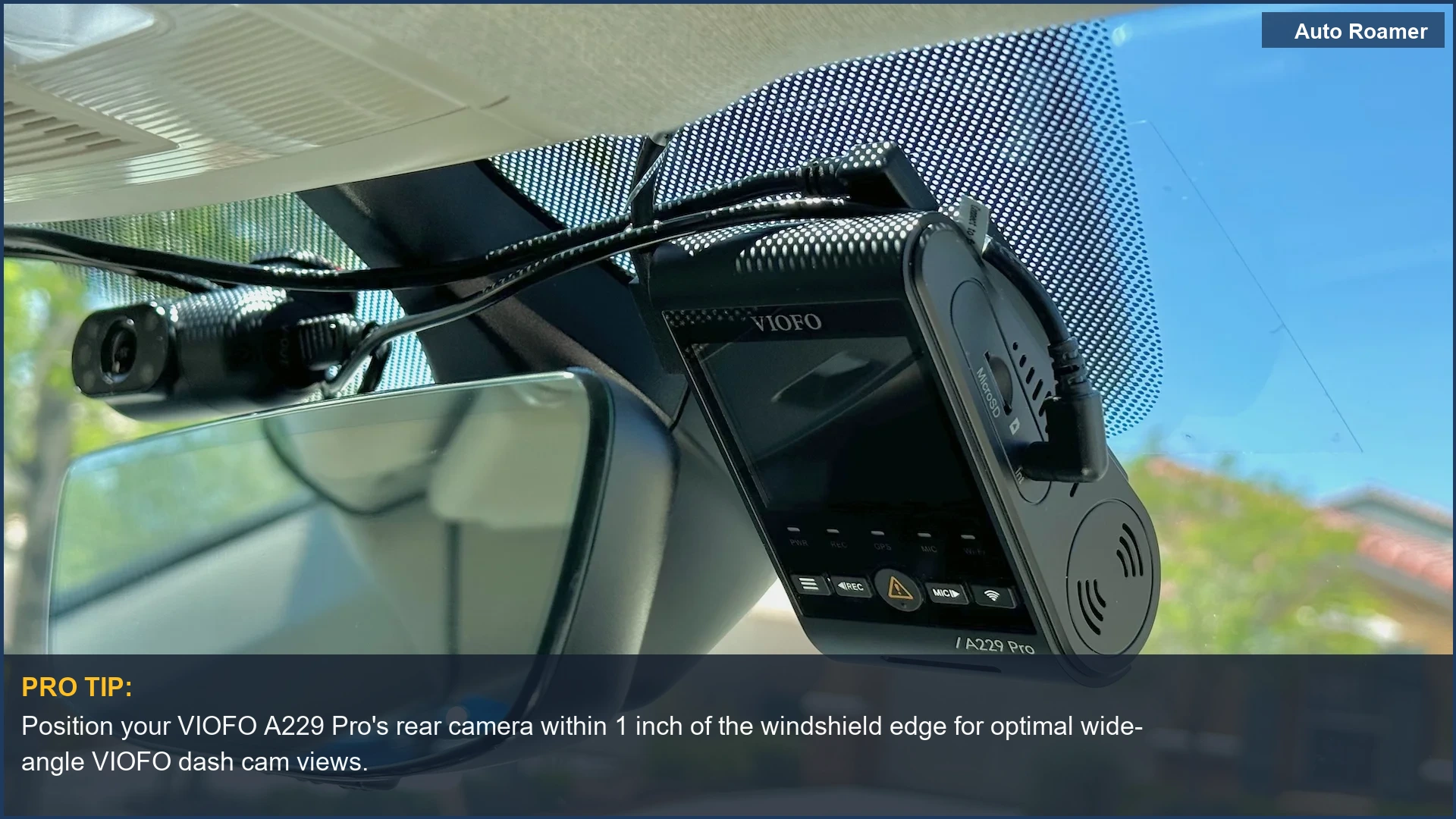
What to Look For
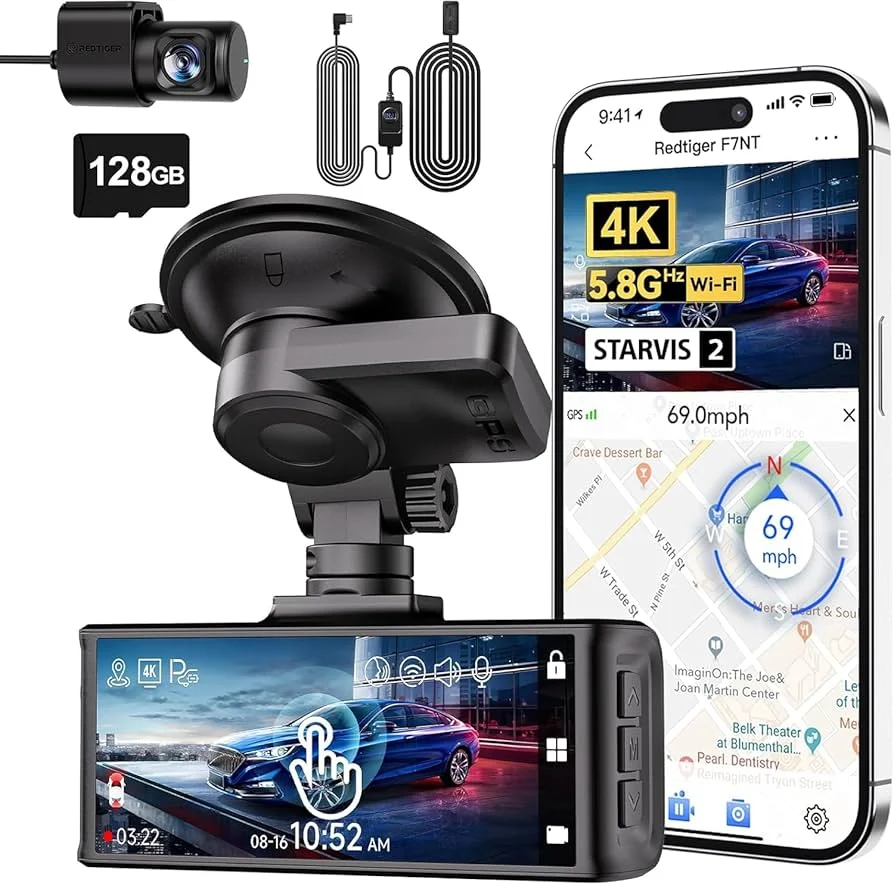
What to Look For: Beyond the Marketing BS
When you're sifting through the marketing fluff, remember these core principles. Your dash cam isn't for Instagram; it's for legal defense. Ignore the 'sleek design' and focus on the physics. Julian23 at Dashcamtalk has been testing these for years, and his priorities align with mine.
| Feature | Why It Matters (Dirtbag Engineer's Take) |
|---|---|
| Sensor Technology | Sony STARVIS 2, specifically. Anything else is an older generation with inferior low-light performance. You need dynamic range to read plates against headlights, not just 'more pixels'. It's about photon capture efficiency, not just raw resolution. Don't buy a blurry 4K camera. |
| Power Source | Supercapacitors, full stop. Lithium-ion batteries in a car's thermal environment are a failure mode waiting to happen. Heat causes electrolyte degradation, internal shorting, and cell expansion. A supercapacitor handles 150 degrees F without a hiccup. It's a matter of mechanical stress on the PCB. |
| Parking Mode | Buffered parking mode. If it only records on impact, you've missed half the story. The 15 seconds *before* the fender-bender is where the critical data lives. This requires continuous low-power buffering, which cheap cameras skip to save a few cents. Context is everything. |
| Channel Count | Front, rear, and interior (for rideshare). Each channel adds another layer of evidence. A 3-channel setup records 360 degrees of interaction. It's a cost-benefit analysis: how much is a disputed claim worth to you? Wirecutter recommends multi-channel for full coverage. |
| Mounting System | Adhesive mount. Suction cups fail due to thermal cycling, losing vacuum seal and dropping the camera right when you need it. Adhesive is a permanent bond, but make sure the camera has minimal vibrational play. My preference is 3M VHB tape. |
| Hardwire Kit | Required for parking mode. Get one with a low-voltage cutoff to protect your car battery. You don't want a 12V lead-acid dropping below 11.8V, which leads to sulfation and reduced capacity. It's about protecting the car's primary circuit integrity. |
Our Top Picks for Reliable Performance
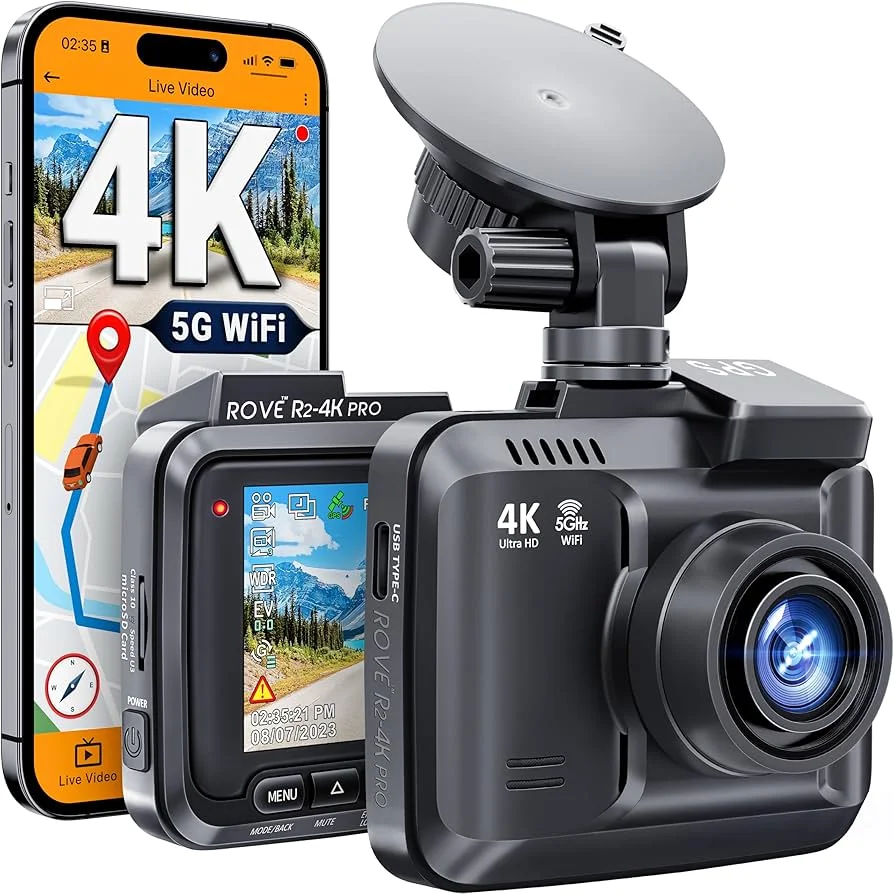
Our Top Picks for Reliable Performance
I've run enough cheap garbage to know what fails. These VIOFO models prioritize the physics of recording data in a hostile environment - heat, vibration, power fluctuations. They're not 'luxury'; they're engineered for purpose. Pete Organics breaks down the full lineup, and I concur with his assessment.
VIOFO A329S (~$280)
4K front (Sony STARVIS 2 IMX678), 2.7K rear (Sony STARVIS 2 IMX675), supercapacitor, buffered parking mode. Pros: Top-tier video quality in all conditions, robust build, stable firmware. My personal pick for sheer reliability and data capture. Zero thermal issues even when ambient air hits 100 degrees F. Reddit users agree it's a solid choice. Cons: The price tag is higher than basic models.
Not everyone needs dual STARVIS 2 sensors, but if you want to read license plates, you do. Best for: Anyone who needs irrefutable evidence, especially rideshare drivers or those in high-traffic areas. The 2-channel version is a workhorse. The new king, as Dashcamtalk calls it.
VIOFO A229 Pro (~$250)
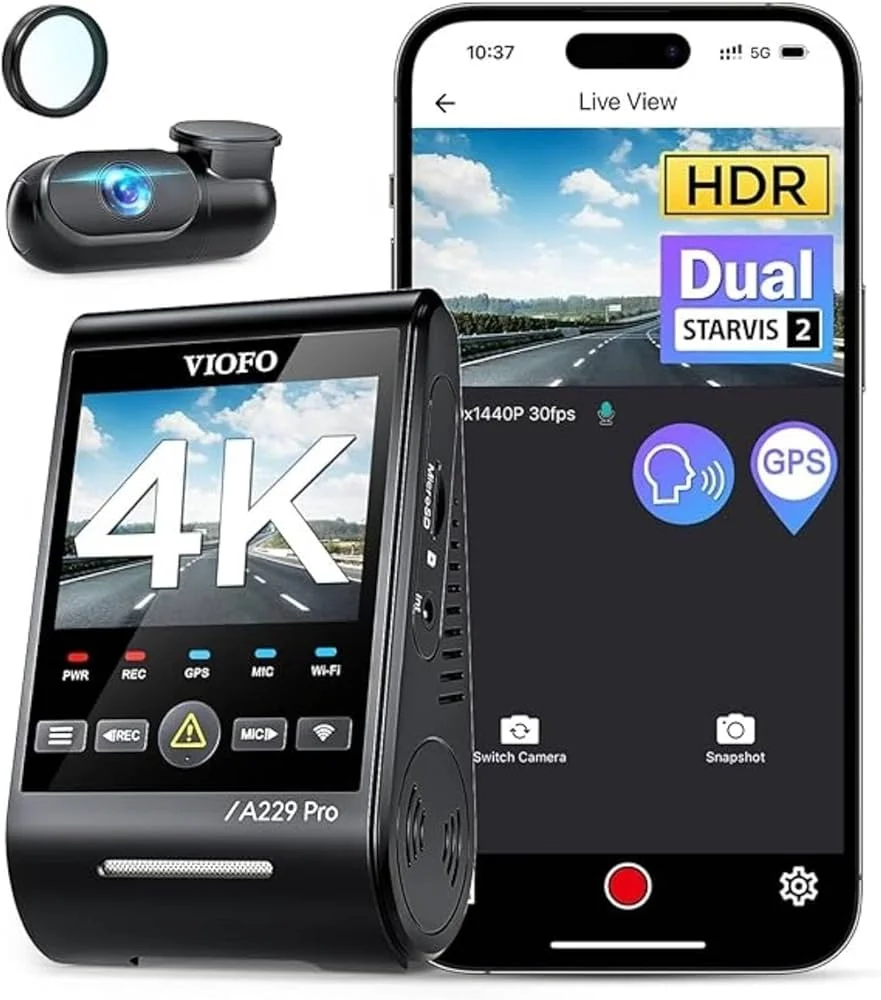
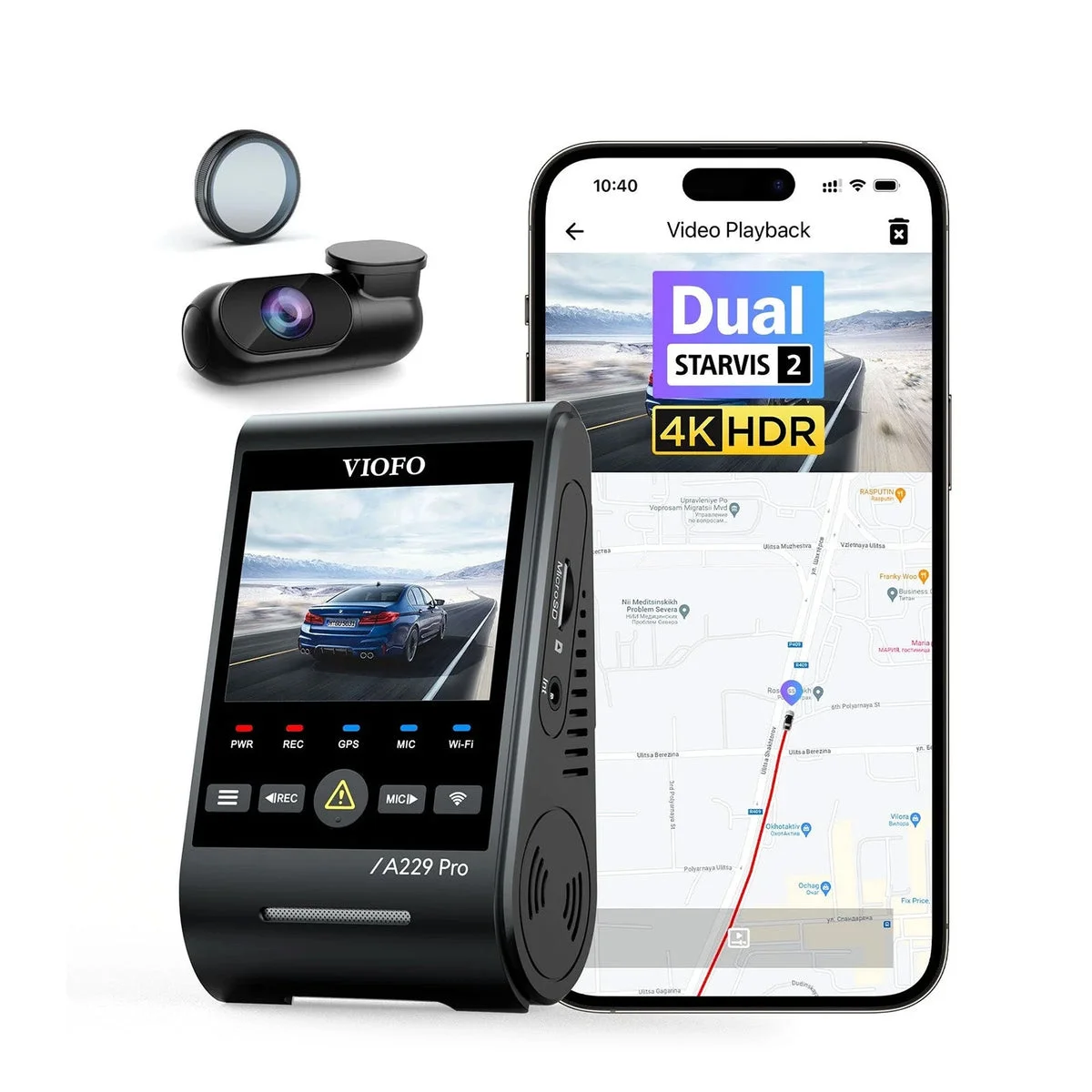
4K front (Sony STARVIS 2 IMX678), 2K rear (Sony STARVIS 2 IMX675), supercapacitor, buffered parking mode. Pros: Near-identical performance to the A329S, slightly smaller form factor. Wirecutter's top pick, and for good reason. It delivers crisp, super-high-res footage day or night. Solid engineering for the price. Cons: Rear camera is 2K, not 2.7K. Minor difference in practical terms, but worth noting for pixel peepers.
Best for: Most drivers who want premium video quality and reliability without the absolute top-end cost. Great balance of features and performance.
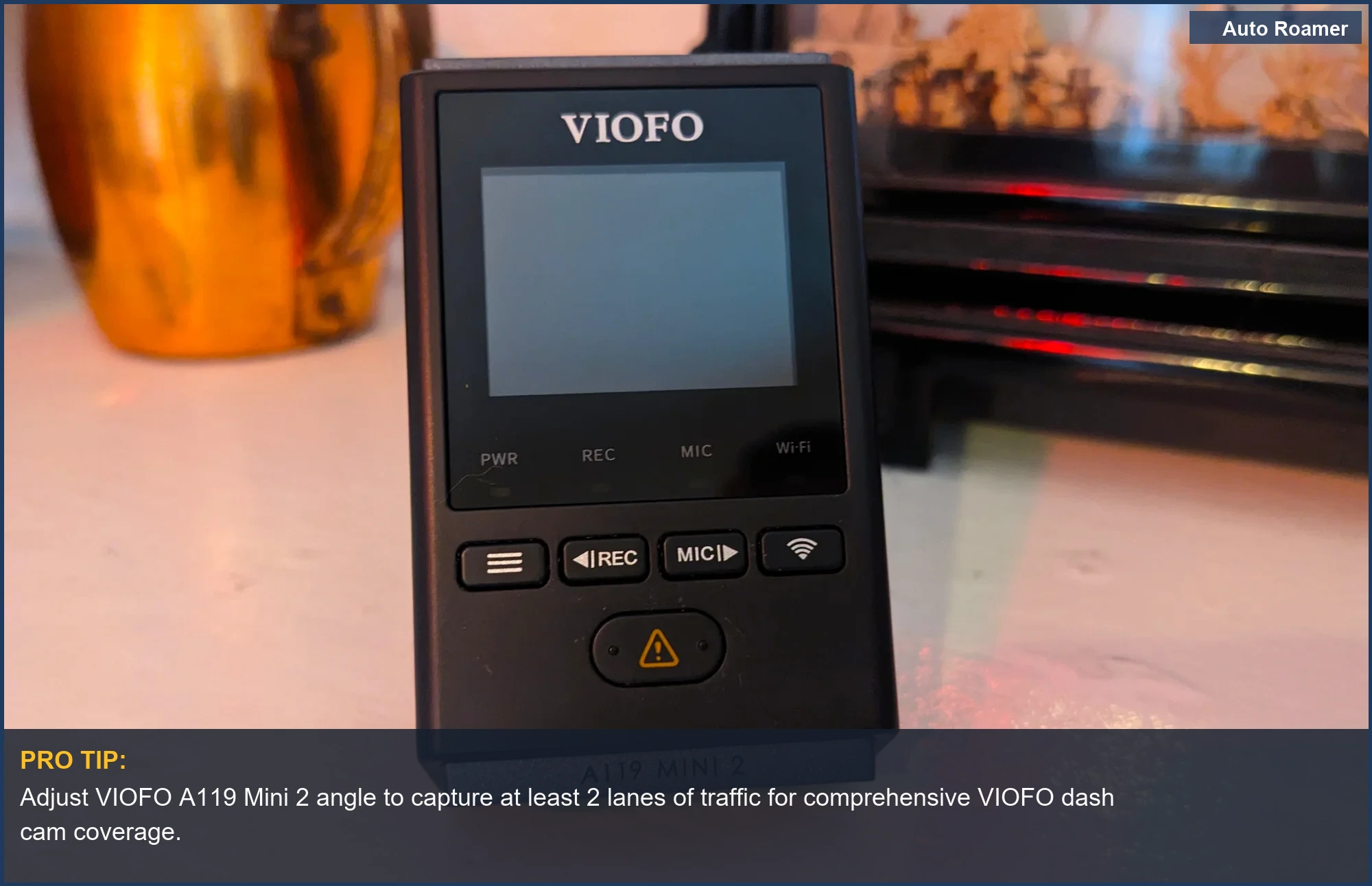
VIOFO A119 Mini 2 (~$120)
2K front (Sony STARVIS 2 IMX675), supercapacitor, buffered parking mode. Pros: Compact, discreet, and uses the excellent STARVIS 2 sensor for a single-channel setup. Unbeatable bang for the buck if you only need front coverage. VIOFO made sure even their entry-level hits hard. Cons: Single-channel only. No rear or interior camera option. Limited expandability. Best for: Budget-conscious drivers who prioritize front video quality and stealth over multi-channel recording.
It's a fantastic choice for a first dash cam.
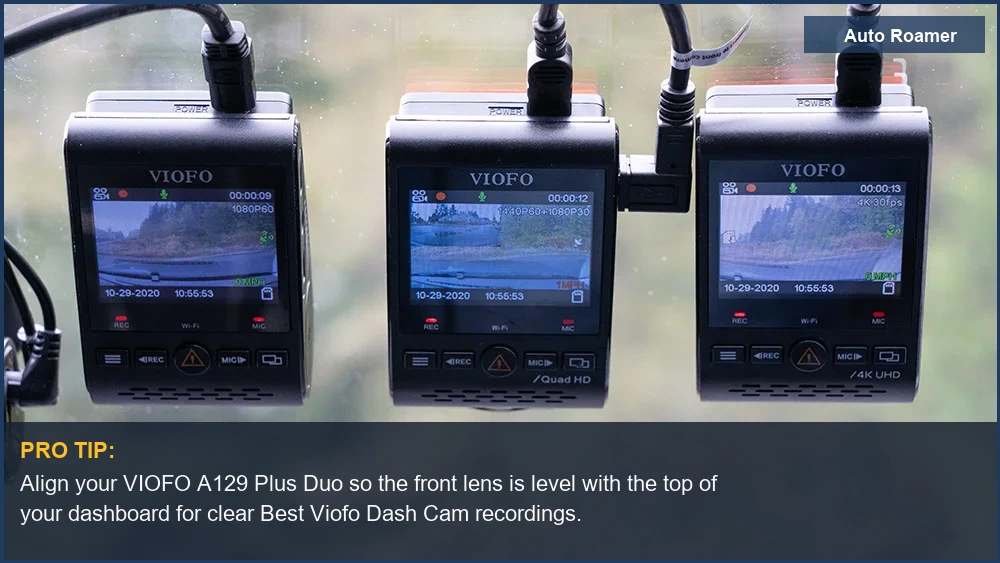
VIOFO A129 Plus Duo (~$180)
2K front (Sony STARVIS), 1080p rear (Sony STARVIS), supercapacitor, buffered parking mode. Pros: A proven workhorse with solid 2K front footage. Still a good option if you find it on sale. Many swear by its long-term durability. Cons: Uses the older generation STARVIS sensor, not STARVIS 2. Night performance is good, but not as sharp as the newer models. Rear is only 1080p.
Best for: Those who need a reliable dual-channel setup but don't want to spend for STARVIS 2. A solid upgrade from generic Amazon cameras.
VIOFO WM1 (~$100)
1080p front, supercapacitor, buffered parking mode.
Pros: Extremely compact, almost invisible behind the rearview mirror. Basic, no-frills recording. It just works. Good for minimalists.
Cons: 1080p resolution is okay for general context, but license plate readability suffers, especially at speed or in low light. No option for rear camera.
Best for: Drivers who want absolute discretion and basic incident recording, where license plate capture isn't the primary concern. Think 'general context' footage.
Head-to-Head Comparison
Head-to-Head Comparison: Cutting Through the Noise
Let's strip away the marketing hype and look at the raw data. When I compare these units, I'm looking at sensor performance, thermal stability, and the actual utility of the recorded video. Watch any side-by-side video, and the differences in plate capture become obvious.
| Feature | VIOFO A329S | VIOFO A229 Pro | VIOFO A119 Mini 2 |
|---|---|---|---|
| Front Sensor | Sony STARVIS 2 IMX678 (4K) | Sony STARVIS 2 IMX678 (4K) | Sony STARVIS 2 IMX675 (2K) |
| Rear Sensor | Sony STARVIS 2 IMX675 (2.7K) | Sony STARVIS 2 IMX675 (2K) | N/A (Single Channel) |
| Power Source | Supercapacitor | Supercapacitor | Supercapacitor |
| Parking Mode | Buffered | Buffered | Buffered |
| Wi-Fi | 2.4GHz & 5GHz | 2.4GHz & 5GHz | 2.4GHz & 5GHz |
| GPS Module | Built-in | Built-in | Built-in |
| Price (Approx.) | ~$280 | ~$250 | ~$120 |
The A329S edges out the A229 Pro with a slightly higher resolution rear camera, 2.7K vs 2K. This is a minor point unless you're specifically concerned with rear license plate capture in challenging light. The underlying sensor tech is identical in the front. Wirecutter still stands by the A229 Pro as their top pick, proving it's a solid contender.
The A119 Mini 2 is the dark horse here. For a single-channel unit, getting a STARVIS 2 sensor for $120 is a steal. You sacrifice multi-channel recording, but you get excellent front video quality. It's a perfect example of smart component selection. VIOFO's engineering choices are clear.
Budget vs Premium: Where Your Money Actually Goes
Budget vs Premium: Where Your Money Actually Goes
The difference between a $50 dash cam and a $250 VIOFO isn't just a brand name. It's in the fundamental physics of how the device operates and handles its environment. You're paying for component durability and data integrity, not just a higher pixel count. VIOFO makes deliberate choices that impact long-term reliability.
| Feature | Budget Dash Cam (<$100) | Premium VIOFO Dash Cam (>$150) |
|---|---|---|
| Image Sensor | Generic, older generation CMOS. Poor dynamic range, terrible low-light. License plates are blurred. | Sony STARVIS 2. Wide dynamic range, excellent low-light, legible license plates. Actual evidence. |
| Power Source | Lithium-ion battery. Swells, leaks, fails in heat (140 degrees F+). Short lifespan (6-12 months). Circuit integrity compromised. | Supercapacitor. Immune to thermal cycling, operates from -4 degrees F to 170 degrees F. Long-term reliability. |
| Lens Optics | Plastic lens elements. Degrade from UV and heat, causing chromatic aberration and blurring over time. Outgassing. | Glass lens elements. Maintains optical clarity, resistant to thermal deformation and UV degradation. Consistent image quality. |
| Parking Mode | Impact-only, no buffer. Records *after* the event. Misses critical context. Draws constant current, drains battery. | Buffered (15-second pre-roll). Records *before* the event. Captures full context. Smart low-voltage cutoff. |
| Mounting | Suction cup. Fails due to thermal cycling, drops camera. Vibration causes blurry footage. | 3M VHB adhesive. Permanent, vibration-resistant bond. Maintains optical stability for clear video. |
| Wi-Fi | 2.4GHz only, slow transfer speeds, unreliable connection. Frustrating to pull footage. | 2.4GHz & 5GHz. Faster downloads, more stable connection for quick evidence retrieval. |
You're not just buying a camera; you're buying a data recorder designed to withstand the brutal environment of a car interior. The mechanical stress from thermal expansion and contraction on cheap components leads to premature electrical failure. Spending more upfront saves you a headache, and potentially thousands in a disputed claim, down the line. It's preventative maintenance for your legal standing.
The Bottom Line
The Bottom Line: Buy Once, Cry Once
- Don't cheap out on a dash cam. A $50 unit with a lithium battery is a liability in 140 degrees F summer heat; it'll swell, leak, and fail within a year. That's a mechanical failure waiting to happen. You want a supercapacitor.
- Prioritize the sensor: Sony STARVIS 2. This isn't just a marketing bullet point; it's the difference between readable license plates in low light and useless pixelated garbage. Dynamic range is key to capturing usable evidence.
- Buffered parking mode is non-negotiable. If your camera only records *after* an impact, you've missed the critical lead-up. That 15 seconds of pre-roll footage is gold for insurance adjusters.
- Hardwire it correctly. Use a kit with a low-voltage cutoff. You don't want a dash cam killing your car battery and leaving you stranded. It's about protecting your primary electrical system.
- My recommendation for most drivers remains the VIOFO A329S (~$280) or A229 Pro (~$250) for dual-channel, or the A119 Mini 2 (~$120) for a solid single-channel option. These are engineered to last, not just to look good in an ad.