
Choosing Dashcam Accessories for Optimal Accident Evidence
A fender bender can cost you a minimum of $2,000 out-of-pocket, even for minor damage, if you can't prove fault. This is precisely why a dashcam isn't some frivolous gadget; it's a critical piece of evidence-gathering equipment. I've seen too many insurance adjusters dismiss claims due to a lack of objective proof.
A fender bender can cost you a minimum of $2,000 out-of-pocket, even for minor damage, if you can't prove fault. This is precisely why a dashcam isn't some frivolous gadget; it's a critical piece of evidence-gathering equipment. I've seen too many insurance adjusters dismiss claims due to a lack of objective proof. Without video, it's often your word against theirs, and that's a losing proposition.
Dash cam footage is admissible in court, and that alone should tell you its value. It's not about convenience; it's about verifiable facts.
The market is, unfortunately, flooded with 'landfill-ready' options. Many manufacturers prioritize a low price point over the structural integrity and longevity that actually matters when you need this device most. They use inferior materials, cutting corners where it counts.
I'm talking about cheap ABS housings that warp under summer heat or adhesive mounts that fail after a few thermal cycles.
My focus isn't on the latest 'smart features' or gimmicks. I care about material composition, robust design, and reliability when the stakes are high. When you're trying to prove you weren't at fault, the last thing you need is a camera that quit recording because its internal battery swelled or its mount detached. I demand industrial-grade components, not consumer-grade compromises.
Car and Driver's testing confirms that separating the decent from the great requires a critical eye beyond marketing.
Choosing the right dashcam accessories means understanding the failure points, not just the marketing claims. It means investing in something that will perform exactly when you need it, not just when you're showing it off. Anything less is a waste of money and a liability.
⭐ Quick Picks
Quick Verdict
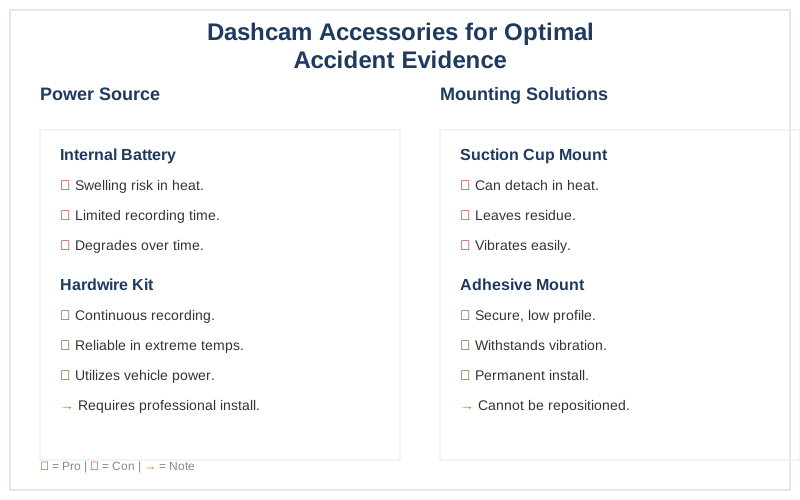
- Power Source: Ditch the internal lithium-ion batteries. They are susceptible to thermal cycling degradation, especially in a vehicle's cabin which can reach 150 degrees F. Demand supercapacitors. They offer superior longevity and reliability under extreme temperature fluctuations, preventing premature failure and data corruption. Wirecutter praises supercapacitors for their heat-friendliness.
- Mounting Hardware: Avoid suction cups. The PVC or silicone will degrade under UV exposure and thermal stress, leading to detachment. Opt for high-strength 3M VHB adhesive mounts. These provide a robust, long-lasting bond that can withstand vehicle vibrations and temperature extremes without losing structural integrity.
- Storage Medium: Use industrial-grade endurance microSD cards. Consumer-grade cards are designed for intermittent use, not continuous write cycles. They will experience premature wear-out due to NAND cell degradation. Look for cards rated for 'dashcam' or 'surveillance' use, indicating higher write endurance, measured in TBW (Terabytes Written). This is a common failure point, often overlooked.
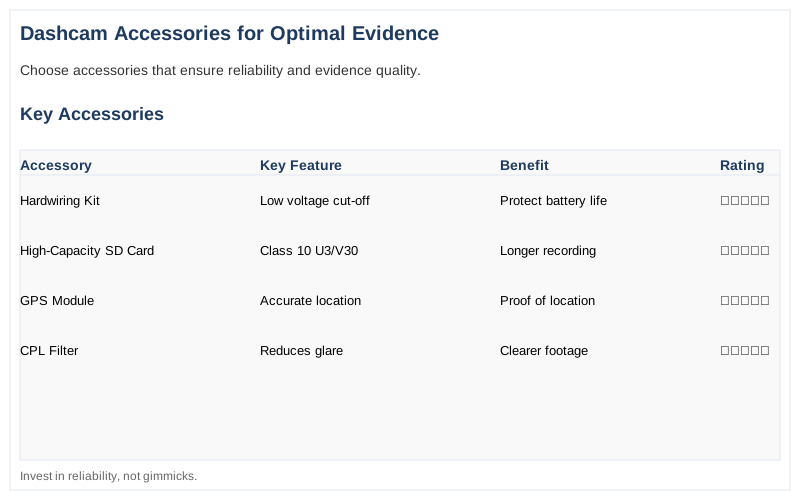
- Wiring: Always hardwire your dashcam. The exposed cigarette lighter port is a vulnerable point for accidental disconnection and provides inconsistent power. A proper hardwire kit, utilizing tinned copper wiring and a low-profile fuse tap, ensures a stable power supply and enables parking surveillance modes without draining your main battery.
- Lens Material: Look for glass lenses, not polycarbonate. Polycarbonate scratches easily, leading to image degradation over time. More critically, it can yellow and haze from UV exposure, compromising video clarity precisely when you need it most for evidence. Glass maintains optical clarity for the life of the product.
- Housing Material: The dashcam body itself should be high-temperature resistant. ABS is common but can deform at higher temperatures. A housing made of a glass-filled nylon (PA6-GF30) or even a lightweight aluminum alloy would provide superior thermal stability and structural integrity, preventing internal component stress.
What to Look For
When evaluating dashcam accessories, I apply the same rigorous standards as I would for any industrial component. Anything less is a compromise that will cost you in the long run. My focus is on the long-term viability of evidence. Video quality is paramount for accident evidence.
| Feature | What to Demand | Why Inferior Alternatives Fail |
|---|---|---|
| Power Source | Supercapacitor | Lithium-ion batteries swell and fail due to thermal cycling, especially in hot car interiors. This leads to data corruption and premature device death. |
| Mounting Adhesive | 3M VHB (Very High Bond) | Cheap acrylic foam tapes or suction cups lose adhesion due to UV degradation and temperature fluctuations. Your camera will drop, guaranteed. |
| MicroSD Card | High Endurance (e.g., Samsung PRO Endurance, SanDisk Max Endurance) | Consumer-grade cards (like SanDisk Ultra) are not rated for continuous write cycles, leading to rapid NAND cell wear-out and data loss. |
| Wiring Kit | Hardwire kit with fuse tap (16-20 AWG tinned copper) | Cigarette lighter adapters are prone to disconnection, inconsistent power, and unsightly dangling wires. They offer zero parking mode functionality. |
| Cables | Shielded USB-C or proprietary locking connector | Unshielded micro-USB cables are susceptible to electromagnetic interference and suffer from poor physical retention, leading to accidental disconnection. |
| GPS Module | External, active GPS antenna (if not integrated) | Integrated GPS can struggle with signal acquisition through modern vehicle glass. External antennas provide superior positional accuracy and faster lock times. |
| Lens Material | Optical Glass | Polycarbonate lenses scratch easily and suffer from UV degradation, leading to haze and reduced clarity over time. Critical evidence becomes blurry. High-resolution cameras capture precise footage, but not with a degraded lens. |
These aren't 'nice-to-haves'; these are fundamental requirements for a system designed to operate reliably in a harsh automotive environment. Anything less is a gamble with your evidence.
Our Top Picks for Reliable Performance
I've sifted through the market's offerings to identify components that meet my criteria for structural integrity, material composition, and industrial longevity. These aren't just 'good enough'; they're engineered to perform when it matters. Consumer Reports highlights the importance of resolution, but I prioritize the components that ensure that resolution is always captured.
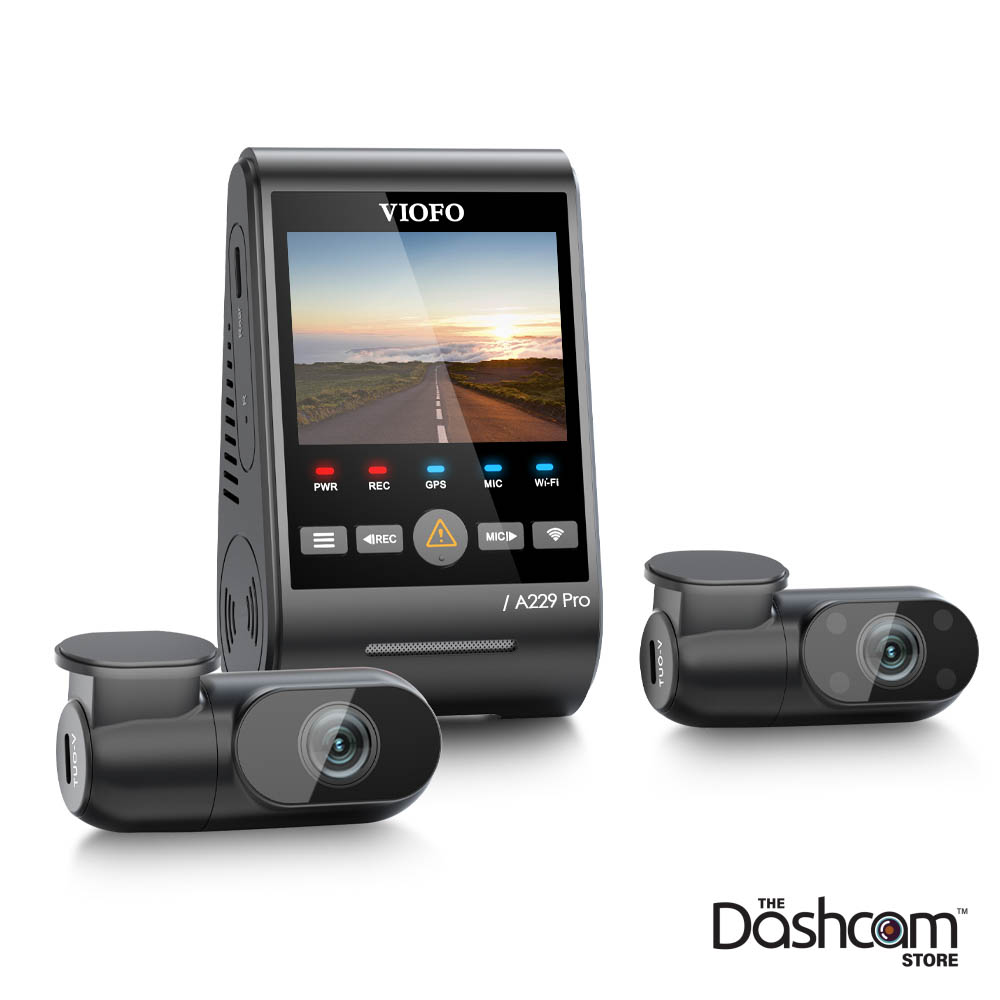
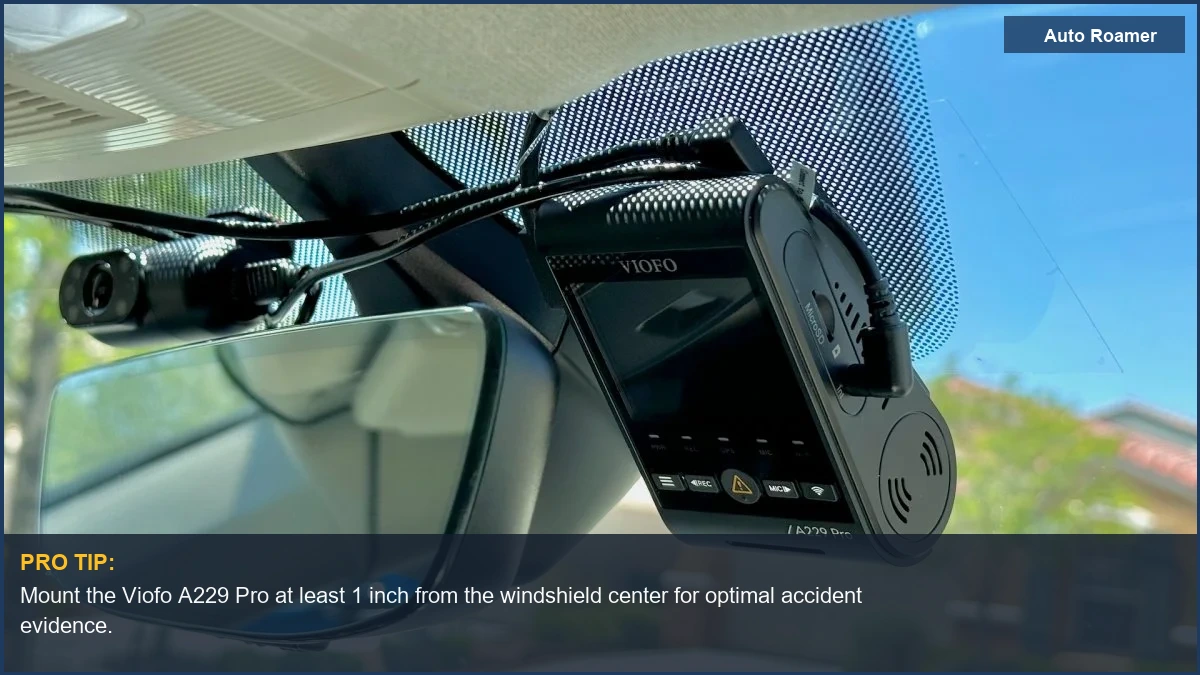
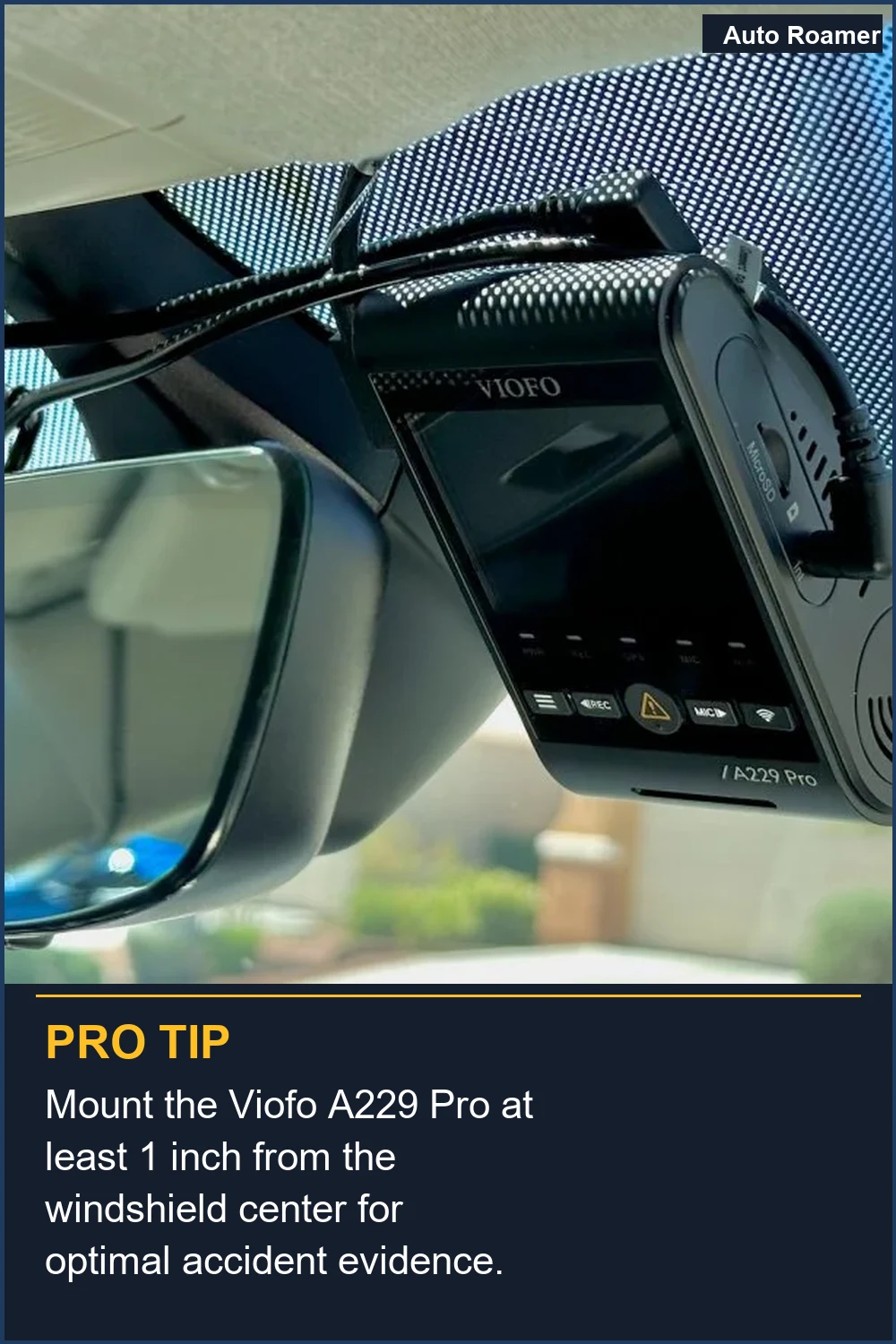
- Viofo A229 Pro 3-Channel Dash Cam (~$350)
Capacity/Key Specs: Front 4K, Rear 2K, Interior 1080p; Supercapacitor; WiFi; GPS; Parking Mode.
Pros: Excellent video quality across all channels, robust supercapacitor power, reliable parking surveillance. The material composition of the main unit's housing is a high-temperature ABS/PC blend that resists warping.
Cons: Price point is higher. Rear camera cable can be lengthy for smaller vehicles.
Best-for use case: Drivers demanding comprehensive coverage and maximum evidence reliability for all angles, especially in rideshare or fleet applications. - BlackVue DR970X-2CH Dash Cam (~$480)
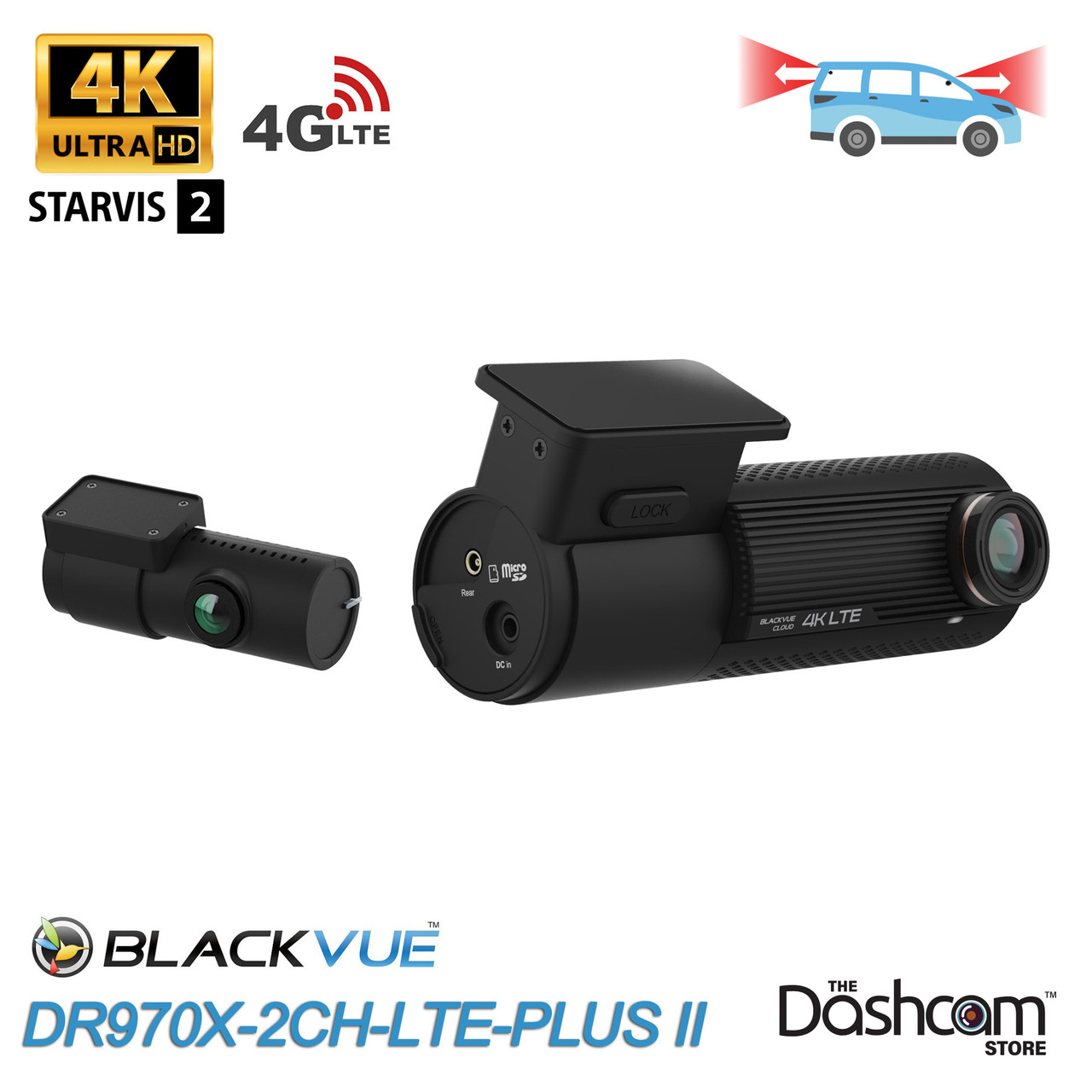
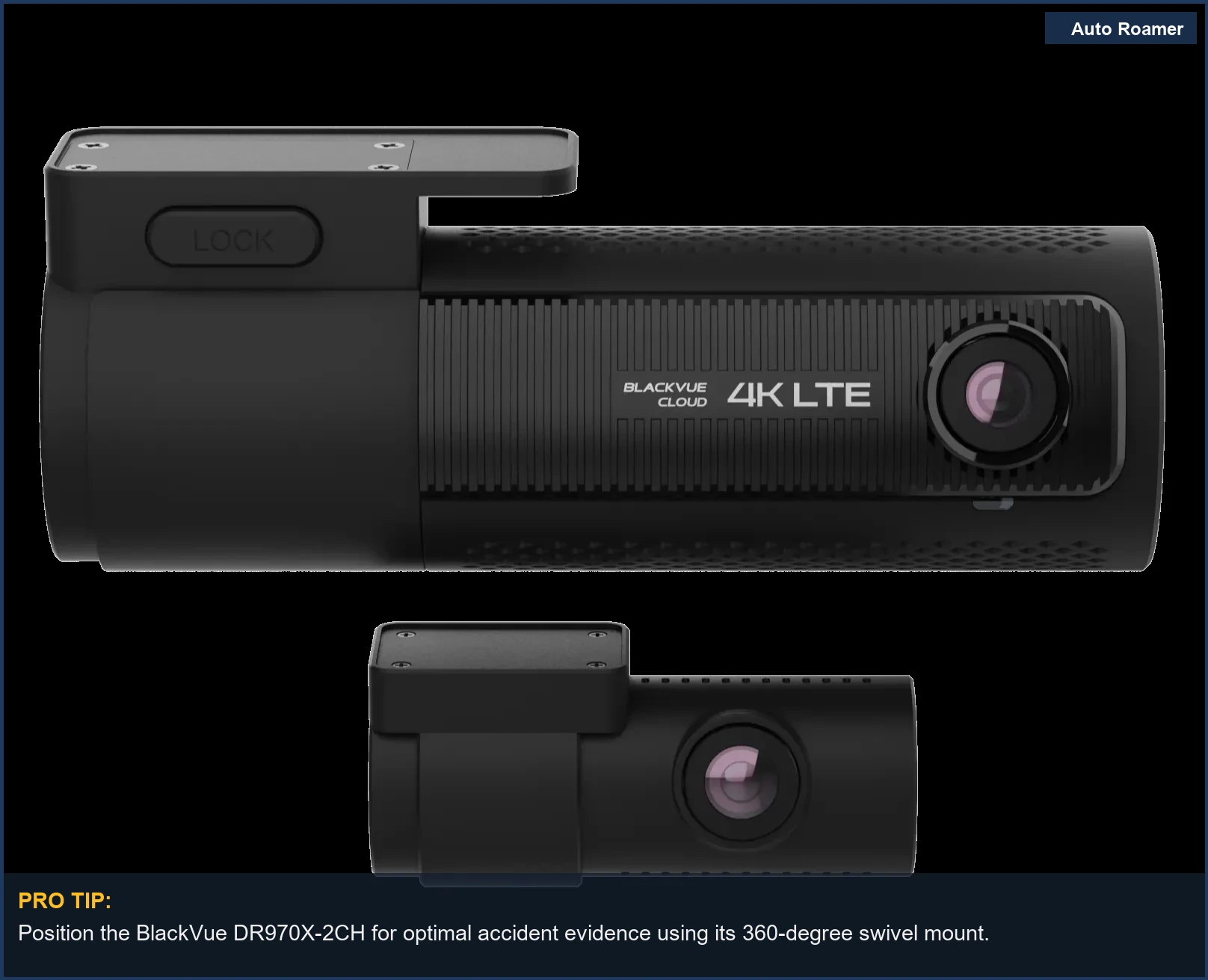
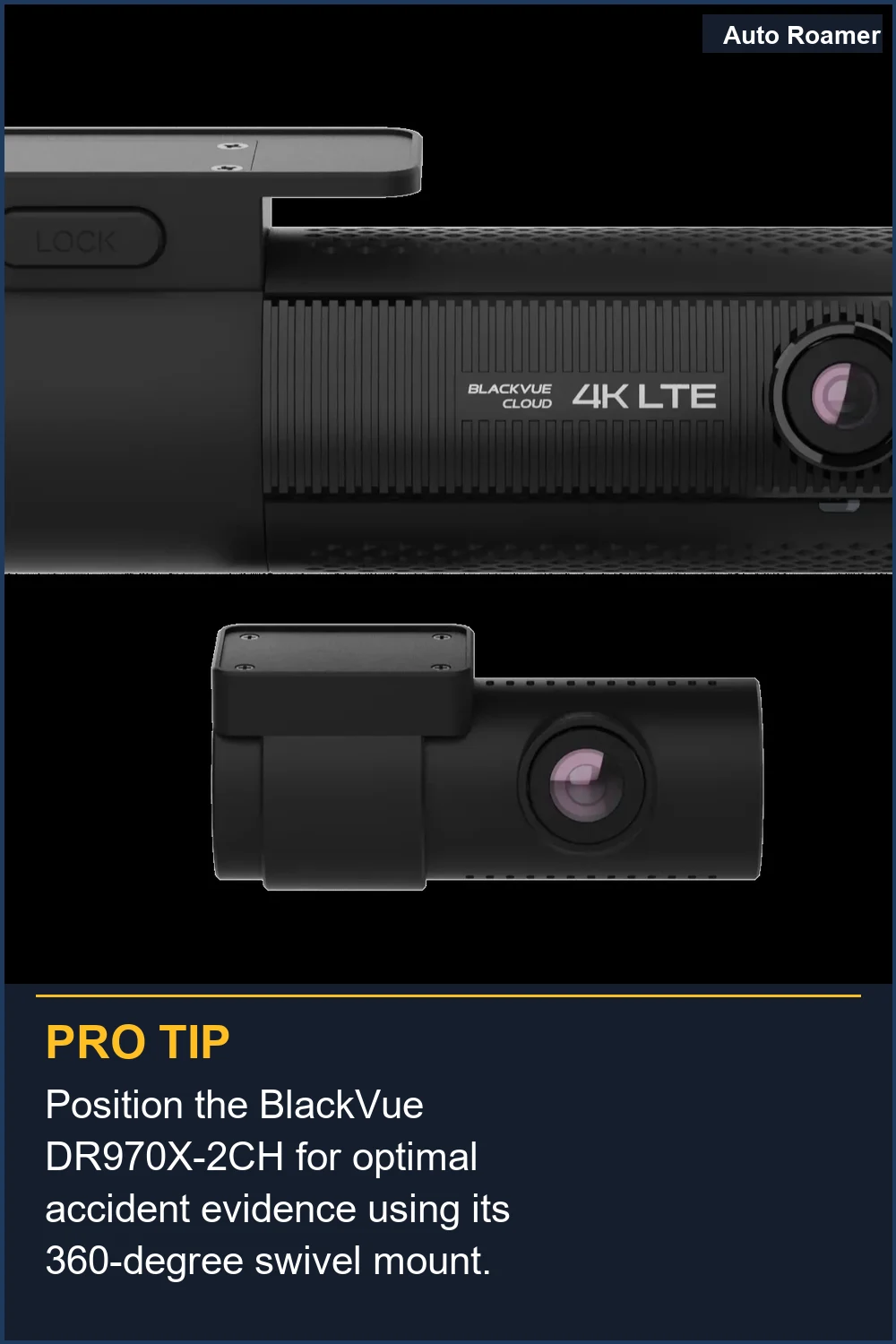
Capacity/Key Specs: Front 4K, Rear 1080p; Supercapacitor; Cloud Connectivity; GPS; Parking Mode.
Pros: Top-tier cloud functionality for remote access and backup, highly reliable supercapacitor, sleek design. The proprietary coaxial cable for the rear camera is superior for signal integrity over standard USB.
Cons: Premium price. Cloud features require a subscription after initial free period.
Best-for use case: Professionals or those needing advanced remote monitoring and immediate off-site backup capabilities. - Thinkware U3000 2-Channel Dash Cam (~$450)
Capacity/Key Specs: Front 4K, Rear 2K; Supercapacitor; Radar Parking Mode; GPS; WiFi.
Pros: Innovative radar parking mode reduces power consumption and false triggers, excellent video quality. The mounting bracket is a robust PC-GF (polycarbonate-glass fiber) blend, offering superior load-bearing strength.
Cons: Radar parking mode can be sensitive to placement. Higher power draw than some when actively recording.
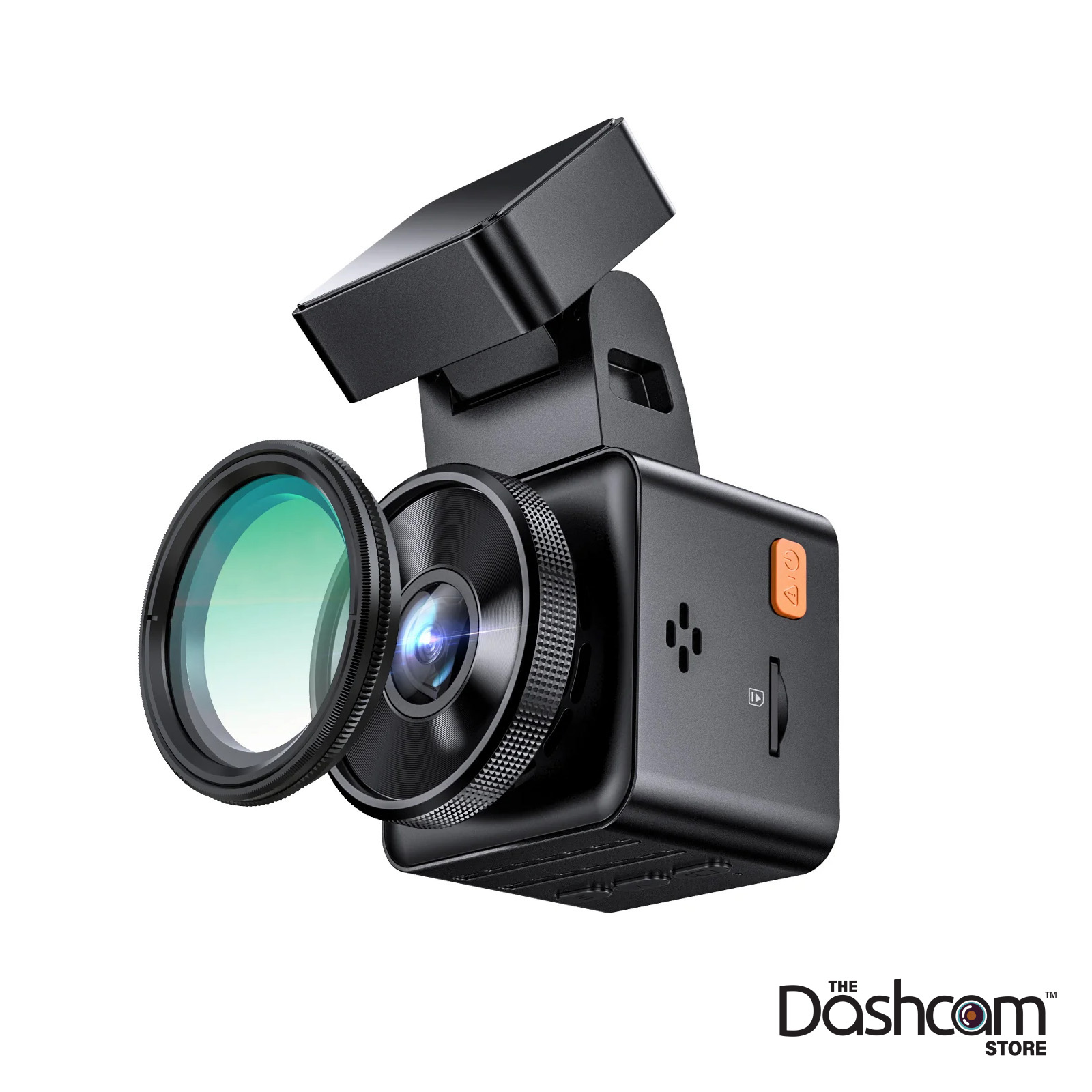
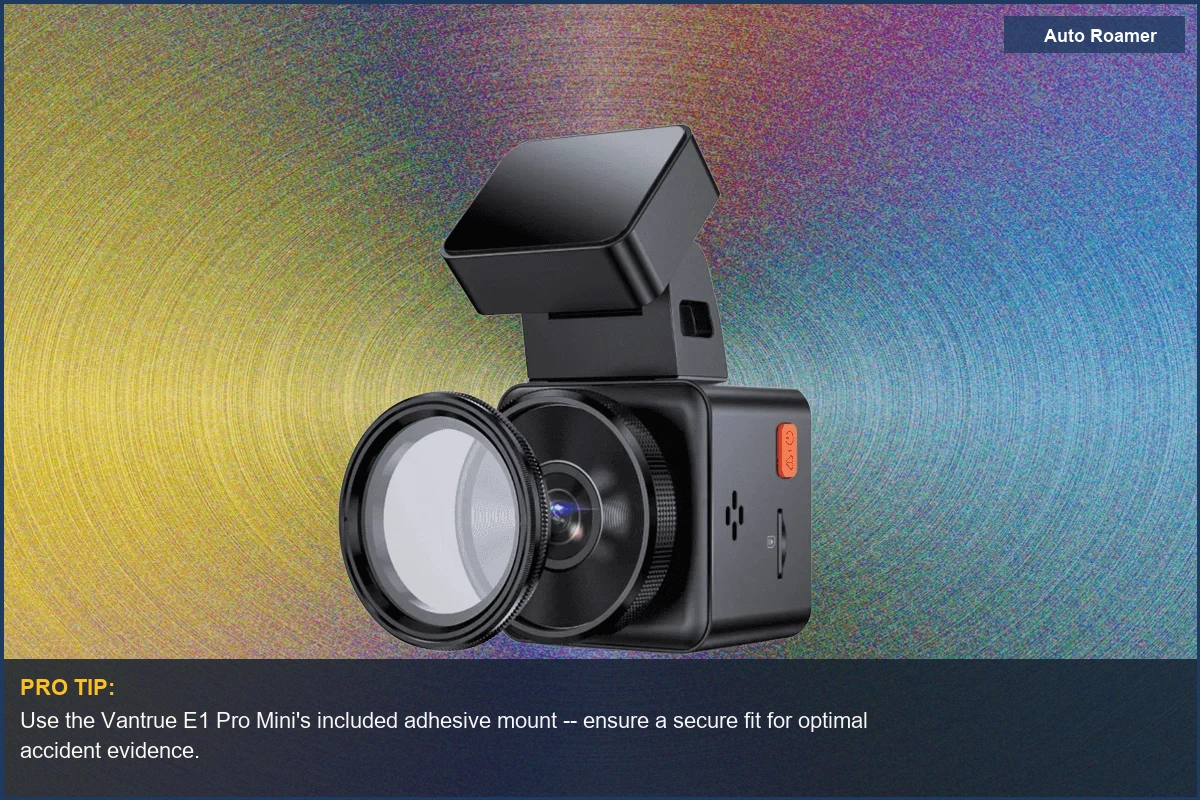
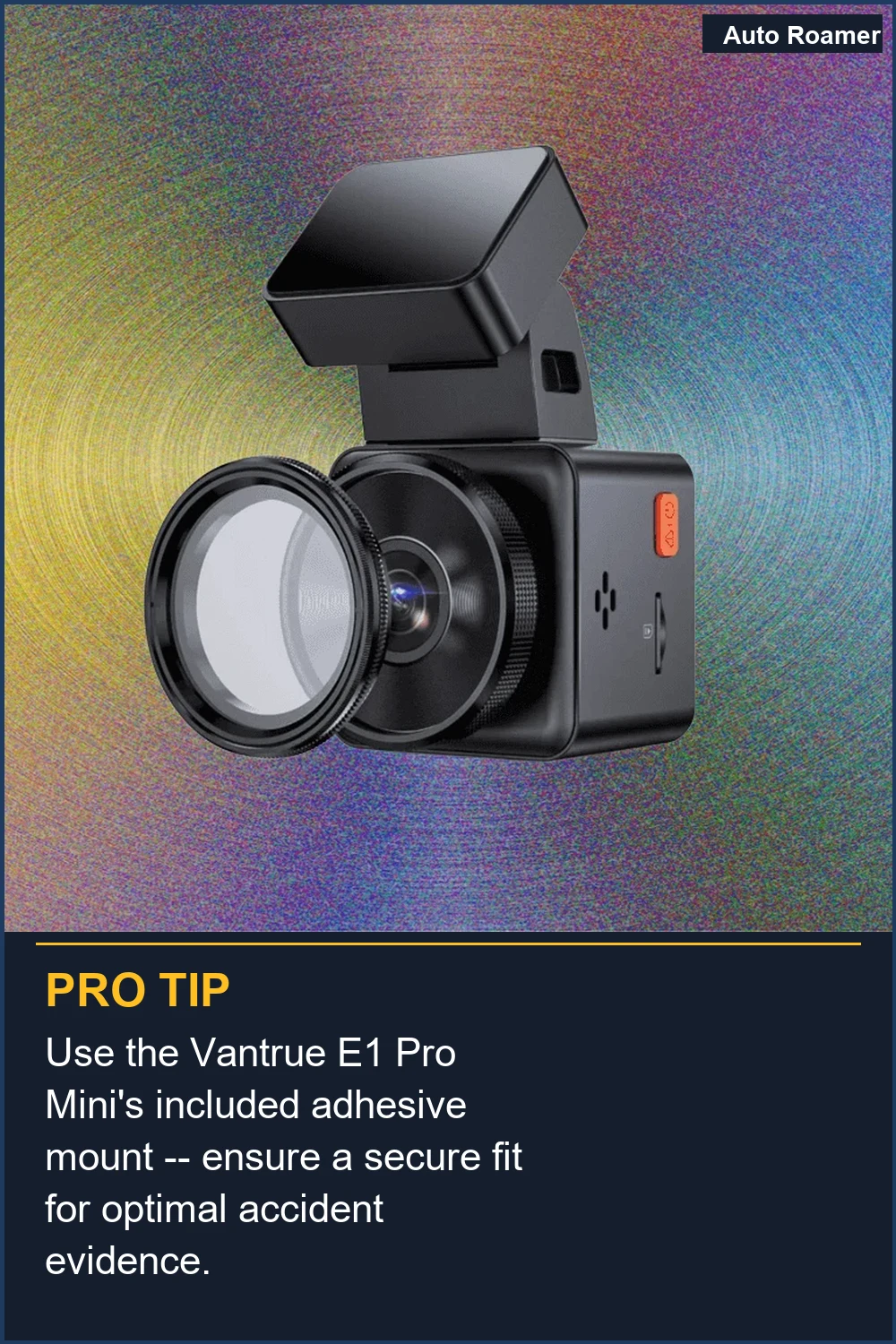
Best-for use case: Users prioritizing advanced, efficient parking surveillance and high-resolution recording with minimal false alerts. - Vantrue E1 Pro Mini Dash Cam (~$140)
Capacity/Key Specs: 2.5K QHD; Supercapacitor; WiFi; GPS (optional); Parking Mode.
Pros: Compact form factor, strong video quality for its size, reliable supercapacitor. Its smaller footprint means less visual obstruction, and the housing is a durable PA6 plastic.
Cons: Single-channel only (no rear camera option). GPS requires an optional external module.
Best-for use case: Discreet installation for basic front-facing evidence capture where multi-channel coverage isn't a primary concern. - SanDisk MAX ENDURANCE microSD Card (128GB, ~$25)
Capacity/Key Specs: 128GB; Rated for up to 120,000 hours of recording; C10, U3, V30.
Pros: Specifically engineered for continuous write cycles, drastically reducing NAND cell degradation and improving longevity. This is critical for dashcam use. Car and Driver's testing implicitly relies on such robust storage.
Cons: Higher cost per GB than consumer cards.
Best-for use case: Any dashcam, period. Anything less is an invitation for data loss.
View on Amazon — Viofo A229 Pro 3-Channel Dash Cam
View on Amazon — BlackVue DR970X-2CH Dash Cam
Head-to-Head Comparison
Comparing dashcam systems isn't just about resolution numbers; it's about the underlying engineering and material science that determines actual reliability. A 4-channel system, for instance, offers complete vehicle coverage, which dramatically expands your evidence-gathering capability. Video evidence can settle disputes, but only if it's there.
| Feature | Viofo A229 Pro (3-Channel) | BlackVue DR970X-2CH (2-Channel) | Thinkware U3000 (2-Channel) |
|---|---|---|---|
| Front Resolution | 4K (3840x2160) | 4K (3840x2160) | 4K (3840x2160) |
| Rear Resolution | 2K (2560x1440) | 1080p (1920x1080) | 2K (2560x1440) |
| Interior Camera | 1080p (Included) | Not applicable (2-channel) | Not applicable (2-channel) |
| Power Source | Supercapacitor | Supercapacitor | Supercapacitor |
| Parking Mode | Buffered (Hardwire Kit Required) | Buffered (Hardwire Kit Required) | Radar & Buffered (Hardwire Kit Required) |
| Cloud Connectivity | No | Yes (Subscription) | Yes (Subscription) |
| Mounting Method | 3M VHB Adhesive | 3M VHB Adhesive | 3M VHB Adhesive |
| Operating Temp. | -4 degrees F to 149 degrees F | -4 degrees F to 158 degrees F | -4 degrees F to 140 degrees F |
The critical distinction here is the thermal operating range and the power solution. Every unit above employs a supercapacitor, a non-negotiable for automotive use due to its superior resistance to thermal cycling. This prevents the plasticizer migration and eventual electrolyte leakage common in lithium-ion batteries. That's industrial longevity.
While the BlackVue offers cloud connectivity, a convenience feature, the Viofo provides an additional interior camera for comprehensive coverage. Thinkware's radar parking mode is a clever engineering solution to reduce unnecessary recording, thus extending the life of your microSD card by minimizing continuous write cycles. Choose based on your actual needs for coverage and surveillance, not just the highest resolution number.
Budget vs Premium: Where Your Money Actually Goes
The distinction between 'budget' and 'premium' in dashcams isn't about flashy features; it's fundamentally about material composition, thermal management, and the integrity of the data stream. A $50 dashcam is not a dashcam; it's a paperweight waiting to fail. 4-channel setups are gaining traction for their comprehensive coverage, but that coverage is useless if the underlying hardware is compromised.
| Feature | Budget Dashcam (e.g., ~$50-80) | Premium Dashcam (e.g., ~$250-500) |
|---|---|---|
| Power Source | Lithium-ion battery | Supercapacitor |
| Housing Material | Low-grade ABS plastic | High-temp ABS/PC blend, sometimes with aluminum heatsinks |
| Lens Material | Polycarbonate | Optical Glass |
| MicroSD Card (often not included) | Any consumer-grade card | High-endurance, dashcam-specific card |
| Mounting Adhesive | Generic double-sided tape or suction cup | 3M VHB or proprietary locking mechanism |
| Wiring Quality | Thin, unshielded USB cable | Robust, shielded USB-C or proprietary locking cable |
| Thermal Management | Minimal, relies on passive cooling | Integrated heatsinks, optimized airflow, high-temp components |
| Parking Mode | Basic G-sensor, often unreliable | Buffered, time-lapse, or radar-based, highly customizable |
The 'budget' option's lithium-ion battery is a ticking time bomb, guaranteed to swell and fail due to thermal cycling, corrupting your critical footage. Its low-grade ABS housing will warp at 120 degrees F, stressing internal circuit boards. That's landfill-ready engineering. The polycarbonate lens will scratch and haze, rendering license plates illegible within a year. Brilliant.
A premium dashcam, however, uses a supercapacitor, which laughs at 150-degree F cabin temperatures. Its housing is designed for thermal dissipation, often with aluminum elements, protecting sensitive electronics from heat-induced fatigue. The optical glass lens maintains clarity for years. This isn't just a higher price; it's an investment in industrial longevity and verifiable evidence. The difference isn't just 'better'; it's functional versus fundamentally flawed.
The Bottom Line
The notion that a dashcam is merely a 'gadget' is a dangerous misconception. It is a critical piece of forensic equipment, and its value is directly proportional to its reliability and the structural integrity of its components. I demand components that are engineered for the harsh realities of a vehicle's environment, not for a fleeting retail trend. Choosing the right camera involves more than just resolution.
- Prioritize Supercapacitors: This is non-negotiable. Lithium-ion batteries in dashcams are a planned obsolescence feature, guaranteed to fail under thermal cycling. Demand supercapacitors for true longevity.
- Invest in High-Endurance Storage: A dashcam is only as good as the data it retains. Consumer-grade microSD cards are not designed for continuous write cycles and will fail prematurely. Spend the extra $10-20 for an industrial-grade card.
- Hardwire Your System: For reliable power and effective parking surveillance, a properly installed hardwire kit is essential. It eliminates accidental disconnections and provides consistent power, protecting your vehicle's main battery.
- Scrutinize Material Composition: Avoid cheap, injection-molded ABS where structural integrity is paramount. Look for glass lenses, high-temperature resistant plastics, or even aluminum for housings. These details determine whether your investment lasts 6 months or 6 years.
- Don't Be Fooled by Price: A rock-bottom price often indicates severe compromises in material science and engineering. This is one area where 'you get what you pay for' is a grim reality. Saving $100 on the initial purchase could cost you thousands in an accident claim.
Your dashcam is your silent witness. Ensure it's built to last and perform under duress, not designed to be landfill-ready after a few seasons. Anything less is a disservice to your own protection.
Frequently Asked Questions
What's the real cost difference between DIY hardwiring a dashcam versus having a shop do it?
Do I actually need a specific 'high endurance' microSD card, or can I just use any old 128GB card?
What if my dashcam with a supercapacitor still fails to record after a year or so, even with a good SD card?
Can using a dashcam with a constantly active parking mode permanently drain or damage my car's 12V battery?
Some brands claim their dashcams are 'military-grade rugged.' Is there any truth to this for protecting accident evidence?
🏅 Looking for Gear Recommendations?
Check out our tested gear guides for products that work with this setup:
Sources
- best-4-channel-dash-cam?srsltid=AfmBOorwlTb4_vh44eKWNITKlUQX-H4qw_wgTWknz7TuWbvENUBgm4JC
- How to Choose the Best Dash Cam (2026 Guide) - Nexar
- The 2 Best Dash Cams of 2026 | Reviews by Wirecutter
- The Role of Dashcams in Providing Evidence for Accident Cases
- Best Dash Cams for 2026, Tested and Reviewed - Car and Driver
- Before You Buy A Dash Cam In 2026 – Watch This First - YouTube
- How to Choose a Dash Cam for Your Car - Consumer Reports
- Top Dash Cam Features for Accident Protection - Hollis Law Firm
- Why Dash Cams Are an Essential Car Accessory
- Why Every Driver Needs a Dash Cam: Safety, Evidence & Savings
- 4-channels-best-dash-cam-2026?srsltid=AfmBOooDQu5OA8j1uVLP_1HsgoQPkvaAxrW9u_zHlkaZgwJHjMrKihBq