What You Need to Know
The first thing you need to figure out with a dash cam is where the darn thing is actually going to live in your car. It's not rocket surgery, but it's also not just sticking it anywhere. I learned this the hard way after my first dash cam, a $75 model from an online mega-retailer, was mounted so low on my windshield in my old Honda Accord that it captured more of my dashboard than the road.
That was a rookie mistake, and it cost me a clear recording of a fender bender that wasn't even my fault. This is about getting the right angle, which often means putting it up high. Think driver's eye level, or even higher. The goal is a clear view without becoming a giant, distracting blob of plastic. It's not just about aesthetics; it's about function. We're talking about capturing evidence, not winning a beauty contest for your car's interior.
The real move is to place it strategically, usually near the rearview mirror, so it's out of your direct line of sight but still has a commanding view of the road. This keeps the road visible and the law happy. It's a balancing act.
The Core Answer
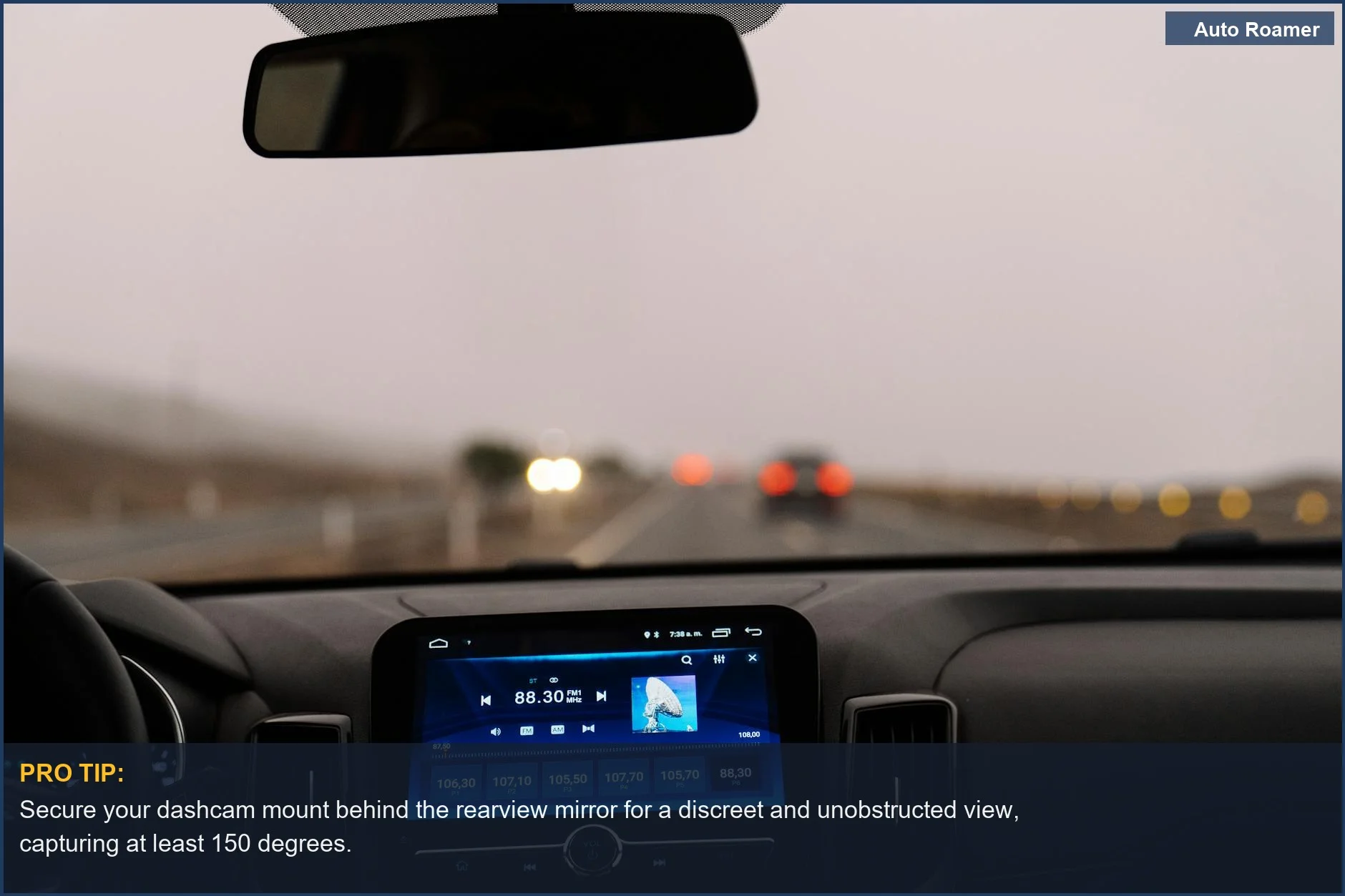
Alright, let's talk about where this little camera box actually sticks. The number one spot, the king of dash cam real estate, is right behind your rearview mirror. I'm talking about the top center of your windshield. This position is usually out of the way and gives you the best view of everything happening in front. It's like giving your dash cam its own VIP box seat.
I tried mounting mine too low once, on my first Subaru Outback, and all I got was a fantastic close-up of my dashboard trim. Rookie mistake. The real move is to get it up high. Most sources agree you want it at or above driver eye level. Think about it: you want to see the road, not the little plastic bits inside your car.
Some cameras have screens, and if you're mounting directly behind the mirror, you might need to check if you can still see that screen without craning your neck. The goal is a clear, unobstructed view. This also helps with framing your shots - you want a good balance of sky and road, not just asphalt.
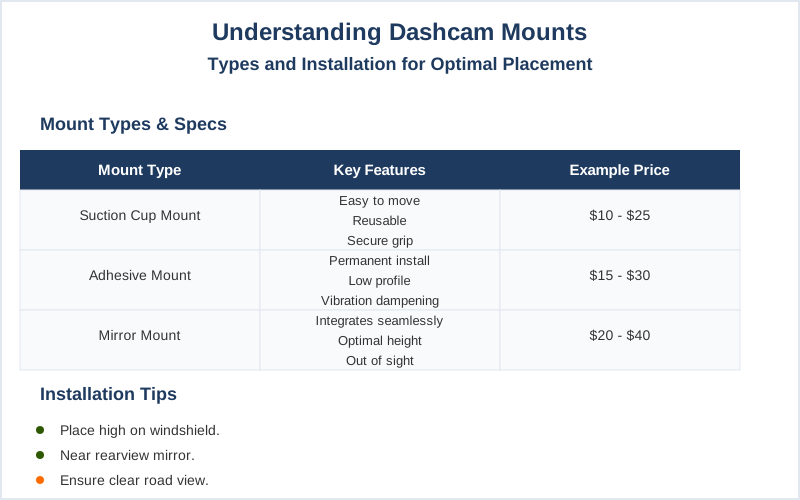
This placement also helps avoid legal issues, as some places have rules about what you can stick on your windshield that obstructs your view. Your dash cam shouldn't be a giant eyesore or a safety hazard. It's about functional placement. This usually means using an adhesive mount or a suction cup mount. Adhesive is pretty permanent, so make sure you're sure.
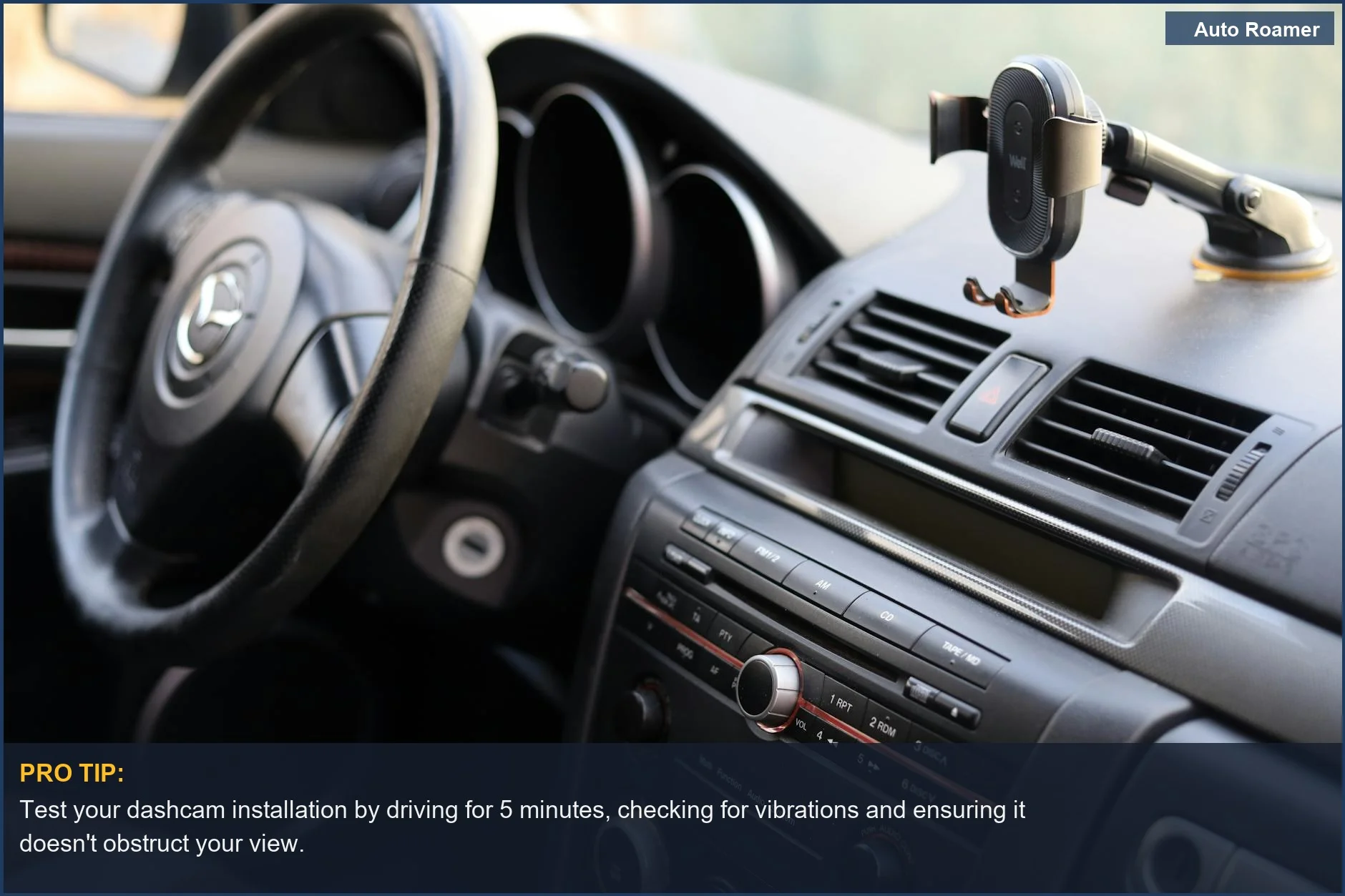
Suction cups can sometimes lose their grip in extreme heat, like the time mine fell off my windshield in Death Valley. That was a fun drive without a dash cam. The honest version: get it as high and central as possible, right behind that rearview mirror. That's the game-time move for clear footage and happy cops.
Why This Matters for Your Setup
Why does this matter? Because a poorly placed dash cam is like a fancy paperweight. You might have the best camera in the world, but if it's capturing your car's sun visor 80% of the time, what's the point? I remember a buddy who mounted his camera on the dashboard of his pickup truck. Looked clean, but all his footage was shaky and mostly showed the hood.
Not exactly helpful if you need to prove someone ran a red light.
- Obstructed Views: If your camera is too low, you'll miss crucial details like license plates or traffic signals. I learned this the hard way when my $75 dash cam only showed the bumper of the car that rear-ended me. This is a classic rookie mistake.
- Legal Hassles: Some states have laws about windshield obstructions. You don't want your dash cam to be the reason a cop pulls you over for something unrelated.
- Distractions: A camera dangling from your mirror or blocking your view is a distraction. You need to focus on driving, not fiddling with your gear. The ideal spot is out of sight, out of mind, until you need it.
- Footage Quality: Placement affects the angle, lighting, and clarity of your footage. Too much glare from the sun or too close to a pillar can ruin a good recording.
Making the Right Choice
So, what's the takeaway? Don't just slap a dash cam anywhere and call it a day. The right mount and the right spot are crucial. I spent way too long at a truck stop in Arizona trying to re-stick a suction cup mount that had failed in the 110-degree heat. The honest version: it's worth taking a few extra minutes to get it right.
- High and Dry: Aim for the top of your windshield, just behind the rearview mirror. This is the sweet spot for most cameras. It keeps your view clear.
- Check Your Laws: Don't get fined for having a camera in the wrong place. A quick search for your state's dash cam laws is a good idea. Ignorance isn't bliss here.
- Test It Out: After installing, take a short drive and review your footage.
Does it look good? Is anything blocking the lens? My first attempt had a weird glare from the edge of my tinting. This is game-time for spotting issues.
- Consider the Mount: Adhesive mounts are generally more secure than suction cups, but they're permanent. Choose wisely based on your car and how long you plan to keep it. Stability is key for good footage.