The Short Version
Understanding the tiny metal bits in your car's fuse box is key to a clean dashcam install. These aren't just random pieces of metal; they're designed to protect your electronics, including that dashcam you're about to hardwire. Get it wrong, and you're asking for trouble. Hardwire kits are your friend here, but they rely on the right fuses. I learned this the hard way when my first attempt left my dashcam dead after an hour.
The real move is to know your fuse types before you even touch a wire. It's the $50 version of not paying a mechanic $150 to do it for you. Let's break down what these little guys actually do. My first car camping trip was a $47 experiment in a Honda Civic hatchback in Shenandoah Valley. Mid-October.
I had a Walmart foam pad, a sleeping bag rated to 40F, and zero idea that the temperature drops 15 degrees after midnight in the mountains. By 2AM I was wearing every piece of clothing in my bag and still shivering. The fix was a $12 fleece liner from Amazon that turned my 40F bag into a 25F bag. Three years later I still use that same liner on every trip.
The Core Answer
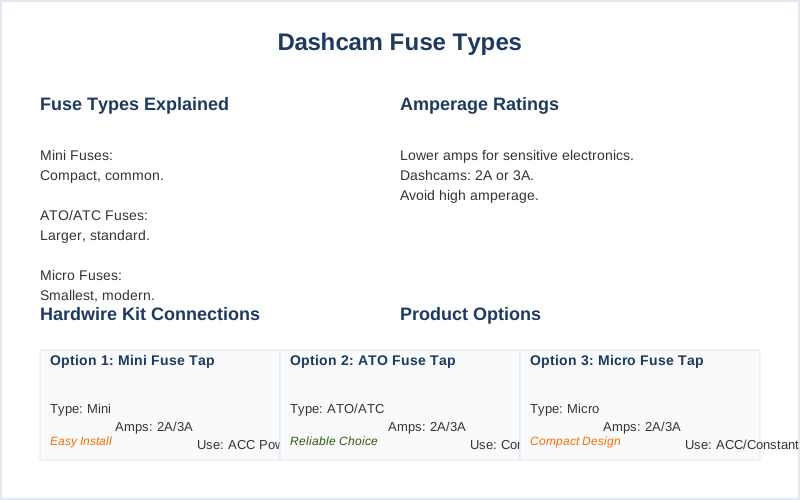
The main players in your fuse box are typically mini, ATO/ATC, and micro fuses. These are rated by amperage, which is basically how much juice they can handle before saying 'nope' and blowing. Your dashcam hardwire kit needs a specific fuse, usually a 2A or 3A, to prevent frying its innards. Trying to use a 20A fuse for your dashcam? Brilliant engineering. That's like trying to stop a flood with a teacup.
There are two main types of connections you'll make with your hardwire kit: constant power and accessory (ACC) power. Constant power means it's always on, good for parking mode recording. ACC power means it only turns on when your car is running, like your radio. I once plugged my ACC wire into the fuse for my airbag system in my old Subaru Outback. Rookie mistake.
My dashcam worked, but I had a flashing light of doom for a week until I figured it out. The fix was a simple $5 fuse tap and selecting the correct circuit. Finding the right fuse is the game-time decision here.
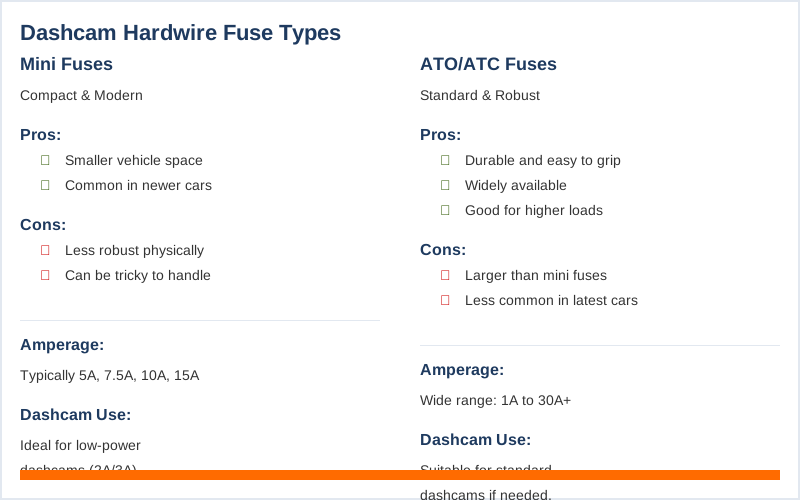
Mini fuses are common in most modern cars and are usually what your dashcam kit will come with. They're small and come in a range of amperages, typically from 2A up to 30A. ATO/ATC fuses are a bit larger and older, but still found in some vehicles. Micro fuses are even smaller and found in newer, more compact electrical systems.
It's like going from a full-size candy bar to a fun-size, then to a wrapper with a single M&M inside.
When you use a fuse tap, you're essentially piggybacking on an existing circuit. The tap has two slots: one for the original fuse that powered whatever it was connected to, and one for a new fuse for your dashcam. The key is to match the amperage. If the circuit you're tapping into uses a 10A fuse, and your dashcam needs a 2A fuse, you put the 2A fuse in the dashcam slot.
This prevents overloading and blowing the original fuse, or worse, your dashcam.
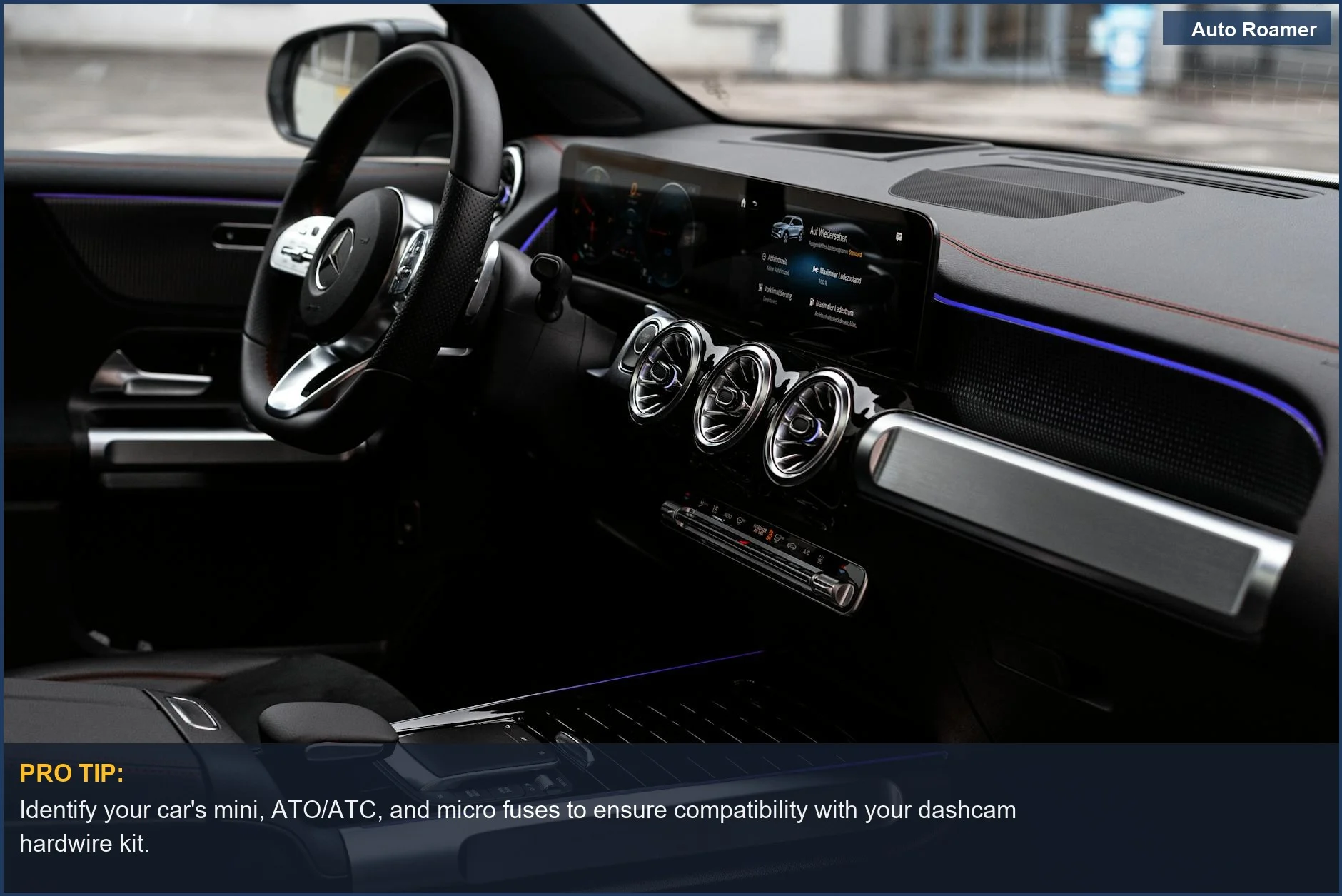
The honest version: most hardwire kits come with a couple of fuse taps that cover the common types. You just need to identify which type your car uses. A quick look at your fuse box cover or your car's manual should tell you. I once spent 20 minutes at a state park in West Virginia trying to figure out if my Subaru was level by rolling a water bottle across the mattress.
The real move: park nose-slightly-uphill so your head is higher than your feet. That is it. You do not need a bubble level. You need to not wake up with a headache from blood pooling in your skull.
Always, always, always check the amperage rating on the original fuse you're replacing or tapping into. Then, match that amperage for the original circuit on the tap, and use the smaller, recommended amperage for your dashcam. It's not rocket science, but it is electrical science. Get it wrong and you might be smelling burnt plastic. Fuse taps are your best friend for this job.
Why This Matters for Your Setup
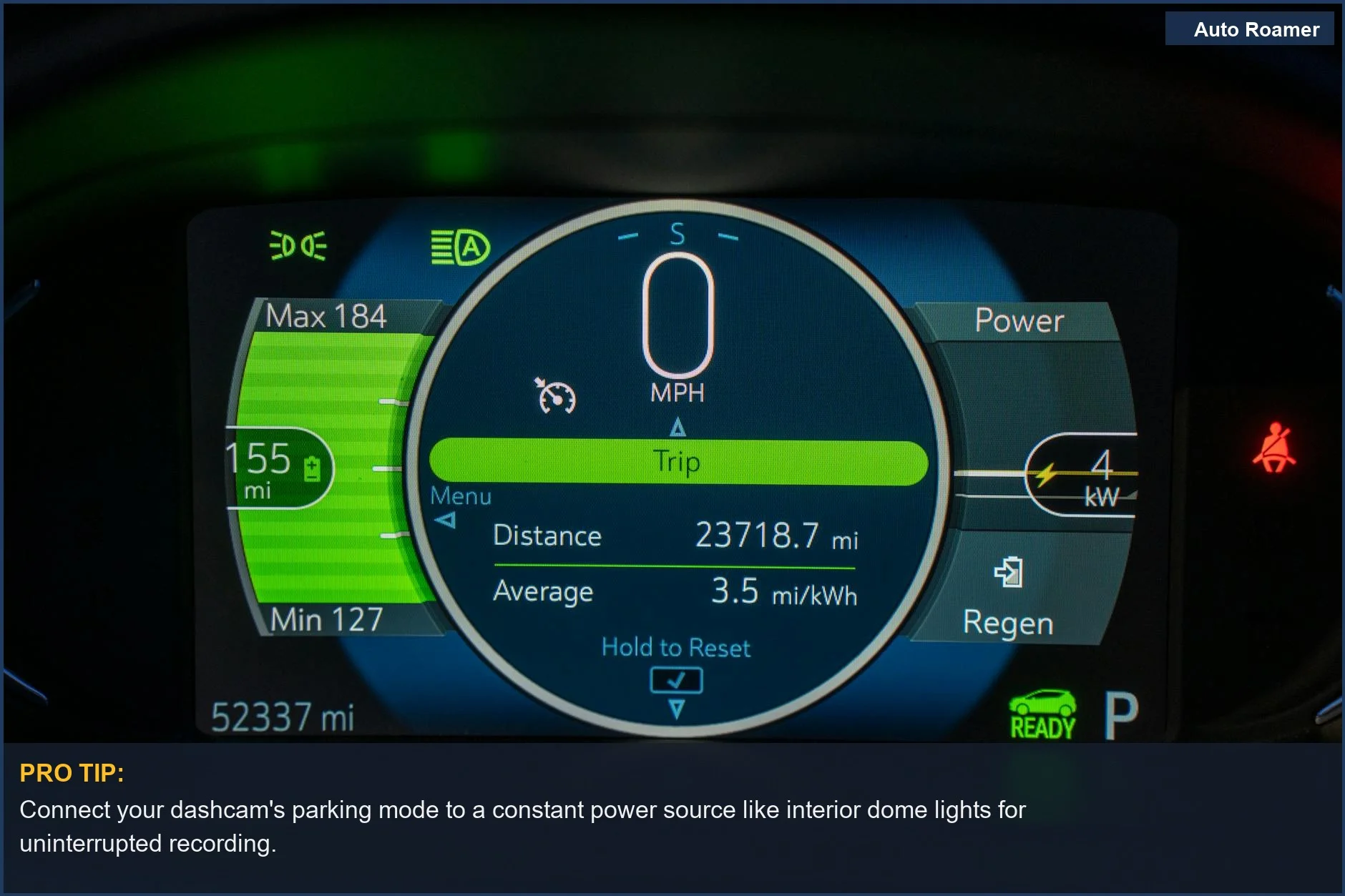
- Parking Mode Power: If you want your dashcam to record when your car is off, you need to tap into a circuit that has constant power. This is usually something like your interior dome lights or trunk light. Fuse 7 is often a spare constant power on many vehicles.
- Cleaner Look: No more dangling cords from your cigarette lighter. Hardwiring means the wires are tucked away, making your car look much tidier. My trunk was so full I could not see out the rear window. The honest version: you need a sleeping setup, water, food that does not need cooking, and a headlamp. Everything else is optional until you figure out what you actually use. My second trip had half the gear and was twice as comfortable.
- Reliability: When you hardwire, you're creating a more permanent connection. This reduces the chance of the power cord getting loose or unplugged, especially on bumpy roads or during spirited driving. I learned this the hard way when my dashcam cut out on a long road trip through the Rockies because the plug wasn't seated perfectly. The fix was just pushing it in, but that lost footage was important.
- Car Compatibility: Understanding fuse types means you can adapt your hardwire kit to almost any car. Whether it's a 2005 Ford F-150 or a 2023 Toyota Prius, the principles are the same. Your vehicle's manual is your best friend for identifying which fuses do what.
Making the Right Choice
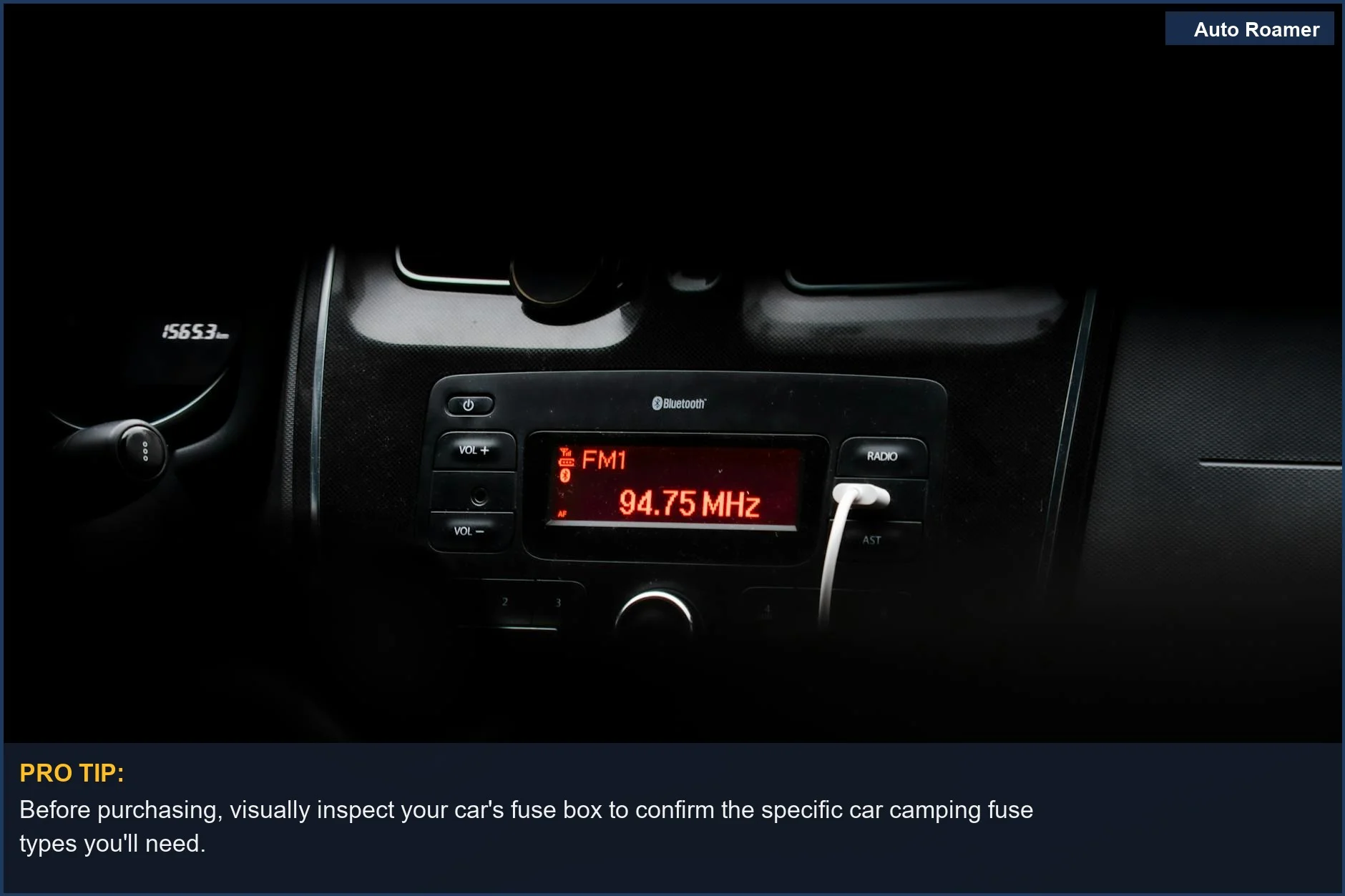
- Know Your Fuses: Before you buy a hardwire kit, take a peek at your car's fuse box and note the types of fuses you see. Most cars use mini fuses, but it's worth double-checking. Mini fuses range from 2A to 30A, so there's plenty of room.
- Amperage is King: Always match the original fuse's amperage when using a fuse tap for the accessory circuit. Then, use the lower amperage fuse recommended for your dashcam in the tap's dashcam slot. This is the real move to avoid electrical meltdowns.
- Ground It Well: Don't forget the ground wire. This needs to connect to a bare metal surface in your car's chassis. I once forgot to ground my setup and my dashcam kept rebooting. Apparently, it needed a solid connection to Earth, not just a prayer. A clean metal surface is crucial.
- Don't Overthink It: While there's some science involved, it's not brain surgery. For about $15-$20 for a good hardwire kit, you can save yourself hundreds compared to a shop install. The DIY savings are significant.