Where to Start
Parking mode on a dashcam is your car's personal night watchman, keeping an eye out even when the engine's off. It's not some magic feature that just works; you have to set it up right. The honest version is that it needs a constant juice supply, which means your typical cigarette lighter plug won't cut it if you want reliable 24/7 surveillance.
If you've ever woken up to a dinged bumper and no clue who did it, you know why this matters. It's about capturing that hit-and-run or the rogue shopping cart before it becomes a 'he said, she said' nightmare. This isn't about fancy video editing; it's about evidence when you need it most. 24/7 car security relies on this. My first attempt just plugged into the USB port, and guess what? It died overnight. Rookie mistake.
Dashcam parking mode setup is key.
The Core Answer
So, what's the deal with parking mode? It's not just one thing; it's a whole suite of features designed to catch trouble when you're not around. Think of it like this: your dashcam normally records your commute, like a diary of your driving. Parking mode turns it into a security camera for your car. The main challenge is keeping it powered without draining your car's battery faster than a leaky faucet. Parking mode options fall into a few camps.
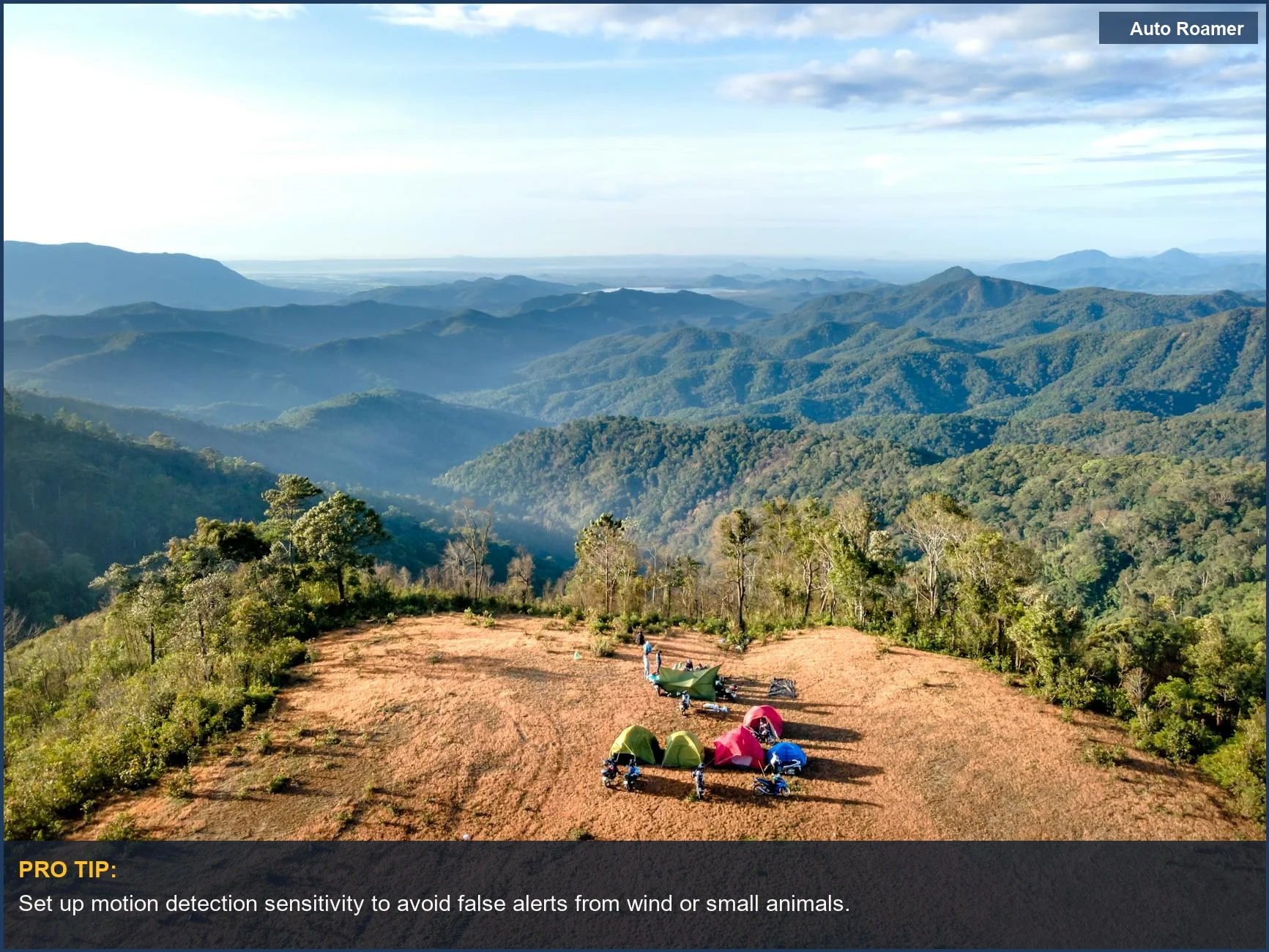
You've got motion detection, which is like a motion-sensing light - it only records when something moves in front of the lens. This saves space, but sometimes it misses the first few seconds. Then there's time-lapse, which records a few frames per second constantly. It's like a super-fast sped-up movie of what's happening. Low bitrate is another option, recording less data but for longer periods. Five options for parking mode exist.
Impact detection is crucial for catching bumps, like someone backing into you. It's sensitive to vibrations. Some systems even use radar, which is fancy but probably overkill for most car campers. The real move here is understanding how they use power. Motion detection, for instance, might sound like it's off until something happens, but many actually draw power continuously. Parking Mode ON and set is just the start.
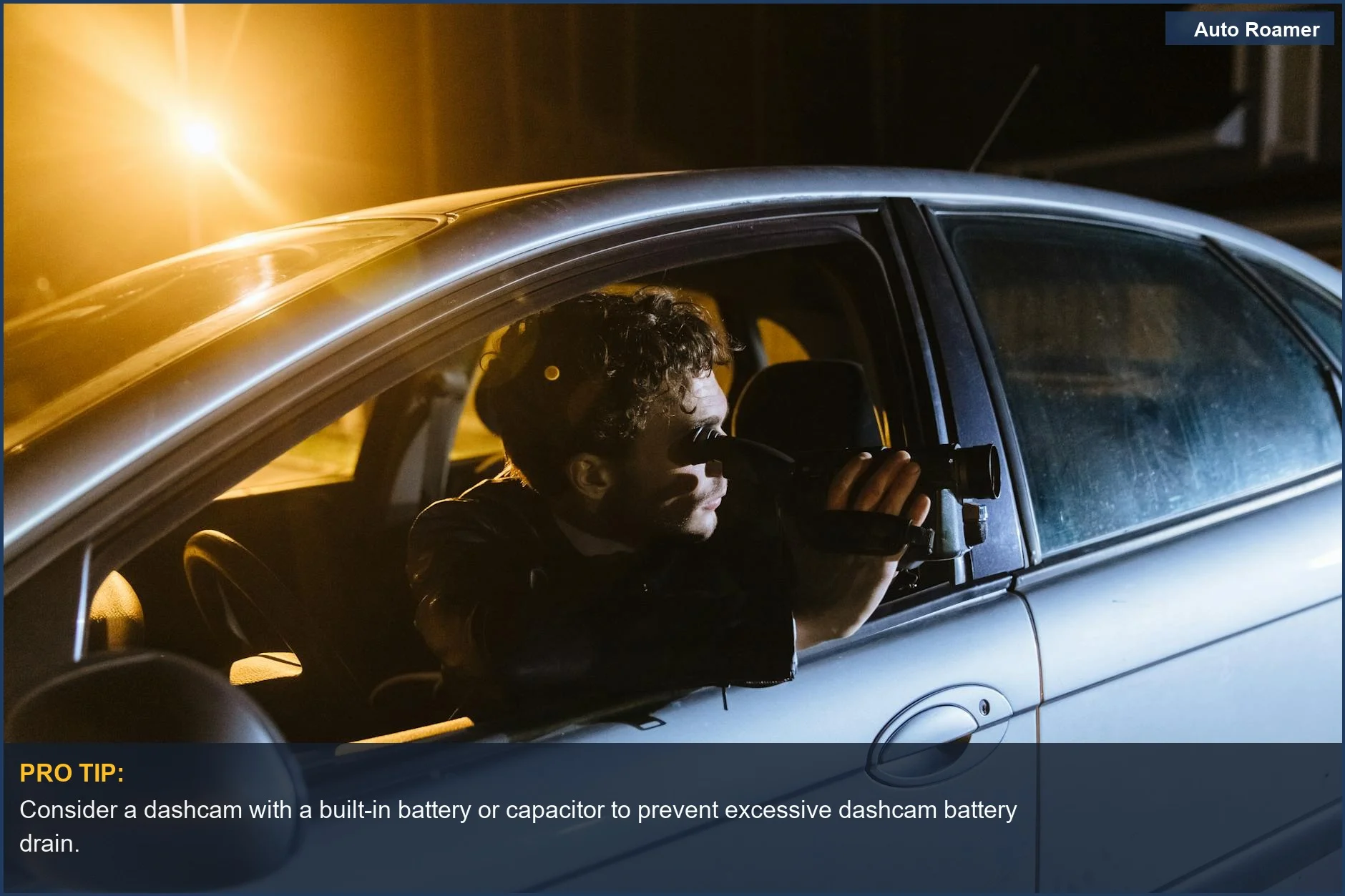
You need a power source that doesn't quit when the ignition does. Hardwiring directly into your car's fuse box is the most common way to achieve this. It sounds more complicated than it is, usually involving a kit that taps into your car's electrical system. This ensures the dashcam gets power even when the car is off. Without it, your fancy parking mode is just a paperweight.
I learned this the hard way in Moab, Utah, during a chilly autumn night. My dashcam shut off after two hours, and the next morning, my spare tire was gone. Brilliant engineering, right? The $50 version of a hardwiring kit is way better than a stolen tire. constant surveillance system.
Why This Matters for Your Setup
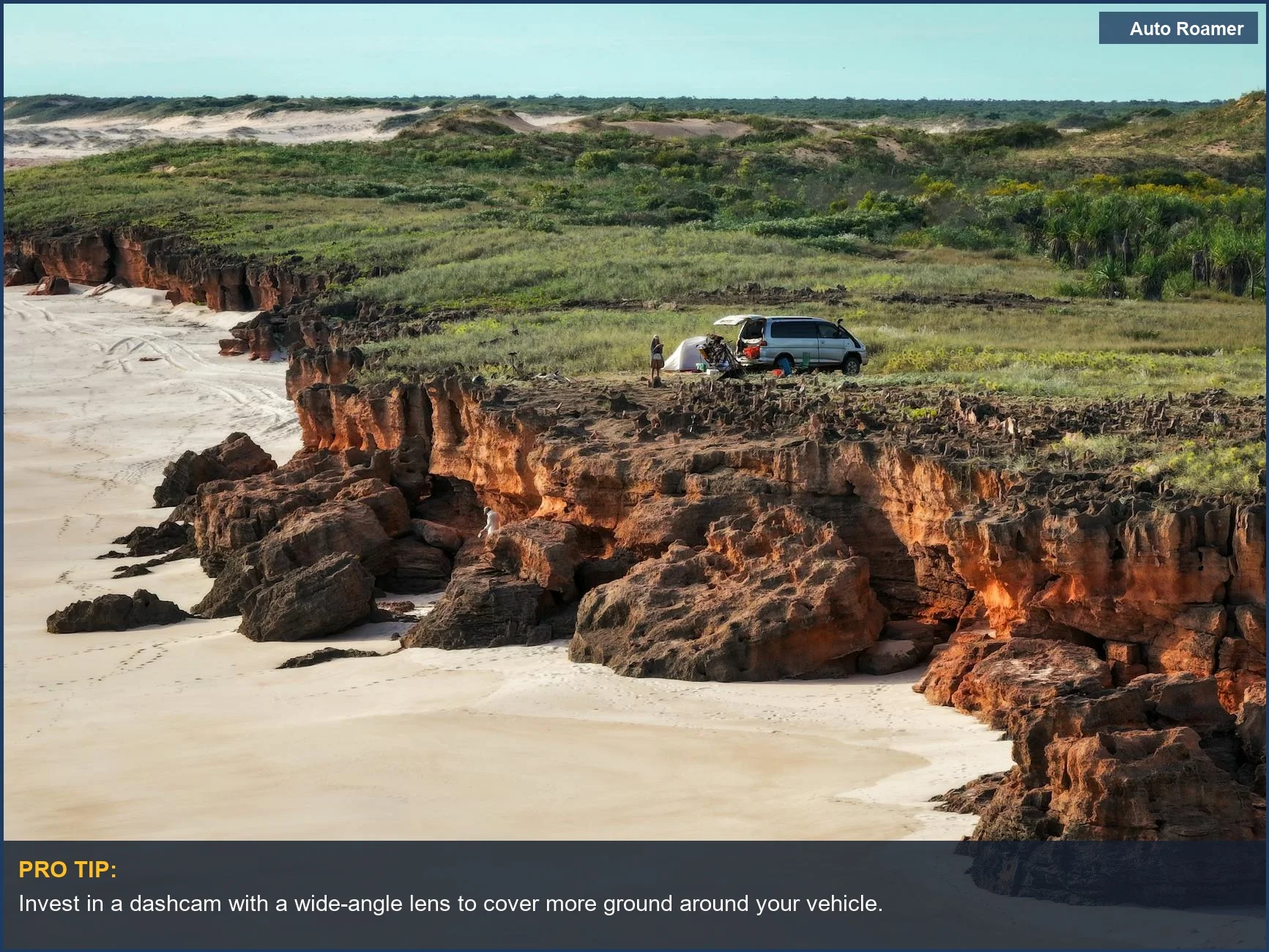
Why does this matter for your car camping setup? Because when you're out in the middle of nowhere, your car is your home base, and sometimes it's parked miles from anyone. You want to know if a raccoon decided to investigate your cooler or if someone was snooping around your tent while you were hiking. Parking mode provides round-the-clock surveillance. It's about peace of mind.
Imagine setting up camp at Zion National Park, leaving your car for a day of exploring, and returning to find a note saying someone scraped your door. Without parking mode, you've got nothing. With it, you've got video evidence. This is especially true if you're in a more remote campsite where cell service is spotty, and you can't just pull up a live feed. My buddy Dave forgot to hardwire his dashcam on a trip to the Adirondacks.
He came back to find his driver's side window smashed. He swore it was a bear, but the footage showed a couple of teenagers. The $30 hardwire kit would have saved him a $300 repair bill. key to keeping the power flowing. It's not just for urban parking lots; it's for any time your vehicle is unattended for extended periods. You need to consider how long you'll be away from your car.
A short hike might be fine with a basic setup, but an overnight backpacking trip requires something more robust. defeat the whole purpose.
Making the Right Choice
So, making the right choice for your dashcam's parking mode boils down to a few things. First, how are you going to power it? Hardwiring is usually the way to go for serious car camping security. reliable long-term parking mode. Second, what kind of recording mode do you need? Motion detection is a good starting point for most people. If you're worried about impacts, make sure it has sensitivity settings you can adjust. capturing important footage.
Don't overcomplicate it. You don't need a $500 system for a weekend trip. A solid, hardwired dashcam with decent motion detection will cover most scenarios. My first trip with a properly set up parking mode was in Big Bend National Park. I slept soundly knowing my car was being watched. internal battery can help, but it's not a substitute for hardwiring. Think about your typical camping trips and what you're most worried about. That will guide your decision.
It's about getting the most bang for your buck and not waking up to surprises. evidence if something happens.