What You Need to Know
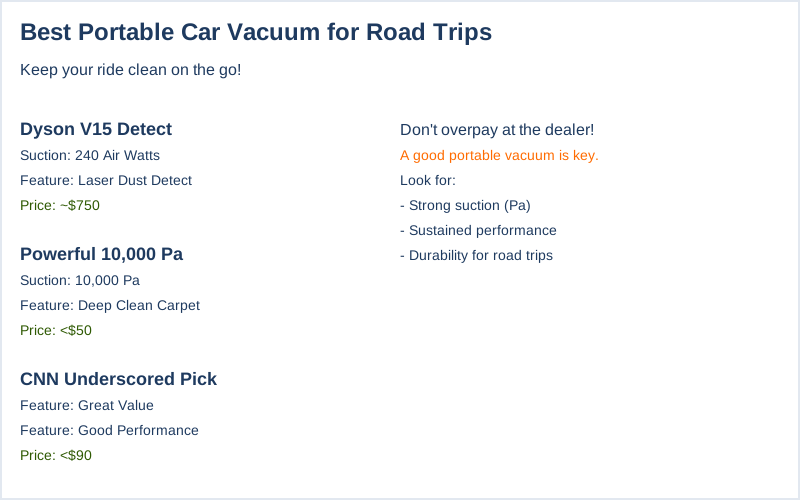
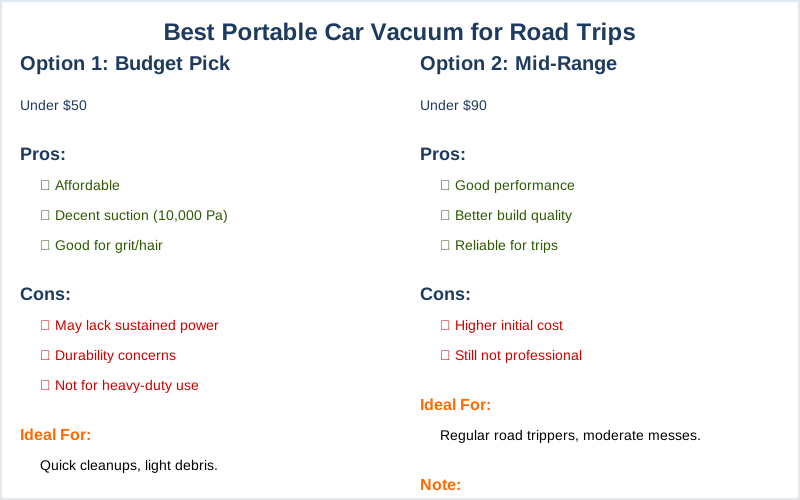
A dealer might charge $75 to vacuum your floor mats after a road trip, claiming 'specialized equipment' was needed. This is a scam. You can get a decent portable car vacuum for under $50 that pulls 10,000 Pa of suction, more than enough to lift embedded grit and pet hair from standard automotive carpet fibers. CNN Underscored even found some under $90 that performed well. Don't let them upsell you on a glorified shop vac service.
Road trips turn car interiors into mobile landfills. Spilled coffee, cracker crumbs ground into the carpet, dried mud from hiking boots - it's a constant battle against particulate accumulation. A standard household vacuum is too bulky, and those coin-op vacuums at the car wash have weak suction due to worn-out seals and neglected filters. They're built for volume, not performance.
Too many cheap 12V vacuums burn out their motors after 20 minutes of continuous use, the tiny fan blades cavitating against accumulated dust. The thermal cycling on those undersized permanent magnet motors is brutal. You need something engineered to handle the thermal load of sustained operation, not just a quick pass. We're talking about maintaining circuit integrity under load, not just moving air.
This isn't about 'keeping your car looking nice.' It's about preventing abrasive particles from grinding into your carpet fibers, reducing their service life. It's about preventing mold spores from taking root in damp crumbs. It's about maintaining the tactile experience of a clean interior, without the constant reminder of last week's snack disaster. And it's about not paying some kid minimum wage to half-ass it with a worn-out hose.
Quick Verdict
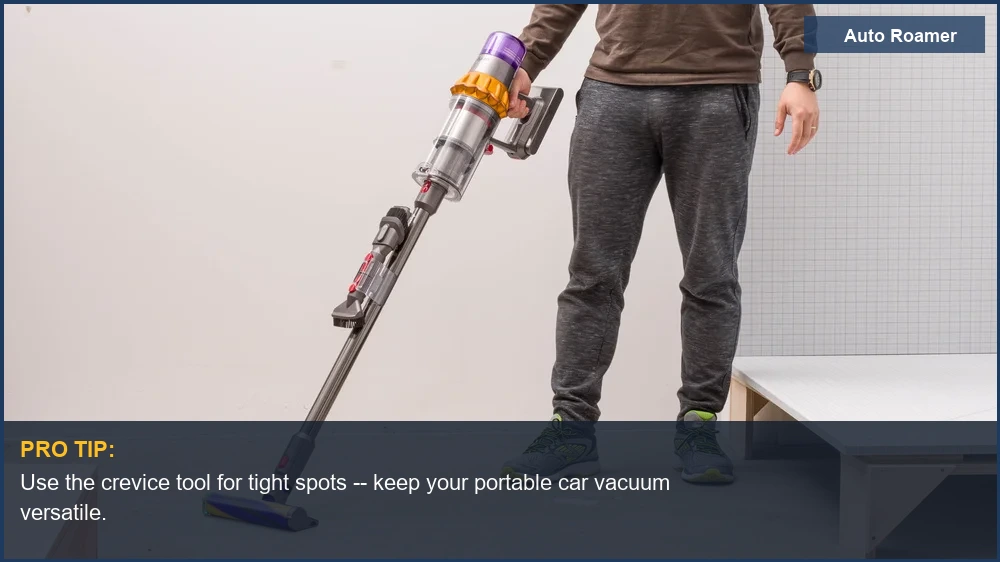
- Best Overall for Performance: The Dyson V15 Detect (~$750) is overkill for most, but its 240 air watts of suction power and laser-guided dust detection are undeniable. It's a handheld monster for those who demand maximum particulate removal, even if it weighs a bit more. RTINGS.com rated it highest for car cleaning.
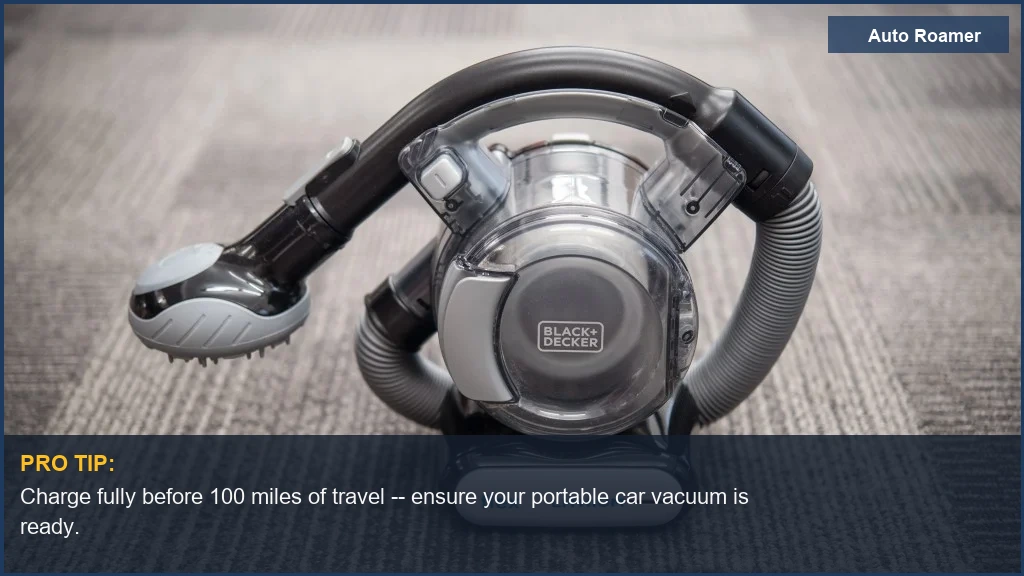
- Best Value Cordless: The Black+Decker 20V Max Flex Handheld Vacuum BDH2020FL (~$120) offers a balance of power and portability. Its flexible hose and 20V battery provide decent run time for a full interior clean without needing a wall outlet. It's a solid choice for maintaining circuit integrity without breaking the bank.
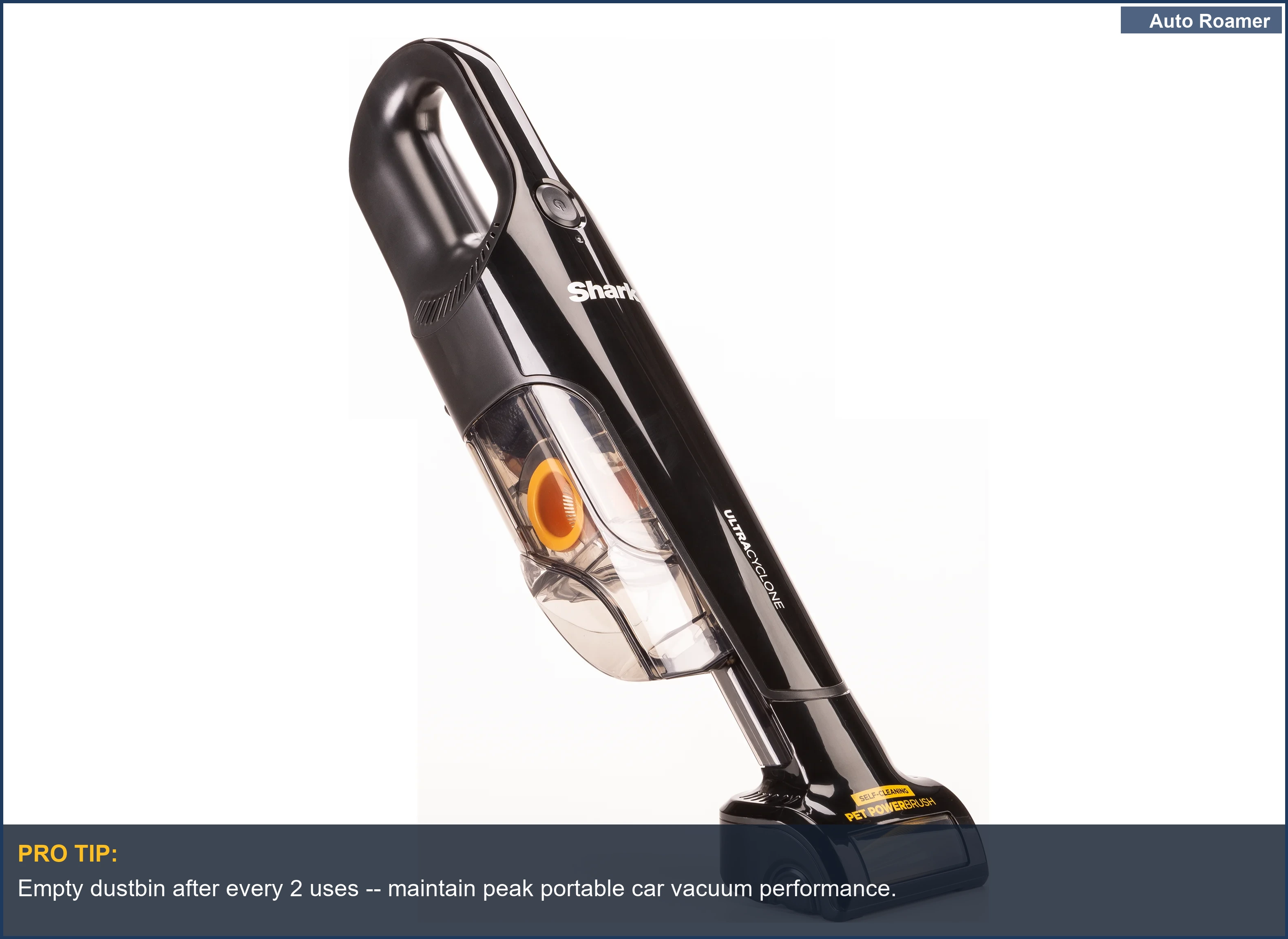
- Best for Pet Hair: The Shark UltraCyclone Pet Pro+ CH951 (~$100) with its motorized brush attachment is designed for high-shear removal of pet hair from upholstery. This isn't just a gimmick; the brush agitates fibers, breaking the electrostatic bond that holds fur.
- Best for Quick Spills & Tight Spaces: The ThisWorx Car Vacuum Cleaner (~$40) is a 12V unit that plugs into your cigarette lighter. Its compact form factor and narrow nozzle are good for tight gaps around the console, but don't expect it to pull deeply embedded dirt. Reviewed highlighted its portability.
- Best for Shop Vac Power: If you're already in the Milwaukee M18 ecosystem, the Milwaukee M18 Fuel Compact Vacuum 0882-20 (~$130, tool-only) offers serious airflow. This isn't a dainty handheld; it's a brute designed for job site debris, making quick work of sand and gravel. It's a Buy It For Life option if you have the battery system. Reddit users praise its durability.
Most cheap vacuums have motors that aren't designed for sustained thermal loads. They pull too much current, overheat, and eventually seize or burn through their windings. You want a vacuum with decent airflow, not just high 'Pa' numbers on the box. Airflow moves debris; static pressure is just a number. YouTube reviews often misrepresent this.
The convenience of cordless is great, but watch the amp-hour rating on the battery. A 2.0 Ah battery at 18V only gives you so much run time before the voltage sags and suction drops. Expect 15-20 minutes of effective cleaning, not an hour. Anything more requires a bigger, heavier battery pack. Physics, not marketing, dictates this.
What to Look For
| Feature | Dirtbag Engineer's Take |
|---|---|
| Suction Power (Pa / Air Watts) | Ignore inflated 'Pa' numbers. Look for ~10,000 Pa minimum for crumbs, 15,000+ Pa for embedded dirt and pet hair. Air watts are a better metric for actual airflow, aiming for 50-100 AW for effective cleaning. Anything less is just moving dust around. Vacuum tests confirm this. |
| Battery Runtime (Minutes) | Aim for 20-30 minutes of *effective* runtime. Marketing numbers are often at the lowest power setting. You need enough juice to hit the entire interior without voltage drop causing a noticeable decrease in suction. Think thermal cycling on the battery cells. |
| Filtration (HEPA / Washable) | A good filter system prevents fine particulates from being exhausted back into the cabin, where they settle on surfaces again. Washable filters save money, but ensure they fully dry to prevent mold growth and maintain airflow. Clogged filters kill suction. |
| Attachments (Crevice / Brush) | Crevice tools are non-negotiable for seat rails and console gaps. A brush attachment helps agitate carpet fibers to lift embedded dirt and pet hair. Motorized brushes are superior for pet hair due to the mechanical shear they apply. |
| Dust Bin Capacity | A larger bin means fewer interruptions. A tiny bin fills up with a handful of crumbs, forcing frequent stops to empty. This breaks your cleaning rhythm and increases total cleaning time. It's a mechanical inefficiency. |
| Power Source (Cordless / 12V / AC) | Cordless offers freedom but demands battery management. 12V is constant power but tethered to the lighter socket, often with lower overall wattage. AC-powered is max power but requires an inverter or wall outlet. Pick your poison based on your use case. |
| Weight (Lbs) | Lighter is better for maneuverability, especially in tight car interiors. Over 5 lbs becomes a chore quickly. It's a simple ergonomic factor that impacts user fatigue. |
Don't fall for the 'high power' claims without understanding the physics. A high static pressure (Pa) doesn't mean good airflow (CFM or Air Watts). You need both to pick up debris effectively. It's like having a strong grip but no arm strength - you can hold it, but you can't lift it. Eufy's guide touches on this.
Battery life is another marketing minefield. They quote runtimes at the lowest possible power setting, which is useless for actual dirt. Always assume 50-70% of the advertised runtime for practical, effective cleaning. Otherwise, you'll be constantly charging. This affects the thermal cycling life of your battery.
Our Top Picks for Reliable Performance
View on Amazon — Dyson V15 Detect
View on Amazon — Black+Decker 20V Max Flex Handheld Vacuum BDH2020FL
View on Amazon — Shark UltraCyclone Pet Pro+ CH951
View on Amazon — ThisWorx Car Vacuum Cleaner
View on Amazon — Baseus Car Vacuum Cleaner
View on Amazon — Milwaukee M18 Fuel Compact Vacuum 0882-20 (~$130, tool-only)
View on Amazon — Dyson V15 Detect
View on Amazon — Black+Decker 20V Max Flex Handheld Vacuum BDH2020FL
View on Amazon — Shark UltraCyclone Pet Pro+ CH951
View on Amazon — ThisWorx Car Vacuum Cleaner
View on Amazon — Baseus Car Vacuum Cleaner
View on Amazon — Milwaukee M18 Fuel Compact Vacuum 0882-20 (~$130, tool-only)
View on Amazon — Dyson V15 Detect
View on Amazon — Black+Decker 20V Max Flex Handheld Vacuum BDH2020FL
View on Amazon — Shark UltraCyclone Pet Pro+ CH951
View on Amazon — ThisWorx Car Vacuum Cleaner
View on Amazon — Baseus Car Vacuum Cleaner
View on Amazon — Milwaukee M18 Fuel Compact Vacuum 0882-20 (~$130, tool-only)
Head-to-Head Comparison
| Feature | Dyson V15 Detect | Black+Decker 20V Max Flex | Shark UltraCyclone Pet Pro+ |
|---|---|---|---|
| Suction Power (Air Watts) | 240 AW | ~40 AW | ~30 AW |
| Runtime (Minutes) | 15-60 (power dependent) | 15-20 | 10-15 |
| Weight (Lbs) | 6.8 | 3.2 | 2.8 |
| Dust Bin Capacity (Gallons) | 0.2 | 0.1 | 0.1 |
| Key Feature | Laser detection, absurd power | Flexible hose, good value | Motorized pet brush |
| Price (Approx.) | ~$750 | ~$120 | ~$100 |
Comparing these isn't just about the spec sheet; it's about the mechanical and thermal design behind them. The Dyson, while powerful, has a high current draw that pushes its battery pack to its thermal limits during sustained use at max power. You'll feel the heat. CNet notes its performance.
The Black+Decker hits a sweet spot for mechanical stress versus cost. The flexible hose reduces the need to contort the entire unit, preventing awkward impacts and potential housing cracks. It's a pragmatic engineering choice that improves durability for its price point.
Shark's motorized brush is a specific solution to a specific problem: pet hair. The rotational shear force generated by the brush lifts hair more effectively than pure suction alone. This is an application of mechanical advantage, not just brute force. It prevents filter clogging from matted fur. Car and Driver recognized its effectiveness.