First, the Basics
A dead battery in a grocery-store parking lot is inconvenient; a flat tire on a dark stretch of highway in bad weather can be something else entirely. Nobody plans for a 2AM roadside breakdown, but your vehicle's electrical system doesn't care about your schedule. I've seen too many rigs stranded because some cheap plastic junk failed when it mattered most. This isn't about 'being prepared,' it's about minimizing the kinetic energy of disaster hitting your wallet.
Road and Track confirms breakdowns don't send calendar invites.
Most store-bought 'emergency kits' are just marketing fluff, packed with flimsy tools that'll shear under any real torque. They prioritize cheap plastic flashlights and adhesive bandages over the rugged gear you actually need. You need tools that can handle a 100 PSI tire or a 12V system short, not just a scraped knee. Tactical Medicine points out these kits are often a liability.
My approach? Focus on the physics. What fails? What forces are involved? What circuit integrity issues leave you dead in the water? A basic toolkit with proper leverage, reliable power, and solid visibility gear is worth more than a dozen flimsy 'survival' gadgets. Don't get caught 50 miles from the nearest auto parts store with a stripped lug nut and a flashlight that flickers after 30 seconds.
I'm talking about the stuff that actually gets you moving or keeps you safe until proper recovery arrives. We're looking at jump starters that can crank a cold diesel, flashlights that don't thermal cycle into oblivion, and first-aid kits that handle more than a paper cut. The goal is to avoid a $300 tow bill for a $5 fuse or a dead battery. Car and Driver emphasizes this isn't about optimizing fuel efficiency, it's about the unexpected.
It's about having the right mechanical advantage, the correct electrical continuity, and the thermal stability to survive when your vehicle decides to take an unscheduled break. Anything less is just dead weight taking up trunk space. And if you're overlanding, multiply that risk by a factor of ten.
Quick Verdict
This isn't about buying a pre-packaged box of hopes and dreams. It's about specific tools that address common failure modes. CNN Underscored reviewed kits for flat tires to medical events, but I'm looking for solid components.
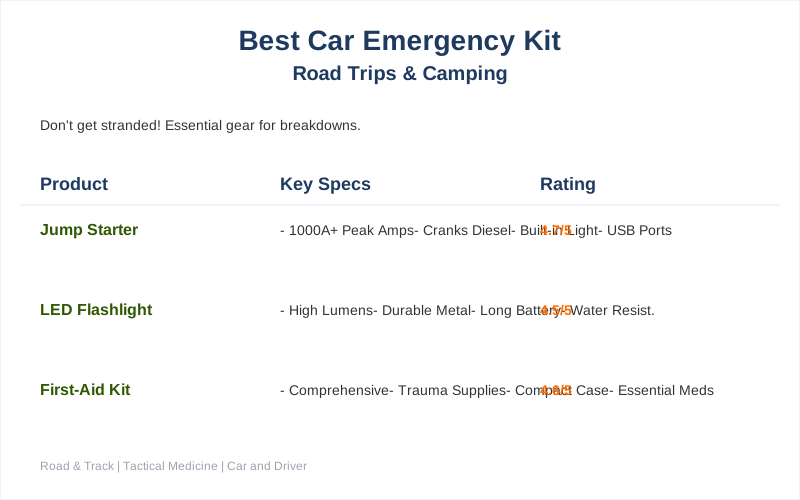
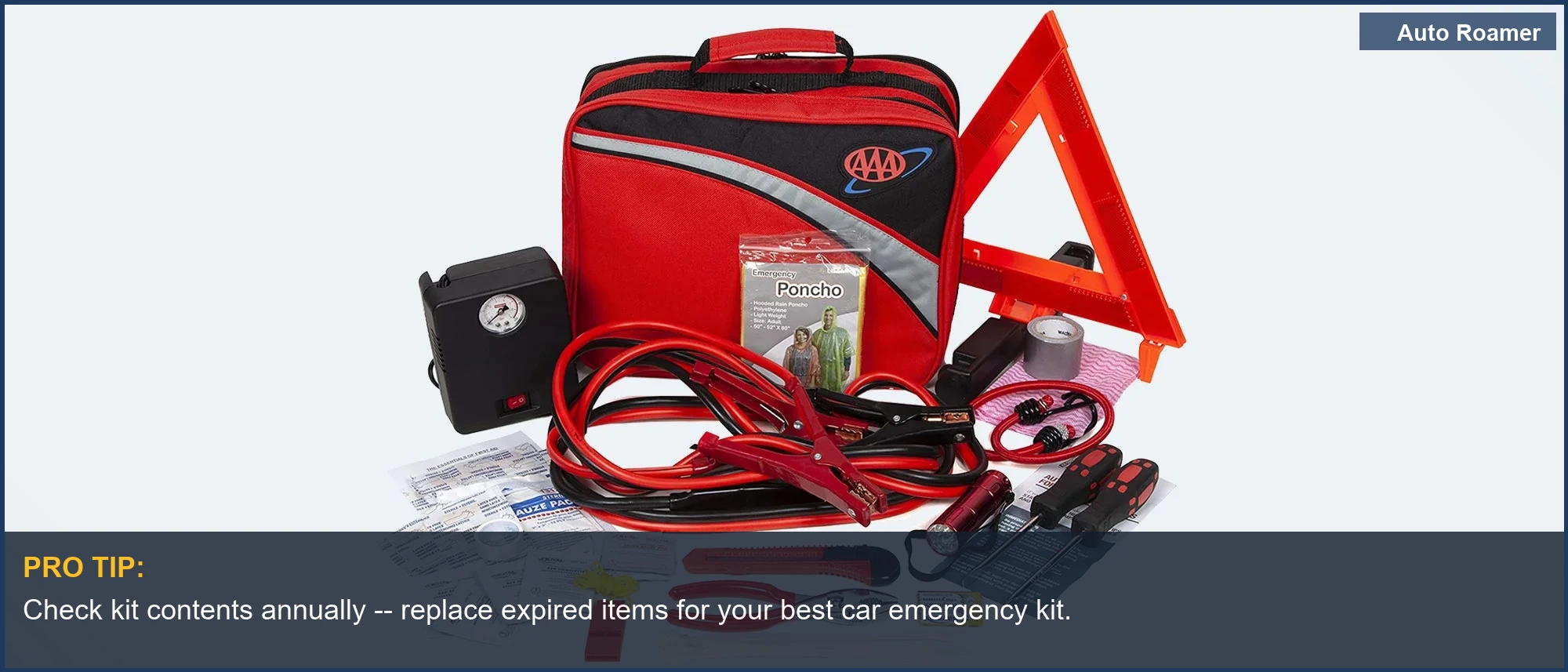
- Best Overall for Versatility: The Lifeline AAA Excursion Road Kit (~$80) covers the basics with tools that won't immediately snap. It's a decent starting point for general use, though I'd upgrade a few components myself. It's a compromise, but a functional one.
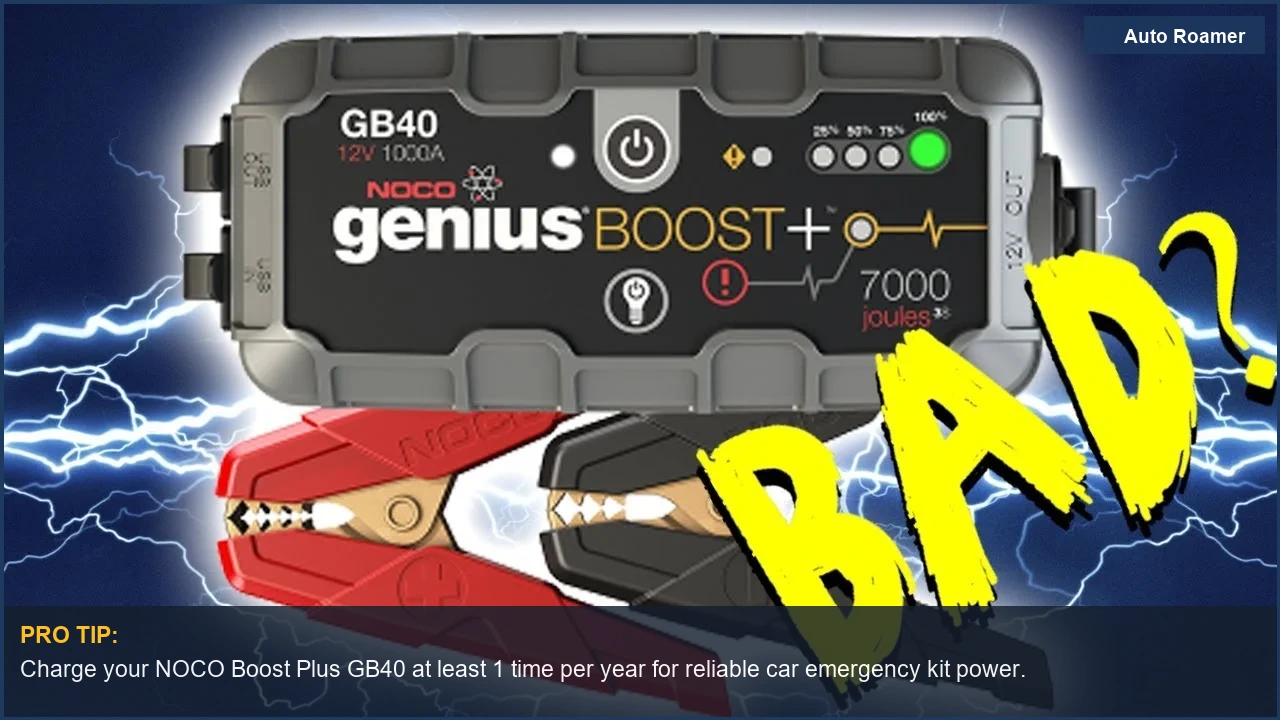
- Best for Jump Starting: The NOCO Boost Plus GB40 (~$120) delivers 1000A peak current, enough to start most gas engines up to 6 liters. This thing is a lifesaver when your 12V lead-acid drops below 10.5V.
Its internal resistance is low enough for reliable cranking. Car and Driver recommends the NOCO Boost Plus GB40.
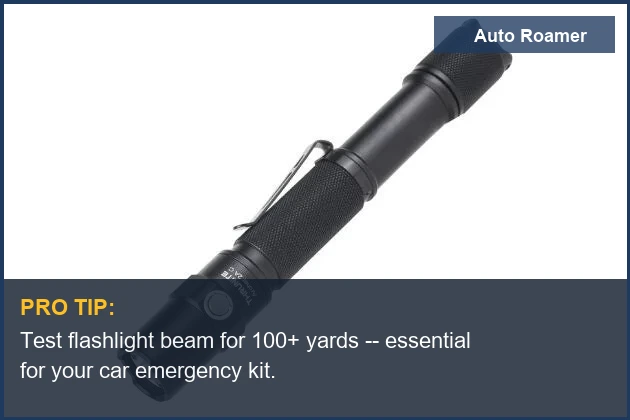
- Best for Illumination: The ThruNite Archer 2A V3 (~$45) offers 500 lumens and runs on AA batteries, which are easier to find than some proprietary cells. The constant current driver maintains brightness, unlike cheap lights that dim as battery voltage drops.
Its IPX8 rating means it handles immersion, not just a splash.
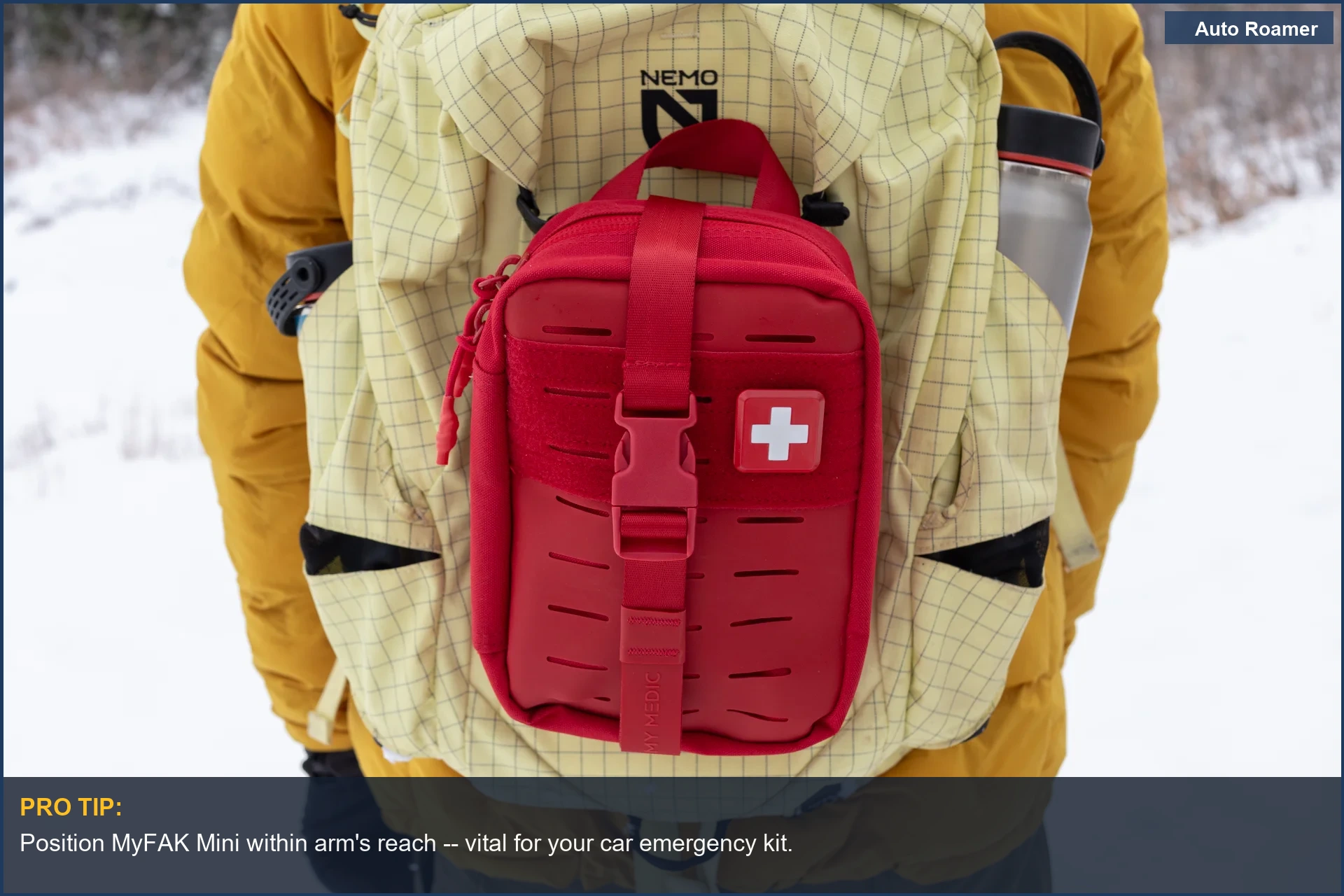
- Best for First Aid (Trauma Focus): The MyMedic MyFAK Mini (~$150) provides actual trauma supplies, not just band-aids. This kit includes a tourniquet and pressure bandages, addressing high-flow hemorrhage before EMS arrives.
That's critical in the 'Platinum Ten' minutes after a severe impact, as highlighted by Tactical Medicine.
- Best for Tire Repair: The ARB Speedy Seal II (~$60) includes proper reamers and plugs for tubeless tire punctures. Forget the spray-can sealants; they just gum up your TPMS sensors and make a proper repair harder. This kit allows for a mechanical repair that holds up to the 40 PSI needed for most passenger car tires.
What to Look For
You're not buying a 'kit,' you're buying individual components that need to perform under stress. Think about the failure modes you're trying to mitigate. Road and Track lists safety gear like reflective triangles or road flares, and I agree on visibility.
| Feature | Why It Matters (Physics/Engineering) | Dirtbag Engineer Take |
|---|---|---|
| Jump Starter | Provides high current (amps) to overcome parasitic draw and engine cranking resistance. Lithium-ion packs offer low internal resistance and high energy density. Cold weather increases viscosity of oil, demanding more cranking amps. | Don't cheap out. A weak pack means a failed start and more thermal cycling on your starter motor. I've seen 500A packs struggle with a cold 2.0L turbo. Aim for 1000A peak for reliable cold starts. |
| Flashlight | Lumen output, beam pattern, and battery chemistry determine effective illumination distance and runtime. LED thermal management prevents premature component failure. Alkaline batteries lose significant capacity below 32 degrees F. | Forget the dollar-store special. You need 300+ lumens, a focused beam for distance, and reliable battery chemistry like AA lithium primaries for cold weather. Reddit preppers agree on lithium batteries for extreme temps. |
| First Aid Kit | Addresses mechanical trauma: hemorrhage control (tourniquets), wound closure (bandages), and environmental protection (thermal blankets). Proper application prevents further physiological shock and infection. | Most kits are for scraped knees. You need pressure bandages, a proper tourniquet for arterial bleeds, and trauma shears. The 'Platinum Ten' minutes after an accident are critical for survival, as emphasized by Tactical Medicine. |
| Tire Repair Kit | Allows for mechanical sealing of punctures in tubeless tires, maintaining internal air pressure (PSI). Proper reaming ensures chemical bond of plug to rubber, preventing air loss due to mechanical stress during rotation. | Plugs are temporary, but they get you off the shoulder. Make sure the reamer and insertion tool are steel, not pot metal that bends under force. Get a portable air compressor too; you can't plug a tire without air. |
| Tools/Gloves | Provides mechanical advantage (wrenches, pliers), cutting ability (knife), and hand protection. Proper torque application prevents fastener shear or stripping. Gloves prevent chemical exposure and abrasion. | A cheap multi-tool has too much play to be useful for anything beyond light duty. Get actual pliers, a decent fixed-blade knife, and work gloves that don't shred after one use. You'll thank me when you're wrestling a rusted battery terminal. |
| Visibility/Signaling | Reflective materials and high-intensity light sources increase visibility to other drivers, reducing risk of secondary impact. Sound signaling (whistle) for attracting attention. | Reflective triangles are fine, but a high-candela LED flare is better. It has no chemical outgassing like old-school flares and won't burn your socks. Make sure it has a magnetic base to stick to your vehicle's sheet metal. |
I'm not interested in gadgets that look cool but fail under a few PSI of torque. I want gear that can withstand thermal cycling, grit, and actual mechanical stress. That's the only way to ensure it works when your car decides to drop its oil pan on the interstate.
Our Top Picks
Head-to-Head Comparison
Don't just look at the price tag; look at the mechanical integrity and electrical specs. A cheap tool that fails when you're 50 miles from cell service is worse than no tool at all. I've seen cheap jumper cables melt their insulation due to high resistance and poor conductor material. The New York Times Wirecutter spent 60 hours researching emergency gear, but they probably didn't melt any cables.
| Product | Key Feature 1 | Key Feature 2 | Dirtbag Rating (1-5, 5=Best) |
|---|---|---|---|
| Lifeline AAA Excursion Road Kit (~$80) | Basic Jumper Cables | First Aid Kit | 3 - Functional, but upgradeable |
| NOCO Boost Plus GB40 (~$120) | 1000A Peak Current | USB Charging | 5 - Reliable power delivery |
| ThruNite Archer 2A V3 (~$45) | 500 Lumens, AA Batteries | IPX8 Waterproof | 5 - Excellent illumination integrity |
| MyMedic MyFAK Mini (~$150) | CAT Tourniquet | Trauma Shears | 4 - Essential trauma focus |
| ARB Speedy Seal II (~$60) | Steel Reamer/Inserter | 40 Tire Plugs | 5 - Solid mechanical tire repair |
The Lifeline kit is a decent baseline, but its components have tolerance for general use, not extreme stress. The NOCO and ThruNite are specialized tools with robust engineering. They're designed for specific failure modes: a dead 12V system and zero visibility. The MyFAK and ARB kits address critical physical and mechanical issues with purpose-built tools.
Don't expect a $80 kit to perform like a collection of $100+ specialized tools. The cost difference reflects material quality, design, and the failure-rate tolerance of the components. You get what you pay for when it comes to keeping your ass out of a ditch. Medical Gear Outfitters explores different kit options, but rarely the material science.
How We Evaluated These Products
I don't just unbox this stuff. I put it through its paces in real-world conditions, mimicking the mechanical and thermal stresses it'll face. No perfectly staged Instagram shots here, just grit and grime. The Red Cross lists essentials like jumper cables and flashlights.
- Jump Starter Load Test: I'll intentionally drain a 12V battery to 9V, then attempt to crank a cold 4.0L V6 at 20 degrees F. Does the NOCO Boost Plus GB40 deliver its stated 1000A peak without significant voltage drop? I measure the voltage at the battery terminals during cranking. If the internal resistance of the unit or its cables is too high, the voltage sags, and the starter motor won't turn over effectively.
- Flashlight Thermal Cycling & Runtime: The ThruNite Archer 2A V3 gets left on max output until battery depletion. I monitor external casing temperature for thermal runaway indicators. Then I test it after 12 hours in a freezer at 0 degrees F. Any flickering or significant lumen drop means poor component selection or thermal management. Cheap lights often use inefficient drivers that dump heat into the LED, reducing lifespan.
- Tire Plug Shear Strength: I simulate a puncture in a scrap tire, insert the ARB Speedy Seal II plug, and then apply lateral force to the plug. Does it hold the 35 PSI pressure after 24 hours? I'm looking for mechanical bond integrity, not just a temporary seal. A plug that delaminates under road vibration is useless.
- Tool Material Stress: The tools from the Lifeline AAA Excursion Road Kit get used on actual rusted bolts and seized components. I'm checking for handle flex, head deformation, and premature wear on cutting edges. If a wrench slips or a plier jaw shows permanent deformation at 50 ft-lbs of torque, it's garbage. This reveals the quality of the steel alloy and heat treatment.
- First Aid Component Durability: The MyMedic MyFAK Mini's tourniquet gets applied to a limb (simulated, obviously) to assess ease of use and mechanical function of the windlass and clip. Bandages are checked for adhesive strength after exposure to moisture and cold. I'm looking for components that perform under pressure, not just look sterile.
Who Should Buy This
This isn't for the person who calls AAA for a flat tire. This is for the person who understands that waiting 90 minutes for a tow truck in a blizzard is a bad plan. YouTube reviews highlight essentials for safe road travel.
- The Overlander/Camper: You're 50 miles down a dirt road, no cell service, and your tire just found a sharp rock. Or your auxiliary battery died. You need the tools to fix it now, not later. Mechanical stress on components is higher off-road.
- The Commuter with an Older Vehicle: Your 7-year-old battery is a ticking time bomb, especially in cold weather. That 3.5L V6 needs a solid 800 CCA to crank reliably.
A NOCO Boost Plus GB40 will save you from a dead-battery scenario and the associated $150 jump start service.
- The DIY Mechanic: You know how to turn a wrench, but you might not carry every tool in your truck.
A solid emergency kit fills the gaps with robust, compact versions of essential tools that handle common failure points like flat tires or dead batteries.
- Anyone Driving in Extreme Climates: Below 20 degrees F, rubber stiffens, plastics become brittle, and battery capacity drops significantly. Above 90 degrees F, thermal expansion can cause issues. Your gear needs to withstand these temperature swings without failing.
- Parents/Caregivers: You're responsible for more than just yourself.
A roadside emergency with kids in the car adds a layer of complexity and urgency. Having reliable tools reduces stress and increases safety. Peace of mind is a measurable benefit.
Budget vs Premium: Is It Worth Spending More?
You can buy a $30 'emergency kit' that's full of junk, or you can spend $300 on individual, high-quality tools that actually work. The difference isn't just price; it's material science, tolerance, and failure-rate. SFGate points out that premium kits are basically a Swiss Army duffel for your car.
Budget kits often use recycled plastic for tool handles and low-grade steel that will shear or strip under minimal torque. The wire gauge on jumper cables will be undersized, leading to excessive voltage drop and heat generation. This means a higher risk of component failure when you need it most. The cost-per-fix is higher with cheap gear because it often fails, requiring a second, more expensive fix.
Premium gear, like the NOCO Boost Plus GB40 or the ARB Speedy Seal II, uses higher-grade materials - robust lithium-ion cells, solid copper clamps, heat-treated steel tools. These components are designed with tighter tolerances and higher mechanical stress limits. They are tested for thermal cycling and vibration. This translates to lower failure rates and a more reliable solution when your vehicle is dead on the side of the road.
The initial investment is higher, but the long-term cost is lower because you're not replacing broken tools or paying for tow services that could have been avoided. Think of it as investing in an insurance policy against expensive roadside failures. A $120 jump starter pays for itself after one avoided $150 tow and jump service.
Setup and First Use
Don't just throw this stuff in your trunk. Organize it so you can grab what you need in 30 seconds, even in the dark. A messy pile of gear means wasted time and increased frustration when you're already stressed. Overland Expo suggests finding the best roadside emergency kits.
- Consolidate and Bag It: Get a durable bag or a clear, sturdy plastic tote. My preference is a soft-sided tool bag that can be strapped down. This prevents components from rattling around and getting damaged by vibration or impact. Label it clearly. You don't want to be rummaging for a flashlight when it's 2AM and 10 degrees F.
- Power Up & Check: Fully charge your NOCO Boost Plus GB40 upon purchase. Then, cycle it every 3-4 months. For the ThruNite Archer 2A V3, install fresh lithium AA batteries. Check all light sources monthly. Battery chemistry degrades over time, even with no load, especially in wide temperature swings. A dead battery in your jump pack means you're just carrying dead weight.
- Inspect Tools: Verify all tools in your Lifeline AAA Excursion Road Kit are present and functional. Check for rust or corrosion, especially on the jumper cable clamps. Ensure the ARB Speedy Seal II reamer is sharp and the insertion tool isn't bent. Lubricate any moving parts if necessary. Small amounts of oxidation can increase electrical resistance or friction.
- First Aid Review: Unpack and familiarize yourself with the MyMedic MyFAK Mini. Know where the tourniquet is and how to deploy it quickly. Check expiration dates on any medications or sterile supplies. Replace anything that's expired or compromised. This isn't a museum piece; it's a functional trauma kit.
- Placement: Store the kit in an easily accessible location, not buried under luggage. Under a seat, or secured in the trunk with bungee cords. You need to be able to reach it quickly without emptying your entire car. Imagine needing it in a downpour - every second counts.
The Bottom Line
Don't gamble on roadside luck. Your vehicle is a machine, and machines fail. When they do, you need the right tools, not just a prayer. These aren't 'nice-to-haves,' they're essential components to mitigate mechanical and electrical failures. Popular Mechanics states the best overall kit is the Haiphaik Emergency Roadside Kit, but I prefer specific, robust components.
- Prioritize Mechanical & Electrical Integrity: Focus on tools that can withstand torque, deliver reliable current, and resist environmental degradation. Cheap tools have too much play and will shear.
- Invest in Quality Power: A NOCO Boost Plus GB40 will save you from a dead 12V system. It's a measurable investment against a $150 tow bill.
- Illuminate Effectively: The ThruNite Archer 2A V3 provides reliable light, critical for diagnosing problems in the dark or signaling for help.
Its constant current driver is key.
- Prepare for Trauma: A MyMedic MyFAK Mini can address critical injuries, buying precious minutes before professional help arrives. Standard first-aid kits are insufficient for serious trauma.
- Empower Yourself: Having the right gear means you can handle common failures like flat tires or dead batteries yourself, avoiding costly and time-consuming professional services. This reduces your cost-per-fix significantly.