
Essential Car Safety Kits for Long-Distance Driving
A car safety kit is basically your roadside emergency insurance policy, and frankly, you'd be dumb not to have one. It's not about expecting the worst, but about not being a complete idiot when the worst decides to show up.
A car safety kit is basically your roadside emergency insurance policy, and frankly, you'd be dumb not to have one. It's not about expecting the worst, but about not being a complete idiot when the worst decides to show up. I learned this the hard way after a blizzard stranded me outside of Flagstaff, Arizona, with nothing but a half-eaten bag of beef jerky and a growing sense of regret.
This isn't about fancy gadgets; it's about the $50 version of not freezing to death or getting robbed because you look like a helpless tourist. It's the real move for anyone who values their time and their skin. Safetykitsplus.com breaks down why it's crucial, and trust me, their list is a good starting point for not being that person stuck on the side of the road. Road & Track also chimes in with what they think is essential.
The Core Answer
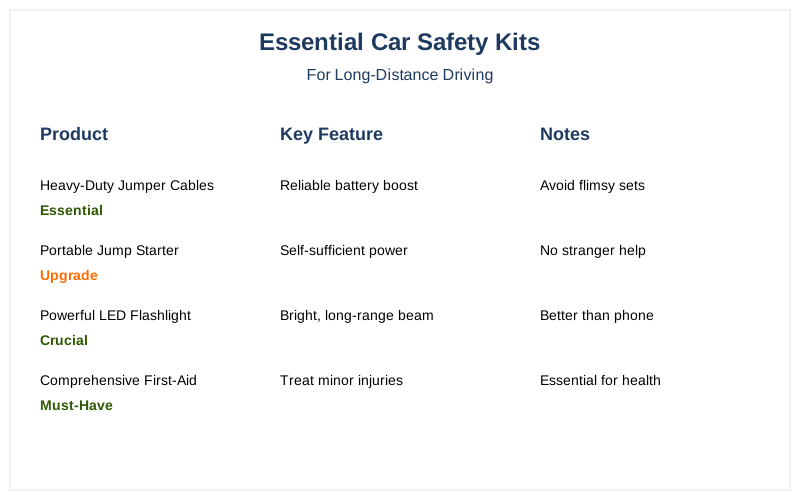
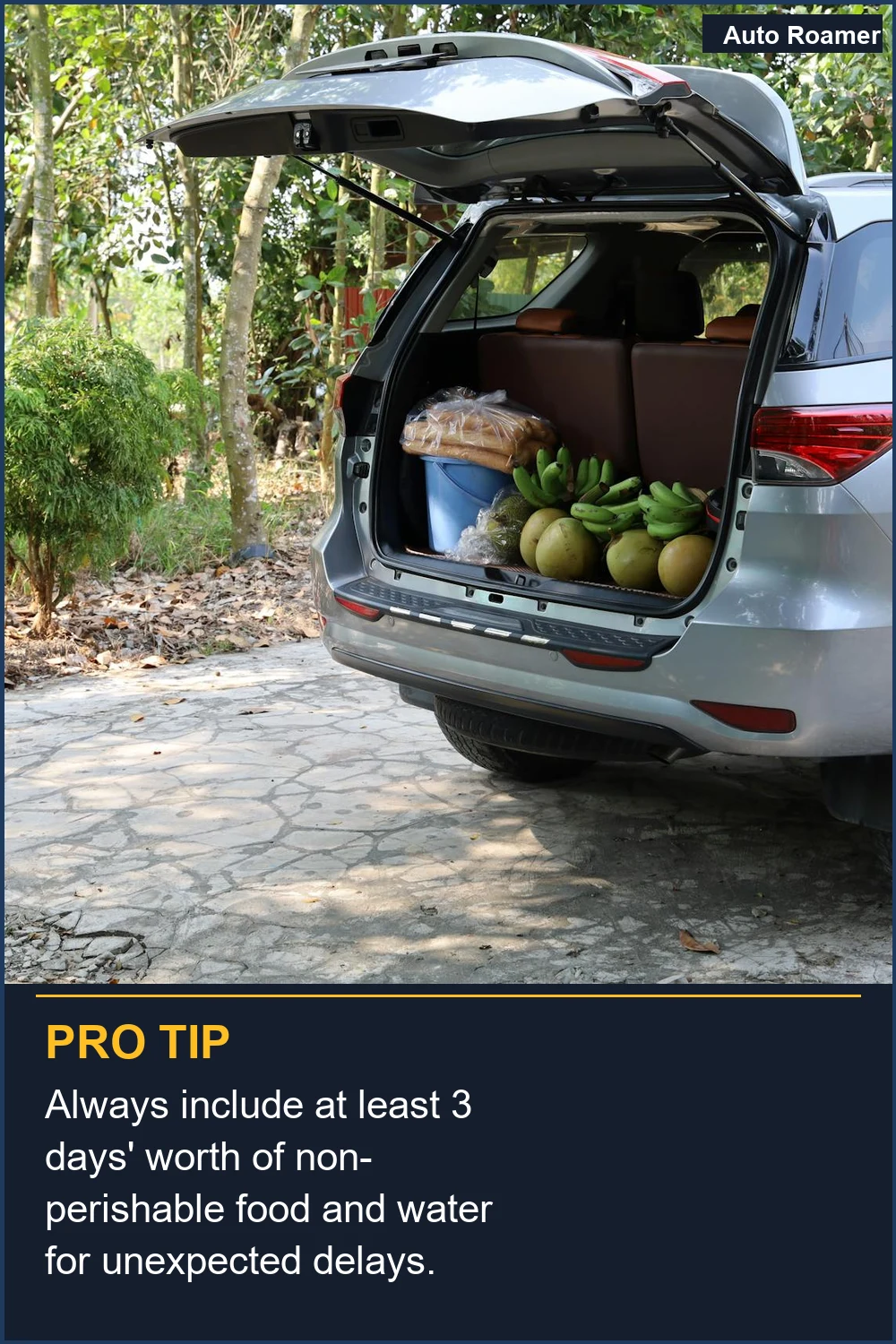
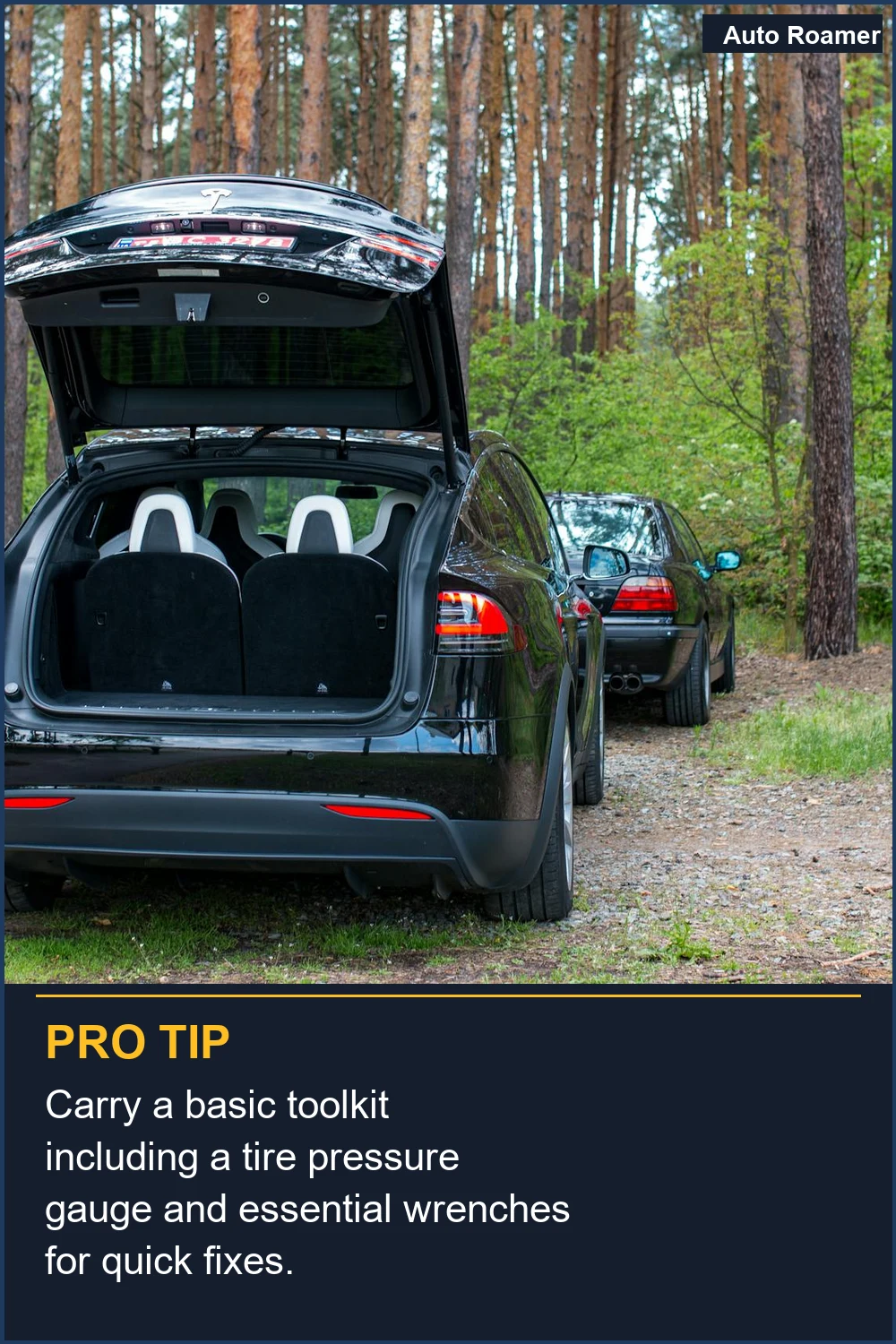
Alright, let's talk about the actual stuff you need to not become a cautionary tale. Forget the giant bins of random junk; we're talking about essentials that actually solve problems. First up, jumper cables. Not the flimsy dollar-store kind, but heavy-duty ones. I once tried to jump a friend's minivan with some cheapo set, and all I got was a pathetic spark and a strong urge to cry. Get cables that feel like they could jump-start a small tank. Safetykitsplus.com agrees they're non-negotiable. A portable jump starter is the fancy, self-sufficient alternative, and if you've got the cash, it's a solid upgrade. No more begging strangers for a boost. Then there's a good flashlight. Not your phone's tiny LED. I'm talking a proper beam that can cut through the dark. I learned this when my headlights died on a deserted road at 2 AM. My phone died 30 minutes later. Rookie mistake. Get one with fresh batteries, and maybe a spare set. Ready.gov lists this as a must-have. Reflective triangles are your friends for nighttime breakdowns. You don't want to be the reason someone else has a bad night. They're cheap, and they dramatically increase your visibility. The Red Cross emphasizes safety. A multi-tool is your Swiss Army Knife for roadside woes. Needs to be sturdy, not some flimsy keychain thing. I've used mine to cut a seatbelt (thankfully, not in an emergency) and tighten loose bolts. It's the $20 fix that saves you a tow truck bill. Wired mentions these as well. Tire repair kit and inflator: For minor punctures, this is a game-changer. Saves you waiting for AAA in the pouring rain. A tire gauge is also crucial; properly inflated tires save gas and prevent blowouts. Safetykitsplus.com highlights this for quick fixes. Water and non-perishable snacks are obvious but often overlooked. Think granola bars, not a full Thanksgiving dinner. And definitely a first-aid kit. Nothing fancy, just the basics: bandages, antiseptic wipes, pain relievers. My first aid kit once patched up a nasty cut from a rogue tree branch. It was messy, but it worked. The Red Cross says it's one of the most important items. Lastly, a blanket. Even in summer, nights can get surprisingly chilly, especially if your car breaks down. A simple fleece blanket can be the difference between shivering and sleeping. Ready.gov suggests this for warmth.
Why This Matters for Your Setup
Why does all this matter for your setup? Because the real move is to avoid being the person who causes a multi-car pileup or spends 12 hours freezing their butt off. It's about being prepared, not paranoid. My first long road trip, I packed like I was moving. Cooler, camp stove, the works. I used maybe 10% of it. The other 90% just took up space and made me feel like a fool when I needed something simple, like a flashlight. This is the $50 version of peace of mind.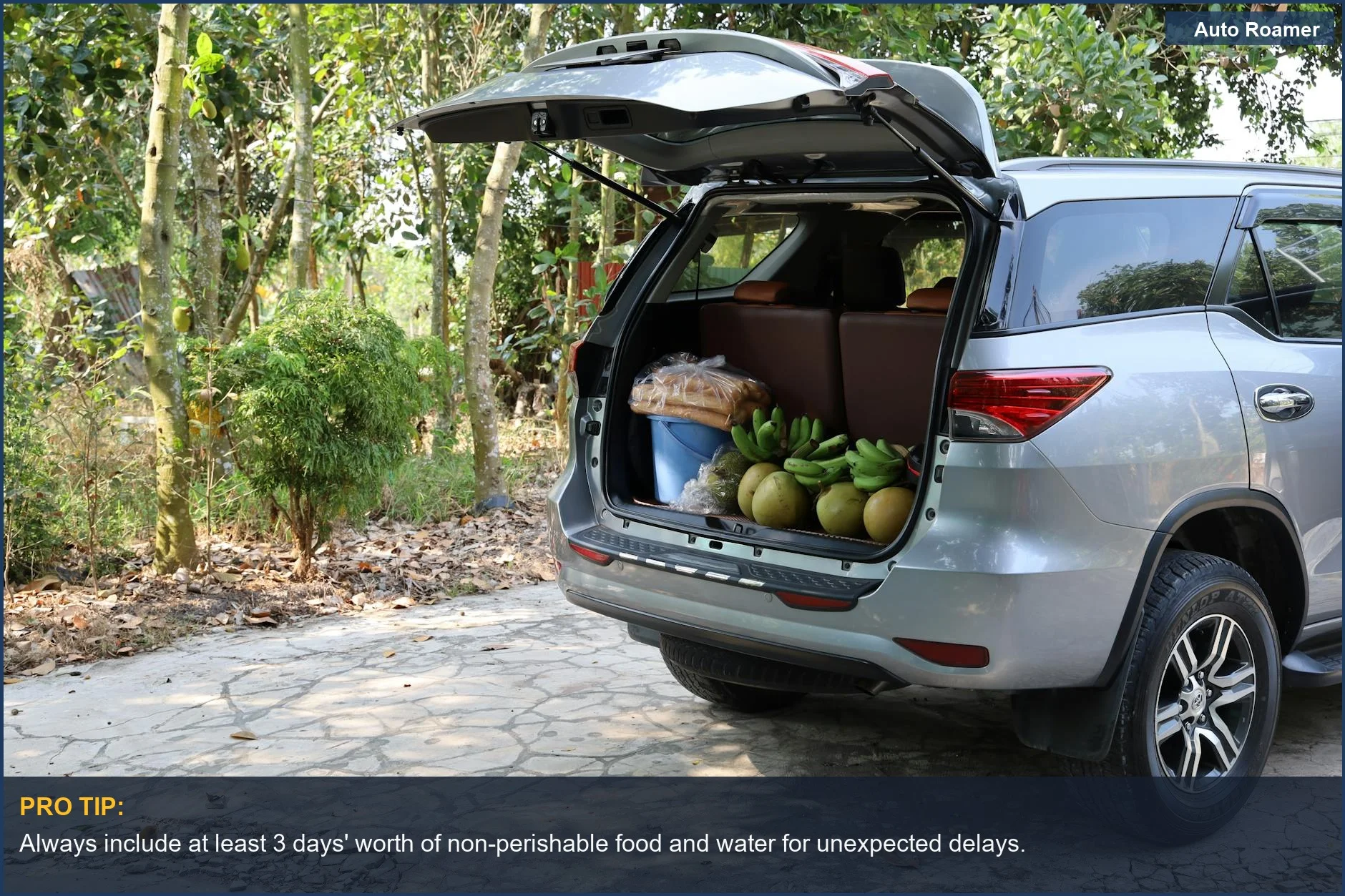
Making the Right Choice
Making the right choice for your car safety kit isn't about buying the most expensive stuff; it's about buying the *smartest* stuff. Think about what actually solves problems and what you can realistically use. My first attempt at a kit was a joke, full of things I thought looked cool but were useless. The honest version is to start simple and build from there.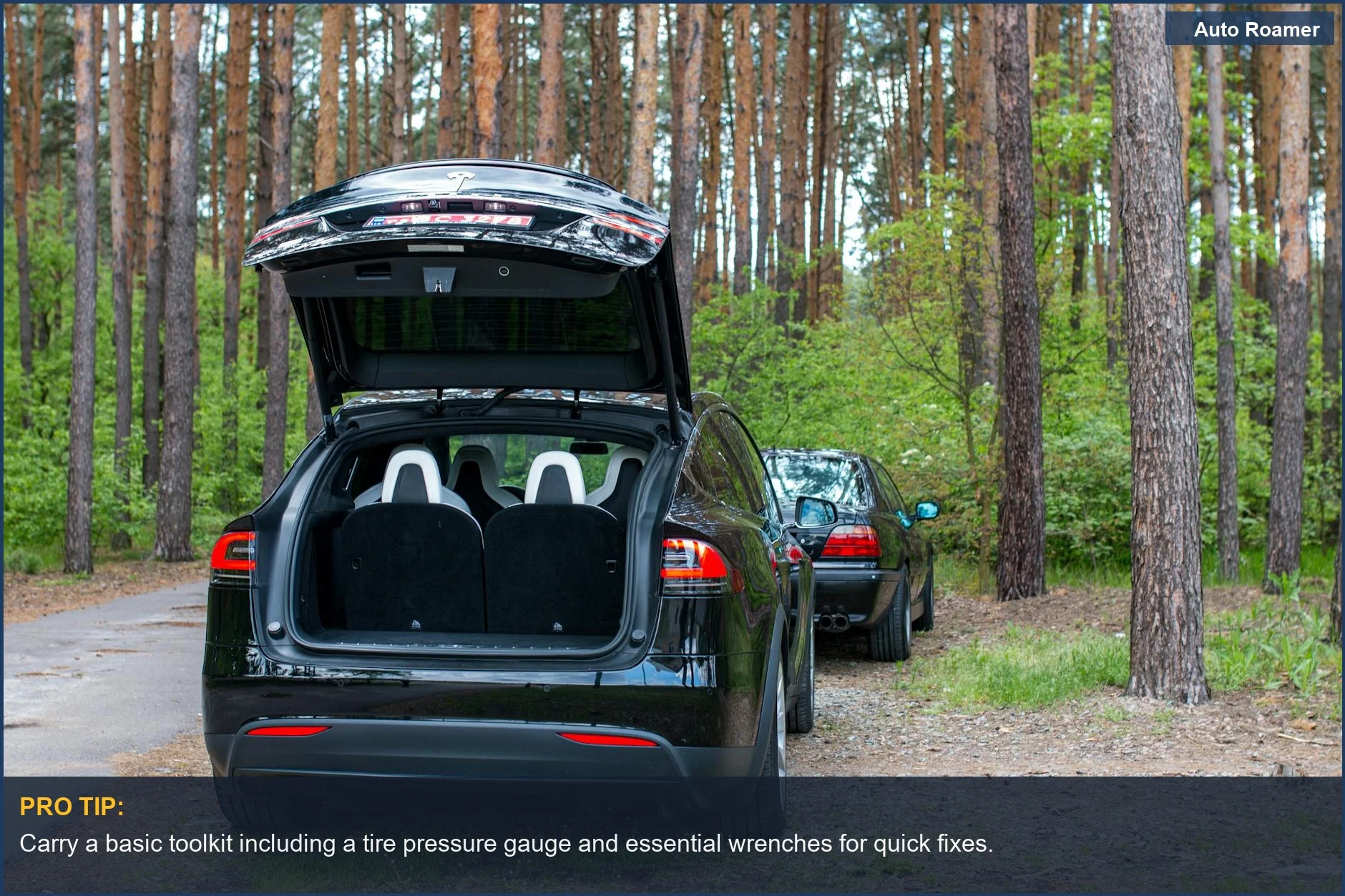
Frequently Asked Questions
I saw a fancy roadside assistance kit at the auto parts store for $200. Is it cheaper to just buy that than assemble my own for, say, $75?
Do I really need one of those fancy tire pressure gauges, or can I just eyeball it?
What if my car battery is completely dead, and the jumper cables don't work? Will a portable jump starter still get it going?
Can keeping a bunch of stuff in my trunk for years damage my car?
I heard you don't need a physical map anymore because of GPS. Is that true?
🏅 Looking for Gear Recommendations?
Check out our tested gear guides for products that work with this setup: