
Maintaining Your Car Emergency Kit: Tips for Longevity and Readiness
Keeping your car's emergency kit stocked and ready is less about fancy gadgets and more about avoiding a miserable roadside nap. My first attempt at a kit was a sad Ziploc bag with a half-eaten granola bar and a single AAA battery that died two years prior.
Keeping your car's emergency kit stocked and ready is less about fancy gadgets and more about avoiding a miserable roadside nap. My first attempt at a kit was a sad Ziploc bag with a half-eaten granola bar and a single AAA battery that died two years prior. Turns out, salt water and expired pain relievers don't do much for a flat tire in a snowstorm.
A proper kit is your first line of defense when things go sideways, and it needs to be more than just wishful thinking. It's about having the right stuff, checked regularly, so it actually works when you need it most. Think of it as your car's personal survival blanket.
The Core Answer
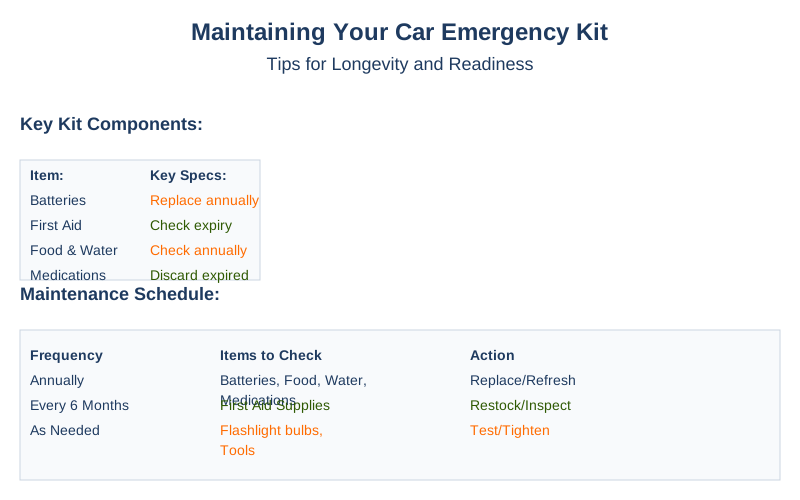
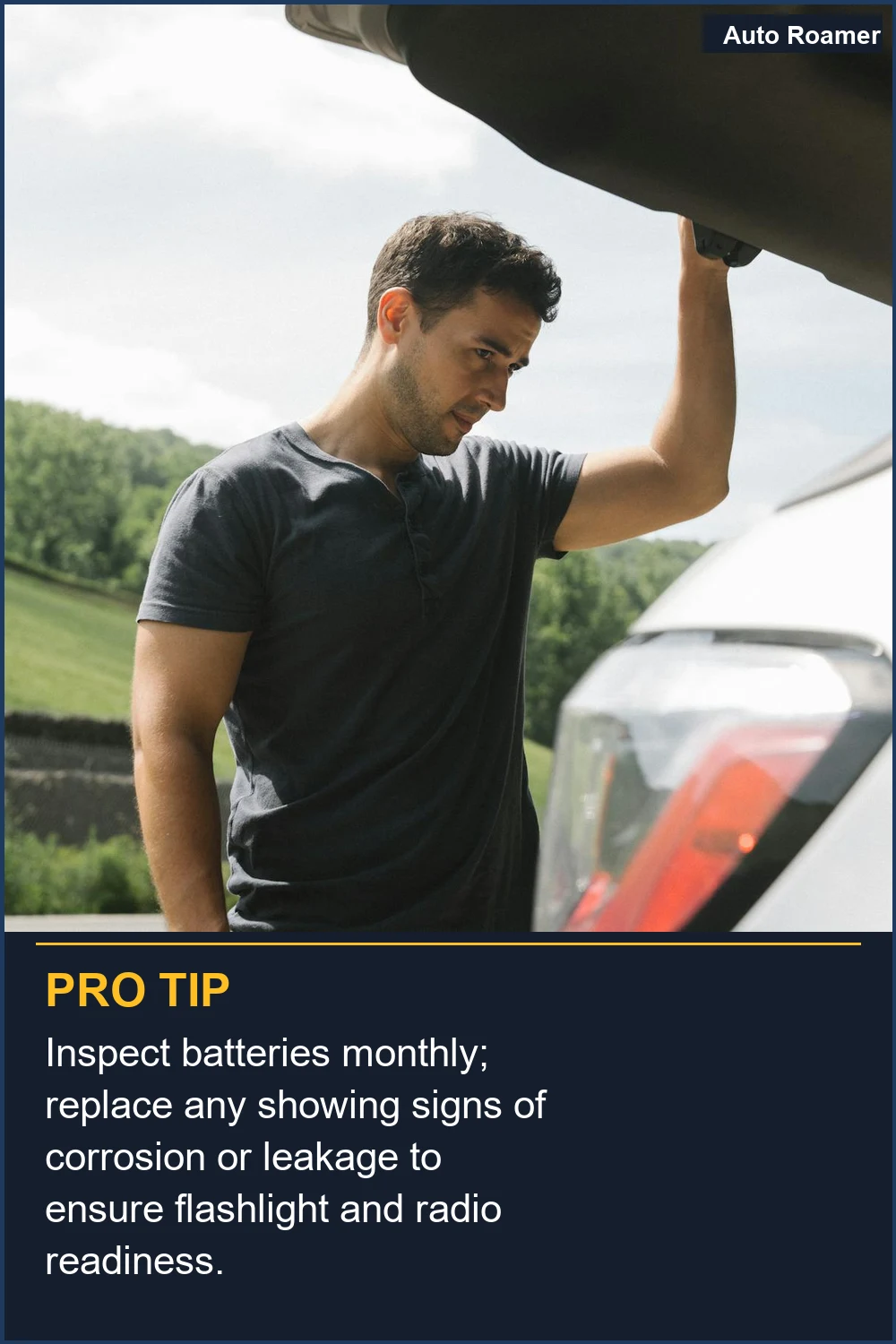
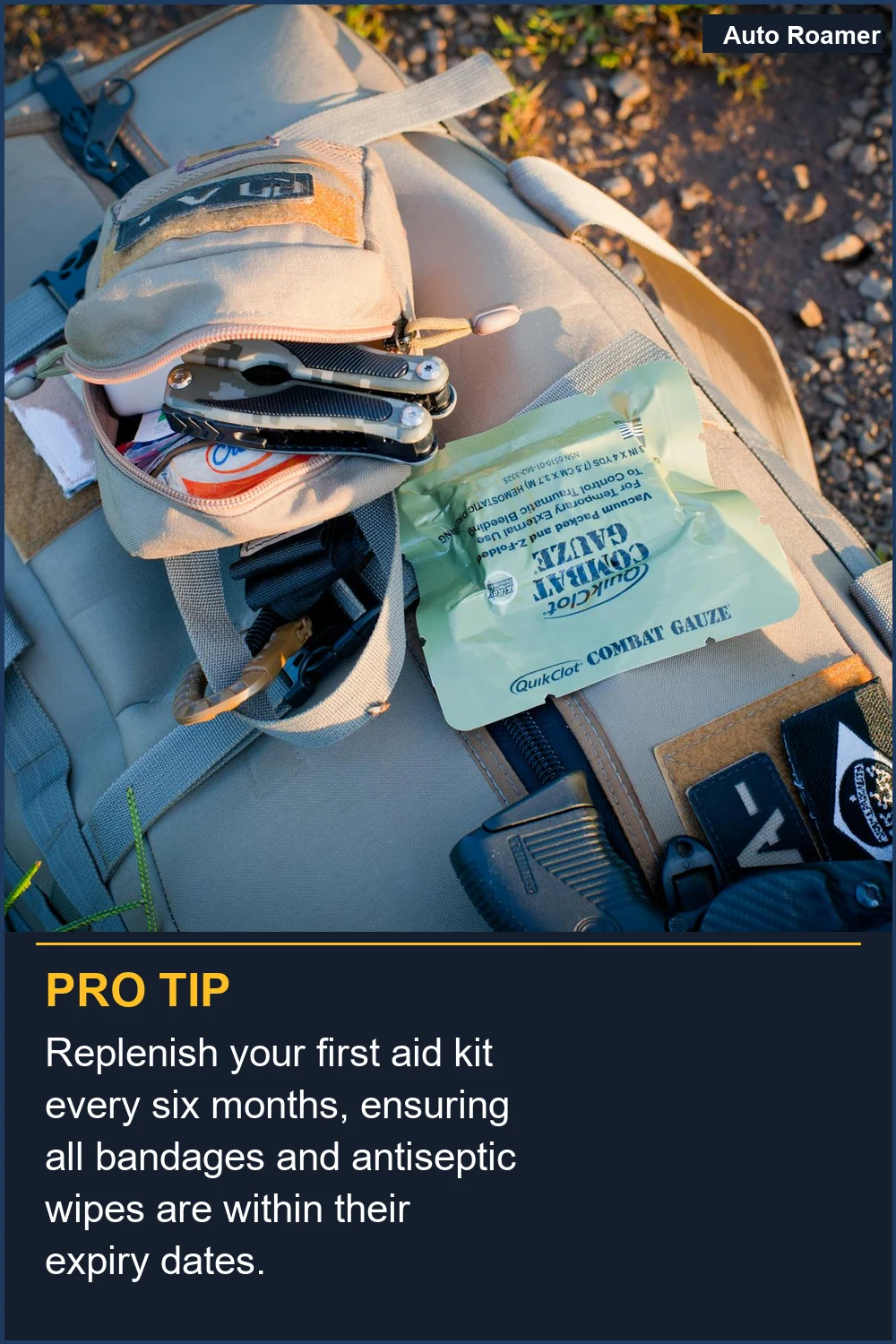
The real move here is understanding that your emergency kit isn't a 'set it and forget it' operation. Just like you wouldn't show up to a job interview in pajamas, your car kit needs to be presentable and functional. First off, batteries. They're the silent killers of preparedness. That flashlight you packed? It's useless without juice. I learned this the hard way outside of Denver when my headlamp died 10 minutes into a tire change at 11 PM. Replace batteries annually, or at least every 18 months. It's a rookie mistake to assume they'll last forever. Check expiration dates on food and water too. That dusty bag of jerky might look like a lifesaver, but if it's older than your driving license, it's probably not. The Washington State Department of Health suggests writing the date on everything and replacing it every six months. That feels a bit much for me, but definitely check your food and water annually. Medications are another big one. Got some expired ibuprofen? Toss it. It's less effective and could even be harmful. Your first aid kit needs fresh bandages and sterile wipes, not relics from a bygone era. Think about the weather too. In winter, that blanket needs to be a proper thermal one, not a beach towel. Check your jumper cables. Are they frayed? Are the clamps corroded? Mine looked like they'd survived a Viking raid before I replaced them. It's the little things, like ensuring your tire pressure gauge actually works, that make the difference between a minor inconvenience and a full-blown disaster. I once saw a guy try to inflate a tire with a hand pump that had a hole the size of a quarter in it. Brilliant engineering. Don't be that guy. Your kit needs to be game-time ready, not 'maybe someday' ready.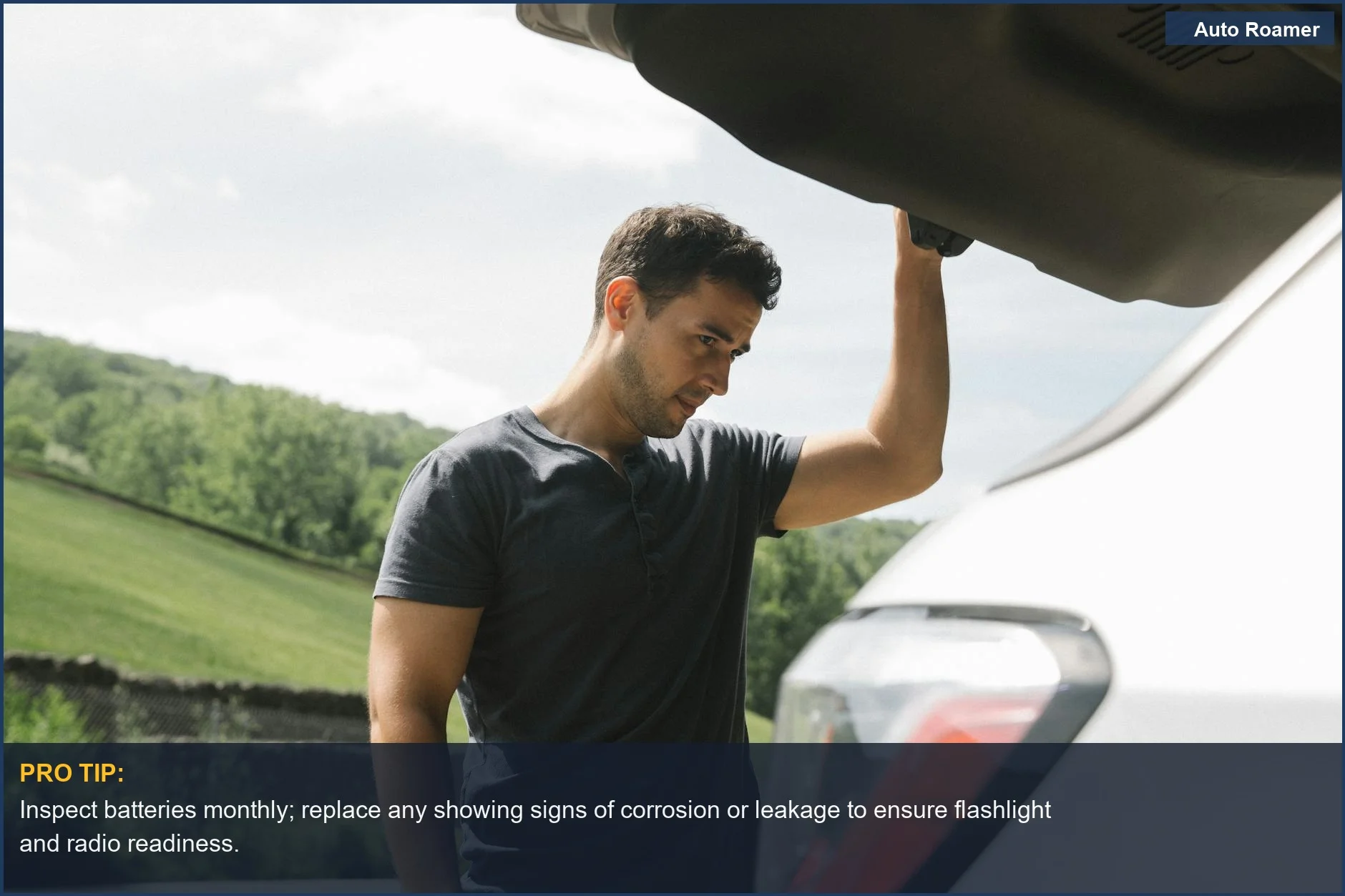
Why This Matters for Your Setup
Your car emergency kit is like your camping gear - it's only useful if it's actually usable. When I first started car camping, I had a kit that was essentially a graveyard of expired snacks and dead batteries. It was heavy, took up space, and was completely useless. The honest version is that if you don't check it, it's just dead weight.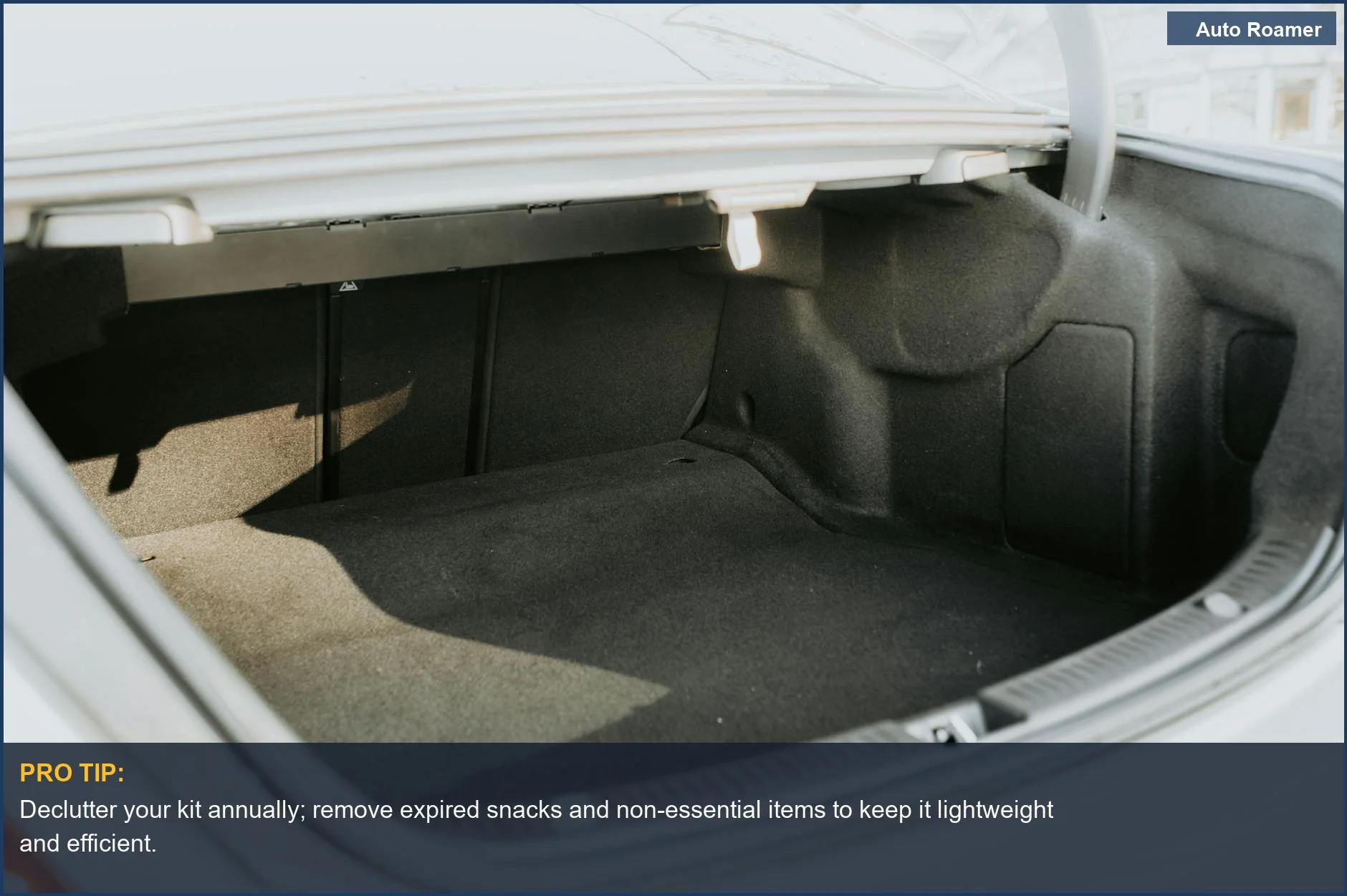
Making the Right Choice
The best car emergency kit is one that's actually ready to go when you are. It's not about having the most expensive gear, but about having the right gear maintained. My first kit was a joke, but now I treat it like my camping gear - check it, clean it, and replace what's needed.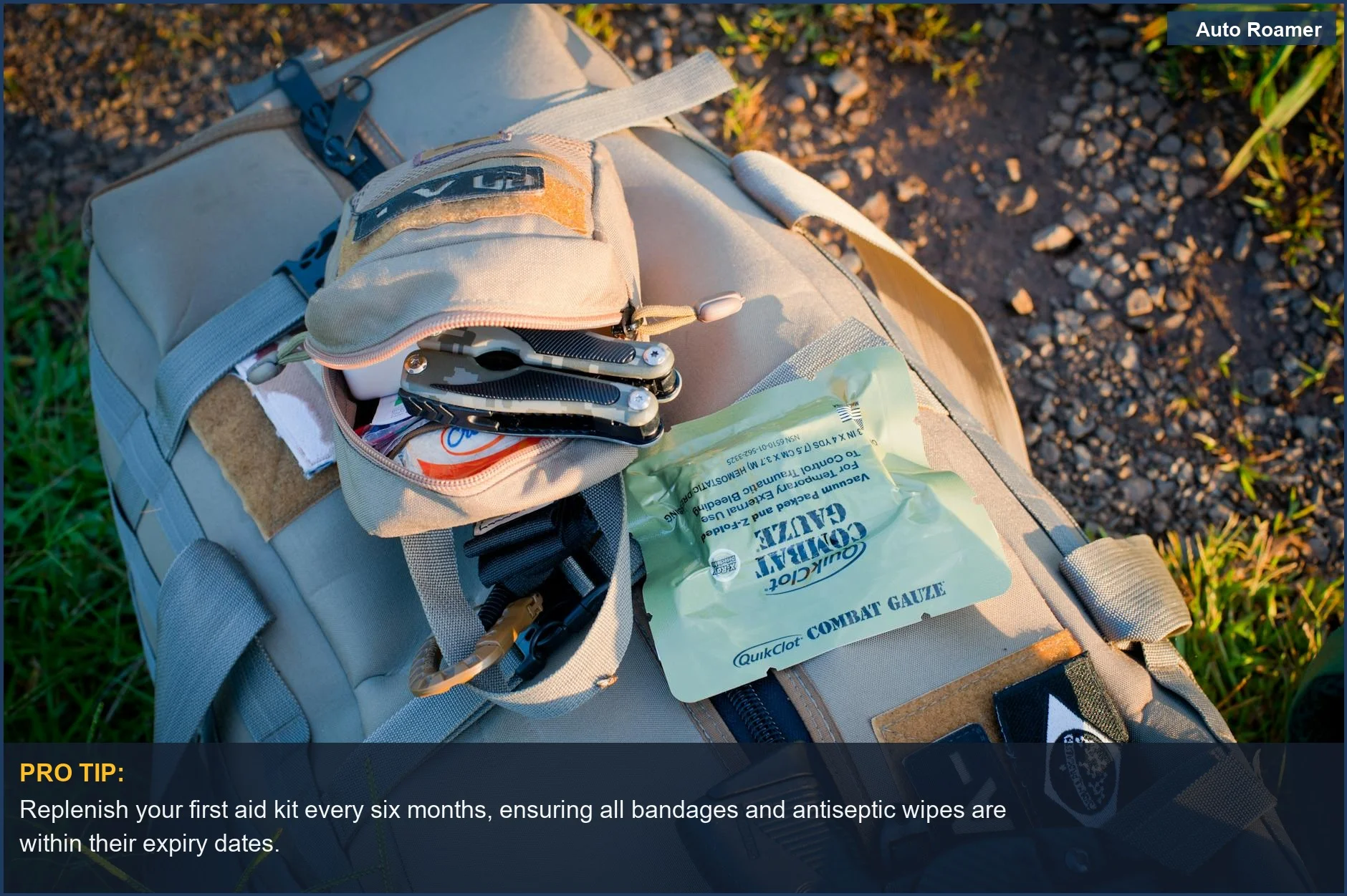
Frequently Asked Questions
I saw a 'deluxe' car emergency kit online for $150. Is it cheaper to just buy all the stuff myself?
Do I really need one of those fancy tire inflators or can I just use my bike pump?
What if I check my kit, and my batteries are still dead even though I replaced them last year?
If I leave food and water in my car all the time, can it damage my actual car?
I heard you should keep a gun in your emergency kit for self-defense. Is that true?
🏅 Looking for Gear Recommendations?
Check out our tested gear guides for products that work with this setup: