
When Should You Replace Items in Your Car's Roadside Emergency Kit?
Your car's roadside emergency kit isn't just a collection of random stuff you tossed in the trunk years ago; it's your lifeline when things go sideways. Materials degrade, batteries die, and that half-eaten granola bar you threw in there in 2019 is probably less 'energy' and more 'petri dish' by now.
Your car's roadside emergency kit isn't just a collection of random stuff you tossed in the trunk years ago; it's your lifeline when things go sideways. Materials degrade, batteries die, and that half-eaten granola bar you threw in there in 2019 is probably less 'energy' and more 'petri dish' by now. Think of it like your camping gear - if you don't check it, you'll find out it's useless at 2 AM in a blizzard.
A quick once-over every six months is the real move to make sure you're actually prepared, not just carrying dead weight national autocollision centers. It's about having the right stuff, ready to go, when you need it most, not hoping that expired glow stick still works.
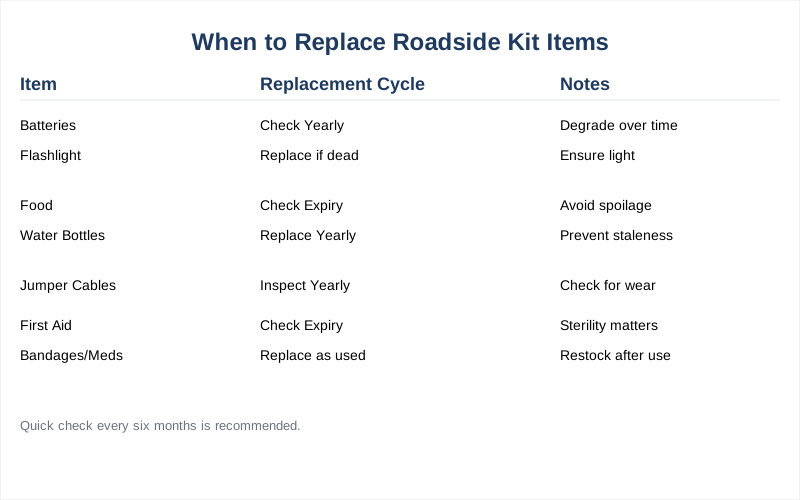
The Core Answer
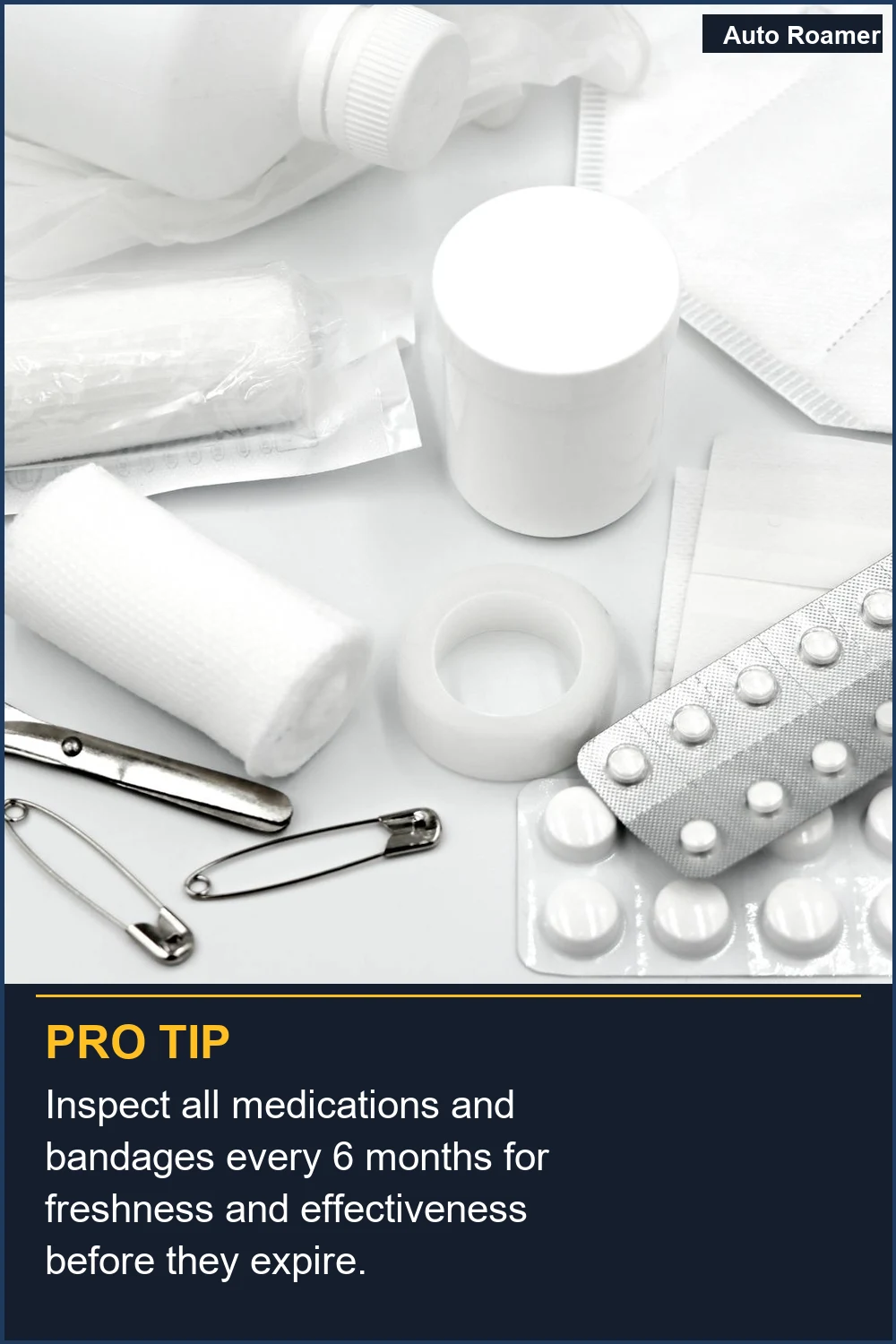
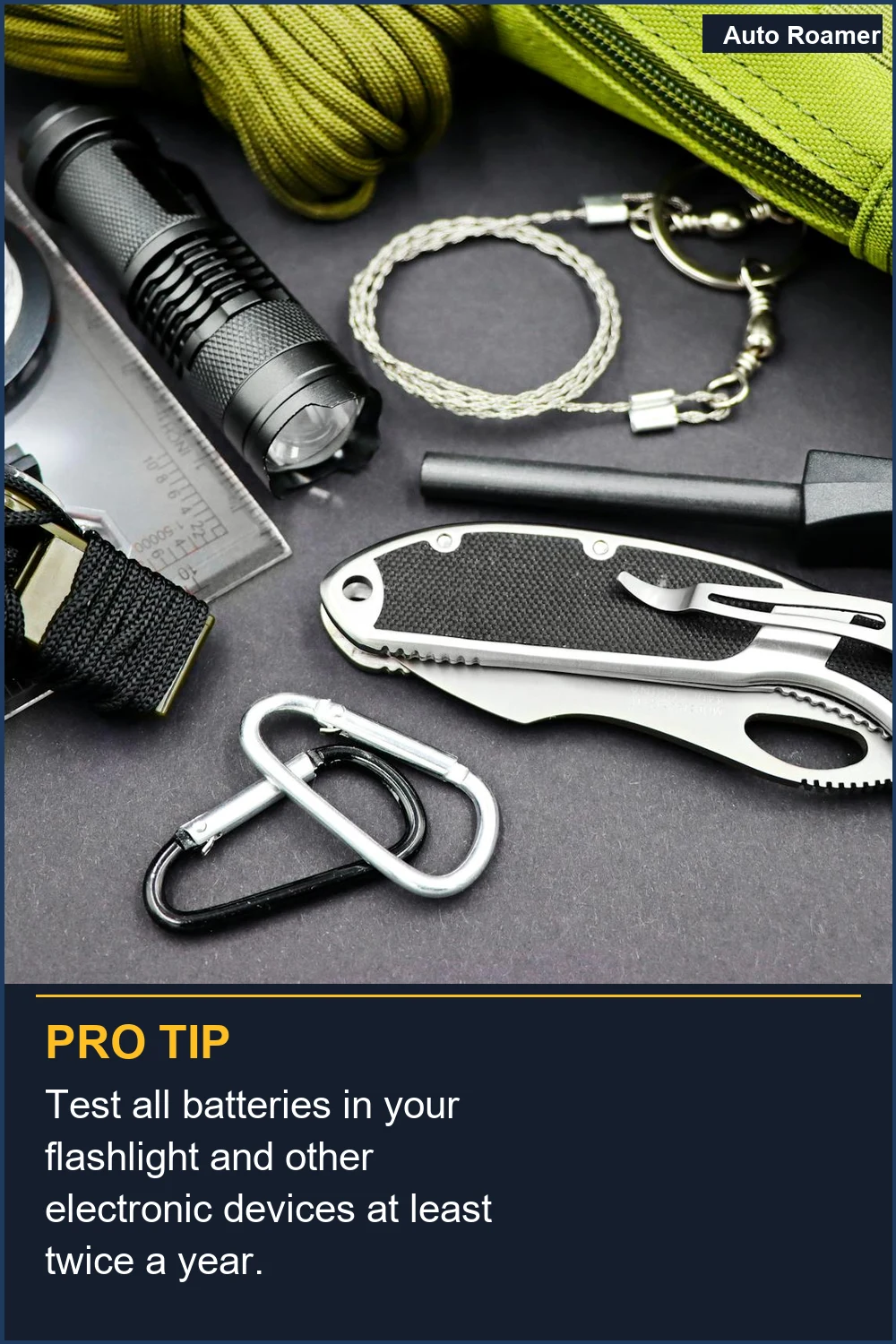
The honest version is that most people shove a bunch of stuff into a bag and then forget about it until they're staring at a flat tire on a dark highway. Rookie mistake. Your kit needs to be a living, breathing thing, not a dusty relic. Think about it: that flashlight needs working batteries, and those bottled waters can go bad California Highway Patrol. I learned this the hard way when my flashlight died during a blackout near Big Bear, California. Turns out, 'extra batteries' doesn't mean 'batteries from 2010'. Food is another big one. Those energy bars you packed? Check the expiration dates. You don't want to be surviving on something that tastes like cardboard and regret. The same goes for any water you keep in there; it's best to swap it out yearly California Highway Patrol. My first attempt at a food supply was a bag of trail mix that had fused into a solid brick. Beyond the perishables, physical items can degrade too. Jumper cables can get corroded, and even a first aid kit's sterile supplies aren't going to be much good if they're compromised. It's a good idea to check your kit every six months Ready.gov. I usually do it when I switch my tires over for the season. It's a little bit of preventative maintenance that can save you a lot of hassle, and potentially, a lot of money on a tow truck. Think about the climate you drive in, too. If you're in a place that gets cold, that blanket needs to be more than just a thin throw. You might need hand warmers or even a mylar sleeping bag American Red Cross. I once got caught in a freak snowstorm in the Rockies with a kit that was basically a joke for winter survival. My $5 fleece liner from Amazon saved me, but it shouldn't have been my only line of defense. Don't forget about visibility. Flares and reflective triangles can degrade. Make sure they're not brittle or faded. A flashlight with fresh batteries is crucial, and extra batteries should be checked too. The last thing you want is to be stranded on the side of a busy road at night with no way to signal for help or even see what you're doing national autocollision centers. It's about being seen and being able to work safely.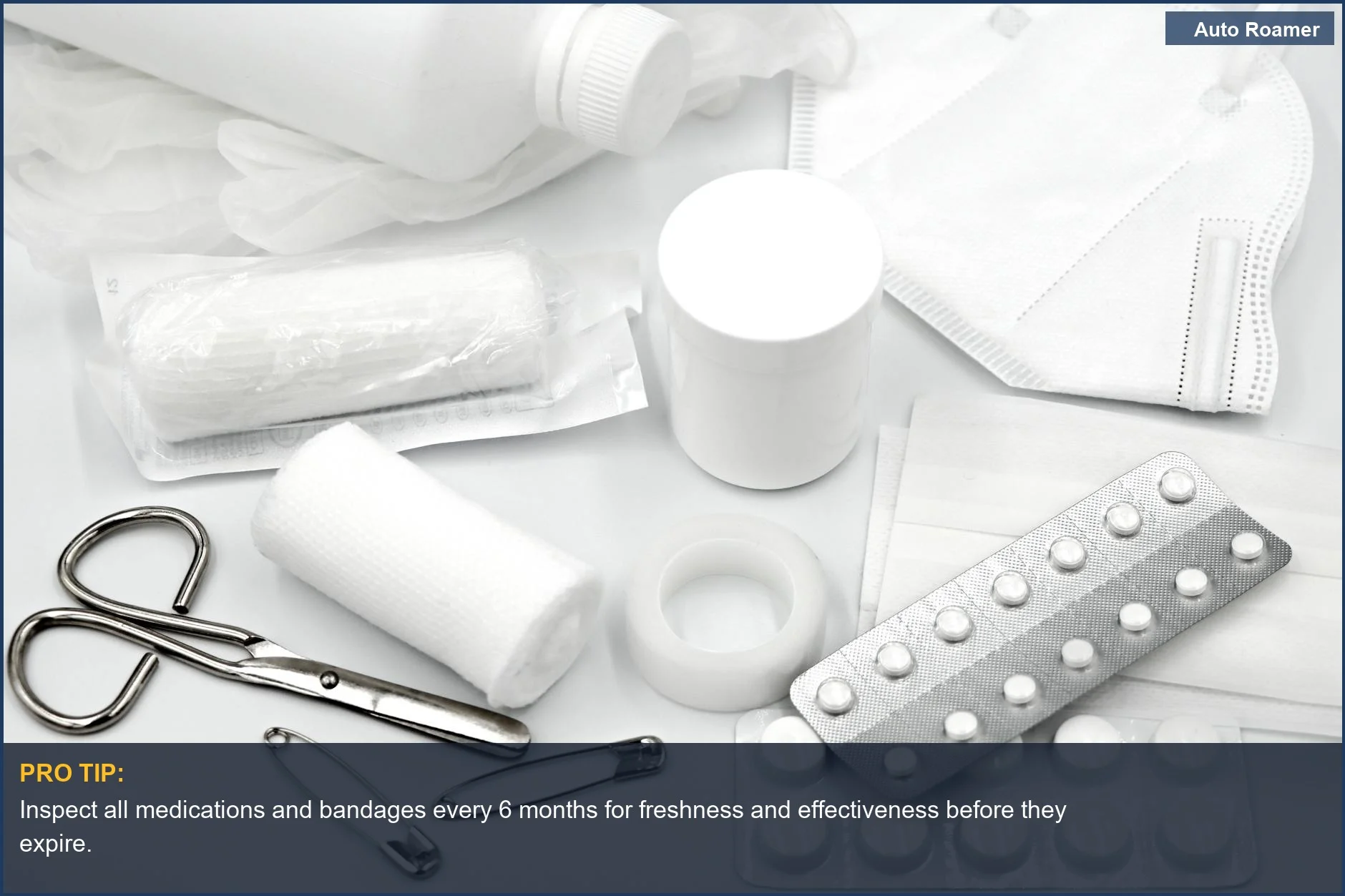
The Bottom Line
The bottom line is this: your roadside emergency kit is not a 'set it and forget it' kind of deal. It requires a little bit of attention, like checking your tire pressure or making sure your oil isn't bone dry. A good rule of thumb is to give it a solid once-over every six months Reddit. This isn't rocket science, it's just basic preparedness. When you're doing your check, actually test things. Does the flashlight turn on? Are the batteries corroded? Is the water still drinkable? Are the energy bars edible, or have they achieved sentience? It's the $50 version of peace of mind, compared to the hundreds you'll drop on a tow if your kit fails you. My second check revealed a flashlight that was completely dead, batteries leaking. Brilliant.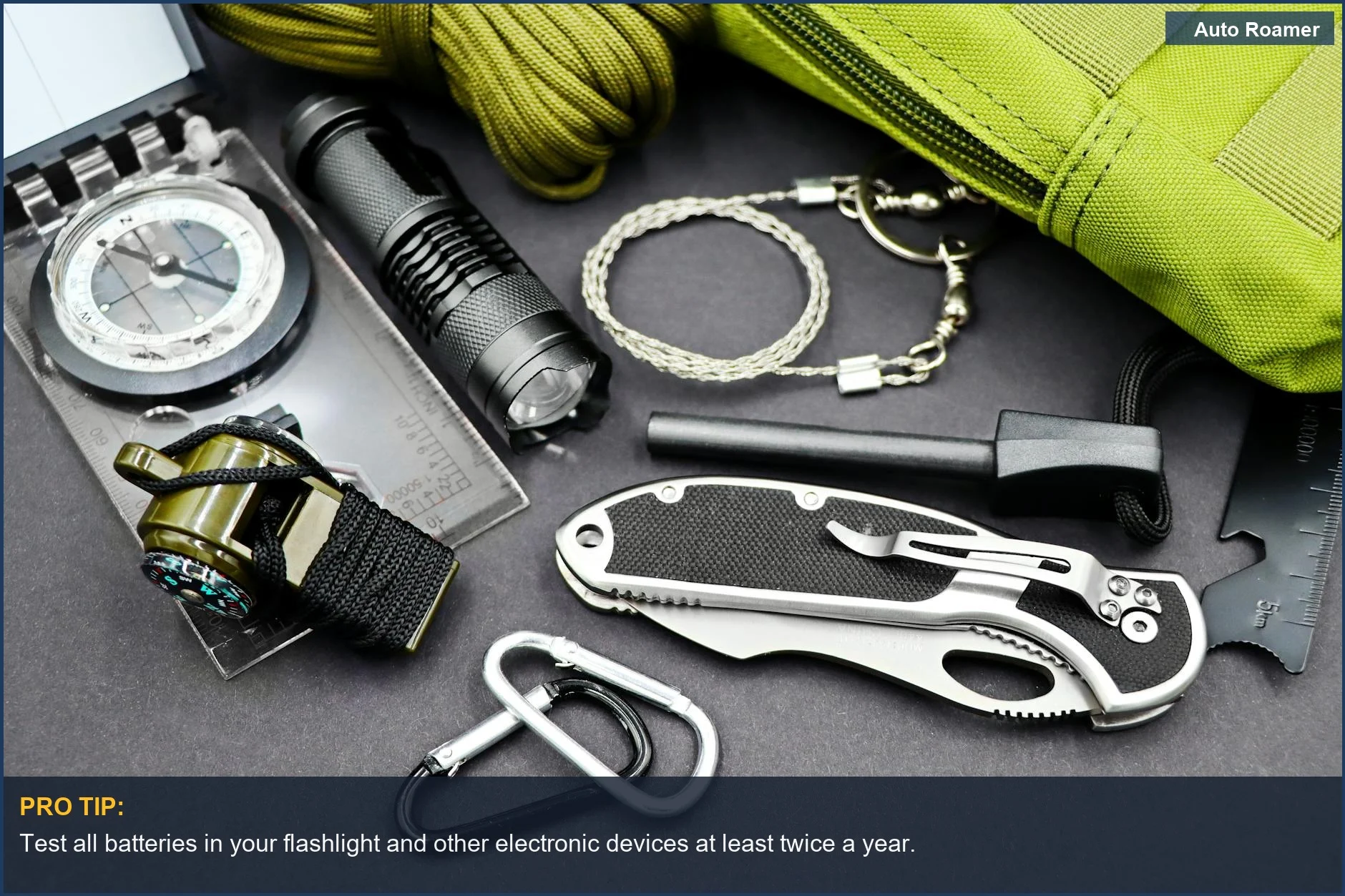
Frequently Asked Questions
Is it cheaper to buy a pre-made roadside kit or put one together myself?
Do I really need a tire pressure gauge in my kit?
What if I check my kit and half the stuff is expired or broken?
Can leaving expired food or liquids in my car permanently damage something?
Is it true that I should change the water in my kit every six months?
🏅 Looking for Gear Recommendations?
Check out our tested gear guides for products that work with this setup:
Sources
- Now's a good time to take a look at your car emergency kit and ...
- Emergency Car Kit: 10 Essential Items - American Red Cross
- When Was the Last Time You Updated Your Roadside Emergency ...
- What should I actually keep in my car? What roadside emergencies ...
- Roadside Emergency Kit - California Highway Patrol - CA.gov