
When Should You Replace Items in Your Car Emergency Kit?
Your car emergency kit isn't just a box of random stuff; it's your personal roadside rescue squad. Think of it like your car's personal doctor, but instead of a white coat, it wears a dusty plastic bin in your trunk.
Your car emergency kit isn't just a box of random stuff; it's your personal roadside rescue squad. Think of it like your car's personal doctor, but instead of a white coat, it wears a dusty plastic bin in your trunk. Keeping it updated isn't some bureaucratic chore; it's about making sure that when your car decides to take an unscheduled nap on the shoulder, you're not stuck shivering with a dead flashlight and stale crackers.
Regular check-ups mean your kit is game-time ready, not a sad reminder of forgotten good intentions. Ready.gov reminds us that this preparedness is key. Arbor Motion highlights how seasonal changes matter. It's about being smart, not just lucky, and that means knowing when to swap out the old for the new. Ready.gov Facebook also stresses this point. Don't let your kit become a graveyard of expired energy bars and useless batteries.
The Core Answer
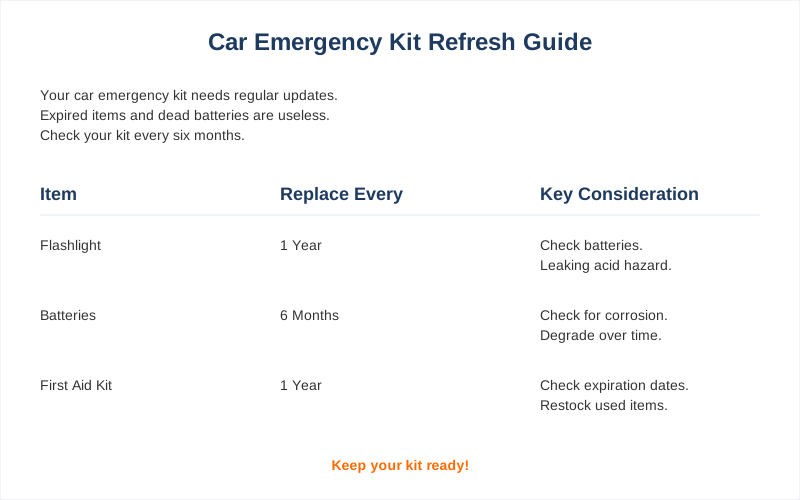
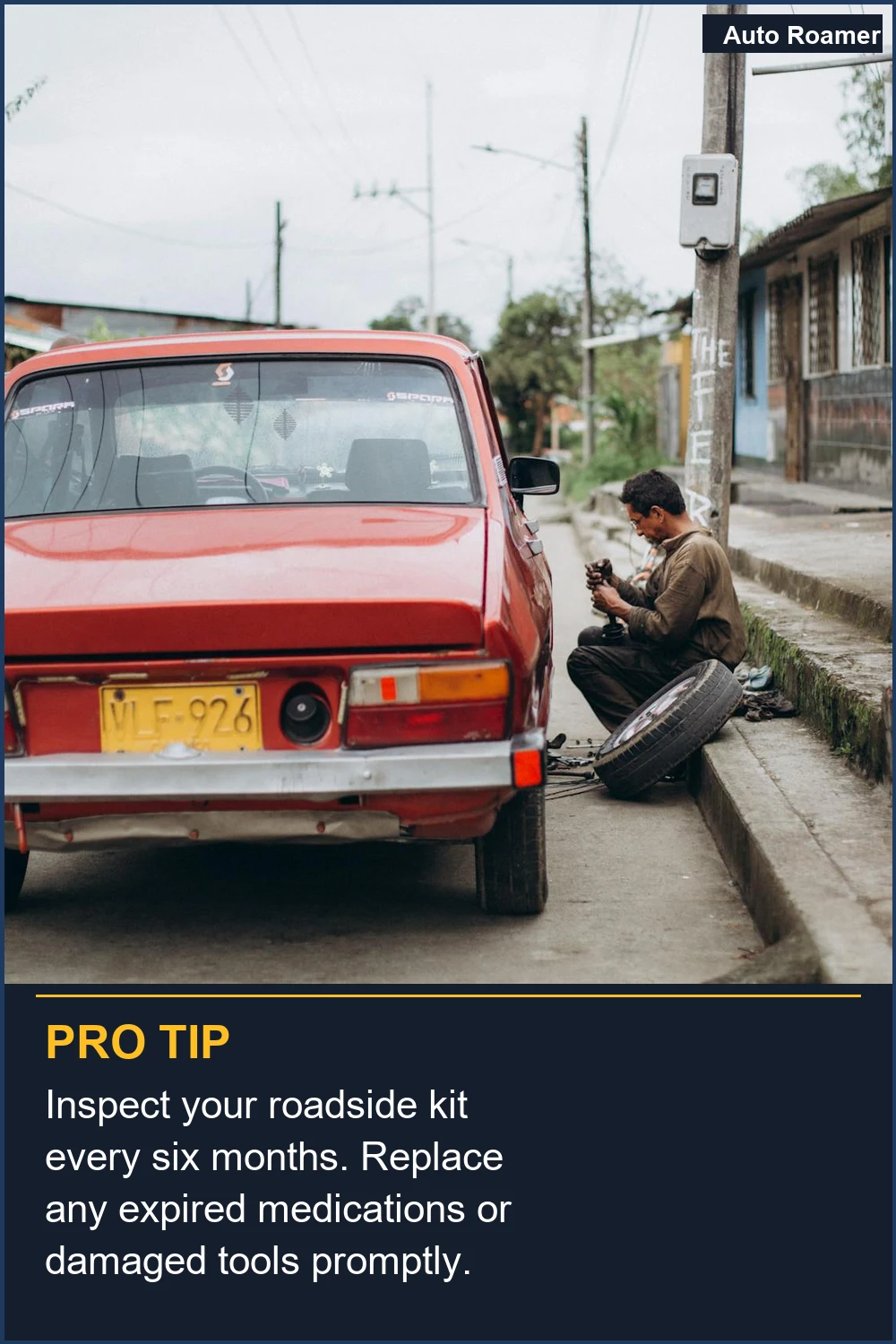
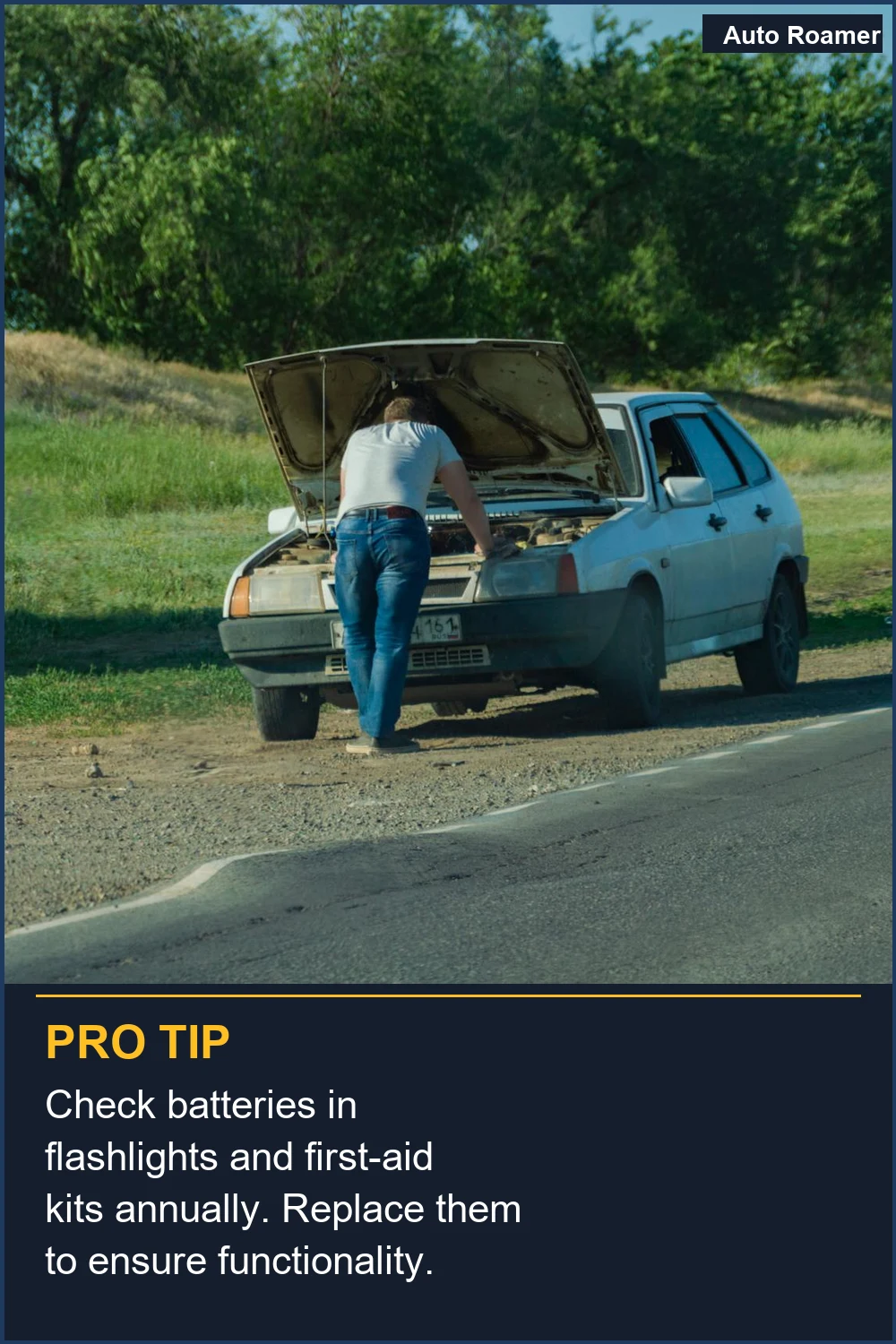
The honest version is that your car emergency kit needs a refresh more often than you think. Materials degrade, batteries die, and that granola bar you packed three years ago is probably less 'emergency fuel' and more 'rock-hard science experiment.' National Auto Collision Centers suggests checking it every six months. That's not a suggestion; it's a reality check. Think about it: a dead flashlight is about as useful as a screen door on a submarine. And those batteries you forgot about? They might have leaked acid, turning your flashlight into a miniature biohazard. That's a rookie mistake I've personally witnessed, and it ain't pretty. Facebook group discussions often echo this need for vigilance. Food items, especially, have expiration dates. Eating a stale protein bar is one thing; eating a rancid one is another. I once found a packet of beef jerky that had fossilized into something resembling a prehistoric tool. Brilliant engineering, really. Also, remember those hand warmers for winter? They don't do squat in July. Arbor Motion points out the seasonal swap is critical. So, twice a year, pull everything out, check dates, test electronics, and replace what's expired or dead. It takes maybe 30 minutes, and it's infinitely better than being stranded with useless junk. That battery jump pack you bought? Test it. Those flares? Make sure they're not brittle. It's the real move to avoid being the roadside cautionary tale.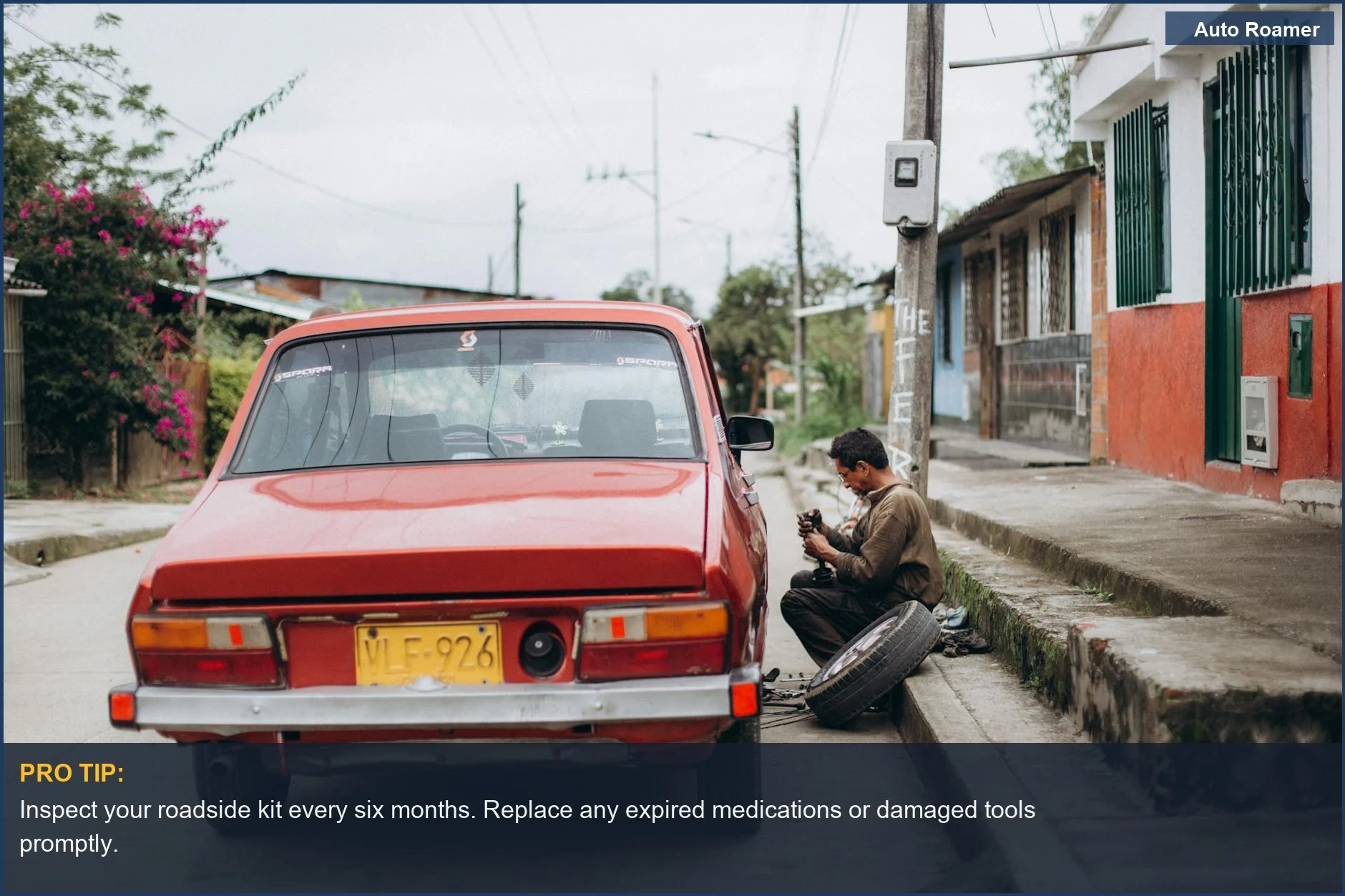
The Bottom Line
Look, nobody wants to be that person stuck on the side of the highway with a car that's decided to retire early. The simplest move is to make a recurring calendar event for yourself, say, every April and October. This is your 'kit audit' reminder. Reddit's askcarguys is full of people wishing they'd done this. Think of it as a quick pit stop for your peace of mind. You don't need a mechanic's degree to check batteries or sniff expired snacks. Just a few minutes can save you hours of frustration and potentially a much larger bill later. A $50 roadside kit that's maintained is worth 10 times that when you actually need it. Bridgestone Tires emphasizes the importance of this preparation. Don't wait for a problem to realize your kit is a bust. Be proactive, not reactive. It's the weekend warrior way: be prepared, stay safe, and keep rolling.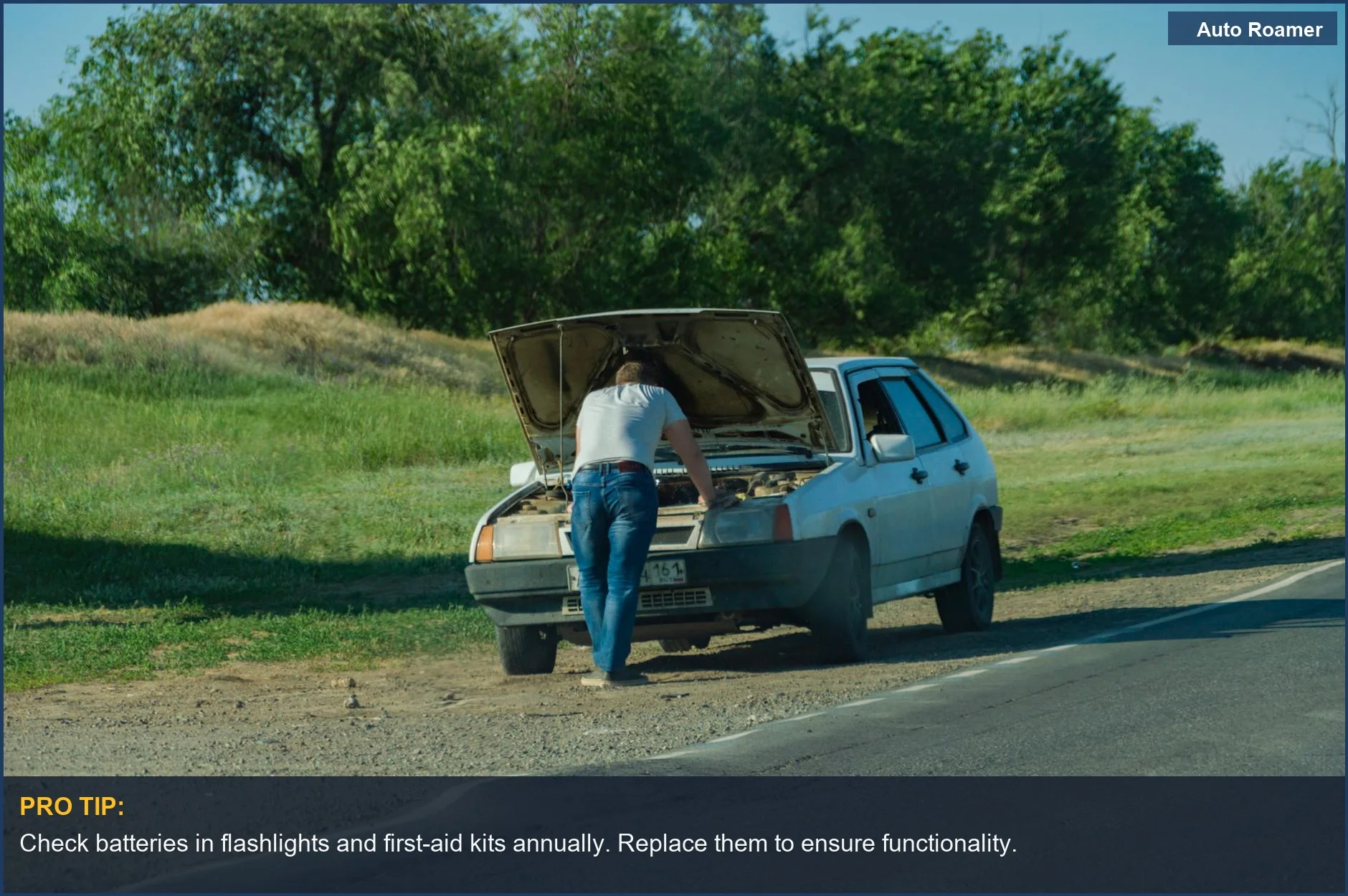
Frequently Asked Questions
What if I just buy a pre-made kit instead of building my own? Is that cheaper?
Do I really need a fancy battery jump pack, or are jumper cables enough?
What if my car breaks down in a blizzard and my kit doesn't have enough blankets?
Can leaving old batteries in my kit for too long damage my car?
I heard you don't really need a first-aid kit if you have AAA. Is that true?
🏅 Looking for Gear Recommendations?
Check out our tested gear guides for products that work with this setup:
Sources
- What to Have in a Roadside Emergency Kit - Bridgestone Tires
- Now's a good time to take a look at your car emergency kit and ...
- When Was the Last Time You Updated Your Roadside Emergency ...
- When was the last time you updated your emergency kit? - Facebook
- Car Safety | Ready.gov
- What should I actually keep in my car? What roadside emergencies ...
- arbormotion.com