
How to Choose the Right Size Car Emergency Kit for Your Needs
Choosing the right size car emergency kit isn't about stuffing your trunk like you're moving apartments. It's about having enough essentials to handle common roadside hiccups without turning your vehicle into a mobile storage unit. Think smart, not just big.
Choosing the right size car emergency kit isn't about stuffing your trunk like you're moving apartments. It's about having enough essentials to handle common roadside hiccups without turning your vehicle into a mobile storage unit. Think smart, not just big. The goal is preparedness, not panic-induced hoarding. Red Cross and AAA both emphasize having a kit, but the 'size' depends on your personal needs and typical driving conditions. It's a balance between being ready and being burdened.
My first kit was a disaster of overpacking, so trust me, I've learned the hard way.
The Core Answer
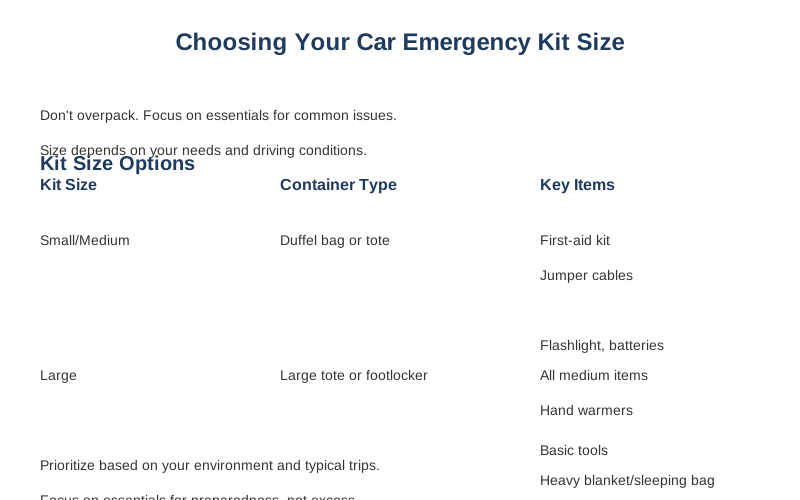
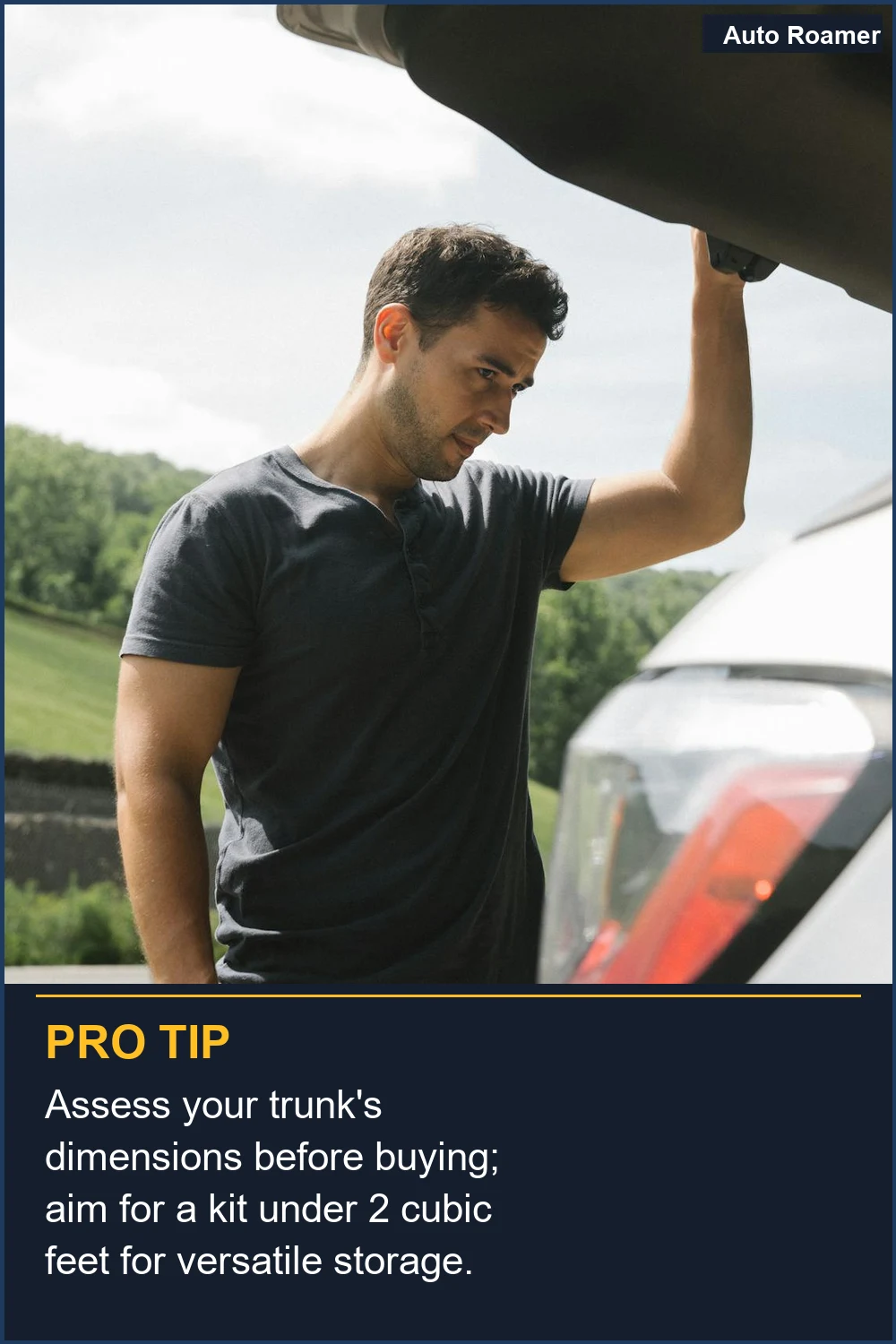
So, how big does your car emergency kit need to be? The honest version is: it depends. But let's break it down based on what you're actually likely to need. Car and Driver talks about essentials, and that's the key - essentials. Not your entire garage. For most folks, a medium-sized duffel bag or a sturdy plastic tote is plenty. This can comfortably hold things like a first-aid kit, jumper cables, a flashlight with extra batteries, some basic tools, a blanket, and a few bottles of water. I used a repurposed gym bag for my first few years, and it worked fine for everything except arctic expeditions. If you live in an area with harsh winters or frequently drive through remote spots, you'll need to size up. Think more like a large tote or even a small footlocker. This is where you add extras like hand warmers, a more substantial blanket or sleeping bag, traction aids like sand or cat litter, and maybe a small shovel. Last year, I spent 4 hours stuck on a snowy highway in Pennsylvania, and my 'winter upgrade' kit was a lifesaver. The $15 bag of cat litter was worth its weight in gold. What about those giant, all-in-one kits you see online? Honestly, they're often overkill for 90% of people. You're paying for a lot of stuff you'll probably never use. My friend bought one of those $200 behemoths, and half of it was empty snack wrappers and weirdly specific wrenches. It's the $50 version, carefully curated, that gets the job done. The National Safety Council recommends checking your kit every six months, which is a good reminder to actually go through it and see what you've accumulated. The real move is to consider your personal situation. How far do you typically drive? What's the weather like where you live? Do you have a reliable car, or is it older and a bit temperamental? My old Civic needed more in its kit than my current Subaru does, just because I was constantly worried about it breaking down. Every car and every driver is different. Think about what you can *realistically* use. A massive tarp is great in theory, but if you can't figure out how to rig it up in a downpour, it's useless. A simple, compact emergency poncho is way more practical for unexpected rain. It's about having the right tools for the job, not just *any* tools. My trunk is usually packed for camping, so I've learned to consolidate. A good headlamp, for example, can serve as both a camping light and an emergency repair light. Brilliant engineering, if I do say so myself. Ultimately, the size of your kit should be dictated by the potential duration and severity of the emergency you're preparing for. A short breakdown on a sunny day requires a lot less than being stranded overnight in a blizzard. The Ready.gov site has a good checklist, but remember to tailor it. Don't just buy a kit; build one that fits *you* and your car. My goal is always to have enough to be comfortable and safe until help arrives, not to become self-sufficient for a month.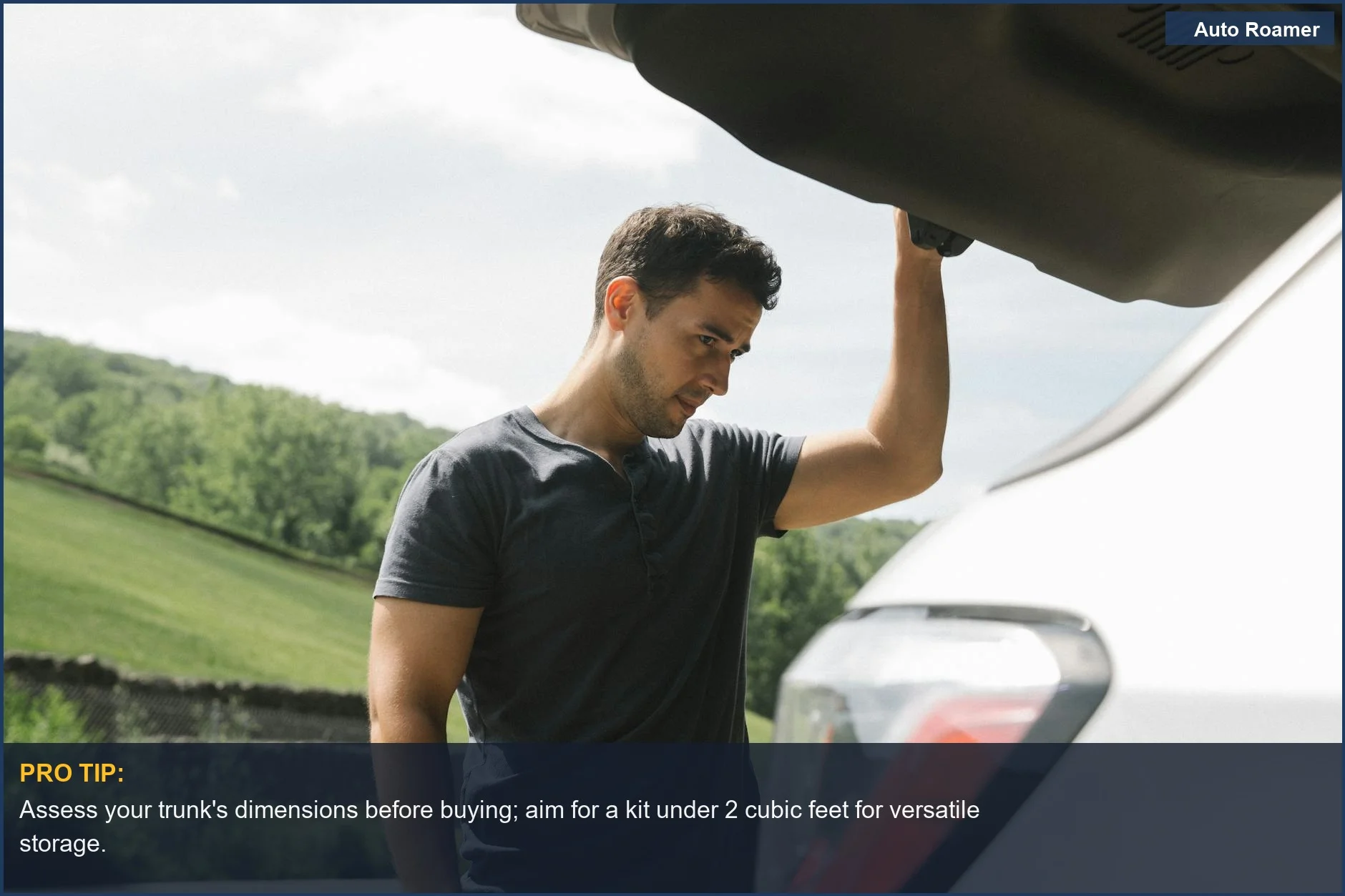
Why This Matters for Your Setup
Making the Right Choice
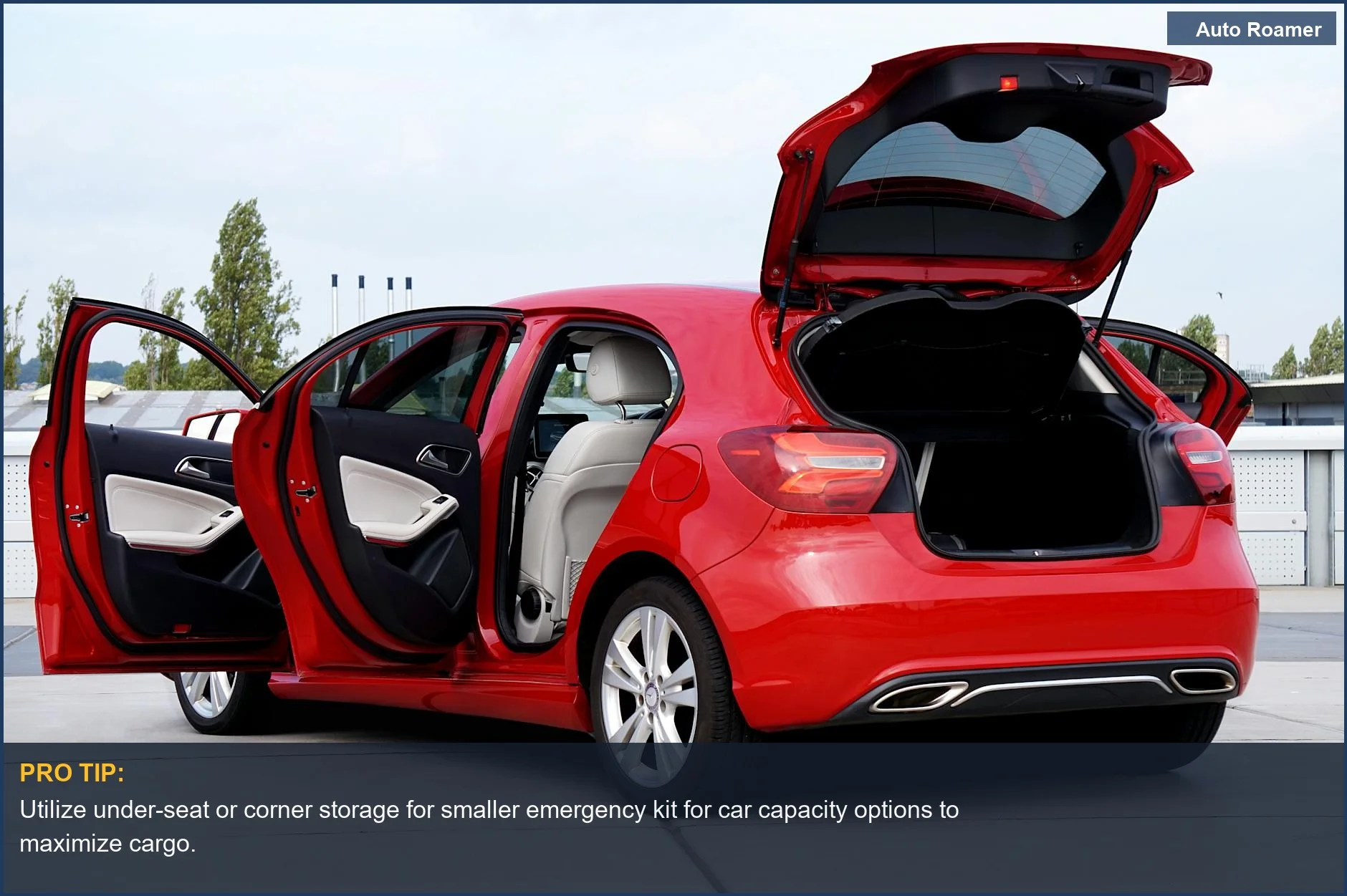
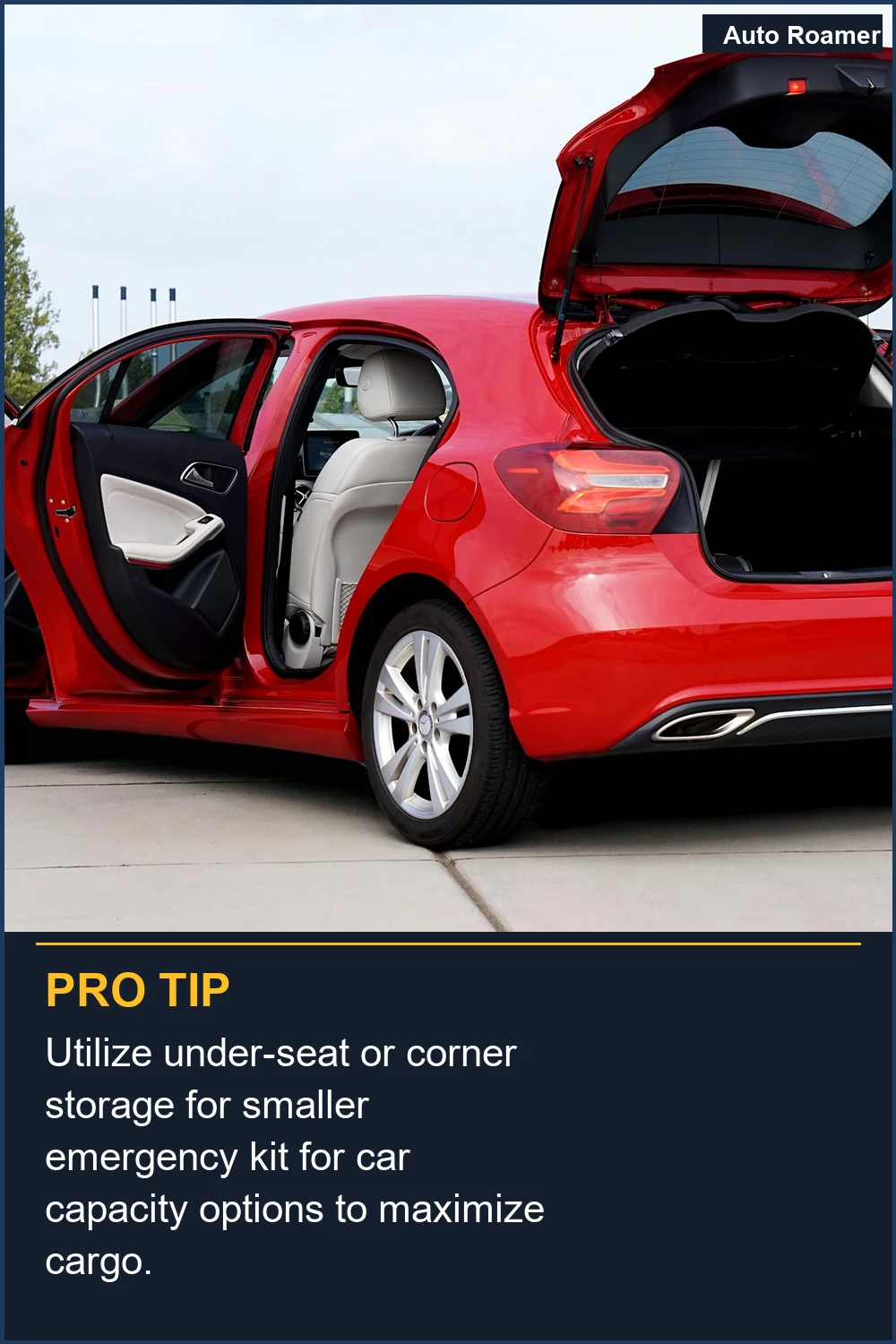
Choosing the right size car emergency kit boils down to a few simple questions. What's your typical driving environment? How far do you usually travel? And what's your personal comfort level with being stranded? Allstate suggests tailoring your kit, and I couldn't agree more. A medium-sized tote is usually the sweet spot for most drivers. It's big enough for the essentials like jumper cables, a first-aid kit, and a blanket, but not so large that it becomes a burden. My buddy Dave, who lives in Florida, has a much smaller kit than my cousin Sarah, who's dealing with Minnesota winters. Physics doesn't care about your zip code, but your preparedness should. Don't get bogged down in the 'what ifs' of every single disaster scenario. Focus on the most common and likely issues: a dead battery, a flat tire, or getting stuck for a few hours. The $50 version of preparedness is often the most practical. It's about being ready, not about winning a survival challenge. My goal is always to get myself back on the road or comfortable until help arrives, and a well-sized kit makes that possible. Red Cross agrees that preparedness is key, and a kit that fits your car and your life is the best kind.
Frequently Asked Questions
I saw a pre-made emergency kit online for $150 that claimed to have everything. Is it cheaper to just buy that, or can I build a comparable one myself for less?
Do I really need a specific 'car emergency' flashlight, or can I just use the one on my phone?
What if I pack a bunch of stuff and never use it? Does it just go bad and I have to replace it all?
If I leave a blanket and some basic tools in my trunk all the time, will they get damaged or wear out from being in there?
I heard you should always keep a full tank of gas, but isn't that bad for the fuel system if you don't use it often?
🏅 Looking for Gear Recommendations?
Check out our tested gear guides for products that work with this setup:
Sources
- Car Safety | Ready.gov
- What should I actually keep in my car? What roadside emergencies ...
- What To Have In Your Car Emergency Kit | AAA Automotive
- Making a Car Emergency Kit in 2025 [Guide] - Allstate
- Emergency Car Kit - National Safety Council
- Best Car Emergency Kit Essentials for 2026 - Car and Driver
- Build the Ultimate Car Emergency Kit — Before You Need It - YouTube
- Emergency Car Kit: 10 Essential Items - Red Cross