
Where to Start
My first real roadside emergency was a flat tire on I-81 in Virginia, 27 miles from the nearest exit, with zero cell service. I had a rusty scissor jack, a spare tire from 2008, and a lug wrench that was definitely the wrong size. What nobody tells beginners is that a 'spare tire' often means a tiny donut that's good for 50 miles at 50 mph, not a full replacement.
I spent 43 minutes wrestling with a lug nut before a passing semi-truck driver stopped to help, armed with a proper impact wrench. Wirecutter says a good kit is essential, and they aren't wrong.
Quick Verdict
- Jump Starter: I learned the hard way that cheap jumper cables are basically decorative. My old set from a discount store barely sparked when my battery died in a Walmart parking lot during a blizzard. A portable jump starter is the real move. It's a lifesaver when you're alone and can't find another vehicle to get a boost.
- Tire Inflator & Repair Kit: If you've ever limped a slow leak into a gas station at 3 AM, you know. My rookie mistake was thinking a can of Fix-A-Flat was a permanent solution. It's not. It's a temporary patch to get you somewhere safe. A small compressor and a plug kit can actually save you a tow.
- First-Aid Kit: Forget the tiny kits with two band-aids.
I once cut my hand on a rusty fender trying to check my oil in the dark. A proper kit with antiseptic wipes, gauze, and pain relievers is critical. You don't want to be bleeding out over your steering wheel. MotorTrend emphasizes a good first-aid kit.
- Headlamp & Flashlight: Trying to change a tire with your phone's flashlight is a recipe for disaster. I did this once at a campsite in Colorado, dropped my phone, and cracked the screen.
A headlamp keeps both hands free. Always pack extra batteries.
- Basic Tool Kit & Duct Tape: You don't need a full mechanic's chest. But a multi-tool, a few wrenches, and a roll of duct tape can fix surprising things. I once used duct tape to hold a flapping bumper on my old sedan for 100 miles. It worked.
- Reflective Triangles/Flares: Sitting on the shoulder of a highway in the dark is terrifying. My first time, I just put on my hazard lights.
Then a semi blew by and rocked my car. Reflective triangles make you visible. They're cheap insurance. Road & Track says to include safety gear like these.
- Water & Non-Perishable Food: Even if you're only going an hour away, keep some water and a protein bar. I learned this when my car overheated in the desert outside Palm Springs. No shade, 105 degrees F, and I was thirsty within 15 minutes.
What to Look For
| Essential Item | What I Learned (The Hard Way) | The Real Move |
|---|---|---|
| Jump Starter | My cheap cables didn't work. Had to wait 2 hours for AAA in a downpour. | Look for ~1000-2000 peak amps. Enough to crank a V6. Rechargeable via USB-C is a bonus. |
| Portable Air Compressor | Thinking a gas station air pump would always be there. It wasn't. | Needs to reach ~35-40 PSI quickly. A built-in gauge is handy.
Make sure the cord reaches all four tires. |
| Tire Plug Kit | Believing a can of sealant was a permanent fix. It seals, but gums up your tire sensor. | Simple string plugs are easy to use. Learn how to use the reamer and insertion tool beforehand. |
| First-Aid Kit | A tiny kit with two band-aids is for paper cuts, not road rash. | At least a 100-piece kit with antiseptic, gauze, pain relievers, and medical tape.
Check expiration dates. |
| Headlamp | Holding my phone flashlight in my teeth while trying to check fluids. | At least 200 lumens. Multiple modes (red light for night vision). Comfortable strap. Pedal Commander agrees: hands-free is key. |
| Reflective Triangles | My hazards felt sufficient until a semi nearly blew me off the road. | At least two, weighted so they don't blow away. Easy to deploy, visible from 500 feet. |
| Water & Snacks | Assuming I'd always be near a store.
I wasn't, in rural Montana. | At least 2 liters of water per person. Non-perishable snacks like protein bars or jerky. |
| Warm Blanket/Sleeping Bag | My thin picnic blanket did nothing when the heater died in winter. | A cheap fleece blanket or even an old sleeping bag. Something that holds heat if you're stuck for hours. |
| Basic Tool Kit | Just a screwdriver and pliers. Not enough for anything beyond tightening a loose screw. | Multi-tool, adjustable wrench, vice grips, duct tape, zip ties. For field fixes, not major repairs. |
Our Top Picks for Reliable Performance
When you're stuck on the side of the road, you want gear that actually works, not some flimsy junk that fails at game-time. These are the tools that have earned their spot in my emergency kit through sheer usefulness (and avoiding me a few expensive tow bills).
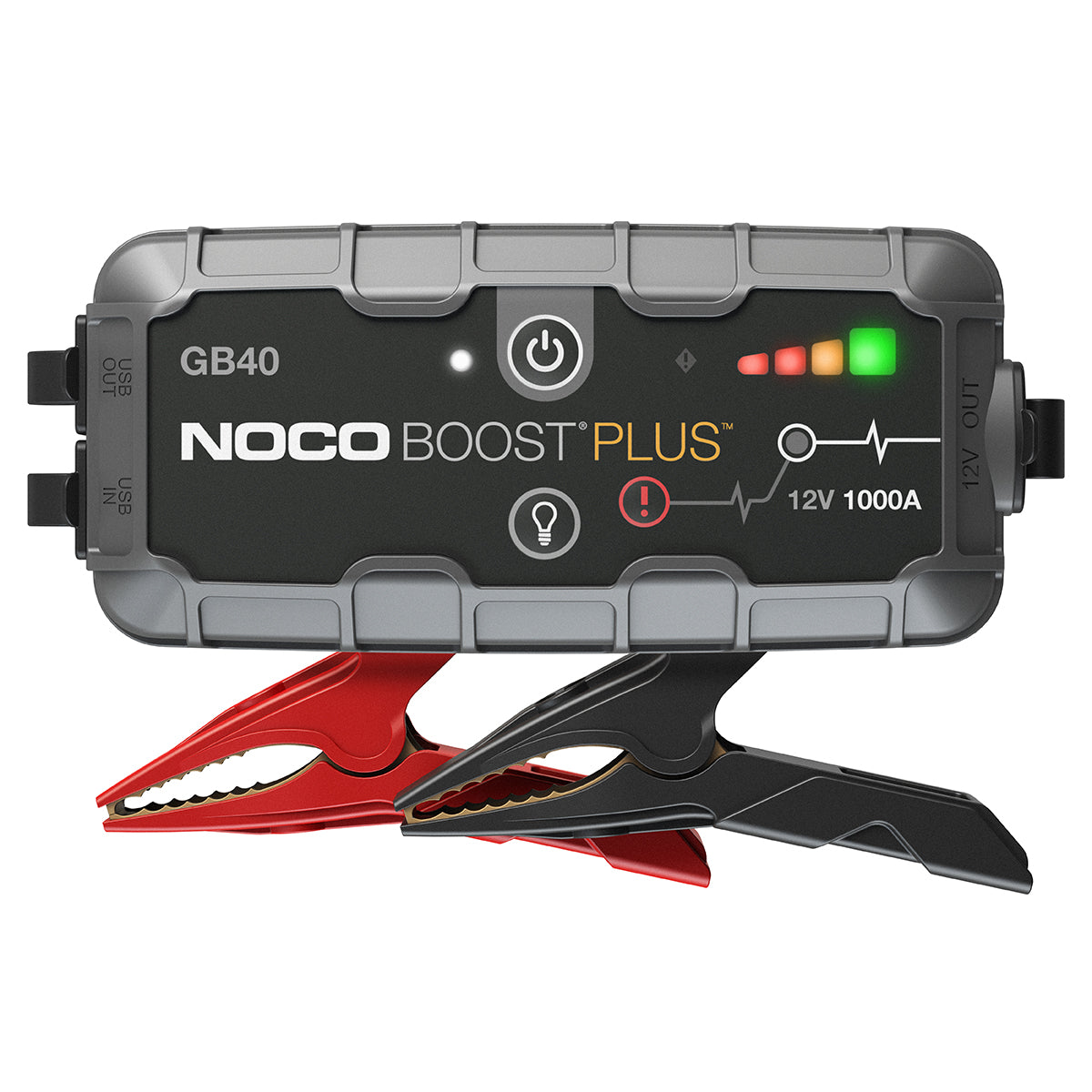
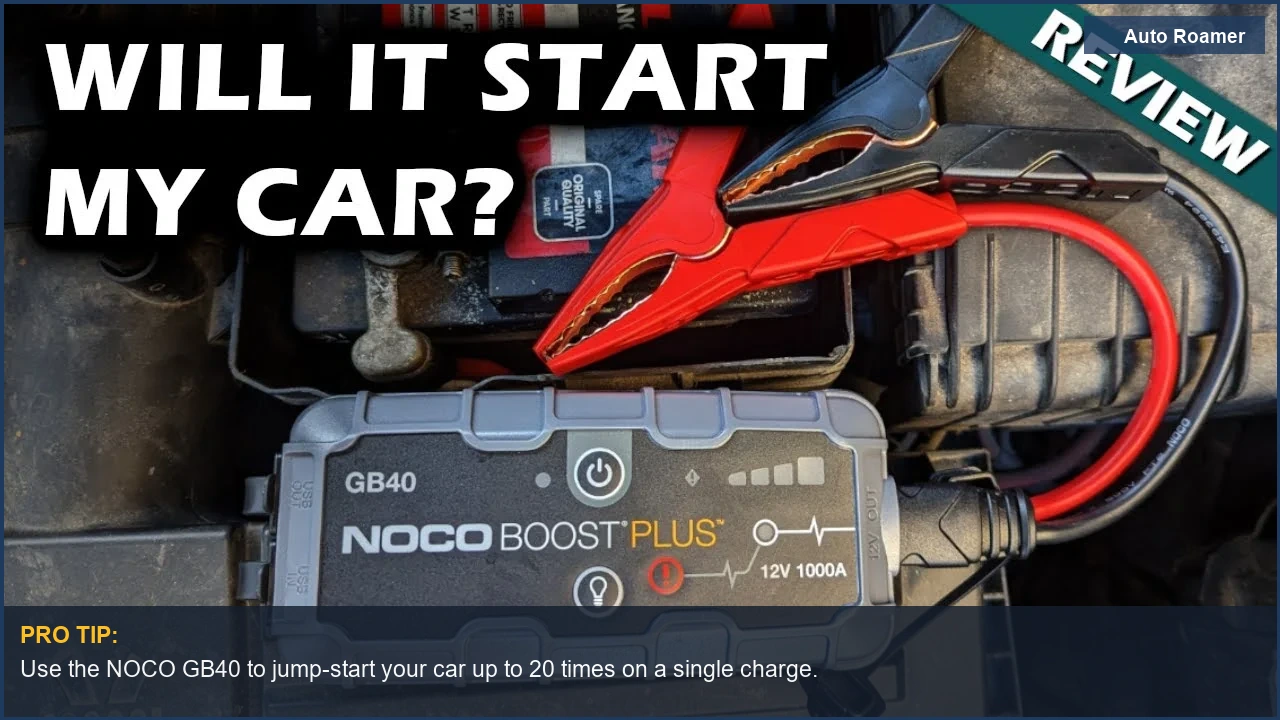
NOCO Boost Plus GB40 (~$125)
Capacity/Key Specs: 1000 Amps, up to 6.0L gas/3.0L diesel engines, built-in LED flashlight.
Pros: Compact, easy to use, holds a charge for a long time.
It starts my old V6 Tacoma without breaking a sweat. It's saved my butt more than once.
Cons: Can be a bit pricey for the first-timer. The clamps could be a little beefier.
Best-for use case: Solo travelers, anyone who drives an older vehicle, or those who want peace of mind in remote areas.
Autoroamer recommends a portable jump starter.
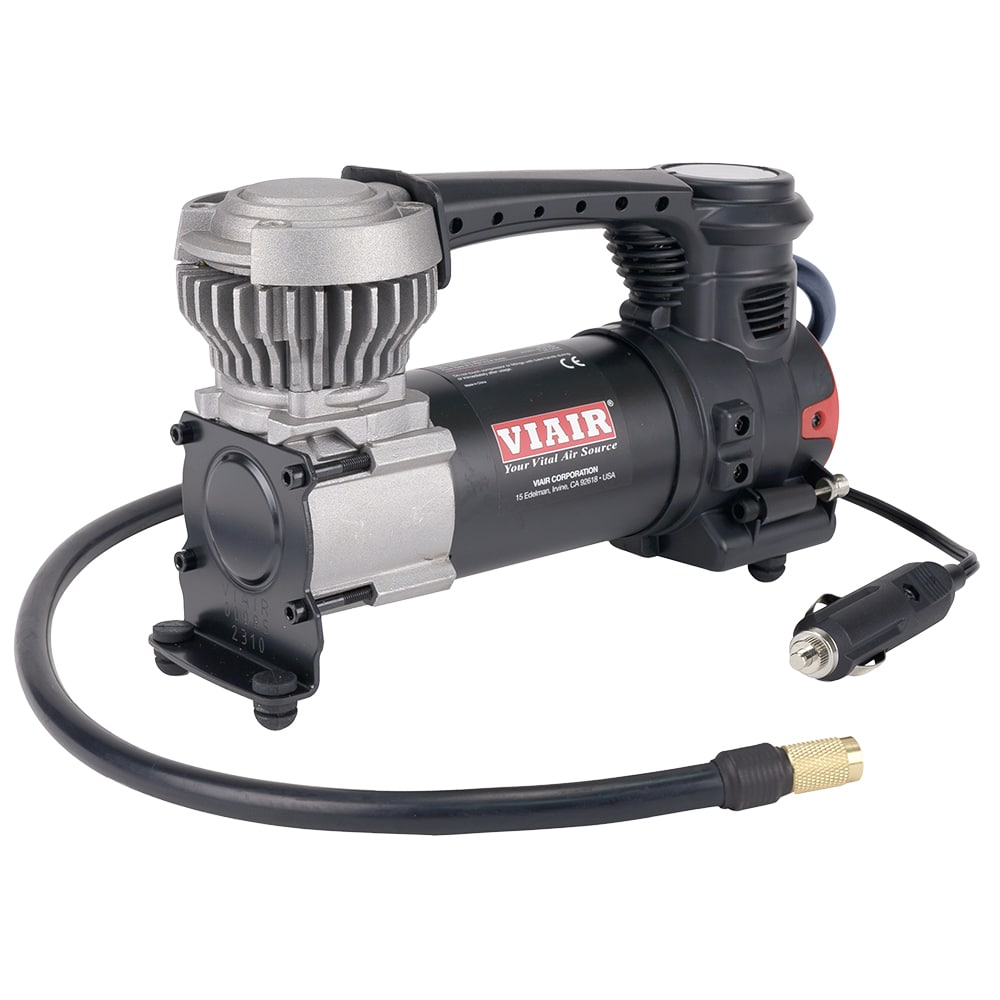
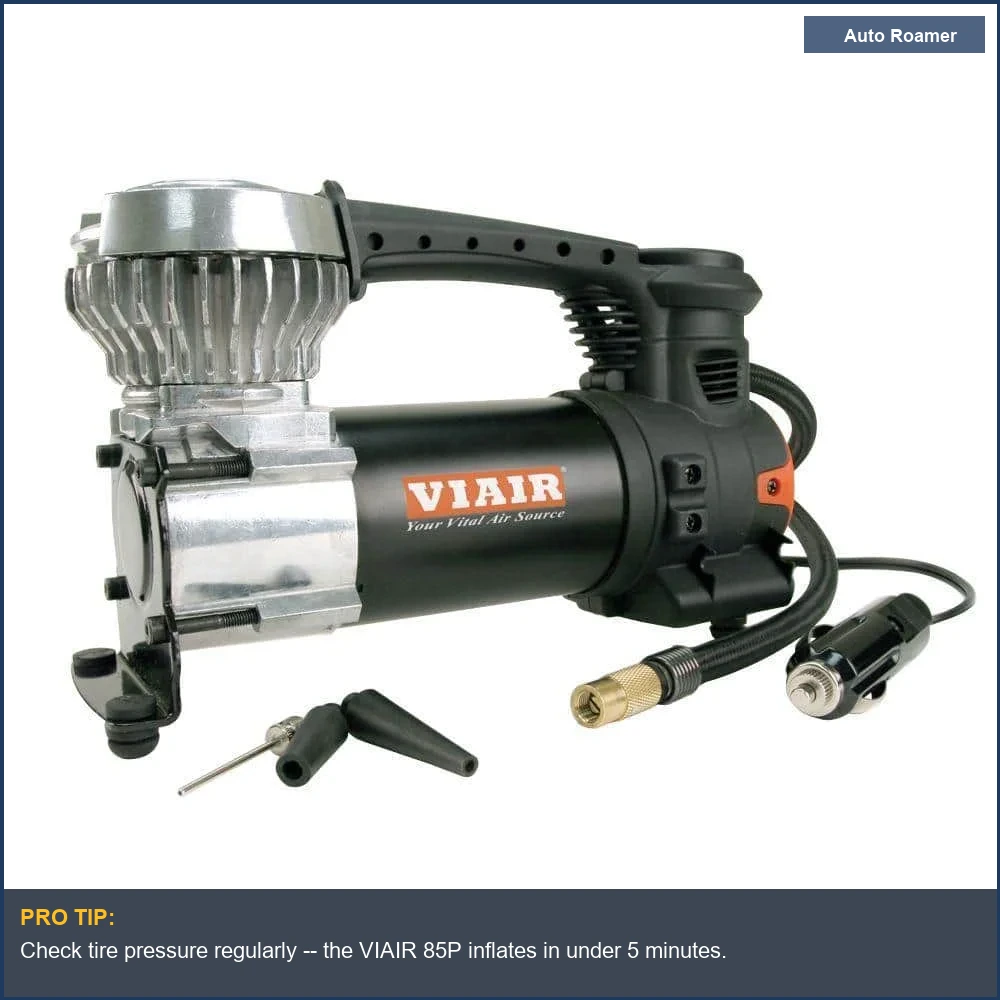
VIAIR 85P Portable Air Compressor (~$70)
Capacity/Key Specs: 60 PSI max pressure, 1.26 CFM, plugs into 12V cigarette lighter.
Pros: Inflates tires quickly, has an integrated pressure gauge, small enough to stash under a seat. I've used this to air up everything from bicycle tires to my SUV's full-size spare.
Cons: Can get hot after extended use.
The power cord is only 10 feet, so you might have to move the compressor around your vehicle.
Best-for use case: Anyone who deals with slow leaks, wants to re-inflate after off-roading, or just wants to check tire pressure regularly. Pedal Commander lists a portable air compressor as essential.
Slime Deluxe Tire Repair Kit (~$25)
Capacity/Key Specs: Includes reamer, plugger tool, 5 string plugs, rubber cement.
Pros: Simple to use, effective for most punctures up to 1/4 inch.
This kit saved me a flatbed tow after I ran over a nail in a construction zone. The $25 version beats a $200 tow any day.
Cons: Not for sidewall punctures. Requires some arm strength to use the reamer.
Best-for use case: Quick, temporary fixes for small tread punctures.
Gets you to a tire shop, not a permanent solution.
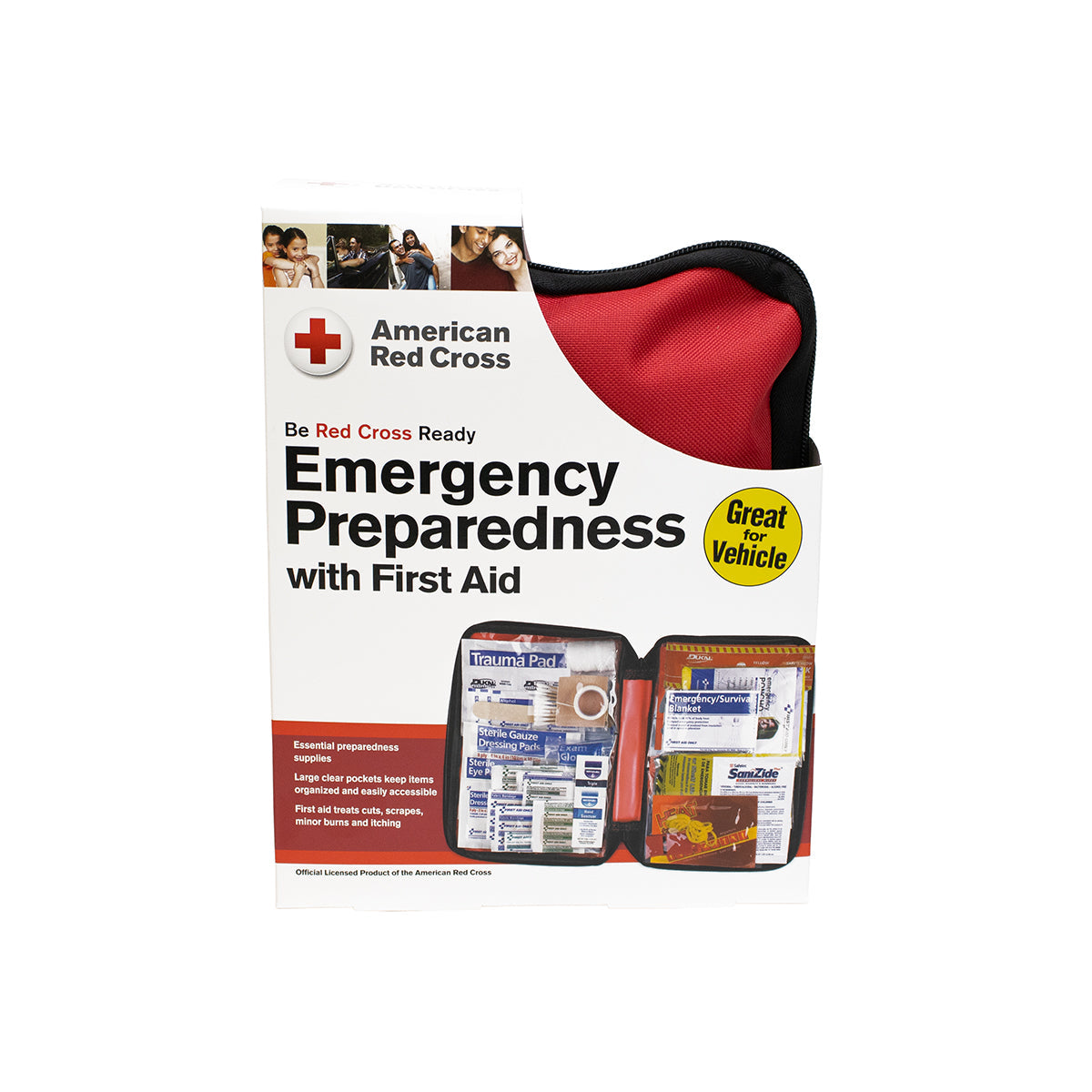
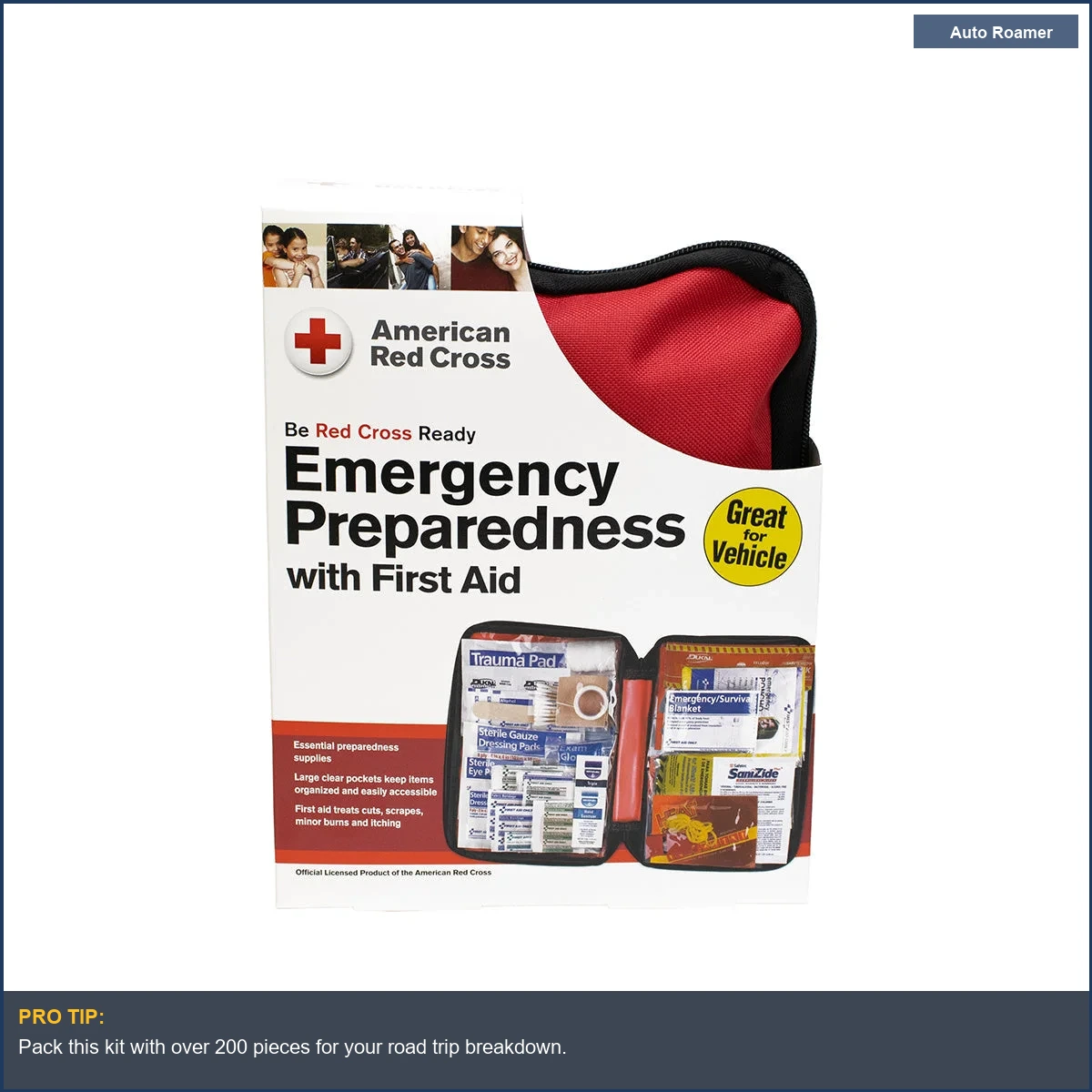
First Aid Only 299 Piece All-Purpose First Aid Kit (~$40)
Capacity/Key Specs: 299 pieces, including bandages, antiseptic wipes, gauze, cold pack, pain relievers.
Pros: Well-organized, comprehensive for most minor injuries. It's got everything from tiny band-aids to trauma pads. I once needed the burn cream after touching a hot engine part.
Cons: The case isn't super durable.
Some items are small and can be hard to find in a hurry.
Best-for use case: General road trip emergencies, minor cuts, scrapes, and burns. It's more than just a boo-boo kit. CNN Underscored recommends a well-stocked first aid kit.
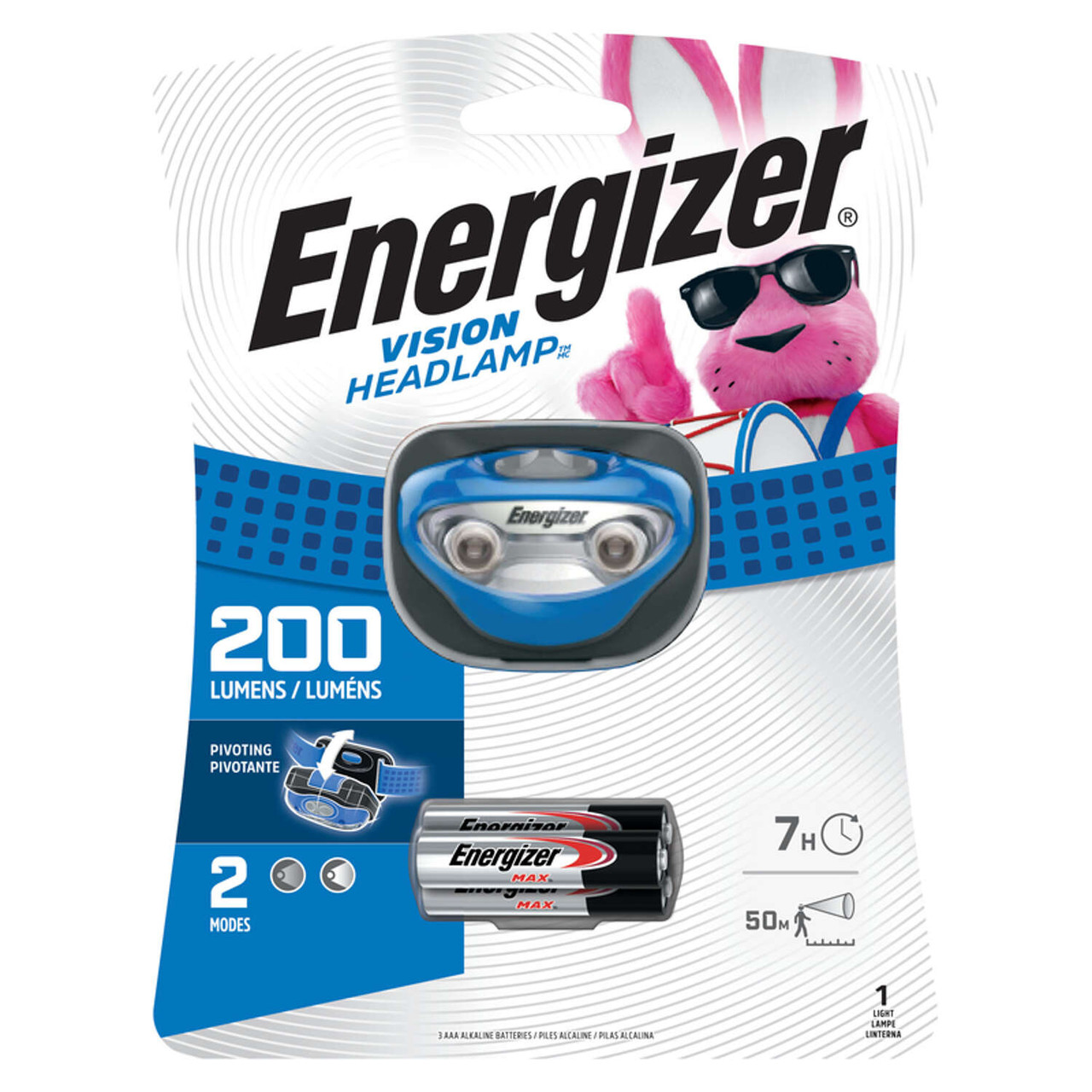
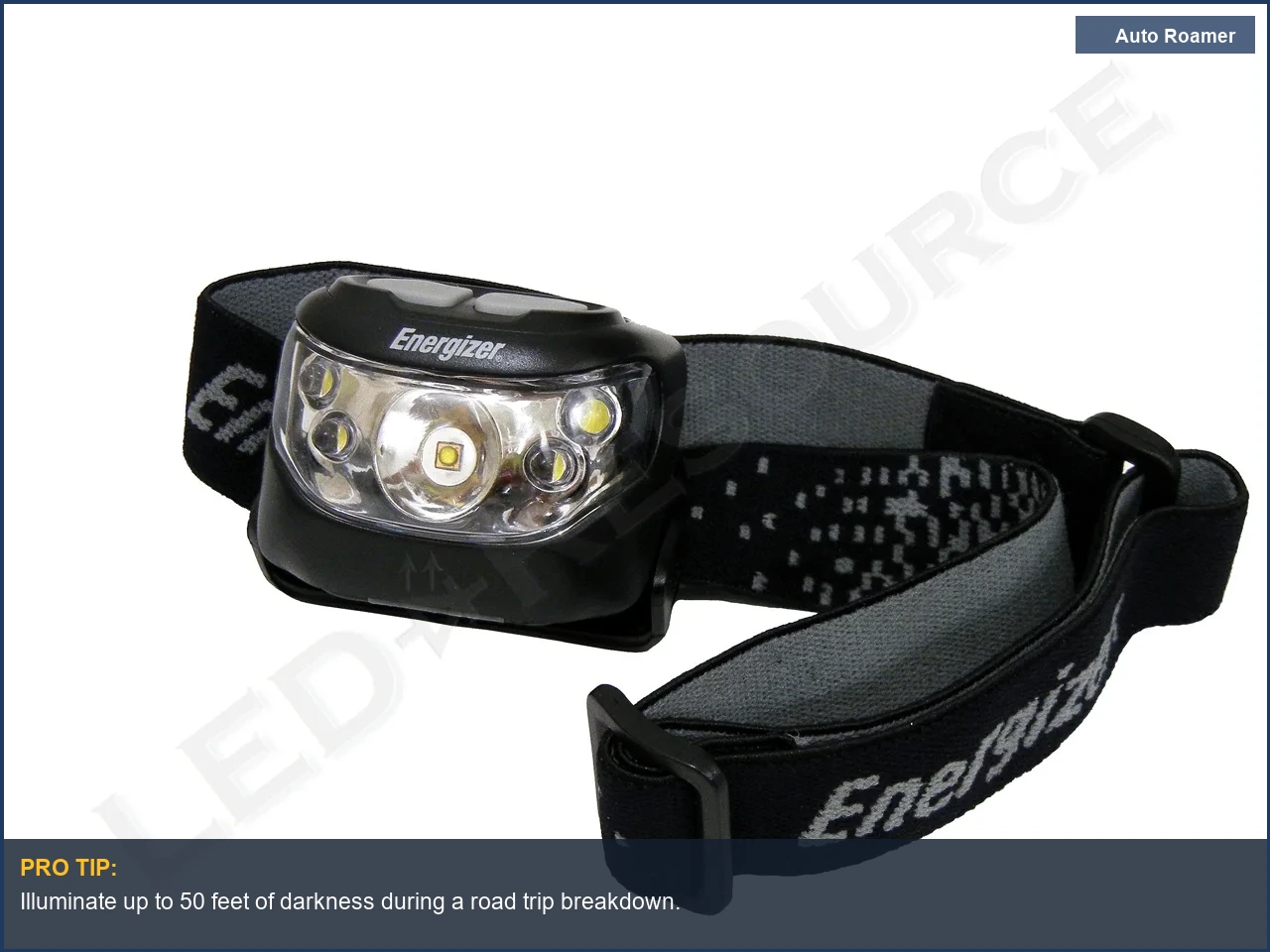
Energizer LED Headlamp (200 Lumens) (~$15)
Capacity/Key Specs: 200 lumens, multiple light modes (high, low, red), runs on 3 AAA batteries.
Pros: Inexpensive, bright enough for most roadside tasks, keeps your hands free.
I've used this for everything from changing a tire in the dark to setting up camp. The red light mode is a game-changer for not blinding yourself at night.
Cons: Not rechargeable. Battery life can vary based on usage.
Best-for use case: Any nighttime roadside work, rummaging through your trunk, or setting up camp in the dark.
Reddit users mention headlamps as essential.
Roadside Emergency Triangles (3-pack) (~$30)
Capacity/Key Specs: 17x17 inch triangles, weighted bases, comply with DOT standards.
Pros: Highly visible, fold up compactly, easy to set up. These are way better than just your hazard lights. They scream "DANGER!" to oncoming traffic. I deploy them every time I'm on the shoulder.
Cons: Can be a bit bulky for very small cars.
The plastic can feel a little flimsy.
Best-for use case: Making yourself visible on busy roads or highways, especially at night or in bad weather. Essential safety gear.
Head-to-Head Comparison
| Feature | DIY Breakdown Kit (The Weekend Warrior Approach) | Professional Roadside Assistance (AAA, OnStar, etc.) |
|---|---|---|
| Cost | Initial outlay of ~$200-300 for quality gear. No recurring fees unless you replace items. | Annual membership fees ~$60-150. Potential per-service charges if you exceed benefits. |
| Response Time | Instant. You have the tools; you can start fixing immediately. | Can be 30 minutes to several hours, depending on location, time of day, and demand.
My longest wait was 4 hours in rural New Mexico. |
| Scope of Help | Limited to what you can physically do with your tools and knowledge. Flat tires, jump starts, minor fluid top-offs. | Tow service, professional mechanics, fuel delivery, lockout service. Covers major issues you can't fix yourself. Pack Hacker mentions planning for the unexpected. |
| Skill Required | Basic mechanical knowledge, willingness to get dirty, ability to follow instructions. | None. You call, they come. Zero personal effort beyond waiting. |
| Peace of Mind | Knowing you're prepared for common issues.
Empowerment from self-reliance. | Knowing a professional is on the way for any problem, big or small. Less stress in a crisis. |
| Best For | Common, simple issues. Remote areas with no cell service. Learning basic car maintenance. CNN Underscored lists emergency kits as essential. | Complex mechanical failures. Long-distance travel. Anyone uncomfortable with DIY repairs. |
Budget vs Premium: Where Your Money Actually Goes
I've tried both the cheapest gear and some pricier options. The honest version: there's a sweet spot. Spending $10 on a jump starter is a rookie mistake that will leave you stranded. Spending $300 on one might be overkill for a Civic. Here's what I've seen.
| Item Category | Budget (~$50-100) | Premium (~$200-400+) |
|---|---|---|
| Jump Starter | Typical: Autoroamer mentions portable jump starters. Smaller battery capacity (500-800 peak amps). Often less durable plastic casing. Might struggle with larger engines (V8s) or very dead batteries. | Typical: Higher peak amps (1500-3000+). Robust metal casing, extra features like USB charging ports, air compressor, or even an inverter. Longer battery life. |
| Portable Air Compressor | Typical: Slower inflation times. Less accurate pressure gauges. Shorter cords. Can overheat easily. Might struggle to reach higher PSI for truck tires. | Typical: Faster inflation, more accurate digital gauges. Longer, more durable hoses and power cords. Often quieter operation. Built to last through many uses. |
| First-Aid Kit | Typical: Basic bandages, antiseptic wipes, maybe a few pain relievers. Often in a flimsy plastic case. Good for minor scrapes but not much else. | Typical: Comprehensive supplies for various injuries (burns, sprains, major cuts). Durable, waterproof case. Often includes specialized tools like trauma shears or splints. |
| Headlamp | Typical: Lower lumen output (50-150 lumens). Flimsy headbands. Limited modes. Shorter battery life. Can feel cheap and uncomfortable after a while. | Typical: Higher lumen output (300-1000+ lumens). Durable, comfortable, adjustable straps. Multiple beam patterns, rechargeable batteries, and robust housing. |
| Tool Kit | Typical: Basic multi-tool, small adjustable wrench, cheap pliers. Tools might strip or break under pressure. Good for tightening a loose screw, not much more. | Typical: High-quality multi-tool, dedicated wrenches, sockets, and screwdrivers. Durable, hardened steel tools that won't fail when you need them most. |
My field notes tell me that for a jump starter, spending closer to $100-$150 is the sweet spot. You get enough power for most vehicles without shelling out for features you'll never use. For a first-aid kit, get the biggest one you can comfortably afford and store. You can always add to it.
The Bottom Line
- Start Simple, Build Up: My first breakdown kit was cobbled together from garage leftovers. Don't feel like you need everything at once. Get a jump starter, a tire kit, and a headlamp first. Those are your immediate priorities for common issues.
- Practice Makes Perfect (or at least less painful): Ever tried to use a tire plug kit for the first time on a dark, rainy night? I have. It's not fun. Practice changing a tire in your driveway.
Learn how your jump starter works. It's game-time experience you can get beforehand.
- Roadside Assistance Isn't Cheating: Seriously, for all the talk about DIY, sometimes you just need a pro. My AAA membership has paid for itself multiple times over. It's the ultimate essential for when your DIY kit just isn't enough, like when your transmission decides to take an early retirement. Cinder's Travels mentions a simple emergency kit, but sometimes you need more.
- Know Your Vehicle: Every car is different.
Does your spare tire require a special lug key? Where's your jack stored? Does your car even have a spare, or just a repair kit? These are things you need to know before you're stuck on the side of the road.
- Don't Skimp on Safety: Reflective triangles, a high-vis vest, a good headlamp - these aren't optional. Sitting on the side of the road is dangerous. Making yourself visible is the cheapest insurance you can buy for your life.